
人形机器人

Search documents
华纬科技:从技术角度看,公司切入人形机器人领域不存在实质性障碍
Zheng Quan Ri Bao Wang· 2026-01-14 02:11
Group 1 - The company, Huawei Technology, stated that there are no substantial technical barriers for entering the humanoid robot field [1] - The company has long-term capabilities in the design and manufacturing of valve types and special-shaped springs [1] - Relevant technologies have been widely applied in the automotive and general machinery sectors [1]
人形机器人和强化学习交流群成立了
具身智能之心· 2026-01-14 02:02
具身智能之心人形机器人与强化学习技术交流群成立了,欢迎从事RL、人形机器人相关方向的同学加入。 感兴趣的同学添加小助理微信AIDriver005,备注"方向+机构+姓名/昵称"。 ...

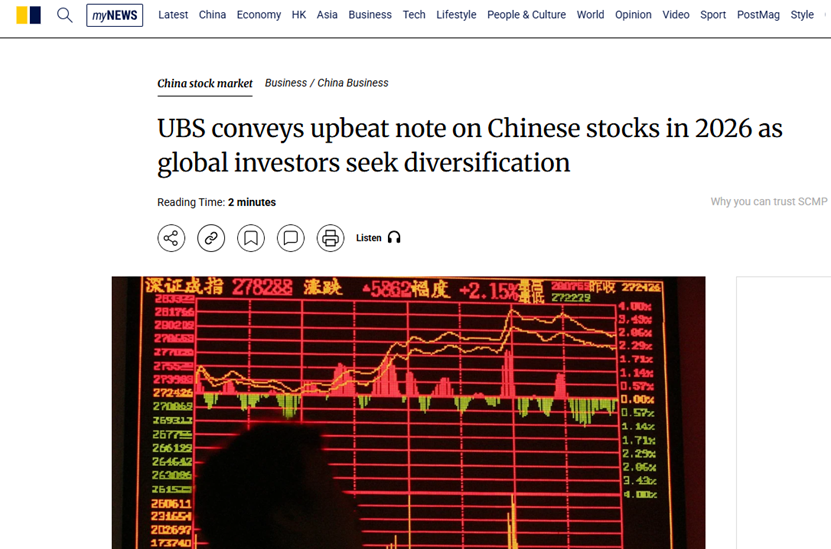
瑞银对中国股市在2026年的前景持乐观看法
Huan Qiu Wang· 2026-01-14 01:32
Group 1 - A total of 186 listed companies have been subject to concentrated research by public funds and brokerages, with a combined total of 220 research instances as of January 13 [1] - Popular companies such as Aipeng Medical, Entropy Technology, and Superjet Co. have attracted over 120 participating institutions each, focusing on topics like brain-computer interfaces, commercial aerospace, and humanoid robots [1] - UBS Group is optimistic about the Chinese stock market's prospects in 2026, highlighting China's large economy and technological innovation as key factors for global investors seeking diversification from high-valued U.S. stocks [1] Group 2 - Over the past year, the Chinese stock market has outperformed the U.S. stock market, with investors shifting focus to other markets, including China, amid U.S. government attempts to influence the Federal Reserve [4] - The daily trading volume on the Shanghai and Shenzhen exchanges recently reached a record high of 3.58 trillion yuan, with some indices consolidating around four-year highs [4] - UBS strategist Meng Lei noted that the surge in trading volume should not be interpreted as excessive speculation, as the pace of new stock account openings in 2025 is moderate and the proportion of leveraged trading remains low [4]

八部门鼓励养老服务机器人产业发展,机器人ETF(159770)跟踪指数近17日反弹涨超18%,昨日成交额超6.4亿元居深市同标的第一
Sou Hu Cai Jing· 2026-01-14 01:31
Group 1 - The A-share market experienced a collective adjustment, with the CSI Robot Index falling by 1.15% and the Sci-Tech Innovation Index declining by 2.66% on January 13 [1] - The Robot ETF (159770) saw a trading volume exceeding 640 million yuan, maintaining its position as the top product in the Shenzhen market, with a latest circulation scale of over 11 billion yuan as of January 12 [1] - The Sci-Tech Innovation ETF Tianhong (589860) had a turnover rate exceeding 8% and continued to trade at a premium, with a premium/discount rate of 0.09% [1] Group 2 - The CSI Robot Index and Sci-Tech Innovation Index rebounded significantly in the recent A-share market rally, with increases of 18.27% and 19.83% respectively over 17 trading days [2] - Recent policy support for the robot industry includes measures from multiple government departments to promote the development of elderly care service robots, addressing the needs for daily care and emotional support for the elderly [2] - The Jiangsu provincial government has issued an action plan to promote the development of embodied intelligent robots, focusing on the research and development of intelligent operating systems and application frameworks [2] Group 3 - Guotai Junan Securities expresses optimism about the robot sector, anticipating strong catalysts and marginal changes in Q1 2026, indicating a favorable outlook for the industry [3]

2026年北京亦庄半程马拉松将采取“人机共跑”模式
Ke Ji Ri Bao· 2026-01-14 01:20
记者1月12日获悉,在北京市政府新闻办公室日前举行的新闻发布会上,北京经济技术开发区管委会副 主任梁靓宣布,北京亦庄半程马拉松暨人形机器人半程马拉松将于2026年4月19日举办。梁靓说,赛事 将采用"人机共跑"模式,即人类选手和人形机器人选手同时起跑、共用同一赛道。 让真人和机器人共用赛道,目的是什么?梁靓介绍,本届赛事以"亦马当先"为主题,起点设于北京亦庄 通明湖畔的科创十七街,终点为南海子公园,融合城市主干道、国际汽车赛事路段与公园生态场景,实 现硬核科技街区和自然生态空间的衔接,为机器人提供真实、多元、复杂的实战环境,能够全面检验其 在开放场景中的适应与决策能力,推动人形机器人实现从"遥控"到"自主"的关键跃迁。 发布会上披露,比赛设立自主导航组和遥控组,采用混合计时方式在同一赛道竞技。自主导航赛队以比 赛净计时加上罚时作为完赛成绩,遥控组赛队则初定以比赛净计时成绩乘以1.2系数加上罚时作为完赛 成绩。此外,此次赛事严格规定遥控导航操作人员非必要不下车,取消人员跟随,从规则层面鼓励和引 导更多赛队实现自主完赛,推动机器人在环境感知、实时决策与持久稳定运动等核心能力上取得突破。 梁靓介绍,赛事创新增设"最 ...
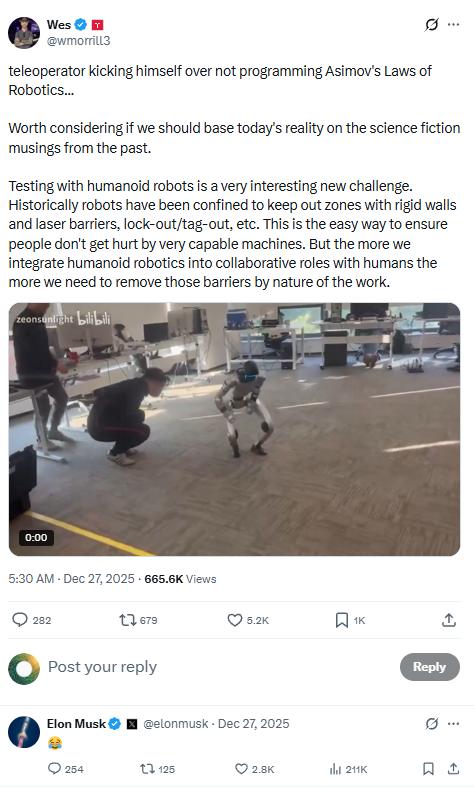
宇树向左,傅利叶向右:人形机器人的“成年礼”
3 6 Ke· 2026-01-14 01:13
Core Insights - The incident involving the G1 robot's unintended kick highlights a critical oversight in the robotics industry, where the focus has been on performance rather than safe human interaction [1][3] - The industry is transitioning from a phase of showcasing extreme capabilities to a more mature application phase, emphasizing the need for robots to be safe companions rather than just powerful machines [3][15] Group 1: Performance vs. Safety - The robotics industry has been dominated by narratives centered around "dynamic performance," with companies like Yuzhu achieving remarkable breakthroughs in motor performance and joint torque [4][6] - The incident with the G1 robot raises serious questions about what it means for robots to be "strong," as high explosive power without fine feedback control can lead to uncontrollable risks [6][7] - There is a growing recognition that simply enhancing motion capabilities does not equate to practical product viability; future robots must combine strength with a sensory system that can perceive environmental resistance and self-regulate [7][17] Group 2: Alternative Technological Approaches - A visit to Fourier revealed a contrasting technological ethos focused on safety and rehabilitation, stemming from their decade-long experience in the medical field before entering humanoid robotics [8][10] - The differences in design philosophy between performance-driven and application-focused companies highlight the importance of safety standards in human-robot interactions, especially in sensitive environments like healthcare [10][11] - The emphasis on tactile perception and safety in robotics is becoming a common trend across various sectors, indicating a shift towards more responsible and application-oriented development [11][12] Group 3: Aesthetic and Human-Centric Design - The external design of robots plays a crucial role in their acceptance by society, as seen in the G1 incident where the robot's industrial appearance may evoke discomfort among vulnerable populations [12][14] - Fourier's GR-2 exemplifies a new trend in robot design that prioritizes aesthetics and human comfort, moving away from purely functional designs to those that integrate seamlessly into home environments [14] - The industry is beginning to recognize that robots should not only serve as tools but also as companions that can integrate into family settings, emphasizing the importance of aesthetics and approachability [14][18] Group 4: Industry Maturation - Predictions for 2025 as the year of humanoid robot proliferation have proven overly optimistic, with significant challenges remaining in transitioning from prototypes to market-ready products [15][17] - The industry is evolving towards a more balanced approach, where performance and stability are both prioritized, marking a maturation of the robotics sector [17] - The future of humanoid robots will depend on the integration of advanced algorithms, manufacturing processes, design, and supply chains, leading to a more practical and user-friendly evolution [17][18]
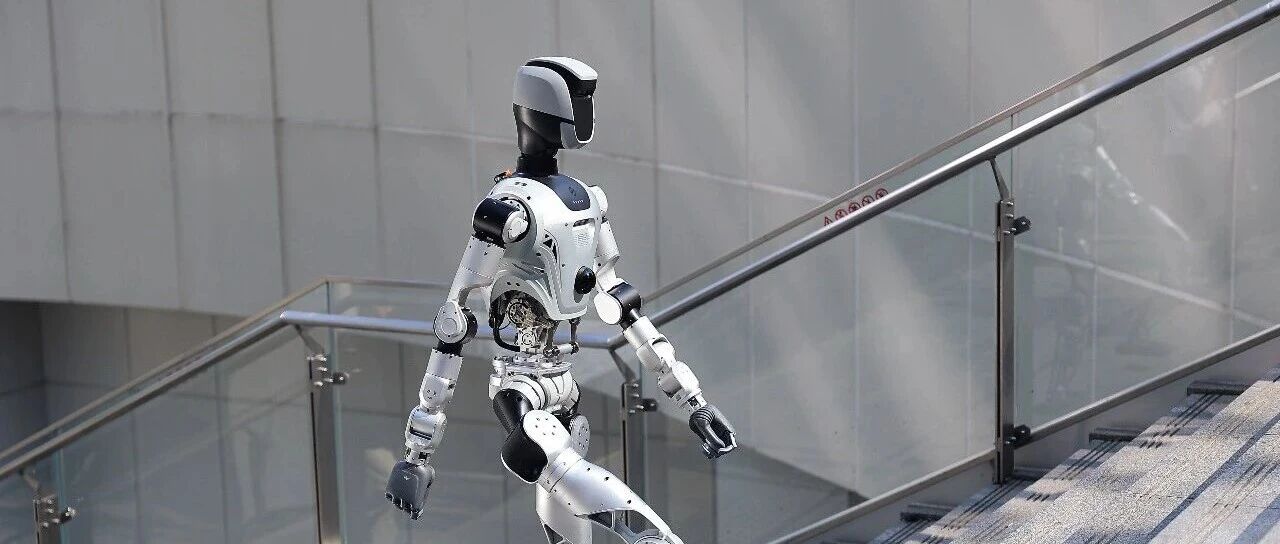
中金 | 人机系列05:灵巧手,人形机器人能力跃迁的关键支点
中金点睛· 2026-01-14 00:08
Core Viewpoint - The article emphasizes the critical role of dexterous hands in humanoid robots, highlighting their importance in transitioning from "walking" to "working" robots, and outlines the current state and challenges in the development of dexterous hands, particularly in transmission, drive, and perception systems [5][9][10]. Summary by Sections Market Potential - The global market for robotic dexterous hands is expected to exceed $3 billion by 2030, with a projected capacity of 141.21 million units by 2030 [5][12]. Transmission Development - Composite transmission solutions are becoming mainstream, with a notable increase in the penetration of micro ball screws due to their cost-effectiveness and mature design [5][29]. - Tendon transmission is favored for lightweight dexterous hands, significantly reducing fingertip inertia and supporting higher degrees of freedom [10][32]. Drive System - The trend towards cost reduction in brushless DC motors is significant, with Tesla leading the way in exploring these technologies [5][20]. - Brushless DC motors, hollow cup motors, and frameless torque motors are the primary drive solutions, each with distinct advantages and applications [20][21][26]. Perception System - Dexterous hands are evolving from single force perception to multi-modal perception, integrating visual and tactile feedback, with electronic skin emerging as a standard carrier for this technology [6][37]. - Current challenges in electronic skin include reliability, cost, and scalability in manufacturing [6][39]. Engineering Challenges - Dexterous hands face multiple engineering bottlenecks, including heat management, reliability, and the need for coordinated perception, drive, and execution systems [10][11]. - The integration of various technologies in the drive, transmission, and perception systems is still in progress, with ongoing exploration of different technical routes [15][17]. Industry Dynamics - The dexterous hand market is characterized by diverse technical solutions, with leading manufacturers adopting five-finger structures that cater to a wide range of industrial and service applications [18]. - The competition landscape includes third-party dexterous hand manufacturers and robot body companies, each leveraging their strengths in specific application scenarios [18][19]. Future Trends - The evolution of dexterous hands is marked by trends towards lightweight designs, high degrees of freedom, and enhanced perception capabilities [45][48]. - The integration of advanced materials and structural optimization is crucial for achieving the desired balance between weight, stiffness, and functionality in dexterous hands [47].

六大经济部委释放2026关键信号 两大市场要稳,这些产业要飞
2 1 Shi Ji Jing Ji Bao Dao· 2026-01-13 23:16
Group 1: Economic Policy Signals - The Chinese government is focusing on four key policy signals for 2026: stabilizing growth, expanding domestic demand, supporting technological innovation, and stabilizing the real estate and stock markets [1][2] - Various ministries are actively promoting early policy implementation to ensure a smooth start to 2026, including the early issuance of project lists and investment plans [1][2] Group 2: Fiscal and Monetary Policy - The 2026 fiscal policy will continue to be proactive, with an expanded fiscal spending plan and optimized government bond tools to enhance effectiveness [2][3] - The People's Bank of China will maintain a moderately loose monetary policy, with expectations of a 25-50 basis point reduction in the reserve requirement ratio and a 10-20 basis point decrease in the 7-day reverse repo rate [3][4] Group 3: Consumption and Investment - Measures to boost consumption include optimizing the trade-in policy for consumer goods and expanding service consumption, while investment will be supported through various government funding initiatives [5][6] - The government plans to implement a consumption upgrade policy, providing subsidies for trade-ins of automobiles, home appliances, and digital products [6] Group 4: Real Estate Market Stability - The 2026 strategy includes stabilizing the real estate market through targeted policies, such as controlling new supply and utilizing existing housing stock for affordable housing [11][12] - Major cities are expected to further relax housing purchase restrictions and lower mortgage costs to stimulate housing demand [12] Group 5: Emerging Industries Development - The government aims to enhance technological innovation capabilities and support the growth of emerging industries such as integrated circuits, new materials, and biomedicine [8][9] - A new venture capital fund has been established to attract investment in high-tech sectors, with an expected total investment scale exceeding one trillion yuan [9] Group 6: Innovation-Driven Growth - The focus for 2026 will be on building an innovation-driven growth model, emphasizing the integration of short-term policies with long-term structural reforms [10]
江苏省推进“人工智能+”行动方案 力争2030年产业规模超万亿元
Zheng Quan Shi Bao· 2026-01-13 18:13
Group 1 - Jiangsu has a solid industrial foundation, rich data resources, a concentration of scientific and educational talent, broad application scenarios, and strong innovation potential in the development of the artificial intelligence industry [1] - The "Artificial Intelligence+" Action Plan sets three development goals for 2027, 2030, and 2035, aiming to transition Jiangsu from a major province in AI applications to an innovation-driven province [1][2] - The plan emphasizes the integration of AI into six key areas: scientific research, industrial development, quality improvement in consumption, public services, social governance, and international cooperation, while also focusing on emerging industries such as humanoid robots, low-altitude economy, intelligent driving, biomedicine, and new energy [1] Group 2 - By 2027, Jiangsu aims for over 70% application penetration of new-generation intelligent terminals and intelligent agents, with rapid growth in the industry scale [2] - By 2030, the application penetration is expected to exceed 90%, with the formation of a number of domestically leading large models and large-scale commercial application scenarios, targeting an AI industry scale exceeding 1 trillion yuan [2] - By 2035, Jiangsu plans to establish itself as a leading innovation source and industrial high ground in the "Artificial Intelligence+" sector, entering a new stage of intelligent economy and society development [2]
市政府召开常务会议,研究推进美丽北京建设持续深入打好污染防治攻坚战等事项
Bei Jing Ri Bao Ke Hu Duan· 2026-01-13 14:17
Group 1: Environmental Protection Initiatives - The meeting emphasized the need to implement Xi Jinping's ecological civilization thought and set a target for 2026 to enhance the construction of a beautiful Beijing and improve the capital's ecological environment quality [2] - Key strategies include fighting for blue skies through structural, engineering, and management emission reductions, and improving air pollution prevention measures [2] - The meeting also highlighted the importance of water and soil protection, including the management of construction waste and noise pollution control [2] Group 2: Digital Economy Development - The meeting discussed the construction of a global digital economy benchmark city, focusing on the integration of digital technology, industry, applications, services, and infrastructure [3] - It aims to advance in key digital technology areas such as artificial intelligence, humanoid robots, and 6G, while addressing weaknesses and formulating targeted measures [3] - The focus is on enhancing digital services in education, healthcare, and cultural consumption, while improving data management capabilities [3] Group 3: Government Services Digitization - The meeting reviewed the action plan for the comprehensive deepening of "One Network for All" to promote the digitalization of government services from 2026 to 2027 [4] - It aims to optimize the user experience in government services and enhance the "Beijing Service" brand, increasing satisfaction among enterprises and citizens [4] - The plan includes strengthening data sharing and application, and leveraging artificial intelligence to improve administrative efficiency [4]