人民币国际化

Search documents
中国赢了!澳洲铁矿巨头妥协, 人民币结算铁矿石, 美元霸权再受创?
Sou Hu Cai Jing· 2025-10-18 06:55
Core Viewpoint - BHP has agreed to conduct iron ore transactions in RMB, marking a significant shift in the international trading landscape and a milestone in the internationalization of the RMB [1][3]. Group 1: Company Overview - BHP is Australia's largest iron ore group and has been the largest supplier of iron ore to China for decades [3]. - The company has been generating substantial profits from iron ore exports to China, earning over a billion dollars annually, significantly more than the profits of the Chinese steel industry [5]. Group 2: Strategic Moves by China - China has implemented a strategy to control steel production and established the China Mineral Resources Group to unify procurement negotiations, enhancing its bargaining power [7]. - The shift to RMB for iron ore transactions is part of China's broader strategy to reduce reliance on the US dollar and promote "de-dollarization" in international trade [9]. - China has diversified its iron ore supply sources beyond Australia, including Brazil and Russia, reducing its dependency on Australian iron ore [9]. Group 3: Infrastructure Development - China is investing in infrastructure to facilitate iron ore transportation from alternative sources, including constructing large-capacity ships and railways in Africa [9][11]. - This infrastructure development demonstrates China's capability to overcome geographical challenges in securing iron ore supplies [9]. Group 4: Implications for Global Trade - The agreement with BHP signifies a shift in power dynamics, where market strength and technological capabilities dictate trade rules [11]. - The successful model of using RMB for iron ore transactions can be replicated in other commodity markets, benefiting China's manufacturing sector and the broader economy [11].


75亿元!广东省再次成功在香港发行离岸人民币地方政府债券
Sou Hu Cai Jing· 2025-10-18 04:25
Core Insights - Guangdong Province successfully issued offshore RMB local government bonds in Hong Kong, marking the second consecutive year of such issuance, aimed at enhancing financial market connectivity in the Guangdong-Hong Kong-Macao Greater Bay Area [1][2] Group 1: Bond Issuance Details - The total issuance scale of the bonds is 7.5 billion RMB, with maturities of 3 years, 5 years, and 10 years [1] - The 3-year bonds amount to 3.5 billion RMB with a pricing rate of 1.72%, the 5-year bonds total 2.5 billion RMB at 1.80%, and the 10-year bonds are 1.5 billion RMB with a rate of 2.09% [1] - Funds raised will primarily support green and blue sustainable development projects, as well as initiatives related to the comprehensive cooperation in Nansha, Guangzhou [1] Group 2: Investor Engagement and Market Response - The bond issuance attracted significant interest from investors, with a peak order size of 20 billion RMB and an order multiple of 2.7, indicating strong recognition of Guangdong's credit strength and development prospects [1] - Investors included policy banks, commercial banks, funds, and asset management companies from various countries and regions [1] Group 3: Strategic Implications - The issuance of bonds will benefit major infrastructure projects in the Greater Bay Area, enhancing practical cooperation between Guangdong, Hong Kong, and Macao [2] - It aims to attract international investors and foreign capital, thereby promoting high-quality development in the Greater Bay Area [2] - The initiative also supports Hong Kong's position as an offshore RMB center and contributes to the internationalization of the RMB [2]

中隐忍20年后,只用了9天时间,打赢了一场没有硝烟的战争
Sou Hu Cai Jing· 2025-10-18 03:23
Core Insights - The global iron ore market is undergoing a significant transformation as a major mining company shifts part of its transactions to be settled in Renminbi, indicating a potential change in the pricing structure of resources [1][9][27] Group 1: Market Dynamics - In early October 2025, a major buyer challenged the pricing and settlement currency for Australian iron ore, leading to a tense negotiation period that lasted nine days [3][9] - The shift to Renminbi settlement is seen as a breakthrough for buyers who have long been subjected to dollar-denominated pricing, marking a shift in pricing power [9][27] - The initial response from the mining company was cautious, reflecting the complexities and risks associated with transitioning to a new currency system [29][31] Group 2: Structural Changes - The transition to Renminbi settlement necessitated a complete overhaul of existing financial systems, including adjustments in banking structures and payment processes [11][27] - The introduction of Renminbi into the settlement system is viewed as a structural reconfiguration of the iron ore trading landscape, moving away from a dollar-dominated framework [11][33] - The first transactions using Renminbi were completed successfully, indicating a gradual acceptance of the new currency in the market [31][39] Group 3: Supply Chain Implications - The Simandou iron ore project in Guinea is set to disrupt the existing market dynamics by providing a new source of high-quality iron ore, potentially reducing the dominance of major players like BHP, Rio Tinto, and Vale [21][23] - As the Simandou project progresses, it is expected to significantly impact the supply chain, with the first shipments anticipated to commence soon [37][39] - The emergence of new supply sources, coupled with the shift to Renminbi settlement, is likely to alter the competitive landscape and pricing mechanisms in the iron ore market [25][41]

中国外汇市场韧性持续增强(锐财经)
Ren Min Ri Bao Hai Wai Ban· 2025-10-17 22:13
Core Insights - The foreign exchange market in China is projected to reach a trading volume of $41 trillion in 2024, representing a 37.4% increase from 2020 [1] - The scale of cross-border receipts and payments is expected to be $14 trillion in 2024, marking a 64% growth compared to 2020 [1] - From 2021 to mid-2025, net foreign investment inflow into China is anticipated to exceed $740 billion [1] Group 1: International Balance of Payments - China's international balance of payments has maintained basic equilibrium, which is crucial for promoting internal and external economic balance [2] - The average annual scale of goods trade imports and exports from 2021 to 2024 is nearly $6 trillion, a 43% increase compared to the average during the 13th Five-Year Plan [2] - The net foreign investment inflow into China from 2021 to mid-2025 is over $740 billion, with external financial assets exceeding $11 trillion and liabilities over $7.2 trillion by mid-2025 [2] Group 2: Resilience of the Foreign Exchange Market - The resilience of the foreign exchange market has improved, enhancing its ability to withstand external shocks [3] - The percentage of enterprises using foreign exchange hedging has increased from 17% in 2020 to approximately 30% [3] - The share of the renminbi in cross-border trade has risen from 16% to nearly 30%, significantly reducing foreign exchange risk exposure for enterprises [3] Group 3: Efficient Allocation of Foreign Exchange Resources - The foreign exchange market has become more complete and deeper, with a variety of products available, including spot, forward, swap, and options [4] - As of mid-2023, 703 banks and 115 non-bank institutions are participating in the interbank foreign exchange market, including 296 foreign institutions [4] - The renminbi has maintained its position as the fifth most traded currency globally, with a global trading share of 8.5%, an increase of 1.5 percentage points since 2022 [4] Group 4: Benefits for Enterprises and Citizens - The State Administration of Foreign Exchange has focused on optimizing policy supply to enhance convenience for enterprises and citizens during the 14th Five-Year Plan period [5] - By September 2025, approximately $4.7 trillion in convenience-related transactions have been processed nationwide [6] - The introduction of a "one-stop" service for trade foreign exchange business management aims to reduce the administrative burden on enterprises [6]
中国人民银行:上半年人民币跨境收付金额合计为35万亿元,同比增长14%
Bei Jing Shang Bao· 2025-10-17 14:37
人民币跨境贸易和投融资大幅增长,服务实体经济能效显著增强。通过持续完善政策框架,深化高水平 贸易投资便利化试点,人民币国际使用的网络效应逐步显现。 2025年上半年,人民币跨境收付金额合计为35万亿元,同比增长14%,其中货物贸易跨境人民币收付金 额合计为6.4万亿元,占同期本外币跨境收付的比重为28%,收付金额和占比均处历史最好水平。在汇 率弹性增强的背景下,更多企业愿意使用人民币进行跨境结算,以规避汇兑风险,降低财务成本。 北京商报讯(记者刘四红)10月17日,据中国人民银行官微,中国人民银行宏观审慎管理局负责人近日在 接受《金融时报》采访时介绍,目前,人民币已成为我国对外收支第一大结算货币、全球第二大贸易融 资货币、第三大支付货币,在国际货币基金组织特别提款权(SDR)货币篮子中的权重位列第三。 ...
跨境支付“码”到成功:银联双项目破局背后,区域金融合作的新路径
Sou Hu Wang· 2025-10-17 14:01
Core Insights - The core viewpoint of the articles highlights the recent advancements in cross-border payment solutions by UnionPay, particularly the launch of two significant projects in Indonesia and Thailand, which enhance payment convenience for Chinese tourists and promote regional payment ecosystem integration [1][10]. Group 1: Project Launches - On September 11, 2025, UnionPay announced the initiation of a cross-border QR code interconnectivity project between China and Indonesia, with full production expected within the year [1]. - Starting October 27, 2025, UnionPay wallets in China will enable payments via Thailand's PromptPay, making UnionPay the first international card brand to offer this service to Chinese tourists in Thailand [1]. Group 2: Cross-Border Payment Solutions - The Indonesian project has achieved extensive coverage with "tens of millions of merchants and diverse wallets," allowing Chinese users to pay at over 39 million QRIS merchants in Indonesia [3]. - The Thai project extends payment capabilities to millions of merchants, including street vendors and small convenience stores, enhancing the payment experience for Chinese tourists [4]. Group 3: Strategic Collaboration - UnionPay's "four-party model" emphasizes strategic industry integration, collaborating with local networks in Indonesia rather than imposing a foreign system [5]. - The partnership with local payment networks and financial institutions, including Ant International and Bank of China, showcases a cooperative approach that reduces costs and risks while enhancing local acceptance [6]. Group 4: Dual-Track Strategy - UnionPay employs a dual-track strategy of Government-to-Government (G2G) and Network-to-Network (N2N) cooperation, facilitating rapid expansion of its global QR code acceptance network [7]. - The G2G model allows for efficient top-down implementation in policy-driven markets, while the N2N model adapts to local market characteristics, ensuring flexibility and responsiveness [8]. Group 5: Broader Implications - The cross-border QR code interconnectivity not only simplifies payment processes but also serves as a foundation for tourism and trade recovery post-pandemic [11]. - UnionPay's approach to payment standard integration respects local regulations, promoting sustainable and replicable practices across 19 countries [12]. - The projects support local currency settlements, enhancing the use of the Chinese yuan in cross-border transactions, particularly in Southeast Asia [12]. Group 6: Future Outlook - UnionPay aims to create a multi-dimensional cross-border acceptance network that integrates card and QR code payments, enhancing the overall payment ecosystem [14]. - The successful implementation of these projects provides valuable experience for future payment collaborations along the Belt and Road Initiative, fostering mutual trust and convenience between nations [14].

央行:支持境内外各类机构在境外发行、交易人民币资产|快讯
Hua Xia Shi Bao· 2025-10-17 13:38
Core Viewpoint - The People's Bank of China (PBOC) is advancing the internationalization of the Renminbi (RMB) during the 14th Five-Year Plan, aiming to enhance its quality and level of use in cross-border transactions, thereby increasing its global status and influence [2]. Group 1: Enhancing RMB Usage in Trade and Investment - The PBOC emphasizes that the cross-border use of RMB is a natural progression, driven by the diversification of the international monetary system and the growing endogenous demand for RMB among business entities [2]. - Key initiatives include better serving the real economy and facilitating trade and investment by optimizing cross-border RMB settlement policies and enhancing the financial services capabilities of commercial banks [2]. Group 2: Deepening RMB Financing Functions - The PBOC plans to improve RMB financing support policies and tools, leveraging currency swap agreements to support cross-border RMB usage and encouraging eligible foreign institutions to issue Panda bonds in China [3]. Group 3: Promoting High-Level Financial Market Openness - The PBOC aims to enhance the transparency, regulatory framework, and predictability of financial markets, thereby improving trading efficiency and liquidity, while attracting more foreign institutions to invest in domestic markets [3]. Group 4: Supporting Offshore RMB Market Development - The PBOC is focused on optimizing cross-border RMB liquidity supply arrangements and supporting various institutions in issuing and trading RMB assets abroad, while reinforcing Hong Kong's status as an international financial center and offshore RMB business hub [4].

海南自贸港首批跨境资管试点业务落地
Xin Hua Wang· 2025-10-17 13:06
Core Viewpoint - The first cross-border asset management pilot program in Hainan Free Trade Port has been launched, providing a new channel for foreign investors to invest in the domestic market [1] Group 1: Cross-Border Asset Management Pilot - The pilot program is a collaboration between Huibaichuan Fund and Shanghai Pudong Development Bank, allowing foreign investors to subscribe to asset management products issued by Huibaichuan Fund [1] - The funds will be transferred across borders through the self-trade account system of Pudong Development Bank's Haikou branch, ultimately targeting the domestic capital market [1] - The asset management product was established on October 17 [1] Group 2: Advantages and Market Impact - Pudong Development Bank leverages its cross-border licensed institution and platform integration advantages, along with a "6+X" cross-border financial service system, to enhance the investment options for foreign investors [1] - The collaboration combines the bank's extensive cross-border financial service experience with Huibaichuan Fund's professional asset allocation and investment management capabilities [1] - This model represents a significant addition to China's high-level opening of the capital market and the internationalization of the Renminbi, following policies like Qualified Domestic Institutional Investor (QDII) and Qualified Foreign Institutional Investor (QFII/RQFII) [1]

央行最新发声!
券商中国· 2025-10-17 09:44
Core Viewpoint - The People's Bank of China (PBOC) aims to create a favorable environment for domestic and foreign entities to hold and use the Renminbi, focusing on enhancing services for the real economy, deepening the currency's financing functions, and promoting high-level financial market openness [1][2]. Group 1: Enhancing Services for the Real Economy - The PBOC plans to better serve the real economy by facilitating trade and investment, optimizing cross-border trade policies, and improving the management of funds for companies listed abroad [1]. - There will be an emphasis on enhancing the cross-border financial service capabilities of commercial banks, including streamlining processes and improving the efficiency of Renminbi fund transactions [1]. Group 2: Deepening Renminbi Financing Functions - The PBOC will continue to refine Renminbi financing support policies and tools, leveraging the central bank's currency swap mechanisms to support cross-border use of the Renminbi [1]. - Encouragement will be given to more eligible foreign institutions to issue Panda bonds in China, enhancing the currency's international financing capabilities [1]. Group 3: Promoting High-Level Financial Market Openness - The PBOC aims to enhance the transparency, regulatory framework, and predictability of financial markets to improve trading efficiency and liquidity [1]. - There will be efforts to attract more foreign institutions to invest in domestic markets, supporting the development of Shanghai as an international financial center and a hub for Renminbi asset allocation and risk management [1]. Group 4: Supporting Offshore Renminbi Market Development - The PBOC will improve cross-border Renminbi liquidity arrangements and optimize the layout of clearing banks, providing ongoing support for liquidity policies [2]. - There will be a focus on supporting various institutions to issue and trade Renminbi assets abroad, including regular issuance of central bank bills to enhance liquidity management and risk management tools [2].
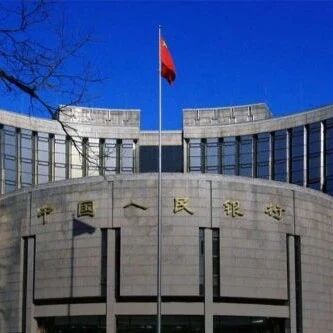
数字人民币迎来关键进展 | 金融与科技
清华金融评论· 2025-10-17 09:11
Core Viewpoint - The establishment of the Digital Renminbi International Operation Center in Shanghai marks a significant step towards enhancing the internationalization of the digital renminbi, aiming to improve its global circulation and acceptance in international markets [3][12]. Group 1: Digital Renminbi International Operation Center - The Digital Renminbi International Operation Center has officially commenced operations, following the plan announced by the People's Bank of China (PBOC) during the Lujiazui Forum in June [3][4]. - The center features three main platforms: cross-border payment, blockchain infrastructure, and digital asset services, which are designed to enhance the operational capabilities of the digital renminbi in international markets [4][12]. Group 2: Cross-Border Payment Platform - The cross-border payment platform aims to address pain points in traditional cross-border payment models, focusing on technological integration, ecosystem reconstruction, and regulatory innovation [6]. - The goal is to create a secure, efficient, and inclusive global payment network, providing a "China solution" for a new ecosystem of cross-border payments that is "lossless, interoperable, and compliant" [6]. Group 3: Blockchain Service Platform - The blockchain service platform serves as a key hub for on-chain digital renminbi payment services and standardized blockchain transaction information transfer [8]. - It aims to enhance interoperability and transaction efficiency across various industry blockchain networks, reducing integration costs for participants [8]. Group 4: Digital Asset Platform - The digital asset platform focuses on the compliant operation of assets on the blockchain, supporting various asset types such as bonds, bills, electronic vouchers, and carbon credits [9]. - It aims to digitize the entire process of issuance, registration, custody, and trading while ensuring compliance and preventing financial risks like fictitious transactions and double pledges [9]. Group 5: Global Payment System Improvement - The PBOC is actively promoting improvements in the global cross-border payment system, adhering to the principles of "lossless, compliant, and interoperable" as foundational guidelines for the construction of cross-border infrastructure for legal digital currencies [11]. - The center is expected to play a crucial role in forming global central bank digital currency standards, addressing potential fragmentation in digital currency development [11]. Group 6: Internationalization Strategy - The core value of the Digital Renminbi International Operation Center lies in significantly expanding the network effect of the digital renminbi, enhancing its global liquidity and acceptance [13]. - The strategic focus has shifted from domestic retail testing to exploring applications in cross-border trade and international financial services, aiming to increase the global market share and competitiveness of the digital renminbi [13].