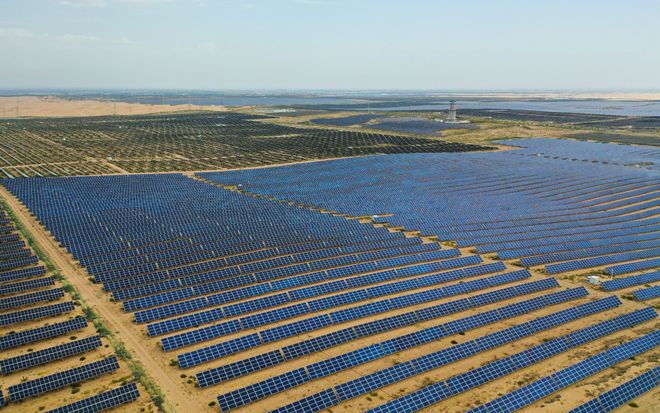
能源革命

Search documents
免费能源时代:人类解放倒计时
Sou Hu Cai Jing· 2025-10-03 08:36
Core Insights - The potential for energy costs to approach zero due to advancements in controlled nuclear fusion by 2050 is highlighted, suggesting a transformative impact on society and the economy [2] - The relationship between humans and AI is expected to evolve, leading to a deep integration where AI becomes an extension of human thought rather than a separate entity [2][3] - The concept of "work" as a necessity for survival may disappear, allowing individuals to pursue their interests and talents freely, resulting in a new era of human liberation [3] Group 1: Energy Revolution - China's goal of achieving commercial nuclear fusion by 2050 could lead to nearly free energy, fundamentally changing the landscape of energy consumption and production [2] - The implications of such a shift include the potential closure of gas stations and the ability to synthesize food, indicating a significant transformation in resource availability [2] Group 2: Societal Transformation - The future may see a dramatic change in education, with access to top-tier resources for everyone, potentially unleashing unprecedented creativity and technological advancement [2] - AI's role in decision-making will be to provide data-driven insights, but human value judgments will remain irreplaceable, emphasizing the importance of moral reasoning in a tech-driven world [3] Group 3: Human Experience - The anticipated technological revolution is expected to lead to a new form of civilization where basic needs are met, allowing humanity to focus on higher pursuits such as art, philosophy, and scientific exploration [3] - The need to rethink education is emphasized, advocating for the development of individuals capable of making value judgments rather than merely functioning as tools in a tech-centric environment [3]


美国出具报告:中国能源革命远超美国,已经立于不败之地
Sou Hu Cai Jing· 2025-09-29 08:40
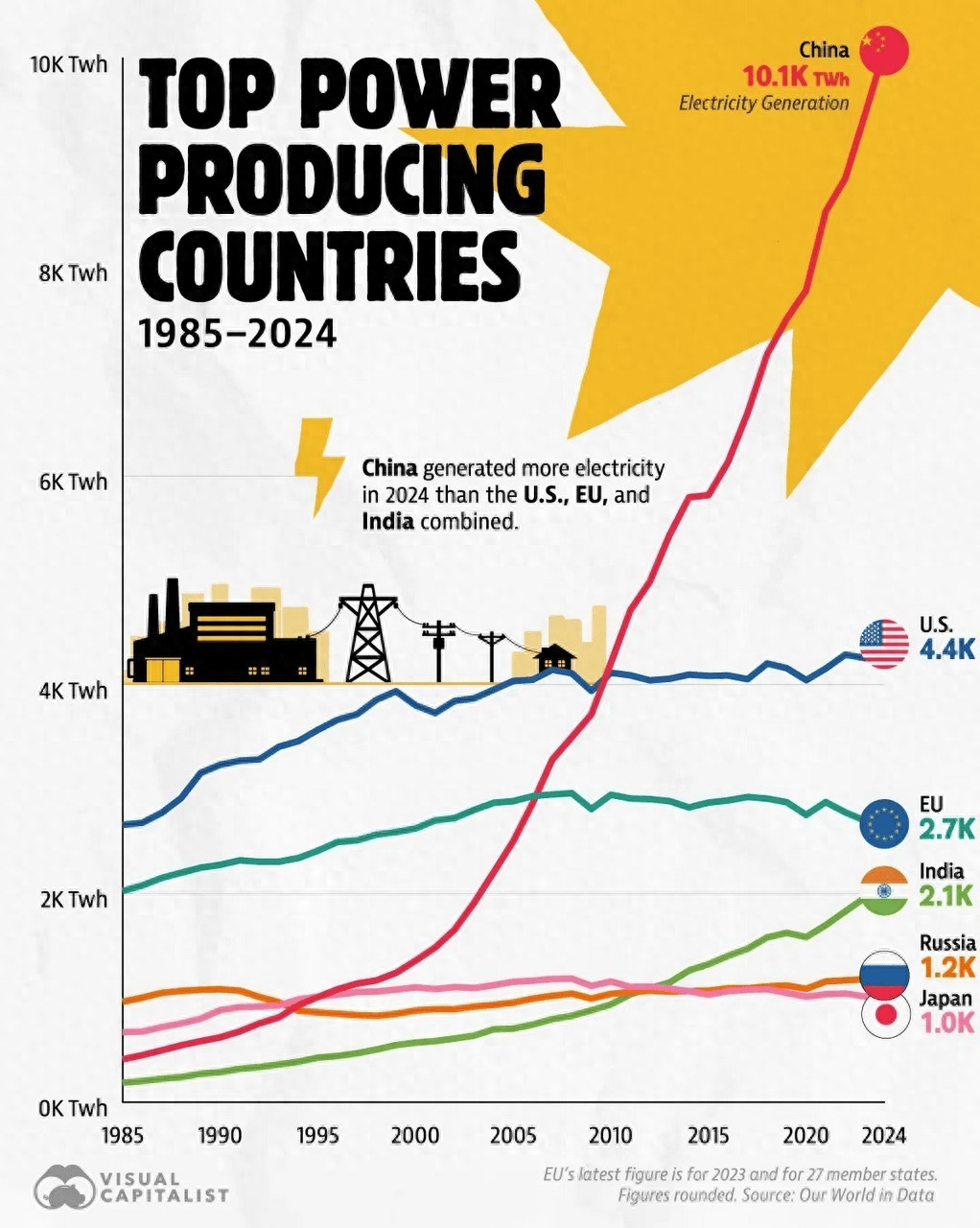
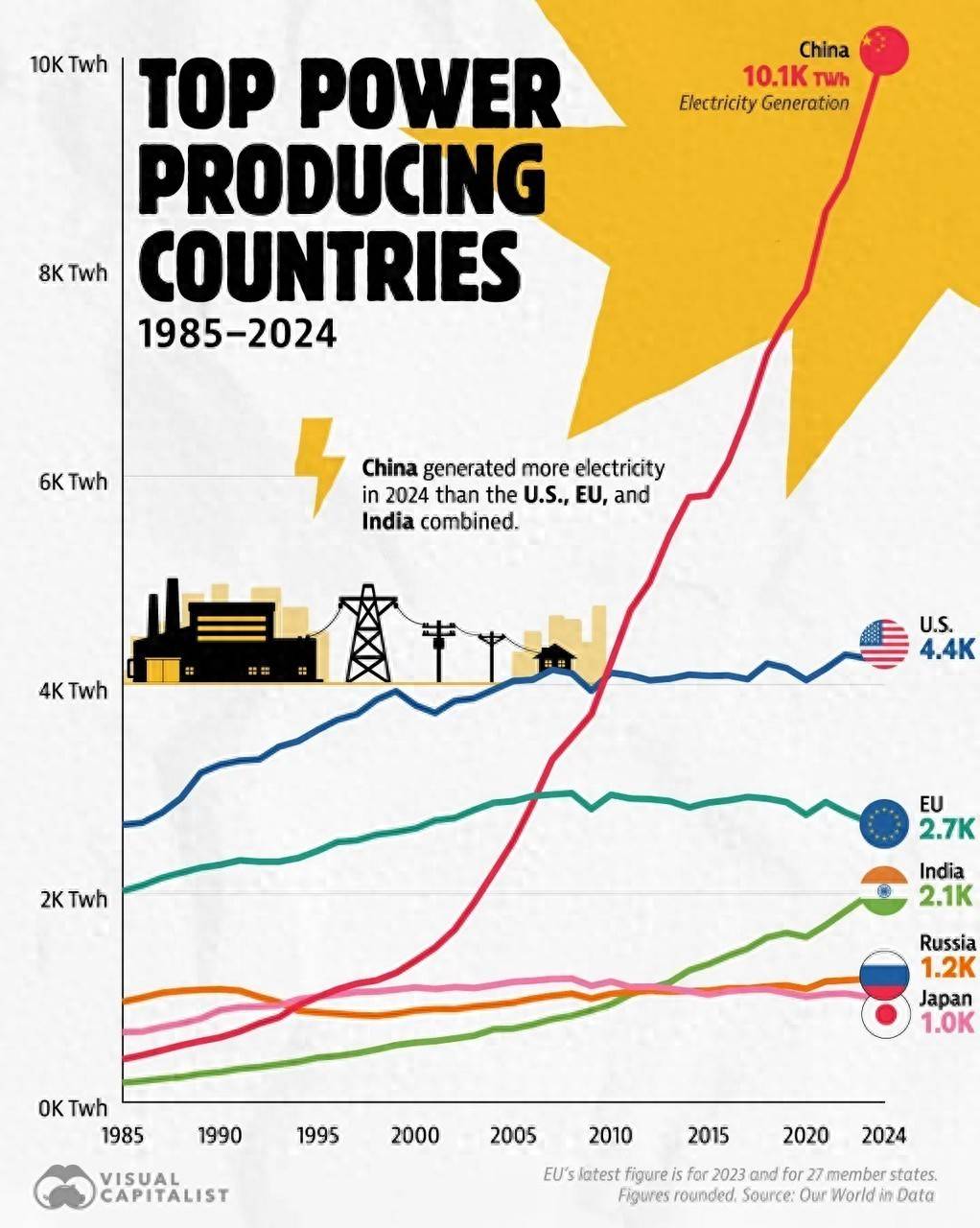
Core Insights - China's dominance in the energy sector is deepening, with a projected total electricity generation of 10,100 TWh by the end of 2024, which is 2.3 times that of the United States [1] - As of July 2025, China's total electricity generation reached 58,586.9 billion kWh, showing a year-on-year growth of 1.3%, while the U.S. growth is influenced by a temporary AI power center expansion [1] - China's installed power capacity grew by 18.2% to 367,367 MW, nearly 12 times faster than the U.S., indicating strong investment in energy infrastructure [3] Energy Demand and AI - The demand for electricity from AI data centers in the U.S. is expected to consume 15% of the national electricity by 2030, highlighting the importance of affordable and stable energy sources [3] - China's strategy of utilizing green energy to reduce costs is already in implementation, despite existing gaps in high-end chip design and manufacturing compared to the U.S. [3] Strategic Initiatives - China's "East Data, West Computing" strategy relocates computing demands from the eastern coastal regions to the resource-rich western areas, significantly lowering operational costs [4] - The price of photovoltaic electricity in the west can be as low as 0.1 RMB per kWh, compared to the U.S. industrial electricity price of approximately 0.6 RMB, affecting innovation and technological development [4] Global Energy Landscape - China is positioned as a frontrunner in the third energy revolution, with over 80% market share in photovoltaic components and leading in new wind power installations globally [6] - The U.S. has lagged in this transition, with inconsistent fossil fuel policies under the Trump administration hindering progress in renewable energy [6] Competitive Advantage - Countries effectively utilizing clean energy will have a competitive edge, and China's consistent policy direction towards green development contrasts with the U.S.'s frequent policy changes [8] - While China faces challenges in converting energy resources into technological advancements, its foundational advantages in electricity will support future industrial growth [8] - The ongoing global energy competition favors China due to its robust energy base and clear strategic direction, while the U.S. may face long-term competitive disadvantages due to energy constraints [8]
2025年山西能源博览会召开
Zhong Guo Hua Gong Bao· 2025-09-29 02:41
Core Insights - The 2025 Shanxi (Taiyuan) Energy Industry Expo focused on "green low-carbon transformation development" and showcased the latest advancements in the energy sector, emphasizing the transition towards a "green, intelligent, and high-end" energy system [2] Group 1: Event Overview - The expo featured eight major exhibition areas, including international, green electricity, comprehensive energy enterprises, new energy, energy technology innovation, smart energy, and green equipment, with over 30 international and 400 domestic energy companies participating [2] - New exhibition areas for green electricity and energy technology innovation were introduced, highlighting local initiatives for green electricity resource conversion and low-carbon industrial transformation in Shanxi Province [2] Group 2: Highlights of the Expo - Five key highlights were identified: AI empowerment with drones and robots, intelligent collaboration showcasing energy digitalization, multi-energy integration with "wind-solar-hydrogen-storage vehicles," green low-carbon practices across the entire industry chain, and the gathering of industry giants to foster global energy cooperation [3] - Notable presentations included China Coal's "coal-electric-chemical-new" optimization, Meijin Energy's hydrogen equipment and technology, and PetroChina's coalbed methane and CCUS technology [3] - International companies such as Tesla, SEW, and ABB showcased cutting-edge achievements in green and intelligent technologies [3]
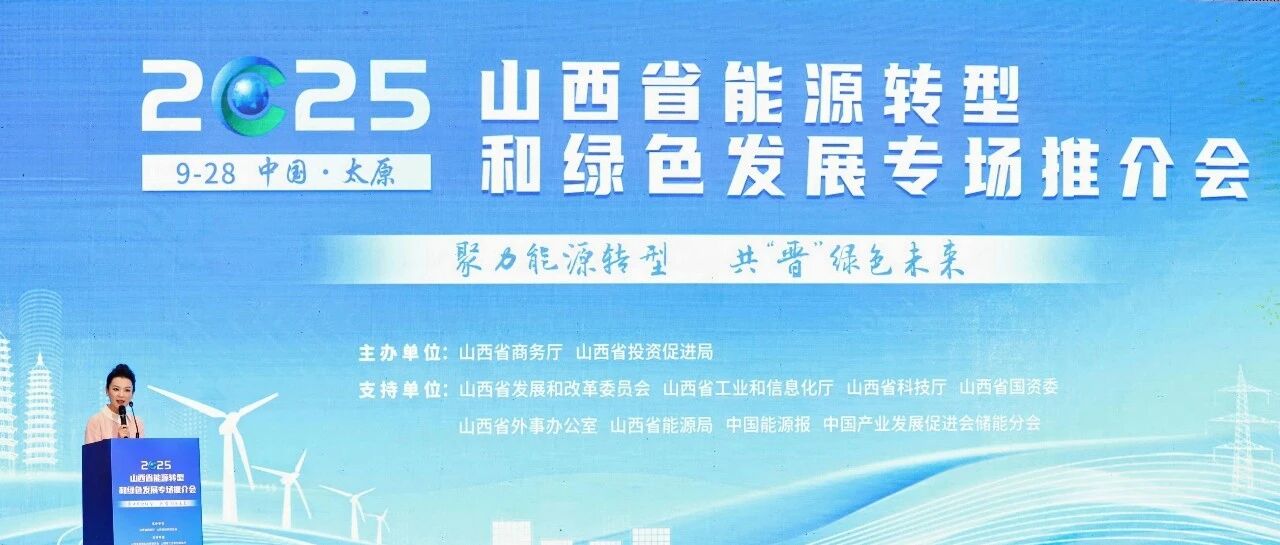
山西省能源转型和绿色发展专场推介会在太原举行
中国能源报· 2025-09-28 09:58
Core Viewpoint - Shanxi Province is actively promoting its energy transition and green development, aiming to transform from a traditional energy base to a new energy system, leveraging its strengths in both coal and green electricity [5][6]. Group 1: Energy Transition Initiatives - Shanxi is recognized as a national pilot province for energy revolution, focusing on the dual carbon strategy and establishing green electricity parks to enhance industrial transformation [5][6]. - The province aims to showcase a new image of "New Energy Shanxi" by integrating "green energy+" and new advantages in green electricity, which will significantly improve its energy competitiveness [5][6]. - The construction of zero-carbon parks is highlighted as a key strategy for advancing green transformation and promoting regional coordinated development [8][9]. Group 2: Green Electricity Development - Shanxi is implementing various methods for green electricity supply, including direct connections and integrated energy solutions, to meet the specific needs of enterprises and parks [8][9]. - The province has planned 13 pilot green electricity parks across eight cities, targeting industries such as battery production, computing power, and green liquid fuels, with a total new energy capacity of 5.24 million kilowatts [9]. - The green electricity supply is projected to reach 8.8 billion kilowatt-hours, demonstrating the province's commitment to sustainable energy practices [9]. Group 3: Future Prospects and Collaborations - Shanxi is set to leverage its geographical and resource advantages to create new development momentum, aiming for a high-quality development model that integrates energy production and consumption [11][12]. - The province is attracting investments in the storage industry, with companies expressing optimism about the long-term value of storage assets in the context of Shanxi's energy reforms [12]. - The ongoing energy revolution in Shanxi is expected to position the province as a leader in the national energy transition, with significant growth potential in green energy sectors [12].
风险提示:政策调整、执行效果低于预期风险;产业链价格竞争激烈程度超预期风险。
SINOLINK SECURITIES· 2025-09-28 08:24
Investment Rating - The report maintains a positive investment outlook across various sectors, particularly in hydrogen energy, wind power, and lithium batteries, indicating strong growth potential and investment opportunities [1][2][3][4][5][6][9][23]. Core Insights - The energy revolution is shifting focus towards decarbonization in non-electric sectors, with green hydrogen and methanol as key pathways, presenting multiple investment opportunities in production and equipment [1][5][6][7]. - The wind power sector is experiencing significant developments, with major projects in Italy and Thailand, indicating robust overseas expansion for leading companies [9][10][11][12]. - The lithium battery market is witnessing strong demand driven by the energy storage sector and the upcoming peak consumption season for electric vehicles, leading to price increases [23][24]. Summary by Sections Hydrogen and Fuel Cells - The market is recognizing the potential of green hydrogen and methanol, with significant growth expected in various applications such as transportation and chemicals [1][5][6][7]. - The demand for green methanol in shipping is projected to rise, with regulatory frameworks supporting its adoption [7]. Wind Power - Major investments in floating wind projects in Italy are set to commence, with expectations for significant contributions to the European offshore wind market [9][10]. - Companies like Mingyang and Goldwind are expanding their overseas operations, enhancing their competitive edge [11][12]. Lithium Batteries - The lithium battery sector is entering a strong demand phase, with significant procurement activity from end-users in both energy storage and electric vehicles [23][24]. - The market for lithium hexafluorophosphate (6F) is experiencing price increases due to tight supply conditions [23][24]. Electric Grid and Industrial Control - The export of major electrical equipment is on the rise, with significant growth in transformers and high-voltage switches, indicating a long-term positive outlook for overseas demand [26][27]. - Companies in the industrial control sector are launching new products aimed at enhancing efficiency and performance in robotics [28][29]. New Energy Vehicles - The domestic market for new energy vehicles is showing strong sales growth, with significant increases in both retail and wholesale volumes [30].




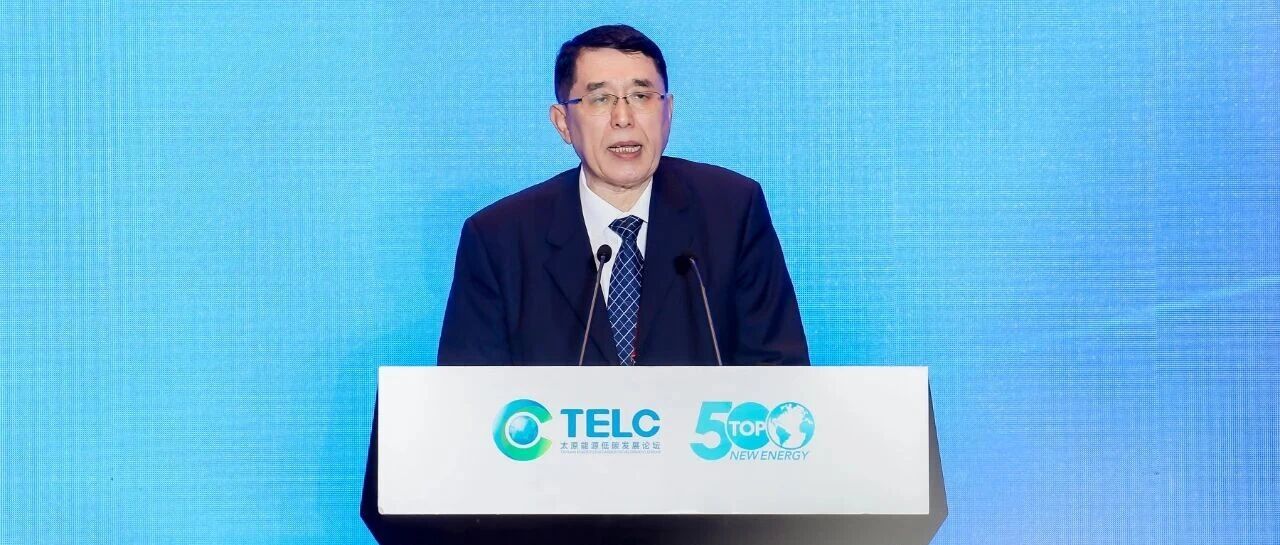
史玉波:新能源产业步入新发展阶段
中国能源报· 2025-09-28 06:09
Core Viewpoint - The article emphasizes the rapid transition of China's renewable energy sector from a supplementary power source to a primary power source, highlighting the significant growth in installed capacity and the challenges faced in achieving sustainable and high-quality development [4]. Group 1: Industry Growth and Achievements - Since the 14th Five-Year Plan, China's renewable energy, particularly wind and solar power, has experienced rapid development, with annual new installations increasing from "tens of millions of kilowatts" during the 13th Five-Year Plan to "hundreds of millions of kilowatts" [4]. - As of July 2023, China's total installed renewable energy capacity reached 2.171 billion kilowatts, accounting for nearly 60% of the national total, with wind and solar power installations at 1.68 billion kilowatts, surpassing thermal power for the first time [4]. - The country has built the world's largest and fastest-growing renewable energy system, establishing a competitive advantage in the global renewable energy industry [4]. Group 2: Challenges and Strategic Directions - The renewable energy sector is entering a new development phase characterized by cyclical fluctuations, homogenized competition, and increasing pressure on profitability, necessitating innovative strategies for sustainable growth [4]. - Emphasis on technological innovation is crucial, with a call for increased investment in key areas such as new energy storage, efficient solar power, next-generation wind energy, and green hydrogen production to enhance core competitiveness and drive industry upgrades [5]. - The need for deeper industry collaboration is highlighted, advocating for cooperation across the entire renewable energy value chain to improve resilience and risk management [6]. - Expanding cooperation boundaries through integration of industry, academia, and research is essential, exploring new development models that combine renewable energy with emerging technologies like IoT, AI, and big data [6]. Group 3: Future Goals and Commitments - China aims to reduce greenhouse gas emissions by 7% to 10% from peak levels by 2035, with non-fossil energy consumption exceeding 30% of total energy consumption and wind and solar power capacity reaching six times that of 2020, targeting 3.6 billion kilowatts [7]. - By the end of 2023, renewable energy installations are projected to approach 1.8 billion kilowatts, with an additional 1.8 billion kilowatts expected over the next decade, averaging nearly 200 million kilowatts annually, providing strong momentum for the sector's development [7].
刘振民:加大新能源布局,助力绿色转型进程
中国能源报· 2025-09-28 05:39
Core Viewpoint - The article emphasizes the global shift towards green and low-carbon development, highlighting the importance of renewable energy and the role of China in this transition [4][5]. Group 1: Global Energy Transition - Over 150 countries have proposed "carbon neutrality" goals, marking a significant global shift from traditional high-pollution development to green and low-carbon practices [4]. - The cost of solar power is currently 41% lower than fossil fuels, while wind power costs are 53% lower, showcasing the competitive advantage of renewable energy [4]. Group 2: China's Energy Development - China has achieved an average energy consumption growth rate of 3.3% over the past decade, supporting over 6% economic growth, making it one of the fastest countries in reducing energy intensity [5]. - Significant technological breakthroughs have been made in various renewable energy sectors, including electric vehicles, wind, solar, and hydropower, enhancing China's global influence and competitiveness in energy transformation [5]. Group 3: Government Support and Carbon Market - The Chinese government is innovating policies to support high-quality development in the renewable energy sector, with the national carbon market expanding to cover over 60% of national carbon emissions [6]. - As of August 2025, the cumulative transaction volume of carbon emission allowances reached 685 million tons, with a transaction value of 47.1 billion yuan [6]. Group 4: Challenges and Recommendations - Despite progress, China faces challenges such as high demand pressure and supply constraints in energy transition [7]. - Recommendations for energy companies include aligning with "dual carbon" goals, focusing on technological innovation, and enhancing international cooperation in renewable energy projects [7][8].

给天空加上“蓝滤镜”,山西做对了什么?
Zhong Guo Xin Wen Wang· 2025-09-28 02:12
Core Viewpoint - The transformation of Taiyuan Iron and Steel Group (TISCO) reflects the broader ecological and economic transition of Shanxi Province, moving from a heavily polluting industrial base to a model of green development and energy revolution [1][2]. Group 1: Environmental Improvements - In 2024, Shanxi Province's comprehensive air quality index improved to 4.30, a 4.4% decrease year-on-year, marking seven consecutive years of decline [2] - The proportion of good air quality days reached 74.2%, an increase of 2.9 percentage points compared to the previous year [2] - PM2.5 average concentration fell to 36 micrograms per cubic meter, a 2.7% decrease from 2023, continuing a four-year trend of annual reductions [2] - PM10 average concentration decreased by 6.8% to 69 micrograms per cubic meter, achieving national secondary standard for the first time [2] - SO2 average concentration dropped by 16.7% to 10 micrograms per cubic meter, while NO2 average concentration fell by 9.7% to 28 micrograms per cubic meter [2] Group 2: Energy Structure Adjustments - Shanxi is committed to building a new energy system, balancing stable supply with green low-carbon transformation, and has made significant progress in energy revolution reforms [4] - Energy consumption intensity decreased by 10.9% during the first three years of the 14th Five-Year Plan, achieving 73.7% of the target ahead of schedule [4] - Coal consumption has maintained low growth, with key areas achieving negative growth [4] - By November 2024, Shanxi completed 71.71 million kilowatts of coal power unit upgrades, reducing coal consumption per kilowatt-hour from 325 grams to 311 grams [4] - The province has built approximately 90,000 public charging stations, achieving full coverage in towns [4] Group 3: Economic and Social Benefits - The green transformation is evident in various projects, such as the installation of solar panels at TISCO and the development of pumped storage power stations in abandoned mining areas [7] - Residents near TISCO now enjoy cleaner air and improved quality of life, with increased outdoor activities becoming commonplace [7] - In Anze County, 100 out of 132 households have installed air-source heat pumps, significantly improving air quality and promoting rural tourism [7] - Shanxi demonstrates that environmental protection and economic development can coexist through practical actions and policies [8]
美国官方报告证实:中国能源革命降维打击美国,已经立于不败之地
Sou Hu Cai Jing· 2025-09-27 15:30
Core Insights - The article emphasizes China's significant advancements in the global energy landscape, highlighting its dominance in electricity generation and capacity compared to the United States [1][2][4][19] - It discusses the strategic importance of energy in supporting technological advancements, particularly in AI, and how China's energy policies are designed to ensure a stable and cost-effective supply [12][15][21] Energy Generation and Capacity - In 2024, China's total electricity generation reached an impressive 10,100 TWh, which is 2.3 times that of the United States, indicating a substantial lead in energy production [2] - As of July 2025, China's total installed capacity reached 3.67 billion kW, reflecting an 18.2% year-on-year increase, equivalent to creating a power grid half the size of the United States [4][6] Comparison with the United States - The U.S. experienced a 3.1% increase in electricity generation in the first half of the year, but this growth is attributed to increased demand rather than proactive upgrades to the power grid [5][6] - The installed capacity in the U.S. is significantly lower, with a ratio of 2.93:1 compared to China, and the new capacity added in the U.S. is only 1/12th of China's [6][4] Renewable Energy Integration - China's growth in energy capacity is characterized as "muscle growth," driven by substantial investments in renewable energy sources like wind and solar, which are being integrated into the power system [6][17] - The article notes that the U.S. faces challenges with its aging and fragmented power grid, which limits its energy supply capabilities [7][19] Strategic Energy Policies - China's "East Data West Computing" strategy aims to redirect computing power demands from the eastern coastal regions to the resource-rich western areas, optimizing energy costs and availability [12][15] - The cost of electricity in China's western regions is significantly lower than in the U.S., allowing for substantial savings in operational costs for AI data centers [12][15] Long-term Energy Strategy - The article argues that China's energy strategy is not just a short-term solution but a long-term plan for sustainable development and digital infrastructure [15][21] - It highlights the importance of energy as a foundational element for innovation, military deployment, and research, positioning China favorably in global competition [19][21] Global Energy Landscape - The article concludes that China is at the forefront of a new energy revolution, with a dominant position in the renewable energy market, holding over 80% of the global market share in solar components and leading in wind energy installations [17][19] - The contrasting energy policies between China and the U.S. are expected to impact national competitiveness, with China focusing on energy freedom and stability [19][21]
月度用电量再破万亿,是中国经济活力最直观证明 | 新京报快评
Xin Jing Bao· 2025-09-25 10:06
Core Insights - China's monthly electricity consumption has exceeded 1 trillion kilowatt-hours for two consecutive months, indicating a stable economic performance with a year-on-year growth of 5.0% in August [2][3] Electricity Consumption Breakdown - The primary industry consumed 101.2 billion kilowatt-hours, growing by 10.6% year-on-year, while the secondary industry accounted for 4,338.6 billion kilowatt-hours with a growth of 3.1% [2] - The tertiary industry saw a significant increase in electricity consumption, reaching 1,329.7 billion kilowatt-hours, which represents a 7.7% year-on-year growth, highlighting a shift towards a service-oriented economy [3][4] - Urban and rural residential electricity consumption was 1,109.4 billion kilowatt-hours, growing by 6.6%, reflecting stable consumer spending and improved living standards [2][3] Economic Resilience and Structural Changes - The stable growth in the secondary industry indicates a solid industrial base, essential for overall economic stability amidst external challenges [3] - The rapid increase in electricity consumption in the tertiary sector signals profound changes in economic structure, with a focus on consumption potential and the development of modern services [3][4] Impact of Digital Economy and AI - The rise in electricity demand is closely linked to the booming digital economy and the rapid expansion of the artificial intelligence sector, marking a transition from traditional to innovation-driven economic growth [4][5] - The demand for electricity from AI and digital technologies necessitates higher quality and sustainable energy supply, aligning with China's ongoing energy revolution [4][5] Future Outlook - The trend of exceeding 1 trillion kilowatt-hours in electricity consumption not only reflects economic stability but also highlights the dual driving forces of traditional industrial strength and the emerging digital economy [4][5] - Balancing technological innovation with energy sustainability will be crucial for the future quality of economic development [5]