人民币国际化

Search documents
俄印石油贸易变天,俄罗斯:只收人民币;印度:安排
Sou Hu Cai Jing· 2025-10-09 03:45
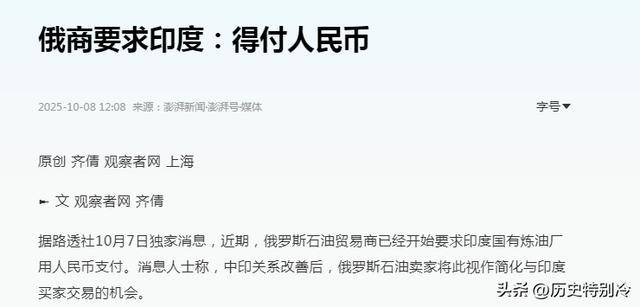
俄罗斯石油交易中的人民币崛起:印度的"妥协" 根据路透社10月7日的独家报道,俄罗斯的石油贸易商近期要求印度的国有炼油厂使用人民币进行支付。这一变化,标志着人民币在国际贸易中日益增长 的影响力,尤其是在能源领域。 印度为何选择人民币? 印度对俄罗斯石油的依赖,源自其极具吸引力的价格。2025年上半年,俄罗斯每天向印度供应约175万到180万桶原油,占印度原油进口的35%到40%。 2024年,印度全年从俄罗斯进口的石油价值超过470亿美元,几乎占据了印度原油进口的三分之一。相比之下,俄罗斯的原油价格比沙特便宜近10美元/ 桶,比美国便宜5美元以上。这个差价对于印度来说,具有不可忽视的经济吸引力。 印度的炼油厂通过将俄罗斯的原油转手卖给欧洲,获得了巨大的利润。仅凭这些差价,印度每年可以节省近170亿美元,这对于印度的经济来说无疑是"救 命钱"。 结算的混乱与困境 曾经,印度在石油结算时,常常使用美元、迪拉姆和人民币三种货币。但印度一直想避开人民币,选择使用迪拉姆作为"替代",试图躲避美国的制裁,同 时避免与人民币过多接触。然而,俄罗斯并不接受这种安排。俄罗斯要求,所有的交易最终都要用人民币结算,因为只有人民币才 ...

莫迪的神操作!曾放话不用人民币,现在为廉价石油低头
Sou Hu Cai Jing· 2025-10-09 01:56
路透社突然爆出消息,说印度国营石油巨头印度石油公司偷偷用人民币给俄罗斯付了油钱。 要知道,印度可是整整两年没这么干过了! 莫迪这次的操作,简直像在钢丝上跳踢踏舞明明美国在旁边瞪着眼,他偏要往人民币的结算单上签字。 你说 他图啥? 难道真是铁了心要跟美元霸权叫板? 我先说个细节啊,俄罗斯这帮卖油的贸易商现在精得很,直接跟印度摊牌:要么用人民币结算,要么别买。 为啥非得是人民币? 因为西方制裁把俄罗斯 堵得死死的,美元欧元都难用,唯独人民币能直接换成卢布,最终落到俄罗斯生产商口袋里。 俄罗斯人一边按美元定价石油(说是遵守欧盟价格上限),一边扭头对印度人说:"来,付等值的人民币! " 这操作简直像在超市标价用美元,结账却只 收零食币摆明了要绕开美国的金融雷达。 但你说印度就乖乖听话? 哪有那么简单! 其实2023年他们就试过用人民币买油,结果中途停了。 为啥停? 还不是因为中印关系那时候僵得跟冻土豆似 的。 可今年风向变了,莫迪跑去天津参加上合峰会,中方热情接待,双方还签了《天津宣言》。 这一下子,政治气氛缓和了,人民币结算的闸门又悄悄打开 了。 所以你看,国际关系就像谈恋爱,昨天还冷战,今天就能一起喝茶算钱。 但 ...
伦敦跌出全球前20大IPO市场,世界金融城怎么失色的?
Sou Hu Cai Jing· 2025-10-09 00:08
Group 1 - London has fallen out of the top 20 global IPO markets, now ranking 23rd, behind Mexico and Singapore, marking a significant decline in its status as a global financial center [3] - The total fundraising in London has decreased by 69% to $248 million, the weakest level in over 35 years, with the largest IPO being MHA Plc's £98 million ($132 million) offering [3] - The third quarter saw an even steeper decline, with fundraising amounting to only $42 million, a year-on-year drop of 85% [3] Group 2 - Historically, London's financial prominence was built on its imperial expansion and historical legacy, establishing it as a core node for global capital flows [5][6] - Post-World War II, the decline of British power and the rise of the US dollar as the dominant currency led to a systematic decline in London's financial market status [8] - London has struggled to attract tech and growth-oriented companies for IPOs, as it has focused more on traditional industries, leading many high-growth firms to seek listings in the US [8] Group 3 - The implementation of Brexit has exacerbated London's financial challenges, causing financial institutions to reassess their operations in Europe and consider relocating to more stable environments [9] - Emerging economies are attracting companies seeking growth opportunities, further diminishing London's appeal as a primary IPO destination [9] - The decline of London's financial center reflects the overall economic decline of the UK, with its financial services losing competitiveness due to a lack of industrial support and innovation [11]

为高质量发展创造良好货币金融环境
Sou Hu Cai Jing· 2025-10-08 22:50
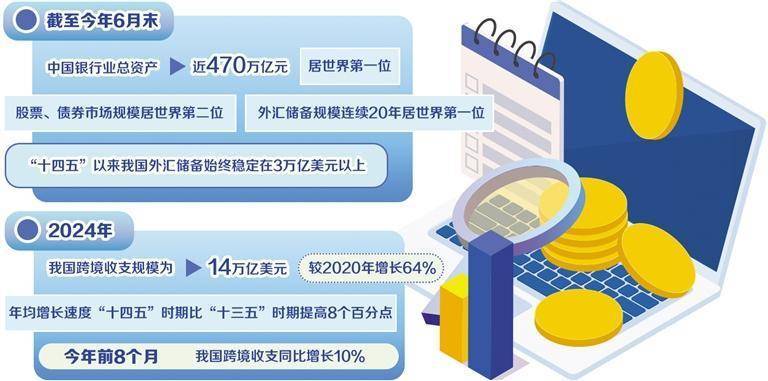
Core Viewpoint - The article highlights the significant achievements of China's financial sector during the "14th Five-Year Plan" period, emphasizing the deepening of financial reforms and the enhancement of international competitiveness and influence [2][5]. Monetary Policy - The People's Bank of China (PBOC) maintains a supportive monetary policy stance, focusing on internal and external balance while implementing moderately loose monetary policies to foster economic recovery and stabilize financial markets [3][4]. - The PBOC's monetary policy committee emphasizes the importance of counter-cyclical adjustments and the dual function of monetary policy tools to support stable economic growth and maintain reasonable price levels [3][4]. Financial Market Development - As of June 2023, China's banking sector total assets reached nearly 470 trillion yuan, ranking first globally, with stock and bond markets also holding significant positions [5]. - The international status of the Renminbi (RMB) has been steadily rising, with RMB becoming the largest settlement currency for China's external payments and the third-largest trade financing currency globally [6]. Cross-Border Financial Integration - The establishment of a diversified cross-border payment system has significantly improved the convenience of cross-border trade and investment, with ongoing reforms in cross-border RMB and foreign exchange management [7][8]. - The PBOC has signed bilateral currency swap agreements with 32 countries and regions, enhancing the RMB's international usage and promoting offshore RMB market development [6][7]. Risk Management and Financial Stability - The PBOC is focused on balancing economic growth, structural adjustments, and financial risk prevention, with significant progress made in reducing risks associated with local government financing platforms [9][10]. - Measures have been taken to support the real estate sector and mitigate risks in small and medium-sized financial institutions, with a notable reduction in the number of high-risk small banks [10][11]. Regulatory Enhancements - The regulatory framework for the foreign exchange market has been strengthened, with a dual management approach that combines macro-prudential and micro-regulatory measures to enhance resilience against external shocks [11][12].
美国37万亿债务压顶,中国悄然出手,连续增持黄金,有什么深意?
Sou Hu Cai Jing· 2025-10-08 20:57
Core Insights - The People's Bank of China (PBOC) continues to increase its gold reserves despite high international gold prices, indicating a strategic long-term approach rather than short-term speculation [1][12] - As of September 2025, China's gold reserves reached 74.06 million ounces, marking the 11th consecutive month of accumulation, although the latest increase was modest at 40,000 ounces [3][12] - China's gold reserves account for only 7.7% of its official international reserve assets, significantly lower than the global average of around 15% and much less than countries like Germany and France, which exceed 70% [3][12] Strategic Rationale - The primary motivation for increasing gold reserves is to diversify the foreign exchange reserve portfolio, as gold has a low correlation with major currencies like the US dollar and euro, providing a hedge against currency fluctuations [5][12] - The current geopolitical climate, characterized by uncertainties such as trade tensions and rising national debt, has led to decreased trust in the US dollar, prompting central banks globally to increase their gold holdings [5][7] - Gold is viewed as a universally accepted "last means of payment," making it a critical asset for national financial security, especially in extreme situations [7][12] Global Context - In Q2 2025, global central banks collectively increased their gold reserves by 166 tons, with notable purchases from Poland, Turkey, and Qatar, reflecting a broader trend of central banks seeking to bolster their gold holdings [7][12] - The PBOC's actions signal a commitment to supporting the internationalization of the renminbi, as gold backing enhances the currency's credibility [7][9] - The shift in global reserve dynamics is evident, with the US dollar's share in global foreign exchange reserves declining to historical lows, while gold and other assets are expected to gain prominence [11][12]
暂停美元采购!中国矿企与澳大利亚铁矿巨头博弈定价权与人民币结算
Sou Hu Cai Jing· 2025-10-08 19:44
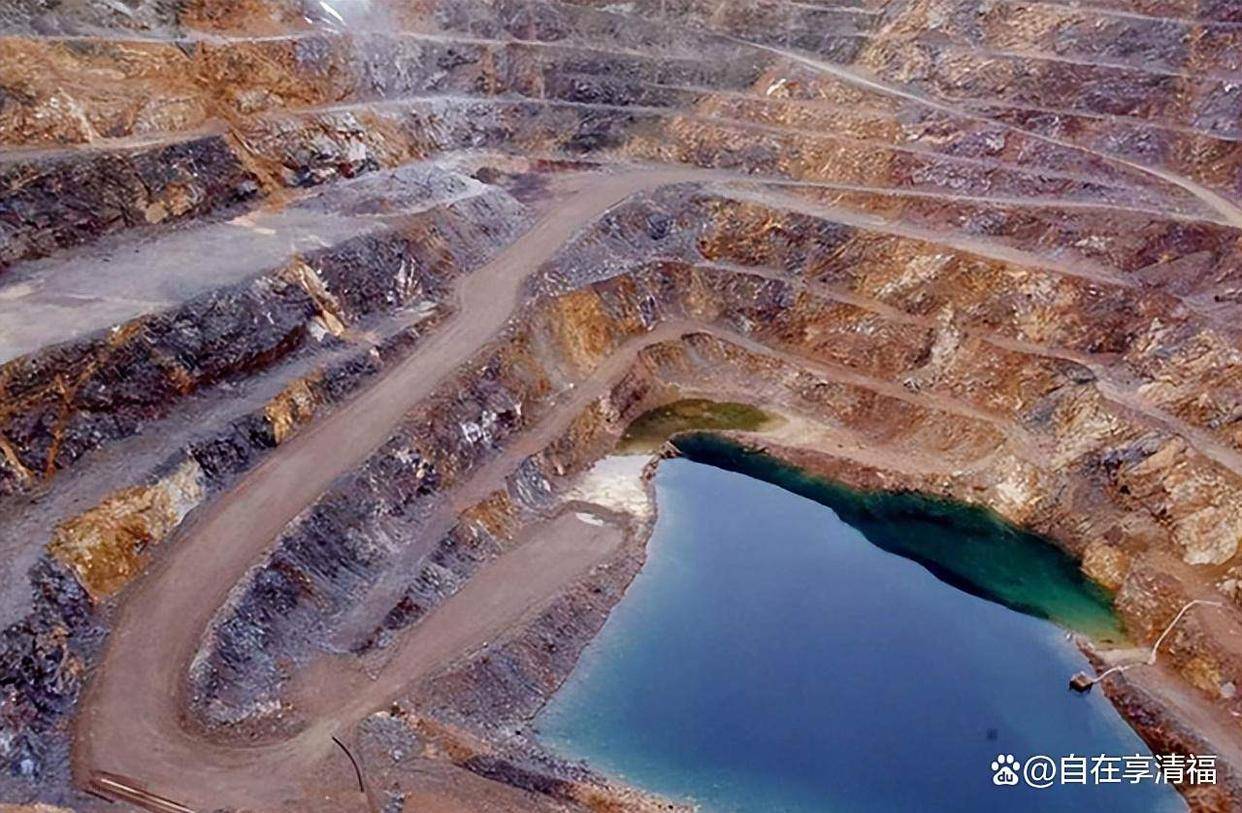
Core Viewpoint - The recent decision by China Mineral Resources Group to suspend the purchase of iron ore from BHP Billiton priced in US dollars has significant implications for both the Australian mining industry and the global commodity pricing system, indicating a potential shift in the dominance of the US dollar in international trade [1][3][18]. Group 1: Market Reaction - Following the announcement, BHP's stock price dropped sharply, resulting in a market capitalization loss of nearly 12 billion AUD, equivalent to approximately 57 billion RMB [1]. - The Australian mining sector is facing pressure with nearly 100 billion RMB worth of iron ore inventory becoming burdensome, as the supply chain struggles to find alternative markets [1][8]. Group 2: Negotiation Dynamics - The failure of the recent China-Australia trade talks, where China proposed to switch to RMB pricing for long-term contracts while BHP insisted on maintaining USD pricing with a 15% markup, highlights the ongoing struggle for pricing power and currency dominance [3][5]. - The negotiation reflects a broader contest over who defines value and sets the terms of trade, with China seeking to transition from a passive follower to an active rule-maker in the pricing structure [5][18]. Group 3: Dependency Analysis - China relies heavily on Australia for iron ore, importing about 60% of its needs from the country, while Australia is even more dependent, with approximately 85% of its iron ore exports going to China [7][8]. - The suspension of USD-denominated purchases allows China to exert more control over the transaction dynamics, while Australia faces the reality of its reliance on a single major buyer [7][8]. Group 4: Structural Factors - Australia's competitive advantage in iron ore mining stems from its high-grade deposits and efficient extraction methods, which have historically allowed it to command higher prices in the market [9][12]. - The long-standing pricing practices, which have favored Australian exporters, have resulted in significant financial gains for them, amounting to nearly 700 billion RMB from the Chinese market over the past decade [12][18]. Group 5: Strategic Shifts - China is actively diversifying its sources of iron ore and building a network of storage facilities to mitigate supply risks and enhance its bargaining position [14][15]. - The establishment of a centralized procurement platform by China Mineral Resources Group aims to consolidate orders from various steel mills, thereby increasing negotiating power against global mining giants [15][26]. Group 6: Currency and Financial Implications - The insistence on USD pricing by BHP is not only a matter of tradition but also a strategy to leverage financial tools and currency fluctuations for profit [16][18]. - China's push for RMB settlement is part of a broader strategy to reduce reliance on the US dollar and establish a domestic currency ecosystem for international trade [18][19]. Group 7: Future Outlook - Potential outcomes of the current situation include BHP making concessions on pricing and currency, Australia seeking alternative buyers, or China continuing to enhance its supply chain resilience [25][26]. - The recent developments signal a shift in the negotiation landscape, prompting both parties to reconsider their strategies regarding pricing mechanisms and currency choices in future discussions [26].

沙特与伊朗握手言和:中国促成历史性突破,引领石油人民币新时代
Sou Hu Cai Jing· 2025-10-08 19:44
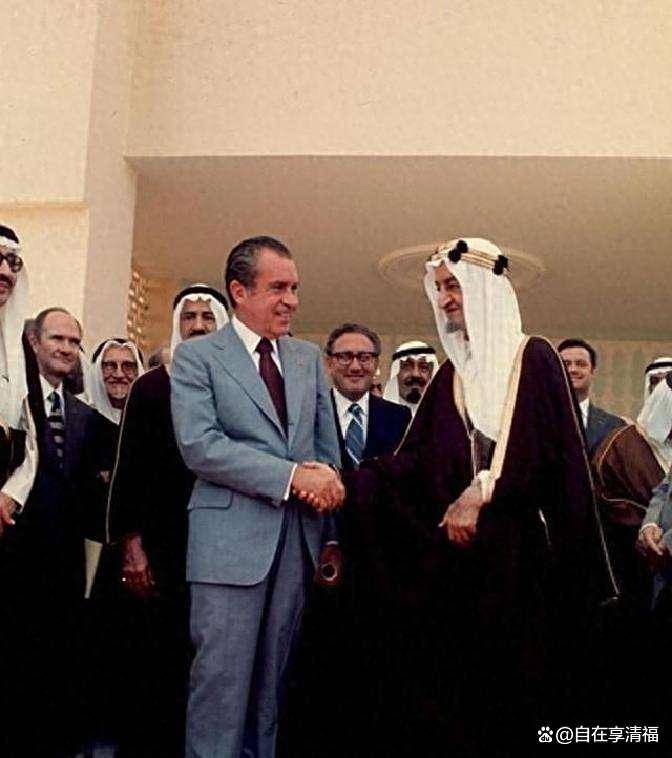
Core Insights - The article contrasts the approaches of the Soviet Union and China in the Middle East, highlighting how the Soviet Union's aggressive tactics led to distrust, while China's patient and non-interventionist strategy fostered cooperation and stability [1][12][23] Historical Context - The article discusses the historical backdrop of the Middle East during the 1950s, focusing on the rise of revolutionary movements and the Soviet Union's support for these changes, which alarmed conservative monarchies like Saudi Arabia [2][5] - It emphasizes the fear of the Saudi royal family regarding the spread of revolutionary ideas from neighboring countries, leading them to strengthen ties with the United States for security [5][8] Ideological Clash - The article notes that the Soviet Union's ideological push for revolution often clashed with the practical needs of new regimes, which prioritized stability and economic concerns over ideological alignment [10][21] - It points out that the failure of the Soviet Union to adapt to the realities of the region resulted in a loss of influence, as seen in Egypt and Iran [10][21] China's Approach - China's foreign policy is characterized by non-interference and mutual respect, which has allowed it to build relationships in the Middle East without imposing political conditions [12][19] - The article highlights a recent meeting between Saudi and Iranian officials facilitated by China, which resulted in practical agreements rather than mere statements [12][19] Economic Dynamics - The discussion of "petrodollars" reveals that the notion of a 50-year agreement expiring is largely a misconception, as the original arrangement was informal and not bound by a specific expiration date [16][22] - The article indicates that Saudi Arabia is exploring the use of the Chinese yuan for oil trade, reflecting a shift towards diversifying its economic partnerships [18][19] Geopolitical Implications - The potential for the yuan to gain traction in oil trade is seen as part of a broader trend of countries seeking alternatives to the dollar, with Saudi Arabia's openness to this change signaling a significant geopolitical shift [19][20] - The article concludes that the evolving dynamics in the Middle East are driven by practical economic considerations rather than ideological commitments, with countries prioritizing stability and mutual benefit [23]
美元霸权裂缝渐开,美国收割世界经济术穷矣!
Sou Hu Cai Jing· 2025-10-08 19:15
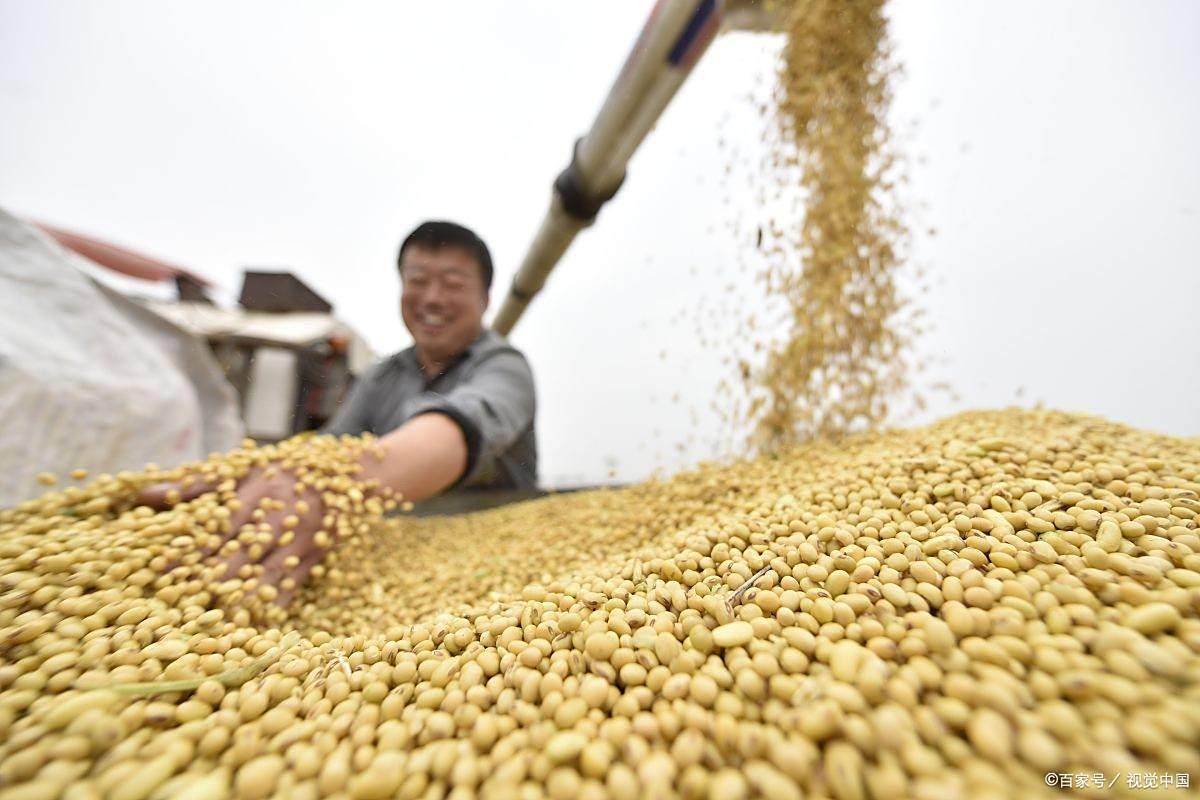
Core Viewpoint - The article discusses the significant changes in the global economic landscape due to the U.S.'s unilateral trade policies and the resulting shift in alliances, particularly in the agricultural sector, highlighting the challenges faced by American soybean farmers as traditional markets, especially China, withdraw from purchasing. Group 1: Unilateral Tariffs and Economic Impact - The Trump administration's return to power marked a shift towards a resource-extraction model, using tariffs as a tool against both adversaries and allies, which has led to economic pressures domestically [3][5] - The U.S. GDP experienced a 0.3% decline in Q1 2025, marking its first contraction in three years, largely attributed to a 4.83 percentage point drop in net exports due to the "reciprocal tariff" policy [5] - Yale University research indicates that full implementation of tariff policies could raise prices by 2.3%, increasing annual household spending by nearly $3,800, contradicting claims that tariffs protect the economy [5] Group 2: Dollar Dominance and Global Economic Dynamics - The U.S. dollar's dominance allows the U.S. to leverage global economic benefits, as most commodities are traded in dollars, giving the U.S. significant influence in the financial system [7] - The U.S. federal debt has surpassed $36 trillion, with projections indicating that by 2027, public debt could exceed 106% of GDP, breaking records set in 1946 [9] - The Federal Reserve's interest rate hikes lead to capital returning to the U.S., putting pressure on emerging economies through currency devaluation and capital outflows [9] Group 3: Agricultural Sector Challenges - The U.S. government may need to allocate an additional $10 to $14 billion in agricultural subsidies to prevent widespread farm bankruptcies, as China, a major buyer of U.S. soybeans, has ceased orders [11][13] - In the first eight months of 2025, China purchased only about 20 million bushels of U.S. soybeans, less than one-fifth of the previous year's volume [13] - American farmers are seeking alternative markets in Southeast Asia and Africa, but these markets are smaller and less lucrative compared to China [13] Group 4: Global Response and Trade Reconfiguration - Countries are increasingly seeking alternatives to the U.S. dollar for trade, with the internationalization of the yuan gaining momentum, particularly in energy transactions [15][17] - Australia has begun using the yuan for iron ore transactions, reflecting a shift away from dollar dependency, while Southeast Asian nations are also exploring direct currency settlements with China [17] - Traditional U.S. allies are reassessing their economic ties, with Germany's Hamburg port seeing a 11.3% increase in container throughput with China, while shipments to the U.S. dropped by 19% [19][21] Group 5: Structural Economic Issues in the U.S. - The U.S. economy suffers from structural imbalances, characterized by high consumption, high debt, and low savings, leading to a reliance on imports and a hollowing out of domestic manufacturing [23][25] - The U.S. has seen a significant shift towards a virtual economy, with financial assets expanding excessively, while the focus on short-term gains detracts from long-term industrial health [25] - In contrast, China is transitioning to a growth model driven by domestic demand and innovation, reducing its reliance on exports [25]
莫迪最担心的一幕已出现!俄要求用人民币结算石油,连美元都不认
Sou Hu Cai Jing· 2025-10-08 18:39
本文陈述所有内容皆有可靠信息来源,赘述在文 10月7日,俄商给印度下了道"死命令"。 文 |追梦人 以后买俄罗斯石油,必须用人民币付款,别说卢比,连美元都不认了! 编辑 |追梦人 前言 这事儿可把莫迪政府架在火上烤,要知道印度90%的石油都得靠进口,而俄罗斯石油现在占了印度进口 量的35%,相当于每三桶油里就有一桶来自俄罗斯。 以前印度还能在货币选择上耍点小聪明,现在俄罗斯直接断了后路,莫迪最担心的"货币被动"局面,终 究还是来了。 俄罗斯为何执着于人民币? 这事儿得先从俄罗斯的处境说起,自从俄乌冲突爆发,美西方一顿制裁,直接冻结了俄罗斯3000亿美元 的外汇储备,把俄罗斯逼得没办法,只能加速去美元化。 一开始俄罗斯还试过用阿联酋迪拉姆结算,可后来发现麻烦事不少,不仅兑换起来费劲,还容易受美西 方的限制,直到把目光投向人民币,才算找到靠谱的出路。 现在俄罗斯外汇市场里,人民币占比已经飙升到99.6%,美元和欧元几乎被彻底挤出市场,这可不是说 说而已,是真金白银堆出来的依赖。 俄罗斯为啥这么执着于人民币?道理很简单,主要是因为人民币好用! 首当其冲的就是流动性强,不管是在国际市场上购物,还是和其他国家做贸易,人 ...
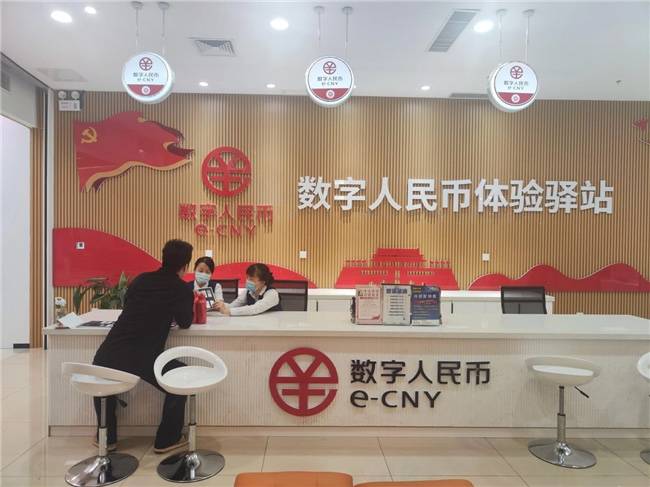
数字人民币国际运营中心落地上海 国企试点彰显责任担当
Sou Hu Cai Jing· 2025-10-08 17:27
Group 1 - The digital RMB international operation center business platform has officially launched in Shanghai, marking a significant breakthrough in China's financial technology and digital economy development [1][3] - The platform features three major services: cross-border payments, blockchain services, and digital asset management, indicating a comprehensive approach to digital currency applications [1] - The People's Bank of China emphasizes that the cross-border application of digital currency and institutional innovation are essential for enhancing national financial competitiveness and contributing to global payment system reforms [3] Group 2 - State-owned enterprises, such as Greenland Hong Kong, are among the first pilot units to adopt digital RMB, particularly in real estate transactions, property payments, and community services [3] - The involvement of state-owned enterprises is expected to ensure compliance and safety in the pilot operations, while also promoting transparency in fund circulation and intelligent transaction supervision within the real estate sector [3] - As application scenarios expand, digital RMB is anticipated to play a larger role in housing, public welfare, and urban governance, aligning national strategies with public needs [3]