
万物互联

Search documents
中金:eSIM热度有望重启,编制万物互联新格局
中金点睛· 2025-06-30 23:58
Core Viewpoint - eSIM technology is expected to gain momentum due to its advantages in size, cost, security, and convenience, aligning with trends in consumer electronics miniaturization and the rise of the Internet of Things (IoT) [1][3][16]. Development of eSIM - The evolution of telecom cards has transitioned from magnetic cards to embedded SIM cards, with eSIM poised to eliminate physical card slots through Over-The-Air (OTA) technology, catering to the demand for thinner devices and expanded IoT applications [2][9][12]. Advantages of eSIM - eSIM offers benefits such as space-saving in devices, reduced supply chain costs, enhanced security, and improved user experience through remote configuration and multiple operator profiles [3][17][18]. - The global forecast predicts approximately 1 billion eSIM-enabled smartphones by the end of 2025, increasing to 6.9 billion by 2030, with IoT connections using eSIM technology expected to grow from 22 million in 2023 to 195 million by 2026 [3][12][19]. eSIM Industry Chain - The eSIM industry chain encompasses chip design, platform management, operator services, device integration, and end applications, with significant collaboration among various stakeholders to meet early market demands [4][20][23]. - Key players in chip design include companies like NXP, STMicroelectronics, and Qualcomm, while domestic firms in China are also gaining traction in the eSIM market [23][24]. Challenges in Adoption - The willingness of operators to support eSIM technology is crucial, as concerns over customer retention and the need for system restructuring may hinder adoption [18][32]. - The penetration rate of eSIM in devices remains low, with only 21.3% in smartphones and 5.2% in wearables as of 2023, indicating significant growth potential [18][19]. Future Outlook - The demand for eSIM is expected to accelerate by 2025, driven by the increasing miniaturization of consumer electronics and the growing need for IoT devices [19][30]. - Major smartphone manufacturers are actively integrating eSIM technology into their products, with Apple leading the way in the market [30][31].


年出货 16 亿颗的芯片巨头IPO!
是说芯语· 2025-06-28 15:55
Core Viewpoint - Unisoc (紫光展锐) has successfully positioned itself as the fourth largest smartphone chip manufacturer globally, achieving significant growth in market share and revenue through strategic partnerships and product development in the mid-range and low-end markets [3][4][12]. Group 1: Company Background and Development - In March 2023, Unisoc completed its transformation into a joint-stock company, changing its name to 紫光展锐(上海)科技股份有限公司 [2]. - The company has received substantial financial backing, including a credit line of 3.2 billion yuan from a consortium of five major banks and multiple rounds of equity financing totaling 60 billion yuan [2]. - Unisoc was formed through the merger of 展讯通信 and 锐迪科, which were pioneers in GSM and RF chip technology, respectively [5][6]. Group 2: Market Performance and Positioning - In Q1 2025, Unisoc held a 10% share of the global smartphone AP-SoC market, ranking fourth behind MediaTek, Qualcomm, and Apple [2]. - The company achieved a remarkable 14% market share in smartphone chip shipments in 2024, with over 1.6 billion chips shipped, indicating a strong presence in the mid-range and low-end markets [3]. - Unisoc's 5G chip sales surged by 82% year-on-year in 2024, contributing significantly to its overall market share growth [6]. Group 3: Product Innovations and Future Strategies - Unisoc has focused on developing cost-effective 5G solutions, launching its first 5G chip, the Tiger T7510, in 2020, which has been well-received in the market [6]. - The company is diversifying its product offerings by entering new markets such as smart automotive, IoT, and satellite communication, with products like the A7870 automotive chip and V517 5G RedCap chip [7][8][9]. - Unisoc is also making strides in the mid-range market with the introduction of the T9100 processor, aiming to enhance its competitive position against leading chip manufacturers [11].

小米YU7预订火爆 A股“小伙伴”齐涨(附名单)
Zheng Quan Shi Bao Wang· 2025-06-27 05:22
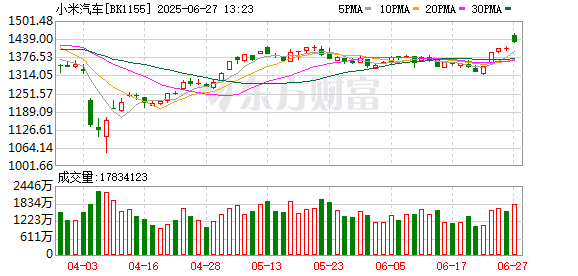
Group 1 - Xiaomi's first SUV, the YU7, was officially launched with a starting price of 253,500 CNY, and pre-orders exceeded 200,000 units within 3 minutes and 289,000 units within 1 hour [4] - The YU7 features a high-performance electric motor with a maximum speed of 22,000 RPM and utilizes an 800V silicon carbide high-voltage platform, allowing for rapid charging from 10% to 80% in just 12 minutes [4] - Analysts believe that Xiaomi's unique ecological advantages will significantly contribute to the surge in YU7 orders, positioning the company to lead the automotive industry towards an interconnected ecological era [4] Group 2 - Xiaomi automotive concept stocks saw a collective rise, with Xiaomi Group-W's stock opening up by 8.96% and closing up by 4.39% on June 27 [3] - A total of 25 Xiaomi automotive concept stocks are tracked, with 9 stocks receiving ratings from 3 or more institutions, indicating strong institutional interest [5] - Forecasts suggest that several Xiaomi automotive concept stocks, including Yachuang Electronics and BYD, are expected to achieve net profit growth rates exceeding 20% from 2025 to 2027 [5][6] Group 3 - QFII holdings in Xiaomi automotive concept stocks showed that 6 stocks were heavily invested by QFII as of the end of the first quarter, with Pengling Co. having the highest QFII holding ratio at 2.87% [6] - Pengling Co. has indicated that Xiaomi Automotive is a significant client, and the company will supply fluid pipeline products for Xiaomi's vehicles [7]

美的打出一张暗牌
虎嗅APP· 2025-06-24 14:31
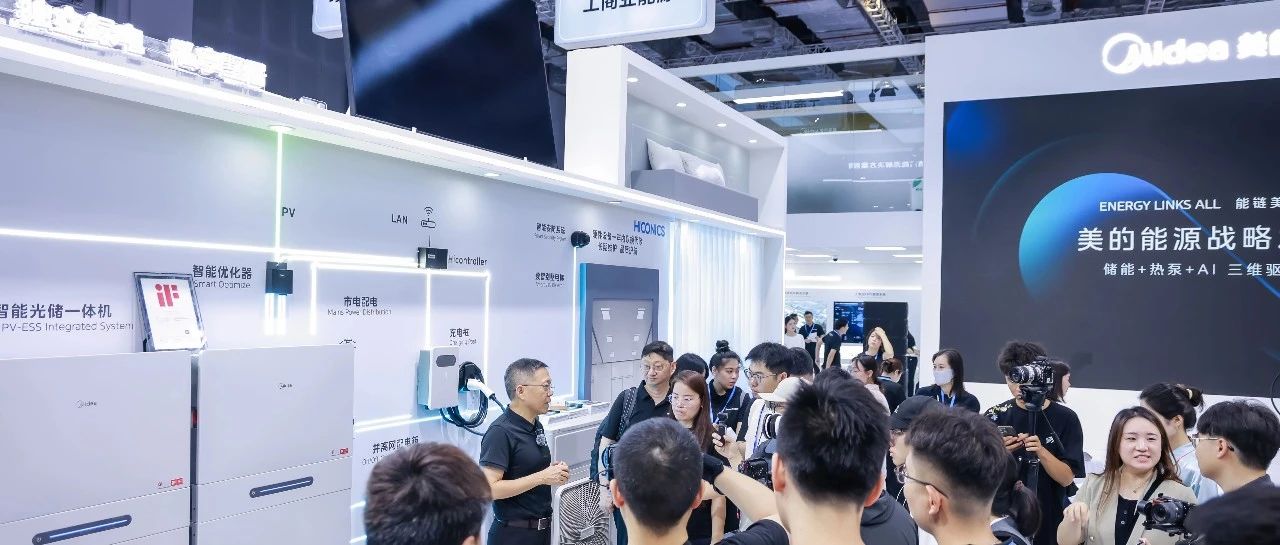
Core Viewpoint - Midea Group has been expanding its B2B business, which now accounts for 25.67% of total revenue, up from 18.5% in 2020, indicating significant growth in this segment [2][3]. Group 1: B2B Business Expansion - Midea's B2B business includes sectors such as new energy and industrial technology, robotics and automation, and smart building technology, with respective revenue contributions of 8.26%, 7.05%, 6.99%, and 3.37% as of 2024 [3]. - The company employs a strategy of "one fish, multiple eats," allowing it to expand revenue streams by integrating various products and services within its B2B offerings [3][4]. - Midea's approach includes a "point-to-surface" strategy, where it sells core products and expands into related systems, enhancing customer loyalty and creating a more robust business ecosystem [4]. Group 2: Focus on New Energy - Midea is strategically entering the new energy sector, particularly in solar and storage solutions, to directly engage with both B2B and B2C markets [5][7]. - The company has acquired firms like Hekang New Energy and Kelun Electronics to complete its value chain in solar, storage, and smart grid technologies, with new energy now contributing approximately 10% to overall revenue [7][8]. - Midea's existing strengths in technology, brand, and supply chain from its home appliance business provide a solid foundation for its new energy initiatives [7][8]. Group 3: Competitive Landscape and Strategy - The energy storage industry is currently facing challenges, including low-quality products and safety concerns, necessitating a return to healthy market practices [9][10]. - Midea is adopting a dual-brand strategy with Midea and Kelun to enhance its competitiveness in large-scale storage and commercial storage markets [10][11]. - The company is leveraging its extensive supply chain and customer base to facilitate easier entry into commercial energy storage, focusing on innovative solutions tailored to specific market needs [12][13]. Group 4: Technological Integration - Midea is exploring the integration of heat pump technology into its energy storage systems, which could disrupt the current dominance of electrochemical storage solutions [15][16]. - The company aims to utilize its expertise in heat exchange and thermal generation to improve the efficiency of energy storage systems, potentially leading to significant advancements in the sector [15].

华为鸿蒙赌赢了上半场
Hua Er Jie Jian Wen· 2025-06-23 08:52
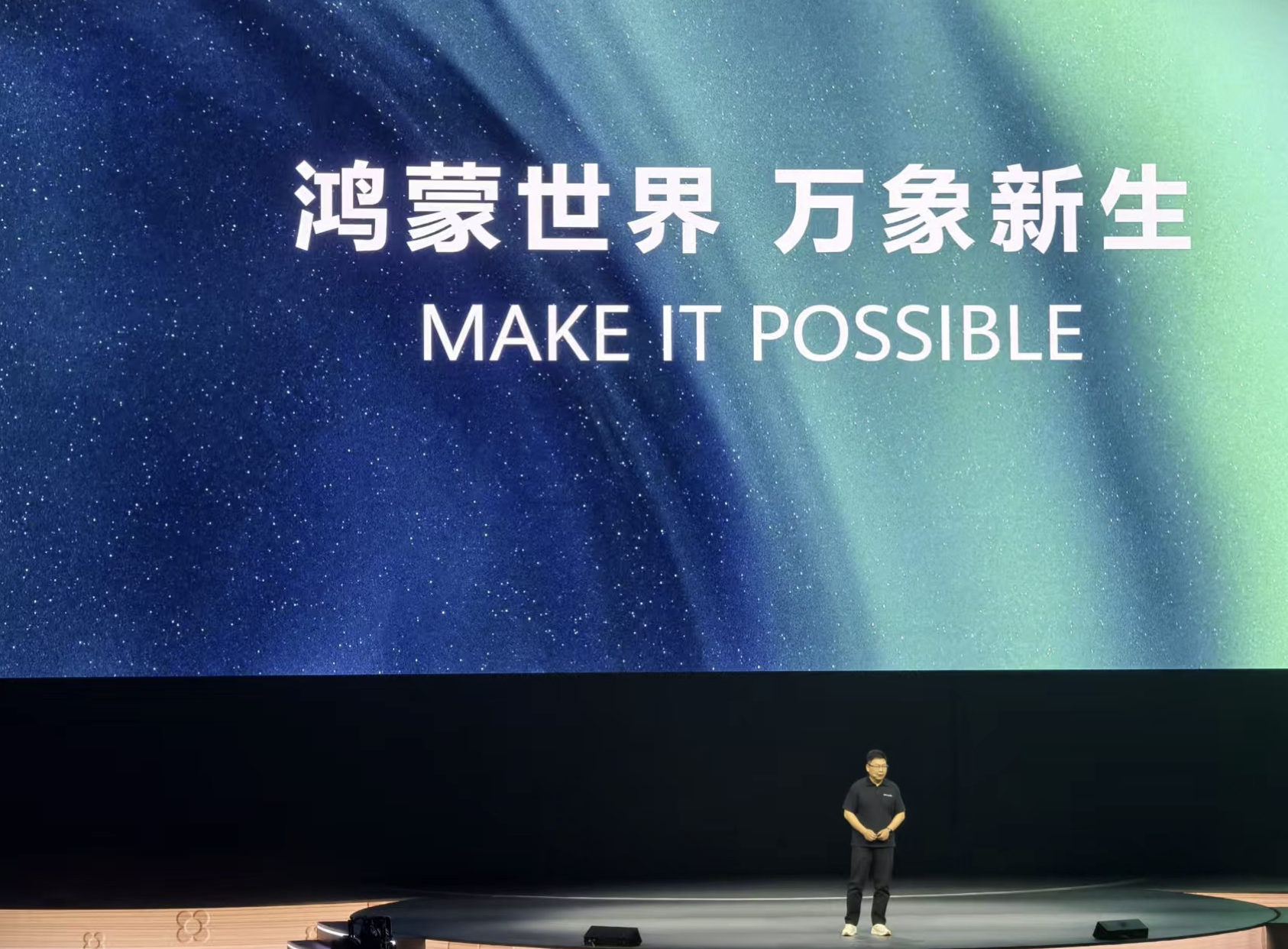
Core Insights - Huawei's HarmonyOS has transitioned from a backup system to a fully-fledged operating system, with over 40 devices now using it and 99% of user time covered by the top 5000 applications [2][6][10] - The launch of HarmonyOS 6 Beta marks Huawei's ambition to enhance user experience and redefine smart living for the next decade, moving beyond merely being an alternative to Android [2][13] - Huawei aims to establish a fully independent ecosystem for HarmonyOS, reducing reliance on Android and enhancing performance and user experience [5][6] Ecosystem Development - Huawei's HarmonyOS has become the third-largest mobile operating system globally, with a focus on developing native applications to sever ties with Android [6][8] - The first phase of HarmonyOS's ecosystem has been achieved with 200 top apps, and the goal is to reach 5000 by mid-2024, eventually expanding to 500,000 apps [8][9] - As of October, over 15,000 native HarmonyOS applications and services have been launched, indicating significant progress in ecosystem maturity [9][10] User Experience and Features - HarmonyOS 6 introduces a new interconnected structure, allowing seamless media transfer between devices and enhancing user interaction through AI capabilities [13][16] - The "Touch and Share" feature has been upgraded to support sharing across multiple devices simultaneously, expanding its application scope [14][15] - The integration of AI into HarmonyOS aims to create a new AI ecosystem, enhancing user interaction and service efficiency [16][17] Developer Engagement - Huawei is lowering development barriers to attract more developers, with a new AI development assistant improving efficiency by over 30% [20][21] - The HarmonyOS Star Program will invest 100 million yuan to support developers and encourage innovation within the ecosystem [22] - The ecosystem's commercial viability is crucial, with Huawei emphasizing the need for developers to see growth opportunities [23] Market Position and Growth - HarmonyOS's market share in China surged from 2% to 19% within a year, surpassing iOS, while its global share remains at 4%, indicating room for growth [23][24] - The ecosystem aims to integrate various devices beyond smartphones, targeting a vast market potential through a distributed architecture [25] - Huawei's advertising platform has seen significant growth, with plans for further integration to enhance marketing efficiency [26] Future Challenges - Despite achieving initial success, Huawei faces the challenge of maturing the HarmonyOS ecosystem and differentiating it from competitors like Google and Apple [12][27] - The transition from a technology-driven approach to a collaborative industry-wide strategy is essential for HarmonyOS's long-term success [27]
雷军官宣:周四晚7点!
天天基金网· 2025-06-23 06:15
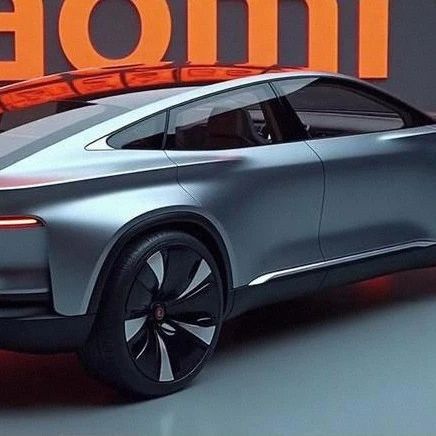
Core Viewpoint - Xiaomi is set to officially launch its first electric SUV, the YU7, on June 26, 2023, alongside other products such as the Xiaomi Flip2 foldable phone and the Xiaomi Pad 7S Pro [1][2]. Group 1: Product Details - The Xiaomi YU7 is a pure electric SUV with a length close to 5 meters, featuring a dual-motor design for acceleration from 0 to 100 km/h in approximately 3 seconds, equipped with lidar for advanced driver assistance, and powered by a battery from CATL with over 100 kWh capacity [1][2]. - Price predictions for the YU7 range from 250,000 to 320,000 yuan, with expected sales of 85,000 units in 2025 and 260,000 units in 2026 [2]. Group 2: Market Positioning - The YU7 is positioned as a high-end product, competing directly with models like Tesla Model Y, NIO EC6, and XPeng G7, with Xiaomi emphasizing that the YU7's standard version will have higher specifications than the SU7 Pro [2]. - Analysts believe that the YU7's success will depend on its configuration options and overall value proposition, suggesting it may exceed market expectations in sales [2][3]. Group 3: Strategic Vision - Xiaomi aims to create an integrated ecosystem connecting people, vehicles, and homes, leveraging its technology across various product categories to establish a competitive edge in the smart living space [3]. - The company's strategy is shifting from being a disruptor to fostering collaboration within the automotive ecosystem, focusing on expanding its automotive business and enhancing technological capabilities [3][4].
鸿蒙的成长路线,是穿越“微笑曲线”
半佛仙人· 2025-06-21 13:23
Core Viewpoint - The article discusses the evolution and acceptance of Huawei's HarmonyOS (Hongmeng), highlighting its unique features and the growing ecosystem that supports it, emphasizing the importance of user experience and developer engagement in driving its success [5][8][29]. Group 1: HarmonyOS Development and User Experience - HarmonyOS 6.0 has officially launched its developer beta version, indicating rapid progress [2]. - The user experience of HarmonyOS has improved significantly over time, reflecting a "smile curve" where initial skepticism has turned into satisfaction as the ecosystem matures [5][8]. - The system is designed to operate across various devices, enhancing user convenience and creating a seamless experience [18][22]. Group 2: Ecosystem Growth and Developer Engagement - HarmonyOS has over 800 million developers and more than 300,000 applications, with daily updates and downloads indicating a thriving ecosystem [35]. - Huawei invests significantly in developer support, with annual investments of 6 billion yuan to foster innovation and growth within the HarmonyOS ecosystem [56][60]. - The introduction of the Harmony Star Plan aims to support campus developers with 100 million yuan in cash and resources, further expanding the developer base [59]. Group 3: Challenges and Strategic Decisions - The article highlights the challenges of creating a new operating system in a market dominated by Android and iOS, emphasizing the need for substantial investment and commitment from both Huawei and developers [48][50]. - The success of HarmonyOS hinges on overcoming the "chicken and egg" problem, where user adoption drives developer interest, and vice versa [43][72]. - Huawei's long-term commitment to R&D, with over 100 billion yuan invested annually, is crucial for sustaining the ecosystem's growth [51][52]. Group 4: Future Prospects and AI Integration - The future of HarmonyOS looks promising, especially with the integration of AI capabilities that enhance user experience and developer efficiency [110][116]. - The article posits that HarmonyOS is not just a Huawei product but a collective effort involving users, developers, and the broader ecosystem, emphasizing the need for collaboration to achieve true interoperability [155][161]. - The ongoing development of HarmonyOS is expected to drive innovation in the software industry and create new opportunities for talent and technology [140][148].

美的打出一张暗牌
Hu Xiu· 2025-06-20 00:05
Core Viewpoint - Midea Group has been expanding its B2B business, which now accounts for 25.67% of total revenue in 2024, up from 18.5% in 2020, indicating significant growth in this segment [1][3]. Group 1: B2B Business Expansion - Midea's B2B business includes areas such as new energy and industrial technology, robotics and automation, and smart building technology, with respective revenue contributions of 8.26%, 7.05%, 6.99%, and 3.37% as of 2024 [3]. - The company employs a strategy of "point-to-surface" to create a closed-loop system, enhancing customer loyalty by cross-selling products within building scenarios [3][9]. - Midea has made strategic acquisitions, such as HeKang New Energy and Kelu Electronics, to complete its full industry chain in solar energy, storage, and smart grids, with the new energy business currently contributing about 10% to overall revenue [9][10]. Group 2: Competitive Landscape and Strategy - The energy sector is dominated by state-owned enterprises, making it challenging for most companies to reach the end-user; however, Midea's focus on solar and storage allows direct access to both B2B and B2C markets [4][6]. - Midea's dual-brand strategy, utilizing both Midea and Kelu, aims to enhance competitiveness in the large storage market, focusing on historical bidding volume, warranty, after-sales capabilities, and safety management [13][14]. - The company is adapting to changes in the commercial storage market, where clients are increasingly interested in the actual benefits of storage solutions rather than just hardware specifications [16][17]. Group 3: Technological Integration and Future Outlook - Midea plans to integrate heat pump technology into its storage systems, leveraging its position as one of the largest heat pump manufacturers globally, which could disrupt the current dominance of electrochemical storage solutions [19]. - The company is also exploring AI-driven operational technologies for virtual power plants and electricity trading, which are becoming key selling points in the commercial storage sector [17][18].
万物苏醒 世界辽阔
Ren Min Ri Bao· 2025-06-19 21:51
为什么要写这些?我一篇散文的题目可作注解——《爱是眷恋,如从头顶飞过永不再见的小鸟》。我眷 恋万物,为每一次相逢与别离倍感珍惜。霜降之日,我看到青草结上白霜,它们就要离开这个世界了, 心里为此难过。想跟它们一一告别,尽管这不可能。夏季的草原,野花开得那么骄傲美丽,我想到了秋 天,野花就会枯萎,这有多么可惜。在树林里,我喜欢把脸贴在树上,跟树拥抱。我愿意倾听藏在草丛 里的泉水细碎的流淌声。潜意识里,我巴不得听到所有动植物的心声,包括无生命的岩石苔藓的话语, 无形象的风的话语。我想它们比人类更爱大自然,更看重相互依存,更懂得珍惜生命。 蒙古栎树给勒勒车辙写信:"草原脆弱,用铁锹挖一个坑,流沙会冒出来。汽车在草原上开两个来回, 被轧的青草将会死去,不再复生。"骆驼给小叶椴树回信:"人们说这里荒凉,我没这种印象。没有房 子,没有高大的乔木,没有河流就荒凉吗?大自然的每一处景观都独一无二,况且戈壁滩有我最爱吃的 骆驼刺。"所有的故事都暴露在大家眼前:动物那么腼腆,昆虫甚至羞涩,树木也会发怒,云彩很笨, 野兔比人更重视友情,绿头鸭时刻惦念着岸上的白桦树。 我不满足于写一个故事,我想把故事的背景写出来——写一棵白桦树,要写 ...

鸿蒙电脑专题报告:鸿蒙电脑横空出世,打造全场景新生态
Guoyuan Securities· 2025-06-19 06:14
Investment Rating - The report maintains a "Recommended" investment rating for the industry [7] Core Insights - Huawei officially launched the HarmonyOS computers, marking a significant step for domestic operating systems in the PC sector [2][13] - The launch of HUAWEI MateBook Pro and HUAWEI MateBook Fold Nonpareil Master enhances Huawei's "AI + All-Scenario" strategic barrier, with performance optimization and intelligent interaction [5][29] - The HarmonyOS ecosystem is rapidly evolving, with over 150 dedicated applications adapted to the system and more than 1,100 external devices supported [52][59] Summary by Sections 1. HarmonyOS Computers Officially Launched, Broad Domestic Market Space - Huawei introduced HUAWEI MateBook Pro and HUAWEI MateBook Fold Nonpareil Master on May 19, 2025, showcasing innovative form factors and capabilities [13][18] - The domestic PC market is projected to have a total shipment of approximately 39.7 million units in 2024, with Huawei's market share increasing to 11% [21][26] 2. Hardware Innovations Leading the Market, Nonpareil Master Reshaping Experience - HUAWEI MateBook Pro is the first laptop to support Star Flash technology, enhancing device location capabilities [15][29] - HUAWEI MateBook Fold features an 18-inch dual-layer OLED flexible folding screen, redefining user experience and multitasking capabilities [45][48] 3. Software Ecosystem Becoming More Complete, Innovative Interaction Experience - HarmonyOS 5, fully integrated into the new computers, replaces the previous Linux kernel, enhancing security and efficiency [57][59] - The introduction of AI capabilities and smart interaction features significantly improves user productivity [54][56] 4. Listed Companies Actively Participating, Opening New Growth Space - Companies like Zhongruan International and Softcom Power are contributing to the HarmonyOS ecosystem, enhancing compatibility and expanding application availability [4][63] - Zhongruan International's Harmony Cloud Virtual Machine allows seamless compatibility with Windows applications, addressing initial ecosystem challenges [66][70]