谷子经济

Search documents
以“谷子经济”驱动年轻消费力
Hai Nan Ri Bao· 2025-08-28 01:09
Core Insights - The "Guzi Economy" is gaining momentum, driven by the popularity of cultural IPs and the growing consumer base, particularly among Generation Z and younger demographics [2][3][4] - The success of the animated film "Wang Wang Mountain Little Monsters" has significantly boosted the sales of related merchandise, indicating the strong market potential of IP-derived products [1][2] - The "Guzi" consumer group is expanding beyond its original demographic, attracting interest from older generations and becoming a significant cultural phenomenon [2][4] Industry Trends - The "Guzi Economy" is characterized by a robust industrial chain that includes IP development, manufacturing, and retail, with a focus on emotional value and community engagement [2][6] - The rise of domestic IPs like "Genshin Impact" and "Black Myth: Wukong" has fueled consumer enthusiasm, particularly among younger audiences, and has led to cross-industry collaborations [3][6] - The market is seeing a shift towards personalized and customizable products, facilitated by advancements in manufacturing technologies [6][9] Market Opportunities - The "Guzi Economy" presents new opportunities for businesses, particularly in the realms of tourism and cultural events, which can attract younger consumers [9][10] - There is potential for establishing connections between the "Guzi Economy" and the "First Release Economy," enhancing consumer engagement through limited edition products [8][10] - Regions like Hainan can leverage their unique advantages to promote the "Guzi Economy," attracting both domestic and international consumers [9][10] Consumer Behavior - The social aspect of "Guzi" consumption is significant, as it fosters community connections and emotional expression among consumers [3][4] - The pricing of "Guzi" products is generally accessible, appealing to the desire for individuality and self-expression among younger consumers [3][4] - Parents of Generation Z are increasingly supportive of "Guzi" consumption, viewing it as a means for their children to express themselves and relieve academic pressure [4][10]
广州、深圳二次元商业体激战正酣,谁能领跑华南?
Xin Lang Cai Jing· 2025-08-27 06:08
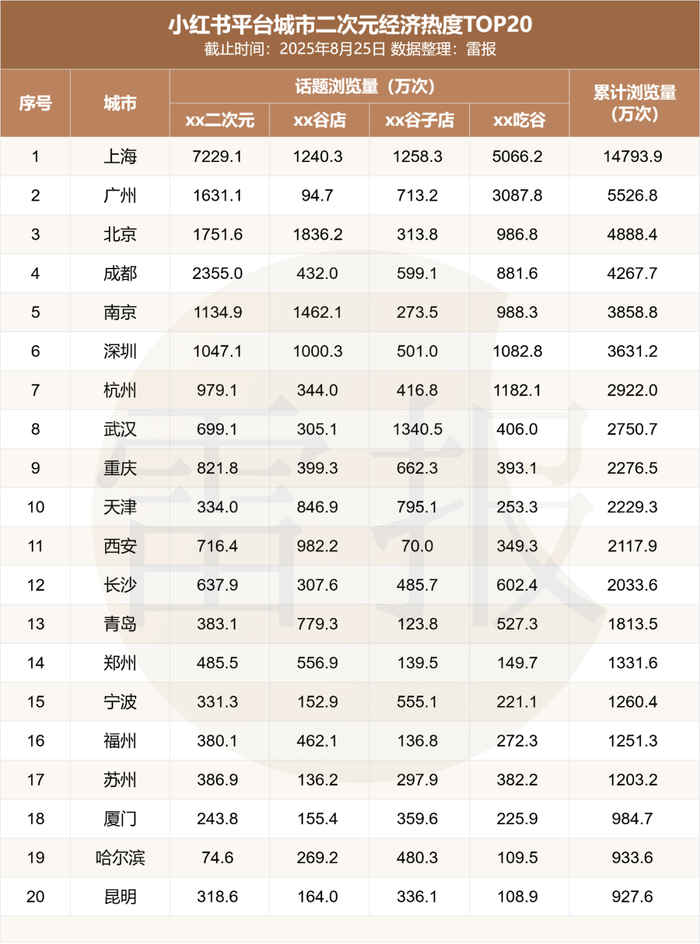
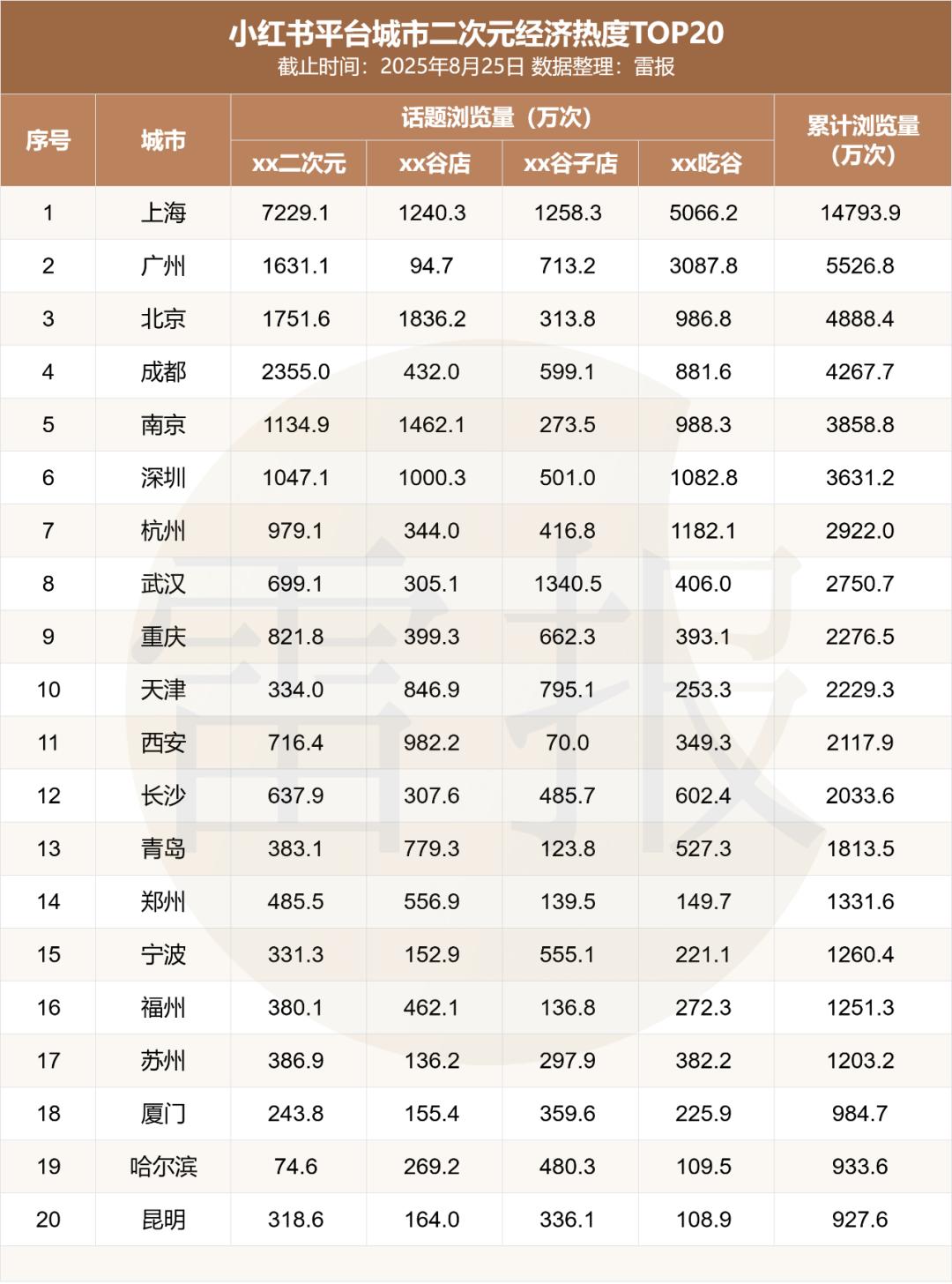
Core Insights - The market size of the millet economy in China is expected to exceed 200 billion yuan by 2025, driven by the expansion of millet concepts and consumer demand for spiritual consumption [1] - The broader pan-2D and related market is projected to reach 652.1 billion yuan by 2025 and 834.4 billion yuan by 2029 [1] - Guangzhou and Shenzhen are emerging as key players in the 2D economy, showcasing significant growth and development [1][2] Market Overview - In the first half of 2025, Guangzhou's total retail sales of consumer goods reached 561.12 billion yuan, while Shenzhen's reached 494.87 billion yuan, ranking fifth and sixth nationally [2] - The high proportion of young population in both cities contributes to a strong acceptance of new cultural trends, particularly in the 2D culture [2] Social Media Engagement - As of August 25, 2025, the topic related to "eating millet" in Guangzhou had a total view count of 55.268 million, while Shenzhen had 36.312 million views, ranking second and sixth among major cities in China [2][3] Retail Landscape - Guangzhou has 184 millet stores, and Shenzhen has 145, making them the fifth and sixth cities in terms of millet store distribution in China [4][5] - The concentration of millet stores enhances the shopping experience for 2D enthusiasts and stimulates market activity [4] Commercial Developments in Guangzhou - Key commercial areas in Guangzhou include the Beijing Road, Tianhe Road, and Zhongshan Third Road, with significant foot traffic and a variety of 2D-related businesses [6][11] - The "Anime Star City" in Guangzhou reported an average occupancy rate of 99.8% and generated revenue of approximately 37.23 million yuan in the first half of 2025 [8][9] Commercial Developments in Shenzhen - Shenzhen's 2D economy is less concentrated compared to Guangzhou, with notable areas including BigCity, C Future City, and various shopping centers [16][17] - The BigCity dimension town hosted an event that attracted nearly 150,000 participants, showcasing the potential for large-scale 2D events [18] Event and Activity Highlights - Various shopping centers in both cities regularly host IP-themed events and pop-up activities, enhancing consumer engagement and driving foot traffic [10][14][24] - The Tianhe Road commercial area in Guangzhou recorded nearly 300 million visitors in the first half of the year, indicating strong consumer interest in 2D-related activities [11]

广州/深圳二次元商业体厮杀正酣,谁能领跑华南?
3 6 Ke· 2025-08-27 02:36
Core Insights - The market size of the millet economy in China is expected to exceed 200 billion yuan by 2025, driven by the expansion of millet concepts and product categories, as well as the increasing consumer demand for spiritual consumption [1] - The broader pan-2D and peripheral market is projected to reach 652.1 billion yuan by 2025 and 834.4 billion yuan by 2029 [1] - Guangzhou and Shenzhen are emerging as key players in the 2D economy, showcasing robust development and consumer engagement [2][3] Market Overview - The millet economy is gaining traction in various cities, with a focus on social media engagement, the number of millet stores, and brand positioning [1] - Guangzhou's retail sales reached 561.1 billion yuan in the first half of 2025, while Shenzhen's reached 494.9 billion yuan, ranking fifth and sixth nationally [2] - The high proportion of young consumers in both cities contributes to a strong acceptance of new cultural trends, particularly in the 2D sector [2] Consumer Engagement - As of August 25, 2025, the topic of "eating millet" in Guangzhou garnered 55.3 million views, while Shenzhen's related topics reached 36.3 million views, indicating strong regional interest [3] - The density of millet stores in Guangzhou (184) and Shenzhen (145) positions them among the top cities in China for millet store distribution [5][7] Commercial Landscape - Guangzhou's 2D commercial landscape is concentrated along the subway Line 1, with key areas including Beijing Road, Tianhe Road, and Zhongshan Third Road [8] - The Beijing Road business district, a historical commercial hub, recorded a foot traffic of 134 million in 2024, with significant contributions from the 2D economy [10] - The Tianhe Road business district is a major shopping area with nearly 300 million visitors in the first half of 2025, hosting various 2D-related events and activities [16] Key Players and Developments - The "Anime Star City" in Guangzhou features over 50 2D-related stores and has a high occupancy rate of 99.8%, generating revenue of approximately 37.2 million yuan in the first half of 2025 [10][11] - The "Big City" in Shenzhen is recognized as a leading 2D destination, attracting up to 56,000 visitors in a single day [21] - Various commercial complexes in Shenzhen, such as C Future City and Happy Coast, are actively hosting 2D events and introducing new brands to enhance consumer engagement [27][30]
英大证券晨会纪要-20250827
British Securities· 2025-08-27 01:46
Core Views - The report indicates that the A-share market may experience a slowdown in upward momentum, urging investors to be cautious of hidden volatility risks beneath apparent market prosperity [1][8] - The report highlights that the market's strong performance is supported by significant trading volume, with a total trading volume exceeding 3 trillion yuan, marking the second-highest in A-share history [4][8] - Despite the potential for further upward movement, the report warns of the risks associated with approaching the 3900-point resistance level, suggesting that profit-taking may occur as investors seek to secure gains [1][8] Market Overview - On Tuesday, the Shanghai Composite Index reached a new annual high of 3883 points, with trading volume surpassing 3 trillion yuan, indicating strong market participation [4][8] - The report notes that while the market showed resilience with a rebound after a low opening, it ultimately faced a slight decline by the end of the trading day, signaling potential volatility ahead [1][4][8] - The report emphasizes the need for dynamic adjustments in holdings, recommending investors to avoid blind chasing of high prices and to consider reducing positions in recently surging stocks [2][8] Sector Performance - The gaming sector saw significant gains, with the report highlighting a 42.75% increase in the media sector during the first half of 2023, although it faced a 15.58% correction in the third quarter [6][8] - The agricultural sector, particularly poultry and livestock, also experienced upward movement, driven by government policies aimed at enhancing industry health and promoting smart agriculture [7][8] - The report suggests that the media and gaming sectors may benefit from advancements in AI technology, particularly in content production and interactive entertainment [6][8]
创源股份2025年半年报:营收净利双增,跨境电商与IP潮玩成增长引擎
Zheng Quan Shi Bao Wang· 2025-08-26 14:54
Group 1 - The company reported a revenue of 996 million yuan for the first half of 2025, representing a year-on-year growth of 19.81%, and a net profit of 65.15 million yuan, up 30.42% year-on-year [1] - The significant growth in performance is attributed to the cross-border e-commerce business, which increased by 59.03% year-on-year, driving both gross margin and net profit growth [1] Group 2 - The company is advancing its "dual circulation" development strategy, with notable success in expanding production capacity in Vietnam, where revenue reached 219 million yuan, a 63.31% increase compared to the same period in 2024 [2] - Plans are in place to enhance the Southeast Asia strategic layout through increased investment in its subsidiary in Singapore, aimed at building production bases in Southeast Asian countries [2] Group 3 - The company has entered the trendy toy market through self-branded products, IP collaborations, and controlling related enterprises, achieving a strategic partnership with the well-known IP "I Am Not Eating for Free," with the first co-branded product launched in August 2025 [3] - The global trendy toy market is projected to reach 52 billion USD by 2025, with the Chinese market expected to reach 87.7 billion yuan, indicating significant growth potential [3] Group 4 - In the first half of 2025, the company established a product research institute to expand its domestic market, focusing on developing a product matrix based on the "IP + cultural creativity + technology" model [4] - The team is optimizing product smart modules, focusing on core function upgrades such as voice interaction and perception, with plans to create a diversified IP matrix that includes national style and internationally recognized IPs [4]

美妆联名回潮,但一半以上都是无效投入?2025美妆联名盘点
3 6 Ke· 2025-08-26 12:35
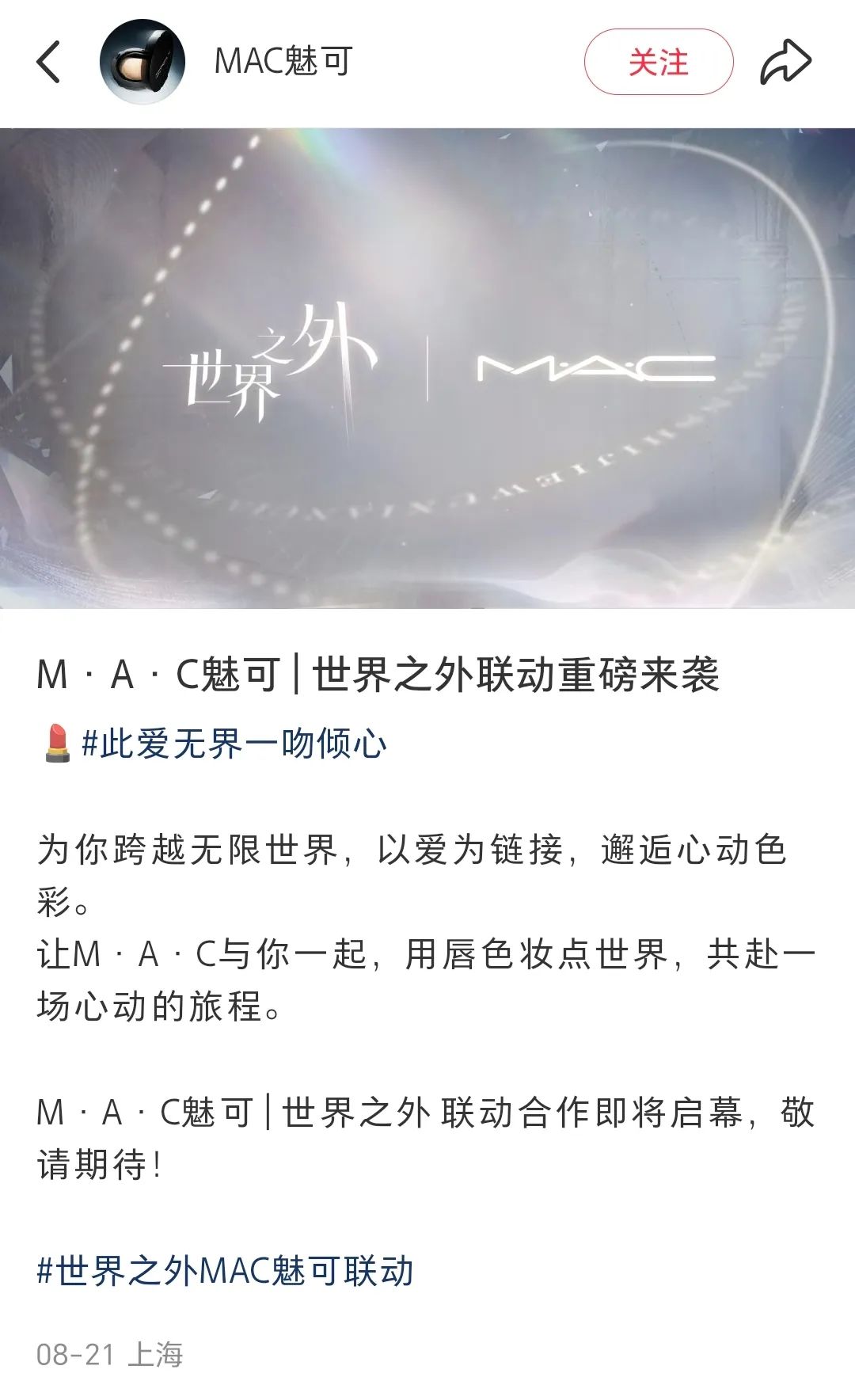
Core Insights - The rise of the "Guzi Economy" has become a significant trend among Generation Z consumers, with IP marketing emerging as a crucial strategy for brands aiming to attract younger audiences [1][4] - The beauty industry is witnessing a resurgence in IP collaborations, with many brands launching co-branded products in anticipation of major sales events like Qixi Festival [4][9] Industry Trends - There has been a notable increase in the number of beauty brands engaging in IP collaborations, with nearly 50 brands participating this year, reflecting a competitive market environment [4][9] - The types of IPs being utilized have expanded beyond traditional categories, now including popular games, novels, and even food and beverage brands, indicating a diversification in collaboration strategies [9][21] Marketing Strategies - Successful IP collaborations are often viewed as a more cost-effective alternative to celebrity endorsements, with brands achieving significant sales through strategic partnerships [10][14] - Brands are increasingly leveraging social media platforms and influencer marketing to promote their IP collaborations, enhancing visibility and engagement [18][19] Challenges and Risks - Many beauty brands face challenges in executing effective IP collaborations due to a lack of understanding of the IP economy and insufficient budgets, leading to ineffective partnerships [33][37] - Quality control issues have arisen, with some brands experiencing backlash due to poor execution of IP collaborations, highlighting the importance of aligning brand values and audience expectations [44][46] Future Outlook - The beauty industry is expected to see a normalization of IP collaborations, similar to trends observed in the beverage sector, but brands must focus on product quality and innovative designs to stand out [9][48] - As competition intensifies, brands will need to invest more in product development and marketing strategies to maintain relevance and appeal to discerning consumers [48]

港股开盘:恒指跌0.45%、科指跌0.76%,科网股及汽车股走低,蔚来汽车跌近8%
Jin Rong Jie· 2025-08-26 01:45
Market Overview - The Hong Kong stock market opened lower on Tuesday, with the Hang Seng Index down 0.45% at 25,714.91 points, the Hang Seng Tech Index down 0.76% at 5,780.95 points, the National Enterprises Index down 0.39% at 9,211.78 points, and the Red Chip Index down 0.12% at 4,383.23 points [1] - Major tech stocks declined, with Alibaba down 2.01%, Tencent down 0.41%, JD.com down 1.11%, NetEase down 1.29%, Meituan down 0.25%, Kuaishou down 0.83%, and Bilibili down 1.98% [1] - Gold and non-ferrous metal stocks continued to rise, with Shandong Gold up nearly 2% [1] - New consumption concepts opened higher, with Laopu Gold up over 1% [1] - Automotive stocks corrected, with NIO down nearly 8% after a previous gain of over 15% [1] Company News - Haidilao reported a revenue of approximately 20.703 billion yuan, a year-on-year decrease of 3.7%, and a net profit of 1.76 billion yuan, down 13.7% year-on-year [2] - Shijie Group's revenue was about 12.594 billion HKD, a decrease of 7.7% year-on-year, with a net profit of approximately 264 million HKD, down 20.2% year-on-year [2] - China Software International achieved a revenue of about 8.51 billion yuan, a year-on-year increase of 7.3%, and a net profit of 316 million yuan, up 10.4% year-on-year [2] - Zhonghai Property reported a revenue of approximately 7.09 billion yuan, an increase of 3.7% year-on-year, and a net profit of about 769 million yuan, up 4.3% year-on-year [3] - BOE Technology Group's revenue was 6.671 billion HKD, an increase of about 8% year-on-year, with a net profit of approximately 180 million HKD, up 5% year-on-year [3] - Junda Co. reported a revenue of approximately 3.656 billion yuan, a decrease of 42.5% year-on-year, with a net loss of about 264 million yuan, widening by 58.5% year-on-year [3] - Yihai International reported a revenue of approximately 2.927 billion yuan and a net profit of about 310 million yuan, maintaining stable performance year-on-year [4] - Fuhong Hanlin reported a revenue of approximately 2.82 billion yuan, a year-on-year increase of 2.7%, and a net profit of about 390 million yuan, up approximately 1% year-on-year [5] - Maoyan Entertainment achieved a revenue of approximately 2.472 billion yuan, a year-on-year increase of 13.9%, but adjusted net profit fell by 33.2% to 235 million yuan [5] - Green Tea Group reported a revenue of approximately 2.29 billion yuan, a year-on-year increase of 23.1%, and a net profit of about 234 million yuan, up 34% year-on-year [6] - Hopson Development Group issued a profit warning, expecting a mid-term net loss exceeding 1.6 billion HKD, turning from profit to loss [7] Institutional Insights - Cathay Pacific Securities highlighted three key factors for the Hong Kong stock market: breakthroughs in AI technology catalyzing tech growth, potential unexpected foreign capital inflows under the backdrop of US Federal Reserve rate cuts, and the continued attraction of new capital to the market due to asset scarcity advantages [8] - Northeast Securities noted that emotional consumption and the rise of the "Guzi economy" are core drivers, with the market size expected to reach approximately 600 billion yuan, and the trend of collectible toys gaining traction among consumers [8] - CITIC Securities observed a significant divergence in performance among real estate companies, with those focused on core cities showing strong profit growth, while previously loss-making firms continue to face substantial losses [9]

东北证券:情绪消费驱动潮玩 Z世代主导新格局
Zhi Tong Cai Jing· 2025-08-25 07:09
Core Insights - The rise of emotional consumption and the "millet economy" are key drivers, with the Gen Z demographic leading to over 500 million participants in the pan-second dimension market by 2024, and a market size of approximately 600 billion yuan, including a millet economy worth over 150 billion yuan [1] - The trend in the collectible toy market is expected to reach 110 billion yuan by 2027, with a competitive landscape characterized by "one strong and many strong" players, where Pop Mart leads the industry, while foreign brands like Lego and Bandai hold significant market shares [1] Market Segmentation - In the toy segment, blind boxes, building toys, and card games are leading the growth of the collectible toy industry, with blind boxes driven by unknown stimuli and IP value, targeting a consumer base that is 75% female and primarily Gen Z, with a projected market size of 58 billion yuan by 2025 [1][2] - Building toys are designed for all age groups, activating both parent-child and adult scenarios, with a market size expected to reach 64 billion yuan by 2028, led by domestic brand Blokus [1][2] - Card games focus on a younger demographic (ages 8-15) and are dependent on parental spending, with a projected market size of 44.6 billion yuan by 2029, where Card Game occupies a leading position [1][2] Competitive Landscape - Leading companies such as Pop Mart, Blokus, and Card Game are driving industry development through differentiated competition, with Pop Mart focusing on IP incubation and blind box mechanisms, Blokus targeting children's educational scenarios, and Card Game emphasizing children's social interaction [3] - Pop Mart maintains strong channel control primarily through direct sales, while Blokus is shifting from online direct sales to a dealer-centric model, and Card Game is also focusing on a dealer model but is experiencing channel contraction [3] - Financially, Pop Mart is enhancing its brand premium with a projected gross margin of 66.8% and an adjusted net profit margin of 26.1% in 2024, while Blokus has improved its inventory turnover days from 137 to 46, achieving a turnaround in adjusted net profit margin from -107.9% to 26.1% [3] International Insights - Successful overseas companies demonstrate that a multi-faceted business ecosystem centered around IP is crucial, with Disney leveraging its IP across films, parks, and merchandise, Bandai focusing on vertical IP and high-precision models, and Sanrio expanding its "cute economy" through light asset character licensing [4]


为了这个6000亿市场,互联网大厂又“打起来”了
3 6 Ke· 2025-08-25 03:07
Group 1 - The core viewpoint of the article highlights the rapid growth and potential of the ACG (Anime, Comic, and Game) market in China, particularly focusing on the increasing engagement and spending of the Z generation on second-dimensional content [1][3][28] - In the past year, the fastest-growing categories on Xiaohongshu were ACG and gaming content, with year-on-year growth rates of 175% and 168% respectively, indicating a significant trend in user engagement [1] - The overall market size for the ACG sector is projected to reach 597.7 billion yuan by 2024, with the number of users expected to hit 503 million, nearly half of the total internet users in China [1][28] Group 2 - The Z generation, which constitutes a significant portion of the ACG user base, has a total disposable income of 13 trillion yuan, with 95% of them being ACG users who show a higher willingness to pay compared to the average [3][28] - The ACG content creation sector has established a robust profit model, with the market for comics growing from 300 million yuan in 2016 to 6.8 billion yuan in 2023, reflecting a compound annual growth rate of 56.2% [3][9] - The derivative market related to ACG has also seen substantial growth, with the market size increasing from 5.3 billion yuan in 2016 to 102.4 billion yuan in 2023, representing a compound annual growth rate of 52.7% [9] Group 3 - Platforms like Bilibili have reported significant revenue from ACG short dramas, with a monthly revenue exceeding 10 million yuan and a quarterly growth rate of nearly 140% [4] - Despite the growth in ACG content, Bilibili's derivative product revenue has been declining, with a drop from 5.1 billion yuan in Q1 2023 to 4.7 billion yuan in Q1 2025, indicating challenges in monetization [14][15] - The overall industry faces a structural contradiction of "hot traffic, cold conversion," as many platforms struggle to effectively monetize their ACG content despite high engagement [19][28] Group 4 - The offline retail sector has seen a revival due to ACG culture, with significant sales increases reported in various shopping malls, such as a 150% year-on-year increase in sales at Chengdu Tianfu Hong Mall [10] - The ACG market's growth has also led to increased tourism and event participation, with a notable rise in travel bookings during ACG-related events [10] - Major internet companies are increasingly investing in ACG, with platforms like Taobao and JD.com launching dedicated sections for ACG products, indicating a shift in focus towards this lucrative market [32]


附加品→顶流!“观影热潮带动消费、消费反哺IP热度”成驱动文化消费增长新引擎
Yang Shi Wang· 2025-08-24 06:52
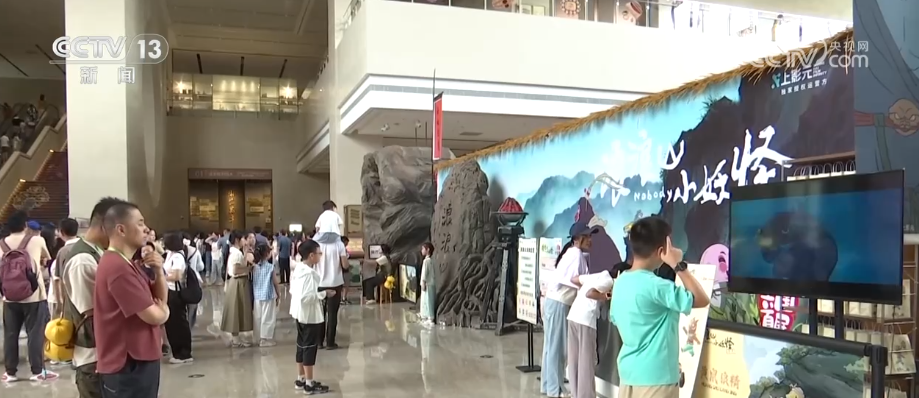
Core Insights - The summer of 2025 sees a significant rise in the Chinese animation film market, driven by the success of films like "The Legend of Luo Xiaohei 2" and "Wang Wang Mountain Little Monster" [1][9] - The integration of offline activities with film releases, such as themed exhibitions and interactive games, enhances audience engagement and boosts attendance [4][6] Group 1: Film and Market Performance - "Wang Wang Mountain Little Monster" has set new box office records for 2D animated films in China, contributing to a surge in related merchandise sales [9] - The film's themed exhibition in Zhejiang Province attracts nearly a thousand family groups daily, showcasing the popularity of the film [4] - The collaboration between the film and various cultural tourism departments in major cities has resulted in a comprehensive promotional strategy, including outdoor screenings and interactive events [6] Group 2: Merchandise and Consumer Trends - The sales of film-related merchandise have skyrocketed, with a reported 120% year-on-year increase in revenue from these products during the summer of 2025 [17] - The term "谷子经济" (Goods Economy) has emerged, reflecting the rapid growth of merchandise sales driven by popular animation and gaming IPs, catering to the self-indulgent preferences of younger consumers [18] - The plush toy series from "Wang Wang Mountain Little Monster" has been particularly successful, with over 10,000 units sold within three days of launch [13][20] Group 3: Industry Dynamics and Future Outlook - The animation industry is experiencing a structural transformation, shifting from reliance on box office revenue to diversified income streams, with derivative product sales becoming a significant revenue source [25] - The synergy between film viewership and merchandise sales creates a positive feedback loop, enhancing the overall value of the IP and supporting the development of sequels [27] - The successful integration of content creation and derivative product development is fostering a healthy cycle within the animation industry, promoting cultural consumption and upgrading new consumer experiences [24][26]