
智能网联

Search documents
汽车行业周报:差异化与标准化并存,竞争开启新方向-20251027
Guoyuan Securities· 2025-10-27 07:44
Investment Rating - The report maintains a "Recommended" investment rating for the automotive industry [6]. Core Insights - Current demand is weak, but the annual cumulative figures remain above expectations, with retail sales of passenger cars in China from October 1-19 at 1.128 million units, a year-on-year decrease of 6% but a month-on-month increase of 7% [1][20]. - The penetration rate of new energy vehicles (NEVs) in the passenger car market reached 56.1% during the same period, with cumulative retail sales of NEVs increasing by 23% year-on-year [2][20]. - Differentiated competition continues with breakthroughs in new technologies and new markets, including partnerships between major manufacturers and tech companies like Huawei [2][31]. Summary by Sections 1. Weekly Market Review (2025.10.18-10.24) - The automotive sector rose by 2.92% during the week, with most related sub-sectors also experiencing gains [12]. - The automotive parts sector saw the highest increase at 4.30%, while the passenger vehicle sector had a modest rise of 0.68% [15]. 2. Data Tracking (2025.10.18-10.24) - Retail sales of passenger cars from October 1-19 totaled 1.128 million units, with a cumulative year-to-date retail figure of 18.136 million units, reflecting an 8% year-on-year growth [20]. - NEV retail sales during the same period reached 632,000 units, with a year-to-date cumulative figure of 9.502 million units, marking a 23% increase [20]. 3. Industry News (2025.10.18-10.24) - Chery Group plans to establish 26 overseas R&D centers to support its global innovation system, with expectations that overseas revenue will surpass domestic contributions [31]. - The launch of the "National Good Car" by JD.com, CATL, and GAC Group is set to introduce a new model that supports battery swapping technology, aiming to enhance cost-effectiveness in the NEV market [3][38]. - Dongfeng Motor has developed a solid-state battery supply chain with a maximum range exceeding 1000 kilometers, showcasing advancements in battery technology [42].
“十四五”汽车规上工业产值跨越3000亿元 上海嘉定加速打造“国际汽车城”
Zhong Guo Jing Ying Bao· 2025-10-23 23:00
Core Insights - The automotive industry in Jiading District is set to further enhance its scale and capability during the "14th Five-Year Plan" period, with industrial output surpassing 300 billion yuan, and the total output of the automotive "new four modernizations" rising from 94.3 billion yuan in 2020 to 267.2 billion yuan by 2024 [1][2] Group 1: Industry Development - Jiading District focuses on both attracting and guiding enterprise transformation, enhancing the automotive industry chain, with over 600 key enterprises, including more than 220 smart connected vehicle companies [2] - The district emphasizes breakthroughs in key technologies and platforms, such as the solid-state battery project by SAIC, which has achieved a connected pilot line and is accelerating production line planning [2] - Jiading is developing "three ports and two parks," including the Shanghai Intelligent Automotive Software Park and Automotive Chip Valley, to promote physical aggregation and chemical reactions within the industry [2] Group 2: Innovation and Standards - As the first national demonstration zone for electric vehicles and smart connected vehicles, Jiading is enhancing the ecosystem for testing, demonstration applications, and commercial operations, with over 1,000 demonstration operation vehicles [2] - Jiading has achieved full-area opening of smart connected vehicle testing roads and has ranked first in Shanghai for passing the national "dual intelligence" pilot acceptance, with the "Jiading Standard" for smart transportation now recognized as a local standard in Shanghai [2]
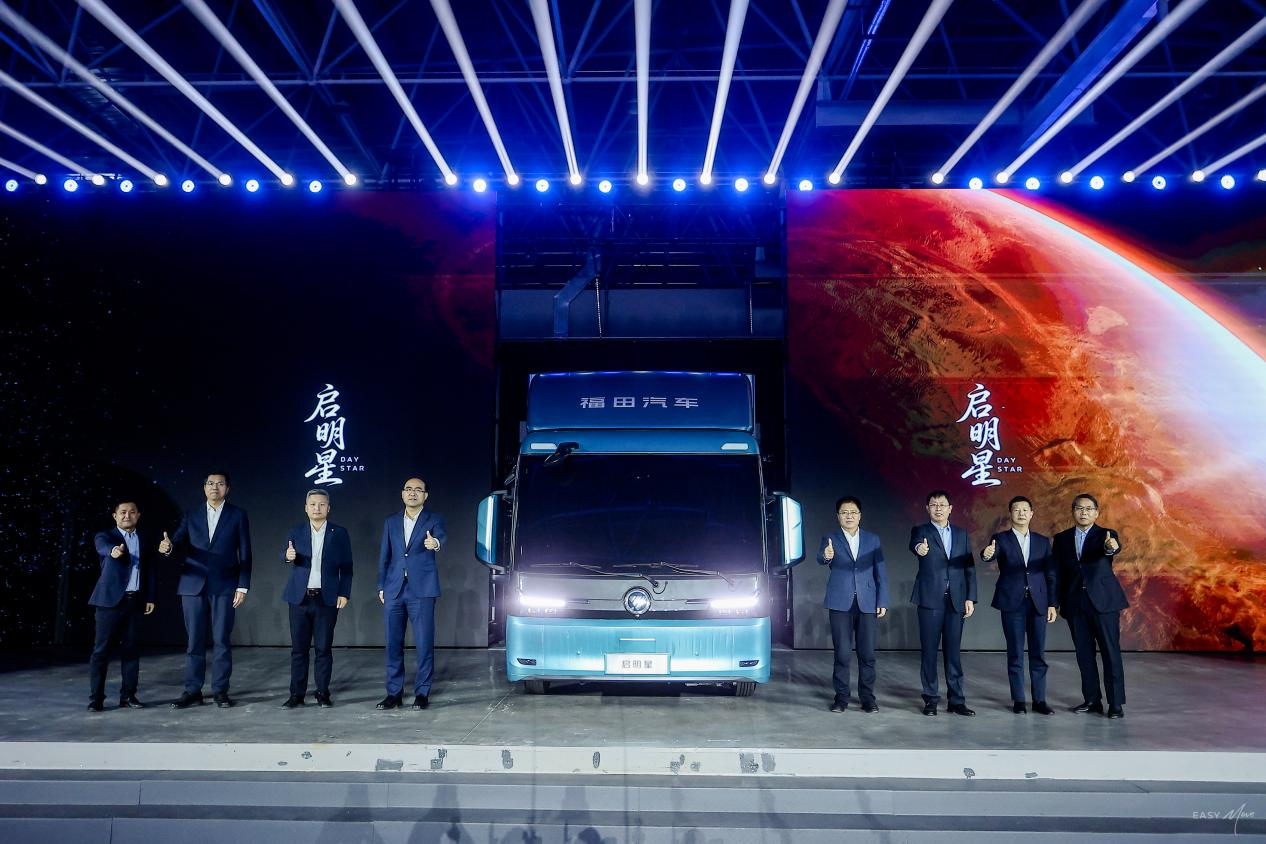
北汽福田启明星纯电轻卡平台正式发布
Yang Shi Wang· 2025-10-23 08:54
Core Viewpoint - The launch of the "Qixing Star" pure electric light truck platform by Beiqi Foton represents a significant step in the company's strategy to integrate new energy and light truck initiatives, aiming for high-quality development and innovation in the commercial vehicle sector [3][5]. Group 1: Company Strategy - Beiqi Foton's chairman, Chang Rui, emphasized the shift in the commercial vehicle industry towards market innovation and technological accumulation, with a focus on customer-centric development [3]. - The company aims to create a world-class enterprise through the "Double Hundred Project," which includes comprehensive internationalization, new energy, and intelligent transformation [3]. - The "Qixing Star" platform is a result of deep integration between Foton's new energy strategy and light truck strategy, showcasing breakthroughs in efficiency, intelligence, safety, and comfort [3]. Group 2: Industry Challenges - The light truck industry is facing severe challenges, including rising operational costs and shrinking profit margins, with multiple pressures on the "people, vehicle, and cargo" segments [5]. - Current new energy transition solutions in the market often involve "oil-to-electric" conversions, which have revealed shortcomings such as poor comfort, range anxiety, and high energy consumption [5]. Group 3: Product Features and Innovations - The "Qixing Star" platform features a central distributed drive architecture with a total efficiency of 95.7%, significantly reducing energy consumption [7]. - It incorporates a comprehensive vehicle integration control architecture that supports L2-level assisted driving and can be upgraded to L4-level, with real-time vehicle response and OTA updates [7]. - The intelligent chassis architecture enhances product performance, featuring a unique high-pressure energy storage brake system with a response time of just 0.1 seconds [7]. - The platform achieves significant breakthroughs in six dimensions, including energy consumption reduction by 6 kWh per 100 km, a range of 607 km for the 165 kWh version, and a fast charging capability from 20% to 80% in 18 minutes [9]. - Safety features include a heavy-duty "shield body" structure with a 36% increase in torsional stiffness and a high-strength steel ratio of 51% [9]. - Comfort is enhanced with a spacious cabin design, including a 49° steering wheel angle and a large storage space of 270 liters [9]. - The vehicle's reliability is improved with over 40% of parts made from galvanized steel and advanced corrosion protection techniques, ensuring a lifespan of 7-10 years [9].


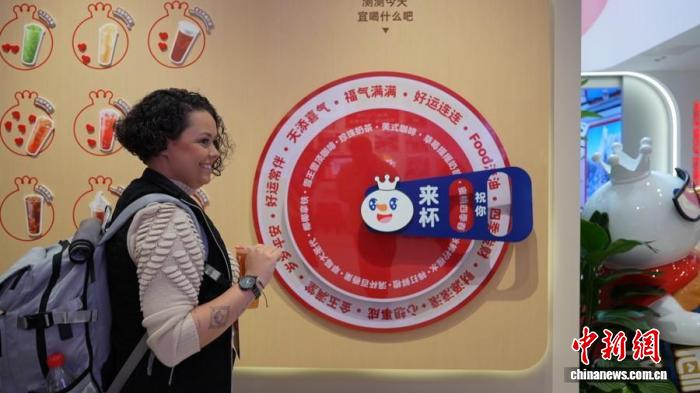
外媒记者团在豫品网红茶饮、看智能制造:一切都令人耳目一新
Zhong Guo Xin Wen Wang· 2025-10-23 08:43
Core Insights - The visit of foreign media representatives to China's popular tea drink company, Mixue Ice City, and the local bus manufacturer, Yutong, highlighted the innovative production systems and sustainable practices of these companies [1][2][5]. Group 1: Mixue Ice City - Mixue Ice City has over 53,000 stores globally, with approximately 4,700 located overseas, showcasing its extensive market reach [2]. - The company emphasizes sustainable development, which has garnered widespread recognition and contributed to its brand success [2]. - The automated beverage production line impressed the visiting journalists, who noted the efficient management and unique characteristics of the production process [2]. Group 2: Yutong Bus - Yutong has exported over 110,000 buses to more than 40 countries and regions, demonstrating its global presence and technological advancements [5]. - The application of smart connectivity and advanced driving assistance technologies in Yutong's buses attracted significant interest from the media representatives [5]. - The innovative water resistance testing of Yutong buses was particularly noted by a journalist from São Tomé and Príncipe, who expressed hope for improved transportation conditions in her home country [5]. Group 3: Event Context - The media visit was part of the World Mayors Dialogue in Zhengzhou and the 2025 Zhengzhou International City Tourism Mayor Forum, which included visits to cultural landmarks [7][8].
20cm速递|新能源拉升!创业板新能源ETF华夏(159368)上涨0.35%,规模同类第一
Mei Ri Jing Ji Xin Wen· 2025-10-23 07:31
Group 1 - The core viewpoint of the news highlights the significant growth in the new energy sector, particularly in lithium mining, photovoltaics, and batteries, as evidenced by the rise in the performance of related stocks and ETFs [1] - The "Technical Roadmap 3.0" for energy-saving and new energy vehicles has been officially released, outlining six major goals for the automotive industry in China by 2040, including a 60% reduction in carbon emissions from peak levels by 2040 [1] - The roadmap emphasizes the development of a smart, connected transportation system with a focus on zero accidents and high efficiency, aiming for an 80% penetration rate of new energy vehicles [1] Group 2 - The ChiNext New Energy ETF (159368) is the largest ETF tracking the ChiNext New Energy Index, covering various sectors such as batteries and photovoltaics, with a total scale of 1.085 billion yuan as of October 16, 2025 [2] - This ETF has the highest trading volume, averaging 85.76 million yuan in daily transactions over the past month, and features a low management and custody fee of only 0.2% [2] - The ETF's composition includes 51% in energy storage and 30% in solid-state batteries, aligning with current market trends [2]

管用15年!面向2040 《节能与新能源汽车技术路线图3.0》正式发布!
Zhong Guo Qi Che Bao Wang· 2025-10-23 02:29
Core Viewpoint - The release of the "Energy-saving and New Energy Vehicle Roadmap 3.0" marks a significant advancement in China's automotive industry, setting ambitious goals for carbon emissions reduction and the transition to electric vehicles by 2040 [2][3][16] Summary by Relevant Sections Overall Goals - The roadmap outlines seven major overall goals for the automotive industry by 2040, including achieving peak carbon emissions by around 2028, reducing emissions by over 60% from peak levels, and ensuring that new energy vehicles reach an 80% market penetration [3][16] Key Technology Groups - The roadmap is structured around five major technology groups, focusing on energy-saving technologies, new energy technologies, intelligent connected technologies, common supporting technologies, and intelligent manufacturing technologies [5][14] Energy-saving Technology Group - The energy-saving technology group emphasizes that internal combustion engines will remain a significant power source for vehicles in the next 5-15 years, with a target of achieving a 60% reduction in average carbon emissions for passenger cars by 2040 [6][7] New Energy Technology Group - The new energy technology group predicts that new energy vehicles will become the mainstream product in the automotive market, with an expected penetration rate of over 85% for passenger vehicles by 2040, and a significant increase in fuel cell vehicle production [6][12] Intelligent Connected Technology Group - The intelligent connected technology group anticipates that intelligent connected vehicles will enter a rapid market development phase, with L2 and above vehicles expected to dominate new car sales by 2030 [12] Common Supporting Technology Group - The common supporting technology group focuses on the transformation towards intelligent, integrated, and cross-domain technologies, enhancing the automotive industry's technological capabilities [13] Intelligent Manufacturing Technology Group - The intelligent manufacturing technology group aims to support the smart transformation of automotive manufacturing, emphasizing quality improvement, efficiency enhancement, and cost reduction [14][15] Future Vision - The roadmap presents a vision for the automotive industry that includes green and low-carbon sustainable development, safe and efficient smart travel, and the integration of cross-industry economies [15][16]

安铁成:以汽车标准“硬实力”赋能国际发展“软联通”
Bei Jing Ri Bao Ke Hu Duan· 2025-10-22 23:20
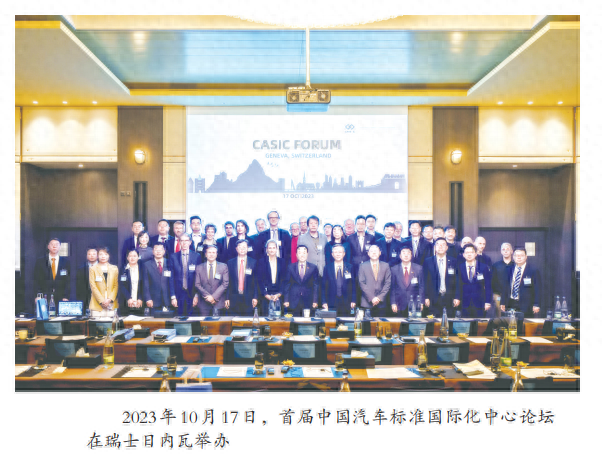
Core Viewpoint - The automotive industry in China is undergoing a transformative shift from "mechanical manufacturing" to "intelligent mobility space," with a focus on international standardization to enhance global competitiveness [1][6]. Group 1: Standardization and International Cooperation - The China Automotive Technology and Research Center (CATARC) plays a crucial role in managing automotive standards and regulations, aiming to elevate China's automotive standards on the international stage [1][2]. - The "National Standardization Development Outline" emphasizes deepening international cooperation in standardization, fostering mutually beneficial partnerships, and enhancing the sharing of standard information [1][2]. - Since its establishment in 1988, CATARC has been actively involved in international standardization efforts, including participating in the International Organization for Standardization (ISO) and the International Electrotechnical Commission (IEC) [2][4]. Group 2: Transition from Follower to Leader - China has transitioned from being a "follower" in automotive standards to a "leader," exemplified by its role in co-developing global technical regulations for electric vehicle safety, which was passed unanimously in 2018 [5][6]. - The establishment of the China Automotive Standards Internationalization Center in Geneva marks a significant step in promoting China's automotive standards globally [5][8]. - CATARC has initiated various international collaborations, including the establishment of standardization expert groups with countries like Uzbekistan and Indonesia, enhancing China's influence in global automotive standards [5][8]. Group 3: Future Development and Challenges - The automotive industry in China is entering a new phase, necessitating the adoption of new development concepts and the promotion of high-quality internationalization [6][7]. - The rapid evolution of automotive technology and the integration of artificial intelligence and digitalization present both opportunities and challenges for standardization efforts [7][8]. - There is a need for a robust talent pool and enhanced international coordination to support the ongoing standardization initiatives and ensure effective participation in global automotive governance [7][8].
数绘未来出行,车路云一体化可感可知
Bei Jing Ri Bao Ke Hu Duan· 2025-10-22 11:14
Core Insights - The article discusses the advancements in future mobility, particularly focusing on autonomous driving, unmanned logistics, and smart transportation systems in Jiaxing Tongxiang, a pilot city for "vehicle-road-cloud integration" [1][3] Group 1: Autonomous Vehicles - Unmanned patrol vehicles have been recently deployed in various scenic spots and roads, serving multiple functions such as intelligent patrolling, security promotion, and emergency response [1][3] - The latest unmanned patrol vehicle developed by Shiyuan Zhixing features L4-level autonomous driving capabilities, equipped with 2 laser radars, 11 cameras, and sensors for 360° environmental perception [3] Group 2: Industry Development - Shiyuan Zhixing has over 50 patents and has deployed more than 6,800 unmanned vehicles across the country, recognized as a highly investable company during the Global Digital Trade Expo [3] - Jiaxing Tongxiang has attracted over 60 enterprises in the intelligent connected vehicle manufacturing sector, creating a comprehensive industrial chain supported by the national supercomputing center "Wuzhen Light" [5] Group 3: Smart Infrastructure - The city initiated a smart road enhancement project in June, focusing on the G320 national road segment, deploying intelligent network infrastructure and a vehicle-road-cloud collaborative system [6] - The integration of 5G-A technology enables real-time traffic event recognition and dynamic response, significantly improving emergency response efficiency [6] Group 4: Legislative Support - Jiaxing is advancing the legislative process for the "Regulations on the Testing and Application of Intelligent Connected Vehicles," providing legal support for unmanned vehicle operations and promoting cross-regional license recognition [7]

行业首款全新开发纯电轻卡专属平台发布!
第一商用车网· 2025-10-22 08:25
Core Viewpoint - Foton Motor's launch of the "Qiming Star" electric light truck platform marks a significant transition in China's light truck industry from "oil-to-electric" to a new phase of collaborative development in new energy and intelligence [1][4]. Group 1: Strategic Direction - Foton Motor emphasizes the integration of smart connectivity and new energy technologies to drive profound changes in the automotive industry, aiming to transition from "China leading" to "world-class" [3][4]. - The company is committed to a "Double Hundred Project" as a milestone, focusing on comprehensive internationalization, new energy, and intelligence to achieve high-quality development [4][14]. Group 2: Industry Challenges - The light truck industry faces severe challenges, including rising operational costs and shrinking profit margins, with existing "oil-to-electric" solutions failing to address core issues such as comfort and range anxiety [6][7]. - Foton Motor identifies that transitional technologies are merely stopgap measures, advocating for a complete development from the ground up to effectively resolve industry pain points [7]. Group 3: Product Highlights - The "Qiming Star" platform features four innovative technical architectures that enable breakthroughs in energy consumption, intelligence, safety, comfort, power, and reliability [8][9]. - Key innovations include a central distributed drive architecture with a total efficiency of 95.7%, an integrated vehicle control architecture supporting L2 to L4 autonomous driving, and a smart chassis architecture that enhances product performance [8][9][11]. Group 4: Performance Metrics - The platform achieves a reduction of 6 kWh per 100 kilometers in energy consumption, potentially saving over 6,000 yuan annually for a vehicle operating 100,000 kilometers [11]. - The vehicle offers a range of 607 kilometers with a 165 kWh battery and can charge from 20% to 80% in just 18 minutes [11]. Group 5: User-Centric Solutions - Foton Motor provides a comprehensive ecosystem covering the entire vehicle lifecycle, including purchase, rental, usage, maintenance, and resale, ensuring a worry-free experience for customers [12][14]. - The company aims to redefine the value boundaries of electric light trucks by offering a product that is not only energy-efficient but also intelligent and safe, thus enhancing user experience [12][14].
颠覆“油改电”,福田启明星重塑纯电轻卡价值边界
Zhong Guo Qi Che Bao Wang· 2025-10-22 04:11
Core Viewpoint - Foton Motor's launch of the "Star of Dawn" product marks a significant shift in the light truck industry from transitional "oil-to-electric" solutions to a new era of native electric and intelligent development [1][3]. Group 1: Industry Transition - Foton Motor has established itself as the "King of Light Trucks," with cumulative sales of 329,000 units from January to September 2025, maintaining the top market position [3]. - The company's new energy vehicle sales reached 74,300 units in 2025, reflecting a year-on-year increase of 113.4%, solidifying its leadership in the new energy wave [3]. - The "Star of Dawn" product redefines user value standards for pure electric light trucks and propels the industry towards a new era of native electric value [3][5]. Group 2: Product Features and Innovations - The "Star of Dawn" platform integrates Foton's new energy and light truck strategies, achieving breakthroughs in efficiency, intelligence, safety, and comfort [5][8]. - The product features a 95.7% total efficiency and a reduction of energy consumption by 6 kWh per 100 kilometers, saving over 6,000 yuan annually for operations of 100,000 kilometers [10]. - It includes over 20 intelligent driving assistance functions and a fleet management system that significantly enhances transportation efficiency [10]. Group 3: User-Centric Design - The "Star of Dawn" offers a comfortable driving experience with features like a 49° steering wheel angle, reclining seats, and a large storage space, addressing long-distance driving fatigue [11]. - The product is designed to meet various driving needs with multiple driving and braking modes, enhancing user adaptability [11]. - Foton provides a comprehensive ecosystem solution covering the entire lifecycle of vehicle use, ensuring a worry-free experience for customers [13]. Group 4: Future Outlook - Foton plans to launch a pure electric heavy truck by 2026, aiming to reshape the commercial vehicle ecosystem through technological innovation [5]. - The company is committed to transitioning from transitional technologies to a native electric architecture, reinforcing its leading position in the light truck market [13].
