轻资产运营

Search documents
“王健林卖万达广场”话题连续4天霸榜热搜!
Sou Hu Cai Jing· 2025-05-30 02:07
Core Insights - The article discusses the significant divestment of Wanda Plaza by Wang Jianlin, with 85 plazas sold in two years, representing nearly one-fifth of the total 498 plazas at peak by the end of 2023 [2] - A consortium including TPG, Tencent, and JD.com has acquired 48 Wanda Plazas, with market predictions estimating the transaction value at approximately 50 billion yuan [6] - This marks the third large-scale asset disposal by Wanda in 2023, following the sale of over 30 plazas in the previous two years, including 32 sold in 2024 alone [6] Market Trends - The shift towards a "sell-sell-sell" strategy indicates Wanda's complete transition to a light-asset operation model, with the sold plazas located in competitive first and second-tier cities [8] - In contrast, the performance in county markets is strong, with significant foot traffic and sales reported in newly opened Wanda Plazas [8] Competitive Landscape - Wang Jianlin had anticipated higher rental returns in third and fourth-tier cities since 2015, but competitors like New City Holdings and China Resources are expanding rapidly, posing a threat to Wanda's market position [10] - Continuous asset sales may impact Wanda's brand reputation, as the lower-tier market becomes increasingly competitive, necessitating a demonstration that asset divestiture is a strategic pivot rather than an endpoint [10]

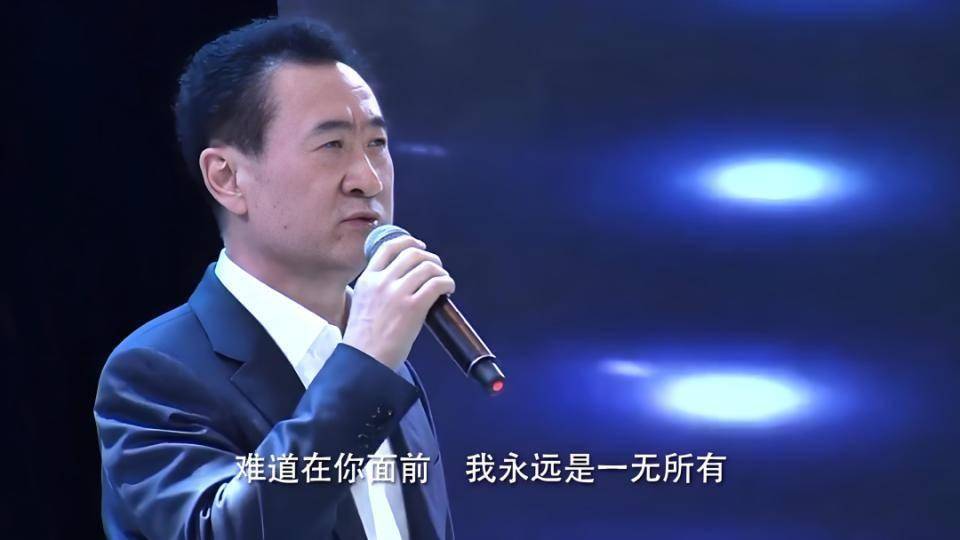
卖不掉的县城万达,可能更有性价比
阿尔法工场研究院· 2025-05-29 13:40
Core Viewpoint - The article discusses the strategic decision of Wanda Commercial Management to sell high-value, easily liquidated assets in first and second-tier cities while retaining projects in lower-tier markets, which may be the most advantageous choice for the company amid liquidity challenges [2][11]. Group 1: Asset Sales and Financial Strategy - Wanda Commercial Management is undergoing a significant asset sale, with a recent transaction involving the acquisition of 48 Wanda Plaza companies by a consortium including Tencent, reportedly valued at 50 billion yuan [2][5]. - Over the past two years, Wanda has sold more than 30 Wanda Plazas, with seven sold at the beginning of this year alone, indicating a focused strategy to alleviate financial pressures [2][3]. - The company is prioritizing the sale of assets in first and second-tier cities due to their higher asset values, which can quickly generate cash flow to address debt issues [11][19]. Group 2: Market Position and Competitive Landscape - The sold Wanda Plazas are primarily located in first, new first, and second-tier cities, where competition in commercial real estate has intensified, leading to a perception of these properties as outdated [5][11]. - In contrast, Wanda Plazas in lower-tier cities remain highly valued, with the company holding a leading position in these markets, having established nearly 30 projects in the top 100 counties in China [11][14]. - The article highlights the changing consumer landscape, where lower-tier cities are experiencing economic growth and increased consumer spending, benefiting Wanda's early investments in these markets [14][15]. Group 3: Future Challenges and Competition - The competition for consumer attention in lower-tier markets is intensifying, with other players like Wuyue Plaza and China Resources' Mixc entering the fray, posing a challenge to Wanda's market dominance [18][19]. - As Wanda continues to divest from first and second-tier cities, maintaining its competitive edge in lower-tier markets will be crucial for the company's long-term success [19].

县城的万达广场,王健林才舍不得卖
36氪· 2025-05-27 08:56
Core Viewpoint - The article discusses the strategic asset sales of Wanda Group, particularly focusing on the sale of 48 Wanda Plaza locations to various investors, including Tencent, amid liquidity challenges faced by the company. This move aligns with Wanda's shift towards a lighter asset management model and highlights the differing commercial values of its properties across various city tiers [4][5][10]. Summary by Sections Asset Sales and Financial Strategy - Wanda Group is selling 48 Wanda Plaza locations, with a reported transaction value of approximately 50 billion yuan [5]. - The company has been divesting assets over the past two years, having sold over 30 Wanda Plazas, with a focus on reducing heavy asset burdens and concentrating on commercial management services [5][10]. - The sales are primarily concentrated in first-tier, new first-tier, and second- to third-tier cities, reflecting a strategic decision to maximize cash flow from high-value assets [7][10]. Market Position and Competition - In first- and second-tier cities, Wanda Plazas face intense competition from brands like SKP and MixC, often being labeled as outdated [9]. - Conversely, in lower-tier cities, Wanda Plazas maintain a strong market presence, with nearly 30 projects in the top 100 counties, outperforming competitors like Wuyue Plaza [10][12]. Consumer Trends and Economic Context - Recent consumer trends indicate a slowdown in demand in first- and second-tier cities, while lower-tier markets are experiencing growth and upgrading consumer needs [14][15]. - The entry of Wanda Plazas into these markets has significantly impacted local economies, with examples of high foot traffic and sales figures shortly after openings [14][15]. Long-term Strategic Outlook - The company’s strategy of retaining assets in lower-tier markets while selling off higher-value properties in major cities is seen as a way to balance immediate liquidity needs with long-term growth potential [12][20]. - The competitive landscape in lower-tier markets is intensifying, with other players like Wuyue and Huazhu also targeting these areas, posing a challenge for Wanda to maintain its market leadership [18][20].
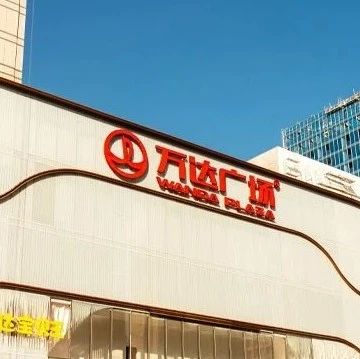
捷尼赛思的中国「耐力赛」:全球豪华品牌的下一回合
36氪· 2025-05-23 09:24
Core Viewpoint - The article emphasizes that Genesis's journey in the Chinese luxury car market is just beginning, highlighting the importance of adapting to local market dynamics and consumer preferences [1][28]. Group 1: Market Dynamics - Over the past decade, the global automotive industry has undergone significant restructuring, with China contributing nearly 40% of global luxury car sales, making it a crucial market for luxury brands [2]. - The Chinese automotive market is characterized by cyclical challenges and structural opportunities, requiring brands to adapt their strategies continuously [2][3]. - The luxury car market in China is not linear, and there are no permanent winners, as evidenced by the fluctuating fortunes of established brands like BBA (BMW, Benz, Audi) [2][3]. Group 2: Genesis's Strategy - Genesis has adopted a "2.0 strategy" focusing on localization, asset-light operations, and enhanced customer experiences to navigate the competitive landscape [5][10]. - The brand aims to differentiate itself from traditional luxury brands by emphasizing its unique product features and service advantages, rather than merely imitating BBA [9][20]. - Genesis is transitioning from a model of "product input" to "technology co-development" with local partners, integrating Chinese technology ecosystems into its offerings [5][3]. Group 3: Brand Positioning and Consumer Engagement - The brand is leveraging digital platforms and experiential marketing to build brand awareness and connect with consumers, moving away from centralized media strategies [9][10]. - Genesis is focusing on creating a unique identity in the luxury market by highlighting its "Korean luxury" attributes and enhancing customer experiences through innovative service models [10][24]. - The introduction of the "Showroom+" model aims to provide a comprehensive service experience, covering the entire customer journey from awareness to after-sales [12][13]. Group 4: Future Outlook - Genesis plans to initiate local production and R&D within 3 to 5 years, aiming for the localization of its electric vehicles, which will enhance its competitiveness in the Chinese market [15][20]. - The brand's recent model, the G80, reflects a strategic focus on meeting the upgrade needs of luxury car consumers while avoiding price wars [17][20]. - The company is committed to long-term growth in China, recognizing the market's complexity and the necessity of a localized approach to succeed [15][27].
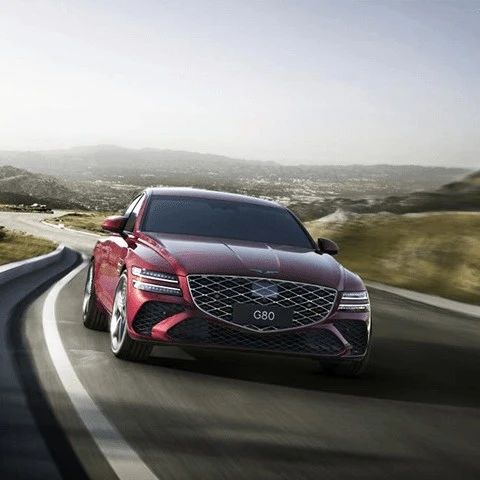
慈文传媒回应10亿元担保额度:合并报表净利润为正 轻资产转型进行时
Xi Niu Cai Jing· 2025-05-22 07:19
Group 1 - The company announced a total external guarantee limit of up to 1 billion yuan for 2025, with specific limits based on the subsidiaries' debt ratios [2] - The guarantee amount represents 100.31% of the company's net assets, with 4.32 billion yuan already utilized, accounting for 43.33% of net assets [2] - The company reported net cash outflows of 234.7 million yuan for 2024 and 83.92 million yuan for the first quarter of 2025, alongside a net loss of 7.9 million yuan for 2024 and a negative net profit for Q1 2025 [2][3] Group 2 - The company clarified that the reported net loss for 2024 is based on individual financial statements, while the consolidated financial statements show a net profit of 33.24 million yuan for 2024 and 2.02 million yuan for Q1 2025 [3] - The company employs a centralized borrowing and repayment model, ensuring timely repayment of loans and avoiding indefinite extension of guarantee responsibilities [3] Group 3 - The company reiterated its "1133" development strategy, focusing on one transformation goal, establishing a cultural investment link, and strengthening content production, channel expansion, and team building [4] - The strategic transformation aims to shift from a pure content production company to a diversified, light-asset, platform-oriented cultural company [4] - Future investments will focus on the film and television main business and related innovative ventures, with financing and guarantees aligned with business expansion and performance improvement [4]


逐鹿万亿养老市场
Zhong Guo Jing Ying Bao· 2025-05-20 05:23
Core Insights - The aging population in China has surpassed 300 million, accounting for 22.0% of the total population, leading to a growing demand for diversified and quality elderly care services [1] - The government is actively promoting policies to encourage social capital investment in the elderly care sector, creating a multi-trillion yuan "silver economy" market [1] - Despite the promising market outlook, challenges such as underdeveloped business models, profitability issues, and a shortage of professional talent persist [1] Industry Overview - The Chinese elderly care industry is experiencing unprecedented growth opportunities due to supportive national policies and changing market demands [2] - There is a shift in consumer expectations among the elderly, moving from basic care to higher-level needs such as health management, social interaction, and quality of life [2] Company Strategy - Chunsuanmou, a subsidiary of Ocean Group, has adopted a rental and property modification model to quickly establish elderly care services [3] - The company has developed a "3+ business structure" focusing on three main product lines: CB elderly apartments, CLRC senior communities, and CBN nursing homes, operating nearly 30 main facilities across nine cities with over 10,000 beds [3] Business Model Evolution - Chunsuanmou is transitioning from a property rental model to a "light asset" management and brand service model, allowing for rapid expansion and reduced capital pressure [5] - The company is exploring partnerships with local state-owned platforms to enhance cooperation and share risks and benefits [6] Service Quality and Innovation - Chunsuanmou emphasizes professional and standardized services, incorporating international best practices and local innovations into its service system [6] - The company has developed a comprehensive service system for dementia care, including a digital platform and a commitment to high service standards [6] Talent Development Challenges - The elderly care industry faces a significant talent shortage, characterized by low social recognition, low wages, and high labor intensity [7][8] - Chunsuanmou is addressing this issue through partnerships with over 90 educational institutions for talent cultivation and internal training programs [8] Profitability and Market Challenges - The company acknowledges that achieving sustainable profitability in the elderly care sector is challenging, often requiring 3-5 years to reach a stable occupancy rate of over 60% [9] - The success of occupancy rate improvement relies on market maturity, service quality, brand reputation, and effective marketing strategies [10] Future Directions - Chunsuanmou plans to focus on light asset operations, management, and brand services while expanding in key urban areas and developing home-based smart elderly care services [10]

集体经济类REITs问世,供给持续扩张带来的产业园区招商压力
Sou Hu Cai Jing· 2025-05-16 11:59
Group 1 - The report highlights the approval of the first collective economy REITs project in China, which aims to break the traditional reliance on bank loans and fiscal subsidies for financing, thereby reducing debt ratios and enabling light asset operations [2][4]. - During the reporting period, there were five investment events recorded, with the majority being self-built by leading enterprises, except for the SHEIN Bay Area Western Smart Industrial Park project [2]. - The report indicates a total of nine financing events, including bonds, REITs, ABS, and funds, with a focus on community collective economic units as underlying assets [4]. Group 2 - The industrial park includes seven buildings with a total construction area of approximately 55,000 square meters, featuring various facilities such as an enterprise incubation center and a public service platform [3]. - The next steps for the park involve integrating "industrial-city integration" and "benefiting the people" strategies, while exploring mechanisms that combine collective economy and public services [5]. - The rental distribution of tenants in the project is primarily in the automotive manufacturing and technology promotion sectors, with specific percentages allocated to various industries [6]. Group 3 - Several REITs reported their 2024 performance, with Dongwu Suyuan REIT showing the highest revenue of 265 million yuan, but also reporting negative net profits [8]. - The overall revenue situation indicates that five REITs, including Dongwu Suyuan REIT, are facing revenue decline pressures, attributed to challenges in the macroeconomic environment and increased competition in the Suzhou Industrial Park [8].
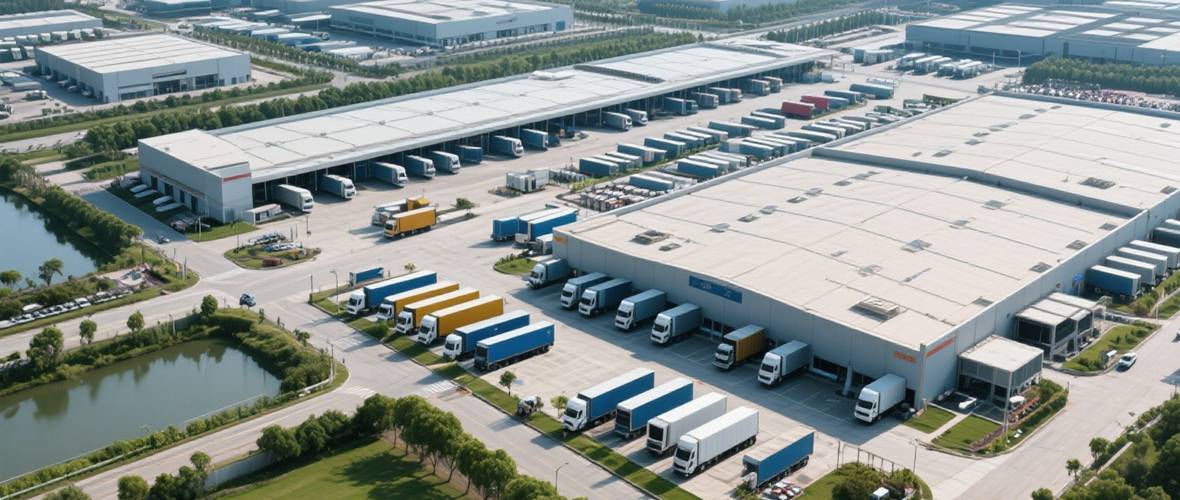
日企在华投资悄然转向服务业;丰田章男从未爱过电动汽车
Sou Hu Cai Jing· 2025-05-16 07:28
Group 1: Japanese Companies in China - Japanese companies are seizing opportunities in China's service industry due to rising consumer demand for high-quality services alongside goods [1][2] - Non-manufacturing Japanese enterprises' investment in China has increased from 26.1% in 2020 to 49% in 2023, with the wholesale and retail sector alone accounting for 21% of Japan's total direct investment in China in 2023 [1] - The aging population in China presents a significant market for elder care services, with projections indicating the silver economy will reach 19.1 trillion yuan by 2035, representing 27.9% of total consumption [2] Group 2: Toyota's Electric Vehicle Strategy - Toyota has launched several electric vehicle models in China, signaling a shift towards electrification, although its global electric vehicle sales remain low at 3% of total sales in 2024 [3][4] - Toyota's CEO expresses skepticism about the widespread adoption of electric vehicles, citing infrastructure challenges in regions with limited electricity supply [3] - In 2024, the average electricity price per kilowatt-hour in China is significantly lower at $0.075 compared to Japan's $0.258, which may influence electric vehicle adoption [3] Group 3: Mitsubishi Electric's Market Strategy - Mitsubishi Electric has introduced a sub-brand "Lingling" targeting the Chinese market with a 30%-40% price reduction on its products to compete with local brands [5][6] - The company is optimizing its local supply chain to reduce delivery times and enhance service responsiveness, indicating a strategic shift to maintain competitiveness [6] Group 4: Panasonic's Restructuring Efforts - Panasonic plans to restructure its operations, including a global workforce reduction of 10,000 employees, which is about 4% of its total workforce [6][7] - The company is exiting or selling its television business and reorganizing its home appliance divisions due to declining sales in key product areas like air conditioning and refrigeration [6][7] - Panasonic is increasingly relying on brand licensing for its products in China, which has led to quality control issues and a diluted brand image [7]


华远地产: 华远地产股份有限公司2024年年度股东会会议资料
Zheng Quan Zhi Xing· 2025-05-14 08:15
Core Viewpoint - The company is undergoing a strategic transformation from traditional real estate development to a comprehensive urban operation service provider, focusing on property management and hotel management as key business segments [3][12][22]. Company Overview - The company completed a major asset restructuring, transferring real estate development assets and liabilities to its controlling shareholder, which marks a significant shift towards light asset operations [9][12]. - The company reported a significant decline in key financial metrics, with operating revenue of approximately 462.93 million yuan, a decrease of 71.09% compared to the previous year [10][11]. Industry Analysis Real Estate Industry - The real estate development investment in China decreased by 10.6% year-on-year in 2024, continuing the negative growth trend from 2023 [4][5]. - The total sales area of new commercial housing fell by 12.9% year-on-year, with residential sales area declining by 17.1% [5]. Property Management Industry - The growth rate of the property management industry has slowed, with listed companies experiencing a decrease from 20.39% to 4.35% [6]. - The average gross profit margin for listed property companies was 23.35%, showing a slight recovery compared to the previous year [6][7]. Hotel Management Industry - The hotel industry in China is experiencing a recovery, with total revenue reaching approximately 530 billion yuan in 2024, exceeding pre-pandemic levels [8][20]. - The average occupancy rate for hotels was around 64%, with average daily rates (ADR) at approximately 340 yuan [8]. Future Development Strategy - The company aims to leverage its state-owned enterprise background to enhance financing channels and optimize cost management [9][22]. - The focus will be on expanding into urban renewal projects and enhancing service quality through digital transformation and smart property management [22][24]. - The company plans to increase its presence in the property management and hotel sectors, targeting growth in high-value services and innovative service models [25][28].

新财富·董秘特辑 | 常阳:与价值同行,建立在「专注」和「专业」之上的前瞻资本策略
新财富· 2025-05-09 09:12
Core Viewpoint - The article highlights the significance of the "Golden Secretary" award in the Chinese capital market, emphasizing the role of outstanding secretaries in enhancing corporate governance and investor relations, thus contributing to the high-quality development of the market [1]. Group 1: Capital Strategy and Operations - Chang Yang, the Secretary of the Board at Jinko Power Technology Co., Ltd., has played a crucial role in the company's capital market operations and compliance system since joining in 2021, focusing on "concentration" and "professionalism" as key strategies to navigate industry uncertainties [3][4]. - Under Chang's leadership, Jinko Power successfully issued a 500 million yuan green corporate bond in May 2022, marking a significant milestone in the capital market and showcasing its demonstration effect within the industry [4]. - Chang's strategic timing in capital operations, such as the 3 billion yuan private placement approved by the CSRC at the end of 2022, allowed the company to raise funds effectively during a challenging market environment, enhancing its shareholder structure and market image [6]. Group 2: Financial Performance - In 2023, Jinko Power reported a revenue of 4.37 billion yuan, a year-on-year increase of 36.72%, and a net profit attributable to shareholders of 383 million yuan, reflecting a substantial growth of 77.05% [6]. Group 3: Corporate Governance and Compliance - Chang Yang positions himself as a "value transmitter with rigor," emphasizing compliance as a core responsibility of the Secretary of the Board, ensuring the company's operational management is safeguarded through professional oversight [8]. - The company aims to create a transparent and well-structured governance framework, focusing on clear asset management and effective communication with various stakeholders, including regulators and investors [9]. Group 4: Strategic Choices and Diversification - Jinko Power is transitioning towards a light asset operation model while diversifying its business layout, focusing on green electricity operations and leveraging its project development resources [11][13]. - The company has successfully established a healthy turnover model for its assets, enhancing its resilience against market fluctuations and positioning itself for future growth opportunities in various renewable energy applications [13][14].