即时零售

Search documents
互联网行业月报:2季度电商加速增长,即时零售为投入主题-20250716
BOCOM International· 2025-07-16 09:51
Investment Rating - The report assigns a "Buy" rating to major companies in the e-commerce sector, including Alibaba, JD.com, Pinduoduo, and Kuaishou [2][3]. Core Insights - The e-commerce industry is experiencing accelerated growth in Q2 2025, with online retail sales of physical goods showing a year-on-year increase of 6.3%, up from 5.7% in Q1 [1][3]. - Instant retail is a key investment theme, with major platforms increasing their investments to drive high-frequency consumption and cross-selling opportunities [3]. - The report anticipates continued growth trends in the industry, with specific expectations for Alibaba, JD.com, Pinduoduo, and Kuaishou regarding their performance and profitability [3]. Summary by Sections E-commerce Growth - In Q2 2025, the online retail sales of physical goods are projected to maintain a year-on-year double-digit growth, benefiting from improved penetration and technology service fees [3]. - The report highlights that the demand for home decoration is recovering, with furniture sales growing by 29% year-on-year [1]. Company Performance - Alibaba's daily peak orders for its flash purchase service exceeded 80 million, with a DAU surpassing 200 million, reflecting a week-on-week growth of 15% [3]. - JD.com reported that nearly 200 restaurant brands achieved sales of over one million, launching a "Double Hundred Plan" to support more brands [3]. - Pinduoduo plans to launch instant delivery services in select first-tier cities, focusing on high-frequency categories like fresh produce and fast-moving consumer goods [3]. Market Outlook - The report projects that the overall e-commerce market GMV will grow by 5% year-on-year in 2025 [11]. - The logistics sector is also expected to see growth, with the postal bureau estimating a 19% year-on-year increase in express delivery volume for the first half of 2025 [9].


6月社会零售品消费数据点评:6月社零同比+4.8%,国补品类及服务消费需求保持增长
Shenwan Hongyuan Securities· 2025-07-16 07:55
Investment Rating - The industry investment rating is "Overweight," indicating that the industry is expected to outperform the overall market [4]. Core Insights - In June 2025, the total retail sales in China reached 4.2 trillion yuan, with a year-on-year growth of 4.8%, which is below market expectations of 5.6% [4]. - The online retail sales growth slowed down due to the preemptive timing of the 618 shopping festival, while offline retail continues to show stable growth [4]. - The service consumption sector is experiencing rapid growth, supported by government policies, although restaurant revenue growth has declined [4]. - The "trade-in" policy continues to show effectiveness, with basic necessities demonstrating resilience, while gold and silver sales growth has slowed down due to seasonal factors [4]. - The report anticipates that the upcoming summer tourism season and the third round of trade-in subsidies will further stimulate domestic consumption [4]. Summary by Sections Retail Sales Performance - June retail sales grew by 4.8% year-on-year, with a total of 4.2 trillion yuan, reflecting a decrease of 1.6 percentage points from the previous month [4]. - Excluding automobiles, retail sales also grew by 4.8%, with a month-on-month decline of 2.2 percentage points [4]. Online and Offline Consumption - Online retail sales for the first half of 2025 increased by 8.5%, outpacing the overall retail growth by 3.5 percentage points [4]. - The online penetration rate remained stable at 26.8% in June, unchanged from the previous year [4]. Service Consumption - The service sector's production index rose by 6.0% year-on-year in June, with retail sales in the service sector growing by 5.3% [4]. - Restaurant revenue in June was 470.8 billion yuan, showing a year-on-year increase of only 0.9% due to seasonal factors [4]. Policy Impact - The government has introduced measures to enhance consumer capacity and stimulate spending, with urban retail sales reaching 3.7 trillion yuan, a year-on-year increase of 4.8% [4]. - The trade-in policy has led to significant sales in consumer electronics, with related sales exceeding 1.4 trillion yuan by late June [4]. Investment Recommendations - The report suggests focusing on e-commerce and instant retail sectors, particularly companies like Alibaba, JD.com, and Meituan, as well as quality jewelry brands benefiting from gold demand recovery [4]. - It also highlights opportunities in the travel industry and retail sectors that enhance in-store experiences [4].
即时零售、全品类扩张成增长引擎 2025中国网络零售TOP100总销额2.17万亿
Bei Jing Shang Bao· 2025-07-16 06:21
Group 1 - The core viewpoint of the article highlights the significant growth and innovation in China's online retail market, with a total online sales amount of 2.17 trillion yuan, reflecting a year-on-year increase of 13.6% [1] - Instant retail is identified as a major growth driver, with an expected market size exceeding 1.4 trillion yuan by 2025 and a compound annual growth rate of 25% over the next five years [1] - The online penetration of various product categories is expanding beyond traditional sectors, with notable increases in categories such as home appliances, sports and entertainment products, and pharmaceuticals [1] Group 2 - The 2025 online retail TOP100 companies are characterized by a dominance of consumer goods enterprises, with 63 companies in this category, including 24 in home appliances and 15 in food and beverages [2] - Leading companies in the "billion club" include JD.com, Midea, Alibaba, and Vipshop, showcasing the significant influence of top-tier firms in the market [3] - Over 60% of the companies in the TOP100 are experiencing growth, with consumer goods companies showing the highest growth rates, indicating the resilience of the industry [3]


如何看硬折扣零售的投资机遇?
2025-07-16 06:13
Summary of Conference Call Industry Overview - The discussion revolves around the **discount retail industry** in China, particularly focusing on **temporary chain stores** and their investment opportunities [1][3][4]. Key Insights and Arguments - **Investment Background**: The speaker has extensive experience in retail investment, having previously invested in various retail formats including community group buying and fresh food chains [2][4]. - **Growth of Discount Retail**: Despite a sluggish consumer market, discount retail has been growing at an extraordinary pace, indicating strong underlying support for the industry [3][11]. - **Current Stage of Temporary Chain Stores**: The temporary chain store sector is viewed as being in its early stages of a new phase, with significant changes in supply chain dynamics and competitive landscape [4][5][6]. - **Market Dynamics**: The shift from a distribution-based retail model to a customer-centric model is highlighted, emphasizing the need for retailers to adapt to changing consumer demands [5][27]. - **Industry Consolidation**: The lack of IPO opportunities has led to increased consolidation within the temporary chain store sector, with notable mergers and acquisitions occurring [9][10]. - **Golden Era for Temporary Chain Stores**: The period from 2022 to 2024 is identified as a "golden era" for temporary chain stores, characterized by rapid growth and increased store openings [10][11]. - **Challenges Ahead**: There are signs of market saturation and declining enthusiasm among franchisees, leading to potential challenges in store performance [12][15]. Additional Important Points - **Consumer Behavior**: The overall consumer sentiment has been weak, impacting sales across various retail formats, including snacks and supermarkets [15][16]. - **Operational Challenges**: The rapid expansion of stores has led to quality issues, as many new franchisees may not be adequately prepared for the complexities of running a retail operation [14][15]. - **Future Trends**: The industry is expected to see further attempts at category expansion and innovation in store formats, with a focus on balancing SKU simplification and product diversification [37][39]. - **Digital Integration**: The potential for integrating digital solutions and e-commerce strategies into discount retail is acknowledged as a means to enhance operational efficiency [34][36]. Conclusion - The temporary chain store sector in China is at a pivotal moment, with significant growth opportunities alongside emerging challenges. The focus on customer-centric models, operational efficiency, and digital integration will be crucial for future success in this evolving landscape [27][40].
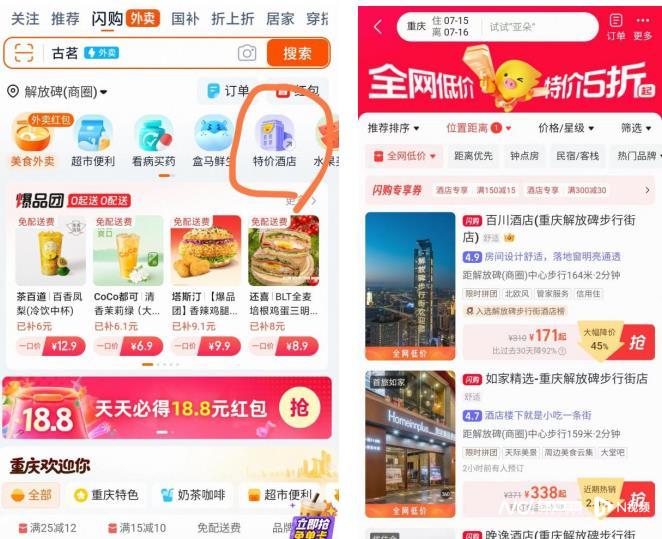
酒旅加入外卖补贴大战 250元以下“特价酒店”上线
Nan Fang Du Shi Bao· 2025-07-16 04:37
Group 1 - The core viewpoint of the articles highlights the intensifying competition in the instant retail sector, particularly as it expands into the hotel booking market, with platforms like Taobao Flash Sale and Meituan engaging in aggressive pricing strategies to attract customers [1][3][5] - Taobao Flash Sale has introduced a "special price hotel" feature in select cities, offering significant discounts and promotional group pricing, indicating a shift towards budget-friendly accommodations [1][3] - Meituan reported a record high of over 1.5 billion daily orders for instant retail, with a 65% increase in merchant takeaway orders, showcasing the growing demand for non-food categories in instant retail [3][4] Group 2 - The integration of hotel bookings into instant retail platforms is seen as a strategic move to create a comprehensive consumer ecosystem that meets diverse needs across different time and space [5][6] - The summer travel season has led to a surge in experience-based consumption, with platforms leveraging this trend to drive local service retail growth, as evidenced by the significant increase in online orders in regions like Jiangsu [4][5] - The competitive landscape is evolving, with online travel platforms facing pressure from e-commerce giants like Meituan and JD.com, which are using their existing services to funnel users into hotel bookings and other travel-related services [5][6]

外卖大战让门店快扛不住了!嘉和一品乡村基南城乡创始人纷纷吐槽
Tai Mei Ti A P P· 2025-07-16 02:14
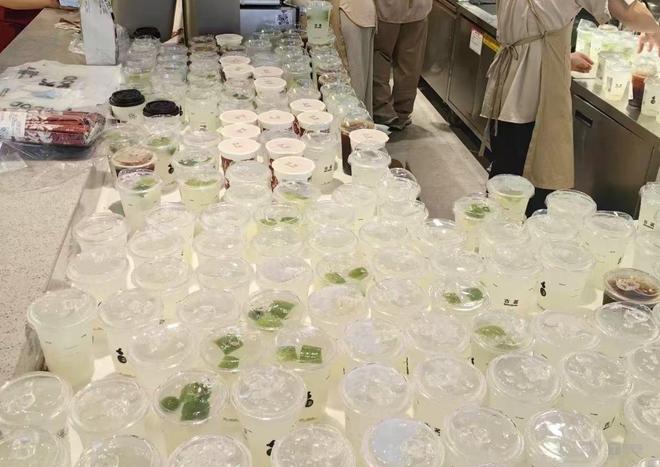
Core Insights - The ongoing food delivery war is causing significant distress for restaurant businesses, as they bear the brunt of platform subsidies and competitive pricing strategies [2][3][4] - Major players in the food delivery market, including Meituan and Alibaba, are engaged in aggressive discounting strategies, leading to a surge in order volumes but also raising concerns about long-term profitability [4][6][10] Group 1: Industry Challenges - Restaurant operators are struggling with high operational costs due to platforms requiring them to subsidize customer discounts, with merchants covering 70% of the costs in some cases [2] - The intense competition has led to a dramatic increase in order volumes, with some restaurants experiencing a tenfold increase in orders, causing operational strain [7] - The Chinese Chain Operation Association has called for regulation of the market to ensure fair competition and protect consumer rights [3] Group 2: Market Dynamics - As of July 12, 2023, Meituan reported over 1.5 billion daily orders, while Alibaba's Taobao Flash Sale reached 80 million orders, indicating a doubling of market size since the beginning of the year [4][6] - The market is projected to grow significantly, with Goldman Sachs estimating a 30% year-on-year increase in order volume, driven by aggressive promotional strategies [10] - The competition has led to a substantial increase in investment, with Alibaba, JD, and Meituan collectively investing approximately 25 billion RMB (around 3 billion USD) in the second quarter alone [10] Group 3: Financial Implications - Morgan Stanley predicts that the current subsidy war will negatively impact the profitability of all major players in the short term, with expected stock price pressures in the coming months [8][9] - Long-term market potential remains uncertain, with Morgan Stanley suggesting that if the instant retail market does not reach projected growth, current investment levels may be excessive [9] - The shift towards instant retail is expected to cannibalize traditional e-commerce sales, with food and beverage categories being particularly affected [11][12]

即时零售:重塑消费格局
Jin Rong Shi Bao· 2025-07-16 01:40
近期,美团、京东、淘宝三大零售巨头展开了一场激烈的"补贴大战",展示出即时零售市场的巨大潜 力。 打开手机App,"5元喝奶茶""10元吃炸鸡"弹窗扑面而来,消费者指尖轻点,各种免费的炸串兑换券、大 额满减红包纷至沓来——这波由三大平台掀起的补贴狂潮,立即成为全民热议的焦点。 此次外卖大战先要从今年4月份说起。当时,京东率先发力,以高额补贴吸引消费者与商家,迅速抢占 市场份额,打破了原本由美团与饿了么主导的双寡头格局。自此,"外卖补贴"战打响,在6月初偃旗息 鼓一阵子后,于7月初"卷土重来"。 当"宅家经济"成为日常,即时零售解决了生鲜采购的时间成本;当"碎片化消费"取代集中式采购,"随 时买、即时得"的模式精准匹配消费节奏。如今,凭借便捷、灵活的特性,即时零售作为连接线上消费 与线下履约的关键枢纽,展现出独特的市场韧性,其发展逻辑与消费新常态呈现出高度适配性,成为扩 内需、促消费的重要支撑。 从商务部国际贸易经济合作研究院发布的《即时零售行业发展报告(2024)》可以看到,2023年,我国即 时零售规模已达6500亿元,预计到2030年将突破两万亿元大关。 如今,送餐、送花、送日用品,"点外送"在国内已经成 ...
即时零售大战,盒马呢?
3 6 Ke· 2025-07-16 01:25
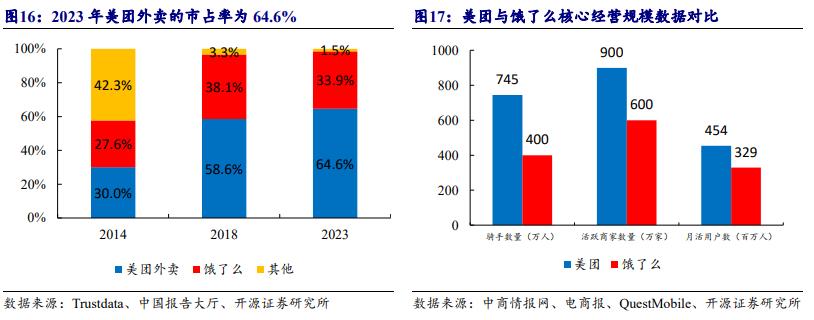
Core Insights - Hema X membership stores in Beijing will cease operations starting July 31, marking the complete closure of Hema X stores in the city [1][2] - Hema X, which aimed to compete with Sam's Club by offering high-quality products and bulk purchasing, has seen over half of its stores shut down nationwide since early last year [2] - Despite achieving profitability for nine consecutive months and a customer growth of over 50%, Hema's strategic value within Alibaba has diminished, leading to a need for self-sufficiency [2][3] Financial Performance - Hema reported overall profitability for nine months, with a customer base increase exceeding 50% [2] - The closure of Hema X stores reflects a broader trend of strategic shifts within Alibaba, where Hema has been required to be self-sustaining since 2021 [3][12] Strategic Positioning - Hema's decline in strategic importance within Alibaba contrasts with the continued support for Ele.me, which is seen as having high strategic value due to its logistics infrastructure [3][10] - The competitive landscape has intensified with Alibaba's entry into the instant retail market, where Ele.me has been actively engaged against rivals like JD and Meituan [4][5][6] Market Dynamics - Meituan maintains a dominant position in the food delivery market, with a market share of 64.6% in 2023, projected to rise to 65% in 2024 [9] - Hema's inability to effectively participate in the instant retail battle has led to its strategic sidelining, as it lacks the logistics capabilities that Ele.me possesses [11][12] Historical Context - Hema was established to capture the grocery market, but its various business models have struggled to achieve sustainable profitability [20][24] - The shift in Alibaba's strategy in 2021, which emphasized independent profit and loss responsibility for its business units, has left Hema in a precarious position [12][14][17] Competitive Landscape - Hema's attempts to innovate and capture market share have been met with challenges, as evidenced by the struggles of similar models like Meituan's "Little Elephant" fresh food stores [23][24] - The high costs associated with fresh food logistics and the need for a robust supply chain have made the grocery business particularly difficult [23][24] Leadership and Future Outlook - The retirement of former CEO Hou Yi and the subsequent lack of strategic direction have contributed to Hema's decline [30][36] - The relationship between Hou Yi and Alibaba's leadership has been pivotal in Hema's history, but the current environment suggests a shift away from its original innovative spirit [36][37]
弘则科技 即时零售大战何时是底?
2025-07-16 00:55
Summary of Conference Call Records Industry Overview - The conference call discusses the intense competition in the instant retail sector, particularly among Alibaba, Meituan, and JD.com, indicating that the competition has entered a critical second phase with significant impacts on stock prices and market sentiment [2][4]. Key Points on Companies Alibaba - Alibaba has launched a 50 billion RMB subsidy plan aimed at enhancing e-commerce traffic and winning the instant retail market, focusing on increasing order volume and optimizing user experience [1][2]. - The company is integrating various departments, including Ele.me and Fliggy, to create a comprehensive consumption entry point, enhancing platform activity through AI assistance and resource sharing [3][17]. - The strategy emphasizes both short-term order volume increases and long-term service quality improvements, which are crucial for maintaining market position and user engagement [5][6]. - The 500 billion RMB subsidy for Taobao Flash Sale is expected to include budget reallocations from the e-commerce division, with an estimated new investment of 20-25 billion RMB for customer discounts [12][13]. - Recent performance metrics indicate that Taobao Flash Sale has increased the activity of the Taotian e-commerce platform by approximately 15-20%, with a user retention rate of 25-30% for new users [19][26]. Meituan - Meituan is adopting a defensive strategy, focusing on maintaining its market share in the food delivery sector through initiatives like 0 Yuan purchase promotions, although it faces long-term challenges [1][2][14]. - The company has increased its subsidy efforts in response to Ele.me's rapid order growth, indicating a strong execution capability [8][14]. - Meituan's delivery rider compensation has fluctuated, reflecting competitive pressures from Ele.me [8]. Tencent - Tencent has shown confidence in future growth through multiple stock buybacks and a robust performance in its advertising business, particularly in e-commerce and short video sectors [4][6]. - The company is diversifying its revenue sources by increasing investments in high-potential segments like Xiaohongshu and video accounts, leveraging AI technology to enhance advertising effectiveness [6][7]. JD.com - JD.com has faced challenges since initiating a retail war in February 2024, with a notable reduction in subsidy efforts by June 2024, raising concerns about its long-term sustainability [15][24]. - The company has seen a decline in order volume from a peak of approximately 25 million to around 10-15 million recently, indicating potential issues in maintaining market share [24]. Market Dynamics - The instant retail market is experiencing significant growth, particularly driven by Meituan, with order volumes increasing by 20-25% in 2023 [25]. - The market is characterized by a strong presence in first and second-tier cities, which account for 70% of GMV, while lower-tier cities are showing rapid growth [25]. - The competition is expected to continue, with companies needing to adapt their strategies to maintain market share and improve operational efficiencies [4][25]. Additional Insights - The integration of Ele.me into Taobao Flash Sale aims to enhance brand recognition and user engagement, shifting focus from mere order volume to user behavior metrics like retention and repurchase rates [9][10]. - The recent anti-monopoly discussions have led to operational changes that benefit Ele.me, allowing it to expand its lightning warehouse setup and improve service delivery [16]. - The collaboration between Taobao and B-end brand partners is enhancing supply chain efficiency, with initiatives to build regional warehouses and optimize inventory management [30][31]. This summary encapsulates the competitive landscape and strategic maneuvers of key players in the instant retail market, highlighting the ongoing adjustments and future directions of these companies.

满18.8减22.8外卖负4元购!平台倒贴4元,骑手日赚1700,谁在买单
Sou Hu Cai Jing· 2025-07-16 00:13
Core Viewpoint - The recent "negative 4 yuan purchase" phenomenon highlights the intense competition among food delivery platforms, driven by aggressive subsidies and promotional strategies aimed at capturing market share in the instant retail sector [1][5][15]. Group 1: Market Dynamics - The competition among platforms like Meituan, Ele.me, and Taobao Flash has escalated, with subsidy amounts reaching unprecedented levels, such as "full 15 off 15" and "0 yuan milk tea coupons" [3][5]. - Daily order volumes have surged, with Meituan exceeding 150 million orders and Taobao Flash surpassing 80 million orders, leading to a 111% increase in average earnings for delivery riders [3][5]. - Platforms are investing heavily, with Alibaba committing 50 billion yuan and Meituan leveraging its WeChat ecosystem to attract users, as the instant retail market is projected to reach 2 trillion yuan by 2030 [5][6]. Group 2: Stakeholder Challenges - Delivery riders face a "sweet trap" with reported daily earnings exceeding 500 yuan, but this comes with increased workload and safety risks, including frequent traffic violations [8][10]. - Merchants experience a "false prosperity," as they are required to absorb 70% of the subsidy costs, leading to significant profit erosion and reliance on lower-quality ingredients to maintain margins [10][11]. - Consumers enjoy low prices but may face hidden costs, such as health risks from unhealthy food options and a decline in service quality due to increased order volumes [13][15]. Group 3: Future Implications - The subsidy war may lead to higher commission rates for merchants, reduced discounts for consumers, and a decline in service quality as platforms seek to recover costs [16][18]. - Regulatory scrutiny is increasing, with antitrust authorities urging platforms to protect the rights of merchants and riders, indicating potential policy interventions in the future [16][18]. - To break the cycle of unhealthy competition, platforms need to adopt tiered subsidy mechanisms, enhance service efficiency, and promote rational consumer behavior [18][23].