
数智化

Search documents
2026,我省交通运输做些啥?
Xin Lang Cai Jing· 2026-01-10 23:42
Group 1 - The core plan for the province during the "14th Five-Year Plan" period includes an investment of over 400 billion yuan in transportation, aiming for 95% completion of the provincial "211" transportation circle [1] - In 2026, the province will focus on four key directions: integrated development, safety enhancement, digital upgrade, and green transformation, with a target of 90 billion yuan in road and waterway investment, striving to reach 100 billion yuan [1] - Key projects include the expansion of the Beijing-Taipei and Quanzhou-Xiamen highways, construction of the Quanzhou section of the Quanzhou-Meizhou highway, and the completion of 100 kilometers of ordinary national and provincial highways [1] Group 2 - The province will implement a "people-oriented" transportation initiative, adding 400 charging facilities and 6 service area entrances, while enhancing safety and accessibility [2] - The "Hundred Towns, Thousand Villages, Ten Thousand Miles Road" project will improve 500 kilometers of substandard rural roads and implement safety projects over 600 kilometers [2] - The province aims for over 40% of rural passenger and freight routes to be integrated, with 150 new optimized bus routes to promote urban-rural transport integration [2] Group 3 - Digital transformation is highlighted as a key driver for high-quality transportation development, with plans to upgrade smart highway stations and service areas, and create a digital navigation channel of 1,140 kilometers [3] - The province will enhance institutional frameworks to improve governance capabilities, focusing on legislative processes for key transportation regulations [3] - Policies will be developed to promote high-quality development in highways, alongside the establishment of comprehensive pilot programs in critical areas [3]
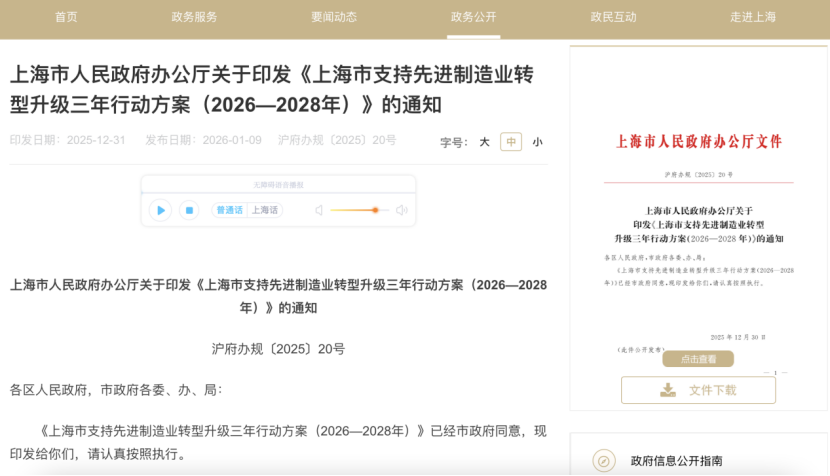
利好来了!上海重磅发布,事关商业航天、机器人……
Zheng Quan Shi Bao· 2026-01-10 08:38
Core Viewpoint - The Shanghai Municipal Government has released a three-year action plan (2026-2028) to support the transformation and upgrading of advanced manufacturing, focusing on structural optimization, innovation, and resource support. Group 1: Action Plan Overview - The action plan aims to add 100 manufacturing enterprises with an annual output value exceeding 1 billion yuan by 2028, totaling over 600 such enterprises, and to drive the addition of 500 large-scale industrial enterprises in the supply chain [2] - The plan emphasizes the development of new-generation electronic information, smart connected vehicles, high-end equipment, advanced materials, and green low-carbon industries [2][3] Group 2: Key Industry Focus - The action plan encourages investment in emerging fields such as low-altitude economy, commercial aerospace, embodied intelligence, biomanufacturing, and smart terminals, aiming to overcome bottlenecks in the industrial scale development of innovative products like eVTOLs, commercial rockets, and humanoid robots [1][2] - It supports integrated circuit companies to achieve breakthroughs across the entire industry chain, focusing on equipment, advanced processes, and materials [2] Group 3: Innovation and Research Support - The plan proposes financial incentives for companies increasing their basic research investments, with subsidies ranging from 200,000 to 1 million yuan based on the level of investment [4][5] - It encourages the establishment of research centers and collaboration with universities and research institutions to enhance technological innovation [5] Group 4: Digital and Intelligent Manufacturing - The action plan includes initiatives to promote AI in manufacturing, aiming for large enterprises to achieve full coverage of digital applications by 2027 and to increase robot density to 600 units per million people by 2028 [5][6] - It outlines a new round of smart factory initiatives, targeting a 70% digitalization level for smart manufacturing equipment by 2028 [5] Group 5: Green Transformation and Financial Support - The plan emphasizes green transformation, encouraging the development of low-carbon products and providing financial rewards for energy-saving upgrades [6] - It aims to create over 100 national-level green factories by 2028, with initial recognition receiving a one-time reward of 200,000 yuan [6] - Financial institutions are encouraged to offer lower-interest loans and customized insurance services for key technological equipment and new materials [6]


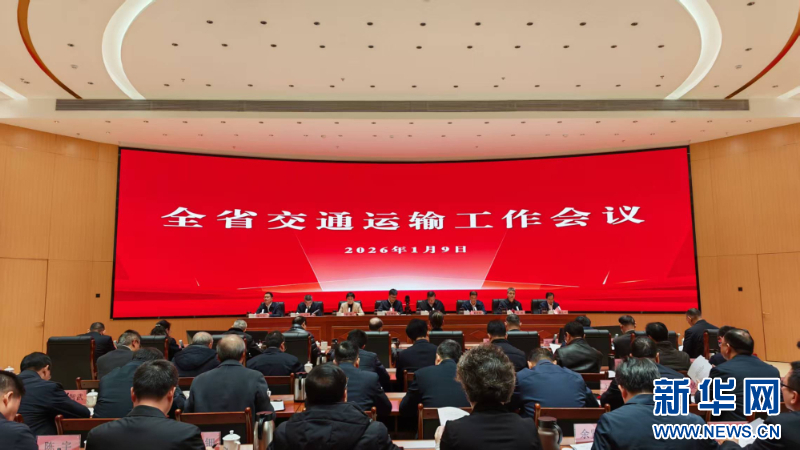
2026年福建计划完成公路水路投资900亿元
Xin Hua Wang· 2026-01-10 05:03
Group 1 - The core focus of the 2026 transportation work conference in Fujian is to complete over 400 billion yuan in transportation investments during the 14th Five-Year Plan, with a target of 900 billion yuan in road and waterway investments for 2026, striving to reach 1 trillion yuan [2] - Specific investment allocations for 2026 include 250 billion yuan for expressways, 330 billion yuan for regular roads, 80 billion yuan for port and shipping projects, and 240 billion yuan for transportation services and other investments [2] - Key projects for expressway construction will include the expansion of the Jing-Tai and Quan-Xia expressways, as well as the commencement of critical projects like the Quanzhou section of the Quan-Mei expressway and the Zheng-Yong expressway [2] Group 2 - The transportation work will prioritize public welfare, with initiatives such as adding 400 charging facilities and 6 service area entrances, alongside improvements for elderly accessibility and emergency response capabilities [3] - The "Hundred Towns, Thousand Villages, Ten Thousand Miles Road" project will focus on rural road upgrades, including the renovation of 500 kilometers of substandard roads and the implementation of safety projects over 600 kilometers [3] - Fujian aims to enhance port and shipping integration by implementing the "Port-Railway Connection" project, targeting a 10% increase in container rail-water transport volume and reducing logistics costs to 13.2% of GDP [3] Group 3 - Digital transformation is emphasized as a key driver for high-quality transportation development, with plans to advance smart traffic initiatives, including upgrades to smart highway stations and service areas [4] - The establishment of a comprehensive digital platform for port and shipping operations is planned, along with the creation of 1,140 kilometers of digital navigation channels [4] - The goal is to build a "Smart Transportation Corridor" to enhance overall transportation efficiency and service quality [4]
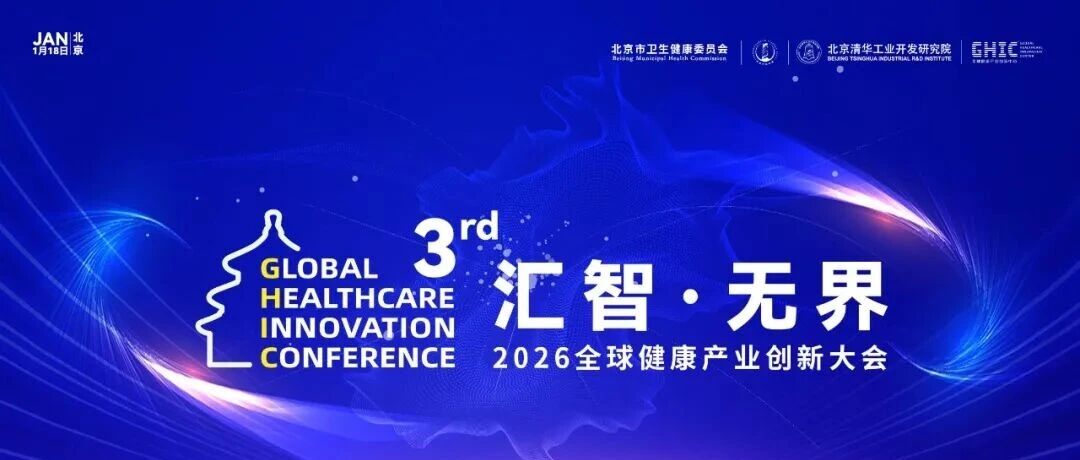
报名:1月18日北京, “汇智·无界前沿”2026第三届全球健康产业创新大会!
思宇MedTech· 2026-01-10 01:09
Group 1 - The article emphasizes the importance of the "2026 Global Health Industry Innovation Conference" to promote high-quality development in the health sector, aligning with national strategies for innovation and health [2][5] - The global health industry is undergoing a transformation driven by disruptive technologies such as artificial intelligence and big data, which are reshaping traditional medical practices and providing new solutions for public health challenges [4] - The conference will gather experts from various fields, including government officials, academicians, and industry representatives, to discuss the future of the health industry and collaborate on innovative solutions [5][6] Group 2 - The conference is scheduled for January 18, 2026, at the Zhongguancun International Innovation Center in Beijing, with various supporting and co-organizing institutions involved [15][16] - A series of parallel forums will take place during the conference, focusing on topics such as medical service innovation, AI in healthcare, and the integration of traditional Chinese medicine with modern technology [19][20] - The main forum will feature distinguished speakers discussing topics like brain-machine interfaces, intelligent medical imaging, and the role of AI in healthcare, highlighting the integration of technology in medical practices [20][21]



智能化变革探索未来制造模式
Jing Ji Ri Bao· 2026-01-09 22:07
Core Viewpoint - China's smart manufacturing is transitioning from digitization and networking to intelligence, with the establishment of leading smart factories as a benchmark for global development [1] Group 1: Overview of Leading Smart Factories - The Ministry of Industry and Information Technology and six other departments announced the first batch of 15 leading smart factories, covering key industries such as equipment manufacturing, raw materials, electronic information, and consumer goods [1][2] - Leading smart factories integrate new information technologies, advanced manufacturing techniques, and lean management concepts, representing the highest standards of China's manufacturing intelligence [1][2] Group 2: Importance and Impact - Building leading smart factories is crucial for the digital transformation and intelligent reform of the manufacturing industry, serving as a benchmark for future manufacturing models and enhancing global competitiveness [1][4] - These factories can accelerate the transition from "factor-driven" to "innovation-driven" manufacturing, addressing traditional industry pain points and fostering a more resilient supply chain [4] Group 3: Technological and Economic Standards - Leading smart factories must have at least 60% of their AI technology application scenarios, significantly higher than the 20% requirement for excellent-level factories [7] - They are required to cover five key areas: factory construction, research and design, production operations, production management, and operational management [7] Group 4: Case Studies and Achievements - Xuzhou Heavy Machinery Co., Ltd. was selected for its mobile crane smart factory project, which emphasizes global customization and agile response, integrating 5G, digital twins, and industrial internet [2] - SAIC-GM-Wuling's island-style smart factory has improved manufacturing efficiency by 30%, with a comprehensive equipment utilization rate of 98.8% and a 43% reduction in product development cycles [5] Group 5: Future Directions and Recommendations - The first batch of leading smart factories should focus on consolidating advantages while achieving higher quality development, emphasizing continuous technological innovation and the deep application of core technologies [6][8] - A multi-faceted promotion system involving policy guidance, enterprise responsibility, and ecological collaboration is essential for fostering more leading smart factories from excellent-level ones [8]
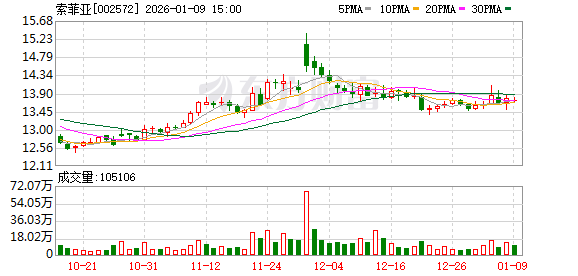
索菲亚:公司持续进行数智化系统研发升级与变革
Zheng Quan Ri Bao· 2026-01-09 13:12
Core Viewpoint - The company is actively engaged in the continuous development and transformation of its digital intelligence systems, leveraging advanced technologies to enhance operational efficiency and consumer experience [2] Group 1: Digital Transformation - The company has been focusing on the research and development of digital intelligence systems [2] - Upgrades and transformations are being implemented across design software, digital operation platforms, and service systems [2] - The aim is to improve work efficiency and accuracy while meeting personalized service demands of consumers [2]

五千亿赛道争夺战:中式汉堡如何实现弯道超车?
Xin Jing Bao· 2026-01-09 12:23
Core Insights - The Chinese hamburger market is undergoing a transformation, with local brands like Tasting challenging the dominance of international players such as KFC and McDonald's as they enter the "ten-thousand store club" by 2025 [1] - The competition is not just about the number of stores but also involves product innovation, supply chain efficiency, and digital capabilities [1] Market Overview - The Chinese Western fast food market is projected to grow from 499.65 billion yuan in 2025 to 587.09 billion yuan by 2027, indicating a significant expansion opportunity for local hamburger brands [2] - Local brands have transitioned from "marginal penetration" to "close combat" in the market, initially targeting lower-tier cities with competitive pricing strategies [2] Product Innovation - Local brands like Tasting are focusing on product innovation rather than engaging in price wars, incorporating Chinese culinary techniques into their hamburger offerings [3] - Tasting has introduced unique flavors inspired by Chinese cuisine, such as Peking duck and spicy boiled water, appealing to younger consumers' desire for personalization and cultural identity [3] Industry Dynamics - The rise of local brands is challenging the traditional fast food model established by international brands, which relied on standardized quality and efficiency [4] - Tasting has become the third-largest Western fast food brand in China, surpassing McDonald's in store count, with 11,124 locations as of November 2025 [4] Competitive Response - International brands are adapting to local tastes, with McDonald's and KFC introducing localized menu items and rethinking product forms to compete effectively [5] - The competition has shifted from local brands challenging international giants to a mutual adaptation of strategies and offerings [5] Food Safety and Digitalization - Food safety management is becoming crucial for brand longevity, with international brands leveraging established systems for transparency and risk management [6] - Local brands are enhancing their operational capabilities through technology, such as Tasting's digital platform for quality control and AI-driven monitoring systems [7] Supply Chain Innovation - Local hamburger brands are exploring new supply chain strategies to balance the demands of fresh production with the stability required for large-scale operations [8] - The integration of data-driven decision-making and system empowerment is providing local brands with the operational support needed to compete with international giants [8] Cultural Impact - The competition between local and international brands is not only a business rivalry but also a reflection of cultural confidence, with local brands redefining hamburgers to better suit Chinese tastes [8] - This dual competition is expected to enhance both efficiency and quality in the Chinese fast food industry, benefiting consumers with more diverse product choices and improved experiences [8]
能源数智化,已成全球能源转型“必然选择”
2 1 Shi Ji Jing Ji Bao Dao· 2026-01-09 07:21
Group 1 - The core viewpoint of the article emphasizes the strategic importance of digital and intelligent transformation in the energy sector as a key direction for upgrading the energy industry [4][5] - Digitalization is defined as the process of converting information into a digital format, while digital and intelligent transformation (数智化) focuses on analyzing and utilizing digital data for insights and decision-making [4][5] - The report highlights that energy digitalization is crucial for ensuring energy security, promoting green transformation, and enhancing efficiency, especially in the context of China's dual carbon goals [5][6] Group 2 - In March 2023, the National Energy Administration of China issued opinions to accelerate the development of energy digitalization and intelligence, recognizing the integration of energy and digital technology as a vital engine for modernizing the energy industry [5][6] - According to a market analysis report, the global energy equipment market is projected to reach approximately $1.21 trillion in 2024 and $1.27 trillion in 2025, with the digital transformation of energy equipment expected to generate a market size of $173 billion by 2025 [5][6] - Energy digitalization is described as a collaborative effort across multiple industries, involving technology integration and business linkage to drive the realization and value release of energy equipment [6]

在时代激流中向新致远——湖北三宁化工从传统化工到产业新赛道的跨越与升腾
Zhong Guo Hua Gong Bao· 2026-01-09 06:00
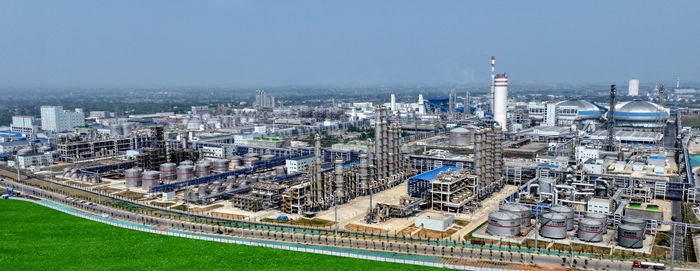
Core Viewpoint - The transformation of Hubei Sanning Chemical Co., Ltd. from traditional fertilizers to new chemical materials during the "14th Five-Year Plan" period exemplifies a significant industrial change in China's chemical industry, driven by innovation and practical efforts [1][3]. Group 1: Company Transformation and Growth - During the "14th Five-Year Plan," Sanning expanded its product matrix from 20 to 32, enhancing its industrial chain and achieving a 78% increase in synthetic ammonia production [3][5]. - The company has successfully entered new markets such as nylon new materials, showcasing its ability to adapt and thrive amid market fluctuations and international challenges [1][3]. - Sanning's coal chemical segment has seen significant advancements, including a hydrogen supply capacity of 150,000 standard cubic meters per hour and a battery-grade dimethyl carbonate capacity of 150,000 tons per year [3][5]. Group 2: Innovation and R&D - Sanning has invested 2.27 billion yuan in R&D, maintaining a research intensity of over 3.2%, with high-tech product revenue accounting for over 68% [11][12]. - The establishment of the Sanning Technology R&D Center in Wuhan, with an investment of approximately 700 million yuan, aims to foster innovation and attract high-end talent [9][10]. - The company has achieved over 50 invention patents and 760 utility model patents, contributing to a comprehensive patent defense system across production, R&D, and environmental protection [11][12]. Group 3: Green and Intelligent Transformation - Sanning is committed to green development, implementing projects for VOCs deep treatment and energy-saving modifications, aligning with national "dual carbon" goals [7][11]. - The company has adopted intelligent manufacturing practices, including unmanned operations, significantly reducing manual intervention in production processes [7][8]. - Sanning's focus on sustainable practices has led to the development of eco-friendly fertilizers, enhancing agricultural productivity and soil quality [14]. Group 4: Future Goals and Strategic Vision - Looking ahead to the "15th Five-Year Plan," Sanning aims to achieve sales revenue exceeding 50 billion yuan and tax contributions over 5 billion yuan by 2030 [15]. - The company plans to strengthen its core technologies, enhance resource utilization, and expand its product offerings in fine phosphorus chemicals and new materials [15]. - Sanning's strategic vision includes deepening digital upgrades and exploring mergers and acquisitions to expand its market presence while adhering to green development principles [15].
中国互联网广告营销趋势报告:AI正在彻底重构消费者决策路径
Cai Jing Wang· 2026-01-09 03:48
Core Insights - AI is fundamentally reshaping consumer decision-making paths, leading to a significant shift in marketing focus [1] - The report highlights that the deepening development and mature application of AI technology is a critical breakthrough for "data-driven" advertising marketing [1] Group 1: Consumer Decision Logic - Consumer decision logic is being fundamentally restructured from "passive search" to "active trust in AI recommendations" [1] - Marketing competition is shifting from keyword ranking to optimizing structured information that AI can recognize and assess as high value [1] Group 2: Content Production - Content production is undergoing a revolution, transitioning from "labor-intensive creativity" to "AI-driven large-scale creation and real-time optimization" [2] - AI can analyze user characteristics, scenarios, intentions, and even real-time emotions to select or generate personalized creative variations, achieving a significant increase in creative output [2] Group 3: Consumer Insights and Measurement - Consumer insights and measurement are evolving from "fuzzy attribution" to "full-link visualization and emotional computation" [2] - AI enables real-time analysis of user dynamic needs, preferences, and search intentions, facilitating a coherent and personalized experience across fragmented scenarios [2] Group 4: Short Video and E-commerce - The "short video+" model is rapidly evolving, restructuring the competitive landscape of the e-commerce industry [3] - Video information flow advertising has seen an 18.85% year-on-year growth, becoming the fastest-growing advertising format [3] Group 5: Market Growth Projections - The Chinese internet advertising market is projected to grow steadily at a rate of 11.5%, reaching a scale of 725.7 billion yuan by 2025 [3] - E-commerce advertising continues to lead with a market share of 38.55%, with interest-based e-commerce growing by 18.9% year-on-year [3] - The report predicts that the Chinese internet advertising market could exceed 900 billion yuan by 2026, driven by "agent-based AI" and "full-scene integration" [3]