经济转型

Search documents
油价下跌抵消增产影响,沙特阿美利润连续第10个季度下滑 | 财报见闻
Hua Er Jie Jian Wen· 2025-08-05 07:23
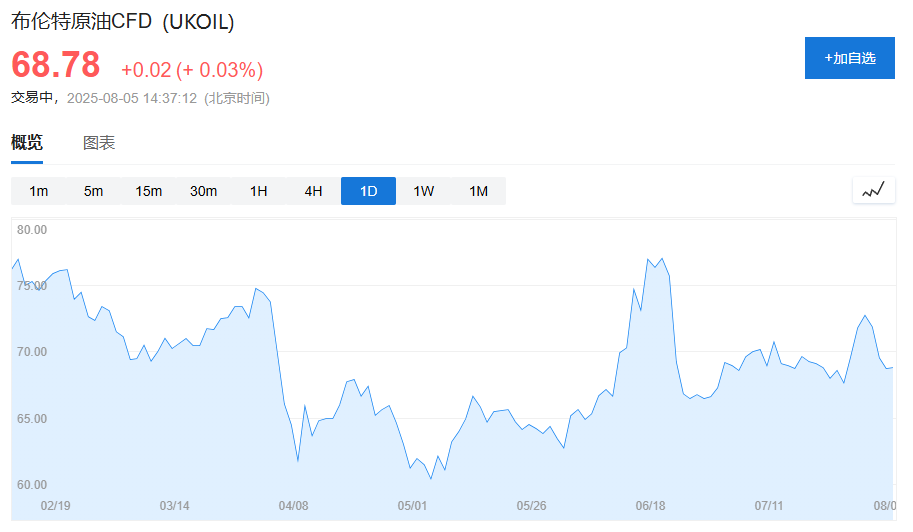
受油价疲软冲击,石油巨头沙特阿美连续十个季度利润下滑。 周二公布的财报显示,沙特阿美第二季度营收达到3788.3亿里亚尔,但多项核心指标表现疲弱。 净利润同比下降19%至856.3亿里亚尔,连续第十个季度下滑,不及分析师预期的893.4亿里亚尔。营业利润1670.9亿里亚尔,也未 达到1804亿里亚尔的预期水平。相比之下,埃克森美孚和雪佛龙等美国石油公司在二季度均超出分析师预期。 沙特阿美二季度自由现金流降至152.3亿美元,同比下降20%,再次未能覆盖股息支付。公司净债务从一季度末的247亿美元升至 308亿美元,负债率从5.3%上升至6.5%。 油价疲软正在削减沙特政府收入,而王储Mohammed bin Salman正推进雄心勃勃的经济转型计划。布伦特原油目前交易价格低于 每桶70美元,远低于国际货币基金组织认为沙特政府平衡预算所需的90美元以上水平。 自由现金流持续承压成为沙特阿美面临的核心挑战。152.3亿美元的自由现金流无法覆盖股息支付,迫使公司继续增加借贷来弥补 资金缺口。 公司净债务从一季度末的247亿美元增至308亿美元,负债率升至6.5%。尽管如此,这一水平仍远低于西方石油巨头,壳牌的负债 ...

李家超:《施政报告》咨询反响热烈 经济转型、北部都会区提速发展获认可
智通财经网· 2025-08-03 23:46
Group 1 - The Hong Kong government has conducted over 40 consultation sessions since the public consultation for the Policy Address began in June, receiving more than 5,500 submissions, which is nearly a 10% increase compared to the same period last year [1] - Citizens generally recognize the government's willingness to reform and address long-standing issues, supporting initiatives such as the establishment of a simple housing system and proposed regulations for ride-hailing services [1] - There is a consensus that policies should balance macroeconomic development with micro-level improvements in people's livelihoods, emphasizing the importance of detail and communication in policy-making [1] Group 2 - There is significant public support for the accelerated development of the Northern Metropolis, which is viewed as a new engine for future growth, advocating for innovative construction methods and materials [2] - The Hong Kong economy is currently undergoing a transformation, with the government believing that opportunities outweigh challenges, and that economic transformation is essential for competitiveness and strength [2] - The government plans to implement proactive policies to create opportunities and support businesses facing pressures, aiming to guide society through challenges [2]
俄罗斯油气出口遭重创,经济困境下能否找到新出路?
Sou Hu Cai Jing· 2025-08-03 23:14
Group 1 - Russia is facing unprecedented challenges in oil exports, with only China and North Korea remaining as buyers, severely impacting its economy reliant on oil and gas exports [1][2] - Western sanctions, including oil embargoes and price caps, have drastically reduced Russia's oil export channels, with Europe no longer a significant market [1][2] - China has maintained stable oil imports from Russia, with 12.5 million tons imported in the first half of 2025, accounting for over 60% of bilateral trade [1][2] Group 2 - Russia's fiscal pressure is increasing due to reduced oil and gas revenues, with a reported 14.4% decrease in oil and gas income from January to May 2025 compared to the previous year [2] - President Putin has acknowledged the need for Russia to diversify its economy beyond oil and gas exports to maintain competitiveness and sovereignty [2] - The global energy market is undergoing significant changes as countries adjust their energy strategies in response to Russia's predicament and the ongoing energy competition [3]

陈茂波:香港住宅物业市场趋稳 金融市场蓬勃 经济稳步向好
智通财经网· 2025-08-03 22:47
Economic Growth - Hong Kong's economy showed growth momentum, with a year-on-year increase of 3.1% in Q2, marking the tenth consecutive quarter of positive growth [1][3] - The retail sales value recorded a slight year-on-year increase of 0.3% in May and June, indicating stabilization in the retail and dining sectors [1][3] Real Estate Market - Residential property prices remained stable, with rental performance being resilient; the average monthly transaction volume in Q2 increased to approximately 5,600 transactions, a quarter-on-quarter rise of about 37% [4] - The number of negative equity cases decreased by 7% to over 37,000 due to the stabilization of property prices [4] Business Environment - The Hong Kong government released a report highlighting the city's open, safe, stable, efficient, and international business environment, which received broad recognition from the business community [3] - The report serves as a reference for foreign enterprises and investors to understand Hong Kong's unique advantages amid complex geopolitical situations [3] Local Consumption and Employment - The stable residential property market and robust financial market, along with steady economic growth and real income increases for workers, are expected to support local consumption [2][4] - Continued support for affected groups, including enhanced employment assistance and retraining services, is necessary during the economic transition [2] Events and Tourism - Major events, such as the recent football matches at Kai Tak Sports Park, attracted nearly 100,000 spectators, enhancing the local atmosphere and tourism [5] - The government is actively promoting various events to attract more visitors, aiming to convert the influx of people into economic benefits [6][7] E-commerce and Local Products - The Hong Kong Trade Development Council launched the "Hong Kong Goodies Festival" on popular e-commerce platforms to promote local products, featuring 260 popular brands and over 500 items [6] - Training activities are being organized to enhance local businesses' knowledge in cross-border e-commerce operations and marketing [6]
科技成长获青睐 私募调研热点浮出水面
Zhong Guo Zheng Quan Bao· 2025-08-03 21:07
Group 1 - In July, 657 private equity managers conducted intensive research on 358 A-share companies, with a total of 1,763 research instances, indicating a strong preference for technology growth sectors [1] - The technology sector emerged as the primary focus of research, with the computer industry leading with 260 research instances covering 36 companies [2] - Other notable sectors included power equipment (213 instances), pharmaceutical biology (206 instances), and electronics (205 instances), highlighting a significant interest in technology and healthcare [2] Group 2 - Among the 52 stocks with more than 10 research instances, technology growth stocks dominated, reflecting private equity's commitment to exploring innovation-driven opportunities [3] - Leading private equity firms maintain a positive outlook on market trends and structural opportunities, with a focus on sectors that align with China's economic transformation [4] - Investment opportunities are identified in innovative pharmaceuticals and consumer sectors, with a particular emphasis on structural opportunities in niche markets like sports apparel and toys [5]
融资余额创十年新高 科技赛道成资金布局高地
Zheng Quan Shi Bao· 2025-07-30 18:52
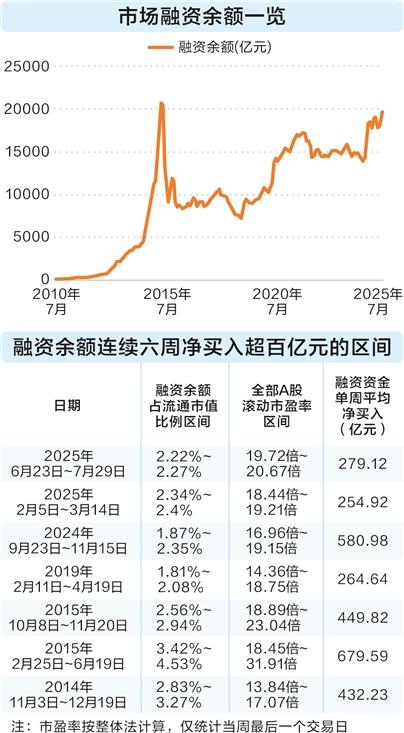
6月23日以来,A股市场持续上涨,上证指数、深证成指均连涨六周。伴随着市场回暖,融资交易活跃 度明显提升,市场融资余额屡创新高。 资金流向科技赛道 数据宝统计,6月23日以来,融资资金净买入居前的个股集中于算力、半导体、新能源汽车等科技赛 道,共有56股累计净买入超5亿元,如CPO龙头新易盛净买入41.21亿元,居于榜首,中科曙光、中际旭 创亦上榜,半导体概念菲利华、澜起科技、寒武纪-U等个股上榜,新能源汽车概念股比亚迪、宁德时 代、国轩高科等也上榜。 本轮融资资金持续加仓的科技股普遍具备高成长特征,资金流向高度契合产业升级与经济转型主线。数 据显示,近期融资资金累计净买入超5亿元的个股中,32股近五年归母净利润复合增长率超过10%,占 比超过总数的57%,其中新易盛、中控技术、迈瑞医疗等各行业龙头增长率均在20%以上。 相比之下,2014年至2015年期间,融资资金更偏向于金融板块。如2015年2月25日~6月19日期间,中国 平安获融资净买入金额达到216.84亿元,兴业银行、农业银行、北京银行均位于净买入金额前五。此 外,2015年融资资金还具有追逐中小盘题材股风格,2月25日~6月19日期间共有80股 ...
陈茂波:香港营商环境优势凸显 金融市场亮眼、创科产业快速发展
智通财经网· 2025-07-30 14:06
Economic Outlook - The Hong Kong economy is expected to maintain growth in the second half of the year, following a 3.1% growth in Q1 and a positive outlook for Q2 [7][18] - The government is actively supporting industries undergoing transformation, particularly in funding and digital upgrades for local retail and dining sectors [8][20] Investment and Business Environment - International investor confidence in Hong Kong is rising, with the Hang Seng Index increasing by 27% this year after an 18% rise last year [4] - The number of companies registered in Hong Kong from overseas has increased by 10% year-on-year, with 84 key enterprises expected to invest approximately HKD 500 billion, creating 20,000 jobs [4][5] Real Estate and Office Space - The government is not selling commercial land to allow the market to absorb existing office space, while also encouraging private entities to purchase office properties [2][13] - There has been significant demand for office space from multinational financial institutions, particularly in wealth and asset management sectors [2][14] Retail and Consumer Trends - Retail sales have shown signs of recovery, with a 2.4% increase reported in May after 14 months of decline [8] - The number of visitors to Hong Kong has increased significantly, with a double-digit growth rate in international tourists during the first half of the year [6][9] Talent Acquisition - Approximately 500,000 applications have been received for talent importation programs, with 330,000 approved and around 220,000 individuals having arrived in Hong Kong [5][20] Financial Sector Stability - Hong Kong's banking sector remains robust, with a capital adequacy ratio of approximately 21%, significantly above the global standard of 8% [15][20] - The overall banking system is characterized by strong liquidity and prudent provisioning for potential bad debts [15]
大跌之后,再谈谈反内卷
对冲研投· 2025-07-29 12:04
Core Viewpoint - The concept of "anti-involution" is part of a once-in-a-generation economic transformation, shifting towards a more balanced growth model rather than repeating previous patterns. The focus is on enhancing supply-side pricing power to meet capital return rates, especially in international markets, where Chinese commodities should aim for profit rather than cheap exports [3][6]. Group 1: Economic Transformation - The anti-involution policy is seen as a structural shift in the economy, moving from an external demand-driven model to a domestic circulation model, emphasizing higher quality standards and capital returns [7][8]. - The end of the real estate cycle has made the previous growth model unsustainable, leading to increased competition and declining capital returns [11][13]. - The "9.24 turning point" signifies the beginning of a new economic structure transformation, focusing on capital market-driven growth and improving return on equity (ROE) [13][14]. Group 2: Supply-Side Pricing Power - Anti-involution aims to restore supply-side pricing power, allowing manufacturers to gain greater profits from international markets rather than merely competing on price [18][19]. - The pricing target of anti-involution may exceed just covering costs, aiming to meet capital return requirements [19][21]. - The challenge of anti-involution lies in the distribution of investment losses, which could impact various stakeholders, including residents, banks, investors, and the government [22][24]. Group 3: Investment Opportunities - The focus should be on commodities with monopolistic pricing potential in the global market, as China can leverage its position to gain profits despite changing trade dynamics [27][29]. - Several commodities have been identified as having potential based on global market share, industry concentration, capacity utilization, and demand outlook, including polysilicon, caustic soda, PTA, polyester bottle flakes, and refined tin [29].

31省经济成绩单!谁在裸泳?谁在闷声发大财?
Sou Hu Cai Jing· 2025-07-28 12:19
Group 1 - The core viewpoint of the article emphasizes that the economic half-year report of 31 provinces in China serves as a comprehensive assessment of the country's economic performance, influencing everything from national policy to local market prices [1] - The overall GDP growth rate for the first half of the year is reported at 5.5%, which is an increase of 0.5 percentage points compared to the first quarter, but the performance varies significantly among provinces [3] - High growth rates in provinces like Shaanxi and Inner Mongolia, exceeding 6.5%, are attributed to their strong energy resources, while provinces with lower growth rates must focus on sustainable development rather than just speed [3][4] Group 2 - The article discusses the importance of "new engines" for economic growth, highlighting that provinces with a high proportion of high-tech industries, such as Guangdong and Jiangsu, are better positioned for resilience against economic fluctuations [4][5] - The concept of "energy transition" is introduced, indicating a shift from traditional resource-based growth to technology and innovation-driven growth, with provinces adopting different strategies to achieve this [6] - Provinces like Zhejiang and Guangdong are leading the way in digital economy and manufacturing upgrades, while others like Shanxi and Hebei are transitioning from coal and steel to renewable energy and new technologies [6][7] Group 3 - The article emphasizes the significance of optimizing the business environment as a crucial economic catalyst, with various provinces implementing measures to streamline processes for businesses [9][10] - The focus on fairness in the business environment is highlighted, with examples of provinces ensuring equal treatment for all types of enterprises, which is essential for fostering a healthy economic ecosystem [10][11] - The need for stable policies is stressed, as frequent changes can deter investment and create uncertainty for businesses [11] Group 4 - Promoting consumption is identified as a key strategy for economic growth, with consumer spending contributing 77.2% to economic growth in the first half of the year [12] - The article argues that the root cause of low consumer spending is not merely a lack of incentives like coupons, but rather concerns about stable income and future security [12][13] - Strategies to increase consumer confidence include raising wages, reducing financial burdens, and creating new spending opportunities that align with changing consumer preferences [13][14] Group 5 - The article concludes that while there are challenges ahead, there is potential for economic improvement in the second half of the year, provided that local governments and businesses take proactive measures [15] - It emphasizes the importance of genuine efforts from businesses to innovate and adapt rather than relying solely on government support [15] - The overall message is one of resilience and collaboration, suggesting that with collective effort, economic conditions can improve significantly [15]
被俄乌一仗打醒,普京认清现实,俄罗斯靠卖能源,会葬送国家未来
Sou Hu Cai Jing· 2025-07-27 04:03
Group 1 - The core viewpoint is that Putin realizes Russia's reliance on energy exports for foreign trade surplus threatens its sovereignty and technological advancement, prompting a need for economic transformation [1][10] - Energy exports have created a "soft trap" that undermines Russia's strategic autonomy, as the country risks becoming a mere resource supplier if global energy structures shift towards renewables [3] - The ongoing Ukraine conflict has exposed Russia's logistical and technological shortcomings, highlighting the necessity for domestic high-tech development to ensure national security [3][5] Group 2 - International sanctions have significantly weakened Russia's foreign exchange income and forced a reevaluation of its economic structure, with over 30,000 sanctions imposed by Western countries [5][7] - The need for economic transformation is acknowledged, but the path is fraught with challenges, including potential fiscal shortfalls from reduced energy investments and the necessity to attract foreign capital and talent [7][8] - To implement deep reforms, Putin must leverage political capital to establish national technology revitalization plans and promote collaboration between state-owned and private enterprises [8][10]