稳定币

Search documents
复旦大学朱杰进:稳定币可能削弱SWIFT体系和美元霸权
Sou Hu Cai Jing· 2025-07-10 00:49
Group 1 - The roundtable discussion at Fudan University focused on the relationship between stablecoins and the dominance of the US dollar, suggesting that the rise of stablecoins in cross-border payments could structurally impact the international monetary system and potentially weaken the dollar's hegemony [1][2] - The establishment of dollar hegemony dates back to the Bretton Woods system, where the US dollar became the primary reserve currency due to the US's post-World War II economic strength and its commitment to provide public goods to the international community [2] - The "Nixon Shock" in 1971 marked a turning point where the US detached the dollar from gold, relying on the SWIFT system's network effects and international governance to maintain its monetary dominance, despite a decline in its economic power [2] Group 2 - Following the passage of stablecoin legislation in the US Senate, there were criticisms that such measures could harm dollar hegemony, while US Treasury Secretary argued that stablecoins would enhance it [3] - The traditional monetary phase showcased the clear dominance of the dollar and the SWIFT system in cross-border payments, but the emergence of stablecoins and blockchain technology poses challenges to this established dominance [3][9] - The SWIFT system, with over 11,000 financial institutions connected, has significant network effects that make it difficult to replace, but the current phase of stablecoins may disrupt this advantage [3] Group 3 - Countries like Russia and Iran have sought alternatives to the SWIFT system, particularly in response to US sanctions, leading to the development of their own cross-border payment systems [4][5] - Russia's SPFS and Iran's SEPAM systems were created to mitigate the impact of financial sanctions and enhance financial security, with both countries actively working to connect their systems for improved trade and banking cooperation [6] - The CIPS system in China represents a different approach, focusing on developing infrastructure to support the internationalization of the renminbi and facilitating cross-border trade and investment [7] Group 4 - The stablecoin phase is characterized by a diverse development landscape, where the US does not hold a central position, and the SWIFT system is not the sole player, leading to potential challenges to its hegemonic status [8] - Projects like the mBridge initiative, involving multiple central banks, aim to create efficient and low-cost cross-border payment systems using central bank digital currencies, indicating a rapid evolution in this space [8] - Overall, while the dollar and SWIFT maintain their dominance in the traditional monetary phase, the stablecoin phase may weaken the US's digital currency hegemony due to diminishing network effects [9]
实探稳定币在华强北:5万个币起收,有灰色地带
21世纪经济报道· 2025-07-10 00:44
Core Viewpoint - The article discusses the limited adoption of stablecoins for cross-border payments among merchants in China, particularly in Yiwu and Shenzhen, highlighting a general lack of understanding and skepticism regarding their use [1][4][10]. Group 1: Merchant Awareness and Usage - Most merchants in Yiwu and Shenzhen are unaware of stablecoins, with only a few expressing interest in using them for transactions [1][4]. - A small number of merchants indicated they might consider using stablecoins for international payments, but none reported having completed such transactions [4][5]. - Merchants primarily rely on traditional payment methods like cash and Alipay for foreign transactions, with stablecoins seen as irrelevant by many [5][10]. Group 2: Stablecoin Characteristics and Market Dynamics - Stablecoins, such as USDT, are pegged to fiat currencies, providing a more stable alternative to other cryptocurrencies, which may enhance their appeal for transactions [1][10]. - The article notes that stablecoins can bypass traditional banking systems like SWIFT, allowing for direct peer-to-peer transactions, although their legality in mainland China remains uncertain [10][11]. - The exchange process for stablecoins involves "U merchants" who facilitate the conversion between stablecoins and fiat currencies, often with varying fees and conditions [8][11]. Group 3: Regulatory and Compliance Issues - The use of stablecoins for cross-border payments in China faces significant regulatory risks, as recent warnings from local authorities highlight concerns over illegal fundraising activities associated with stablecoins [11][12]. - Legal experts emphasize that while personal trading of virtual currencies may be permissible, using stablecoins for business transactions is currently not allowed in China [11].


基金经理持仓曝光!首批权益基金二季报来了
Guo Ji Jin Rong Bao· 2025-07-10 00:18
Group 1 - The first batch of equity funds has entered the second quarter report disclosure period, with three funds from Tongtai Fund leading the way [1] - Tongtai Yuanjian focuses on the North Exchange market and ranks high among similar funds, while Tongtai Financial Selection maintains a focus on the financial sector [1][4] - The North Exchange market has seen a significant rebound, with the North Zheng 50 Index up 35.9% year-to-date as of July 9 [3] Group 2 - Tongtai Yuanjian's net value increased by 47.06% year-to-date, indicating strong performance in a volatile market [3] - Tongtai Industry Upgrade shifted its focus from bank stocks to the humanoid robot industry, reflecting a strategic adjustment due to market conditions [4] - The financial sector remains a key focus for Tongtai Financial Selection, which emphasizes the low valuation of brokerage and fintech stocks [4] Group 3 - The overall market is still leaning towards technology growth sectors, particularly small-cap stocks, with Tongtai Industry Upgrade showing a year-to-date net value increase of 17.32% [4] - As of the end of the second quarter, Tongtai Yuanjian's scale decreased to 237 million, while Tongtai Industry Upgrade's scale increased significantly to 145 million [4] - The second half of the year is expected to see continued focus on technology and finance, with potential growth in fintech and robotics sectors [6][7]
财说|增资子公司卡位RWA,浙文互联的基本面改善了吗?
Xin Lang Cai Jing· 2025-07-09 23:10
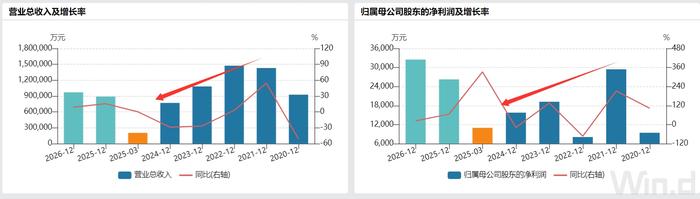
Core Viewpoint - The stablecoin market is entering a "carnival" phase, with significant legislative support and interest from both tech companies and traditional financial institutions, particularly focusing on Real World Asset (RWA) backed stablecoins [1] Group 1: Legislative and Market Developments - Hong Kong and the United States have passed stablecoin-related legislation, while the EU, Singapore, and the UK are incorporating stablecoins into their regulatory frameworks [1] - RWA stablecoins, which are backed by tangible assets, are seen as a more sustainable future direction compared to certain unbacked cryptocurrencies [1] Group 2: Company Actions and Investments - Zhejiang Wenlian (浙文互联) has increased its stake in Zhejiang Cultural Property Exchange (浙江文化产权交易所) from 9.5% to 12.37%, indicating a strategic move into the stablecoin sector [2] - The Zhejiang Cultural Property Exchange is recognized as a leading institution in China for cultural digital asset trading and is one of the few licensed entities for RWA digital assets [2] Group 3: Strategic Partnerships and Technological Advancements - A partnership was established between Zhejiang Cultural Property Exchange and Ant Group's Whale Exploration Technology, enabling interoperability between their digital asset platforms, which is crucial for future RWA transactions [3] - The integration of platforms is expected to enhance the visibility and trading volume of digital assets, positioning Zhejiang Wenlian favorably within the RWA ecosystem [3] Group 4: Financial Performance and Future Outlook - Zhejiang Wenlian reported a revenue of 7.703 billion yuan in 2024, a decline of 28.80% year-on-year, primarily due to a reduction in low-margin marketing activities [8] - The company's net profit also decreased by 17.92% to 158 million yuan, although the gross margin improved to 8.63%, reflecting a shift towards higher-quality business operations [8] - The company is exploring other growth avenues, including a focus on computing power leasing, but current contributions to revenue from this segment are minimal [9]

6月CPI同比上涨0.1%,广汽菲克公司宣告破产 | 财经日日评
吴晓波频道· 2025-07-09 15:40
Group 1: Economic Indicators - In June 2025, China's CPI rose by 0.1% year-on-year, with urban areas increasing by 0.1% and rural areas decreasing by 0.2% [1] - The PPI in June 2025 saw a year-on-year decline of 3.6%, indicating pressure on industrial profitability [2] - The overall CPI for the first half of the year decreased by 0.1% compared to the same period last year [1] Group 2: Real Estate Market - In Shenzhen, the supply of Grade A office buildings decreased by 35% year-on-year in the first half of 2025, with a total new supply of 235,000 square meters [3] - The vacancy rate for Grade A office buildings in Shenzhen rose to 27.8%, while average rent fell to 160.1 yuan per square meter, a 5.3% decrease from the end of last year [3] - The local government in Wuxi's Binhu District introduced housing purchase subsidies for participants of the Jiangsu Super League, aiming to stimulate the real estate market [5] Group 3: Automotive Industry - GAC Fiat Chrysler Automobiles announced its bankruptcy due to insurmountable operational challenges, including quality control issues and declining sales [6][7] - The company, established in 2010, faced significant challenges after its Jeep models were criticized for quality problems, leading to a sharp decline in sales post-2018 [6] Group 4: Financial Sector - Yilian Bank faced a controversy regarding the early redemption of a three-year deposit product, raising concerns among depositors about the bank's financial stability [9][10] - The bank has been struggling with high non-performing loan rates and a reliance on high-interest deposits, which has created operational pressures [10] Group 5: Market Trends - The MSCI Global Index reached a historical high, increasing by approximately 10% this year, driven by strong performances in European markets [12] - Despite global economic uncertainties, many stock markets have shown resilience, particularly in Europe, where the banking and defense sectors have led the gains [12]

鑫慷嘉平台被曝崩盘:当资金盘与稳定币挂钩,钱款快速跨境转移
news flash· 2025-07-09 15:31
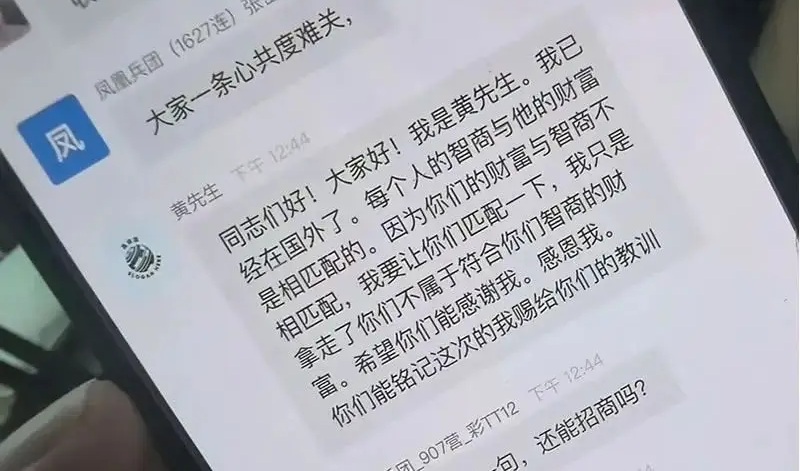
Core Viewpoint - The recent discussions in the newly formed "Xin Kang Jia" investor group highlight a controversial perspective on the relationship between intelligence and wealth, suggesting a mismatch that the speaker claims to address [1] Group 1 - The speaker, identified as Mr. Huang, asserts that individuals' intelligence is correlated with their wealth [1] - The message circulating among investors implies that the speaker has taken wealth that does not align with the intelligence of the individuals involved [1] - The speaker encourages gratitude from the investors for the lesson provided through this experience [1]
稳定币来到华强北?仅个别商户表态“试水”
2 1 Shi Ji Jing Ji Bao Dao· 2025-07-09 14:38
Core Viewpoint - The adoption of stablecoins for cross-border payments is still limited among merchants in key Chinese markets, with many expressing a lack of understanding and concerns about compliance and costs [1][2]. Group 1: Merchant Awareness and Usage - Most merchants in Yiwu and Shenzhen are unaware of stablecoins, with only a few expressing interest in using them for transactions [1][2]. - A small number of merchants indicated they might consider using stablecoins for international payments, but none reported having completed such transactions [2]. - Merchants primarily rely on traditional payment methods like cash and Alipay for foreign transactions, with one merchant mentioning a recent $30,000 transfer via Alipay [2]. Group 2: Stablecoin Characteristics and Market Dynamics - Stablecoins, such as USDT, are pegged to fiat currencies, providing a more stable alternative compared to other cryptocurrencies [1][4]. - The market for stablecoins has gained traction globally, particularly following legislative progress in the US and Hong Kong [1]. - The exchange process for stablecoins involves "U merchants" who facilitate the conversion between stablecoins and fiat currencies, often charging fees and setting minimum transaction amounts [3]. Group 3: Regulatory and Compliance Issues - The use of stablecoins for cross-border payments in China faces significant regulatory challenges, as current laws prohibit the use of virtual currencies for such transactions [4][5]. - Legal experts emphasize that while personal trading of virtual currencies may be permissible, using them for business transactions is fraught with compliance risks [5].
货币市场日报:7月9日
Xin Hua Cai Jing· 2025-07-09 14:02
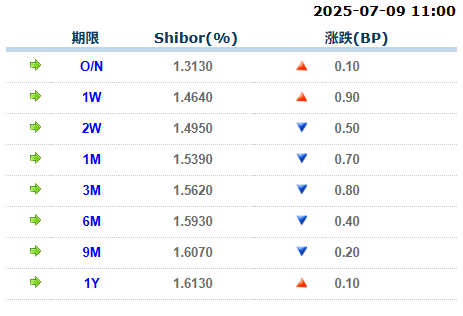
Group 1 - The People's Bank of China conducted a 755 billion yuan 7-day reverse repurchase operation on July 9, maintaining the operation rate at 1.40%, resulting in a net withdrawal of 230 billion yuan due to 985 billion yuan of reverse repos maturing on the same day [1] - The Shanghai Interbank Offered Rate (Shibor) showed slight fluctuations, with the overnight Shibor rising by 0.10 basis points to 1.3130%, and the 7-day Shibor increasing by 0.90 basis points to 1.4640%, while the 14-day Shibor decreased by 0.50 basis points to 1.4950% [1][2] Group 2 - In the interbank pledged repo market, short-term funding rates remained low, with slight increases in market prices. The weighted average rates for DR001 and R001 rose by 0.2 basis points and 0.6 basis points, respectively, to 1.3171% and 1.3761%, with transaction volumes decreasing by 45 billion yuan and 279.4 billion yuan [5] - The overall funding situation on July 9 was balanced, with overnight pledged rates for certificates of deposit trading around 1.48% to 1.50%, while 7-day pledged rates were around 1.48% to 1.50% [9] Group 3 - As of July 9, there were 80 interbank certificates of deposit issued, with an actual issuance volume of 463.5 billion yuan. The trading sentiment was generally light, with the 1-month government bond closing at approximately 1.52%, up 0.5 basis points from the previous day [10] - The 6-month government bond closed at around 1.595%, with strong buying sentiment for the 1-month maturity, while the 9-month bond traded at 1.6175%, indicating a slight upward adjustment in overall price levels [10]
号称日息2厘的平台被曝崩盘,操盘手称“我已在国外”!此前多地早已发出预警
第一财经· 2025-07-09 13:30
Core Viewpoint - The article discusses the fraudulent activities of the "Xinkangjia" investment platform, which has been identified as a Ponzi scheme combined with a multi-level marketing structure, leading to significant financial losses for investors [3][4][29]. Group 1: Overview of "Xinkangjia" - "Xinkangjia" platform was established in 2021, initially claiming to engage in oil spot trading and later shifting to derivatives trading, falsely associating itself with the Dubai Gold and Commodities Exchange (DGCX) [6][19]. - The platform attracted around 2 million investors with claims of high returns, reportedly involving approximately 13 billion yuan in total investments [3][4]. - DGCX has publicly denied any affiliation with "Xinkangjia," warning that the platform is unauthorized and operates without any legitimate partnership [8][9]. Group 2: Investment Structure and Operations - "Xinkangjia" employed a nine-level hierarchical structure to incentivize recruitment, with participants earning rewards for bringing in new members, creating a classic Ponzi scheme dynamic [13][19]. - The platform promised daily returns of 0.2% and used various promotional tactics, including offering luxury cars as incentives for high investments [20][19]. - Investors were required to purchase USDT (Tether) for transactions, complicating the process and leading many to transfer funds to higher-level members for conversion [22][30]. Group 3: Regulatory Environment and Risks - The Chinese government has previously banned virtual currency investments, and multiple warnings have been issued regarding the risks associated with platforms like "Xinkangjia" [23][24]. - Local authorities have identified "Xinkangjia" as a significant illegal fundraising risk, highlighting its use of high-return promises and multi-level marketing tactics [28][24]. - The article emphasizes the growing trend of such schemes leveraging stablecoins to bypass financial regulations, posing a threat to investors and the broader financial system [30][33].

鑫慷嘉平台被曝崩盘:当资金盘与稳定币挂钩,资金被快速跨境转移
Di Yi Cai Jing· 2025-07-09 12:28
Core Viewpoint - The "Xin Kang Jia" platform is suspected to be a Ponzi scheme combined with a multi-level marketing structure, leading to significant financial losses for investors, with estimates of around 13 billion yuan involved and approximately 2 million investors affected [3][19][24]. Group 1: Platform Structure and Operations - "Xin Kang Jia" was initially presented as a platform for oil and commodity trading, later claiming to engage in futures trading linked to the Dubai Gold and Commodities Exchange (DGCX), promising high returns of up to 0.2% daily [4][10]. - The platform utilized a nine-level hierarchical structure to incentivize recruitment, with varying rewards based on the number of direct referrals, creating a system that heavily relied on new investor contributions to pay returns to earlier investors [10][11]. - The platform's operations involved the use of stablecoins like USDT for transactions, complicating the process for new investors who often transferred funds to higher-level members for conversion, thus bypassing direct investment [15][16]. Group 2: Regulatory Warnings and Risks - Regulatory bodies had issued multiple warnings regarding the risks associated with "Xin Kang Jia," highlighting its illegal fundraising activities and the lack of legitimate investment projects [17][18][24]. - The DGCX publicly denied any affiliation with "Xin Kang Jia," emphasizing that the platform had no authorization to operate under its name, further indicating the fraudulent nature of the claims made by the platform [6][19]. - The rise of stablecoins has led to a resurgence of similar schemes, with many platforms adopting these digital currencies to evade financial regulations, posing significant risks to investors [20][24]. Group 3: Investor Experiences and Consequences - Many investors were lured into the scheme by promises of high returns and the belief that the investment was legitimate, often encouraged by friends or acquaintances [14][23]. - Once the platform collapsed, investors found themselves unable to withdraw their funds, leading to widespread panic and the dissolution of investor groups [14][22]. - The investigation revealed that the platform's associated company had a registered capital of 30 million yuan but had not actually contributed any capital, raising further red flags about its legitimacy [14].