中美贸易战

Search documents
洪灝:北水不断南下 港股下半年行情还有新高
智通财经网· 2025-08-12 07:17
Market Outlook - The Hong Kong stock market is expected to experience another wave of growth in the second half of the year, primarily driven by continuous inflows of northbound capital [1][2] - The Hong Kong market has shown over 20% growth this year, making it one of the best-performing major markets globally [1] - The IPO market in Hong Kong is thriving, with effective strategies for new listings attracting significant investor interest [1] Investment Opportunities - There are numerous investment opportunities in Hong Kong, particularly in sectors like innovative pharmaceuticals, which have seen a resurgence after a two-year lull [2] - The semiconductor sector and new consumption concepts, such as popular brands like Lao Pu Gold, Mixue Ice City, and Pop Mart, have also doubled in value this year [2] - For investors unsure about stock selection, investing in innovative pharmaceutical index ETFs could yield substantial returns, potentially doubling in six months [2] Economic Factors - The liquidity in Hong Kong is expected to remain robust, especially if the Federal Reserve lowers interest rates, prompting the Hong Kong Monetary Authority to follow suit [1][2] - Short-term macroeconomic factors are deemed less critical than liquidity for market performance, suggesting that even without positive fundamentals, the market can still rally [1][2] Comparative Market Analysis - While Hong Kong presents many opportunities, some sectors, such as infrastructure stocks and the Apple and Tesla supply chains, are performing well but are only accessible through the A-share market [3] - The current market dynamics differ from previous years, with a notable absence of severe overcapacity issues that characterized earlier supply-side reforms [3][4] - The ongoing price competition in downstream markets, driven by aggressive subsidy strategies from internet platforms, presents a unique challenge compared to past market conditions [4]
美国没招了,延长对华关税90天,财长承认:中国比前苏联更难对付
Sou Hu Cai Jing· 2025-08-12 05:11
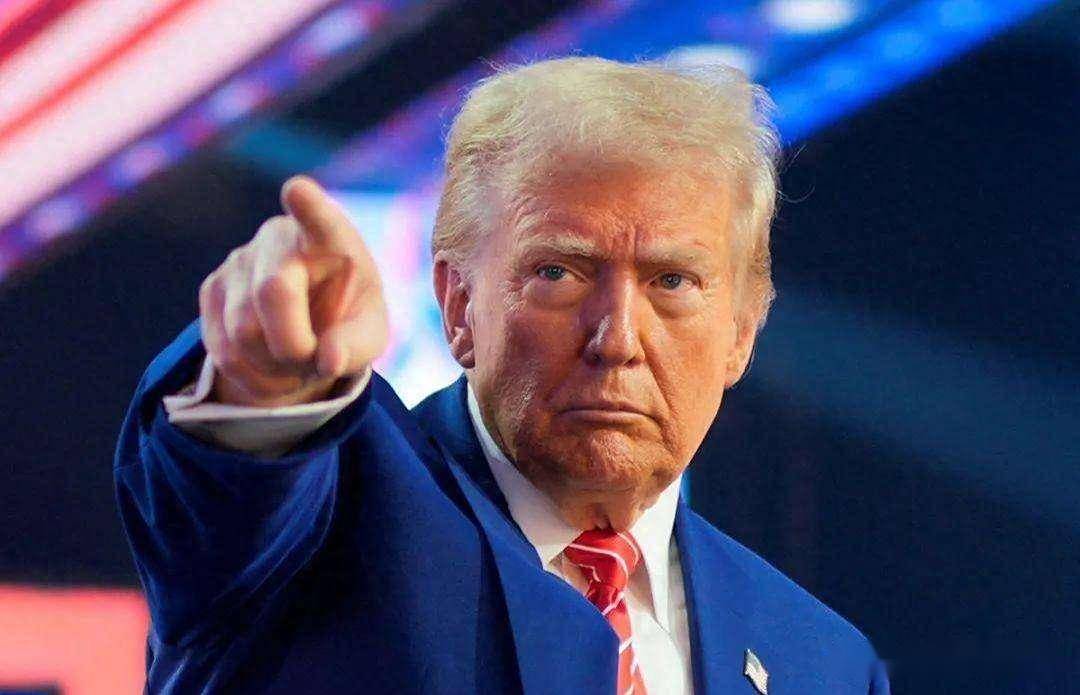
在中美瑞典经贸谈判15天后,使出各种手段都没能达成目的的美国总统特朗普,在社交媒体上公开表示,将继续延长90天的对华关税豁免,至11月10日,期 间双方继续维持对等10%的关税区间。 从现阶段美国经济形势来看,选择暂停对抗,是特朗普所能作出的最合适选择,因为在关税战打了4个月后,关税成本正在加快向美国国内市场传导,美国 400个行业当中有50%开始发生裁员现象,二季度居民消费能力出现下滑,这不是一个好兆头。 与此同时,中国非但没有像特朗普所预想的那样,在经贸关税问题上松口,反而继续保持强硬态度,并且持续收紧稀土管控,与其他经济体强化合作,强化 应对关税战韧性,这使得美国的贸易威胁措施,难以取得应有目的。 而就在中美继续确认暂停关税加征90天之时,参与经贸谈判的美国财政部长贝森特说了一句大实话,承认中国是他见过最难缠的对手。 贝森特接受日经新闻采访时表示,尽管过去的美国在经济上,有来自盟友的挑战,在军事上,有来自苏联的挑战,但中国的出现是一个全新的对手,她既有 超强的军事能力,也有足够大的经济能力,而且和美国不是一条心,还想产业升级挑战美国地位,这是最棘手、最难缠的问题。 就在白宫被迫继续延期之际,美国专家给出 ...

稀土这张王牌现在打出来,才知道中国的高明和伟大
Sou Hu Cai Jing· 2025-08-11 00:38
Group 1 - The EU demands that China must loosen its control over rare earth elements, indicating a significant geopolitical shift in trade dynamics [1] - The U.S. is willing to lift export restrictions on H20 computing chips, EDA design software, and C919 engines in exchange for rare earth supplies from China, highlighting the strategic importance of these materials [1] - The ongoing U.S.-China trade war has led to a temporary 90-day extension of tariffs, with rare earths being a pivotal factor in negotiations [1] Group 2 - Rare earth elements are described as "industrial vitamins," essential for advanced technologies such as the F-35 fighter jet, semiconductor chips, electric vehicles, and robotics, underscoring their critical role in modern industry [2] - The U.S. automotive, military, and AI sectors are increasingly anxious about potential supply disruptions of rare earths, which could lead to production line failures [2] Group 3 - China holds a dominant position in the global rare earth market, controlling 70% of the resources and 90% of processing capacity and refining technology, a result of decades of strategic planning [3] - The trade war has placed Western countries in a difficult position, as rebuilding a complete supply chain for rare earths could take 5 to 10 years [3] - China's long-term strategy of supplying rare earths at low prices has allowed it to establish a monopoly, which is now being leveraged in the current geopolitical climate [3]

谁才是印度的真正靠山?夏尔马称不是俄罗斯,特朗普准备惩罚中国
Sou Hu Cai Jing· 2025-08-10 06:30
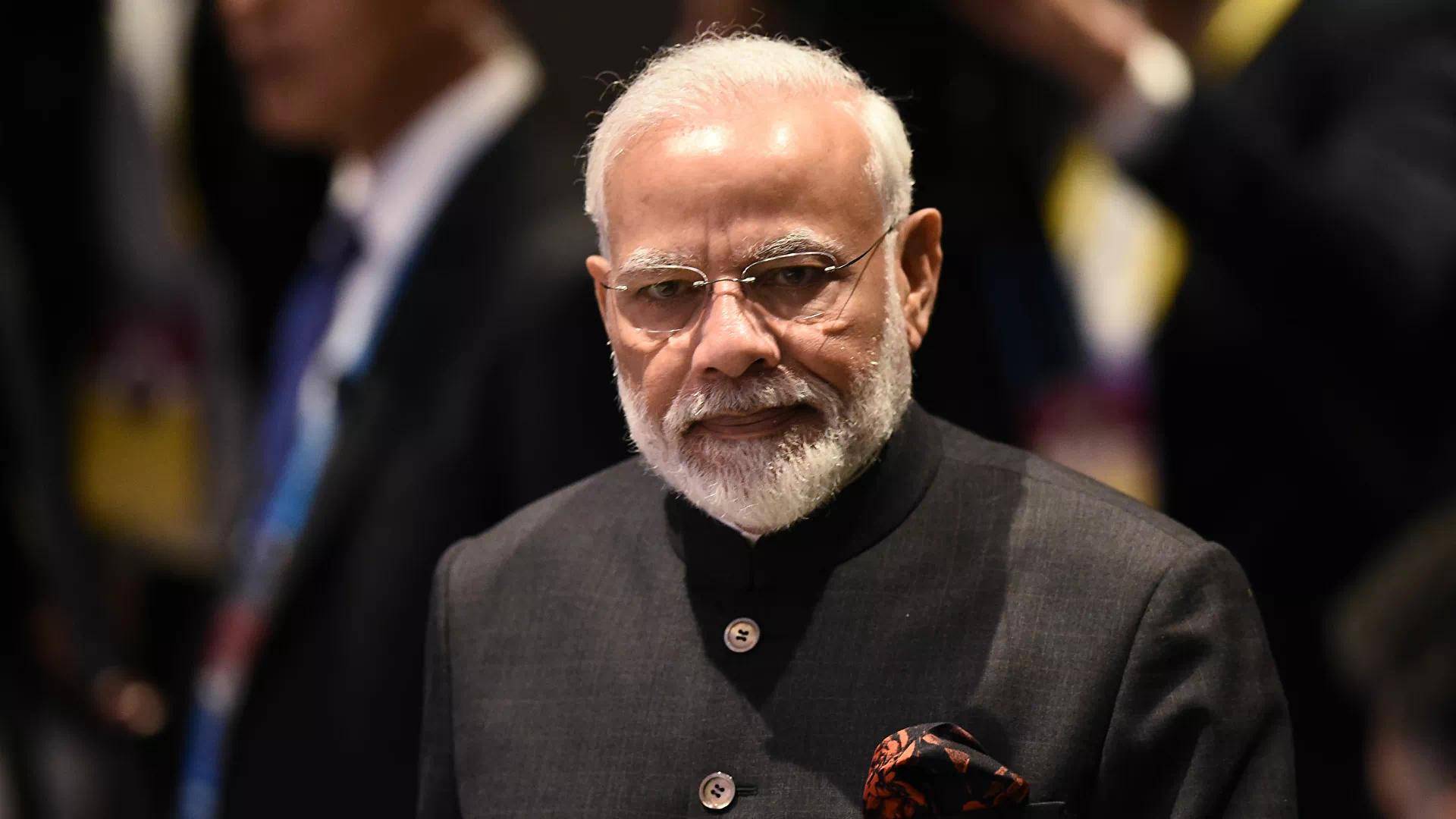
Core Points - Trump recently announced a tariff increase of up to 25% on India, leading to a cumulative tariff rate of 50% on Indian products exported to the U.S. [1] - India is facing pressure to respond to the U.S. tariffs while also mitigating the economic impact of these tariffs [1] Group 1: India's Response - The Indian government issued a strong protest through diplomatic channels, criticizing the U.S. for its double standards regarding energy imports from Russia [3] - India has decided to continue sending officials to Russia to express its opposition to Trump's tariff policy, although it has already reduced its oil imports from Russia [5] - Some Indian economists suggest that India should look to strengthen ties with China as a strategic partner in response to U.S. tariffs, despite ongoing border disputes [6] Group 2: Strategic Considerations - Prime Minister Modi is at a critical juncture, needing to recognize that India's true strength should come from within rather than relying on external powers [8] - The current international landscape requires India to reassess its position and develop a strategy that protects its interests while allowing for steady development on the global stage [8] - Observing China's response to U.S. threats may provide India with insights on how to navigate complex international relations [8]
中国企业出海,先读日本的 “学费清单”
吴晓波频道· 2025-08-07 00:29
Group 1 - The article discusses the similarities and differences between Chinese and Japanese companies in their overseas expansion efforts, highlighting Japan's extensive experience in this area [4][10]. - Japan's overseas net assets reached $3.36 trillion in 2023, equivalent to 80% of its domestic GDP, showcasing the significant impact of overseas investments on its economy [2][11]. - The Japanese government has established a comprehensive support system for overseas investments, particularly benefiting small and medium-sized enterprises (SMEs) [15]. Group 2 - The article outlines the stages of Japanese companies' overseas expansion, starting from limited overseas investments before 1980 to a more aggressive approach post-1985 due to the appreciation of the yen and the search for new growth opportunities [4][6]. - The ongoing China-U.S. trade war presents challenges for Chinese companies, with potential outcomes including increased imports from China or direct investments in the U.S., though these options face significant hurdles [9]. - The concept of creating a "shadow China" abroad, similar to Japan's overseas presence, is discussed, emphasizing that achieving similar overseas returns would require substantial annual investments [10][14]. Group 3 - Japanese companies faced challenges in internationalization, particularly in talent acquisition, which they addressed through gradual internal development and learning from experiences [15][16]. - The article emphasizes the importance of respecting local markets and cultures when entering foreign markets, as demonstrated by Japanese companies successfully localizing production in the U.S. [16]. - There is a willingness among Japanese companies to collaborate with Chinese firms in overseas ventures, viewing it as a new growth opportunity [18].

这次,鲍威尔真坐不住了
Hu Xiu· 2025-08-06 10:35
Core Viewpoint - The Federal Reserve is signaling a potential interest rate cut due to a weakening labor market and persistent inflation pressures, leading to a consensus in the market for a rate reduction [1][2][3]. Group 1: Economic Indicators - The core PCE inflation rate in June was 2.8%, indicating persistent inflation challenges [1]. - The July non-farm payroll report showed only 73,000 new jobs, significantly below the expected 110,000, with the unemployment rate rising to 4.2% [4]. - Revisions to previous months' job data revealed a total downward adjustment of 258,000 jobs, raising concerns about the labor market's health [4][5]. Group 2: Federal Reserve's Stance - Federal Reserve officials, including Bowman and Waller, have publicly supported a more proactive approach to rate cuts, citing the need to address a weakening job market [2][6]. - The probability of a rate cut in September has surged from 37% to over 75%, with some institutions predicting a cut of up to 50 basis points if unemployment rises [2][6]. Group 3: Market Reactions - The market has shifted from a wait-and-see approach to betting on rate cuts, with a consensus forming around the likelihood of a reduction [3][6]. - Major financial institutions like Goldman Sachs and Citigroup anticipate multiple rate cuts, potentially lowering the federal funds rate to a range of 3% to 3.25% [6]. Group 4: Implications for Domestic Markets - A potential rate cut by the Federal Reserve could provide some monetary policy flexibility for domestic markets, particularly in China, where the current interest rate differential with the U.S. is significant [8][10]. - The anticipated easing of U.S. monetary policy may enhance liquidity in global markets, potentially benefiting domestic capital markets [8][10].
让中国妥协没能成功,36万亿美债填不上,美决定“弄死”大债主!
Sou Hu Cai Jing· 2025-08-06 06:25
Group 1 - The United States is currently burdened by a staggering $36 trillion debt, which is 150% of its annual GDP, significantly exceeding the international warning line of 90% [1][9] - The U.S. government has been heavily reliant on issuing treasury bonds to manage its debt, with the Federal Reserve holding nearly one-fifth of the national debt [5][10] - The debt crisis has roots tracing back to post-World War II fiscal policies, where the U.S. leveraged the dollar's global dominance to engage in extensive fiscal expansion [10][12] Group 2 - Trump's attempts to address the debt crisis through various measures, including increasing tariffs and seeking funds from Ukraine, have largely failed and led to heightened global trade tensions [14][17] - The trade war initiated by Trump has not only failed to reduce the trade deficit as promised but has also complicated global supply chains, increasing costs for U.S. businesses and consumers [20][23] - In contrast, China has strengthened its economic position and technological capabilities in response to U.S. pressure, indicating a shift towards a more multipolar global order [23][25][27]
中方反制有效,特朗普变招,美财长改变对华称呼,美取消12项制裁
Sou Hu Cai Jing· 2025-08-03 10:31
Group 1 - The recent shift in the Trump administration's attitude towards China has been rapid and surprising, with strong warnings issued by Treasury Secretary Mnuchin regarding potential tariffs and consequences for purchasing oil from Russia [1] - China has responded assertively to the U.S. provocations, including a meeting with Nvidia to address security concerns related to chip sales [1] - The Chinese government has consistently opposed the imposition of tariffs, emphasizing that trade wars have no winners and that protectionism harms all parties involved [3] Group 2 - Following the unsuccessful trade talks on July 29, Mnuchin initially adopted a hardline stance but later expressed optimism about reaching a mutually beneficial agreement, indicating a shift in the U.S. approach [5][7] - The Trump administration's strategy appears to be one of observation and avoidance of direct conflict with China, with expectations of a potential agreement by August 12 [9] - The administration faces challenges from the Federal Reserve's policies, as Trump pressures for interest rate cuts to address rising debt issues, which could impact the financial dynamics between the U.S. and China [11]
特朗普公布全球关税,两大诡异之处,证明:他准备跟中国硬碰硬了
Sou Hu Cai Jing· 2025-08-02 00:57
Group 1 - The core point of the article is that Trump's new global tariff strategy appears to be a tactical move to confront China indirectly by favoring countries like Pakistan and Brazil, which may indicate a preparation for a more aggressive stance against China [1][4][16] - The absence of China from the new tariff list is surprising, given the history of the US-China trade war initiated by Trump, suggesting a shift in strategy [3][4] - The treatment of Pakistan and Brazil in the tariff list reveals Trump's intention to create strategic divisions in South Asia and weaken the BRICS alliance, aiming to isolate China [6][11][14] Group 2 - The US's approach to Brazil, where the tariff rate was significantly lower than previously threatened, indicates a calculated strategy to avoid mutual economic damage while attempting to disrupt the BRICS unity [11][13] - Trump's actions suggest a broader strategy of undermining China's global partnerships by applying pressure on neighboring countries and key allies, preparing for a potential escalation in trade tensions with China [16][18] - The article highlights that China is already anticipating these moves and is strengthening its economic ties with other regions to mitigate the impact of potential decoupling from the US [19][20]
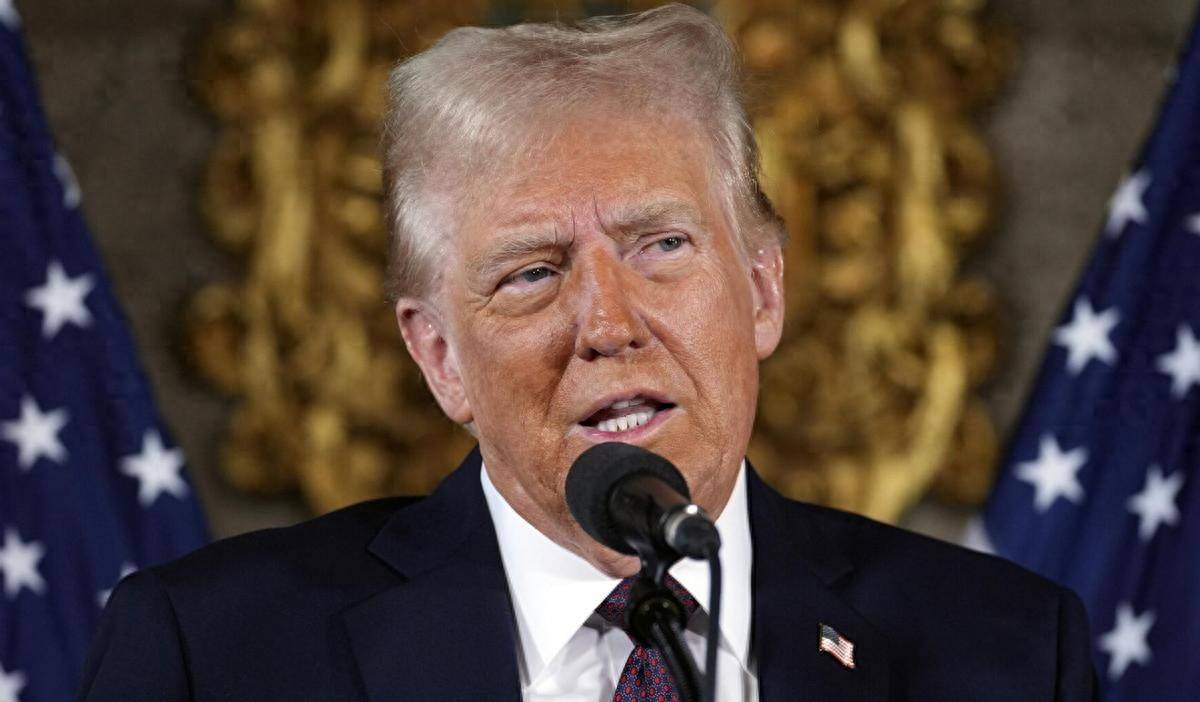
港口大甩卖遭卡壳,李嘉诚急邀大陆入伙,中美两边都不想得罪
Sou Hu Cai Jing· 2025-08-01 00:44
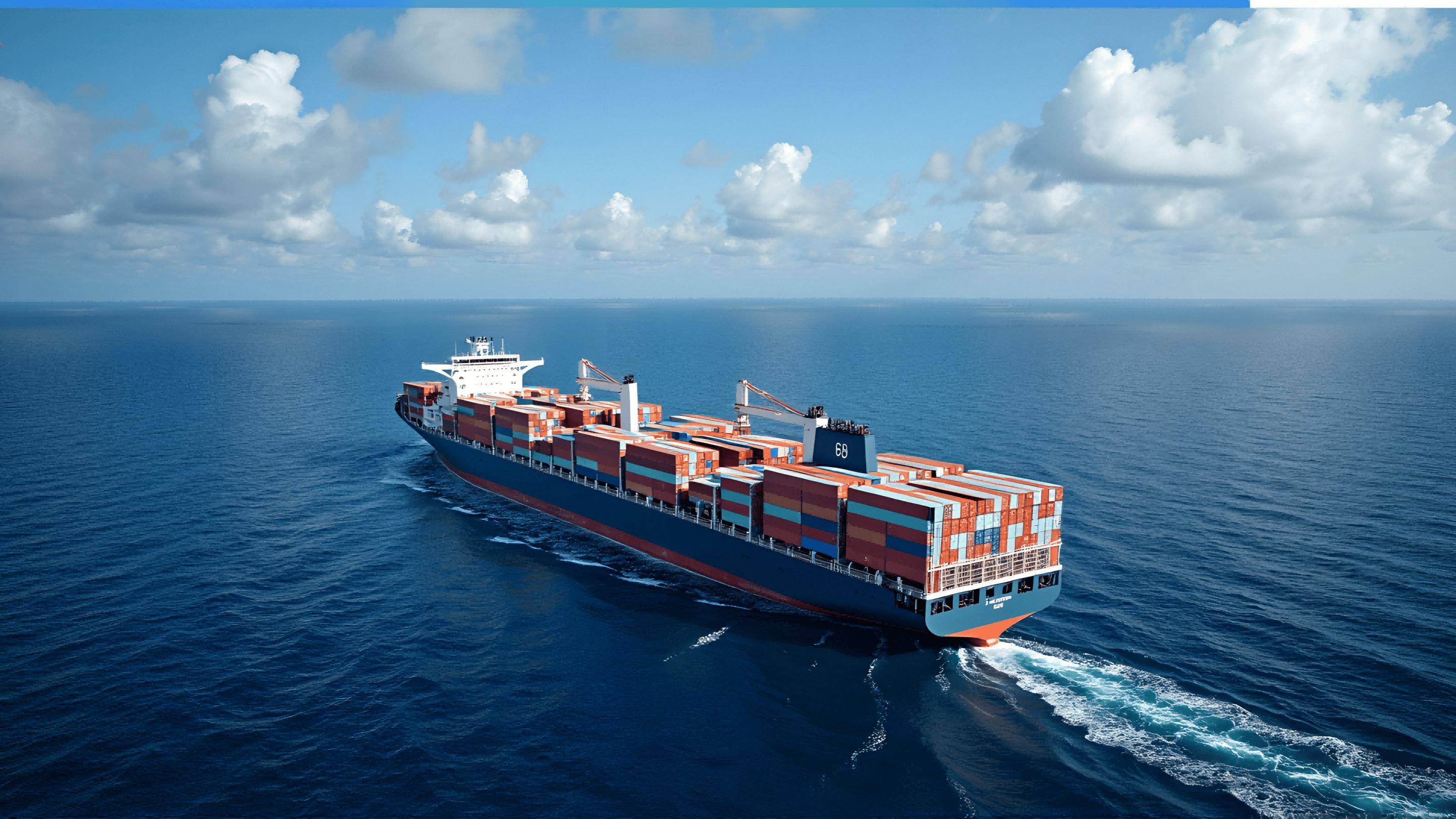
Core Viewpoint - The sale of strategically significant ports along the Panama Canal by CK Hutchison Holdings has sparked controversy amid escalating US-China trade tensions, leading to regulatory challenges that halted the transaction [1][6]. Group 1: Transaction Details - CK Hutchison announced plans to invite major strategic investors from mainland China to join the consortium for the port acquisition, aiming to secure regulatory approvals [3]. - China COSCO Shipping expressed interest in acquiring the ports and sought equal shareholder status, veto rights on key operational decisions, and profit-sharing arrangements [3][4]. - The ports are critical for international trade, and COSCO's demands reflect both commercial interests and national strategic considerations [3][4]. Group 2: Strategic Implications - The ports' location makes them a focal point in the US-China rivalry, and gaining veto rights would allow COSCO to influence operations and mitigate US dominance [4]. - CK Hutchison's decision to involve Chinese investors aims to balance interests and reduce political risks associated with the sale [7]. - The sale is part of CK Hutchison's strategic shift away from heavy asset holdings towards investments in technology and renewable energy, with an expected cash inflow of $19 billion [9]. Group 3: Financial Considerations - The anticipated cash from the port sale would alleviate debt pressures and provide funding for new ventures in technology and renewable energy [9]. - CK Hutchison has been divesting from real estate projects to free up capital for future investments, indicating a broader strategic realignment [9].