情绪价值

Search documents
从质疑声到三成复购率 踩中年轻人的“烟火刚需”
Bei Jing Shang Bao· 2025-12-15 15:49
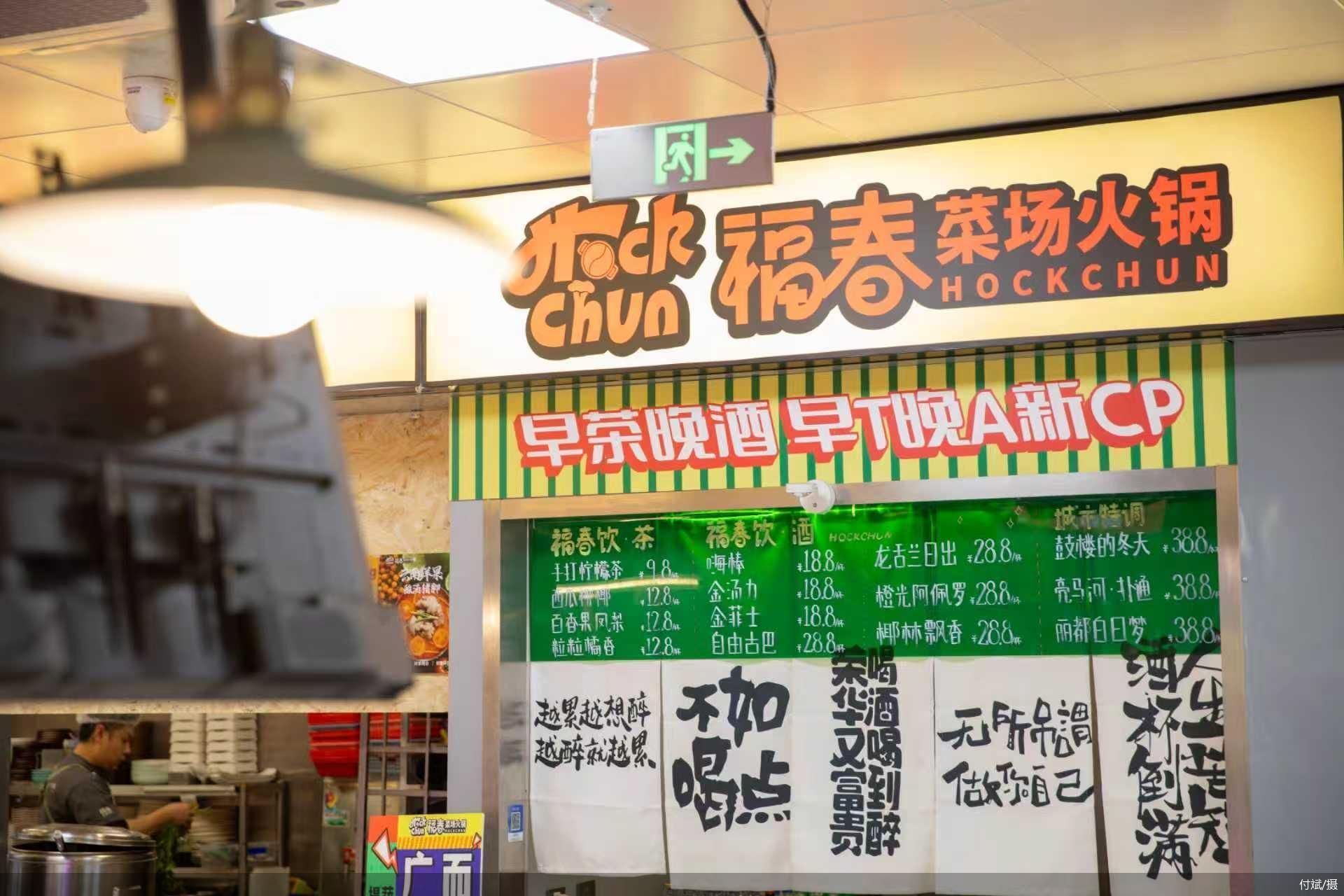
提及福春,消费者的第一印象几乎都是能自己拿着采购的菜篮子。"客人到店先领菜篮子,然后去菜场 里自行采购海鲜、蔬菜,只要菜场有的,都能买了带过来。"蔡竺呈介绍,门店对客人自购的食材提供 免费清洗服务,若是海鲜处理等复杂加工,仅收取适当加工费,锅底、肉类则需在店内消费,同时店内 也提供一些特色菜品。 在社交平台上,消费者晒出的"福春打卡照",几乎都是"菜篮子+菜场食材+火锅"的组合。有消费者提着 篮子在海鲜摊前拍照,有消费者展示自己选的火锅"隐藏食材",还有消费者记录"从挑菜到涮锅"的全过 程。这种模式成为对福春最直观的认知标签,而其背后也精准击中了当下消费者的两大诉求。蔡竺呈表 示,福春这种模式一是让消费者对"新鲜"的极致信任,自己挑的海鲜活蹦乱跳,蔬菜带着泥土气息;二 是对"体验感"的追求,提着菜篮子逛菜场,互动感远超常规火锅店。 众所周知,蔬菜和海鲜是火锅店中毛利较高的菜品,蔡竺呈却主动放弃餐饮人眼中的利润"核心","按 餐饮人的利润规划,这种做法完全反逻辑。"蔡竺呈不止一次听到这样的质疑。 菜市场火锅、菜市场咖啡……过去一年,"菜场系"餐饮频繁涌现,福春菜场火锅(以下简称"福春")创始 人蔡竺呈则将首家火 ...
杀疯了!「战斗天使」vivo S50 把旗舰体验打下来
凤凰网财经· 2025-12-15 14:11
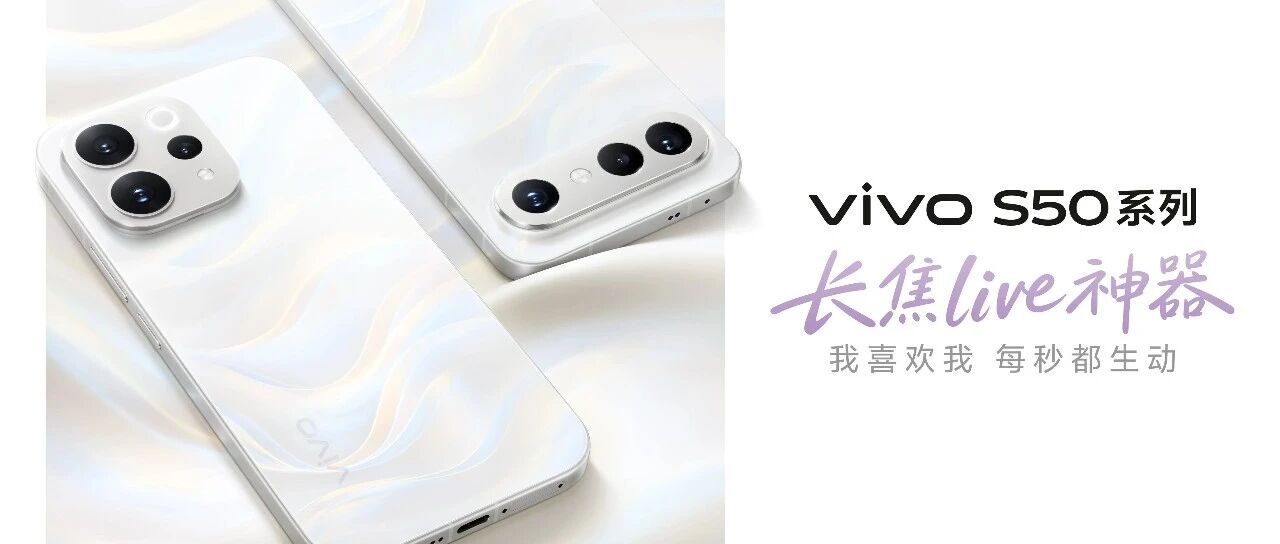
Core Viewpoint - The essence of the article is that in the increasingly competitive smartphone industry, the true moat for brands lies not in technical specifications but in understanding and connecting with the emotional needs of users [2] Group 1: Vivo S Series Success - The Vivo S series stands out in a saturated mid-to-high-end smartphone market by focusing on emotional connection rather than just hardware specifications [3][4] - The series has successfully tapped into the core demands of the digital age, transforming smartphones from mere efficiency tools into essential social instruments that carry emotional weight [5][6][7] - Vivo S series products are designed to transcend industrial products, becoming cultural symbols that resonate with users [10][11] - The evolution of the imaging system in the S series reflects a shift from merely capturing images to conveying emotions and stories, enhancing user social expression [12][13][14] - The brand has built a strong trust relationship with users through interactive and co-creative experiences, fostering loyalty based on emotional recognition rather than short-term marketing tactics [15][16][17] Group 2: Technological Advancements - The recent S50 series exemplifies Vivo's ambition to democratize flagship experiences, breaking down barriers between price and performance in the mid-to-high-end market [22][23] - The S50 series features flagship-level specifications, including a 50MP Sony periscope lens and advanced imaging capabilities, setting a new benchmark for mid-range smartphones [25][28] - The introduction of user-friendly features like "natural portrait blur" and "emotional filters" caters to the current demand for authenticity and aesthetic appeal among young users [30][31] - The S50 series is powered by the Qualcomm Snapdragon 8 series flagship chip, establishing a new standard for performance in mid-range devices [37] - Vivo's commitment to user experience is evident in the implementation of advanced features like "wet hand ultrasonic fingerprint 2.0," addressing common user pain points [39][40] Group 3: Long-term Strategy - Vivo S series prioritizes long-term relationships with users over quick profits, aiming to be a growth partner for young consumers rather than just a smartphone seller [45][46] - The brand's iterative approach is driven by understanding and responding to the evolving needs of young users, ensuring that products remain relevant and valuable [49][50][51] - The S series has transformed from a mere brand into a companion for young people's growth, fostering organic word-of-mouth marketing through genuine user engagement [55][56] - As the Z generation continues to grow, the S series is expected to evolve alongside them, focusing on innovation and emotional connection rather than just hardware specifications [57][58]

从2025十大网络流行语读懂时代脉搏
Bei Jing Qing Nian Bao· 2025-12-15 13:29
而"情绪价值"的广泛应用,则构成了年轻人的心理缓冲带。面对职场压力、学业焦虑,他们用轻松 语言化解内耗,用情感共鸣抵御孤独,为自己搭建"心灵庇护所"。 从个体心境延伸至社会图景,流行语更展现社会创新的多元活力。"村咖"的出圈,远不止"乡村+咖 啡"的简单业态混搭。在浙江安吉的"村咖"里,老竹椅配手冲咖啡,山景落地窗搭文创产品,既满足城 市人的田园向往,又让村民通过经营增收,折射出乡村振兴的新可能。同样具有创新意义的还有"浪浪 山小妖怪",这部登顶中国二维动画票房冠军的作品,以中式美学讲中国故事,证明了传统文化与现代 叙事的融合力量。从乡村消费到文化创作,这些热词记录的是中国社会在转型中迸发的无限活力。 日前,国家语言资源监测与研究中心发布2025年度十大网络流行语。"DeepSeek(深度求索)"的科 技锐度、"敬自己一杯"的生活温情、"助我破鼎"的奋斗姿态、"村咖"的田园诗意,这些鲜活词条精准勾 勒出智能时代变革、个体生存图景与社会发展逻辑,让我们在语言的肌理中触摸时代脉搏。 科技浪潮的印记在流行语中清晰可辨。"DeepSeek(深度求索)"能从众多科技词汇中脱颖而出,不 仅因其是中国本土大模型标杆,更在于 ...
从质疑声到30%复购 福春菜场火锅创始人:踩中年轻人的“烟火刚需”
Bei Jing Shang Bao· 2025-12-15 12:22
Core Insights - The Chinese catering market is entering a phase of deep stock competition with a scale of 5 trillion yuan by 2025, featuring 8 million stores and a steady increase in chain rate to 24%, while per capita consumption has decreased to a rational level, emphasizing "value for money" and a revival of "smoky atmosphere" as the industry's dual characteristics [1] Group 1: Market Trends - The rise of "market-style" dining, such as market hot pot and market coffee, has been notable, with Fuchun Market Hot Pot being the first to introduce hot pot into a Beijing market [1][4] - The shift in consumer demographics shows a transition from older customers to a younger audience, with the proportion of young customers aged 25-35 increasing to 60% by the end of 2025 [7] Group 2: Business Model - Fuchun's unique model allows customers to select their own seafood and vegetables, which has led to a 30%-40% repurchase rate, highlighting the importance of consumer experience and trust in freshness [4][7] - The decision to forgo high-margin dishes like seafood and vegetables is seen as counterintuitive, yet it has proven effective in attracting customers [4][5] Group 3: Cost Advantages - Operating in a market setting provides significant cost advantages, with rent savings estimated at one-third or more compared to commercial areas, allowing for innovative business models [5] - The model reduces food waste to nearly zero and saves over 30% in labor costs by having customers directly select ingredients [5] Group 4: Consumer Experience - The experience of selecting ingredients in a market setting has become a key differentiator, appealing to consumers' desire for both freshness and engagement [4][11] - The trend reflects a broader shift in dining consumption, where emotional value and unique experiences are prioritized over traditional brand loyalty [11][12] Group 5: Challenges and Opportunities - Despite its success, Fuchun faces challenges such as noise and odors in market environments, which have led to some negative feedback [8] - The model has positively impacted surrounding market vendors, increasing their sales as customers purchase additional items like snacks and side dishes [9] Group 6: Future Prospects - Fuchun's success is attributed not just to the "hot pot + market" concept but to a deeper understanding of consumer needs for a "smoky atmosphere" [12][13] - The potential for replicating the market dining model is seen as limited due to challenges related to food safety and compliance, despite the high demand for such experiences [13][14]
“消费平权”时代来临:中小品牌如何利用“情绪价值”对抗巨头?
Sou Hu Cai Jing· 2025-12-15 10:09
Core Insights - The article discusses the shift in consumer decision-making from price and brand premium to emotional value, highlighting the emergence of a "consumption equality" era where small brands can compete with large brands through emotional connections rather than scale or marketing budgets [2][12] Group 1: Emotional Value as a Competitive Advantage - The inefficiencies of emotional expression in large brands stem from standardized processes that suppress emotional warmth, the need for a consistent global image that limits deep emotional communication, and lengthy decision-making chains that hinder quick responses to emerging emotional needs [3] - Small brands possess emotional advantages such as having founders as the brand's soul, allowing for authentic stories and values to be infused into products, and the ability to quickly capture and respond to social emotional changes [3][4] - Community building is a natural trait for small brands, enabling them to create high-engagement user communities where consumers become co-creators [3] Group 2: Four Core Emotional Value Tracks - Track 1: Healing Emotional Value - Brands like Guansha provide a "shelter" for weary souls, addressing modern issues like information overload and social pressure through product design that incorporates emotional experiences [4] - Track 2: Identity Expression Emotional Value - Brands such as Bosie allow consumers to express their identity through purchases, emphasizing clear values and community involvement in brand building [5] - Track 3: Rebellious Emotional Value - Brands like Three Dots Half challenge traditional norms, appealing to consumers' desires to break conventions and express individuality [6] - Track 4: Belonging Emotional Value - Brands like Jike create communities that foster deep connections in a fragmented world, shifting from product sales to community building [7] Group 3: Building an Emotional Value System - Step 1: Identify emotional positioning by exploring unmet emotional needs of target users and recognizing emotional "cold zones" in existing products [8] - Step 2: Infuse emotional design into products, enhancing naming, unboxing experiences, and user interactions to create emotional touchpoints [9] - Step 3: Translate content into emotional expressions rather than just selling points, focusing on user emotions and experiences [10] - Step 4: Operate emotional communities by fostering interactions, sharing user stories, and involving users in brand decisions [10] - Step 5: Create emotional closure in experiences post-purchase, ensuring meaningful interactions at key moments [10] Group 4: Common Pitfalls in Emotional Value Creation - Pitfall 1: False empathy through superficial marketing that lacks genuine insights into user emotions [10] - Pitfall 2: Emotional overload that can lead to user fatigue by overwhelming them with constant emotional stimuli [10] - Pitfall 3: Value dissonance where brands fail to align their messaging with their actions, undermining trust [10] Group 5: Key Metrics for Evaluating Emotional Value - Emotional Share Rate (ESR) measures the percentage of users who actively share their experiences, with a healthy benchmark above 25% [10] - Story Recount Rate (SSR) assesses how often users repeat brand stories, indicating the effectiveness of emotional memory [10] - Emotional Premium Acceptance (EPA) evaluates the willingness of users to pay a premium compared to similar products, tracked through A/B testing [10]

商场运营,就该带点孩子气
3 6 Ke· 2025-12-15 02:55
Core Insights - The article emphasizes the importance of incorporating a childlike approach in retail operations to enhance customer engagement and emotional connection, contrasting it with the cold, data-driven adult approach that often overlooks consumer emotions [1][32]. Group 1: Current Retail Operations - Adult-style operations prioritize efficiency and risk management, leading to a standardized and impersonal shopping experience that lacks warmth and connection [2][4]. - Many retail spaces focus on data-driven decisions without considering the actual experiences and emotions of customers, resulting in a disconnect between offerings and consumer needs [3][5]. - Standardized communication often creates barriers between staff and customers, making interactions feel robotic rather than genuine [6][5]. Group 2: Childlike Operations - A childlike approach in retail is about fostering curiosity, playfulness, and empathy, which can lead to more meaningful customer interactions and experiences [7][32]. - Encouraging teams to ask deeper questions about customer needs can transform operations from mere imitation to genuine understanding [9][11]. - Retailers should embrace small-scale experiments that allow for trial and error, fostering innovation without the fear of failure [12][14]. Group 3: Emotional Engagement - Understanding and responding to unspoken customer emotions is crucial for creating a welcoming retail environment [15][19]. - Retailers that adapt their offerings based on customer feedback and emotional cues can enhance customer loyalty and satisfaction [17][19]. Group 4: Implementation Strategies - Companies should seek passionate individuals who bring enthusiasm and curiosity to their roles, rather than just experience [21][22]. - Reducing unnecessary work hours can help employees maintain their creativity and emotional awareness, leading to better customer engagement [22][23]. - Collaborating with consumers and local organizations can generate fresh ideas and enhance community involvement in retail spaces [24][25]. Group 5: Organizational Change - Simple mechanisms can be introduced to encourage a childlike spirit within teams, such as brainstorming sessions and cross-departmental experiences [26][27]. - Reducing the emphasis on strict KPIs can foster a culture of innovation and experimentation, allowing teams to focus on customer experience rather than just metrics [28][29]. Conclusion - The best retail environments balance operational efficiency with emotional engagement, creating spaces that resonate with customers and foster loyalty [32][33].
从“打卡式旅游”到“沉浸式消费” 情绪、技术与IP正在重塑文旅消费新生态
Mei Ri Jing Ji Xin Wen· 2025-12-14 12:59
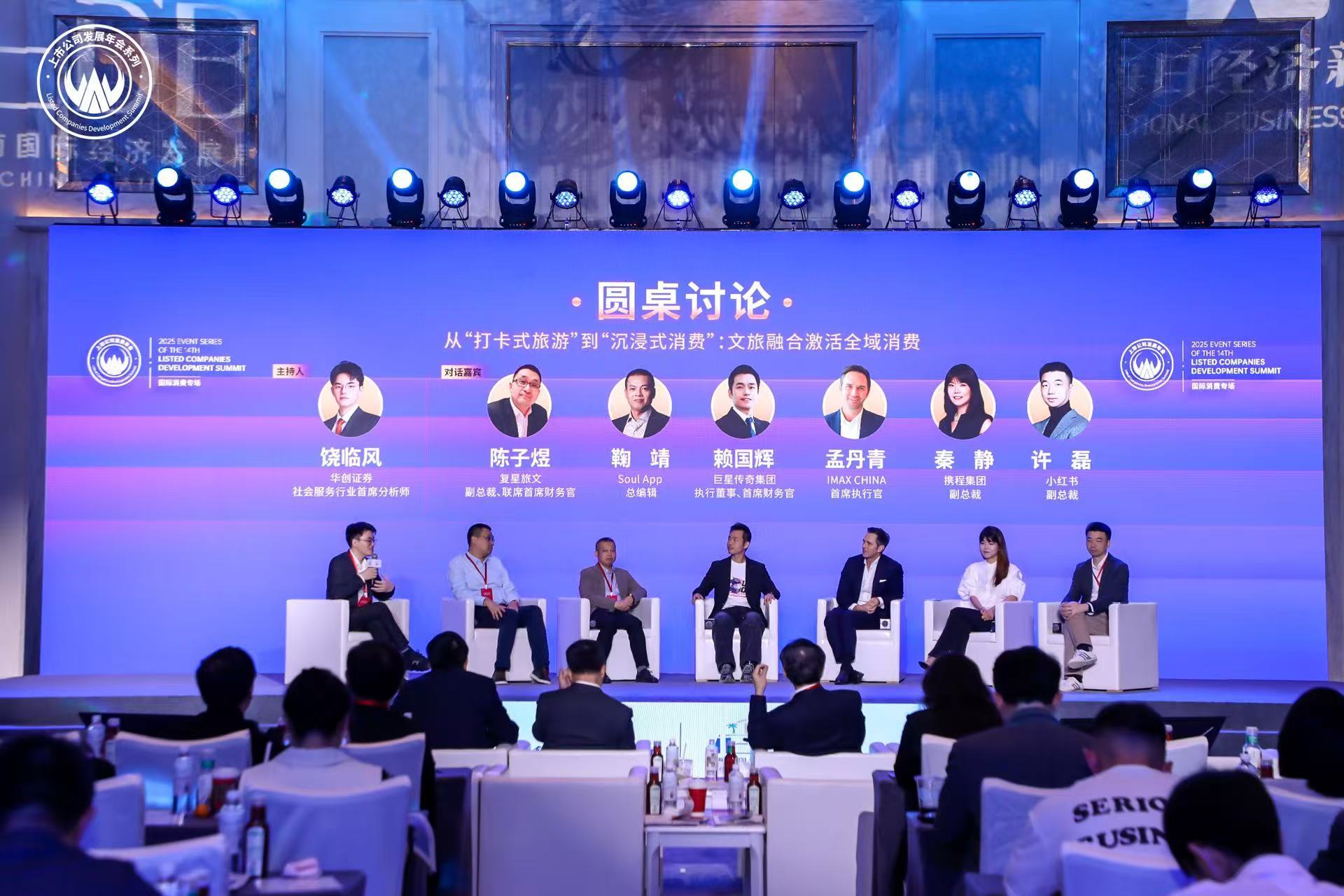
Group 1 - The core viewpoint of the articles highlights a significant transformation in the cultural and tourism consumption landscape, shifting from mere sightseeing to immersive experiences that create emotional connections and lasting memories [1][2][3] - The rise of emotional value is identified as a key driver in the consumption patterns of Generation Z, moving from temporary gratification to a sustained pursuit of immersion, presence, and healing [2] - Data indicates a strong market willingness to pay for immersive experiences, with a 7.2% increase in users staying two days or more in one location and a 300% year-on-year surge in searches for immersive entertainment projects [2] Group 2 - The demand for immersive experiences is pushing supply upgrades, with technology and intellectual property (IP) becoming essential pillars in creating these experiences [3] - Companies like IMAX are focusing on transforming static culture into dynamic experiences, enhancing audience engagement through storytelling that creates lasting memories [3] - The integration of local culture, outdoor activities, and high-quality services is becoming mainstream, as seen in the offerings of companies like Fosun Tourism, which have increased average visitor stay from approximately 1 day to 2.5 days [4]
10元真金,年轻人搓堆儿买
Sou Hu Cai Jing· 2025-12-14 11:37
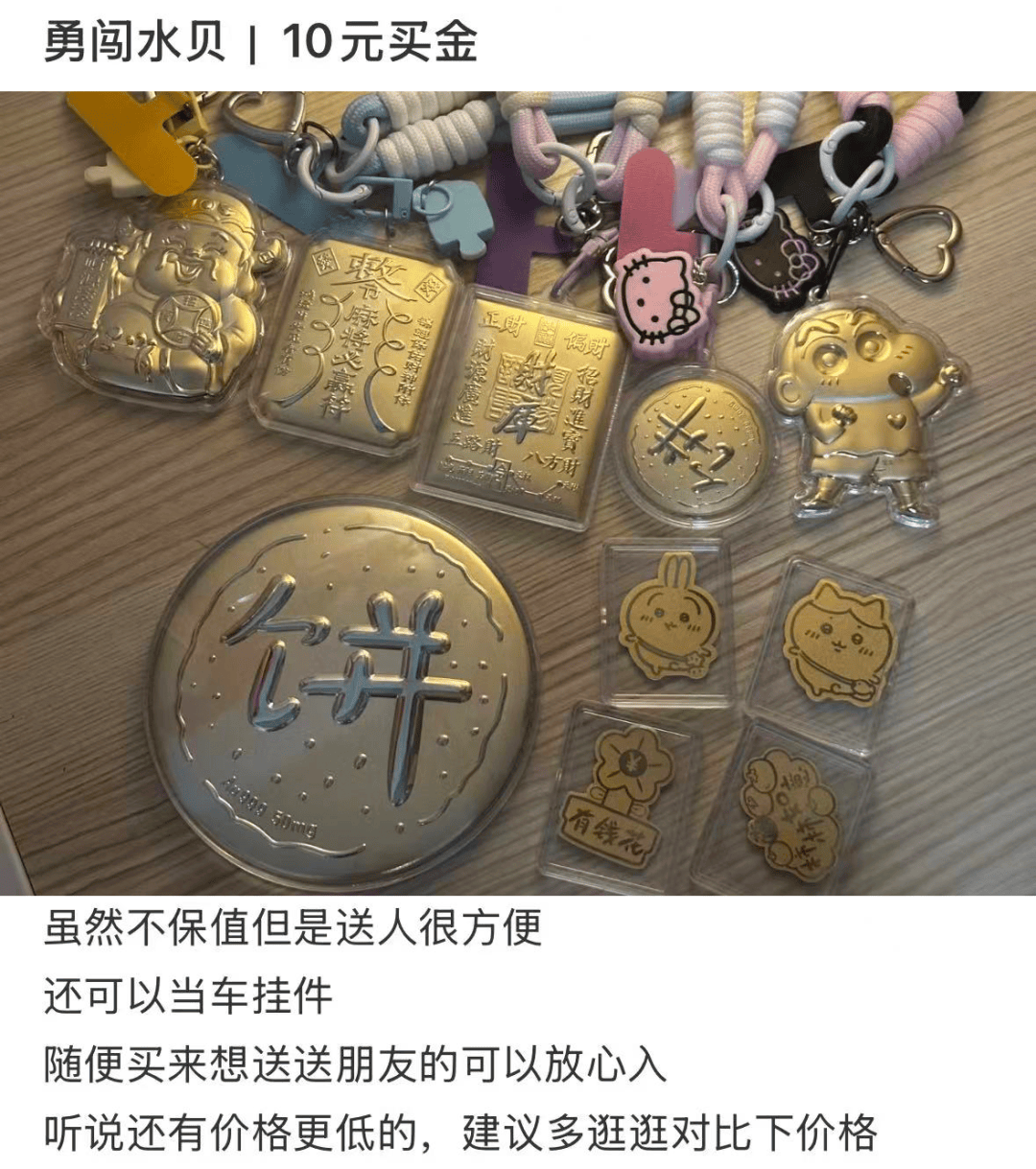
Core Viewpoint - The rising gold prices have made traditional gold purchases unaffordable for young consumers, leading to a shift towards smaller, more affordable gold items like gold flakes and charms, which are perceived as trendy and carry emotional value rather than investment potential [1][27][36] Group 1: Market Trends - The wholesale market for gold has seen a 13% increase in consumption tax, making gold significantly more expensive for consumers [1] - Young consumers are increasingly purchasing small gold items, such as 50-milligram gold flakes priced around 30-50 yuan, as a way to engage with gold without the financial burden of larger purchases [4][27] - The trend has evolved to include even smaller gold items, such as 20-milligram charms, which are sold for around 20 yuan, making them accessible to a broader audience [6][18] Group 2: Consumer Behavior - Young consumers view these small gold items as symbols of good fortune and emotional value rather than traditional investments, with many purchasing them for their aesthetic appeal and social significance [15][22] - The perception of gold has shifted from a valuable asset to a trendy accessory, with young people using gold flakes in social settings, such as gifting them during events or using them as conversation starters [22][32] - The emotional and social aspects of these purchases are emphasized, as young consumers find joy in owning and gifting these small gold items, which are seen as more meaningful than their monetary value [27][36] Group 3: Cultural Significance - Gold items are being integrated into various cultural practices, such as weddings and festivals, where they serve as affordable yet meaningful gifts, enhancing their social value [22][36] - The trend reflects a broader cultural shift where young consumers prioritize emotional satisfaction and social connection over traditional notions of wealth and investment [15][36] - The use of gold in everyday items, such as phone charms and keychains, signifies a blending of luxury with accessibility, appealing to a generation that values both style and sentiment [20][32]
2025年零食行业消费趋势洞察
Sou Hu Cai Jing· 2025-12-14 09:25
Core Insights - The Chinese snack market is undergoing a significant transformation, shifting from traditional consumption focused on satiety to a new era driven by health, personalization, and emotional value [1][7] - Young consumers, making up over 70% of the market, exhibit a dual focus on "rational health" and "stress relief," indicating a complex consumer behavior that emphasizes snacks as emotional and social facilitators [1][7] Consumer Trends - Key factors influencing snack selection include taste, ingredient quality, and consumption context, with rising interest in low-sugar, low-fat, low-calorie, high-protein, and clean-label products [2][7] - Diverse consumption scenarios have emerged, extending from casual snacking to specific contexts like late-night binge-watching, outdoor camping, and travel gifts, highlighting snacks as solutions for various life moments [2][7] - The demand for snacks designed to alleviate stress and anxiety has surged, with related social media content experiencing significant growth [2][7] Regional and Social Dynamics - Local specialty snacks are revitalizing through cultural recognition and national trends, leveraging traditional craftsmanship and regional flavors, amplified by social media [3][7] - The "social currency" aspect of snacks is increasingly important, with consumers actively engaging in creative consumption methods, DIY snacks, and sharing experiences, transforming consumption into a social activity [3][7] Marketing Strategies - Xiaohongshu (Little Red Book) has emerged as the primary platform for snack brand marketing, showing significant year-on-year growth in commercial posts and user engagement around health and clean ingredients [4][7] - In contrast, Douyin (TikTok) has seen a contraction in snack marketing, focusing more on narrative-driven content and price-oriented promotions, indicating a differentiated marketing ecosystem [4][7] Competitive Landscape - Competition among snack categories is intensifying, with mixed nuts remaining a key focus despite a decline in overall social media engagement, while meat snacks and baked goods are experiencing stable growth [5][7] - Brands that can identify niche demands and create standout products are gaining market traction, exemplified by companies like Wang Xiaolu and Hema, which have successfully launched innovative products [5][7] - The current snack market is characterized by a shift towards consumer-driven, emotional, and social values, necessitating brands to enhance product quality and understand consumer emotional needs [5][7]
从“打卡式旅游”到“沉浸式消费”,情绪、技术与IP正在重塑文旅消费新生态
Mei Ri Jing Ji Xin Wen· 2025-12-13 14:12
Core Insights - The industry is experiencing a significant transformation from "sightseeing" to "immersive experiences," driven by emotional value and interest-based consumption [1][3] - The shift in consumer behavior emphasizes the importance of creating deep emotional connections and memorable experiences in the cultural and tourism sectors [1][3] Group 1: Consumer Behavior Changes - Emotional value has become a core driver in the Z generation's consumption market, shifting from temporary comfort to a sustained pursuit of immersion and presence [3][4] - Users are increasingly seeking personalized and emotionally engaging experiences rather than standard travel itineraries, indicating a move towards "interest consumption" [3][4] - Data shows a 7.2% increase in users staying for two days or more, with a 300% year-on-year surge in searches for immersive entertainment projects, highlighting a strong willingness to pay for immersive experiences [4] Group 2: Enhancing Immersive Experiences - The demand for immersive experiences is pushing supply upgrades, with technology and intellectual property (IP) identified as key pillars for creating these experiences [5] - IMAX's approach to transforming static culture into engaging experiences demonstrates the potential for lasting memory through immersive storytelling [5] - Cross-industry collaboration in IP storytelling and long-term operations is essential for enhancing cultural and commercial value, as illustrated by successful projects involving popular IPs [5] Group 3: Trends in Vacation Products - One-stop, deep experience offerings are becoming mainstream, with companies like Club Med and Atlantis integrating local culture and high-quality services to extend average visitor stays from approximately 1 day to 2.5 days [6]