
产业升级

Search documents
中国北方时尚中心崛起 永定城以创新路径重塑产业生态
Zheng Quan Ri Bao Wang· 2025-08-19 10:50
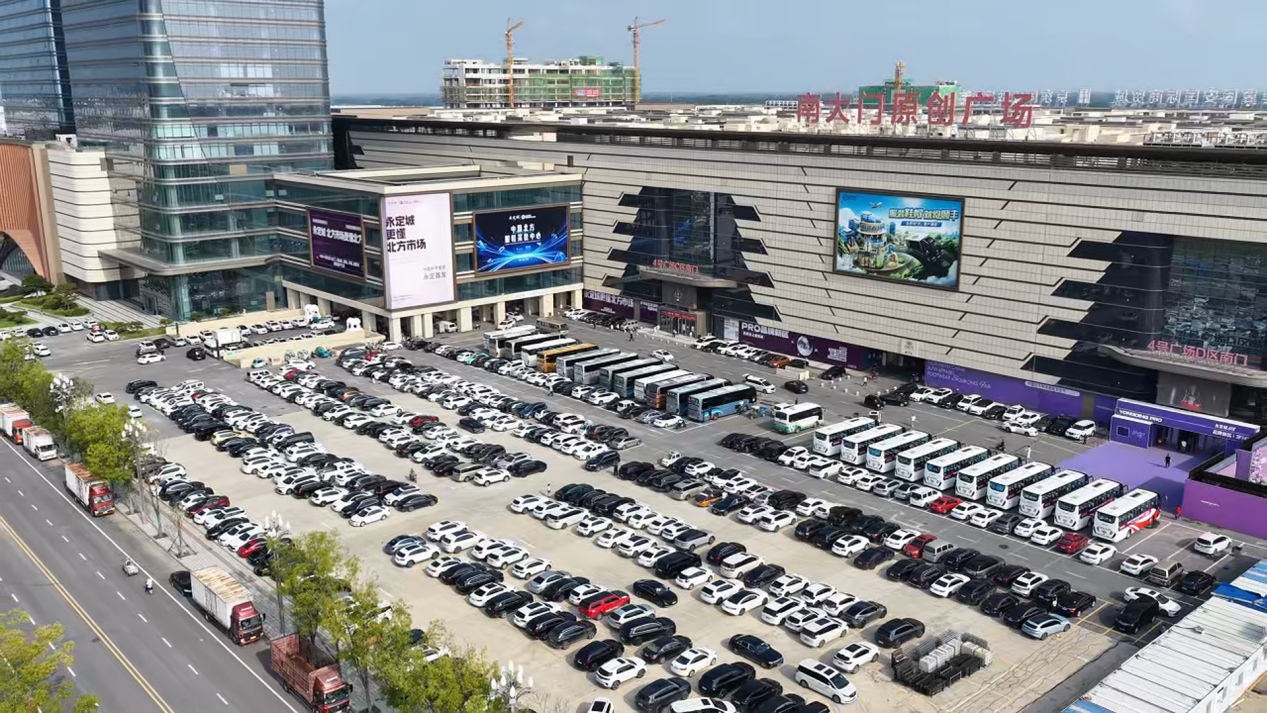
Core Insights - The event "Yongding City 818·China Northern Autumn Footwear and Apparel Procurement Festival" aims to enhance the regional apparel industry by connecting over 4,000 source manufacturers and addressing market demands [1][3] - The apparel industry is currently facing challenges such as weak demand, excess capacity, and intense competition, necessitating innovation in products and operational systems [3][4] - Yongding City is positioning itself as a key hub for the northern footwear and apparel industry, focusing on efficient trading scenarios and resource integration to drive regional economic growth [3][4] Industry Challenges - The apparel sector is experiencing a slowdown in overall consumption growth, leading to structural opportunities for innovation despite the prevailing issues of price wars and insufficient innovation among many companies [3] - Major brands are shifting from traditional wholesale models to direct retail, indicating a trend towards operational innovation in the industry [3] Strategic Initiatives - Yongding PRO Brand New Area is focused on developing original brands to meet northern market demands, facilitating the transformation of traditional wholesalers into brand operators [4] - The integration of digital technology with the physical economy is seen as a method to reconstruct value across the supply chain, breaking the limitations of traditional wholesale models [4]

打破世界纪录!外贸顺差1万亿美元,美国已成为中国第二大出口国
Sou Hu Cai Jing· 2025-08-19 08:32
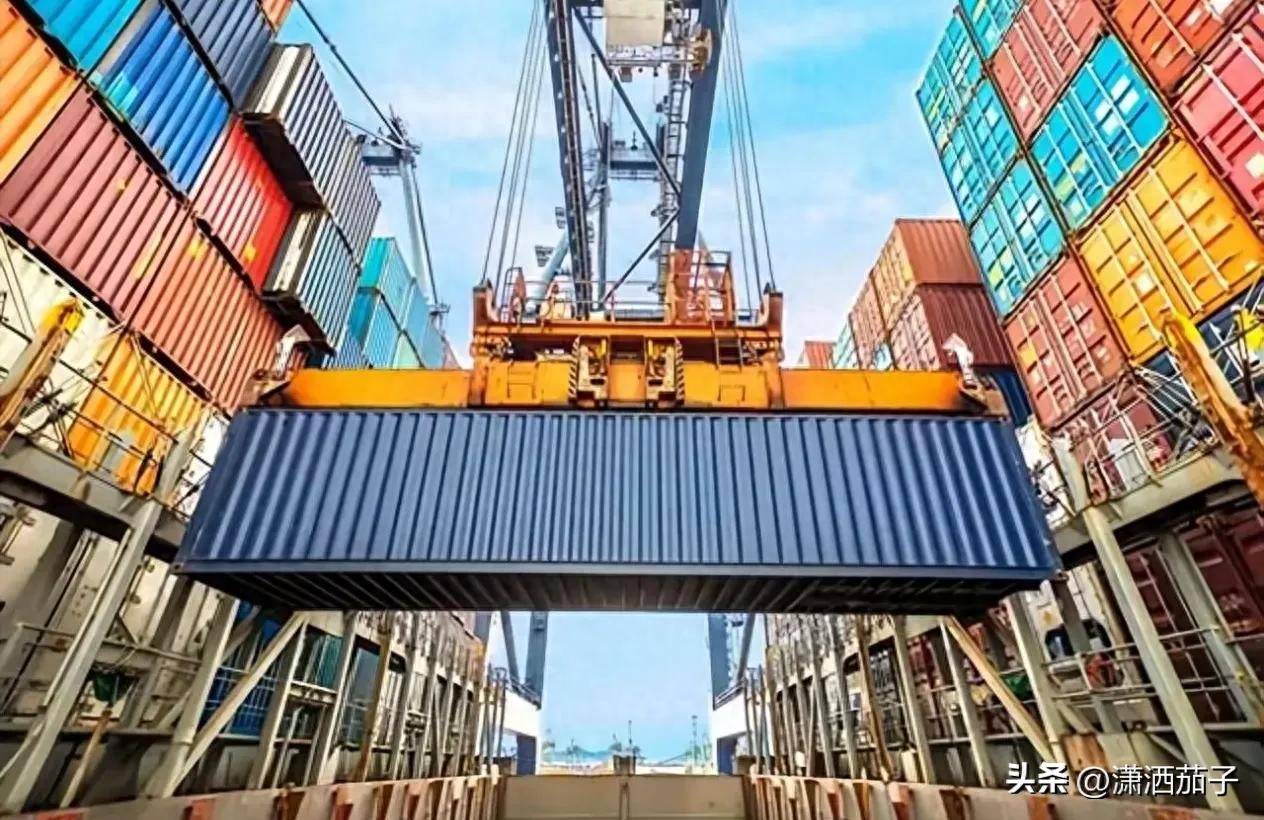
Core Insights - In 2024, China's foreign trade surplus exceeded $1 trillion, marking a historic record and showcasing the resilience and vitality of the Chinese economy [1][3] - The United States has become China's second-largest export market, indicating a significant shift in global economic dynamics [1] Trade Performance - China's total foreign trade volume reached 43.8 trillion yuan, a year-on-year increase of 5%, with exports amounting to 25.4 trillion yuan (up over 7%) and imports at 18.4 trillion yuan (up 2.3%) [3] - The trade surplus reached approximately 992 billion dollars, a level rarely seen in global trade history, surpassing previous records set by the US, Japan, and Germany [3] Manufacturing Strength - China's manufacturing sector accounts for 35% of global manufacturing, maintaining the top position for 13 consecutive years, and surpassing the combined manufacturing output of the US, Japan, Germany, France, and South Korea [5] - Despite challenges from Western countries attempting to decouple from China, the trade war has not diminished China's export capabilities, which have continued to grow [5] US-China Trade Dynamics - In 2024, the trade volume between China and the US rose to 688.2 billion dollars, with Chinese exports to the US reaching 524.6 billion dollars (up nearly 5%) and imports from the US at 163.6 billion dollars (down 0.1%) [7] - China’s trade surplus with the US stood at 361 billion dollars, indicating sustained high levels of exports despite trade tensions [7] Export Market Composition - The three largest export markets for China are ASEAN, the US, and the EU, with exports to ASEAN rising by 12% to 586.5 billion dollars, exports to the US increasing by 5%, and exports to the EU growing by 3% [7] - Vietnam has emerged as a key intermediary in US-China trade, with exports to Vietnam reaching 161.8 billion dollars, a 17.7% increase [7] Export Product Evolution - In 2024, China's exports surpassed 25 trillion yuan, with a notable shift in the export product structure from low-end labor-intensive goods to emerging industries [8] - Significant growth was observed in new industries, with chip exports reaching 1.13 trillion yuan (up 18%), automotive exports at 1.5 trillion yuan (up 16%), and ship exports soaring by 58% [10] Economic Growth Context - Achieving a trade surplus of 1 trillion dollars and holding one-third of global manufacturing in just over 40 years of reform and opening up is a remarkable achievement for China [12] - The progress in high-tech sectors requires sustained effort and investment over generations, with improvements in income and environmental conditions taking time [12]
近三年,平阴累计实施工业新上和技改项目351个
Qi Lu Wan Bao Wang· 2025-08-19 07:35
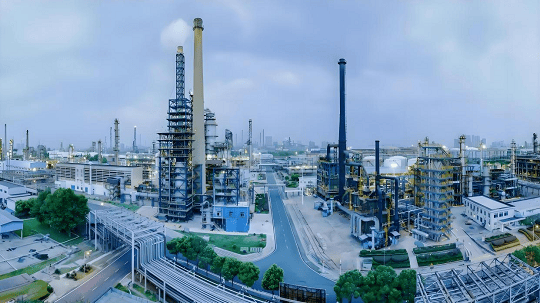
Core Viewpoint - Pingyin County is implementing a dual strategy of "optimizing existing stock" and "expanding new stock" to enhance its industrial development, aligning with the city's "13+34" industrial chain and establishing a "3+2" industrial system [1][2] Group 1: Industrial Upgrading - Pingyin County is focusing on industrial upgrading by implementing a leadership mechanism for key industries, creating tailored upgrade plans for each leading industry [1] - The high-end equipment parts industry cluster is actively promoting intelligent transformation and has been recognized as a characteristic industrial cluster in Shandong Province [1] - The carbon materials industry cluster is advancing towards negative electrode new materials, achieving a dual development model with "pre-baked anode + lithium battery negative electrode," becoming the second hundred-billion-level industry after high-end equipment [1] - The green building materials industry cluster is developing prefabricated buildings and nano-level high-calcium green technology industries, with leading enterprises awarded as "national green factories" [1] - The health industry cluster is guiding the development of biopharmaceuticals and health foods, with the Pingyin rose brand value reaching 3.405 billion yuan, and Fupai Ejiao ranking in the "2024 China Brand Value Top 10 for Time-Honored Brands" [1] Group 2: Project Construction - In the past three years, Pingyin County has implemented a total of 351 new industrial and technological transformation projects, with a total investment of 27.8 billion yuan [2] - Key projects such as the China Electric Power Construction Nuclear Equipment Manufacturing Base and the upgrade of Shanshui Cement Grinding have been completed and put into production [2] - Projects like the intelligent manufacturing high-end production line of Maike Valve and the Qilu Expressway Smart Transportation Industrial Base are accelerating construction [2] - Industrial projects such as Jinjialong New Energy Battery and Huasheng Lian Investment Testing Production Base have been signed and landed [2] Group 3: Enterprise Cultivation - Pingyin County has established a comprehensive database for quality small and medium-sized enterprises, enhancing gradient cultivation and precise services [2] - A total of 66 specialized, refined, and innovative small and medium-sized enterprises have been cultivated, along with 110 technology-based small and medium-sized enterprises and 39 gazelle enterprises [2]
59.1%增长率!日本化工企业为何重新押注中国市场?
Sou Hu Cai Jing· 2025-08-19 06:12
Core Viewpoint - Japan's investment in China has significantly increased by 59.1% in the first half of 2025, indicating a potential reversal of the declining trend observed since 2021, with a record high investment intention among Japanese companies [2][4]. Group 1: Investment Growth and Trends - In the chemical sector, Japan's investment in China's chemical industry has shown rapid growth, with over 8 investments totaling more than 3 billion yuan in the past year [2][3]. - Japanese companies are focusing their investments on high-end materials, new energy support, and green technology, with investment amounts ranging from tens of millions to billions of dollars [2][4]. Group 2: Drivers of Investment - The rapid growth of Japan's investment in China's chemical industry is driven by the adjustment of industrial structures in both countries, long-term development dividends in the Chinese market, and multiple strategic considerations [4][5]. - China's chemical industry is experiencing structural demand surges due to the new energy revolution, consumption upgrades, and accelerated infrastructure development, which attract Japanese investments [5][6]. - Japanese chemical companies are undergoing necessary strategic transformations due to domestic market saturation and strict environmental regulations, leading them to seek opportunities in China [5][6]. Group 3: Impact on China's Chemical Industry - Japanese investments are beneficial for driving China's industrial upgrade and ecological optimization, as they bring advanced technologies and practices that enhance the efficiency and completeness of China's chemical industry [7][8]. - The influx of Japanese capital is expected to stimulate innovation and management upgrades among local Chinese chemical companies, creating a competitive environment that fosters growth [7][8]. - Japanese investments are concentrated in key regions like the Yangtze River Delta and the Pearl River Delta, generating significant employment opportunities and boosting local economies [8]. Group 4: Potential Challenges - There are concerns regarding the risk of core technology control, as Japanese companies often employ strategies that limit the transfer of critical technologies to Chinese firms [9][10]. - The potential for "invisible monopolies" in certain high-end chemical materials may restrict the competitive space for Chinese companies, particularly in sectors like OLED materials and semiconductor packaging [9][10]. - Japanese investments could accelerate the consumption of China's natural resources, raising concerns about sustainability and resource management [9][10]. Group 5: Opportunities for Chinese Companies - Chinese chemical companies can adopt a "precise absorption + independent breakthrough" model to mitigate reliance on Japanese technology, focusing on high-end production lines established by Japanese firms [11][12]. - There is an opportunity for Chinese firms to differentiate themselves by expanding in areas where Japanese companies have less presence, such as bio-based chemicals and low-carbon technologies [12]. - By emphasizing "joint R&D" and "local talent cultivation" in applications for high-end foreign investment projects, Chinese companies can leverage policy advantages to enhance their competitive position [12].
48万人干出444亿!浙江最年轻县级市冲刺500亿
Zhong Guo Xin Wen Wang· 2025-08-19 05:04
Core Insights - Longgang, Zhejiang, has transformed from a town to a county-level city, becoming the first "town-to-city" conversion approved by the State Council in August 2019, with a GDP of 443.73 billion yuan in 2024 [2] - The city's GDP growth rate of 6.7% in Q1 2025 outpaced the provincial average, despite a resident population of less than 480,000 [2] Economic Development - In the 1990s, Longgang's economy was driven by a booming printing industry, which saw an average annual growth rate exceeding 80%, with nearly 800 printing enterprises and a workforce of 45,000 by the late 1990s [3] - The printing industry faced challenges due to market demand changes, leading to a "low, small, scattered" model that hindered long-term competitiveness [3] Industrial Upgrading - Longgang has actively pursued industrial upgrades by introducing eco-friendly technologies and expanding into high-value products such as cultural toys and children's books, resulting in a printing and packaging output value of approximately 200 billion yuan by 2024 [4] - The number of certified technicians in the printing industry increased from 1 in 2019 to 3,859 in five years [4] High-tech Sector Growth - High-tech industries have become a new growth engine for Longgang, contributing 55.5% to the city's industrial added value in 2024, with a year-on-year growth rate of 15.8% [6] - The city has established five provincial enterprise research institutes and 33 provincial high-tech R&D centers, marking a fivefold increase since 2010 [6] Strategic Investments - Major emerging industry projects, such as the 10 billion yuan China Resources Power Longgang ultra-clean energy demonstration project and a 5 billion yuan lithium battery separator production base, have been launched [7] - Longgang is focusing on strategic emerging industries like smart equipment, new energy, new materials, health, and low-altitude economy [7] Governance and Business Environment - Longgang's governance structure features a "large department + flat" reform, reducing the number of administrative bodies and streamlining business approvals, leading to 22,000 new market entities registered in 2024 [8] - The city has created a favorable entrepreneurial environment, with one in four residents engaged in business activities, likened to the convenience of online shopping [8] Conclusion - Longgang's growth is attributed to the interplay of industrial upgrading, technological innovation, and institutional benefits, positioning it to aim for the "500 billion club" by enhancing traditional strengths and expanding emerging industries [9]
债市早报:股市强势叠加税期资金面有所收敛,债市大幅走弱
Sou Hu Cai Jing· 2025-08-19 04:56
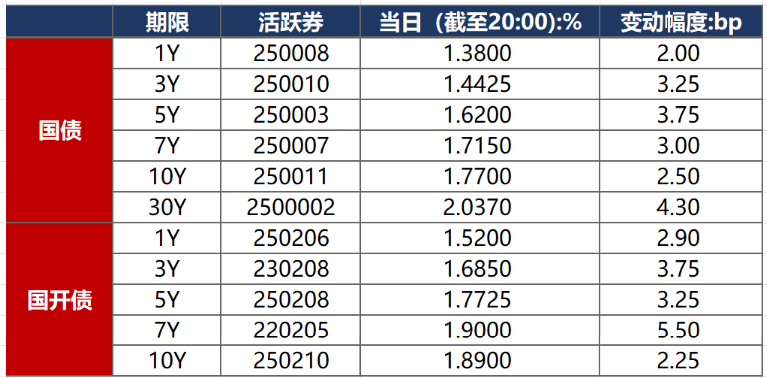
Group 1: Domestic Market Insights - The A-share market reached a total market value exceeding 100 trillion yuan for the first time, with the Shanghai Composite Index hitting a nearly 10-year high, driven by policy benefits and industrial upgrades [4] - The trading volume in the stock market surpassed 2.8 trillion yuan, indicating strong market activity [4] - The major indices, including the Shanghai Composite Index, Shenzhen Component Index, and ChiNext Index, saw significant increases of 11.23%, 13.64%, and 21.69% respectively [4] Group 2: Government Policy and Economic Outlook - Premier Li Qiang emphasized the need to enhance the effectiveness of macroeconomic policies during the State Council's ninth plenary meeting, aiming to stabilize market expectations and boost domestic consumption [2] - The government plans to take strong measures to stabilize the real estate market and promote innovation and reform to drive economic growth [2] Group 3: Bond Market Developments - The bond market showed weakness with rising yields, as the 10-year government bond yield increased by 2.50 basis points to 1.7700% [11] - The trading of credit bonds exhibited significant price deviations, with some industrial bonds experiencing price increases exceeding 31% [14] - The China Bond Market Association initiated self-regulatory investigations into institutions misusing funds raised through debt financing tools [3] Group 4: International Trade and Economic Relations - The EU's exports to the US fell by 10% year-on-year in June, marking the lowest level in two years, largely due to the impact of tariffs imposed by the Trump administration [6] - The decline in exports has significantly affected the EU's overall trade surplus, which dropped from 12.7 billion euros to 1.8 billion euros [6] Group 5: Commodity Market Trends - International crude oil prices continued to rise, with WTI crude oil futures increasing by 0.99% to $63.42 per barrel [7] - Natural gas prices, however, saw a decline, with NYMEX natural gas prices falling by 0.58% to $2.906 per million British thermal units [8]
琴韵漫村巷:“天籁加依”奏响乡村振兴新乐章
Xiao Fei Ri Bao Wang· 2025-08-19 03:00
Core Viewpoint - The article highlights the cultural and economic significance of the Kizil music and instrument-making tradition in the Aksu region of Xinjiang, emphasizing its role in cultural heritage preservation and rural revitalization through tourism and craftsmanship [4][17]. Group 1: Cultural Heritage - Xinjiang is a key area of the ancient Silk Road, serving as an important cultural exchange hub and a convergence point for Eastern and Western music [1]. - The Kizil music, originating from the Kizil region, is renowned for its diverse instrument system and has been a significant part of the royal court's music [1][4]. - The Kizil music tradition has evolved over a millennium, maintaining ethnic characteristics while innovating with the times [1]. Group 2: Instrument-Making Industry - The Kayi Village in Aksu is a representative site for the inheritance and promotion of Kizil culture, with over 400 residents engaged in instrument-making [4]. - The village produces around 40,000 instruments annually, generating a total sales revenue of 18 million yuan [4]. - The village has established a handcraft instrument industry park to standardize production and improve quality, which has led to increased income for local residents [12][15]. Group 3: Economic Impact and Tourism - The Kayi Village has transformed into a cultural tourism village, attracting over 200,000 visitors annually to experience local music and instrument-making [17]. - The establishment of the Tianlai Kayi scenic area has integrated instrument-making, music performances, and cultural experiences, enhancing the village's tourism appeal [17]. - The local cooperative has achieved an annual output value of 6 million yuan, employing around 150 workers with monthly incomes ranging from 3,500 to 5,500 yuan [15].

A股市值破100万亿元大关 沪指创近10年新高
Yang Guang Wang· 2025-08-19 01:01
Core Viewpoint - A-shares market capitalization has surpassed 100 trillion yuan for the first time, indicating strong market confidence in China's economic transformation and upgrade [1] Market Performance - On August 18, A-share indices collectively rose, with the Shanghai Composite Index closing at 3728.03 points, up 0.85% - The Shenzhen Component Index increased by 1.73%, the ChiNext Index rose by 2.84%, and the North Star 50 surged by 6.79%, all reaching historical highs [1] Market Drivers - The recent surge in the A-share market is primarily driven by liquidity, with ample funds flowing into sectors representing China's industrial upgrade, such as innovative pharmaceuticals and artificial intelligence [1] - The market shows recognition of "specialized, refined, distinctive, and innovative" companies and domestic leaders in computing power [1] Regulatory Actions - Several banks have issued announcements reiterating that credit card funds are strictly prohibited from entering the stock market and other investment areas - This measure aims to prevent the risk of funds flowing from the real economy to virtual investments and to ensure that credit card funds return to their original purpose of consumption [1]
格力博拟出资3亿元设立人工智能基金;恒基达鑫拟出资不超过2亿元,参投杭州国科创业投资基金丨08.11-08.17
创业邦· 2025-08-19 00:09
Core Viewpoint - The article provides a comprehensive overview of recent developments in various investment funds across China, highlighting government initiatives and private sector participation in funding technology and innovation sectors. Government-Backed Funds - Henan Province plans to establish an artificial intelligence industry fund with policies supporting R&D and providing financial incentives for outstanding enterprises [7][8] - Xiangyang has registered its first seed fund to support high-tech talent and innovation projects, with a total scale of 50 million yuan [8] - The East Jiang QFLP fund has been successfully established, marking a significant step in cross-border investment capabilities in the region [9] - Chengdu is inviting investment institutions to collaborate on a fund aimed at developing the sci-fi and future industries, targeting over 3 billion yuan [9] - The Hunan Province has initiated a 10 billion yuan fund focused on new energy vehicle components, emphasizing local investment [10] Market-Oriented Funds - The Guotiao (Taiyuan) Industrial Investment Fund has been established with a total scale of 5 billion yuan, focusing on upgrading existing projects and introducing new ones [17] - The Luoyang Dongzheng New Creation Fund has been set up with a scale of 60 million yuan, targeting high-end manufacturing and AI sectors [17] - The Yunnan Dianzhong New Area Industry Guidance Fund has been launched with a scale of 5 billion yuan, focusing on equity investments in growing companies [13] - The Fujian New Area Smart Transportation Fund aims to raise 2 billion yuan, focusing on smart transportation and related sectors [14] Corporate Participation in Funds - Greebo plans to invest 300 million yuan in the Greebo Industry Investment Fund, focusing on AI and related technologies [19] - Hengji Daxin intends to invest up to 200 million yuan in the Hangzhou Guokai Venture Capital Fund, targeting strategic emerging industries [20] - Huaren Shuanghe plans to invest up to 87 million yuan in a biopharmaceutical fund, aiming to enhance its strategic layout in synthetic biology [21] - Platinum New Materials intends to invest 80 million yuan in the Wuxi Paipu Spring Fund, focusing on advanced manufacturing and AI [22]





今日评 | 以“慢牛”拉动资本市场稳中向好
Sou Hu Cai Jing· 2025-08-19 00:09
Core Insights - A-shares indices collectively rose, with the Shanghai Composite Index surpassing 3731 points, marking a nearly 10-year high [1] - The total market capitalization of A-shares exceeded 100 trillion yuan, setting a historical record [1] - Daily trading volume reached 2.76 trillion yuan, indicating a sustained increase in market activity [1] Economic Context - The capital market serves as a "barometer" for economic operations, with the economic fundamentals acting as a "value anchor" [1] - Multiple favorable factors, including accelerated industrial upgrades, flourishing technological innovations, and stable foreign trade, have contributed to the upward movement of indices [1] - Expectations of interest rate cuts by the Federal Reserve and the resilience of the Chinese economy have attracted foreign investments, leading to upgrades in ratings by several international financial institutions [1] Market Sentiment - A stable stock market enhances expectations and boosts investor confidence [1] - The rise in the stock market provides returns to investors and supports corporate development with real capital [1] - The overall valuation level of A-shares remains relatively low, with long-term capital inflows indicating potential for further upward movement [1] Future Outlook - There is a caution against short-term speculative trading that could lead to market volatility [1] - The expectation is for a "slow bull" market to solidify the positive momentum in the capital market, contributing to high-quality economic development [1]