能源转型

Search documents
美国前副总统戈尔痛批特朗普能源政策:这是美国的“悲剧”!
Zhi Tong Cai Jing· 2025-09-17 01:20
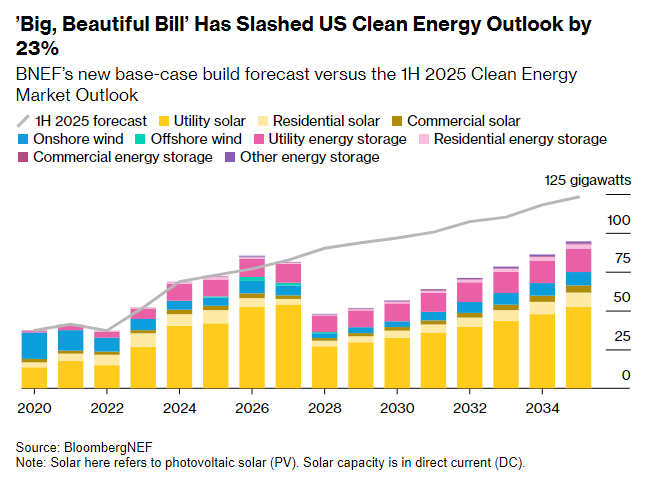
Core Viewpoint - The current U.S. energy policy under the Trump administration is seen as detrimental to the country's competitiveness, particularly in the context of clean energy and low-emission technologies [1][3]. Group 1: U.S. Energy Policy - The Trump administration is pushing for increased production of fossil fuels while simultaneously rolling back support for clean energy, which is damaging U.S. competitiveness [1]. - The current energy policy is described as a "tragedy" for the U.S., as it may lead to a decline in its position when low-emission technologies become widely adopted globally [1]. Group 2: Geopolitical Implications - The U.S. energy policy is paving the way for China to expand its dominance in the future low-carbon economy, which could reshape global trade alliances [1]. - The actions taken by the U.S. are perceived to weaken its moral authority and ability to lead globally, prompting other countries to reassess their relationships with China [1]. Group 3: Impact of Executive Orders - Upon returning to the presidency, Trump signed an executive order titled "Unleashing American Energy," aimed at encouraging fossil fuel exploration and production to enhance energy security and job growth [3]. - The Trump administration has also repealed clean energy policies from the Biden administration, specifically targeting wind energy as a focus of opposition [3]. - While these policies may slow the energy transition, it is asserted that they cannot halt it entirely [3].

【分析】特朗普正在减缓美国气候进展,具体造成多大损害?
Sou Hu Cai Jing· 2025-09-17 00:05
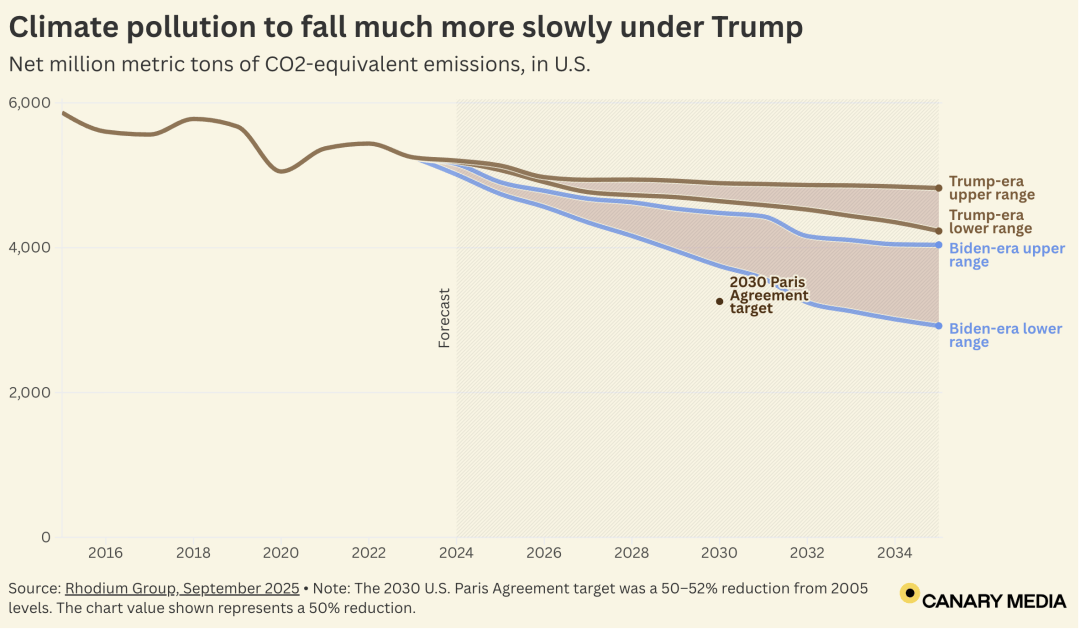
Core Points - The article discusses the impact of Trump's return to the White House on U.S. greenhouse gas emissions reduction efforts, indicating a significant setback compared to the Biden administration's goals [1][4] - According to Rhodium Group, the U.S. is projected to reduce emissions to only 26-35% of 2005 levels over the next decade, which is substantially lower than previous forecasts during Biden's tenure [1][4] - The report highlights that the Trump administration and Republican lawmakers have effectively dismantled key environmental regulations and initiatives aimed at promoting renewable energy and reducing fossil fuel dependency [4] Summary by Sections - **Emission Reduction Projections** - The U.S. is expected to achieve a reduction of 26-35% in greenhouse gas emissions by 2035, a stark contrast to the Biden administration's earlier projection of 38-56% [1][4] - The current trajectory indicates that the U.S. will not meet its 2030 commitments under the Paris Agreement, a situation that Trump seems unconcerned about, having exited the agreement on his first day back in office [4] - **Legislative Changes and Environmental Impact** - The Trump administration has repealed significant legislation, including the Inflation Reduction Act, which provided tax incentives for renewable energy and electric vehicles, as well as funding to accelerate the transition away from fossil fuels [4] - The rollback of regulations aimed at limiting vehicle emissions has implications not only for greenhouse gas emissions but also for harmful air pollutants [4] - **Future Outlook** - Despite the current setbacks, the article suggests a glimmer of hope, indicating that changes in government can lead to rapid shifts in policy and trajectory, similar to the previous progress made under the Biden administration [4]
中国超七成石油能源依赖进口,这就像把自己的“命门”交到别人手里。
Sou Hu Cai Jing· 2025-09-16 14:42
Group 1 - Over 70% of China's oil energy relies on imports, posing a significant risk to national security during conflicts, especially if maritime transport routes are blocked by the US [1][3] - The urgency to develop alternative energy sources such as solar, wind, and hydropower is emphasized to reduce dependency on oil and enhance resilience against external pressures [3][5] - China's renewable energy sector has made notable progress, leading the world in photovoltaic capacity and wind power integration, but further efforts are needed across multiple fronts to achieve energy independence [5][11] Group 2 - A stable "new energy + storage" system is essential, as renewable energy sources like wind and solar are intermittent; exploring diverse storage solutions such as hydrogen and compressed air is recommended [5][9] - The construction of smart grids is critical, with projects like "source-network-load-storage" collaboration aiming to balance electricity supply and demand through advanced technologies [7][9] - The rapid growth of electric vehicles is driving advancements in battery technology, with companies like CATL developing sodium-ion batteries that do not rely on lithium resources, potentially reshaping the global energy supply chain [9][11] Group 3 - Historical context indicates that energy autonomy is achieved through innovation and breakthroughs, as seen in projects like the world's largest liquid air energy storage plant in Qinghai and successful methane hydrate extraction in the South China Sea [11] - The future competition among major powers will not only involve military and technological aspects but also the race to establish zero-carbon energy systems, with China's "green card" potentially being the key to overcoming oil dependency [11]
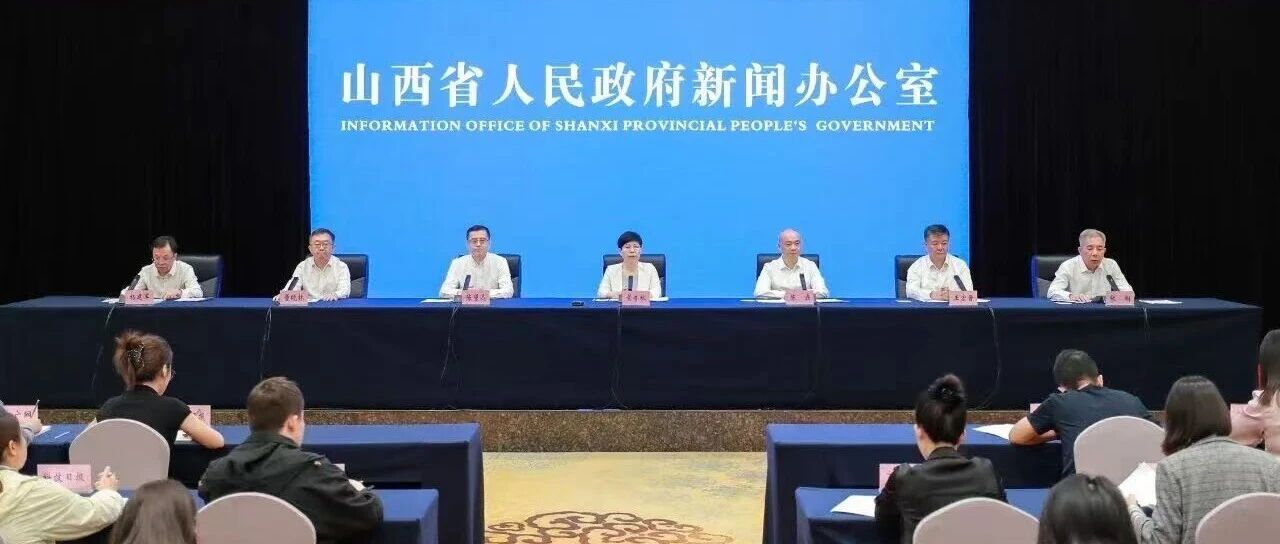
2025年太原能源低碳论坛新闻发布会举行
中国能源报· 2025-09-16 11:08
Core Viewpoint - The article emphasizes the significance of the 2025 Taiyuan Energy Low Carbon Development Forum as a platform for showcasing China's energy transition achievements and promoting international cooperation in the low-carbon energy sector [3][4][10]. Group 1: Forum Overview - The 2025 Taiyuan Energy Low Carbon Development Forum is the ninth edition of a national-level, international, and specialized forum, scheduled to be held from September 27 to 28 in Taiyuan, Shanxi Province [4][5]. - The theme of this year's forum is "Green Low Carbon Transition and Building a New Energy System," focusing on the transformation of traditional energy and the promotion of high-value coal products [5][10]. Group 2: Key Activities and Features - The forum will feature a series of key activities, including discussions on traditional energy transition, energy technology innovation, and the role of artificial intelligence in energy transformation [5][10]. - It will host five international conferences, including the Guest Country Forum with Cuba, highlighting global cooperation in energy transition [6][10]. Group 3: Participation and International Engagement - The forum has attracted significant international participation, with 249 important guests from 32 countries, including government officials and representatives from multinational corporations [6][15]. - Cuba has been invited as the guest country, marking the 65th anniversary of diplomatic relations between China and Cuba, and will share its experiences in sustainable energy [16]. Group 4: Technological Innovations and Achievements - The forum will showcase Shanxi's technological innovations in energy, including advancements in clean coal utilization and renewable energy systems [11][12]. - Notable technologies include a new coal mining system that increases efficiency and a rapid load adjustment technology for coal-fired power plants [11][12]. Group 5: Energy Industry Expo - The 2025 Shanxi (Taiyuan) Energy Industry Expo will run concurrently with the forum, featuring over 400 domestic and international energy companies and covering an exhibition area of 50,000 square meters [13][14]. - The expo will highlight international participation, green electricity advantages, and technological innovations in the energy sector [14][18].
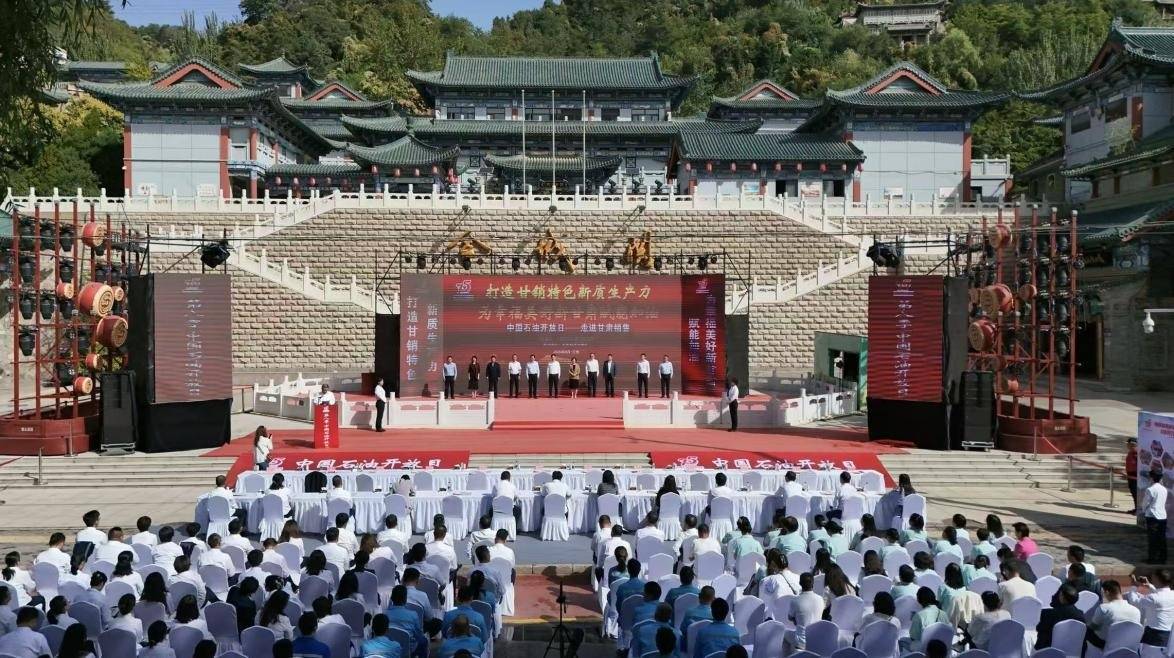
中国石油甘肃销售公司第八季“中国石油开放日”启动
Sou Hu Cai Jing· 2025-09-16 10:42
Core Viewpoint - The event marks the launch of the eighth "China Petroleum Open Day," showcasing the achievements of China Petroleum Gansu Sales Company and emphasizing its commitment to high-quality development and social responsibility as a central enterprise [1][3]. Group 1: Event Overview - The "Open Day" event is themed around the 75th anniversary of China Petroleum, aiming to provide a comprehensive experience for government departments, media representatives, customers, and the public regarding the company's values of "green development, energy contribution, and enhancing customer growth" [3]. - The event aims to strengthen relationships between the company, media, and the public, enhancing the influence and trust in "China Petroleum" and "Gansu Sales" [3]. Group 2: Company Performance - In 2023, Gansu Sales Company achieved an oil and gas sales volume of 3.8 million tons [2]. - The company's new energy business saw significant growth, with charging volume reaching nearly 7 million kWh, a year-on-year increase of 500% [2]. - Solar power generation reached nearly 2 million kWh, contributing to a diversified energy supply structure that meets regional energy demand upgrades [2]. - The company has contributed a total of 276 million yuan in taxes, supporting the high-quality development of the local economy in Gansu [2]. Group 3: Post-Event Activities - Following the "Open Day" ceremony, a media group visited the Jiuhui Zhongkai Comprehensive Energy Station and Xilu Gas Station to observe operational details and the actual functioning of new sites [4]. - The group also visited the Lanzhou Petrochemical Petroleum Spirit Education Base to understand the essence of the petroleum spirit [4].

订单饱满!亿纬锂能储能电池满产!
起点锂电· 2025-09-16 10:27
Core Viewpoint - The energy storage battery industry is experiencing a "chip shortage" due to a mismatch between supply and demand, driven by increased demand from regions like Europe, the Middle East, and Australia, as well as limited production capacity from manufacturers [3]. Group 1: Company Production and Demand - EVE Energy is currently operating at full production capacity for energy storage batteries, with a saturated order demand [2]. - The overall demand for energy storage batteries is robust, with reports indicating that orders for 100Ah cells are booked until February 2026 [2]. - In the first half of 2025, EVE Energy's energy storage battery shipments reached 28.71 GWh, representing a year-on-year growth of 37.02% [4]. Group 2: Market Dynamics - The demand surge is attributed to energy transition initiatives, with countries like the UK and Australia seeing significant increases in household storage needs [3]. - The supply side is facing challenges, with low production capacity utilization expected in 2024 and a sudden demand explosion in 2025, leading to a reliance on leading companies for capacity expansion [3]. Group 3: Strategic Developments - EVE Energy has secured over 60 GWh in orders in the energy storage sector, including a notable 50 GWh procurement contract with Haibosichuang [4]. - The company is expanding its production capabilities with a new super factory in Jingmen, Hubei, and a new energy storage battery project in Malaysia, which is expected to enhance its international delivery capacity [5]. - EVE Energy aims to achieve an annual shipment target of 80 GWh as production capacity is released [6].


洞察气候:浙江能源锻造韧性“与天共生”
中国能源报· 2025-09-16 10:04
Core Viewpoint - The article discusses the complex interaction between energy and climate, highlighting how climate change is increasingly influencing energy demand and supply, and vice versa [2][21]. Group 1: Climate Impact on Energy Demand - This summer, Zhejiang experienced extreme heat, with an average maximum temperature of 35.8°C in August, which is 2.9°C higher than the historical average, leading to a significant increase in electricity demand [3][4]. - The peak electricity load in Zhejiang reached a historical high of 1.31 billion kilowatts, with 74 days of load exceeding 100 million kilowatts [4]. - The demand for air conditioning surged, with the maximum load reaching 44.84 million kilowatts, accounting for 34.7% of the total load during peak times [7]. Group 2: Climate Impact on Energy Supply - Climate change has led to phenomena such as "warm wet" and "warm dry," altering precipitation patterns and intensities, which affects hydropower generation [9][10]. - The extreme weather has increased the volatility of renewable energy sources, with issues like "extreme heat with no wind" and "extreme cold with little sunlight" becoming significant challenges for energy systems [17]. - The integration of new energy systems has heightened the sensitivity of electricity supply to weather conditions, necessitating a more resilient energy infrastructure [16][21]. Group 3: Energy System Adaptation Strategies - Zhejiang has implemented strategies to enhance its energy system's resilience, including increasing the output of thermal power plants and maximizing the use of external electricity sources [26][24]. - The province has accelerated the transition to cleaner energy, with solar power output reaching a maximum of 37.85 million kilowatts, an increase of over 1.2 million kilowatts compared to the previous year [26]. - The development of virtual power plants has emerged as a key strategy, aggregating distributed resources to create a more flexible and green energy supply [27][28]. Group 4: Climate Insights and Future Directions - The integration of climate insights into energy production, transmission, and consumption is crucial for enhancing the resilience of energy systems [35][39]. - The article emphasizes the importance of collaboration between meteorological and energy sectors to improve predictive capabilities and manage climate risks effectively [36][38]. - Zhejiang's approach serves as a model for other regions, demonstrating how to navigate the challenges posed by climate change while pursuing a low-carbon energy future [39][40].

OMSECEO彭博专访——能源转型背景下的增长与全球布局
Sou Hu Cai Jing· 2025-09-16 08:01
Core Insights - OMS Energy Technology Company (OMSE) is undergoing a transformation as it recently went public on NASDAQ, aiming for brand building and global expansion rather than just financing [2][5] - The demand for oil and gas is expected to persist, with a focus on enhancing recovery rates from existing wells rather than developing new ones [3] Company Overview - OMSE was established in 1972 and specializes in upstream oil and gas, providing engineering products and services for drilling and production [2] - The company has established 11 operational facilities in Southeast Asia and launched its largest production base in Saudi Arabia in 2022 [2] - OMSE employs approximately 600 people and is expanding its international presence [2] Market Trends - The global energy market is witnessing a shift, with oil and gas demand remaining significant despite the rise of renewable energy [3] - Indonesia plans to increase its crude oil production from 600,000 barrels to 1 million barrels per day, while Malaysia and Thailand are focusing on natural gas development [3] - The Enhanced Oil Recovery (EOR) market is projected to reach $73.2 billion by 2030, with a compound annual growth rate of 6.8% from 2025 to 2030 [3] Strategic Focus - OMSE aims to provide engineering products to international oil companies and is increasing its R&D investments to enhance product and technology competitiveness [4] - The company is considering mergers and acquisitions to diversify its product offerings and enter niche markets related to recovery enhancement and well completion [4] - OMSE plans to strengthen its presence in the U.S. market and maintain close ties with capital markets to drive global growth [4]

双展联动 900余家企业亮相榆林共话能源转型未来
Zhong Guo Jing Ji Wang· 2025-09-16 05:23
Group 1 - The 19th Yulin International Coal and High-end Energy Chemical Industry Expo and the 3rd Western Hydrogen Energy Expo opened in Yulin, Shaanxi, focusing on "high-end energy chemistry, low-carbon development, and hydrogen for the future" [1] - The exhibition covers six areas including high-end energy chemical enterprises, regional collaborative development, intelligent digital solutions, hydrogen energy industry chain, green low-carbon international zone, and advanced energy equipment, with a display area of approximately 90,000 square meters [1] - Over 900 well-known enterprises from domestic and international markets participated in the exhibition, showcasing innovations in intelligent mining, clean and efficient conversion, hydrogen production, carbon capture, digital operations, and advanced equipment manufacturing [1] Group 2 - Shaanxi is accelerating the construction of a modern energy industry system, with Yulin as a leader in energy economic development, focusing on modern coal chemical industry and transforming coal from fuel to raw materials [2] - Yulin has developed multiple industrial chains including coal-to-olefins, coal-to-ethylene glycol, and coal-to-ethanol, with a basic chemical production capacity exceeding 17 million tons and 28 sets of globally first technologies [2] - Yulin aims to deepen the integration of education, technology, and talent, enhancing core technology research and promoting the integration of innovation and industry chains [2] Group 3 - The current expo is the largest and highest-standard energy industry event in Northwest China, with record numbers of participating enterprises and exhibition area [3] - The expo outlines the future blueprint of the energy industry, bridging global energy cooperation, and includes a series of high-end forums and specialized matchmaking activities focusing on green development and international cooperation [3] - The event aims to inject new momentum into the green transformation, technological innovation, and industrial collaboration within the energy sector [3]
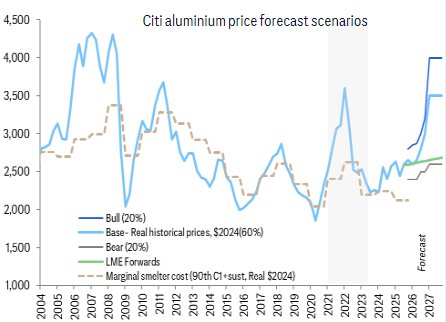
迈向20年来最严重供给短缺,华尔街大行:铝价具有50-60%的长期上涨潜力
Hua Er Jie Jian Wen· 2025-09-16 02:54
Group 1 - The global aluminum market is facing the most severe supply shortage in over two decades, with a potential crisis of inventory depletion if prices remain at current levels [1] - Citi analysts predict that aluminum prices need to exceed $3,000 per ton to stimulate necessary supply growth, with a long-term potential increase of 50-60% towards $4,000 per ton [1][4] - The report emphasizes the strong demand outlook for aluminum driven by sectors such as electric vehicles, renewable energy, and emerging technologies like robotics and AI [4][6] Group 2 - China's idle aluminum capacity has been fully consumed, entering a phase of no new primary aluminum production growth, while demand continues to surge [4][6] - Indonesia is being looked at to fill the supply gap, but even with all planned projects, it will only partially alleviate the shortage, with projected capacity reaching 2.3 million tons by 2029 [7][8] - The report indicates that aluminum prices must remain above $3,000 per ton to provide sufficient returns for new projects, with a potential need for prices to reach around $4,000 per ton if supply does not meet demand [9][10] Group 3 - The aluminum market is undergoing a fundamental structural shift characterized by low inventory, lack of supply elasticity, and strong emerging demand, indicating a bullish long-term outlook [12] - The report highlights that the risk of actual deficits, inventory depletion, and spot premiums in the aluminum market is significantly greater compared to copper [12]