
冬季养生

Search documents
天冷后别频繁洗澡,可以多泡脚 泡脚更符合“温而不燥”养生理念
Xin Lang Cai Jing· 2025-12-24 23:56
Core Viewpoint - The article discusses the health implications of bathing versus foot soaking during cold weather, emphasizing that frequent hot showers may lead to health issues while foot soaking is beneficial for circulation and overall well-being [3][4][5]. Group 1: Health Risks of Frequent Bathing - Cold weather can lead to increased cases of respiratory illnesses such as colds and coughs, particularly after hot showers [3][4]. - Hot showers may cause physiological stress as they can lead to the outward flow of "yang energy," making individuals more susceptible to external pathogens [4]. - Individuals with weaker constitutions may experience greater health risks from frequent bathing, leading to increased fatigue and illness [4]. Group 2: Benefits of Foot Soaking - Foot soaking is recommended as a simple and effective health maintenance method, promoting blood circulation and aiding in the expulsion of cold from the body [5][6]. - The practice stimulates various reflex zones and meridians in the feet, enhancing overall health and potentially improving sleep quality [5][6]. - Foot soaking can also help alleviate dryness and other discomforts associated with winter, providing nourishment to the skin [5][6]. Group 3: Recommendations for Bathing and Foot Soaking - It is advised to limit bathing to 2-3 times a week, with water temperatures between 37°C and 39°C, and each session lasting no more than 20 minutes [4][6]. - Foot soaking should ideally be done for 15-20 minutes before bedtime, with water temperature around 40°C, and can include various herbal additions based on individual health needs [6][7]. - Post-soaking care includes drying the feet thoroughly and keeping them warm, while avoiding immediate sleep or consumption of cold foods [7].


同仁堂大栅栏店开讲“冬日养生” 老街坊乐享“健康加油站”
Bei Jing Wan Bao· 2025-12-24 12:37
Core Viewpoint - The article highlights a winter health experience event organized by Beijing Tongrentang, focusing on traditional Chinese medicine practices to help community residents cope with winter health challenges, particularly in light of the rising flu cases in Beijing [1][2][4]. Group 1: Event Overview - The event, themed "Winter Health 'Refueling Station'," aimed to educate community residents on effective winter health practices through lectures and immersive store visits [1]. - Over 30 residents from the community participated in the event, which included a lecture on winter health principles based on traditional Chinese medicine [1]. Group 2: Expert Insights - A senior lecturer from Tongrentang presented on the core principles of winter health, emphasizing the importance of "storing" energy and maintaining warmth, particularly in the back and feet [1]. - Dietary recommendations included consuming warming foods such as lamb, black beans, and walnuts while reducing salty foods and increasing bitter flavors [1][2]. Group 3: Practical Experience - Residents engaged in a guided tour of the Tongrentang store, experiencing the rich culture of traditional Chinese medicine through the display of herbal materials and traditional pharmaceutical techniques [3]. - The event reinforced the philosophy of meticulous craftsmanship in traditional medicine, as highlighted by the saying, "Although the preparation is complex, one must not skimp on effort" [3]. Group 4: Consumer Awareness - Staff emphasized the importance of recognizing the "Double Dragon Mark" on products to ensure authenticity and quality, which is crucial for the efficacy of traditional Chinese medicine [4]. - This reminder aims to protect consumers from counterfeit products and ensure they receive genuine Tongrentang offerings [4]. Group 5: Social Responsibility - The winter experience event exemplifies Beijing Tongrentang's commitment to social responsibility and the transmission of traditional Chinese medicine culture, positioning itself as a reliable "health refueling station" for community residents [4].

喝酒吃辣能暖身?都是御寒“损招”
Bei Jing Qing Nian Bao· 2025-12-23 01:00
Core Viewpoint - The article emphasizes the misconceptions surrounding traditional winter practices such as drinking alcohol and eating spicy food for warmth, advocating for a more balanced and health-conscious approach to winter nutrition. Group 1: Alcohol Consumption - Drinking alcohol creates a false sense of warmth as it causes superficial blood vessel dilation, leading to quicker heat loss from the body, increasing susceptibility to cold and illness [2] - It is particularly advised against for individuals on medication, as alcohol can interact negatively with various drugs, including common antibiotics and pain relievers, potentially leading to severe adverse reactions [2] Group 2: Spicy Food Consumption - The belief that spicy food can ward off cold is misleading; while it may enhance appetite and induce sweating, it can also deplete bodily fluids, causing discomfort such as dry mouth and constipation, especially in individuals with chronic digestive issues [4] - A balanced winter diet should focus on "warming" and "nourishing" foods tailored to individual body types, with recommendations for specific foods based on whether one has a Yang deficiency or Yin deficiency [4] Group 3: Recommended Foods - Four types of dumpling fillings are suggested for winter consumption: lamb and radish for warming, cabbage and mushroom for heat-clearing, chives and egg for promoting Yang energy, and cucumber, egg, and shrimp for those managing blood lipid and sugar levels [5] - The article also suggests incorporating buckwheat flour into dumpling dough to enhance dietary fiber content, promoting both taste and nutrition [5]
川观健康直播丨冬季养生正当时,中医助你温暖健康过冬
Xin Lang Cai Jing· 2025-12-21 06:20
Group 1 - The article highlights the significance of the winter solstice, marking the shortest day and longest night in the Northern Hemisphere, and emphasizes its importance in traditional Chinese medicine as a time for health maintenance and nourishment [1] - It discusses the different health maintenance focuses for various demographics during winter and suggests easy-to-implement acupressure techniques that can be performed at home [1] - A health-themed live broadcast is organized by Chuan Guan News in collaboration with Chengdu University of Traditional Chinese Medicine and Sichuan Provincial Hospital of Traditional Chinese Medicine, featuring experts who will provide explanations and answer questions related to winter health practices [1] Group 2 - The live broadcast is scheduled for December 21, 2025, at 19:30, and will be available on the Chuan Guan News client and the video account of Chengdu University of Traditional Chinese Medicine [1] - The article encourages readers to submit their health-related questions in the comments section for the experts to address during the live session [1] - The broadcast is coordinated by a team including Zhou Jingjing, He Jiaqi, Wei Feng, Yan Lei, Zheng Xiaofei, and Ge Xianya [1]

“感觉胸闷、呼吸困难,腿也开始发麻”,女孩因穿“光腿神器”进急诊,医生提醒
Xin Lang Cai Jing· 2025-12-20 17:01
Core Viewpoint - The increasing popularity of "legging神器" (skin-colored tight leggings) among women during winter is raising health concerns due to reports of discomfort and medical issues associated with prolonged wear [1][2]. Group 1: Health Concerns - Users have reported experiencing discomfort such as chest tightness, difficulty breathing, and numbness in the legs after wearing the "legging神器" for extended periods [1]. - A case from Wuhan highlighted a woman developing pressure urticaria after wearing a new pair of tight leggings, indicating potential allergic reactions that could escalate to anaphylactic shock if not addressed [1]. Group 2: Medical Advice - Medical professionals advise against wearing overly tight clothing in winter, as it can compress blood vessels and lymphatic systems, leading to poor circulation and metabolic issues [4]. - Recommendations include opting for loose-fitting clothing to allow for better blood flow and warmth, while still maintaining a stylish appearance [4]. - Specific warnings were issued regarding tight footwear, which can lead to conditions like ingrown toenails and tendon contractions, potentially affecting mobility [6].

□生活课堂
Xin Lang Cai Jing· 2025-12-19 17:24
Group 1 - The core idea of the articles emphasizes the importance of winter health practices, including sun exposure, slow jogging, and the consumption of goji berries for overall well-being and disease prevention [1][2][3][4][5]. Group 2 - Sun exposure during winter is highlighted as a cost-free method to boost immunity, improve mood, and enhance sleep quality, with recommended exposure times for different age groups [1]. - Slow jogging is identified as an effective low-impact exercise suitable for various demographics, promoting fat metabolism and overall health benefits [2]. - Goji berries are recognized for their antioxidant properties and health benefits, with specific recommendations on how to consume them for maximum effect [3][4][5].
养藏防病 健康过冬(健康驿站)
Ren Min Ri Bao Hai Wai Ban· 2025-12-17 23:02
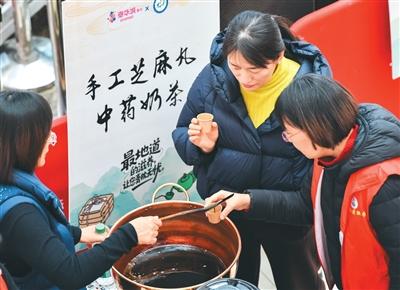
近日,山东省青州市中医院举办膏方节暨中医药文化集市,通过膏方体验、中医诊疗、中医药文化互动 等形式,为市民普及冬季养生知识,展现中医药在防病保健中的实用价值,吸引众多市民参与体验。 图为市民在中医药文化集市上品尝中药奶茶。 王继林摄(人民视觉) 冬至将近,天气渐寒,室内外温差变大,许多疾病进入高发期。如何通过中医药方式增强体质、预 防疾病?12月16日,国家中医药管理局举行"中医药守护冬日健康"主题发布会,介绍冬季常见病防治与 养生知识。 冬季养藏,扶正祛邪 冬季养生的核心原则是什么? "一年四季中,自然界的气候和物候特征是春生、夏长、秋收、冬藏。冬季寒冷,动植物处在蛰伏 状态,自然界体现出静谧和潜藏的特征。"中国中医科学院广安门医院急诊科主任医师齐文升介绍,中 医认为"天人相应",因此,冬季养生的核心原则就是要"养藏"。 齐文升表示,冬藏主要体现在两个方面:一是养肾藏精,中医认为,冬季对应肾脏,肾主藏精,肾 精是人体最基本的物质,冬季宜蓄养肾精,为来年健康打下基础;二是潜藏阳气,冬季寒气易伤阳气, 因此需注重保护、内守阳气,以免无故耗散。在日常生活中,可以从3个方面着手—— 饮食起居上,要营造"内温暖"的环 ...
慢跑,散步、太极拳……冬季运动需要注意这些要点
Ren Min Wang· 2025-12-17 03:09
Core Viewpoint - The National Administration of Traditional Chinese Medicine emphasizes the importance of gentle and effective exercise during winter to maintain health and prevent common seasonal illnesses. Group 1: Recommended Exercises - Suitable gentle exercises for winter include Baguazhang, Yijinjing, Ba Duan Jin, Tai Chi, jogging, and walking, which promote blood circulation and enhance immunity while avoiding excessive sweating that can damage Yang energy [1][2]. - Traditional exercises like Tai Chi are particularly beneficial for improving cardiopulmonary function and are recommended for the elderly and those with weak constitutions [2]. Group 2: Exercise Guidelines - Important considerations for winter exercise include: - **Warmth and Protection**: Dress appropriately to prevent cold exposure, especially for the head, back, and joints, and change out of wet clothes promptly after exercising [2][3]. - **Moderation**: Exercise intensity should be moderate to avoid excessive sweating, with recommendations of 30-60 minutes of exercise 3-5 times a week, adjusted according to individual constitution [2][3]. - **Timing**: Optimal exercise times are after 9 AM and before 3 PM to avoid the coldest parts of the day [3]. - **Warm-up and Cool-down**: Engage in 3-5 minutes of warm-up activities before exercising and perform gentle stretching afterward to aid recovery [3]. Group 3: Dietary Considerations - Post-exercise dietary recommendations include consuming warming foods like red dates and ginger water to support Yang energy [4]. - The overarching principle for winter health is "winter storage," focusing on gentle methods to protect the body and prevent illness, especially for individuals with chronic conditions [4].
什么是“冬藏”? 专家讲解冬季养生三要点
Ren Min Wang· 2025-12-17 03:09
Core Viewpoint - The National Administration of Traditional Chinese Medicine held a press conference focusing on winter health promotion through traditional Chinese medicine, emphasizing the importance of "winter storage" for health maintenance during the winter season [1] Group 1: Principles of Winter Health - The core principle of winter health in traditional Chinese medicine is "winter storage," which involves nurturing the body's foundational energy and preserving Yang energy during the cold season [1] - "Winter storage" consists of two main aspects: nurturing the kidneys to store essence and preserving energy to prevent the depletion of Yang energy due to cold weather [1] Group 2: Daily Practices for Winter Health - In terms of diet and daily routine, it is recommended to create a warm internal environment by consuming warming foods such as beef, mutton, longan, walnuts, black sesame, goji berries, ginger, and jujube, while avoiding cold and raw foods [1] - The daily routine should include going to bed early and waking up later to avoid the coldest morning hours, thus preserving Yang energy [1] Group 3: Exercise and Emotional Well-being - For exercise, gentle activities like Tai Chi, Baduanjin, yoga, and light walking are encouraged to avoid excessive sweating and energy depletion [2] - Emotional well-being can be maintained through reading and meditation to keep the mind calm and prevent emotional fluctuations that could lead to energy loss [2] Group 4: Cold Protection and Warmth Maintenance - Maintaining a comfortable indoor temperature between 18-22 degrees Celsius is advised, along with regular ventilation to prevent large temperature differences [2] - Specific body parts should be kept warm, such as wearing hats and scarves outdoors and soaking feet in warm water at night to ensure warmth in key areas [2]
抗流感、重养生,巧用中医方法安度寒冬
Xin Hua She· 2025-12-17 00:59
Core Viewpoint - The article emphasizes the importance of using traditional Chinese medicine (TCM) methods for health maintenance and disease prevention during the winter season, particularly focusing on flu prevention and overall wellness for vulnerable populations such as the elderly and children [1]. Group 1: Flu Prevention - TCM prevention focuses on nurturing "zhengqi" (immune strength) and being cautious of "yiji" (viruses), suggesting that flu occurrence depends on the balance of these two factors [2]. - Recommendations for nurturing "zhengqi" include consuming warming and nourishing foods, ensuring adequate sleep, and using methods like moxibustion and herbal foot baths to promote circulation and balance [2]. - For external protection against viruses, it is advised to use mugwort and other herbs for indoor steaming and to carry herbal sachets for detoxification [2]. Group 2: Winter Wellness - Winter wellness emphasizes "nurturing the kidneys and storing essence," which is believed to enhance resistance and lay a foundation for health throughout the year [3]. - It is recommended to maintain a routine of going to bed early and waking up late, while dietary choices should avoid cold foods and include warming ingredients like lamb, longan, and walnuts [3]. - Gentle exercises such as Tai Chi and Ba Duan Jin are encouraged, along with keeping key body areas warm through methods like wearing scarves and foot baths [3]. Group 3: Care for the Elderly and Children - Elderly individuals with conditions like "old cold legs" may experience worsened symptoms in winter due to insufficient kidney and liver function, leading to joint pain exacerbated by cold and dampness [4]. - Suggestions for elderly care include using hot towels or water bags on joints to improve circulation and using herbal foot baths to dispel cold [4]. - For children, a balanced diet and sufficient sleep are crucial, along with outdoor activities and techniques like pediatric massage to enhance digestion and energy flow [4].