
品牌年轻化

Search documents
传统皮鞋业务承压 奥康国际多维度探索突破路径
Zheng Quan Ri Bao Wang· 2026-01-22 02:08
Core Viewpoint - Aokang International (603001) is expected to face significant challenges in 2025, with projected revenue of 1.923 billion yuan, a decrease of approximately 24.55% year-on-year, and a net loss of 237 million yuan attributed to industry environment and market demand changes [1][2] Group 1: Industry Overview - The Chinese footwear industry is undergoing structural adjustments, with significant differentiation among internal categories; the sports shoe segment is expanding rapidly, impacting traditional leather shoes [1] - Consumer demand is shifting from basic functionality to a combination of comfort, technology, and fashion, leading to a contraction in the demand for traditional business leather shoes [1] - Traditional leather shoe companies are facing transformation pains, as sports brands leverage cultural barriers through collaborations and marketing strategies, making it difficult for traditional brands to penetrate consumer preferences [1] Group 2: Company Strategy - Aokang International is committed to a transformation strategy, focusing on consumer-centric approaches and optimizing resource allocation to drive innovation and brand renewal [1][2] - The company is launching innovative products, such as the "QQ弹" trendy footwear series, which combines comfort and style to meet the diverse needs of younger consumers [1] - Aokang is enhancing its channel operations by optimizing inefficient stores and exploring differentiated competition in e-commerce, utilizing AI and creative video content to attract younger consumers [2] Group 3: Manufacturing and Future Outlook - The company is integrating AI, 3D vision, and automation technologies to establish a smart manufacturing system that improves R&D capabilities and production efficiency [2] - Industry experts suggest that while Aokang will continue to face performance pressure in the short term due to its traditional business image, long-term growth may be driven by brand rejuvenation, digital channel development, and smart manufacturing [2] - Aokang aims to enhance profitability and core competitiveness while exploring new growth opportunities and potential external development paths to ensure sustainable growth and value creation for shareholders [2]

雅客品牌焕新:一场长期主义下的青年共创
Zhong Guo Shi Pin Wang· 2026-01-20 07:41
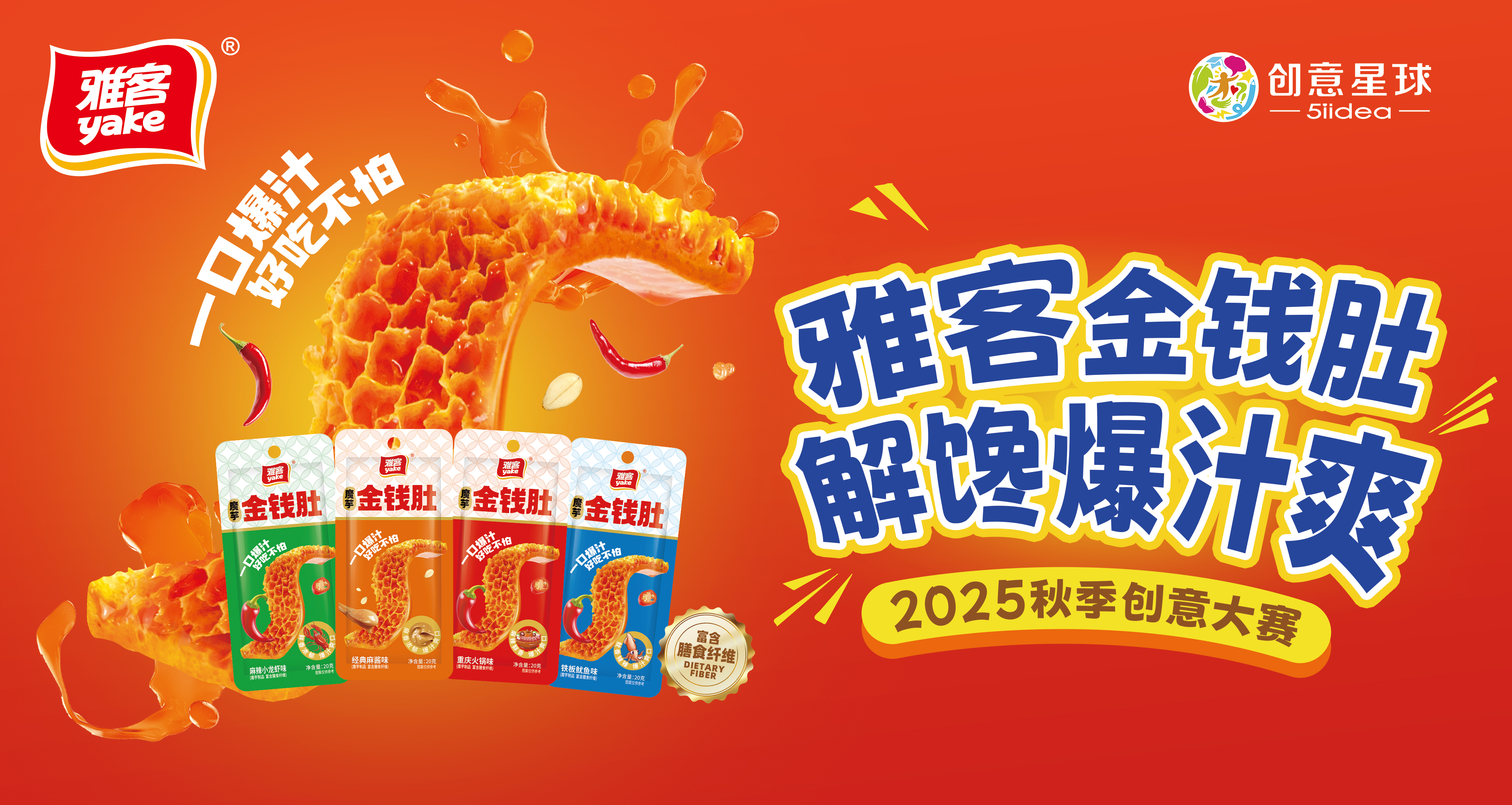
Group 1 - The core viewpoint of the article highlights the transformation of the Chinese consumer market, particularly among young consumers who exhibit a dual demand for immediate emotional gratification and long-term security [1] - Young consumers hold significant influence in the trillion-dollar Chinese snack market, prompting brands like Yake to adapt and engage with this demographic through sustainable interactive ecosystems [1][29] - Yake's strategy includes the launch of innovative products like "Yake Konjac Money Belly," which addresses health and taste concerns, and is positioned as a leading product under the "salty-sweet drive" strategy [3][29] Group 2 - The creative campaign initiated by Yake received over 10,291 submissions from universities, showcasing diverse interpretations of the product's core and brand spirit [5] - The campaign's success extended to social media, generating over 13.6 million total exposures across platforms, demonstrating the effective engagement of young consumers [7][16] - Yake's campus outreach involved immersive experiences across eight cities, fostering deep connections with over 10,000 students through interactive brand classrooms [13][16] Group 3 - The culmination of Yake's efforts was showcased at the "Youth Gala," where the brand's connection with young consumers was validated through recognition and awards, including being named "Most Loved Vitality Brand" at the 32nd China International Advertising Festival [25][29] - The brand's strategy emphasizes emotional value and cultural resonance, moving beyond mere product functionality to establish a deeper emotional connection with youth [29][33] - Yake's long-term commitment to youth engagement has resulted in nearly 40,000 creative submissions and significant exposure, positioning the brand for sustained relevance and innovation [29][33]

“餐饮+食品”双轮驱动 全聚德年货节产品焕新亮相
Bei Jing Shang Bao· 2026-01-19 08:19
Group 1 - The core point of the article highlights the upcoming consumption boom in the New Year market, with Quanjude Group launching over 30 products for the festival, 50% of which are new offerings, catering to diverse needs such as family gatherings, gifts, and corporate welfare [1] Group 2 - Quanjude Group has introduced premium family banquet gift boxes that include products from its own brand and other well-known brands, targeting high-end dining scenarios [5] - The company has launched three new snack products during the festival, specifically designed to appeal to younger consumers' desire for fun and emotional connections [5] - Quanjude's strategy for brand rejuvenation focuses on innovation while preserving traditional craftsmanship, with efforts made in new scenarios, products, channels, and content over the past five years [5] Group 3 - The company is expanding its consumption scenarios through the "foodification" of dining products, which is a core strategy for the future, allowing flavors to reach more households beyond the limitations of physical dining spaces [5]

青春开嗓,引爆口喉健康声浪|三金西瓜霜亮相2025Y2Y品牌年轻节
Sou Hu Wang· 2026-01-14 08:00
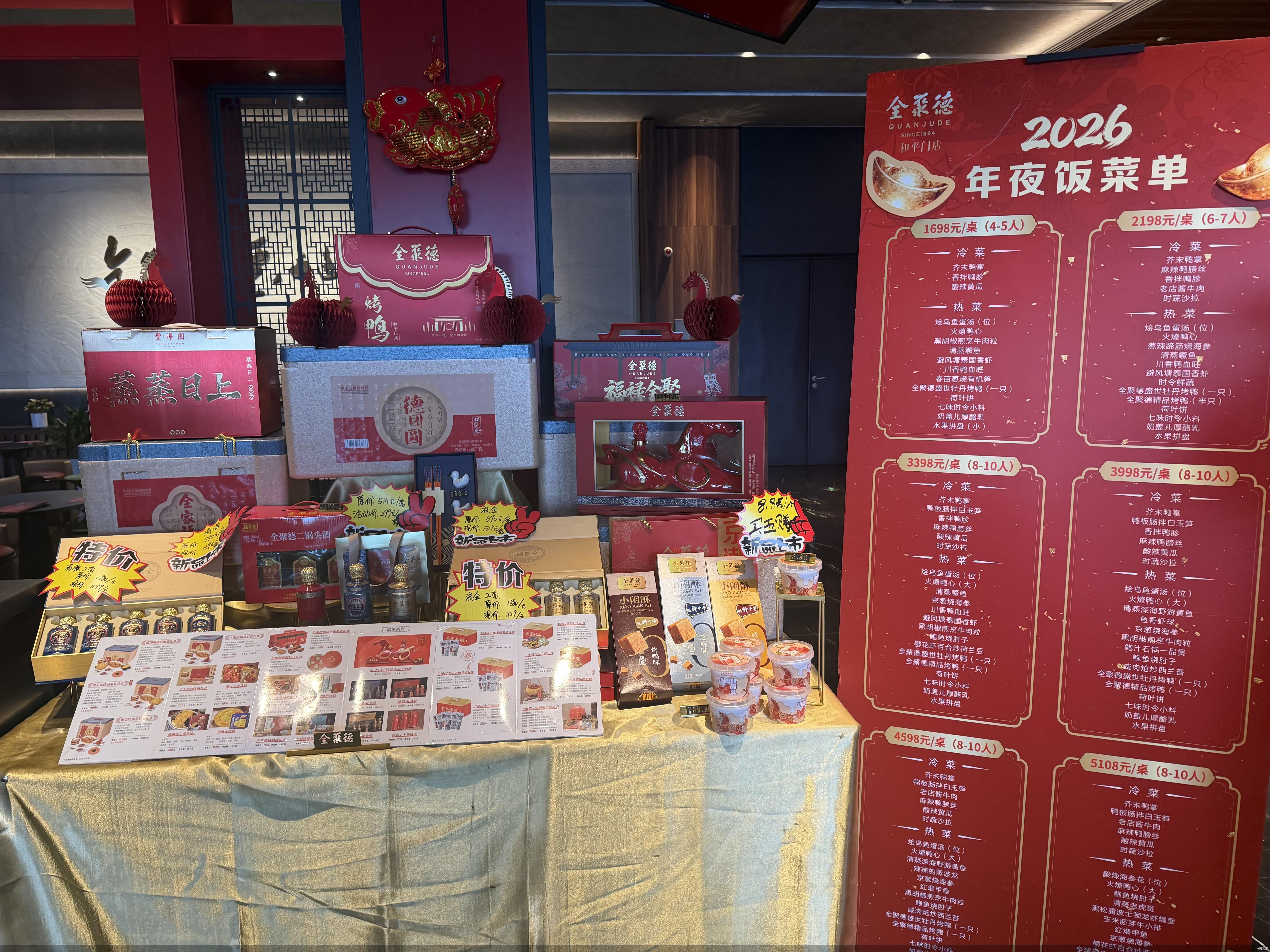
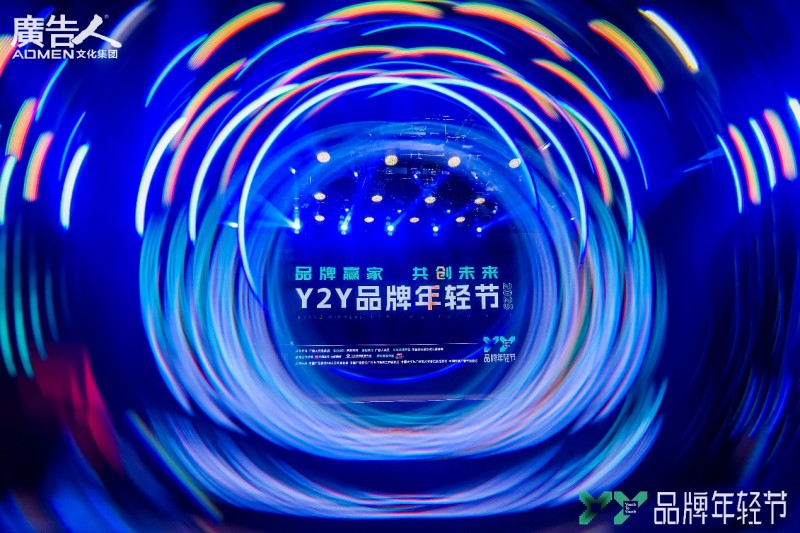
Core Viewpoint - The Y2Y Brand Youth Festival and the 2025 Autumn Collection Competition were launched, featuring the Sanjin Watermelon Frost brand, which aims to engage Generation Z in promoting throat health through creative initiatives [1][3]. Group 1: Event Launch and Brand Engagement - The Y2Y Brand Youth Festival was held in Beijing, gathering industry leaders, academic experts, and award-winning students to celebrate youth creativity [1]. - Sanjin Watermelon Frost introduced its key products, including Watermelon Frost Throat Lozenges in both box and tin packaging, and Watermelon Frost Throat Tablets, to inspire youth and promote throat health [1][3]. Group 2: Creative Competition - A nationwide creative competition was launched, inviting college students to participate under the theme "Be the Throat Health Representative" with a focus on throat health and the brand's products [3]. - The competition includes four categories: print advertising, short videos, planning proposals, and comprehensive design, encouraging students to develop innovative solutions for throat health issues [3]. Group 3: Teacher's Day Initiative - A special initiative was introduced to honor teachers, recruiting creative and responsible "Throat Health Representatives" from universities to express gratitude through innovative projects [7]. - This initiative aims to foster a culture of appreciation among students while providing thoughtful gifts to teachers, enhancing the bond between students and educators [7]. Group 4: Youth Interaction and Brand Promotion - The event saw enthusiastic participation from students, who engaged with the brand's products, showcasing their creativity and support for throat health [9]. - The brand's products were highlighted as essential for maintaining vocal health, resonating with the youth's desire for creative expression [9][17].
茅台“自刀”,砍痛了谁?
Sou Hu Cai Jing· 2026-01-05 03:36
Core Viewpoint - Moutai's adjustment of channel policies and operational strategies is a result of both external environment and internal demand, facing significant challenges and performance pressure after the new management took over [1][4] Group 1: Policy Changes - Moutai announced it will no longer distribute non-standard products through a "distribution method," marking the end of an era where distributors could profit easily [2][4] - The launch of the core product, the 1499 yuan Flying Moutai on the iMoutai platform, generated significant market interest, selling out quickly with over 100,000 users purchasing within the first three days [2][6] - Moutai plans to stop supplying rare Moutai products by 2026 and reduce the supply of non-standard products by 30%-50%, which may enhance the value of existing distributor inventories [4][5] Group 2: Market Reactions - The market has seen fluctuations in wholesale prices, with the 2025 production of Flying Moutai dropping below 1499 yuan per bottle, indicating a shift in market dynamics [2][6] - Distributors are experiencing mixed feelings; while some see the removal of forced distribution of non-standard products as a chance to focus on bestsellers, others fear the new policies may lead to a purge of weaker distributors [5][10] - The simplification of distribution channels and increased direct sales from manufacturers may provide consumers with better access to products at original prices [5][6] Group 3: Challenges Ahead - Moutai faces the challenge of balancing brand value with market expansion, as the risk of diluting its premium image looms large [7][8] - The transition to a new sales model may involve a painful adjustment period for distributors, who are shifting from traditional roles to becoming channel service providers [7][8] - The changing consumer environment poses long-term pressures, with a need for Moutai to innovate in marketing to attract younger demographics while maintaining cultural heritage [9][10] Group 4: Industry Implications - Moutai's decision to eliminate the distribution model raises questions for other liquor companies about whether to follow suit, potentially impacting the market positions of high-end brands like Wuliangye and Guojiao 1573 [10][11] - Other brands may struggle to replicate Moutai's strategy due to differing brand attributes and market conditions, emphasizing the need for tailored approaches rather than blind imitation [11]

创意赋能护嗓使命,青春筑梦品牌新篇——三金西瓜霜亮相2025秋季赛青春盛典!
Sou Hu Wang· 2026-01-04 10:03
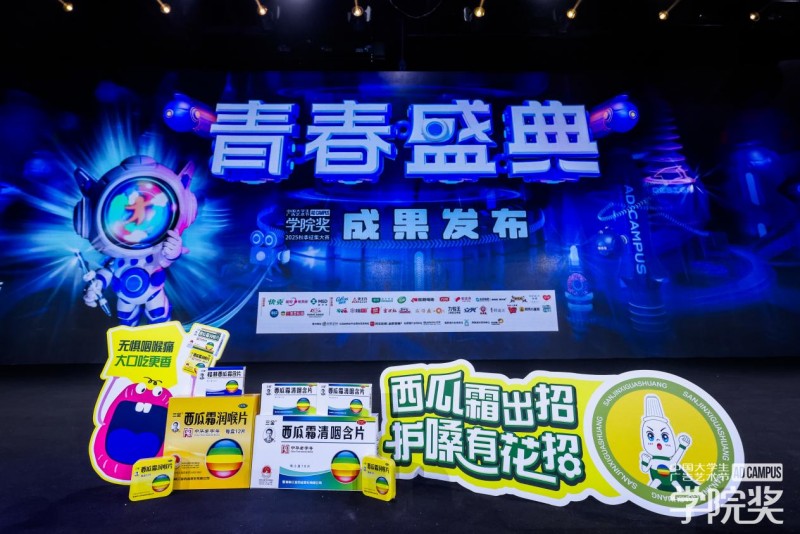
Core Insights - The event "Youth Gala of the 2025 Autumn Creative Competition" was successfully held at Beijing Broadcasting Hotel, focusing on the theme of "Protecting Throat Health" and resonating deeply with the youth [1] - The brand Sanjin Watermelon Frost emphasizes its commitment to throat health and invites college students nationwide to participate in a creative competition that aligns brand values with youth culture [3] Group 1: Event Overview - The competition featured eight creative categories including graphic design, short videos, and event planning, resulting in over 13,000 high-quality creative submissions [5] - The event showcased a brand interaction area where products like Watermelon Frost throat lozenges were displayed, highlighting their effectiveness for various throat health needs [12][15] Group 2: Creative Contributions - The grand prize was awarded to a video project from Nanchang Vocational University, which creatively conveyed the brand's message of throat health through an engaging narrative [19] - The competition encouraged students to explore the connection between brand values and youth lifestyles, fostering innovative ideas that reflect the brand's heritage and mission [26] Group 3: Brand Engagement - The brand's interactive exhibition attracted significant attention, allowing students to engage with the products and understand the brand's commitment to health and well-being [15] - Media coverage highlighted the importance of understanding youth insights for brand communication, emphasizing the need for tailored content that resonates with young audiences [27] Group 4: Future Directions - Sanjin Watermelon Frost aims to continue its focus on the youth market, leveraging creativity and humanistic values to enhance brand relevance among younger generations [29]

从一片阿胶到“现象级爆款IP”:一个百年老字号让Z世代上头的焕新之路
Qi Lu Wan Bao· 2025-12-30 13:23
Core Insights - The transformation of traditional brands like Fupai Ejiao into contemporary favorites for Generation Z is exemplified by the success of the "Fulu Beast" IP, which integrates cultural elements and modern marketing strategies [1][2][6] Group 1: Brand Strategy and Growth - Fupai Ejiao aims to achieve its mission of "Fortune into Thousands of Families, Healthy Life" by implementing a strategic framework of "5+1+2+N" and a brand matrix of "1+4+N," resulting in a 65% year-on-year growth in online sales of the red iron box Ejiao and a 97% increase in offline sales of the gold standard Ejiao [1] - The brand has successfully created four product lines with over 1 billion in sales, marking a significant shift from a focus on single products to a broader emphasis on health supplements [1] Group 2: Cultural Rebranding - The "Fulu Beast" IP, inspired by the auspicious creature from the "Shan Hai Jing," has become a cultural touchpoint that resonates with younger consumers, blending traditional elements with modern aesthetics [2] - This IP has expanded beyond packaging to include cross-industry collaborations and collectible merchandise, effectively making it a symbol of contemporary "Fortune Culture" [2] Group 3: Content and Engagement - The short drama "After Becoming a Demon Empress, She Wants to Change the World," produced by Fupai Ejiao, utilizes a mix of traditional and modern storytelling to engage Generation Z, creating an emotional connection that drives consumption [3] - The narrative strategy has shifted from one-way communication about product benefits to a co-creative emotional experience, positioning young consumers as active participants rather than passive recipients [3] Group 4: Omnichannel Experience - Fupai Ejiao has developed a comprehensive growth network that integrates online and offline experiences, reaching Generation Z through diverse content strategies on platforms like Douyin, Xiaohongshu, and Bilibili, achieving over 50 million views [4] - The establishment of 5,000 "Ejiao Fresh Service Centers" and "New Seasonal Health Stores" enhances consumer engagement through immersive experiences, transforming consumption into a personalized and interactive process [4] Group 5: Global Expansion and Cultural Impact - Fupai Ejiao's revitalization illustrates that true modernization of traditional brands involves creatively translating their wisdom into contemporary language, rather than merely following trends [6] - The brand's products are now available in 18 countries, including the United States, Canada, and Australia, making "Fortune Culture" a vibrant and accessible concept for global youth [6]

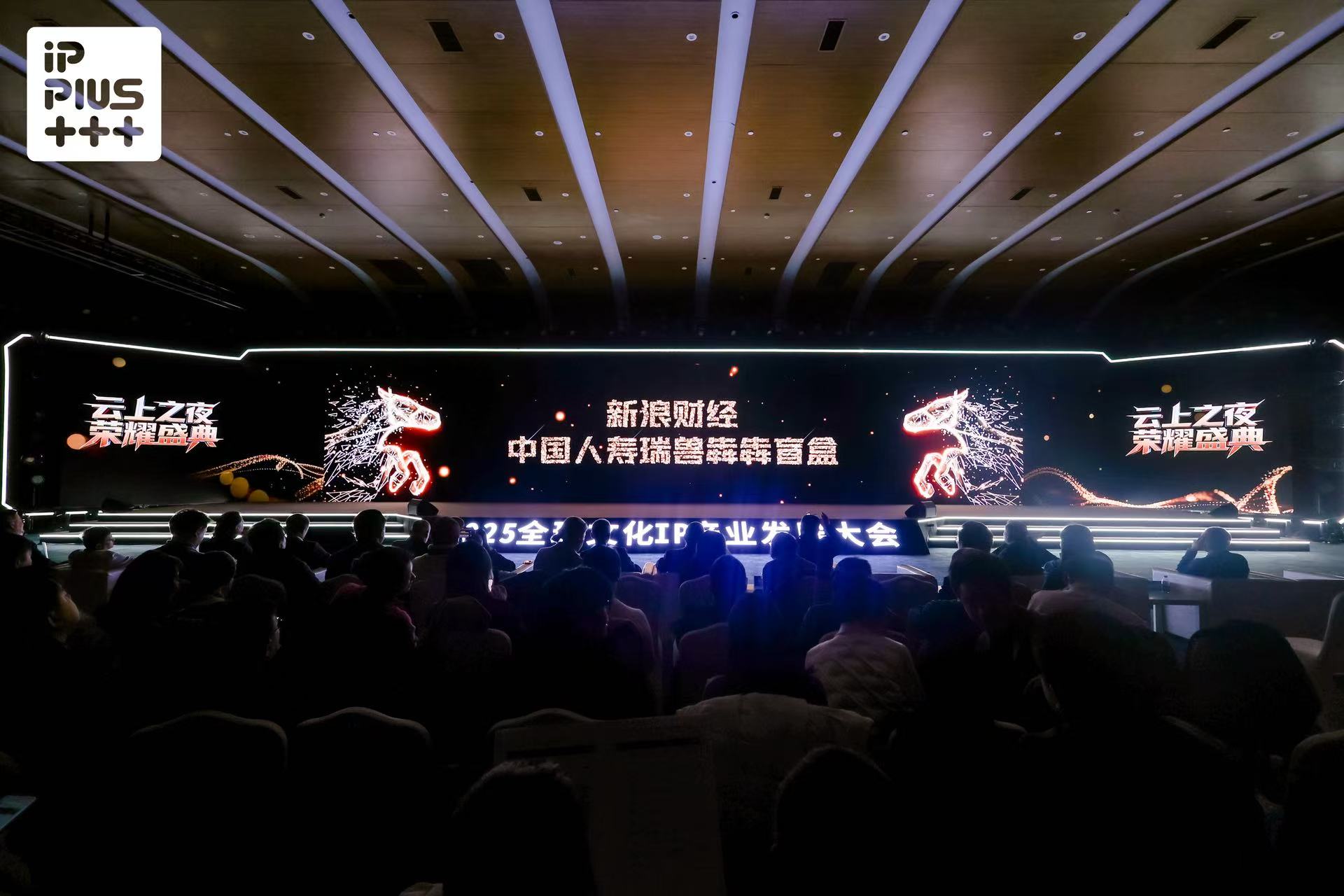
《中国人寿x新浪财经瑞兽犇犇盲盒荣获“2025卡牌潮玩荣耀IP”,探索品牌年轻化新路径》
Xin Lang Cai Jing· 2025-12-29 05:11
Core Insights - The 2025 Global Cultural IP Industry Development Conference was held in Shanghai on December 27, 2025, focusing on the integration of cultural IP and technology, and awarded innovative and influential benchmark cases [1][3] - China Life Insurance's "Rui Shou Ben Ben" blind box won the "2025 Card Game Trendy IP" award, being the only financial insurance brand recognized at the event alongside renowned cultural IPs [1][3] Group 1: Event Overview - The conference aligns with the national strategy for cultural strength and aims to explore and recognize outstanding cultural IPs that embody the spirit of the times [3][8] - The evaluation criteria included six dimensions such as innovation, dissemination, and national characteristics [3][8] Group 2: China Life's Innovation - The "Rui Shou Ben Ben" blind box is based on the brand's mascot and incorporates elements from six traditional auspicious beasts, showcasing a youthful design that appeals to modern aesthetics [5][10] - The series conveys the message of "protecting the people and ensuring good fortune," effectively reaching the young consumer demographic [5][10] Group 3: Engagement and Recognition - In addition to the physical blind box, an animated short titled "Ben Teng Rui Shou" was launched, featuring young volunteers and promoting China Life's service philosophy [7][12] - The project has generated widespread engagement on social media, strengthening emotional connections with younger audiences and highlighting the brand's innovative cultural IP capabilities [7][12] - The award signifies a significant breakthrough for financial brands in achieving youthfulness through cross-industry integration, enhancing brand recognition and affinity in the young market [12]

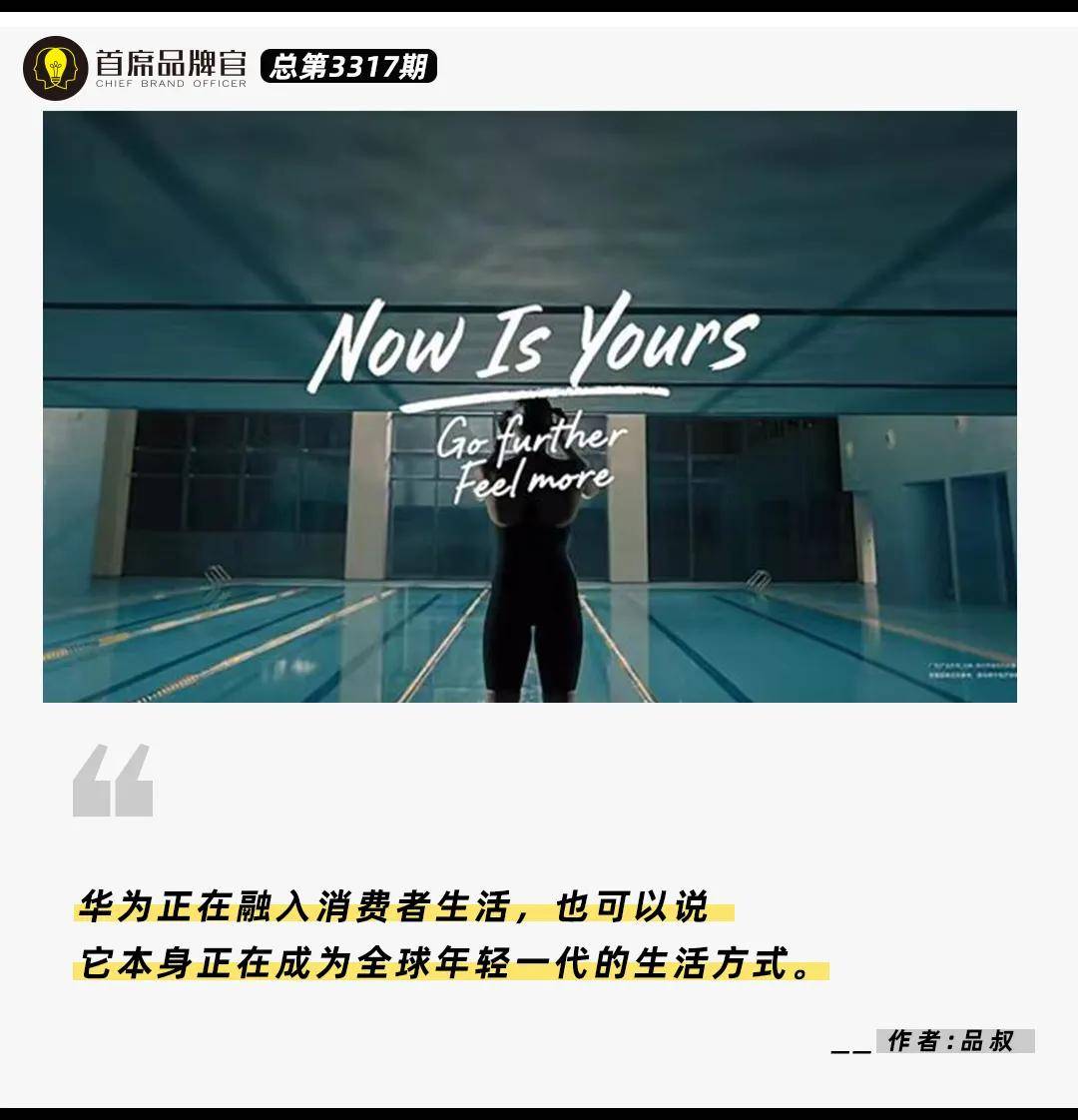
用户到底需要怎样的品牌?从华为Now is Yours主张说起
Sou Hu Cai Jing· 2025-12-28 09:04
Core Insights - The rise of a new generation of consumers is reshaping the technology market, making youth engagement a survival necessity for brands [3][4] - Traditional marketing strategies are becoming less effective as young consumers seek authenticity and emotional connection rather than mere product features [4][6] Group 1: Consumer Behavior - Young consumers are immersed in niche cultures such as esports and subcultures, valuing individuality and emotional resonance while being critical of overt marketing tactics [4][5] - The shift from template-based marketing to a more personalized approach is essential as consumers exhibit fatigue towards standardized advertising [4][7] Group 2: Brand Strategies - Huawei has shifted its focus from technical specifications to understanding and addressing consumer needs through relatable stories and user-centric design [5][10] - The introduction of features like the wheelchair mode in Huawei's products demonstrates a commitment to inclusivity and addressing specific user needs, reflecting a deeper understanding of diverse consumer requirements [10][14] Group 3: Market Positioning - Huawei's approach emphasizes long-term engagement with consumers, fostering a community around shared interests and experiences rather than just selling products [14][15] - The brand's success in wearable technology and other segments is attributed to its ability to integrate into consumers' daily lives, making technology a part of their community [15][21] Group 4: Future Trends - The technology industry is expected to face intensified competition for youth engagement, with brands needing to adapt to diverse consumer demands driven by emotional and experiential factors [24][25] - Companies must prioritize authentic emotional connections and support for self-expression among young consumers, moving away from traditional authoritative marketing styles [24][25]
从唐国强玩梗到肖战代言,荣耀“不装了”
Feng Huang Wang· 2025-12-28 08:39
Core Insights - The "WIN" series launch by Honor signifies a strategic shift towards a more aggressive and youthful branding approach, aiming to resonate with younger consumers in the competitive smartphone market [1][2][5] - The marketing strategy emphasizes a blend of performance and emotional connection, utilizing relatable language and community engagement to rebuild trust with the target audience [2][3][4] Group 1: Product and Market Strategy - The "WIN" series is positioned as a performance-driven product aimed at the esports segment, which Honor views as a key area for brand rejuvenation [2][5] - The marketing campaign effectively utilized social media and short video formats to create anticipation prior to the launch, showcasing a modern approach to consumer engagement [3][6] - Honor's collaboration with popular figures, such as actor Xiao Zhan, serves to bridge the gap between the brand and younger audiences, transforming technical specifications into relatable emotional narratives [2][3] Group 2: Brand Image and Consumer Engagement - Honor's new management team demonstrates a commitment to listening to consumer feedback and engaging in open dialogue, marking a shift from a top-down communication style to a more interactive approach [4][5] - The brand's willingness to embrace self-deprecation and address consumer skepticism directly has fostered a more relatable and trustworthy image among younger consumers [3][4] - The overall strategy reflects a return to fundamental marketing principles, focusing on product quality and effective communication to establish a strong market presence [5][6]