
商业向善

Search documents
善惠客:商业向善破“内卷”,构建共赢新生态
Xin Lang Cai Jing· 2025-12-25 09:08
Core Viewpoint - The article emphasizes the importance of addressing "involution" in competition and highlights the role of the platform economy in promoting high-quality development, with a focus on creating a win-win situation for platform enterprises, operators, and workers [2]. Group 1: Company Initiatives - The company,善惠客, aims to break the cycle of "price wars" by implementing a zero-entry fee model, significantly lowering the barriers for merchants to join the platform [3]. - The platform has introduced an innovative "cross-industry revenue-sharing" mechanism, allowing merchants to earn continuous points from user consumption across any alliance merchant, fundamentally alleviating the pressure of low-price competition [3]. -善惠客 has established a "Goodness Rating" system that converts merchants' environmental and public welfare practices into traffic support and subsidies, guiding competition from price to value [3]. Group 2: Consumer Experience - The platform redefines the consumer experience by allowing users to earn points with every purchase, which can be redeemed across stores, donated to charity, or exchanged for services, thus creating lasting value from consumption [4]. - By integrating AI for personalized recommendations and blockchain for data sovereignty, users enjoy tailored services while maintaining control over their data, achieving "smart consumption and continuous benefits" [4]. Group 3: Mechanisms to Address Involution -善惠客 has developed a three-tiered mechanism to systematically address "involution," including a technical mechanism that utilizes Web3.0 blockchain to ensure data rights for merchants and users, breaking the "data tenant" dilemma [5]. - The ecological mechanism promotes the circulation of green points across different scenarios, creating a closed loop of "consumption - points - re-consumption," which fosters industry collaboration and reduces internal consumption [5]. - The value mechanism incorporates environmental and public welfare into the "Goodness Rating," promoting the integration of commercial value and social responsibility, aligning with the central government's emphasis on enhancing corporate social responsibility [6]. Group 4: Future Outlook - The platform plans to expand its network of alliance merchants, focusing on essential sectors such as dining, retail, and agricultural products, while upgrading its technical empowerment system to provide precise marketing and supply chain support [6]. - The company aims to deepen its engagement in public welfare, ensuring that the concept of "business for good" benefits a broader audience and contributes to addressing "involution" in competition and building a unified national market [6]. - Industry observers note that addressing involution is not about suppressing competition but establishing a healthy order where "value creators benefit," positioning善惠客 as a model for transitioning from "involution consumption" to "value co-creation" [6].

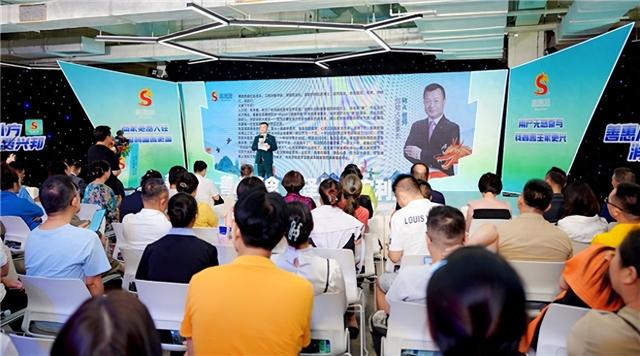
从“独行”到“共生”:中国企业探寻向善新范式
Hua Xia Shi Bao· 2025-12-20 12:54
Core Viewpoint - Corporate philanthropy in China is a significant and undervalued force, contributing 76.85% of total social donations, with private enterprises being the main contributors [2][4] Group 1: Corporate Philanthropy and Social Value - Corporate donations accounted for 76.58% of total social donations in 2023, with private enterprises contributing 80% of this amount [3][4] - The economic foundation of China's philanthropic efforts is primarily established by private enterprises and entrepreneurs [4] - A report indicates that the total donations from the 34 most active Chinese philanthropists over the past decade exceed 230 billion [4] Group 2: Strategic Opportunities for Enterprises - Chinese enterprises are transitioning from a focus on scale growth to social value innovation, which is expected to be a core competitive advantage during the 14th Five-Year Plan [3] - Digital technology is reshaping sustainable development pathways, making charitable actions more quantifiable and manageable [3] - With the advancement of China's dual carbon goals, the country is transitioning from being a standard executor to a co-developer of global standards, enhancing its international influence [3] Group 3: Trends in Corporate Philanthropy - Six new trends in corporate philanthropy have emerged, including deeper involvement of entrepreneurs in charitable activities and a focus on using core business capabilities to address social issues [4] - There is an increasing emphasis on the exit strategies of philanthropic projects, and scientific philanthropy is gaining traction, particularly in higher education and technological innovation [4] Group 4: Collaborative Ecosystems - The consensus among industry leaders is to move from isolated efforts to collaborative ecosystems to tackle complex social issues [6] - Tencent, along with other companies, has established a "Sustainable Social Value Ecosystem" to pool resources and capabilities for greater social impact [6][7] - The foundation of ecosystem building is the core capabilities of enterprises, which must be transformed into social value production [7] Group 5: Technological Empowerment - Technology is viewed as a bridge to enhance the efficiency and inclusivity of charitable efforts, with companies developing solutions for underserved communities, such as the hearing-impaired [9][10] - Innovations in AI and smart devices are being utilized to provide personalized care in childcare and elderly care sectors [10] Group 6: Future of Corporate Social Responsibility - The future of corporate growth is expected to balance self-interest with altruism, integrating efficiency with meaningful social contributions [11] - The success of enterprises will increasingly be measured not just by financial metrics but also by their contributions to a better society [11]




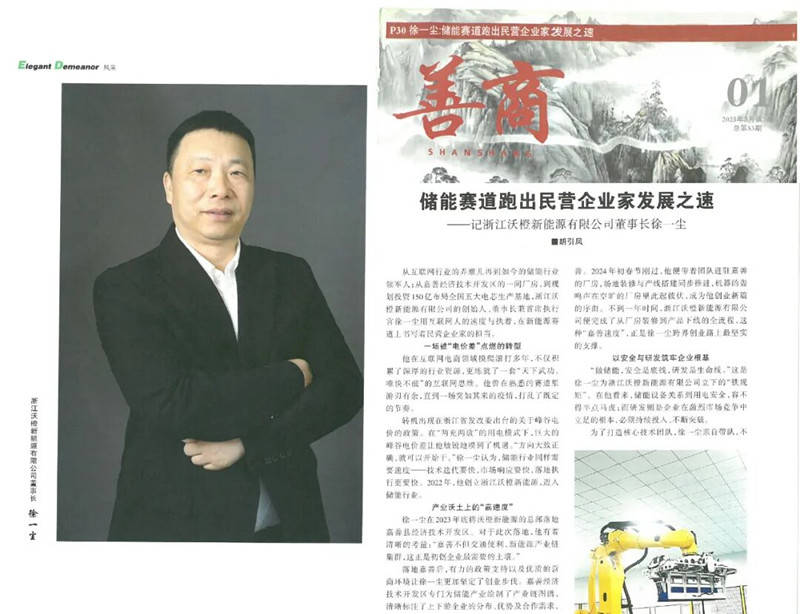
2025泰康溢彩公益节:“溢彩康养人”项目落地,共筑养老公益生态
Jin Rong Jie Zi Xun· 2025-12-18 11:51
Core Insights - The 2025 Taikang Colorful Charity Festival concluded successfully, emphasizing the theme "Connecting through Love, Acting for Good," and showcased the achievements of the Colorful Charity over the past seven years [1][3] - The festival launched the "Colorful Health Care Talent" project, marking a new phase in the development of the elderly care service talent pool in China, aiming for a brand-oriented and systematic approach to enhance the quality of the elderly care industry [1][6] Group 1: Event Overview - The Taikang Colorful Charity Festival has become a signature annual event for Taikang Insurance Group, promoting the concept of "business for good" [3] - The 2025 festival focused on "connection" and "action," aiming to break the boundaries of charity and involve diverse stakeholders in caring for the elderly [3][4] - Representatives from various organizations praised the Colorful Charity Foundation's significant achievements in multiple charitable areas over the past seven years [3][4] Group 2: Achievements and Impact - As of the end of 2025, the "Colorful Thousand Homes" project has funded over 460 elderly care institutions and donated more than 37,000 pieces of rehabilitation equipment [4] - The Colorful Charity Foundation has trained nearly 150,000 professional service personnel, directly or indirectly helping around 100,000 elderly individuals improve their quality of life [4] - The "Colorful Starlight" community elderly care project has served over 70,000 elderly individuals in Beijing and Shanghai [4] Group 3: New Initiatives - The "Colorful Health Care Talent" project aims to address the shortage of talent and low social recognition in the elderly care sector by enhancing the visibility and honor of elderly care professionals [6][10] - The project plans to select 100 "Colorful Health Care Talents" nationwide, providing targeted training and resources to improve their professional capabilities [10] - The initiative seeks to attract more individuals to the elderly care industry, making it a respected and rewarding profession [10] Group 4: Long-term Vision - The success of the "Colorful Health Care Talent" project relies on the established public welfare empowerment system of the Taikang Colorful Charity Foundation, which has focused on building the elderly care service talent pool since its inception in 2018 [11] - The foundation emphasizes that public welfare is a collective effort involving government, social organizations, businesses, volunteers, and the public [14] - Taikang Insurance Group promotes a culture of public service, encouraging every individual to contribute to charity, thereby enhancing the overall quality of elderly care services in China [14][15]
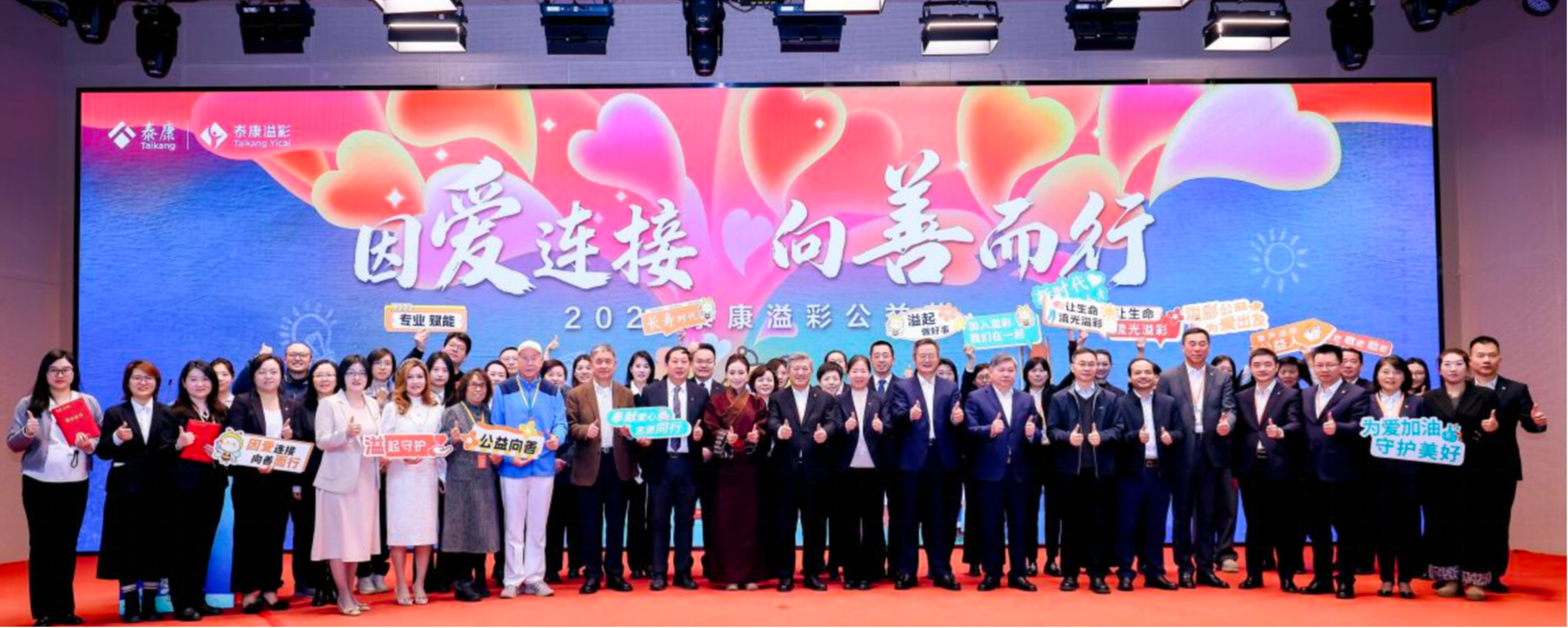
喜报!沃橙董事长徐一尘荣登《善商》杂志,以“本质安全”铸“善商”典范,用科技重写储能责任
Sou Hu Cai Jing· 2025-12-17 06:40
Core Viewpoint - The chairman of WoCheng New Energy, Xu Yichen, emphasizes the importance of safety in the energy storage industry and introduces the world's first underground energy storage system, "Xingyaoshi," as a commitment to the "good business" spirit [1][7]. Group 1: Product Innovation - The "Xingyaoshi" underground energy storage system is designed to address common concerns in the energy storage industry, such as high thermal runaway risks and large land occupation [7]. - The system is physically isolated from the external environment, fundamentally eliminating explosion risks [8]. - It has superior performance in extreme conditions, operating at -50°C with an energy conversion efficiency of 95%, surpassing the industry average [8]. Group 2: Commitment to Safety - WoCheng's commitment to safety extends beyond product safety to encompass a full industry chain responsibility [8]. - The system features a zero-failure rate, utilizing a self-developed distributed intelligent energy management system that isolates damaged modules during faults, ensuring continuous power supply [8]. Group 3: Industry Impact - The company has invested 15 billion in establishing five battery cell bases, aiming to ensure safety, reliability, and collaboration across the entire supply chain from battery cells to applications [8]. - WoCheng is promoting the upgrade of industry safety standards from "passive protection" to "intrinsic safety" [8]. Group 4: Social Responsibility - The company is implementing "zero-carbon parks" as pilot projects to facilitate the integration of source-network-load-storage systems, embedding "Xingyaoshi" into urban infrastructure to support regional carbon neutrality goals [9]. Group 5: Future Vision - WoCheng New Energy demonstrates that "good business" is not a moral constraint but a competitive advantage, with technology redefining the concept of "business for good" [10].
【资讯】行业唯一!三棵树与百度合作的创新项目摘得国际大奖
Sou Hu Cai Jing· 2025-12-12 21:13
艾菲奖(EFFIE Awards)创立于1968年,是全球唯一以"实际效果"为核心评选标准的权威营销奖项,覆盖全球125个国家及地区,素有"营销界奥斯卡"之 称。本次获奖"让AI住进你星里"公益项目,是三棵树在2024年推出的创新公益项目。项目聚焦孤独症儿童家庭,通过百度AI商家智能体技术与"更健康的 中国漆",构建"AI+公益+品牌服务"三合一场景,实现了品牌温度传递与营销实效的双效突破。 12月10日,2025大中华区艾菲场景营销奖颁奖典礼在河北崇礼阿那亚圆满落幕。 三棵树凭借与百度合作的"让AI住进你星里"公益项目,荣获"艾菲场景营 销金奖——企业声誉类", 成为本年度涂料行业唯一上榜品牌,标志着其在品牌建设获得国际专业认可。 三棵树"让AI住进你星里"项目,以"帮助特殊人群"为关怀原点,聚焦孤独症儿童对创意表达与温暖家居环境的深层需求,将AI技术深度融入服务全流程。 三棵树携手百度通过打造"AI家装设计师"智能助手,结合"健康+"产品体系与"国漆国色"的色彩美学,为孤独症家庭提供从色彩规划到安全涂装的整体健 康解决方案。项目构建了"理解—响应—进化"的闭环服务模式,累计触达超30万人次,实现AI对话超 ...


首次售股全数捐赠,贝壳董事长用真金加码投入行业的明天
Sou Hu Cai Jing· 2025-12-11 13:00
Core Viewpoint - The stock sale by the CEO of Beike, which was fully donated to charity, signals a strong commitment to the housing service ecosystem and reflects a long-term value perspective in the industry [1][4]. Group 1: Donation Purpose and Impact - The donation is strategically directed towards two key groups: service providers in the housing sector and recent graduates entering the job market [2]. - The funds will support a healthcare safety net for service providers and provide rental subsidies for economically disadvantaged graduates, thereby fostering a healthier housing consumption market [3]. Group 2: Business Resilience and Market Confidence - Beike's Q3 2025 financial report shows a year-on-year revenue increase, with emerging businesses like home decoration and rental services achieving profitability before headquarters costs [4]. - The market has responded positively, with major investment banks maintaining "buy" ratings and significant inflows from southbound funds, indicating strong confidence in Beike's transformation and long-term value [4]. Group 3: Corporate Social Responsibility and Brand Value - The donation is part of Beike's broader "business for good" strategy, which integrates social responsibility into its operations [5][6]. - The CEO's ranking on the 2025 Hurun Charity List reflects the recognition of Beike's systematic approach to fulfilling social responsibilities, enhancing the company's brand values [6].
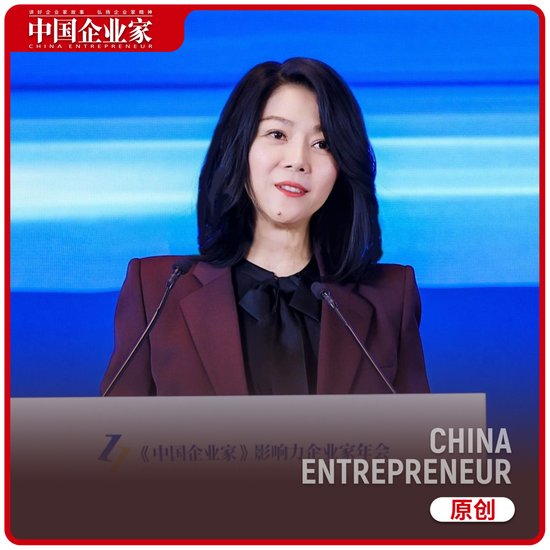
孔东梅:共筑社会价值创新生态
Xin Lang Cai Jing· 2025-12-09 02:13
Core Viewpoint - The conference emphasizes the importance of cultural confidence and the concept of "business for good" as guiding principles for modern enterprises in China [3][14]. Group 1: Cultural Confidence - The essence of a company lies in its culture, which is the deepest layer beyond tangible assets and capabilities [5][17]. - The direction of modern Chinese enterprise management is to creatively integrate traditional Chinese culture with modern corporate spirit, transitioning from "efficiency competition" to "value competition" [6][18]. - Companies must consider the coexistence of growth and social responsibility as a critical issue of the times [15][21]. Group 2: Business for Good - "Business for good" is defined as leveraging commercial power to address social and environmental issues while creating economic value [20][21]. - The concept is rooted in both Western and Chinese traditions, highlighting the importance of social responsibility over mere profit maximization [20][21]. - Companies are encouraged to find intersections between public welfare and business, adopting a "benefit through righteousness" approach to create shared value [21][22]. Group 3: Sustainable Social Value - The idea of "sustainable social value innovation" transcends traditional corporate social responsibility, making social progress a core mission of enterprises [23][24]. - Building an open and collaborative ecosystem is essential for addressing social issues through shared resources and technology [23][24]. - The integration of cultural confidence and social responsibility is seen as vital for Chinese companies to become world-class enterprises with both commercial value and social commitment [24].
健帆生物:公司实践案例获《商业向善案例集2025》收录
Zhong Zheng Wang· 2025-12-09 02:07
Core Insights - Jianfan Bio's case study has been included in the "Business for Good Case Collection 2025," highlighting its commitment to social responsibility and innovation in the medical technology sector [1] - The case focuses on over 20 years of "responsibility evolution," emphasizing the company's efforts to break foreign medical technology monopolies through independent innovation in blood purification technology [1] - The initiative includes innovations in payment systems, enhancing grassroots medical capabilities, and promoting industry collaboration to make technology more accessible [1] Company Initiatives - Jianfan Bio initiated the "919 Uremia Care Day" to build social consensus and create a closed loop of "original innovation - technology accessibility - social advocacy" [1] - The company exemplifies how a domestic enterprise in the medical technology field can empower social welfare through core technology, fulfilling the dual mission of "treating diseases and saving lives" while contributing to industrial growth [1] Event Details - The forum where the case study was presented was guided by the China Association for International Exchange of Personnel and organized by the Hainan Asia Public Welfare Research Institute along with several other institutions [1] - The event attracted over 600 participants from 16 countries and regions, including government representatives, international organization leaders, philanthropists, entrepreneurs, and scholars, to discuss Asian public welfare development [1] - The live broadcast of the forum garnered over 900,000 views, indicating significant interest in global sustainable development challenges [1]

泰康养老以公益之心践行商业向善,以专业力量传递保险温度
Cai Fu Zai Xian· 2025-11-28 06:16
Core Viewpoint - The company emphasizes its commitment to corporate social responsibility, integrating it into its development strategy while contributing to national goals and public welfare [1] Group 1: Corporate Social Responsibility Initiatives - The company has been actively involved in the "Angel Power" initiative, supporting healthcare professionals through various public welfare activities, collaborating with over 3,600 hospitals and more than 130,000 healthcare workers [2] - The company has established a long-term risk protection mechanism for healthcare workers, covering over 468,800 hospitals and providing support for more than 1.067 million healthcare workers and their families [2] - The company launched the "Yi Yuan Micro Light" project to assist rural students in achieving their educational dreams, successfully helping 14 students from Honghe County, Yunnan [3] Group 2: Environmental and Health Initiatives - The company promotes green finance through the "PLOGGING" initiative, combining fitness activities with environmental awareness, achieving a 95% accuracy rate in waste classification during beach clean-up events [4] - The company engages in community education on green finance and fraud prevention while cleaning up environments in rural areas [4] Group 3: Innovative Public Welfare Models - The company established a 100 million yuan public health and epidemic prevention fund to enhance public health education and support the "Healthy China" strategy [5] - The "Love Insurance" product, launched in early 2020, expanded coverage to include COVID-19, with surplus funds donated to support public health systems [5] - The company introduced the "Happiness Color Public Welfare Policy Plan," donating 300 yuan for each "Happiness Appointment" policy sold to support elderly care projects [5]
彩虹星球终审胜诉并发布企业倡议:十一年坚守“商业向善” 让有机生活走进千家万户
Zheng Quan Ri Bao Wang· 2025-10-29 13:43
Core Viewpoint - The company Rainbow Planet Cultural Technology Co., Ltd. has achieved a significant legal victory in a defamation case against Wang Hai, reinforcing its commitment to brand protection and corporate integrity [2] Group 1: Legal Victory and Implications - The court upheld the first-instance ruling, holding Wang Hai responsible for defamation, requiring him to delete infringing content and publicly apologize for three consecutive days [2] - The total compensation awarded to Rainbow Planet for damages, notarization fees, and legal costs amounts to 97,800 yuan [2] - The case serves as a model for corporate rights protection and highlights the importance of a fair business environment [2] Group 2: Commitment to Social Responsibility - Over the past 11 years, the company has invested over 20 million yuan in product testing, with 37 products voluntarily removed for not meeting internal standards [3] - The company has allocated 60% of its net profits to organic agriculture and social contributions, collaborating with over 160 ecological farms [4] - Rainbow Planet has provided 3.83 million yuan in financial support to farmers and donated goods valued at 676,600 yuan for disaster relief and support for vulnerable groups [4] Group 3: Transparency and Consumer Engagement - The company aims to create a transparent and supervised product system, allowing consumers to become co-builders through open sourcing and real-time monitoring of farms [5] - These initiatives enhance consumer rights and ensure a safer, more trustworthy organic product experience [5] Group 4: Industry Innovation and Future Directions - Rainbow Planet is driving industry transformation through technological innovation and model restructuring, having established an agricultural technology company to support cooperative bases [6] - The company is exploring pathways to make high-quality organic vegetables more accessible to the general public [6] - The launch of the "Rainbow Planet Cooperative Initiative" emphasizes the company's commitment to transparency and sustainable business practices [6]