
场景融合

Search documents
深圳正以“系统革命”赢得无人车产业未来
2 1 Shi Ji Jing Ji Bao Dao· 2025-12-21 09:15
Core Insights - Shenzhen is witnessing a significant rise in the use of autonomous delivery vehicles, with a monthly operational mileage of 240,000 kilometers and approximately 1.29 million orders completed by November 2025, indicating a clear signal of profitability and a critical "economies of scale inflection point" in the commercialization of autonomous driving technology [1] - The competition in the autonomous vehicle sector has evolved from "which vehicle is smarter" to "which city system can better nurture and accelerate industry maturity," with Shenzhen leading due to its comprehensive "system empowerment" revolution [1] - Shenzhen has established itself as a "chief architect" and "risk partner" in the regulatory landscape for autonomous vehicles, creating a conducive environment for industry growth [2] Regulatory and Infrastructure Developments - In July, Shenzhen launched the first "functional autonomous vehicle management service platform" in the country, which integrates approval processes, dynamic monitoring, accident handling, data connectivity, and insurance services, facilitating compliance for enterprises and enabling "sandbox regulation" for the government [2] - This platform institutionalizes and marketizes "road rights" and "data resources," providing enterprises with a clear and predictable regulatory environment, thus reducing policy risk premiums and accelerating technological iteration and business model convergence [2] Integration with Urban Systems - Shenzhen's autonomous vehicles are designed as "smart plugins" within the existing logistics and transportation systems, exemplified by the innovative "autonomous vehicle + subway" model that enhances last-mile delivery efficiency [3] - The integration of autonomous vehicles with public transport systems not only optimizes land resources but also redefines logistics nodes, transforming the subway network into a dynamic urban logistics hub [3] - The business model has shifted from simple transportation service fees to revenue sharing based on system efficiency improvements, making autonomous vehicle solutions essential for urban smart upgrades [3] Capital and Standards Dynamics - Shenzhen is experiencing significant capital aggregation, with major companies like Meituan and JD.com investing heavily, and unicorns like New Stone and Jiushi receiving substantial funding, such as New Stone's 1 billion yuan financing in February 2025 [5] - The city is proactively establishing the first national standard system for the autonomous logistics industry, which serves as both a technical guideline and a market entry ticket, influencing the distribution of value within the industry [5] - The interplay between capital influx and the establishment of authoritative standards is enhancing investor confidence and attracting further investment, demonstrating Shenzhen's success in integrating policy, infrastructure, data, application scenarios, and innovative enterprises into a cohesive ecosystem [5]
21评论|深圳正以“系统革命”赢得无人车产业未来
2 1 Shi Ji Jing Ji Bao Dao· 2025-12-21 09:13
Core Insights - The article highlights the rapid integration of autonomous delivery vehicles in Shenzhen, indicating a significant milestone in the commercialization of autonomous driving technology, with a monthly operational mileage of 240,000 kilometers and approximately 1.29 million completed orders by November 2025 [2] Group 1: Economic Impact and Ecosystem - Shenzhen has transitioned from merely having the most testing vehicles to creating a robust ecosystem that fosters industry maturity, emphasizing the importance of a comprehensive system that supports technological validation and commercial expansion [2] - The city has established itself as a "chief architect" and "risk partner" in the autonomous vehicle sector, launching the first functional management service platform for autonomous vehicles in China, which streamlines compliance processes and enhances operational space for businesses [4] - This platform not only provides operational permissions but also institutionalizes and marketizes road rights and data resources, creating a predictable business environment that attracts long-term capital investment [4] Group 2: Integration with Urban Infrastructure - Shenzhen's autonomous vehicles are designed as integral components of the existing logistics and transportation systems, exemplified by the innovative "autonomous small vehicle + subway" model, which optimizes last-mile delivery by leveraging the strengths of subway transport [6] - The integration of autonomous vehicles with public transport systems enhances the efficiency of urban assets, shifting the evaluation of their value from mere cost savings to the activation and enhancement of existing urban resources [6][7] Group 3: Capital and Standards Development - The city has successfully created a virtuous cycle between capital and standards, attracting significant investments from major companies like Meituan and JD.com, and fostering a cluster of unicorns in the sector [9] - Shenzhen is actively promoting the establishment of national standards for the autonomous logistics industry, which will serve as a benchmark for technology and market entry, thereby influencing the distribution of value within the industry [9] - The influx of capital accelerates technological maturity and scale expansion, while authoritative standards reduce transaction costs and enhance investor confidence, further attracting more capital [9]
追觅吸尘器国内外营收双增长,全屋智能战略锚定高端家电战场|最前线
3 6 Ke· 2025-12-19 10:43
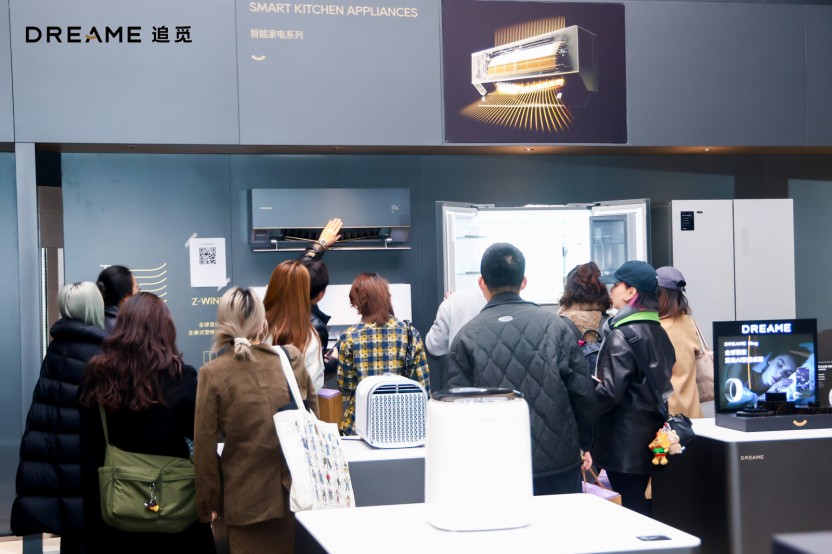
Core Insights - The global home appliance industry is shifting from scale growth to value competition, with a focus on technological innovation and scenario integration as key to overcoming challenges [1][3] Group 1: Vacuum Cleaner Innovations - The vacuum cleaner industry is currently experiencing a "micro-innovation" bottleneck, with traditional products failing to address deep user pain points [3] - In 2025, from January to November, the domestic revenue of the company's vacuum cleaners grew by 40%, while overseas market growth reached 59% [3] - The company has introduced several breakthrough technologies, including a high-speed digital motor with a maximum speed of 200,000 RPM and the world's first active hair-cutting technology [3][5] Group 2: Major Appliance Transformation - The traditional major appliance sector is undergoing two core shifts: premiumization and scenario-based solutions, with consumers seeking high-end experiences that integrate with home aesthetics [5] - The company has leveraged its expertise in bionic robotic arms and smart sensing to expand its capabilities from cleaning appliances to major appliances [5] - The introduction of the X-Wind air conditioner features dual bionic arms for flexible airflow and personalized comfort, addressing traditional air conditioning issues [5] Group 3: Kitchen and Laundry Innovations - The company has launched differentiated kitchen products, including the DS50 air fryer and AF60 multi-functional air fryer, utilizing innovative cooking technologies [6] - In the laundry sector, the washing machine can identify fabric types and automatically adjust washing programs, while the water purifier integrates heating, purification, and ice-making functions [6] - The focus on health and personalization in product development aims to enhance user comfort and well-being through AI and sensor integration [6] Group 4: R&D and Manufacturing Expansion - As of June 30, 2025, 60% of the company's workforce is dedicated to R&D, with annual R&D expenses accounting for no less than 7% of revenue [8] - The company is expanding its manufacturing footprint with a new smart manufacturing base in Nanjing, involving a total investment of 4 billion yuan and an expected annual production capacity of nearly 5 million units [8]

2026年商业与支付趋势报告(英文版)-Global Payments
Sou Hu Cai Jing· 2025-12-18 02:36
Core Insights - The report highlights that AI empowerment, scenario integration, and technological innovation are the core forces driving industry transformation, reshaping the commercial payment ecosystem with six major trends [1] Group 1: AI-Enabled Commerce - AI shopping agents are emerging as a new growth point, with 87% of businesses aware of them, particularly in retail (25% familiarity). These agents can reduce e-commerce cart abandonment rates by 66%, potentially generating an additional $240 billion in global e-commerce revenue [2] - Concerns regarding security fraud, dispute resolution, and algorithmic bias persist, with 42% of businesses expressing worries, and only 11% of consumers currently allowing AI agents to complete payments [2] Group 2: POS Revolution - Mobile POS and cloud systems are becoming mainstream, with 85% of mid-sized U.S. retailers relying on mobile POS solutions. Modern POS systems integrate real-time data analytics (57% prioritize this), inventory management, and CRM functionalities [3] - Biometric technologies are widely adopted, enhancing efficiency and security, with some restaurants achieving the capability to serve 40 cars in 15 minutes through voice ordering. However, system integration remains a significant pain point, with 32% of businesses citing it [3] Group 3: Embedded Finance - The embedded finance market is projected to reach $92 billion in 2024 and $228 billion by 2028, with "buy now, pay later" (BNPL) being a core application. 51% of retail businesses report revenue increases of over 25% from BNPL [4] - 71% of businesses express interest in integrating AI for real-time credit assessment and fraud detection, with significant regional differences in adoption rates [4] Group 4: Instant Payments - 31% of businesses have adopted instant payments, surpassing embedded finance (10%) and self-service technologies (5%). Key use cases include consumer refunds (72%) and gig worker payments (63% in Asia-Pacific) [5] - The rapid development of global real-time payment systems like FedNow (U.S.), UPI (India), and PIX (Brazil) is noted, although cross-border payments face limitations due to SWIFT processes [5] Group 5: Rise of Stablecoins - Stablecoins are gaining attention for their low volatility and cost advantages, with 72% acceptance among North American businesses. Large enterprises prefer them for cross-border payments and currency hedging [6] - Regulatory challenges and transparency issues hinder adoption, with stablecoins currently accounting for less than 1% of global transfer volumes [6] Group 6: Self-Service Payments - Self-service payment scenarios are expanding, with 83% of businesses planning to increase automation in the next two years. Technologies like smart kiosks and unmanned checkouts are enhancing transaction efficiency, leading to a 20% increase in order amounts at McDonald's [7] - Adoption rates vary significantly by region, with Asia-Pacific (100%) and Europe (94%) leading, while North America (79%) and Latin America (38%) lag behind [7] Conclusion - The commercial payment industry in 2026 is characterized by "technology-driven, scenario integration, and security-first" features. Businesses need to focus on technology integration and compliance management, aligning with core trends like AI agents and embedded finance to achieve efficiency and experience optimization [7]


大排档火锅全国首店在广州内测,海底捞“红石榴计划”继续扩容
Xin Jing Bao· 2025-12-11 14:25
Core Insights - Haidilao's new "Dapaidang" hotpot concept is currently in internal testing in Guangzhou, with plans to expand to cities like Qingdao, Shanghai, Wuhan, Hangzhou, and Nanning [1][3] - The Dapaidang hotpot differentiates itself by incorporating a fresh market concept, offering over 200 products presented in functional areas such as a teppanyaki zone, fresh-cut area, seafood zone, and fruit and beverage zone [1][2] - The pricing model is based on a per-plate system with four color-coded price tiers, allowing customers to select their ingredients [1][2] Supply Chain and Operations - The Dapaidang hotpot leverages Haidilao's supply chain for sourcing, cold chain transportation, and temporary storage, ensuring fresh seafood is kept alive until preparation [2] - A "seafood consultant" role has been established to provide expertise in product selection, supply chain management, and seafood handling [2] Market Trends and Consumer Preferences - There is a trend of scene integration in offline dining, with supermarkets introducing ready-to-eat sections and restaurants incorporating market and retail elements [2] - Consumers are increasingly valuing "smoky atmosphere," relaxation, and emotional value during dining experiences, showing a willingness to pay for fresh and interactive dining [2] Brand Development - Since the launch of the "Pomegranate Plan," Haidilao has developed 14 restaurant brands, including "Yanshi Barbecue" and "Xiao Hai Fried," with a total of 126 outlets under this initiative as of June 2025 [3] - The revenue from "other restaurants" reached 597 million yuan, marking a 227% year-on-year increase [3]

骑单车点咖啡,哈啰瑞幸联手打造出行消费入口
Sou Hu Cai Jing· 2025-11-18 11:30
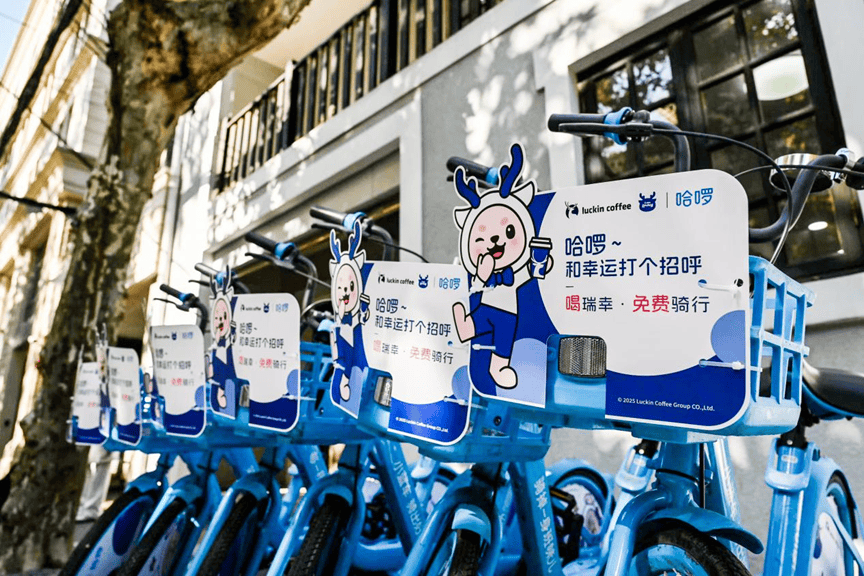
Core Insights - Hello and Luckin Coffee have officially announced a partnership, allowing users to purchase Luckin beverages directly through the Hello app while riding from November 17 to November 30 [1] - This collaboration marks Hello's first foray into order-level cooperation, effectively linking travel scenarios with beverage consumption [1][2] - The partnership reflects a new trend in the local service industry, emphasizing the importance of scenario integration based on real user behavior [2] Group 1 - Users can scan to ride and simultaneously order drinks, with the option for delivery or in-store pickup [1] - First-time orders on the same day will receive a discount of 1.5 yuan, and Hello cardholders can redeem equivalent rewards [1] - The collaboration includes offline elements, such as customized bikes and exclusive gifts for users who check in on social platforms [1] Group 2 - The local service market is shifting from traffic acquisition to competition based on scenario integration capabilities [2] - Hello aims to deepen the integration of travel scenarios with lifestyle services, enhancing user value and commercial efficiency [2] - The partnership with Luckin Coffee validates Hello's ability to connect diverse consumer needs and the company looks forward to collaborating with more brands [2]

消费新场景涌动内生动力 多元业态绘制增长蓝图
Zhong Guo Zheng Quan Bao· 2025-11-12 22:01
Core Insights - The "14th Five-Year Plan" emphasizes the importance of boosting domestic consumption as a strategic foundation for building a strong domestic market and transitioning to a high-quality development model driven by domestic demand [1] Group 1: Consumption Scene Integration - The plan highlights the need to expand service consumption by relaxing access and promoting business model integration, targeting the structural shift from single to multi-layered consumption [2] - The concept of "ticket economy" illustrates the transformation of traditional transactions into comprehensive service experiences, significantly enhancing local consumption [2] - The integration of tourism and local life is evolving, with tourists seeking not only attractions but also local experiences, reflecting the plan's directive to lead new supply with new demand [3] Group 2: Supply Innovation - Continuous improvement in consumption is linked to profound changes on the supply side, with the plan calling for the expansion of quality consumer goods and services [4] - Companies like Chongqing Beer are innovating across product categories and marketing channels to adapt to changing consumer habits and uncover new growth points [4] - The focus on health and personalization in consumer trends drives deeper innovation in technology and value creation, as seen in companies like Minsheng Health and Jiangnan Buyi [4][5] Group 3: Collaborative Ecosystem Development - A healthy and trustworthy consumption ecosystem is essential for enhancing consumer confidence, as outlined in the plan's recommendations for improving consumer rights protection and promoting paid leave [7] - Digital platforms play a crucial role in reducing information search costs and enhancing consumer experience through efficient decision-making tools [7] - Building long-term trust with consumers is vital for companies, with strategies like "omni-channel retail" ensuring consistent service across all consumer touchpoints [7] Group 4: Macro-Level Support - The foundation for consumer confidence lies in macro-level institutional improvements and income expectations, emphasizing the need for a supportive mechanism for consumption growth [8] - The plan's focus on employment, income growth, and optimizing social security systems aligns with the goal of addressing consumer concerns about spending [8] - A collaborative effort among policies, technology platforms, and corporate integrity is essential to create a reassuring consumption environment, which is key to unlocking current consumption potential [8]
CODEMINT纨素之肤xDQ联动引爆「冰到发光·美式上头」跨界热潮
Sou Hu Wang· 2025-09-22 09:27
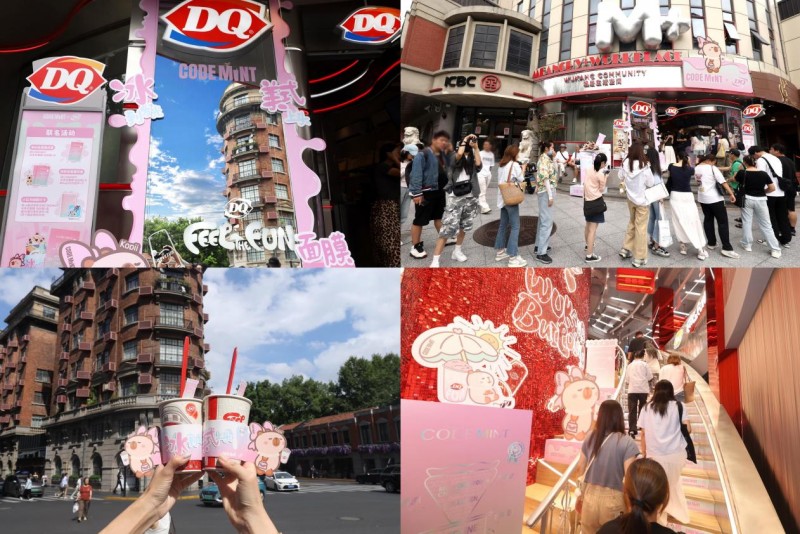
Core Insights - The collaboration between CODEMINT and DQ, themed "Ice to Shine: American Style High," leverages caffeine as a common ingredient to create an immersive brand experience, which has led to a significant surge in consumer interest and sales [1][3][10] Group 1: Collaboration Overview - The partnership marks an innovative intersection between the beauty and food industries, responding to the consumption recovery trend and targeting the Z generation's needs for emotional resonance and brand value [3][10] - The collaboration features a limited-time product launch across 18 DQ pop-up stores in five provinces, with some products selling out on the first day, indicating a market response that exceeded expectations [1][3] Group 2: Product Details - CODEMINT's star product, the "Ice Americano Mask," utilizes high-purity caffeine and other active ingredients to address the skincare concerns of young consumers, particularly those dealing with the effects of late nights [3][5] - DQ's featured product, "Coffee Mochi Blizzard," combines coffee with mochi and ice cream, creating a dual experience that aligns with the caffeine theme and enhances the overall consumer experience [3][5] Group 3: Target Audience - The collaboration specifically targets young women aged 18-30 who are both beauty enthusiasts and dessert lovers, capitalizing on their desire for social sharing and experiential consumption [5][10] - The joint experience allows consumers to enjoy both the DQ dessert and the CODEMINT mask simultaneously, enhancing the emotional and sensory appeal of the products [5][10] Group 4: Brand Strategy - This partnership exemplifies CODEMINT's strategy of building brand resonance in real-life consumer scenarios, emphasizing ingredient crossover and scene integration [10] - The collaboration reflects a broader trend in emotional consumption and social-driven marketing, providing insights into how brands can engage meaningfully with younger consumers [10]
场景融合扩大体育消费空间
Jing Ji Ri Bao· 2025-09-12 00:02
Group 1 - The core viewpoint emphasizes the transformation of old factories into sports venues, enhancing sports consumption potential through increased supply of sports facilities [1] - As of 2024, the total area of sports facilities in the country is projected to reach 4.23 billion square meters, an increase of 1.131 billion square meters compared to the end of the 13th Five-Year Plan [1] - The government has issued guidelines to encourage the use of industrial and commercial spaces for creating sports facilities, aiming to better meet diverse public needs [2] Group 2 - Sports consumption has significant growth potential, with events like the 2025 Qingdao Marathon expected to generate 349 million yuan in comprehensive consumption [2] - The integration of sports with commercial spaces and digital technology is crucial for creating new consumer experiences and enhancing engagement [3] - The national sports industry has seen an average annual growth rate of over 10% in the past five years, with the total scale expected to exceed 7 trillion yuan by 2030 [3]
一杯茶“泡”出传统产业的创新转型
Jin Rong Shi Bao· 2025-08-27 02:40
Core Viewpoint - The current consumption environment is challenging, yet the company remains unaffected, showcasing steady growth and the transformation of traditional agriculture [1] Quality Foundation - The company's robust development is rooted in its commitment to product quality, reflecting the overall quality upgrade of the Fuding white tea industry [2] - Fuding promotes the "two good and two replacements" standard, focusing on high-quality tea leaves and processing while replacing chemical pesticides and extensive processing [2] - By 2024, 80% of tea gardens will be ecological, significantly improving tea quality, with a 100% product qualification rate ensured through a city-level tea quality testing center [2] - A comprehensive big data traceability platform has been established, covering 360,000 acres of tea gardens and 77,000 tea farmers, enhancing transparency and trust in the production process [2] Intelligent Tea Production - The company operates an automated white tea production line, capable of processing the equivalent workload of 50 skilled workers per hour, ensuring efficiency and quality control [3] - The entire Fuding tea industry is advancing towards intelligent manufacturing, with a 40% increase in production efficiency through standardized production methods [3] - Fuding has been recognized as a "National Tea Technology Innovation Demonstration County," promoting technological advancements in tea production [3] Channel Innovation - The company is actively engaging with new consumer groups, becoming the exclusive tea partner for the China Open Tennis Tournament to attract younger consumers [4] - The Fuding government is expanding the "Z generation" consumer base through digital nomad projects and e-commerce live streaming, with over 5 billion views on Douyin in 2024 [4] - The involvement of younger demographics is revitalizing the tea industry, allowing traditional tea culture to be communicated in more engaging ways [4] Scene Extension - Fuding is expanding the value of tea through the "white tea+" model, integrating tea with sports, culture, and cuisine [5] - The "Tea BA" event combines competition with tea culture, while immersive tea culture experiences are being developed in tourism [5] - Fuding has been recognized by the FAO as a "Globally Important Agricultural Heritage System," positioning white tea as a cultural symbol of Eastern aesthetics and a healthy lifestyle [5] - The successful practices in Fuding demonstrate that traditional industries can achieve sustainable development through quality enhancement, technological innovation, channel renewal, and cultural integration [5]