
改善型需求

Search documents
等了三年!买房人终于熬出头了,这波机会看看你能抓到吗
Sou Hu Cai Jing· 2025-10-30 00:40
Market Overview - The real estate market is experiencing a significant divide, with major cities like Beijing and Shanghai seeing high land auction prices, while many third and fourth-tier cities struggle with unsold inventory [3][4] - National statistics indicate a slight increase in new residential sales in key cities, with a 0.1% rise in sales area and a 2% increase in sales revenue from January to April 2025 [3] Demand Shift - There is a notable shift in demand structure, with the proportion of improved housing types (120-144 square meters) in key cities rising to 30%, and exceeding 50% in cities like Hangzhou and Chengdu [4][7] - The main buyers have transitioned from first-time homebuyers to those seeking improved living conditions, focusing more on location, quality, and amenities rather than price sensitivity [7] Policy Response - Since 2025, at least 66 provinces and cities have implemented 124 market stabilization policies, including lowering down payment requirements and offering tax incentives for upgrading homes [7][12] - The central government has allocated 4.4 trillion yuan for local government special bonds, aimed at land acquisition and stock housing purchases, which is expected to facilitate the absorption of 2 billion square meters of housing stock [7][12] Industry Transformation - The Ministry of Housing and Urban-Rural Development has emphasized the need for "safe, comfortable, green, and smart" housing, shifting the focus from mere availability to quality [9][10] - Developers are increasingly pressured to enhance product quality, with new standards for sound insulation, energy efficiency, and smart home features being introduced [10] Competitive Landscape - The changing market environment is prompting a deep adjustment among real estate companies, with a 13.9% year-on-year decline in real estate development investment from January to September 2025 [12] - Top 100 real estate firms are focusing their land acquisition budgets on high-quality plots in core cities, indicating a strategic shift towards refined operations and differentiated product offerings [12] Buyer Strategy - In a divided market, homebuyers need to adopt more precise strategies, with core urban areas remaining relatively safe for self-use purchases due to strong industrial support and infrastructure [14] - Investors are advised to exercise caution, as the era of broad price increases has ended, necessitating careful evaluation of opportunities and risks based on genuine needs and financial capacity [14]

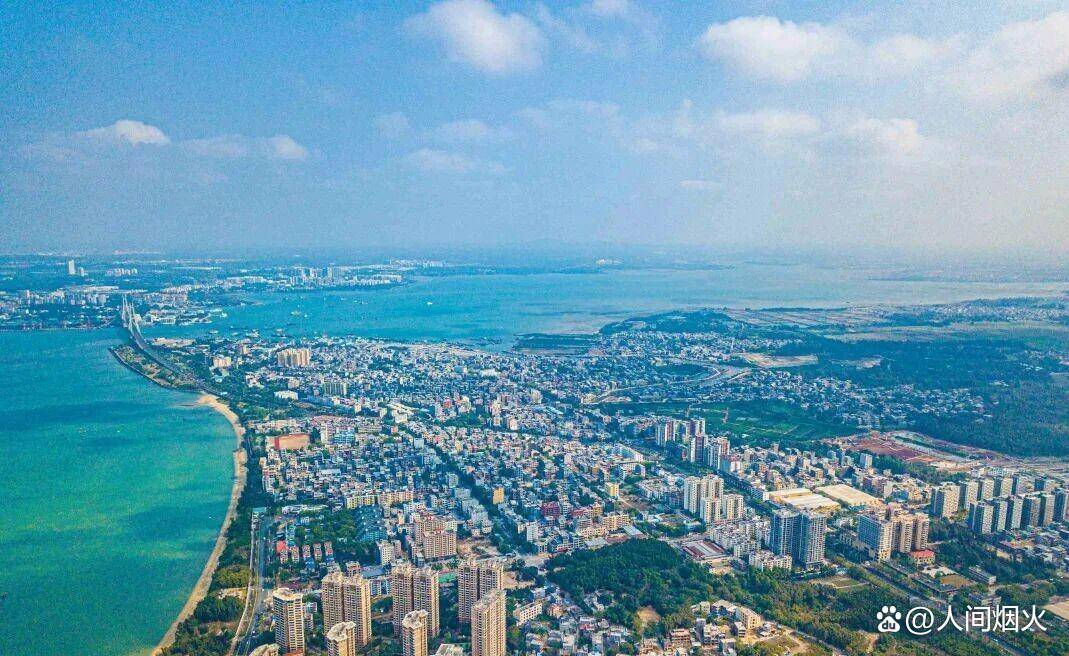
上海第八批次土拍揽金近200亿:联合体围猎,房企抢占品质高地
2 1 Shi Ji Jing Ji Bao Dao· 2025-10-20 23:08
Core Insights - The eighth batch of land auctions in Shanghai for 2025 concluded on October 20, with a total of 6 plots offered, resulting in a total transaction amount of 19.877 billion yuan, with 3 plots sold at a premium and 3 at the base price [1] - The premium rates for the sold plots were all below 20%, indicating a rational return in the current real estate market amid deep adjustments [1][2] - Major developers such as China Overseas, Poly Developments, and China Merchants Shekou participated in the auction, reflecting the strong demand for scarce land in core cities [1][2] Auction Performance - The total land area offered was 408,700 square meters, with residential land accounting for approximately 305,100 square meters, and the final transaction price was 7.47% higher than the starting price [2] - Notable highlights included record-breaking prices for residential plots in Xuhui, Jing'an, and Yangpu districts, with the highest floor price reaching 148,500 yuan per square meter [3] - The highest premium rate was recorded at 14.69% for the Yangpu plot, indicating a strategic approach by developers to replenish land reserves and leverage resource advantages [2][3] Market Dynamics - There is a clear "cold-hot" differentiation in the auction results, with core urban areas experiencing fierce competition while peripheral areas saw plots sold at base prices [4] - The participation of over 20 companies, primarily state-owned enterprises and local investment platforms, indicates a cautious approach to non-core area investments [4][5] - The return of the Binjiang Group to the Shanghai land market after ten years highlights an increase in private enterprise participation, reflecting a shift in market sentiment [6][7] Policy Impact - The recent "good housing" policy has optimized land sale indicators, removing the requirement for a proportion of small units, aligning with the current market demand for improved housing [6][7] - The cancellation of the minimum ratio for small units marks a significant policy breakthrough, allowing market supply and demand to dictate product sizes [7][8] - The trend towards product upgrades is evident, with developers focusing on high-end residential offerings and innovative designs to meet the evolving market demands [9][10]





上海八批次土拍揽金近200亿:联合体围猎,房企抢占品质高地
2 1 Shi Ji Jing Ji Bao Dao· 2025-10-20 12:13
Core Insights - The recent land auction in Shanghai for 2025 saw a total of 6 plots, with 3 sold at a premium and 3 at the base price, totaling 198.77 billion yuan, indicating a rational return in the real estate market amidst deep adjustments [1][4] - The auction highlighted a clear "hot and cold" differentiation in land value, with premium sales reflecting strong demand for core urban areas while peripheral plots sold at base prices, showcasing cautious investment behavior from developers [2][4] Summary by Sections Auction Performance - 6 plots were auctioned, with a total area of 408,700 square meters, of which 305,100 square meters were residential, resulting in a final sale price that was 7.47% above the starting price, indicating a controlled overall premium level [2][4] - Key highlights included record-breaking prices for residential plots in Xuhui, Jing'an, and Yangpu districts, with the highest floor price reaching 148,500 yuan per square meter [3][4] Developer Participation - Over 20 major real estate companies participated, including China Overseas, Poly Developments, and China Merchants Shekou, reflecting a competitive landscape for prime land [1][4] - The auction saw a trend of joint bidding among developers, particularly in core areas, as firms seek to mitigate risks and leverage combined strengths [5][6] Market Dynamics - The auction results indicate a shift in investment focus towards core urban areas, with significant competition for high-value plots, while peripheral areas experienced lower interest and only single bids [4][5] - The recent policy changes, including the removal of minimum ratios for small housing units, align with the market's shift towards improvement-driven demand, allowing developers to better target high-end products [6][7] Future Outlook - The trend towards product upgrades is evident, with developers expected to focus on high-end residential offerings in prime locations, while also adapting to market demands in emerging areas [8] - The cautious return of private enterprises like Binhai Group to the auction scene signals a potential increase in market participation if sales continue to improve, suggesting a more dynamic future for Shanghai's real estate market [6][8]
地产经纬丨上海楼市新政满月:新房短期提振显著 二手房稳步爬坡
Xin Hua Cai Jing· 2025-09-26 09:06
Core Insights - The new housing policy implemented in Shanghai on August 25 has shown initial positive effects on the real estate market, with distinct recovery trends in the new and second-hand housing markets [1][5][6] New Housing Market - The new housing market demonstrated a significant short-term boost, with a more than 30% increase in transaction volume in the first week following the policy implementation, leading to a clear peak in transactions [5] - Overall, new housing transaction volume increased by 19% month-on-month, although it still saw a year-on-year decline of 2.5%, which is a 33 percentage point improvement compared to the previous year [5] - The initial surge in new housing transactions was not sustained, as the volume gradually returned to a more stable level after the first week, yet it remained at a relatively high level [5] Second-Hand Housing Market - The second-hand housing market exhibited a steady recovery, with weekly transaction volumes showing a gradual increase, reaching 5021 units in the fourth week post-policy [6] - The decrease in second-hand housing listings by 1453 units since September indicates improved market confidence among sellers, contributing to a better balance between supply and demand [6][9] - The increase in customer inquiries and property viewings suggests heightened market activity, with leading real estate agencies reporting a rise in engagement [6] Impact of Policy Changes - The policy's relaxation of purchase restrictions in the outer ring areas of Shanghai has significantly influenced market dynamics, with these areas accounting for 61% of new housing transactions and 51% of second-hand transactions in the city [7][8] - Following the policy change, the proportion of new housing transactions in the outer ring areas rose to 73.45%, marking a notable increase from the average of 61% [8] - The second-hand housing market in these areas also saw increased activity, with transaction proportions exceeding the annual average, indicating a revitalization of demand [8] Market Outlook - Despite the initial positive effects of the policy, market analysts remain cautious about the long-term impact, noting that similar past policies typically lead to temporary boosts in transaction volumes without sustained price increases [8] - The current high inventory levels in the second-hand housing market, with 356,549 listings as of September 26, pose challenges for a fundamental shift in supply-demand dynamics [9][10]
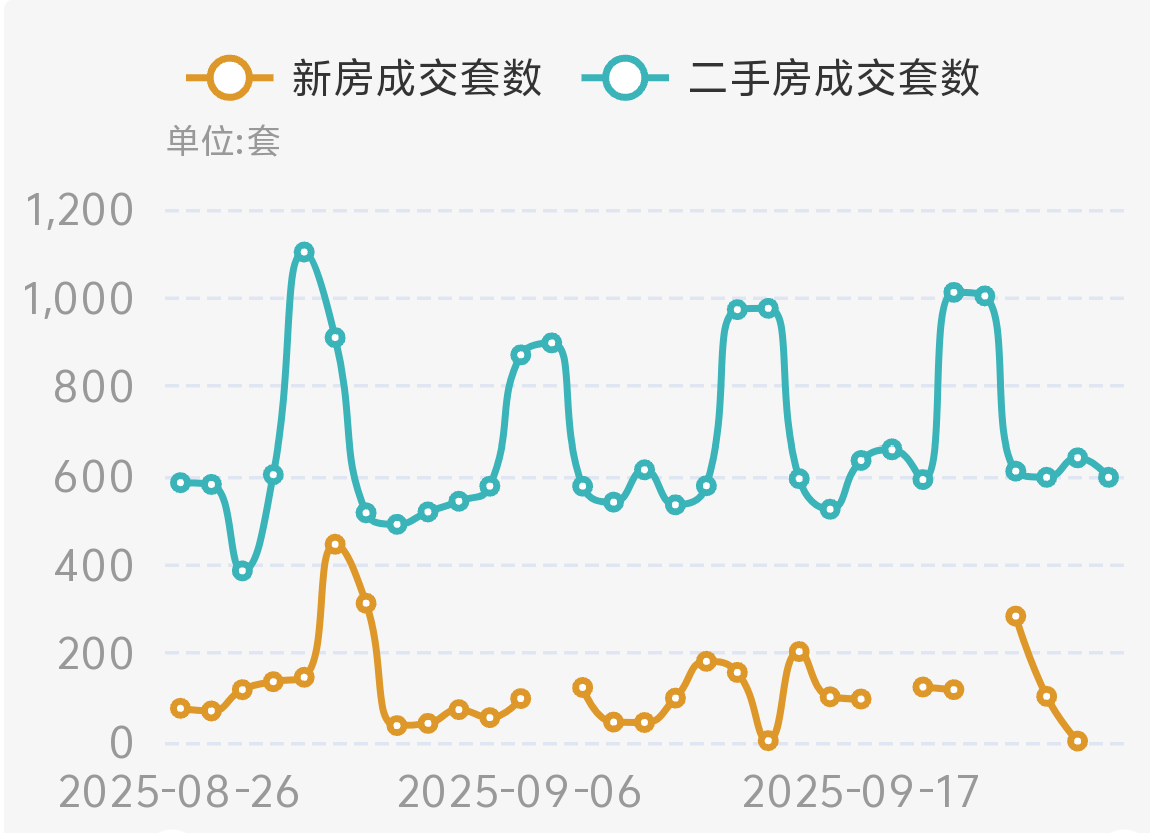
深圳楼市:新房改善需求释放 二手房高位企稳
Sou Hu Cai Jing· 2025-09-26 05:57
Core Insights - The Shenzhen real estate market is experiencing notable changes influenced by the 9.5 policy, with both new and second-hand housing markets showing signs of adjustment [1] New Housing Market - As of September 24, the transaction rate for new residential properties in Shenzhen reached 5.52%, an increase of 0.81 percentage points compared to August, indicating a faster decision-making process among buyers [2] - In the 38th week of September, new home transactions totaled 969 units, reflecting a 10% month-on-month increase, continuing the upward trend since the new policy [4] - The proportion of transactions for improved housing priced between 5 million and 8 million yuan increased by 3 percentage points compared to August, highlighting a shift in buyer preferences [4] - The luxury segment (properties over 15 million yuan) also saw a significant increase in transaction share, rising by 2.6 percentage points [4] - The new policy has been recognized for its targeted and practical design, aligning with market demands and optimizing housing-related policies [4] Second-Hand Housing Market - The second-hand housing market recorded 1,408 transactions in the week of September 15-21, maintaining a high level for the year, with Longgang District leading in transaction volume [5] - Despite a general increase in market activity post-policy, the second-hand market is experiencing a mixed sentiment, with some areas showing stable or slightly declining listing prices [5][6] - The ongoing high activity in the second-hand market is providing a foundation for homeowners to sell their existing properties and transition to new homes, fostering a positive cycle between the two markets [6] Market Sentiment and Listing Trends - In major cities, including Shenzhen, there has been a significant increase in the willingness of homeowners to list their properties, with Shenzhen seeing a 94% year-on-year increase in new listings in August [7] - The overall sentiment in the Shenzhen market remains stable, with a notable divergence in confidence levels across different regions and property segments [8] - The market is characterized by a "price for volume" strategy among sellers, reflecting a shift in homeowner expectations and market dynamics [10] Market Outlook - The current landscape in Shenzhen's real estate market is defined by a strong performance in new housing driven by improved demand, while the second-hand market remains stable [10] - Developers are expected to respond to market demands by accelerating the launch of new projects that cater to improved housing needs [10] - The long-term value of the market remains uncertain, contingent on future policy directions and supply-demand dynamics [10]
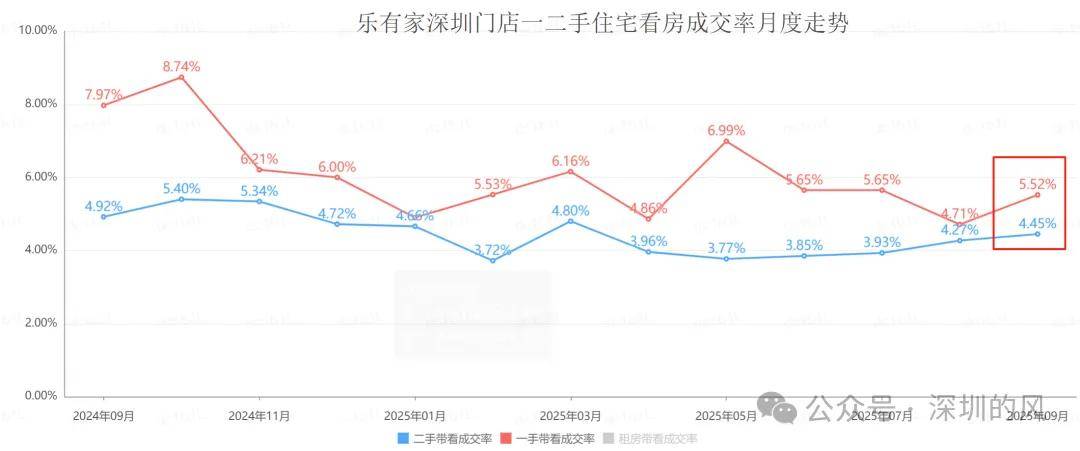
500万+改善型住房成香饽饽!深圳上周新房成交环升10%,二手录得量高位运行
Sou Hu Cai Jing· 2025-09-24 12:12
Core Insights - The new real estate policy in Shenzhen, implemented on September 5, has positively impacted the housing market, leading to increased transaction volumes in both new and second-hand properties [1][3][5] New Housing Market - In the week of September 15-21, Shenzhen recorded 969 new housing transactions, reflecting a 10% increase compared to the previous week, indicating a steady upward trend since the policy's implementation [3] - The proportion of luxury homes priced above 15 million increased by 2.6 percentage points, while the share of mid-range properties priced between 5-8 million rose by 3 percentage points compared to August, showcasing a strong demand for improved housing options [3][5] Second-Hand Housing Market - The second-hand housing market recorded 1,408 transactions, maintaining a high level for the year, with Longgang District leading in volume [4] - The high transaction volume in the second-hand market is expected to facilitate a "sell old" strategy, allowing homeowners to liquidate their current properties and reinvest in new homes, thus creating a positive cycle between second-hand and new housing markets [5] Market Sentiment and Future Outlook - The new policy has led to an increase in market inquiries and transactions, particularly in areas where purchase restrictions have been relaxed, indicating a responsive market environment [5] - Experts suggest that as weather conditions improve and demand for school district and marriage-related housing increases towards the end of the year, the market is likely to stabilize in terms of both price and volume [5]
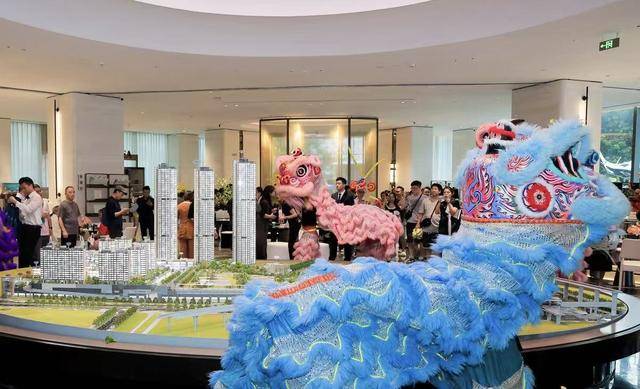
随着房地产政策持续优化,市场有望回稳!
Sou Hu Cai Jing· 2025-08-29 00:14
Core Viewpoint - The recent policy adjustments in China's real estate market aim to stabilize and promote development, shifting from merely stabilizing the market to actively encouraging growth [1] Group 1: Policy Adjustments - The State Council's meeting on August 28 emphasized strong measures to consolidate the real estate market's recovery, indicating a new policy direction [1] - Beijing has relaxed purchase restrictions outside the Fifth Ring Road, allowing local families to buy an additional home and reducing social security requirements for non-local families, which is expected to release about 30% of new housing demand [3] - Over 30 cities nationwide have optimized housing fund policies, including increasing loan limits and relaxing withdrawal conditions, with specific cities like Zhengzhou raising the maximum loan limit to 800,000 yuan [3] Group 2: Market Data and Trends - National statistics show that from January to July, the sales area of commercial housing decreased by 6.5% year-on-year, but the decline has narrowed by 3.2 percentage points compared to the first quarter [5] - In June, the number of cities with rising new residential prices increased by 15 compared to the beginning of the year, indicating a potential recovery in the market [5] - The proportion of transactions for homes larger than 120 square meters in key cities has increased by 5-8 percentage points year-on-year, highlighting a shift towards improvement-driven demand [5] Group 3: Challenges in Policy Implementation - The precision of "city-specific" policies needs improvement, as some third and fourth-tier cities' measures do not align with local market realities, limiting their effectiveness [7] - The disparity between existing mortgage rates and new loan rates creates a "rate scissors gap," which suppresses the release of improvement demand [7] - Over-reliance on monetary compensation in urban village renovations has exacerbated supply-demand imbalances in certain areas [7] Group 4: Future Policy Focus - Future policy efforts may focus on optimizing the "gradual exit" mechanism for purchase restrictions, with cities like Shanghai and Shenzhen potentially following Beijing's lead [9] - Establishing a dynamic mortgage rate adjustment mechanism to narrow the gap between old and new mortgage rates is also a key focus [9] - Enhancing the linkage between affordable housing and commercial housing, as seen in Hangzhou's pilot program, is expected to be part of future policy considerations [9] Group 5: Long-term Industry Outlook - The current round of adjustments is expected to drive the real estate industry towards higher quality development, with urban renewal initiatives generating approximately 1 trillion yuan in annual investment demand [11] - The release of improvement-driven demand will compel real estate companies to enhance product quality, facilitating a transition from quantity to quality in the market [11] - Continuous and precise policy efforts are essential for the stable and healthy development of the real estate market, which is crucial for broader economic and social development [11]
抓住改善型需求,是对于当下市场的一剂良药
Sou Hu Cai Jing· 2025-08-21 08:13
Group 1 - The core viewpoint emphasizes the shift in the real estate market from new construction to improvement, focusing on enhancing existing properties rather than creating new ones [1][3][5] - In the first half of 2025, the sales proportion of first improvement projects (90-140 square meters) is expected to be 45.7%, while the sales proportion of improvement projects (140-200 square meters) will increase by 0.3 percentage points to 26.5% [1] - The central air conditioning market in China reached a cumulative scale of 491.5 billion yuan from 2006 to 2015, indicating a significant market size during the real estate boom [3] Group 2 - The transition in the construction sector is marked by a strategic shift from "building new cities" to "renovating old cities," with a focus on energy upgrades for existing buildings [5] - The "dual carbon" goals have intensified the demand for improvement and green transformation, linking the need for comfortable living spaces with energy efficiency [5][6] - The integration of technologies such as IoT and AI is transforming HVAC systems from passive to proactive, driving the industry towards digitalization and smart solutions [5][6] Group 3 - Improvement demand is seen as a remedy for the HVAC industry, acting as a catalyst for transformation and encouraging companies to shift from scale to value [6] - Companies are focusing on providing more energy-efficient, intelligent, and user-centric solutions to adapt to the changing market landscape [6]
品牌回归,溢价升温:哈尔滨7月土地市场释放积极信号
Xin Lang Cai Jing· 2025-08-16 03:17
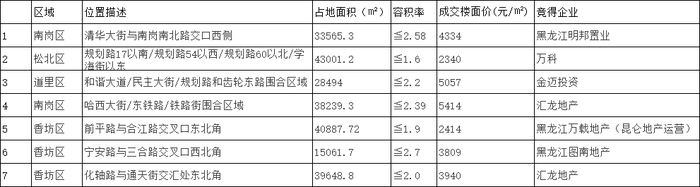
Core Insights - The land market in Harbin showed significant activity in July, with a total of 7 residential land parcels sold for a total transaction amount of 2.484 billion yuan, indicating increased confidence from real estate companies in the regional market [1][8] - The return of national brand real estate companies and the occurrence of premium land transactions are two key signals of structural changes in the land market [2][3] Group 1: Market Dynamics - The active participation of national brand developers, such as Vanke, which returned to Harbin after five years, signals a strong reassessment of the long-term value of the Harbin market [3] - The competitive bidding for land has intensified, with several parcels experiencing premium transactions, such as a core parcel in Daoli District sold for 317 million yuan with a premium of 17.4% [3][4] - Local developers like Huilong Real Estate have also been active, acquiring multiple parcels, indicating a competitive landscape where both local and national firms are vying for prime locations [3][4] Group 2: Strategic Shifts - The market is witnessing a shift from scale expansion to quality competition, with high-quality projects dominating sales, reflecting a change in land reserve strategies among developers [4][5] - The focus on improving product quality is evident, as developers are adjusting their land acquisition strategies based on product positioning rather than pursuing blind expansion [4][5] Group 3: Regional Trends - The demand for improved housing is driving regional differentiation, with several parcels specifically targeting improvement-seeking buyers, such as low-density developments in Songbei District [7] - Core areas like Nangang and Daoli continue to attract interest due to their mature infrastructure, while emerging areas like Songbei and Xiangfang are gaining traction through urban renewal projects [7][8] - The land market is expected to maintain a trend of concentrated supply, with key areas like Haxi and Qunli becoming focal points for competition in the second half of the year [7][8]
7月高能级城市房地产价格韧性较强 地方政策频出推升市场热度
Xin Hua Cai Jing· 2025-08-15 14:05
Core Insights - The latest data from the National Bureau of Statistics indicates a mixed performance in the real estate market across different city tiers, with core cities showing signs of stabilization while non-core areas continue to adjust [1][2] Group 1: New Housing Prices - In July, new home prices in first-tier cities decreased by 0.2% month-on-month, a reduction in the decline by 0.1 percentage points compared to the previous month [1] - Beijing's new home prices remained stable, while Shanghai saw an increase of 0.3%. Guangzhou and Shenzhen experienced declines of 0.3% and 0.6%, respectively [1] - Second-tier cities saw a month-on-month decrease of 0.4% in new home prices, with the decline expanding by 0.2 percentage points [1] - Third-tier cities also reported a 0.3% decrease in new home prices, with the decline remaining consistent with the previous month [1] Group 2: Second-Hand Housing Prices - In July, second-hand home prices in first-tier cities fell by 1.0%, with the decline widening by 0.3 percentage points from the previous month [1] - The price drops in Beijing, Shanghai, Guangzhou, and Shenzhen were recorded at 1.1%, 0.9%, 1.0%, and 0.9%, respectively [1] - Second and third-tier cities both experienced a 0.5% decrease in second-hand home prices, but the decline was less severe by 0.1 percentage points [1] Group 3: Market Trends and Insights - The real estate market is showing a divergence between core cities, which are stabilizing, and non-core areas that are still adjusting [1] - High-capacity cities exhibit stronger price resilience, while market sentiment is cooling down, particularly in weaker second-tier and third-tier cities facing significant inventory pressure [2] - The search volume for larger homes (over 144m²) has increased significantly, indicating a potential shift towards improvement-driven demand in the market [2] - Recent policy changes, such as the relaxation of purchase restrictions in Beijing, are expected to bring some heat to the market in August [2] - Ongoing initiatives like trade-in programs and easing of housing fund policies aim to facilitate market transactions, though their effectiveness will need further observation [2]