
智能电动车

Search documents
剑指年销400万辆 零跑发布未来十年战略
Bei Jing Shang Bao· 2025-12-28 14:24
Group 1 - The core message of the article is that Leap Motor is celebrating its 10th anniversary and has outlined its strategic goals for the next decade [2] - The founder and CEO, Zhu Jiangming, emphasized the company's ambition to become a world-class smart electric vehicle manufacturer, aiming for an annual sales target of 4 million vehicles [4] - Leap Motor has set 2026 as the year to achieve a breakthrough of 1 million vehicles sold annually, marking a significant milestone in its growth strategy [4]

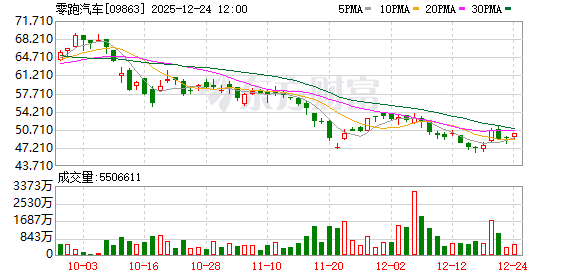
零跑朱江明:零跑在下一个十年成为值得尊敬的世界级智能电动车企
Zheng Quan Shi Bao Wang· 2025-12-28 11:34
人民财讯12月28日电,12月28日晚,在零跑成立十周年发布会上,零跑汽车创始人、董事长兼CEO朱江 明表示,希望在下一个十年,零跑实现年销400万辆,成为值得尊敬的世界级智能电动车企。此前,公 司宣布在2026年的销量目标为100万辆(2025年是50-60万辆)。朱江明表示,未来"不能再以'新势力'自 居,而要以一家可持续发展、值得尊敬的世界级车企来要求自己。" ...

新能源汽车购置税补贴减半倒计时 车企扎堆“上新”抢占年底窗口期
Zhong Guo Jing Ying Bao· 2025-11-28 20:50
Core Insights - The Guangzhou International Auto Show is showcasing 93 new car launches, with a total of 1,085 vehicles on display, highlighting the industry's shift towards electric and intelligent vehicles [1][2][4] - The upcoming reduction in new energy vehicle purchase tax subsidies is prompting consumers to make earlier purchasing decisions, leading to a surge in new car releases [1][5][6] Group 1: New Vehicle Launches - A total of 93 new vehicles were launched at the Guangzhou Auto Show, with 629 being electric vehicles, indicating a strong focus on electrification and innovation [2][4] - Buick's new flagship MPV, the "Zhijing Shijia," features advanced driver assistance systems and is designed to alleviate parking concerns [2] - Geely Galaxy's V900 MPV fills a gap in the high-end MPV market and incorporates advanced AI technology for fuel efficiency [3] Group 2: Market Trends and Consumer Behavior - The penetration rate of new energy vehicles reached 50.2% in the first half of 2025, significantly exceeding the target of 20% set for that year [4][5] - The reduction in purchase tax subsidies is expected to influence 90% of new energy vehicle consumers, prompting many manufacturers to introduce their own subsidy plans [7] - Industry leaders believe that the market is entering a new phase of value competition, focusing on vehicle safety, quality, and overall lifecycle experience rather than just price [6][7] Group 3: Competitive Landscape - The transition to a reduced purchase tax subsidy is seen as a natural progression for the new energy vehicle industry, which is now capable of self-sustaining growth [5][6] - Companies like Li Auto and Dongfeng Honda view the subsidy reduction as an opportunity to enhance product value and market positioning [6][7] - The competition between fuel vehicles and new energy vehicles is expected to intensify, with a potential shift in market structure rather than overall market size [7]
纯电“钉子户”小鹏,为什么开始做增程?
Guan Cha Zhe Wang· 2025-11-26 09:48
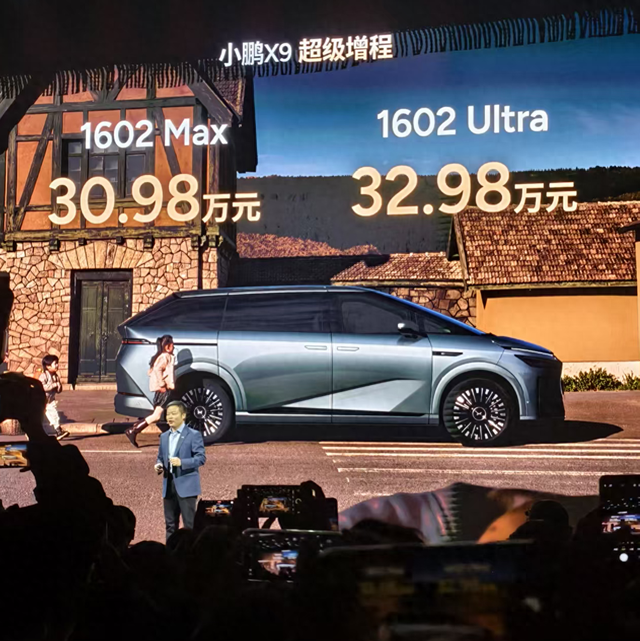
Core Insights - Xiaopeng Motors has launched its first range-extended vehicle, the Xiaopeng X9, which features a fuel tank, addressing range anxiety and reducing the price compared to its pure electric version [1][3][19] - The X9 range-extended version has achieved significant market acceptance, breaking sales records shortly after its launch and prompting the company to increase supply chain orders [3][19] - The vehicle is designed to maintain the spaciousness of its pure electric counterpart while integrating a high-capacity battery and fuel tank, achieving a combined range of 1602 km [6][12][23] Product Features - The Xiaopeng X9 range-extended version includes a 63.3 kWh lithium iron phosphate battery, providing a pure electric range of 452 km, and a 60L fuel tank, which exceeds many traditional fuel vehicles [6][12] - The vehicle retains the praised feature of foldable third-row seats from the pure electric version, thanks to a newly developed coaxial electric drive system that reduces space requirements [10][12] - The maximum power of the electric motor is reduced by 25 kW in the range-extended version, with a slight decrease in acceleration time, aligning with user preferences for an MPV [14] Market Response - Initial orders for the X9 range-extended version have surged in northern cities, with increases of 150-200% in places like Harbin and Changchun, indicating strong demand in regions with less developed charging infrastructure [19][21] - Xiaopeng Motors plans to expand its global presence, with the X9 range-extended version set to enter multiple international markets, addressing the needs of users in areas with limited charging options [19][21] Strategic Shift - The introduction of the range-extended model marks a strategic pivot for Xiaopeng, which has historically focused solely on pure electric vehicles, reflecting a response to evolving consumer demands and market conditions [22][23] - The company emphasizes that the choice between range-extended and pure electric vehicles is not mutually exclusive, but rather a strategic decision based on user needs and market expansion [23]

发个财报上热搜,蔚来距离盈利还差35亿
3 6 Ke· 2025-11-26 01:30
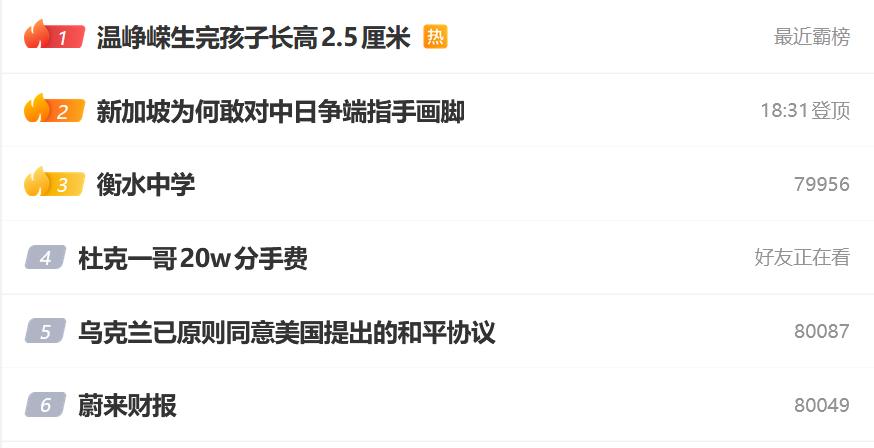
Core Viewpoint - NIO's Q3 financial results show significant improvements, with a focus on achieving profitability in Q4 and setting ambitious targets for the following year [2][19]. Group 1: Financial Performance - NIO delivered 87,071 vehicles in Q3, a year-on-year increase of 40.8% and a quarter-on-quarter increase of 20.8% [4][7]. - Total revenue for Q3 reached 21.79 billion yuan, up 16.7% year-on-year and 14.7% quarter-on-quarter, with vehicle sales contributing 19.2 billion yuan, accounting for 88.1% of total revenue [7][17]. - The average selling price per vehicle in Q3 was approximately 220,200 yuan, down 18.3% year-on-year and 1.5% quarter-on-quarter [9][11]. - NIO's gross profit for Q3 was 3.025 billion yuan, a year-on-year increase of 50.7%, with a gross margin of 13.9%, the highest in three years [15][17]. - The net loss for Q3 was 3.48 billion yuan, a reduction of 31.2% year-on-year and 30.3% quarter-on-quarter [13][14]. Group 2: Operational Insights - NIO achieved positive operating cash flow and free cash flow in Q3, with cash and cash equivalents totaling 36.7 billion yuan by the end of the quarter [17]. - The company expects Q4 vehicle deliveries to be between 120,000 and 125,000 units, representing a year-on-year growth of 65.1% to 72.0% [17][19]. - NIO's CEO expressed confidence in achieving profitability in Q4, attributing this to increased sales, improved gross margins, and controlled expenses [19][20]. Group 3: Strategic Outlook - NIO plans to launch three new models next year, maintaining a steady release schedule despite policy changes affecting the industry [25][27]. - The company aims for a gross margin of around 18% in Q4, with expectations for further improvements in the following quarters [25][27]. - NIO is exploring opportunities in chip sales and international partnerships, shifting from a direct sales model to collaborating with local partners in various countries [33][34].

邀请函|国泰海通次世代新能源沙龙
国泰海通证券研究· 2025-11-25 23:03
Group 1 - The article discusses the future outlook of various sectors, including commercial space, smart electric vehicles, and nuclear fusion, highlighting investment opportunities in these areas [3][4]. - It emphasizes the acceleration of China's commercial space development and its implications for the industry [4]. - The article provides insights into the expected growth of the global smart electric vehicle market by 2026, indicating significant investment potential [3][4]. Group 2 - The article outlines the 2026 outlook for the domestic and international large-scale energy storage industry, suggesting a growing market [4]. - It mentions a discussion on the current status and future prospects of global nuclear fusion development, indicating potential investment opportunities [3][4]. - The event features various experts sharing their insights, which could provide valuable information for investors [3].


新能源暴涨!近300亿主力资金狂涌!锂电走强,绿色能源ETF反包大涨4%,智能电动车ETF连收3根均线
Xin Lang Ji Jin· 2025-11-13 06:04
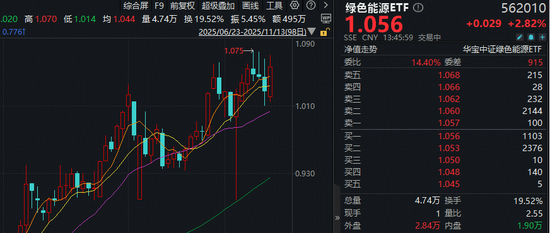
Group 1: Market Overview - The electric equipment sector received a net inflow of nearly 30 billion yuan, ranking first among 31 Shenwan primary industries [1] - The green energy ETF (562010) surged, with an intraday increase of 4.19%, currently up 2.82% [1][4] - Key stocks in the green energy sector include Tianqi Materials, which hit the daily limit, and Tianhua New Energy, which rose over 16% [1][4] Group 2: Lithium and Battery Materials - Lithium hexafluorophosphate prices are fluctuating daily, with some market quotes reaching 150,000 yuan per ton, doubling since mid-October [3] - The demand for energy storage batteries and most lithium battery materials has shown signs of tightening supply, indicating a potential turning point for profitability in the lithium battery supply chain [3] Group 3: Technological Advancements - Significant progress has been made in perovskite LED technology, achieving an efficiency of 45.5% [3] - Analysts suggest that the maturation of perovskite battery technology will lay a solid foundation for large-scale commercialization by 2025 [3] Group 4: Policy Developments - The National Energy Administration issued guidelines to promote the integrated development of renewable energy, aiming for enhanced market competitiveness by 2030 [3] - A joint directive from the National Development and Reform Commission and the National Energy Administration aims to establish a multi-level renewable energy consumption and regulation system [3] Group 5: Investment Opportunities - The top ten weighted stocks in the green energy ETF include major players like CATL, Sungrow Power, and BYD [5] - The smart electric vehicle ETF (516380) focuses on both electrification and intelligent automotive technologies, presenting long-term investment opportunities in the electric and smart vehicle sectors [5]




小米雷军:孤注一掷的“最后一战”?
Sou Hu Cai Jing· 2025-10-31 07:53
Core Insights - Lei Jun's venture into the automotive industry represents a significant gamble, marking it as his "last major entrepreneurial project" and intertwining his personal and corporate fate with Xiaomi's future in a highly competitive market [3][4][5] Strategic Decisions - Lei Jun established a wholly-owned subsidiary for car manufacturing with an initial investment of 10 billion RMB, planning to invest 10 billion USD over ten years, showcasing a commitment to unify the company's efforts and instill confidence in stakeholders [4][5] - The strategy aims to replicate Xiaomi's successful business model in the automotive sector, focusing on creating a "mobile intelligent space" that integrates with Xiaomi's broader ecosystem [5][9] Market Positioning - Xiaomi's entry into the automotive market is characterized by a focus on "smart electric vehicles + new retail and service systems + software and ecosystem services," aiming to position its cars as core components of its ecosystem [5][9] - The pricing strategy for the Xiaomi SU7 aims to balance between high-end competitors like NIO and lower-end models, emphasizing value through technology and user experience rather than just low pricing [7][10] Technological Capabilities - Lei Jun's background as a programmer allows him to integrate technology and ecosystem capabilities effectively, opting for a fully self-researched approach in key areas such as electric drive, battery technology, and intelligent driving [9][10] - A significant investment of 3.3 billion RMB is planned for research and development in autonomous driving, indicating a commitment to achieving industry-leading technology [10] Market Challenges - The automotive sector poses unique challenges, particularly regarding safety and quality, which are critical for brand reputation. Xiaomi must establish rigorous quality control to avoid potential crises [11][12] - The timeline for market validation and profitability is extended, with competitors like Tesla and BYD continuously innovating, creating a narrow window for Xiaomi to adapt and succeed [12][13] Financial Performance - Recent data indicates that Xiaomi's automotive business achieved a gross margin of 26.4% in Q2, significantly higher than competitors, with projections suggesting a potential for quarterly profitability by Q3 2025 [13][15] - The operating loss for Xiaomi's innovative business segment, which includes automotive, has decreased from 1.5 billion RMB in Q3 2024 to 300 million RMB in Q2 2025, reflecting improved financial health [13][15] Conclusion - Lei Jun's automotive venture is a complex endeavor that seeks to merge internet methodologies with traditional manufacturing, presenting both opportunities and challenges for Xiaomi's future [15]

中国人寿:拟出资20亿元投资股权投资计划
Cai Jing Wang· 2025-10-31 03:55
Group 1 - The core point of the article is that China Life Insurance announced plans to invest a total of RMB 2.01 billion in the establishment of the Guoshou Investment-Yuan Zhi Fund Equity Investment Plan, aimed at enhancing investment returns from insurance funds while supporting the real economy [1] Group 2 - China Life and Guoshou Industrial Investment Co., Ltd. will subscribe RMB 2 billion and RMB 10 million respectively to the equity investment plan [1] - The total amount raised for the equity investment plan is RMB 2.01 billion, with a duration of 6 years and a possible extension of 2 years [1] - The funds will primarily be invested in limited partnership shares within enterprises focusing on sectors such as semiconductors, digital energy, and smart electric vehicles [1] - The main objective of this transaction is to implement the decisions of the central government, providing financial services to the real economy and improving the investment returns of insurance funds [1]


中国人寿(02628)拟出资20亿元认购国寿投资设立的股权投资计划
智通财经网· 2025-10-30 11:01
Core Viewpoint - China Life Insurance (02628) and Guoshou Industry plan to invest a total of RMB 2 billion and RMB 10 million respectively in a private equity investment plan established by Guoshou Investment, focusing on sectors such as semiconductors, digital energy, and smart electric vehicles [1] Investment Details - China Life Insurance will invest RMB 2 billion, while Guoshou Industry will invest RMB 10 million in the equity investment plan [1] - The company and Guoshou Industry intend to enter into a trust contract with Guoshou Investment, with terms identical to those of the investment amounts [1] - The expected date for signing the trust contract with Guoshou Investment is by March 31, 2026 [1] Sector Focus - The investment plan will primarily target sectors including semiconductors, digital energy, and smart electric vehicles [1]