滞胀

Search documents
申万宏源证券晨会早报-20260224
Shenwan Hongyuan Securities· 2026-02-24 03:04
| 指数 涨跌 (%) | | --- | | 名称 | | 上证指数 4082 -1.26 -1.37 0.41 | | 深证综指 2680 -1.05 0.16 1.16 | | 风格指数 (%) | | | --- | --- | | 大盘指数 | 11.32 | | 中盘指数 1.78 | 26.74 | | 小盘指数 | 19.55 | | 涨幅居前 行业(%) | 昨日 | 近1个月 近6个月 | | | --- | --- | --- | --- | | 摩托车及其 114 | 3.01 | -2.59 | 2.47 | | 影视院线 | 2.7 | 15.61 | 28.26 | | 海小 | 2.5 | 1.64 | 11.89 | | 综合II | 2.06 | 11.75 | 55.72 | | 航海装备Ⅱ | 1.87 | 3.91 | -0.69 | | 跌幅居卸 行业(%) | | 昨日 近1个月 近6个月 | | | 玻璃玻纤 | -4.69 | 30.4 | 65.53 | | 工业金属 | -3.82 | 0.19 | ୧୦ ବଟ | | 小尖属工 | -3.8 | 12.8 ...
光大期货0224黄金点评:美伊局势紧张,黄金延续强势运行
Xin Lang Cai Jing· 2026-02-24 01:56
热点栏目 自选股 数据中心 行情中心 资金流向 模拟交易 客户端 2月23日,COMEX黄金继续震荡上行,报收5247.9美元/盎司,涨幅3.29%。国内SHFE金适逢春节,延 续休盘。 从业资格:F03097365 春节期间,外盘贵金属行情可分为两个阶段。上半场,市场沉浸在对美联储政策转向的重新定价之中。 美国1月非农就业数据的意外强劲与CPI数据显示的通胀粘性,让"降息延迟"乃至"加息遐想"的鹰派阴影 笼罩市场。尤其是美联储1月货币政策会议纪要所揭示的内部显著分歧,叠加新任美联储主席人选提名 引发的政策路径猜测,现货金价一度跌破5000美元/盎司关键心理关口,白银是呈现出剧烈波动。下半 场,行情因地缘政治强势回升。随着美国向中东调遣重兵,伊朗核问题谈判阴云密布,战争风险的弦骤 然绷紧。与此同时,美国商务部公布的远不及预期的2025年四季度GDP初值(1.4%)与疲软的PMI数 据,"滞胀"预期再次降临。结合美国最高法院于2026年2月20日裁定特朗普政府依据《国际紧急经济权 力法》大规模加征关税的做法违法,宏观数据的疲软与避险情绪形成合力,推动金银价格在假期尾声强 势收复失地。 后续来看,"去美元化"、" ...


黄金期货价格大涨超3%,券商认为“去美元化”叙事仍难以证伪
Huan Qiu Wang· 2026-02-24 01:16
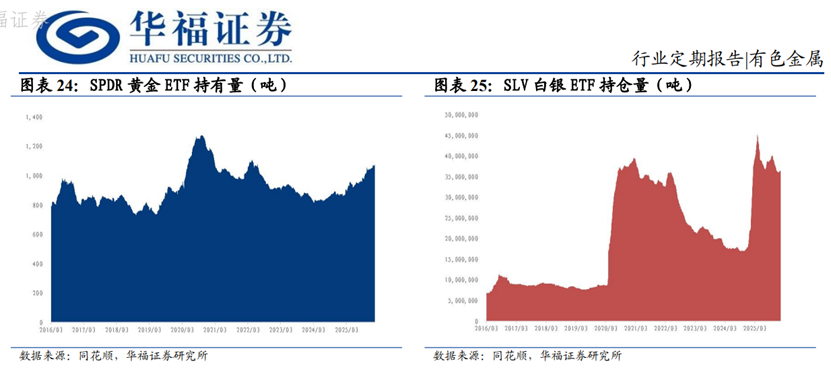
因此,华福证券认为,中长期而言,全球关税政策和地缘政治的不确定性背景下,避险和滞涨交易仍是黄金交易的核 心,长期配置价值不改。 【环球网财经综合报道】北京时间2月24日凌晨,国际贵金属期货普遍收涨,COMEX黄金期货涨3.29%报5247.90美元/ 盎司,COMEX白银期货涨6.87%报88.00美元/盎司。 东吴证券也认为,中长期来看,"去美元化"叙事仍难以证伪,黄金依然处于上行区间;同时,美国关税收入预期落空 引发了市场对美国财政赤字的担忧,四季度GDP增速显著低于市场预期,滞胀预期升温下,贵金属为代表的抗通胀品 种受益。 华福证券近日发布研报指出,美国一系列宏观经济数据发布,就业数据韧性及美联储官员一系列偏鹰派言论削弱市场 降息预期,市场主流对首次降息预期从此前6月延后至7月;但美国非农数据的亮眼表现难掩其经济结构脆弱性本质, 市场更倾向于其为美联储为后续政策保留空间的预期管理手段,且由于近年来相关数据的大幅下修的失真表现,市场 对实际就业市场情况存在分歧。 ...
美军将领警告对伊动武风险!美股集体大跌,金银大涨
Qi Huo Ri Bao· 2026-02-24 00:15
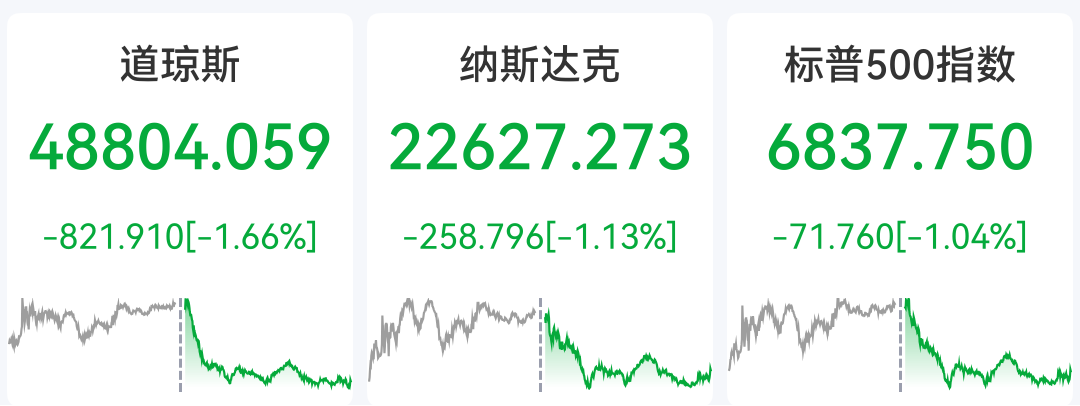
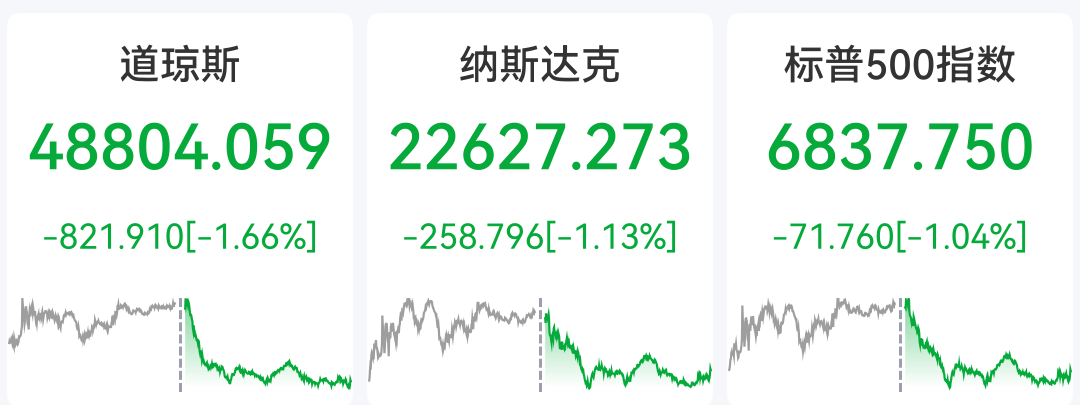
与此同时,国际金银价格大涨,截至当地时间2月23日收盘,伦敦金涨2.52%,报5227.43美元/盎司;伦敦银涨4.49%,报88.3美元/盎司。 消息面上,美伊局势趋紧。 美军参联会主席警告:对伊朗动武可能带来重大风险 新华社援引美国阿克西奥斯新闻网站23日报道,美军参谋长联席会议主席凯恩提醒总统特朗普,针对伊朗的军事行动可能存在重大风险,或使美国卷入长 期冲突。 另据央视新闻报道,特朗普政府高层正在就如何应对伊朗僵局以及每种方案的后果展开辩论。目前,特朗普身边的一些人士敦促保持谨慎,但一些消息人 士认为特朗普本人倾向于发动打击。 23日晚些时候,特朗普通过社交媒体发文否认有关丹·凯恩反对美国对伊朗动武的消息,称相关说法"100%错误"。 特朗普表示,凯恩与其他人一样"不希望看到战争",但如果在军事层面作出对伊朗采取行动的决定,凯恩认为这将是一场"容易取胜"的行动。 早上好,今天是正月初八!开工大吉,开市大吉! 我们先看一下重要消息! 深夜,美股三大股指集体重挫,金银价格大涨! 截至当地时间2月23日收盘,美股三大指数收盘均跌超1%,道指跌1.66%,纳指跌1.13%,标普500指数跌1.04%。 据央视新 ...
刚刚,美军最大航母抵达!美军将领警告对伊动武风险!美股集体大跌,金银大涨
Sou Hu Cai Jing· 2026-02-24 00:01
早上好,今天是正月初八!开工大吉,开市大吉! 我们先看一下重要消息! 深夜,美股三大股指集体重挫,金银价格大涨! 截至当地时间2月23日收盘,美股三大指数收盘均跌超1%,道指跌1.66%,纳指跌1.13%,标普500指数跌1.04%。 与此同时,国际金银价格大涨,截至当地时间2月23日收盘,伦敦金涨2.52%,报5227.43美元/盎司;伦敦银涨4.49%,报88.3美元/盎司。 消息面上,美伊局势趋紧。 另据央视新闻报道,特朗普政府高层正在就如何应对伊朗僵局以及每种方案的后果展开辩论。目前,特朗普身边的一些人士敦促保持谨慎,但一些消息人 士认为特朗普本人倾向于发动打击。 23日晚些时候,特朗普通过社交媒体发文否认有关丹·凯恩反对美国对伊朗动武的消息,称相关说法"100%错误"。 特朗普表示,凯恩与其他人一样"不希望看到战争",但如果在军事层面作出对伊朗采取行动的决定,凯恩认为这将是一场"容易取胜"的行动。 特朗普表示,是否采取行动的决定权在总统本人手中,并称自己"更愿意达成协议"。但他同时警告,如果无法达成协议,"那将是那个国家非常糟糕的一 天"。 以总理:若遭伊朗袭击 将以其无法想象的力度回击 美军参联会 ...
张津镭:关税战重燃叠加中东战云 黄金可顺势低多布局
Xin Lang Cai Jing· 2026-02-23 13:30
美国和伊朗谈判代表预计将于本周四在日内瓦会晤。然而,与谈判进程并行的是不断升级的军事威胁。 与此同时,伊朗和埃及达成协议,同意恢复全面外交关系。这一看似缓和的动作,实则反映中东国家正 在"战与和"之间加速重新站位。地缘风险的"常态化溢价"已成为黄金定价的刚性成本。 从技术上来看,上周黄金主体结构是呈现区间震荡的,虽拉扯频率较高,但始终在预期的区域内运行。 然特朗普重启关税政策,使得目前市场情绪再升温,黄金因此今日开盘后再走高,目前小时图级别区间 已经被突破,但短期趋势线压制作用还在,所以今日亚盘时段行情可能会很纠结,看似强势,却难判断 是否还有更多的上涨空间,而在避险情绪催化下,短线行情又很难出现空间上的回修,这也给短线操作 上带来难度和风险。 总之,特朗普的关税大棒、美伊的战云密布、滞胀的幽灵徘徊——这些都不是短线题材,而是正在重塑 全球资产定价逻辑的结构性力量。在这样的市场中,顺势而为不是选项,而是唯一的选择。今日的每一 次回调,都是上车的机会。但上车的姿势,决定了你能走多远。 2月23日,上周五,投资者消化了美国最高法院驳回特朗普关税的裁决,黄金有所回落。但特朗普关税 政策不确定性可能引发新一轮混乱,叠 ...
【建投观察】节间海外市场逻辑梳理
Xin Lang Cai Jing· 2026-02-23 09:18
Core Viewpoint - The report highlights the recent fluctuations in global commodity markets driven by geopolitical tensions, policy changes, and economic data, particularly focusing on the impact of U.S. military actions in the Middle East and adjustments in U.S. tariff policies. Geopolitical Factors - The U.S. military presence in the Middle East, particularly the deployment of the USS Ford, is exerting pressure on Iran amid negotiations, with predictions of increased likelihood of military action by the end of March 2026 [5][18]. - The oil market has partially priced in the potential for conflict, which could lead to sharp price increases if tensions escalate, followed by a potential price drop once the situation stabilizes [6][19]. Policy Factors - The U.S. Supreme Court ruled that the International Emergency Economic Powers Act does not grant the president the authority to impose tariffs without congressional approval, affecting the legality of previously imposed tariffs [22]. - The Trump administration's response includes raising tariffs under a different legal framework, but the overall impact of these changes on the market may be limited due to existing exemptions and the temporary nature of the new tariffs [22]. Economic Data - The U.S. economy is showing signs of "stagflation," with Q4 2025 GDP growth at approximately 1.4% and core PCE inflation at 3% year-over-year, indicating economic weakness [11][23]. - The Federal Reserve's future monetary policy direction remains uncertain, influenced by the balance of dovish and hawkish members in upcoming appointments, which could lead to shifts in market expectations [12][24]. Commodity Market Performance - During the holiday period, commodities such as gold, silver, and oil saw significant price increases, with WTI crude oil rising from $62.83 to $66.31, a 5.54% increase, and Brent crude oil increasing by 5.46% [17]. - The report notes that various commodities are experiencing upward price movements, reflecting the complex interplay of geopolitical and economic factors [4][20].

每日投资策略-20260223
Zhao Yin Guo Ji· 2026-02-23 08:04
Global Market Overview - The Hang Seng Index closed at 26,413, down 1.10% for the day but up 3.05% year-to-date [1] - The Hang Seng Technology Index fell by 2.91%, reflecting a year-to-date decline of 5.52% [1] - The US stock market showed positive movement with the Dow Jones up 0.47% and the S&P 500 up 0.69% [1] - European markets were buoyed by a rise in the STOXX 600 index, which increased by 0.84% to reach a historical closing high [3] Sector Performance - The Hang Seng Financial Index increased by 0.08% year-to-date, while the Hang Seng Real Estate Index saw a significant rise of 21.22% [2] - The Hang Seng Industrial Index decreased by 1.89% for the day, with a modest year-to-date increase of 0.25% [2] - The Hang Seng Utilities Index fell by 0.81% but has a year-to-date increase of 8.29% [2] Macroeconomic Insights - Strong domestic travel and consumption data were reported during the Chinese New Year holiday, indicating robust economic activity [3] - The offshore RMB strengthened against the USD, recovering above the 6.90 mark and recording three consecutive weekly gains [3] - The 10-year US Treasury yield rose to 4.08%, influenced by a significant increase in the core PCE price index, which rose 3% year-on-year [3] Commodity Market Trends - Gold prices rebounded, with spot gold rising over 2% to reach $5,080 per ounce, while silver surged approximately 6% to surpass $82 [3] - Concerns over stagflation and uncertainties surrounding tariff policies have influenced the precious metals market positively [3]
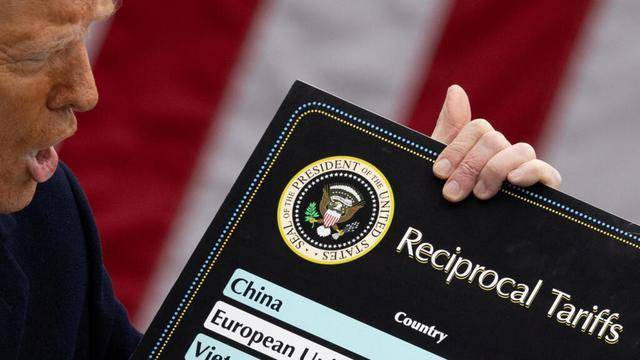
最高法院裁定特朗普关税政策违法,对特朗普的打击有多大?
Sou Hu Cai Jing· 2026-02-23 02:56
另一方面,美国经济形势的严峻也打了特朗普的脸。去年,美国的贸易逆差创下历史新高,达到了1万亿美元,这 一数字直接反映出关税战并未如预期般促进美国制造业回流。供应链的复杂性远超想象,涉及到上下游配套、基 础设施建设以及熟练的产业工人,而美国本土根本无法承接这些回流的生产能力。加征关税的唯一结果,就是抬 高了进口商品的成本,而这些额外的成本最终会转嫁到美国消费者身上。更为严峻的是,刚刚公布的经济数据也 让人感到不安。市场原本预期GDP增长能达到3%,然而实际结果仅为1%。PCE物价指数依然居高不下,通胀压力 未得到有效控制,经济增长乏力。这一局面典型地表现了滞胀的风险——经济增长停滞,而物价依旧高企,形成 了对特朗普政府的强烈压力。 美国最高法院在20号做出了重要裁定,判定特朗普政府依据《国际紧急经济权力法》实施的大规模关税政策已经 超出了法定权限。裁定结果以6比3的投票结果作出,这一判决无疑令特朗普极为愤怒。自从他发动关税战以来, 涉及的关税金额早已超过了1750亿美元,而企业和多个州也早已提起诉讼,现在他们终于获得了一个初步的裁 决。那么问题来了,特朗普所加的这笔关税到底会退回吗?短期来看,退税几乎不可能。美 ...
布米普特拉北京投资基金管理有限公司:四季度美国经济意外降温,核心通胀仍远高于目标
Sou Hu Cai Jing· 2026-02-22 13:17
Economic Growth - The U.S. economy showed a significant slowdown in growth during the fourth quarter of 2025, with GDP increasing at an annual rate of only 1.4%, which is well below the Dow Jones economists' forecast of 2.5% [4] - For the entire year of 2025, the U.S. economic growth rate was 2.2%, a decrease from the 2.8% recorded in 2024, indicating a deceleration in growth momentum [4] Inflation Trends - The Personal Consumption Expenditures (PCE) price index remained high, with the core PCE index (excluding food and energy) rising by 3% year-on-year in December, which is significantly above the Federal Reserve's target of 2% [5] - The overall PCE price index increased by 2.9% year-on-year, exceeding market expectations by 0.1 percentage points, indicating persistent inflationary pressures [5] - Month-on-month data revealed that both the overall and core PCE indices rose by 0.4% in December, surpassing the anticipated increase of 0.3%, suggesting stronger-than-expected inflation [5] Federal Reserve Policy Implications - The combination of economic slowdown and persistent inflation presents a dilemma for the Federal Reserve, as weak growth typically necessitates looser monetary policy, while high inflation calls for tighter measures [7] - This conflicting situation may compel the Federal Reserve to exercise caution in its upcoming policy meetings, as premature interest rate cuts could trigger a rebound in inflation, while maintaining high rates for too long could further weaken economic growth [7]