
科技板块

Search documents
年内险资举牌39次:偏爱红利资产,科技板块迎布局机遇
2 1 Shi Ji Jing Ji Bao Dao· 2025-12-23 13:16
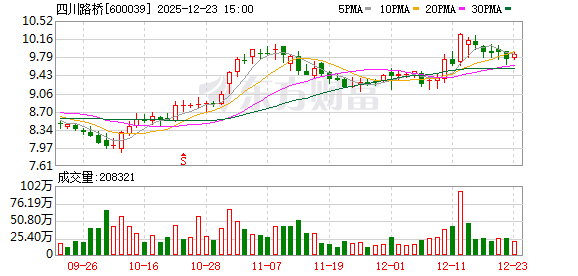
Core Insights - The article highlights the increasing trend of insurance capital (险资) in China, particularly focusing on the surge in shareholding activities, with a total of 39 instances of shareholding increases recorded in 2025, marking the second-highest level in history after 2015 [2][4]. Group 1: Shareholding Activities - Zhongyou Insurance has increased its stake in Sichuan Road and Bridge, reaching a total of 435 million shares, which constitutes 5.00% of the company's total equity, marking its fourth shareholding increase this year [3]. - Other insurance companies, such as Ruizhong Life and Taikang Life, have also engaged in similar shareholding activities, with Taikang Life triggering multiple shareholding increases in companies like Fuhong Hanlin and participating as a cornerstone investor in the IPO of Fengcai Technology [3][4]. - The trend of multiple shareholding increases by the same insurance company in a single target has been observed, with companies like Hongkang Life and Ping An Life making several increases in their holdings in banks [4]. Group 2: Investment Trends and Characteristics - The insurance capital's shareholding activities are characterized by a preference for high Return on Equity (ROE) and high dividend stocks, indicating a strategic focus on long-term investments that enhance the ROE of the insurance companies themselves [6]. - The asset allocation of insurance funds has seen an increase, with the proportion of stocks and funds rising to 15.5% by the third quarter of 2025, creating more room for shareholding activities [6]. - The insurance capital's preference for H-shares reflects a broader trend of favoring dividend-paying assets, which is expected to continue into 2026, with a potential shift towards growth sectors [7][8]. Group 3: Regulatory Support and Future Outlook - Recent regulatory changes, including the adjustment of risk factors for long-term holdings of certain equity assets, are expected to support the ongoing trend of shareholding increases by insurance companies [7]. - Analysts predict that the high frequency of shareholding activities will persist into 2026, with a gradual shift in focus towards more dynamic sectors, particularly technology stocks [8].




权益市场展望:风险可控趋势未满,逢低布局正当时
Mei Ri Jing Ji Xin Wen· 2025-12-19 01:35
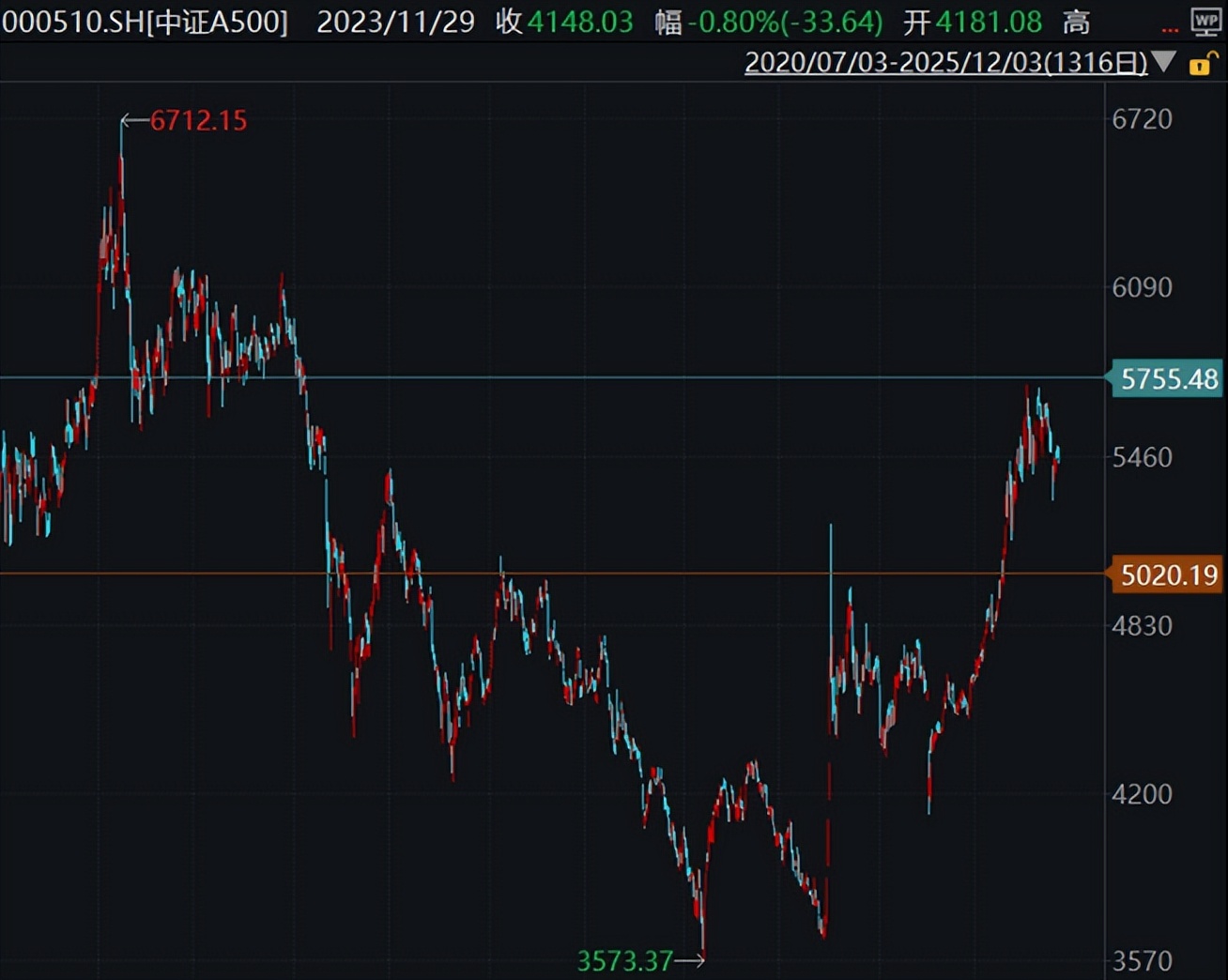
Core Viewpoint - The equity market is currently characterized by controllable risks and an incomplete upward trend, with risks primarily stemming from market confidence and liquidity concerns [1] Group 1: Market Rhythm - The market is in a phase of upward continuation and consolidation, with recent technical analysis indicating a return to a lower trading range after multiple failed attempts to break higher [1] - Trading volume has shown a declining trend, with daily transactions now averaging between 1.5 trillion to 2 trillion, down from previous highs of 2 trillion to 3 trillion [1] Group 2: Market Space - The current market structure indicates pressure from above and support from below, with recent rapid price increases leading to profit-taking and heightened fear of overvaluation [2] - The CSI A500 index, a key benchmark, reflects this dynamic, as it is seen as a core broad-based index in the current market environment [2] Group 3: Economic Fundamentals - The fundamental changes in the economy are lagging, with the recent anti-involution policies signaling a shift but requiring time to materialize [4] - Compared to the previous bull market peak, current economic fundamentals are under pressure, indicating a need for improvement before further market gains can be expected [4] Group 4: Future Market Potential - Despite current pressures, there is potential for market momentum if economic conditions improve, as the Shanghai Composite Index has surpassed its ten-year high, while the CSI 300 and CSI A500 have not yet done so [5] - The market is expected to maintain rationality, suggesting that upward trends will not abruptly halt [5] Group 5: Investment Direction - Investment strategies should focus on "technology as king" and value-based approaches, emphasizing the importance of corporate profitability and valuation levels [6] - The manufacturing sector is highlighted as a critical component of the economy, with the effectiveness of anti-involution policies influencing performance [6] - Future breakthroughs in the A-share market are likely to follow paths related to corporate profitability and valuation enhancement in the technology sector [6]
华商致远回报混合基金经理张明昕:以投资者获得感为核心 共赴长期价值之约
Xin Lang Cai Jing· 2025-12-18 02:15
Core Viewpoint - The introduction of floating rate funds is attracting more investor attention and capital inflow, creating a positive feedback loop in the market [1][7]. Group 1: Floating Rate Funds Overview - The first batch of 26 floating rate funds will complete six months since their establishment by mid-December 2025, linking management fees to the investor's holding period and fund performance [1][7]. - The Huashang Zhiyuan Return Mixed Fund, managed by Zhang Mingxin, emphasizes prioritizing investor interests and leveraging active management advantages to enhance the investment experience [1][7]. Group 2: Performance and Strategy - The overall performance of the first batch of floating rate funds reflects a combination of investment strategy, industry allocation, and stock selection capabilities [3][10]. - Zhang Mingxin highlighted a strategic focus on the technology sector, particularly overseas AI computing, during periods of significant marginal changes in the industry [3][10]. Group 3: Investor Considerations - The introduction of floating rate funds does not guarantee profits, and investors should not rely solely on past short-term information for decision-making [4][12]. - Understanding the fund's investment strategy and the management team is essential for investors before making investment decisions [4][12]. Group 4: Future Outlook - The floating rate fund category is expected to mature and diversify with the upcoming second and third batches, offering a wider range of products tailored to different risk-return profiles and investment themes [4][12].

金融期货周报-20251212
Jian Xin Qi Huo· 2025-12-12 13:33
Report Information - Report Title: Financial Futures Weekly Report [1] - Date: December 12, 2025 [2] - Researchers: He Zhuoqiao, Huang Wenxin, Nie Jiayi [3] Industry Investment Rating - Not mentioned in the report Core Views - The A-share market has shown an overall trend of "short-term correction followed by relatively strong performance, significant decline after external shocks and then a rebound" this year. In the short term, policy expectations are weak, and as the year-end approaches, institutional demand for profit-taking and portfolio adjustment increases, leading to an overall increase in risk aversion. The index lacks guidance and shows an oscillating and volatile state [7][8][13] - The bond market is significantly adjusted, and the risk of a bear market should be limited. It will continue to maintain a low-interest rate environment next year. However, the policy layer's mention of cross-cycle adjustment may indicate that loose policies are difficult to implement in the short term, increasing short-term market volatility. If market sentiment improves in the future, futures have a certain room for a supplementary increase [82] - The shipping market's price increase expectations are fermented again, and the EC rebounds and recovers. The market may conduct intense games around the pre-Spring Festival shipping peak. It is recommended to pay attention to the positive arbitrage opportunity of the 02-04 contract [91][104] Summary by Directory Stock Index - **Market Review**: The A-share market has shown a trend of "short-term correction followed by relatively strong performance, significant decline after external shocks and then a rebound" this year. In December 8 - December 12, the A-share market oscillated, with small and medium-cap stocks performing more strongly. The growth sector led the rise, while other style sectors recorded declines. Looking ahead, the Fed's interest rate cut and balance sheet expansion, along with domestic policy support, are beneficial for the capital market. However, short-term policy expectations are weak, and the index will oscillate [7][8][9][13] - **Trading Volume and Open Interest Analysis**: The trading volume of stock index futures has increased, and the open interest has generally risen [14] - **Basis, Inter - Delivery Spread, and Inter - Variety Spread Analysis**: The basis trend is differentiated. The inter - delivery spread of all varieties shows negative values, and the inter - variety spread indicates that small and medium-cap stocks performed relatively better this week [16][20][22] - **Industry Sector Overview**: In terms of the Shanghai - Shenzhen 300 and CSI 500 by industry, the communication, information, and pharmaceutical sectors led the rise, while the energy, materials, and consumer sectors led the decline. At the primary industry level, the communication, national defense and military industry, and electronics sectors led the rise, while the coal, petroleum and petrochemical, and steel sectors led the decline [25][28] - **Valuation Comparison**: As of December 12, the rolling price - to - earnings ratios of the Shanghai - Shenzhen 300, SSE 50, CSI 500, and CSI 1000 are at relatively high levels in the past ten years [30] Treasury Bonds - **This Week's Market Review**: - **Treasury Bond Futures Market**: The trading data of treasury bond futures is summarized. The market has experienced ups and downs this week. In terms of strategy performance, the short - term futures performed stronger than the spot, and there is a certain positive arbitrage space for the 30 - year, 5 - year, and 2 - year main contracts. It is recommended to pay attention to short - selling the basis for the 30 - year and 10 - year bonds. Currently, it is not recommended to participate in the inter - delivery strategy, and it is recommended to pay attention to the flattening strategy [33][34][38][41][53][55] - **Bond Spot Market**: The spot yields of treasury bonds have decreased in the short - term and increased in the long - term. The yields of US bonds have also decreased in the short - term and increased in the long - term [64] - **Funding Situation**: The central bank has made continuous net injections, and the inter - bank funding is loose. Funding rates remain low, and there is no liquidity stratification between banks and non - banks [74][76] - **Interest Rate Derivatives**: The yields of most interest rate swap varieties have declined this week, and liquidity expectations are stable [80] - **Market Analysis**: - **Recent Market Logic**: The domestic fundamentals have weakened marginally since mid - year, and the bond market's risk of a significant adjustment or a bear market is limited. However, the short - term implementation of loose policies is difficult, increasing short - term market volatility. If market sentiment improves, futures have room for a supplementary increase. Currently, the configuration demand is still cautious [82] - **This Week's Fundamental Situation**: In November, exports were stronger than expected, imports were weaker than expected, and PPI improvement was also weaker than expected. The demand side continues to maintain the characteristic of "strong external and weak internal" [83] - **Next Week's Bond Market Outlook**: Important meetings have set the tone for a loose monetary policy next year, but the possibility of short - term implementation is low. Next week's economic data is expected to maintain moderate recovery, and the support of funding for the bond market may weaken, with the market likely to maintain a weak oscillation [88] - **Next Week's Open Market Maturities and Important Economic Calendar**: A total of 7485 billion yuan of reverse repurchases and treasury cash fixed - term deposits will mature next week, and the November national economic activity data will be released [90] Shipping Index - **Market Review**: The expectation of price increases has fermented again, and the EC has rebounded and recovered. The market is conducting games around the pre - Spring Festival shipping peak, and the 02 contract has recovered and closed up [91] - **Container Shipping Market Situation**: - **Spot Market**: The freight rates of ocean routes have shown a differentiated trend, with the rates of European and American routes both declining. Shipowners have announced price increases for the second half of December and January, boosting the market's expectation of price increases before the Spring Festival [96] - **Container Shipping Supply and Demand Fundamentals**: On the supply side, the European container capacity in December is at a relatively high level in the off - season, and the potential capacity is expected to continue to grow. The possibility of full resumption of navigation in the Red Sea in the first quarter of next year is not high, but if the cease - fire is stable, the probability of gradual resumption in 2026 is large. On the demand side, it is difficult for the demand side to be significantly stimulated [101][102] - **Market Outlook**: The joint price increases of major shipowners may continue to boost the market's expectation of price increases before the Spring Festival. It is recommended to pay attention to the positive arbitrage opportunity of the 02 - 04 contract [104]
华西证券刘郁:若2026年消费政策加力 有望推动阶段性行情
Zhong Zheng Wang· 2025-12-12 12:20
Group 1 - The central economic work conference emphasized the importance of quality in economic growth for 2026, focusing on both counter-cyclical and cross-cyclical measures [1] - The shift in language from "insufficient domestic demand" to "strong supply and weak demand" indicates a push for expanding domestic demand and addressing low-efficiency competition leading to price stagnation [1] - Policies will continue to leverage existing measures while introducing new ones, with fiscal policy focusing on structural optimization and monetary policy supporting domestic demand expansion [1] Group 2 - The primary task for 2026 is to prioritize domestic demand, which includes boosting consumption and unlocking the potential of service consumption [2] - Given the weak market expectations for consumer trends this year, with the consumption index rising by 13.40% compared to the 23.85% increase in the overall A-share market, stronger consumption policies in 2026 could lead to a recovery in the consumption sector [2] - The conference highlighted the need to cultivate new growth drivers, with technology sectors such as AI, semiconductors, and robotics being key areas of focus, alongside the "anti-involution" measures affecting state-owned enterprises [2]

CPO两连阳逆天改命!消费新低还谈主力流入?结构化博弈得顺势而为
Sou Hu Cai Jing· 2025-12-09 11:46
Group 1 - The market is currently experiencing a structural stock game, with some sectors favored by capital inflow while others are being abandoned, indicating a selective investment environment [1][3] - The technology sector has shown positive returns recently, while other sectors are underperforming, suggesting a focus on specific themes rather than broad market strength [1][3] - The recent performance of the Fujian sector indicates strong speculative activity, highlighting the current trend of investing in "hot" stocks or themes [1][5] Group 2 - The buying power today was over 1300, which is lower than the previous day but still indicates a maintained level of interest in the market, while selling pressure remained relatively low at around 360 [3] - The data from the past five days suggests a cycle of buying and selling, with fluctuations indicating a lack of strong capital inflow signals [3][7] - The number of stocks experiencing consecutive declines shows a weakening market sentiment, but the absence of significant volume increases suggests that this is not a major capital exit signal [7]

风险偏好各异公募投顾调仓泾渭分明
Zhong Guo Zheng Quan Bao· 2025-12-04 20:22
Group 1 - Multiple public fund advisory products have initiated a new round of portfolio adjustments, with some increasing positions in growth sectors like technology and healthcare, while others adopt a more conservative strategy by slightly reducing equity positions and increasing fixed-income assets [1][2] - The market environment shows favorable indicators for equity assets, including valuation, risk premium, and new fund issuance, alongside supportive policies aimed at expanding domestic demand and reducing competition, which are expected to benefit the A-share market [1] - Several advisory products have favored growth-oriented funds, particularly in technology and healthcare sectors, with specific funds being added to portfolios, such as those focused on AI and innovative medical solutions [1][2] Group 2 - Some advisory products have taken a defensive approach by slightly reducing equity positions due to increased volatility in the stock and gold markets, while enhancing bond allocations [3] - Recent market adjustments have led to a rebound, with expectations of further positive developments in technology sectors, although market participants remain cautious about domestic policy and external economic conditions [3][4] - The overall market is experiencing a structural rebalancing, with many funds suggesting that the current valuation levels are attractive, particularly in low-valuation sectors like real estate and cyclical industries [2][4] Group 3 - Investment strategies recommended by various advisory firms include focusing on sectors with potential for valuation recovery, such as agriculture and brokerage, while also considering long-term investments in technology [5] - The technology sector is viewed as having a solid long-term investment rationale, despite short-term trading congestion and a lack of positive catalysts, indicating a period of adjustment [4][5]
公募发行、自购、ETF同步放量,多路资金逆势布局
Di Yi Cai Jing· 2025-12-01 11:07
Group 1 - The core viewpoint of the articles suggests that despite recent market fluctuations, there is a prevailing optimism regarding the long-term outlook for the A-share market, indicating a potential opportunity for a spring market rally [1][4][5] - In November, new public funds raised nearly 100 billion yuan, with a significant month-on-month increase, and the number of newly established public funds reached 136, marking a 50% increase from the previous month [2][3] - Equity funds, including stock and mixed funds, dominated the fundraising efforts, accounting for 74.26% of the number of funds and 57.81% of the total volume [2] Group 2 - The stock ETF market has seen substantial inflows, with a total net inflow of 648.43 billion yuan in the fourth quarter, indicating strong investor interest in this segment [3] - Several funds experienced remarkable performance, with some achieving "sold out" status on the first day of fundraising, reflecting strong demand [2][3] - Analysts believe that the current market adjustments are primarily driven by technical factors and investor sentiment, rather than fundamental changes, suggesting that this may present a buying opportunity [5][6]
股市即将变盘的逻辑,财富洗牌的前夜
Sou Hu Cai Jing· 2025-11-27 05:11
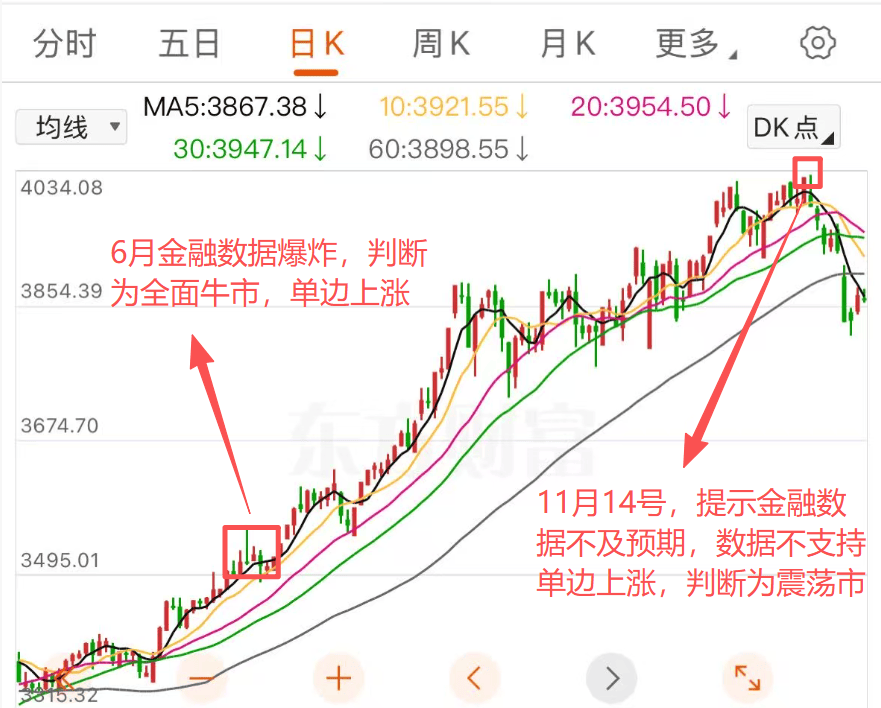
Core Viewpoint - The stock market began a downward trend starting November 14, triggered by the release of disappointing financial data for October on November 13, which did not meet expectations [1][3]. Financial Data Analysis - On July 14, the central bank released June financial data that significantly exceeded expectations, leading to a bullish market trend [3]. - The October financial data released on November 13 was below expectations, resulting in a noticeable decline in the stock market starting November 14 [3][4]. - The primary reason for the explosive data in July was the unexpected increase in money supply driven by bond purchases, while the October data reflected a downturn in bond issuance, impacting money supply growth [5][12]. Monetary Mechanism Explanation - The central bank is the issuer of currency, and the total money supply (M2) is determined by the base currency and the reserve requirement ratio [5][7]. - Commercial banks can create money through asset expansion, which includes buying bonds, but they must first attract deposits [6][9]. - The difference between commercial banks and the central bank in money creation lies in the need for deposits and the type of money created (derived vs. base money) [9][10]. Market Outlook - The recent data indicated a turning point for both M1 and M2, primarily due to a decline in bond issuance [13]. - Despite the downward pressure, the market is expected to stabilize rather than enter a prolonged decline, as the bond market can be adjusted by issuers in response to economic conditions [13]. - The long-term outlook remains optimistic, with confidence in the market's potential for recovery driven by bond issuance mechanisms [13][14]. Sector Focus - Future national development priorities include technology, new productive forces, and industrial upgrades, which may lead to high valuations in tech sectors [15]. - Traditional sectors, while not the focus of future growth, have lower valuations and may present safer investment opportunities [15][16].
香港投资基金公会:首三季香港零售基金录得总销售额826亿美元 同比上升35%
Zhi Tong Cai Jing· 2025-11-26 03:38
Core Insights - Hong Kong's retail funds recorded total sales of $82.6 billion in the first three quarters of the year, representing a 35% year-on-year increase, surpassing the total sales for the entire year of 2024 [1] - Year-to-date net inflows reached $15.7 billion, a 44% increase compared to the $12.3 billion for the entire year of 2024, marking the highest net inflow since 2015 [1] Fund Performance - The primary source of net inflows in Hong Kong's funds this year has been bond funds, followed by money market funds. Mixed asset funds recorded net inflows of $1.7 billion, reversing the net outflow trend from the same period last year [1] - Global bond funds and money market funds continued to see the highest net inflows in the first three quarters, amounting to $11.4 billion and $2.9 billion respectively, indicating sustained demand for safe-haven and income-generating assets [1] Market Trends - Conversely, North American bond funds experienced the highest net redemptions, followed by Chinese equity funds and industry/theme equity funds (excluding Asia-Pacific) [2] - The co-chairman of the Investment Fund Committee of the Hong Kong Investment Funds Association, Zou Jianxiong, indicated that as the market anticipates future interest rate cuts, investors who previously favored money market funds should reassess their investment strategies [2] - Despite ongoing optimism in the artificial intelligence and broader technology sectors, investors are advised to exercise caution in stock selection due to high valuations [2]