
零碳工厂建设

Search documents
要崛起?化工板块逆势爆发!红宝丽、中毅达双双涨停
2 1 Shi Ji Jing Ji Bao Dao· 2026-01-20 09:23
Core Viewpoint - The A-share market experienced a collective decline on January 20, with the ChiNext index dropping over 2%, while the chemical sector showed significant resilience, with multiple stocks hitting the daily limit up [1]. Group 1: Market Performance - The A-share market's three major indices all closed lower, with the ChiNext index seeing a decline of more than 2% [1]. - The chemical sector stood out with strong performance, as stocks like Jiangtian Chemical, Hongbo New Materials, and others reached their daily limit up [1]. Group 2: Policy Support - A joint guideline issued by five government departments, including the Ministry of Industry and Information Technology and the National Development and Reform Commission, aims to expand zero-carbon factory construction to the petrochemical and chemical industries, providing policy support for green transformation and high-quality development in the sector [1]. Group 3: Global Price Trends - Since December 2025, the chemical industry has been experiencing a global price surge, with major chemical companies such as BASF, Dow, and Huntsman implementing price increases across Europe, Asia, and the Middle East [1].

沪铜产业日报-20260120
Rui Da Qi Huo· 2026-01-20 08:27
Group 1: Report Industry Investment Rating - Not provided Group 2: Core View of the Report - The Shanghai copper main contract shows a volatile trend, with increasing open interest, spot discount, and weakening basis. The copper concentrate TC spot index continues to decline, and the cost support of tight ore for copper prices remains. The supply is relatively sufficient, while the demand is cautious due to the off - season and high copper prices before. The refined copper social inventory is accumulating seasonally. The option market sentiment is bullish, and the implied volatility slightly decreases. It is recommended to conduct short - term long trades at low prices with light positions and control the rhythm and trading risks [2] Group 3: Summary by Relevant Catalogs 1. Futures Market - The closing price of the Shanghai copper futures main contract is 101,230 yuan/ton, up 50 yuan; the LME 3 - month copper price is 12,970 dollars/ton, up 4.5 dollars. The main contract's inter - month spread is - 200 yuan/ton, down 20 yuan; the open interest of the Shanghai copper main contract is 218,898 lots, up 1,466 lots. The top 20 futures positions in Shanghai copper are - 51,902 lots, up 44 lots. The LME copper inventory is 147,425 tons, up 3,850 tons; the Shanghai Futures Exchange's cathode copper inventory is 213,515 tons, up 32,972 tons; the LME copper cancelled warrants are 48,550 tons, down 1,025 tons; the Shanghai Futures Exchange's cathode copper warrants are 148,193 tons, down 2,856 tons [2] 2. Spot Market - The SMM 1 copper spot price is 100,725 yuan/ton, down 215 yuan; the Yangtze River Non - ferrous Market 1 copper spot price is 100,615 yuan/ton, down 640 yuan. The Shanghai electrolytic copper CIF (bill of lading) price is 36 dollars/ton, unchanged; the Yangshan copper average premium is 25.5 dollars/ton, down 2.5 dollars. The CU main contract basis is - 505 yuan/ton, down 265 yuan; the LME copper cash - 3 spread is 67.55 dollars/ton, up 6.03 dollars [2] 3. Upstream Situation - The import volume of copper ore and concentrates is 270.43 million tons, up 17.8 million tons. The copper smelter's rough smelting fee (TC) is - 46.53 dollars/kiloton, down 1.12 dollars. The copper concentrate price in Jiangxi is 90,910 yuan/metal ton, down 630 yuan; in Yunnan is 91,610 yuan/metal ton, down 630 yuan. The southern processing fee for blister copper is 2,000 yuan/ton, unchanged; the northern processing fee is 1,200 yuan/ton, unchanged [2] 4. Industry Situation - The refined copper output is 123.6 million tons, up 3.2 million tons. The import volume of unwrought copper and copper products is 440,000 tons, up 10,000 tons. The social inventory of copper is 41.82 million tons, up 0.43 million tons. The price of 1 bright copper wire in Shanghai is 68,290 yuan/ton, down 400 yuan; the price of 2 copper (94 - 96%) in Shanghai is 82,850 yuan/ton, down 450 yuan. The ex - factory price of 98% sulfuric acid of Jiangxi Copper is 1,030 yuan/ton, unchanged [2] 5. Downstream and Application - The copper product output is 222.6 million tons, up 22.2 million tons. The cumulative grid infrastructure investment completion is 560.39 billion yuan, up 77.956 billion yuan. The cumulative real estate development investment completion is 82,788 billion yuan, up 419.71 billion yuan. The monthly output of integrated circuits is 4,810 million pieces, up 418 million pieces [2] 6. Option Situation - The 20 - day historical volatility of Shanghai copper is 28.14%, up 0.02%; the 40 - day historical volatility is 23.24%, down 0.11%. The current month's at - the - money IV implied volatility is 24.72%, down 0.0582%; the at - the - money option call - put ratio is 1.55, down 0.0687 [2] 7. Industry News - In 2025, China implemented a series of more proactive macro - policies, promoting economic structure optimization and upgrading. The service retail sales increased by 5.5% compared with the previous year, and the cumulative growth rate has rebounded for 4 consecutive months since September. The consumer goods trade - in policy promoted high - quality durable consumer goods into residents' lives. At the end of 2025, the number of household cars per 100 households reached 52.9, an increase of 1.7 compared with the end of the previous year. The GDP in 2025 was 1,401,879 billion yuan, a 5.0% increase over the previous year. The per - capita disposable income of national residents was 43,377 yuan, a nominal increase of 5.0% over the previous year. In December 2025, the added value of large - scale industries increased by 5.2% year - on - year and 0.49% month - on - month. In 2025, it increased by 5.9% compared with the previous year. The IMF raised the global economic growth forecast for 2026 by 0.2 percentage points to 3.3% and also raised the economic growth forecasts of China, the US, the Eurozone, and Japan. The investment growth in information technology driven by AI is an important driving force for the global economy. Five ministries including the Ministry of Industry and Information Technology jointly deployed the construction of zero - carbon factories, aiming to cultivate a number of zero - carbon factories in industries such as automobiles, lithium batteries, photovoltaics, and electronic appliances by 2027 and gradually expand to traditional high - energy - consuming industries by 2030 [2]
政策支持,化工板块全线拉升!券商:反内卷有望重估中国化工行业
Zheng Quan Shi Bao Wang· 2026-01-20 05:36
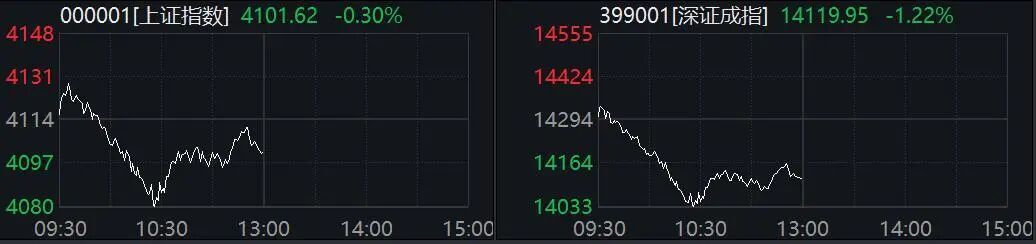
Group 1 - The A-share market experienced fluctuations on January 20, with the Shanghai Composite Index briefly falling below 4100 points, the Shenzhen Component testing the 14000-point support, and the ChiNext Index dropping below 3300 points [1] - The chemical industry chain saw a significant rise, with the polyurethane sector leading the gains, and the sector index increasing over 2%, reaching a historical high [1] - The Ministry of Industry and Information Technology, along with other departments, issued guidelines to expand zero-carbon factory construction to the petrochemical and chemical industries, providing policy support for green transformation and high-quality development [1] Group 2 - Recent monitoring data from the Lianyungang Development and Reform Commission indicated that chemical product prices have shown an overall trend of "more increases than decreases," with 11 out of 16 monitored products rising in price [2] - Significant price increases were reported for sulfur, sulfuric acid, and bromine, with respective increases of 116.5%, 111.86%, and 64.84% expected by 2025 [3] - Guohai Securities suggested that the re-evaluation of the Chinese chemical industry could lead to a substantial slowdown in global capacity expansion, potentially transforming the industry from a cash-consuming entity to a cash-generating one, with a focus on sectors like petrochemicals, coal chemicals, organic silicon, phosphate chemicals, and glyphosate [3]


300927,直线20%涨停!利好来袭,化工板块全线拉升
Zheng Quan Shi Bao· 2026-01-20 05:12
Group 1: Market Overview - The chemical industry chain experienced a significant rise, with stocks hitting the limit up, particularly Jiangtian Chemical (300927) which surged by 20% [1][8] - On January 20, the A-share market showed volatility, with the Shanghai Composite Index briefly falling below 4100 points and the Shenzhen Component testing the 14000 point support [1] Group 2: Real Estate Sector - The real estate sector collectively strengthened, with real estate services leading the gains, and the sector index rising over 5% [4] - Major companies like I Love My Home and others saw significant stock price increases, with trading volume surpassing the previous day's total within the first hour [4] - Shanghai's new residential property prices increased by 4.8% year-on-year and 0.2% month-on-month as of December 2025, marking it as the only first-tier city with both year-on-year and month-on-month price increases [5] - The Shanghai real estate market is expected to see over 20,000 transactions for the third consecutive month, indicating strong demand [5] Group 3: Chemical Industry Dynamics - The chemical sector saw a broad increase, particularly in polyurethane, with the sector index rising over 2% to reach a historical high [6] - Major chemical companies like Cangzhou Dahua and Hongbaoli experienced consecutive limit-up trading, indicating strong market sentiment [6][8] - A global price increase in the chemical industry has been noted since December 2025, with major companies like BASF and Dow Chemical raising prices across multiple regions [10] - Recent data shows a general trend of rising prices in the chemical sector, with 11 out of 16 monitored products increasing in price [10] - The Chinese chemical industry is expected to benefit from a slowdown in global capacity expansion, potentially leading to higher dividend yields and a shift from being a cash-consuming sector to a cash-generating one [10]


机构看好化工板块供给侧改革下周期反转,化工ETF嘉实(159129)聚焦化工板块投资机遇
Xin Lang Cai Jing· 2026-01-20 03:51
Group 1 - The core viewpoint of the news highlights the positive changes in the chemical industry supply side, driven by capital expenditure decline and policy support, which may lead to a reversal in the industry cycle [2] - The Ministry of Industry and Information Technology has issued guidelines for zero-carbon factory construction, focusing on industries with urgent decarbonization needs and aiming to establish a batch of zero-carbon factories in various sectors by 2027 and 2030 [1] - The top ten weighted stocks in the CSI Chemical Industry Theme Index account for 45.31% of the index, indicating a concentrated investment opportunity within the sector [2] Group 2 - The chemical sector is expected to benefit from the "14th Five-Year Plan" aimed at expanding domestic demand and the onset of a U.S. interest rate cut cycle, which could stimulate demand for chemical products [2] - Investors can also explore investment opportunities in the chemical sector through the Chemical ETF linked fund [3]
首席点评:现货白银刷新历史高点
Shen Yin Wan Guo Qi Huo· 2026-01-20 02:47
Report Industry Investment Rating - Crude oil: Cautiously bearish [6] - Carbonate lithium: Cautiously bullish [6] - Other varieties: The report does not provide clear investment ratings for other varieties Core Viewpoints of the Report - The global economic growth forecast for 2026 has been raised, and artificial intelligence - driven IT investment is an important support for the global economy [8] - Precious metals continue to rebound. The long - term upward trend of gold is expected to continue, and the price centers of silver and platinum are expected to rise steadily [5] - The price of crude oil is affected by geopolitical factors, and the short - term market sentiment is pessimistic, but the demand for crude oil from the Declaration members is expected to increase [2] - The price of carbonate lithium fluctuates greatly, and it is generally easy to rise and difficult to fall under the condition that the demand logic is not falsified [3] Summary by Relevant Catalogs 1. Main News Concerns International News - The IMF has raised the global economic growth forecast for 2026 by 0.2 percentage points to 3.3%, and also raised the economic growth forecasts of China, the US, the Eurozone, and Japan [8] Domestic News - In 2025, China's GDP increased by 5% year - on - year, reaching 140.19 trillion yuan. The manufacturing scale remained the world's first, but the population decreased [9] Industry News - Five departments including the Ministry of Industry and Information Technology have jointly deployed the construction of zero - carbon factories, with phased goals for different industries by 2027 and 2030 [10] 2. Daily Returns of Overseas Markets - The European STOXX50 index fell by 1.28%, the FTSE China A50 futures fell by 0.47%, and the US dollar index fell by 0.33%. London gold rose by 1.58%, and London copper rose by 4.73% [11] 3. Morning Comments on Major Varieties Financial - Treasury bonds fell slightly. The central bank's open - market reverse repurchase had a net investment of 722 billion yuan. Against the background of a weakening US economy and China's moderately loose monetary policy, the price of treasury bond futures has stabilized [13][14] Energy and Chemicals - Crude oil: SC night trading fell by 0.52%. Geopolitical risks in the oil market have decreased, and more crude oil is expected to be exported from Venezuela in the future. The demand for crude oil from the Declaration members is expected to increase [2][15] - Methanol: Methanol night trading fell by 1.39%. The average operating load of domestic coal (methanol) to olefin plants decreased. The overall inventory of coastal methanol decreased slightly. It is bullish in the short - term, and attention should be paid to the situation in Iran [16] - Natural rubber: Domestic rubber - producing areas have stopped tapping, and the supply elasticity has weakened in the short - term. The price of raw rubber is relatively firm, and the demand side supports the stable operation of all - steel tire production. The short - term rubber price is expected to be oscillating and bullish [17] - Polyolefin: Polyolefin futures closed down. The market focuses on the expectation of supply improvement, and the international crude oil price supports the cost. After a continuous rebound, polyolefin may oscillate in the short - term [18][19] - Glass and soda ash: Glass futures mainly declined, and soda ash futures were in consolidation. The inventory of glass and soda ash production enterprises decreased. The supply - demand relationship of glass is gradually being repaired, and soda ash still has inventory digestion pressure [20] Metals - Precious metals: Precious metals continue to rebound. The long - term upward trend of gold is expected to continue, and the price centers of silver and platinum are expected to rise steadily due to macro - environment and supply - demand gaps [5][21] - Copper: The copper price rose at night. The supply of concentrates is tight, and the smelting profit is at the break - even point. After the release of optimistic sentiment, the copper price may have a phased correction [22] - Zinc: The zinc price fell slightly at night. The supply of zinc concentrates is temporarily tight, and the smelting output continues to grow. After the release of optimistic sentiment in non - ferrous metals, the zinc price may have a phased correction [23] - Aluminum: The price of Shanghai aluminum rose at night. The short - term fundamentals are weak, but low inventory and supply constraints provide support in the long - term [24][25] - Carbonate lithium: The main contract of carbonate lithium fluctuates greatly. The production has increased slightly, and the social inventory has decreased. The price is generally easy to rise and difficult to fall under the demand logic [3][26] Black Metals - Coking coal and coke: The main contracts of coking coal and coke were weak at night. The short - term disk trend is expected to be bullish, and attention should be paid to the supply of coking coal, iron water output, and downstream restocking rhythm [27] - Steel: The steel price is oscillating and bullish. The supply and demand of the steel market are both weak, and the inventory decline has narrowed. The overall commodity atmosphere has turned warmer, and attention should be paid to sector rotation [28] - Iron ore: The iron ore price oscillates and falls back. The short - term ore price is expected to continue to oscillate slightly bullishly, and steel mills will continue to purchase on demand [29] Agricultural Products - Protein meal: The night trading of soybean and rapeseed meal was weak. The expected high yield of Brazilian soybeans is strengthening, and the supply of domestic soybean meal is expected to increase. The easing of China - Canada trade relations will put pressure on the price of rapeseed meal [30] - Edible oils: Soybean and palm oil were bullish and oscillating at night, while rapeseed oil was weak. The export of Malaysian palm oil is strong, and the US biodiesel policy is expected to be bullish. The supply of domestic rapeseed is expected to increase, which restricts the short - term price of soybean and palm oil [31] - Sugar: The main contract of Zhengzhou sugar was oscillating and weak. The supply of sugar is seasonally increasing, and the import policy and high production cost support the disk. It is expected to operate in a low - level range in the short - term [32] - Cotton: The main contract of Zhengzhou cotton continued to reduce positions and weaken. The demand from textile enterprises provides support. After the decline, it is expected to operate in a low - level oscillation in the short - term, and attention should be paid to the lower support [33] Shipping Index - Container shipping to Europe: EC fell by 1.77%. The SCFIS European line was basically flat. Before the Spring Festival, the freight rate is expected to enter a downward channel, but the export rush of photovoltaic products may bring some support [34][35]
国新证券每日晨报-20260120
Guoxin Securities Co., Ltd· 2026-01-20 02:18
Market Overview - The domestic market experienced a slight increase with reduced trading volume on January 19, closing with the Shanghai Composite Index at 4114 points, up 0.29%, and the Shenzhen Component Index at 14294.05 points, up 0.09% [1][5][9] - The total trading volume for the A-share market was 273.22 billion yuan, showing a decrease compared to the previous day [1][5][9] - Among the 30 sectors tracked, 22 saw gains, with consumer services, oil and petrochemicals, and electric equipment and new energy leading the increases, while sectors like computers, communications, and banking faced significant declines [1][5][9] Economic Data - China's GDP for 2025 is projected to reach 14,018.79 billion yuan, reflecting a year-on-year growth of 5% [10][12] - The industrial added value for 2025 is expected to grow by 5.9%, with the service sector's contribution to GDP increasing to 57.7% [10][12] - Retail sales of consumer goods are anticipated to grow by 3.7% in 2025, with total retail sales reaching 501.202 billion yuan [10][13] Population Statistics - By the end of 2025, China's total population is estimated to be 1,404.89 million, with a birth rate of 7.92 million and a death rate of 11.31 million, resulting in a net population decrease of 3.39 million [15][21] - The working-age population (ages 16-59) is projected to be 851.36 million, indicating a rich labor resource [15][21] Policy Developments - A joint directive on the construction of zero-carbon factories has been issued by five government departments, emphasizing a phased approach to reduce carbon emissions in various industries [11][18] - The directive aims to establish benchmarks for zero-carbon factories by 2026, focusing initially on sectors with lower carbon reduction challenges [11][18] Global Economic Outlook - The IMF has slightly raised its global economic growth forecast for 2026 to 3.3%, while warning of uncertainties due to geopolitical tensions and trade disruptions [18] - Emerging markets are expected to maintain growth rates above 4% in the coming years, while developed economies are projected to grow at lower rates [18]
今年起将遴选一批标杆零碳工厂
Xin Lang Cai Jing· 2026-01-19 22:18
Core Viewpoint - The Ministry of Industry and Information Technology, along with four other departments, has issued guidelines for the construction of zero-carbon factories, aiming to enhance energy efficiency and carbon reduction in key industrial sectors, with a target to select a batch of zero-carbon factories starting in 2026 [1] Group 1: Zero-Carbon Factory Construction - Zero-carbon factory construction involves reducing carbon dioxide emissions through technological innovation, structural adjustments, and management optimization, aiming for near-zero emissions within factory premises [1] - The guidelines emphasize the importance of pilot zero-carbon factories in fostering new productive forces and balancing high-quality development with environmental protection, supporting carbon peak and carbon neutrality goals [1] Group 2: Implementation Timeline and Industry Focus - By 2027, the initiative aims to cultivate zero-carbon factories in sectors such as automotive, lithium batteries, photovoltaics, electronics, light industry, machinery, and computing facilities [1] - By 2030, the construction of zero-carbon factories will expand to include traditional high-energy-consuming industries like steel, non-ferrous metals, petrochemicals, building materials, and textiles, exploring new decarbonization pathways [1] Group 3: Construction Pathways - The guidelines outline pathways for zero-carbon factory construction, including establishing a carbon emission accounting system to identify and quantify emissions and removals [2] - Factories are encouraged to build industrial green microgrids and enhance the application of new-generation information technology [2] - Carbon emissions reductions can be offset through mechanisms such as cross-border carbon trading [2]
五部门联合部署零碳工厂建设 分阶推进工业绿色低碳转型
Zheng Quan Shi Bao· 2026-01-19 18:07
Core Viewpoint - The release of the "Guiding Opinions on the Construction of Zero Carbon Factories" aims to enhance energy conservation and carbon reduction in the industrial and information sectors, promoting green and low-carbon transformation while fostering new productive forces. Group 1: Overall Requirements and Goals - The "Guiding Opinions" outlines overall requirements, stage goals, and implementation paths for zero carbon factory construction, focusing on energy conservation and carbon reduction potential in key industries [1] - A phased cultivation strategy is proposed, with a selection of zero carbon factories starting in 2026, expanding to various industries by 2030, including steel, non-ferrous metals, petrochemicals, and textiles [1] Group 2: Importance and Challenges - The establishment of zero carbon factories is crucial for achieving carbon peak and carbon neutrality, balancing high-quality development with environmental protection [2] - There are significant differences in understanding and implementation across regions and industries, with challenges such as inconsistent evaluation requirements and weak carbon emission accounting foundations [2] Group 3: Principles and Construction Paths - The construction of zero carbon factories will follow principles such as tailored strategies, systematic advancement, innovation-driven approaches, and transparency [3] - Six major construction paths are defined, including improving carbon emission accounting, accelerating green energy transitions, and promoting carbon footprint analysis and data management [3] Group 4: Source Reduction and Energy Supply - The "Guiding Opinions" encourages factories to achieve zero carbon energy supply while ensuring energy security, promoting the use of distributed renewable energy sources like solar and wind [3] - Factories are encouraged to develop industrial green microgrids and integrate various energy sources for efficient utilization [3]
五部门发布《关于开展零碳工厂建设工作的指导意见》
Zheng Quan Ri Bao Wang· 2026-01-19 11:46
Core Viewpoint - The Ministry of Industry and Information Technology, along with four other departments, has issued guidelines for the construction of zero-carbon factories, emphasizing a phased approach to prioritize industries with urgent decarbonization needs and lower decarbonization difficulties [1] Group 1: Goals and Phased Implementation - The guidelines propose a gradual cultivation of zero-carbon factories, starting with industries that primarily consume electricity and have a pressing need for decarbonization [1] - By 2026, a selection of zero-carbon factories will be identified to serve as benchmarks [1] - By 2027, zero-carbon factories will be developed in sectors such as automotive, lithium batteries, photovoltaics, electronics, light industry, machinery, and computing facilities, aiming to create a comprehensive ecosystem for zero-carbon factory construction [1] Group 2: Expansion and Long-term Vision - By 2030, the initiative will expand to include industries like steel, non-ferrous metals, petrochemicals, building materials, and textiles, exploring new pathways for decarbonization in traditional high-energy-consuming sectors [1] - The guidelines aim to promote comprehensive service models and solutions for zero-carbon factory design, financing, renovation, and management, significantly enhancing product lifecycle and supply chain management capabilities [1] - The ultimate goal is to achieve a steady decline in carbon emissions from factories [1]