高端市场

Search documents
雷军投资高梵?
Sou Hu Cai Jing· 2025-11-06 09:55
Group 1: Company Overview - Gaofan, a domestic down jacket brand, has recently completed a new round of financing from Shunwei Capital, led by Lei Jun, although the specific investment amount remains undisclosed [1] - The founder, Wu Kunming, has over 30 years of experience in the apparel industry, starting his career as a washing worker in a garment factory and later transitioning to sales in a shoe and clothing company [1][2] - Wu established Gaofan in 2004, initially selling through department stores, but faced operational challenges due to supply shortages, rising raw material costs, and quality issues [1][2] Group 2: Business Transformation - In 2011, Wu attempted to pivot Gaofan towards e-commerce, closing most offline stores, but faced difficulties as products that sold for around 1,000 yuan offline did not perform well online, leading to significant price reductions [2] - In 2020, Gaofan returned to the high-end market with the launch of the Black Gold Goose down jacket, targeting luxury brands and emphasizing quality materials [2] - The brand has also recruited talent from international luxury brands, including a global creative director from Hermès and Dior [2] Group 3: Market Performance - Gaofan's GMV is projected to exceed 5 billion yuan in 2024, with Douyin contributing 40% and Tmall over 30% of sales [4] - The brand has opened its first domestic brand store in Beijing SKP and is expanding into high-end department stores in Paris [4] - As of now, Gaofan has established over 10 offline stores across various provinces in China [4] Group 4: Competitive Landscape - Wu has openly compared Gaofan's wearing experience favorably against luxury brand Moncler, claiming superior comfort [3] - Meanwhile, Lei Jun's Xiaomi is facing significant challenges, including a trust crisis and rising complaints about product quality, which may impact its brand reputation [4][5] - Xiaomi's expansion strategy has been questioned due to issues related to product quality and legal disputes, highlighting the competitive pressures in the market [5]

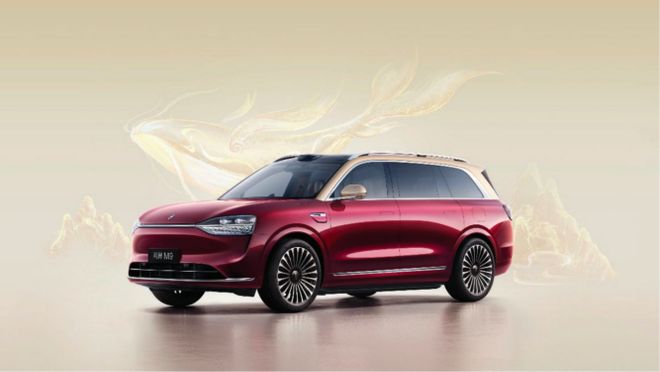
赛力斯叩响港股大门,A+H架构能否再造一个“问界速度”?
Xin Lang Cai Jing· 2025-10-17 10:02
Core Insights - Chinese brands are rising strongly in the global high-end new energy market, with Seres being a representative of this trend, showcasing a shift from a focus on cost-effectiveness to precise penetration of high-end markets and value reconstruction [1] - Seres' AITO series has achieved significant market success, breaking the monopoly of traditional luxury brands in the high-end market through a clear "spear and shield" strategy [1][4] - The recent successful listing on the Hong Kong Stock Exchange marks a strategic leap for Seres from a local market winner to a global leader in high-end new energy vehicles [1] Group 1: Performance and Growth - The AITO brand is projected to deliver 387,100 vehicles in 2024, representing a 268% year-on-year increase, with the AITO M7 becoming the best-selling model in the 300,000 yuan segment [2][4] - The company's revenue surged from 35.8 billion yuan in 2023 to 145.1 billion yuan in 2024, a growth of 305.5%, with gross margins increasing from 7.2% to 23.8% [8] Group 2: Market Strategy - Seres adopts a focused strategy on high-end user needs, emphasizing "family travel" and "flagship experience" through a single product approach, which enhances brand recognition and reduces resource waste [5][7] - Each model in the AITO series is designed to meet specific market demands, creating a strong association between the product and its target market segment [5][7] Group 3: Production and Quality - Seres maintains a dynamic balance of "demand-capacity-quality," enabling rapid market response and high-quality production through advanced factory layouts and a "factory within a factory" model [7][9] - The company has achieved the highest new car quality performance in the new energy vehicle sector for three consecutive years, with an NPS score of 82% in 2024 [11] Group 4: Technological Innovation - The company leverages a "smart manufacturing, technological innovation, and capital cooperation" ecosystem, enhancing its competitive edge in the new energy vehicle market [9][12] - Seres collaborates with leading firms like Huawei and CATL to integrate cutting-edge technology into its products, ensuring a strong position in smart and electric vehicle technology [12][13] Group 5: Global Expansion and Capital Strategy - The Hong Kong listing is a crucial step in Seres' global strategy, aimed at enhancing R&D, market penetration, and optimizing capital structure [14][15] - The company plans to use the funds raised from the listing to strengthen its technological capabilities and expand its presence in international markets [14][15] Group 6: Industry Impact - Seres' success represents a significant milestone for the Chinese automotive industry, challenging the perception that high-end vehicles are solely the domain of Western brands [16] - The company's approach provides a new model for other Chinese new energy vehicle manufacturers, emphasizing the importance of differentiation and focused branding [16]


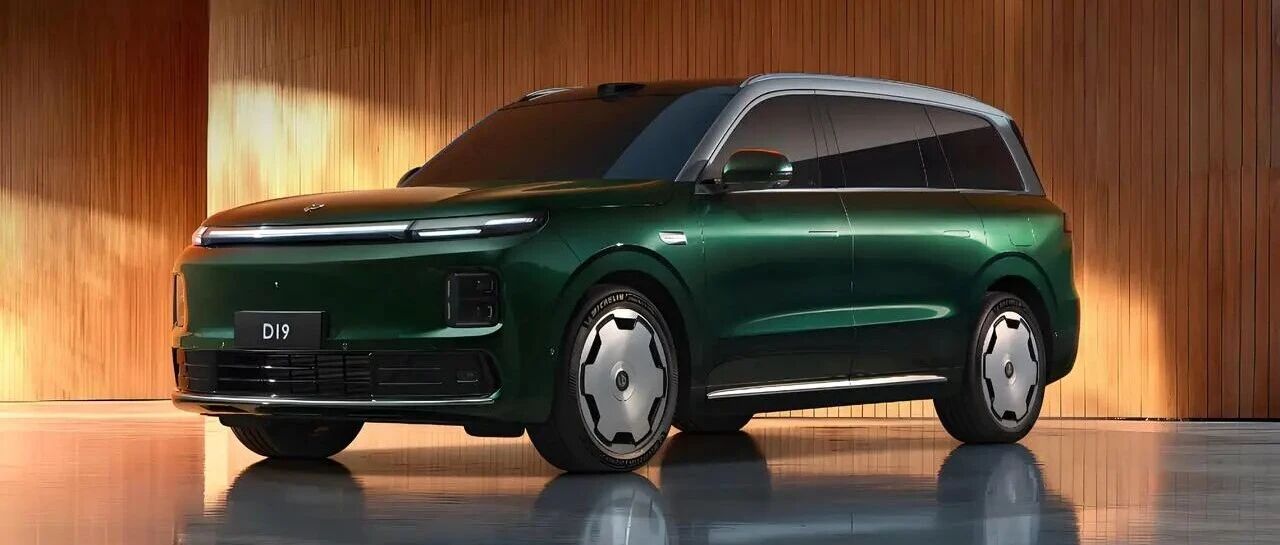
零跑旗舰D系列发布,定价20万元以上,D19能否扛起高端化大旗?丨智驾前线
雷峰网· 2025-10-17 00:44
Core Viewpoint - Leap Motor has delivered over 1 million vehicles since its inception, with a significant surge expected in 2025, having delivered nearly 400,000 new cars from January to September 2025, indicating a strong market presence and ambition to penetrate the high-end market [4][32]. Group 1: Product Launch and Features - Leap Motor officially launched its flagship SUV, the Leap D19, in Shanghai, marking a strategic move into the high-end market segment priced between 250,000 to 300,000 yuan [2][4]. - The D19 features a full-size body and comprehensive configurations, differentiating it from the C series, which focuses on cost-effectiveness [4]. - The D19 is equipped with the latest LEAP 4.0 integrated electronic architecture, enhancing smart driving and cockpit capabilities [6][8]. Group 2: Performance and Specifications - The D19 offers both range-extended and pure electric versions, with the range-extended version featuring an 80 kWh battery and a 40-liter fuel tank, achieving a range of 500 km [8]. - The pure electric version boasts a 115 kWh battery, providing a range of 720 km, both versions supporting an 800V high-voltage system for efficient charging [10]. - The D19 is powered by dual vector electric drives, achieving 0-100 km/h in approximately 3 seconds for the pure electric version and 4 seconds for the range-extended version [16]. Group 3: Safety and Design - The D19 incorporates a robust safety structure with high-strength steel and a 10-layer battery safety protection system, ensuring passenger safety [22]. - The vehicle's design includes a length exceeding 5.2 meters and a wheelbase over 3.1 meters, positioning it competitively against other large SUVs [24]. - Interior features include zero-gravity seats, premium leather, and advanced technology such as a 60-inch AR-HUD and Face ID [30]. Group 4: Market Position and Future Outlook - Leap Motor's sales in September reached 66,657 units, a year-on-year increase of over 97%, with a target of 500,000 to 600,000 units for the year [32]. - Despite strong sales, the average delivery price of current models is below 140,000 yuan, with only 2% of sales in the 200,000 to 300,000 yuan segment, highlighting the challenge in the high-end market [32]. - The introduction of the D19 is a critical step for Leap Motor to establish a foothold in the high-end market, with its future performance being closely watched [32].
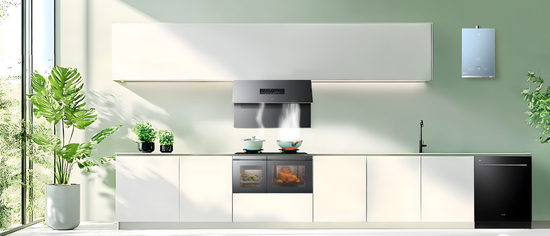
华帝半年报:“产品+渠道”,撬开高端市场
Xin Lang Zheng Quan· 2025-10-11 02:06
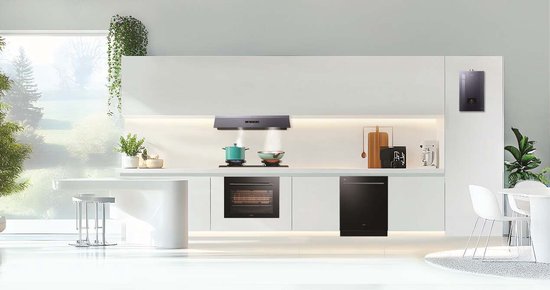
Core Viewpoint - Vatti's 2025 semi-annual report shows significant growth in revenue and profit, with a focus on high-end kitchen appliances and strong market performance through innovative products and diversified channels [1][3][4]. Financial Performance - In the first half of 2025, Vatti achieved approximately 2.8 billion yuan in revenue and a net profit of about 272 million yuan, with a gross margin increase of 3 percentage points to 44.1% [1]. - The gross margin growth ranks among the top five in the home appliance industry, with Vatti being the most notable in the kitchen appliance sector [1][3]. Product Performance - The gross margins for key product categories, including "smoke, stove, and heat," improved to 48.41%, 48.73%, and 33.98%, respectively, with an overall domestic business gross margin increase of 3.34% [1]. - Sales and revenue for gas water heaters saw year-on-year growth of 63.69% and 74.69%, respectively [1]. Innovation and R&D - As of June 30, 2025, Vatti holds 4,690 national patents, including 835 invention patents, positioning the company at the forefront of the industry in terms of innovation [3]. Channel Strategy - Vatti has implemented a multi-channel strategy, conducting nearly 2,000 promotional events across 26 provinces, enhancing retail transformation for distributors [3][4]. - The company has established over 1,000 new stores across platforms like JD, Tmall, and Suning, with a gross margin of 41.51% in new retail channels [4]. Operational Model - Vatti has developed an operational model combining "platform coupons + in-store shopping + flash sales to home," collaborating with platforms like Douyin and Meituan to enhance local service offerings [3]. Market Positioning - The combination of an extensive online and offline channel network, along with high-end product advantages, provides Vatti with sustained momentum for growth and a solid foundation to navigate industry competition [4].

中报洞察:长远来看,华帝在高端市场还有机会吗?
Xin Lang Zheng Quan· 2025-10-11 01:59
Core Insights - Vatti Co., Ltd. has demonstrated resilience in its operations, achieving approximately 2.8 billion yuan in revenue and around 272 million yuan in net profit for the first half of 2025, despite challenges in the macroeconomic environment and real estate market [1][4] - The company's gross profit margin increased by 3 percentage points year-on-year to 44.1%, driven by effective cost control and product structure optimization [3][4] - Vatti's strategic focus on high-end market segments has led to significant sales growth, particularly in gas water heaters, which saw a year-on-year sales increase of 63.69% and revenue growth of 74.69% [3][4] Financial Performance - For the first half of 2025, Vatti reported operating revenue of approximately 2.8 billion yuan and a net cash inflow from operating activities of 175 million yuan [1] - The gross profit margins for core products such as range hoods, stoves, and water heaters improved to 48.41%, 48.73%, and 33.98%, respectively [3] - The overall gross profit margin for domestic operations increased by 3.34% [3] Market Position and Strategy - Vatti ranked among the top five in gross profit margin growth within the home appliance industry for the first half of 2025, and it was the most notable performer in the kitchen appliance sector [4] - The company's ability to enhance its gross profit margin amid fierce competition indicates strong product pricing power and effective supply chain management [4] - Vatti's innovative approach, focusing on user demand and high-end products, has positioned it well to capitalize on market opportunities, particularly in the context of recovering consumer confidence and easing real estate policies [4]
紧跟骁龙峰会!小米17官宣定档,雷军同时带来第6次年度演讲
Sou Hu Cai Jing· 2025-09-22 04:06
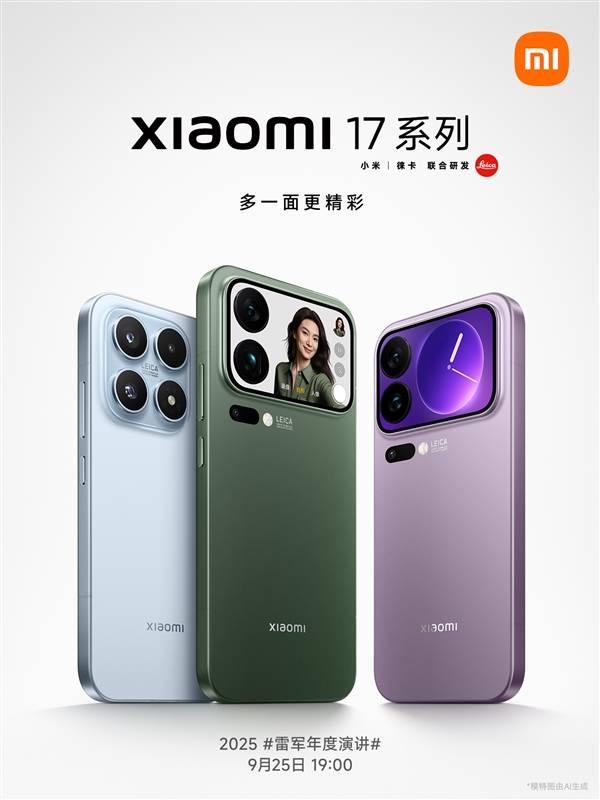
Group 1 - Xiaomi officially announced the launch of the new flagship Xiaomi 17 series on September 25 at 7 PM [1] - The Xiaomi 17 series will be the only model in the September market equipped with the new Snapdragon 8 Elite Gen5 chip, while competitors will release their models after the National Day [5] - The series includes three models: Xiaomi 17, Xiaomi 17 Pro, and Xiaomi 17 Pro Max, focusing on high performance, imaging, and cutting-edge technology [5][8] Group 2 - The Xiaomi 17 series will feature a battery capacity of 7000mAh for the standard version and 7500mAh for the Pro Max version, making it one of the highest capacity small-screen flagships [8] - The series will globally debut the Snapdragon 8 Elite Gen5 processor, built on TSMC's third-generation 3nm process, with significant improvements in energy efficiency and performance [11] - The Xiaomi 17 Pro and Pro Max will include a new customizable back screen, developed with an investment of 1 billion yuan, which may be difficult for competitors to replicate due to high costs [13] Group 3 - Xiaomi aims to position itself in the high-end market by launching the Xiaomi 17 series ahead of competitors, directly competing with the iPhone 17 series [9] - The expected price range for the Xiaomi 17 Pro is between 5000-6000 yuan, while the Pro Max is anticipated to be priced between 6000-7000 yuan [13] - The series is expected to set new sales records for Xiaomi's digital series due to its significant upgrades in design and hardware [15]
雷军猛药!小米顶级旗舰“价格雪崩”,1英寸大底徕卡+冰封散热
Sou Hu Cai Jing· 2025-09-21 14:56
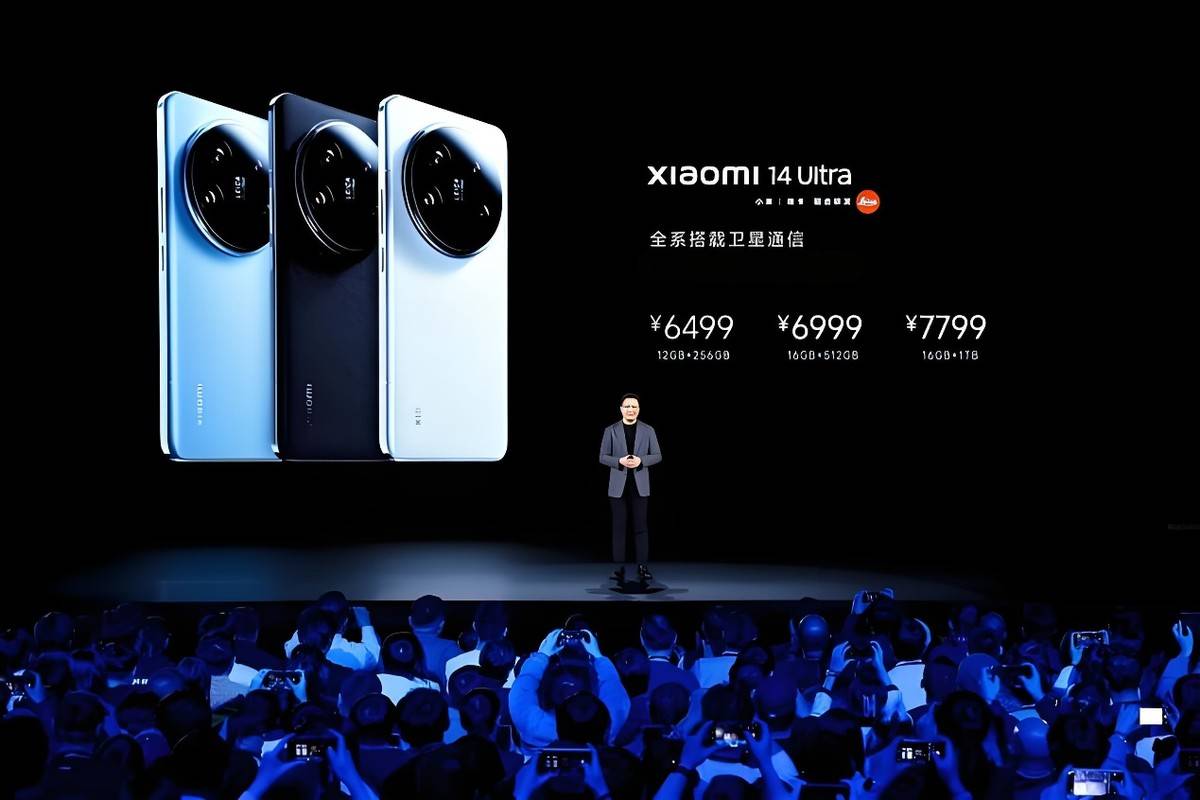
Core Insights - Xiaomi has successfully transitioned from being known for high cost-performance products to establishing a presence in the high-end market, with its flagship models now reflecting a "light luxury" appeal [1] - The Xiaomi 14 Ultra has gained attention for its impressive camera capabilities, featuring a 50MP 1-inch main sensor and Leica tuning, making it a strong contender in the imaging flagship category [3] - The pricing strategy for the Xiaomi 14 Ultra has made it an attractive option for consumers, especially after significant price reductions, enhancing its value proposition compared to newer models like the Xiaomi 15 Ultra [10] Camera Features - The Xiaomi 14 Ultra is equipped with a versatile Leica quad-camera system covering focal lengths from 12mm to 120mm, providing high playability for photography enthusiasts [3] - It supports advanced video recording features, including 8K recording and Dolby Vision, elevating the overall imaging experience to a premium level [3] Display and Performance - The device features a 6.73-inch 2K AMOLED display with a peak brightness of 3000 nits and a 120Hz LTPO adaptive refresh rate, ensuring a smooth user experience for both gaming and media consumption [4] - Powered by the Snapdragon 8 Gen3 processor, the Xiaomi 14 Ultra delivers robust performance, maintaining stable frame rates in demanding applications [6] Battery and Charging - The Xiaomi 14 Ultra boasts a 5300mAh battery with 90W wired and 80W wireless fast charging capabilities, effectively addressing concerns about battery life and charging speed [6] User Experience and Limitations - While the device has notable strengths, it does have some drawbacks, such as its weight and initial software issues, which have largely been resolved through updates [8] - The pricing of the Xiaomi 14 Ultra has significantly decreased from 6999 yuan to 4275 yuan, making it a compelling choice for consumers seeking a high-performance device at a more accessible price point [10]
又有企业官宣造车,这次要单挑全球最强跑车
Feng Huang Wang Cai Jing· 2025-08-28 14:15
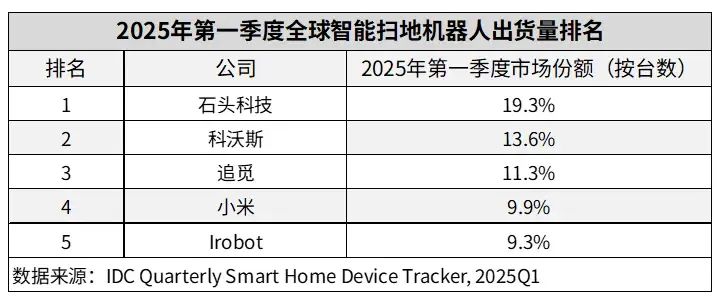
Core Viewpoint - Chasing Technology officially announces its entry into the automotive manufacturing sector, planning to launch its first ultra-luxury electric vehicle by 2027, targeting the high-performance market against brands like Bugatti [1][3][17]. Group 1: Company Strategy and Market Position - Chasing Technology aims to leverage its established electric vehicle supply chain and global brand recognition to enter the automotive market, asserting that this decision is not a trend-following move but a calculated strategy [2][8]. - The company has formed a nearly 1,000-person automotive team and is committed to long-term investment in the automotive sector [1][8]. - Chasing Technology is positioned as a high-end brand, often referred to as "the Apple of China," and has rapidly ascended to the top in every market it enters [2][20]. Group 2: Industry Context and Challenges - The automotive industry is characterized by long cycles, heavy investment, and slow returns, with industry leaders suggesting that a minimum of 40 billion RMB is necessary to compete effectively [3][15]. - The current competitive landscape in China's new energy vehicle market is intense, with many companies exiting, raising questions about Chasing Technology's timing and financial capacity to support large-scale production [2][11][15]. - The company plans to utilize an Original Design Manufacturer (ODM) model to sell modified vehicles overseas, indicating a dual approach of self-developed vehicles and leveraging existing platforms [13][15]. Group 3: Product Development and Goals - Chasing Technology's first vehicle is set to compete with the fastest cars globally, with aspirations to push Chinese manufacturing into the high-end market [3][4][19]. - The company has not yet disclosed a complete prototype or platform details, raising skepticism about its ambitious claims [6][15]. - The firm believes that the true barrier to entry in the automotive sector is not capital but the ability to produce "correct products" that meet market demands [9][21]. Group 4: Financial Considerations - Chasing Technology's projected revenue for 2024 is 15 billion RMB, and its current status as a non-public company raises concerns about its financing capabilities [3][15]. - The company is exploring various funding avenues, including potential partnerships and sales strategies to support its automotive ambitions [15][19].
新乳业在奶业低谷期想猛攻下沉市场
Xin Lang Cai Jing· 2025-06-13 04:57
Core Insights - New Hope Dairy is leveraging its brand "Liangshan Snow" to penetrate lower-tier markets, achieving significant local market share [1][2] - The overall dairy industry is facing challenges such as low milk prices and declining consumer demand, with a notable drop in sales for milk and yogurt products projected for 2024 [3][6] - The company is exploring both high-end and value-oriented products to cater to diverse consumer segments, with successful launches in both categories [6][9] Market Strategy - Liangshan Snow has achieved a 75% market share in Xichang, a city with a population of 770,000 but attracting 20 million tourists annually, showcasing effective local marketing strategies [2] - New Hope Dairy's high-end brand "Zhaori Weipin" is also expanding, with a new guava-flavored yogurt selling out at Sam's Club, indicating strong demand for premium products [7][9] Financial Performance - In 2024, New Hope Dairy reported total revenue of 10.665 billion yuan, a decrease of 2.93% year-on-year, while net profit increased by 24.80% to 538 million yuan [9][10] - The company’s revenue from direct sales and distribution channels showed mixed results, with direct sales growing by 11.4% while distribution revenue declined by 13.3% [9] Innovation and R&D - New Hope Dairy's R&D expenses reached 49.1 million yuan in 2024, continuing a trend of annual growth, with new product revenue consistently accounting for over 10% of total revenue for five consecutive years [10] - The company is considering launching low-temperature beverages, following trends in the dairy industry where companies are diversifying their product lines [10] International Expansion - New Hope Dairy is also exploring international markets, with its banana milk already available in North American Chinese supermarkets, and is eyeing Southeast Asia for growth opportunities due to low per capita liquid milk consumption [11] - The potential market sizes in Indonesia, the Philippines, Thailand, and Vietnam are significant, with respective dairy market sizes of approximately 8.336 billion, 4.185 billion, 4.169 billion, and 5.94 billion USD [11]

中国芯片迎来“玄戒时刻”?小米自研3nm芯片引热议,雷军发声了!
Sou Hu Cai Jing· 2025-06-04 02:27
Core Viewpoint - Xiaomi has recently gained significant attention due to various controversies, but its latest financial report reveals strong performance, with record revenue and profit growth in Q1 2025 [1]. Group 1: Financial Performance - In Q1 2025, Xiaomi's total revenue reached 111.3 billion yuan, marking a historical peak for a single quarter, equivalent to daily earnings of 1.23 billion yuan [1]. - Adjusted net profit for the same period was 10.7 billion yuan, representing a remarkable increase of 64.5% [1]. Group 2: Business Segments - Revenue from the smart electric vehicle segment surged from 1.84 million yuan in the same period last year to 18.1 billion yuan, with gross margin rising from 12.6% to 23.2% [2]. - The first model, the SU7 series, has delivered over 258,000 units in its first year, with 75,900 new cars delivered in Q1 2025, indicating strong market momentum [2]. - Xiaomi's smartphone business remains foundational, with Q1 2025 shipments reaching 41.8 million units, a 3% year-on-year increase, reclaiming the top position in China with an 18.8% market share [4]. - The share of high-end smartphone models has increased to 25%, with the Xiaomi 15 Ultra flagship model seeing a 90% year-on-year sales surge in its first month [4]. Group 3: Chip Development - The self-developed chip, Xuanjie O1, was unveiled at the Xiaomi 15 Pro launch, utilizing TSMC's 3nm process and featuring 19 billion transistors, positioning it against Qualcomm's Snapdragon 8 Gen3 [8]. - Despite facing skepticism regarding its development, Xiaomi's leadership has publicly defended its chip design as independent [8]. - Xiaomi plans to integrate self-developed 5G baseband technology and increase R&D funding to 200 billion yuan, emphasizing its commitment to chip development as a core strategy [18].