AI落地

Search documents
亮相CES 2026,海信冰箱以AI落地与核心技术引领储鲜革命
Ge Long Hui· 2026-01-08 22:21
Group 1 - The core theme of CES 2026 is "AI Empowering Consumer Electronics," with Hisense refrigerators showcasing AI applications and smart home integration as a highlight [3] - Hisense's refrigerator features a dual-screen setup, including a 21-inch display for content and home interaction, and a smaller screen for core functions, enhancing user experience [3] - The refrigerator integrates Hisense's proprietary Star Sea model, providing a comprehensive cooking solution with visual guidance for users, making cooking accessible even for beginners [3] Group 2 - Hisense focuses on user-centered innovation, emphasizing vacuum preservation, AI control, and automatic ice-making technologies to create a competitive edge [5] - The vacuum preservation technology developed by Hisense offers dual protection against oxidation and enzyme activity, maintaining food freshness for up to seven days [5] - The AI system analyzes over 800 food storage characteristics to customize preservation solutions, while the ice-making feature can produce ice in 60 minutes with high antibacterial rates [5] Group 3 - Hisense has achieved significant recognition in both domestic and international markets, leading in sales within the vacuum preservation refrigerator segment in China [6] - The company has received multiple industry awards and has played a key role in establishing standards for refrigerator quality, enhancing its technical authority [6] - Hisense refrigerators have achieved top sales positions in 11 countries, including Canada, France, and Mexico, demonstrating strong global market performance [6]


海信冰箱亮相CES 2026 以AI引领储鲜技术升级
Zheng Quan Ri Bao Wang· 2026-01-07 05:46
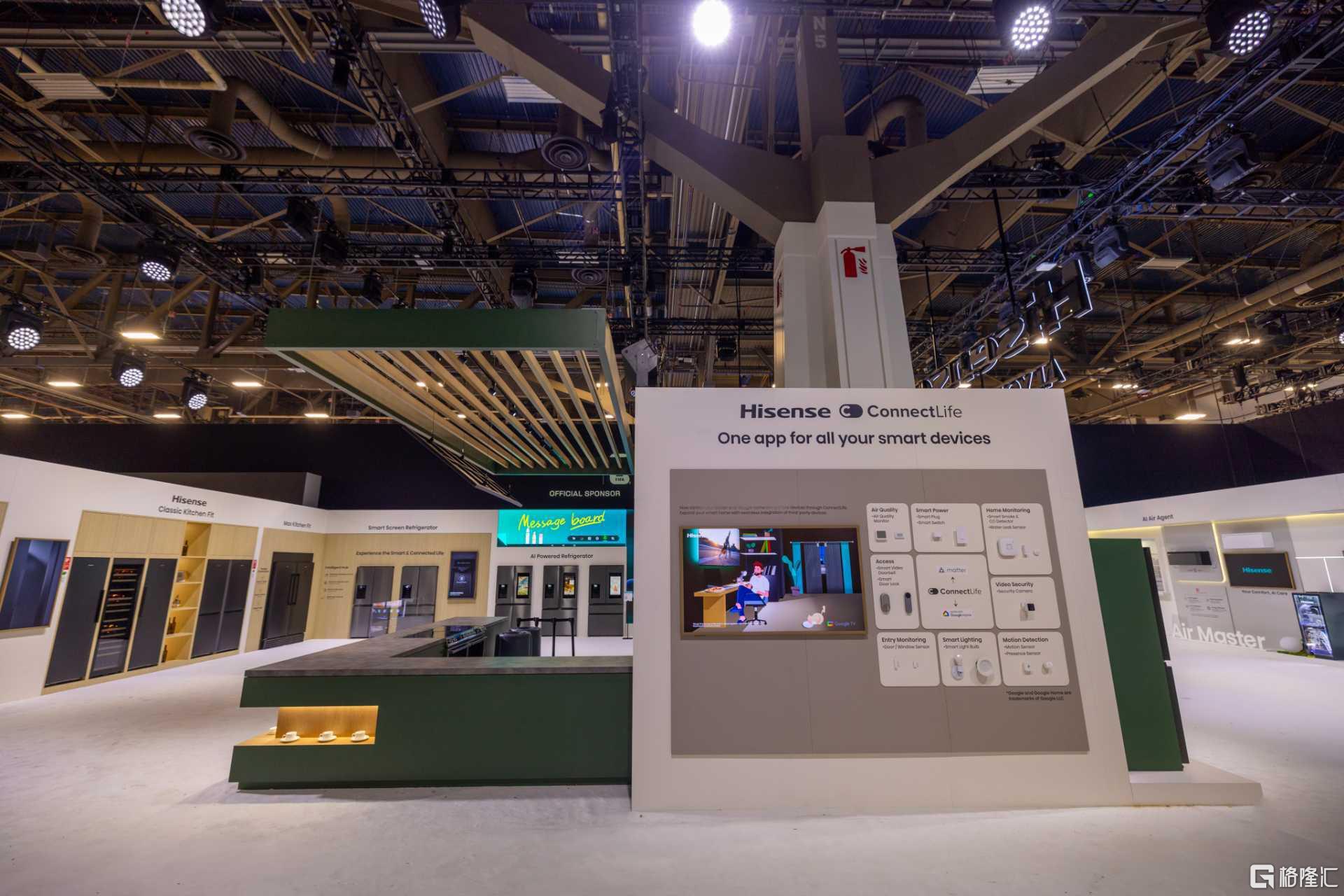
Core Insights - The CES 2026 event in Las Vegas highlighted Hisense refrigerators as a focal point, showcasing their AI applications and smart home integration, emphasizing China's manufacturing capabilities [1][4] Group 1: AI Integration and Product Features - Hisense's refrigerator features a smart dual-screen setup, with a 21-inch display for content and home interaction, and a smaller screen for core functions, enhancing user experience [2] - The refrigerator incorporates Hisense's proprietary Star Sea model, creating an AI cooking assistant that offers visual guidance for meal preparation, making cooking accessible even for beginners [2] - The ConnectLife system allows seamless integration with other smart appliances, facilitating a comprehensive smart kitchen experience from food storage to meal planning and post-cooking cleanup [2] Group 2: Technological Innovations and Competitive Edge - Hisense focuses on user-centric innovations, particularly in vacuum preservation, AI control, and automatic ice-making technologies, establishing a competitive advantage [3] - The vacuum preservation technology, which prevents oxidation and enzyme activity, has been shown to maintain food freshness for up to seven days, outperforming national standards for fresh meat [3] - AI technology enhances preservation by analyzing over 800 food storage characteristics, allowing for customized storage solutions [3] Group 3: Market Recognition and Achievements - Hisense refrigerators lead the vacuum preservation segment in the domestic market, recognized as the top seller, and have received multiple industry awards for innovation [4] - Internationally, Hisense refrigerators have achieved sales leadership in 11 countries, including Canada, France, and Mexico, with significant market shares in Europe [4] - The participation in CES 2026 as the official refrigerator for the World Cup underscores Hisense's commitment to showcasing its technological advancements and global competitiveness [4]
海信冰箱亮相CES 2026 以AI落地与核心技术引领储鲜新趋势
Huan Qiu Wang· 2026-01-07 02:27
Core Insights - The article highlights Hisense refrigerators as a focal point at CES 2026, showcasing their AI applications and smart home integration, emphasizing China's manufacturing capabilities [1][2] Group 1: AI Integration and Product Features - Hisense's smart screen refrigerator aligns with the CES theme of "AI Empowering Consumer Electronics," featuring dual high-definition screens for content display and user interaction [2] - The refrigerator incorporates Hisense's proprietary Star Sea model, creating a dedicated AI cooking assistant that offers visual guidance for cooking processes, making it user-friendly even for novices [2] - The refrigerator connects seamlessly with other smart home devices through the Hisense Connect Life system, enabling intelligent collaboration for food storage, cooking planning, and post-meal cleaning [2] Group 2: Technological Innovations - Hisense focuses on user-centric innovations, particularly in vacuum preservation, AI control, and automatic ice-making technologies [4] - The vacuum magnetic preservation technology provides a competitive edge, maintaining food freshness for up to seven days, with meat quality exceeding national standards [4] - AI technology enhances preservation by analyzing over 800 food storage characteristics to customize storage solutions, while the ice-making feature boasts a 99.99% antibacterial rate [4] Group 3: Market Performance and Recognition - Hisense refrigerators lead the vacuum preservation segment in the domestic market, recognized as the top seller, and have received multiple industry awards [5] - Internationally, Hisense refrigerators rank first in sales volume or revenue in 11 countries, including Canada, France, and Mexico, with significant market shares in Europe [5] - The participation in CES 2026 as the official refrigerator for the World Cup underscores Hisense's commitment to showcasing its technological advancements and global competitiveness [5]
2025云计算:泡沫、焦虑与改变世界的人
3 6 Ke· 2025-12-31 02:11
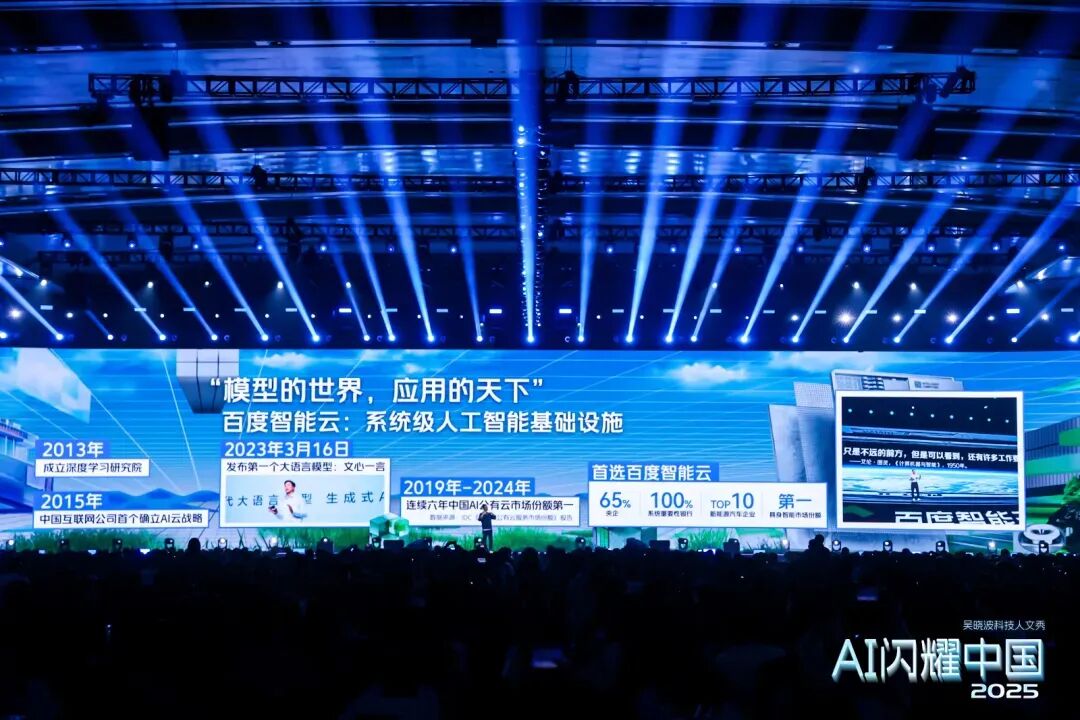
Core Insights - The article discusses the significant developments in the AI cloud computing market throughout 2025, highlighting the emergence of AI infrastructure as a crucial sector for companies like Baidu Smart Cloud [1][4][19]. Group 1: AI Cloud Market Dynamics - The AI cloud computing market experienced a transformative wave in 2025, characterized by a "price war" in the first half and a surge in demand for AI resources driven by the explosion of AI Agents in the second half [4][9]. - Major tech companies increased their capital expenditures significantly, with Amazon projecting $125 billion for AI and data center infrastructure, while Google raised its spending to between $91 billion and $93 billion [16]. - Baidu Smart Cloud led the market with 95 winning bids and a total bid amount of 710 million yuan, establishing itself as a dominant player in the AI cloud sector [11][14]. Group 2: AI Implementation and Adoption - Over 65% of central enterprises and 100% of systemically important banks in China have adopted large models using Baidu Smart Cloud, indicating a strong trend towards AI implementation across various industries [14]. - The year 2025 has been termed the "Year of the Agent," with numerous AI applications emerging in sectors such as finance, education, and entertainment, showcasing the widespread adoption of AI technologies [8][9]. Group 3: Competitive Landscape and Full-Stack Capabilities - The competition in the AI cloud market has evolved from price and performance comparisons to a focus on full-stack capabilities, where companies are expected to provide comprehensive AI solutions rather than just cloud resources [15][18]. - Baidu Smart Cloud's full-stack capabilities include advanced infrastructure such as Kunlun chips and a comprehensive AI development platform, positioning it as a leader in the AI cloud market [21][23]. - The article emphasizes that only a few players in China can achieve full-stack AI cloud capabilities, with Baidu being the most representative example [19][23].

为“确定性价值”买单:易显智能“场域智能”引领AI落地新范式
Sou Hu Wang· 2025-12-18 06:48
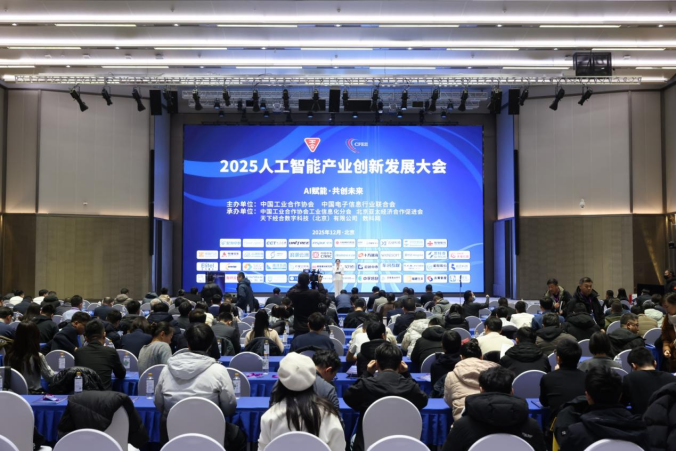
2025年12月17日,一场关于人工智能产业创新发展的思想盛宴在北京中关村拉开帷幕。在这场由中国电 子信息行业联合会和中国工业合作协会联合主办的大会上,一个明显的趋势已然显现——喧嚣的技术概 念正让位于务实的落地实践,而"场域智能"这一理念,成为贯穿全场的思想主线。易显智能创始人马宏 博士的演讲,为这一理念提供了最具象的注脚。 而马宏的第三个收获—— "触摸到了智能进化的完整图腾",则展现了AI从理解到行动的完整闭环。他 分享的两个案例生动而具体:在进行变更车道练习时,易显智能自主研发的机器人教练能提前预警"右 侧有车辆靠近";当车辆转弯过快时,它能立即警示"车辆有失控风险"。这些从二维屏幕走向三维场域 的AI,正以最直接的方式"将安全的基因深植于每一位驾驶人的习惯之中"。 "窄门"里的确定性价值 "过去十年,当大家都在热议AI的无限可能时,我们选择了一扇'窄门':把AI从屏幕上拽下来,扔进充 满摩擦力和不可逆的物理世界。"马宏在主题演讲环节的开场白,立即为会场注入一股务实的清风。他 举了一个令人警醒的例子:当你驾车即将冲进绿化带时,需要的不再是炫酷算法,而是一次"不可撤 回"的精准干预。 这种从虚拟到现实的 ...
戳破!任正非撕开AI最大骗局:教育和商业混着来,全白干!
Sou Hu Cai Jing· 2025-12-06 17:05
Group 1: Education and Business - Ren Zhengfei emphasizes that "education is education, and business is business," highlighting the need to maintain clear boundaries between the two sectors [3][5] - The current trend of "industry-education integration" often blurs these boundaries, leading to the commercialization of education, which undermines its core purpose of fostering critical thinking and curiosity [3][5] - Huawei's collaboration with ICPC exemplifies a model where education provides a platform for questioning existing norms, while businesses apply innovative ideas to real-world industrial needs [3][5] Group 2: AI Implementation - Huawei focuses on practical applications of AI rather than competing in general intelligence, opting for "deep water innovation" in specific verticals like medical AI [5][10] - The company targets niche areas, such as early lung cancer screening, to enhance diagnostic accuracy through collaboration with grassroots hospitals [5][10] - This approach of addressing significant problems through small, targeted solutions is crucial for AI to transition from theoretical concepts to practical industry applications [5][10] Group 3: Youth Innovation - Ren Zhengfei encourages youth to embrace questioning as a fundamental aspect of innovation, contrasting with the prevailing "worship of standard answers" in education [6][8] - Historical breakthroughs in science often stem from challenging existing theories, and Huawei's internal culture supports this by allowing for a high tolerance of failure in research [6][8] - The company aims to empower young innovators by granting them the right to question rather than providing them with predetermined answers [6][8] Group 4: Female Participation in Technology - Ren Zhengfei highlights the importance of female participation in technology, recognizing it as a vital factor for innovation diversity [9][10] - Women in Huawei's medical AI team, who make up 40% of the workforce, have led projects that integrate user experience considerations into technical solutions, enhancing patient cooperation [9][10] - This dual perspective of combining technology with humanistic elements is essential for evolving AI from a mere tool to a partner in healthcare [9][10] Group 5: Long-term Value of General AI - While emphasizing immediate industrial applications, Ren Zhengfei acknowledges the long-term significance of general artificial intelligence (AGI) [10][11] - He suggests that AGI could reshape industries in the next decade, but only after addressing current industrial pain points [10][11] - Huawei's strategy involves a cautious approach to AGI, focusing on foundational technologies and data accumulation before advancing to broader applications [10][11] Conclusion - Ren Zhengfei's insights redefine the relationships between technology, industry, education, and innovation, advocating for a grounded approach to technological advancement [11] - The emphasis is on solving real problems rather than chasing fleeting trends, highlighting the importance of maintaining clarity in roles and responsibilities across sectors [11]
AI落地加速中,底层架构却成最大绊脚石?丨ToB产业观察
Tai Mei Ti A P P· 2025-11-17 03:09
Group 1 - The core viewpoint of the articles highlights the rapid growth of China's AI infrastructure service market, which reached 19.87 billion yuan in the first half of 2025, a year-on-year increase of 122.4%, with projections nearing 150 billion yuan by 2029 [2] - Despite 83% of enterprises prioritizing AI as a strategic focus, the actual success rate of implementation is only 29%, indicating significant challenges in AI project execution [3] - The systemic architectural imbalance, characterized by issues in computing power supply, data governance, system collaboration, and security compliance, is identified as a root cause of AI implementation failures [3] Group 2 - The CEO of Qingyun Technology outlines three phases of digital transformation since the emergence of ChatGPT, with the first phase focusing on the scarcity of computing power as a major obstacle for AI applications [4] - The second phase sees an increase in customer willingness to experiment with AI, but diverse industry needs remain inadequately addressed [4] - The third phase marks a shift in enterprises' attitudes towards serious consideration of AI integration, facing historical IT architecture issues that lead to fragmented computing resources [5] Group 3 - A significant 53% of enterprises adopt tightly coupled AI architectures, which bind model training and inference directly to business systems, leading to challenges during the iteration phase [6] - Enterprises face a triad of core challenges: maintaining legacy IT investments while embracing AI innovation, balancing diverse business demands with simplified IT architecture, and ensuring business stability during technological iterations [6] - AI Infra is proposed as a critical engine to resolve these implementation challenges, emphasizing the need for a bridge that connects historical IT assets with future requirements [7][8] Group 4 - AI Infra is defined as a platform that can achieve cost reduction, efficiency improvement, safety, and controllability through capabilities like computing power coordination, storage innovation, architecture integration, and ecological openness [9] - The deployment of AI Infra has shown to increase AI project success rates from 29% to 78%, with a 120% improvement in return on investment [11] - The global AI Infra market is projected to exceed $80 billion by 2025, with a compound annual growth rate of 58%, indicating intense competition among domestic and international players [12] Group 5 - Domestic players focus on local pain points, while international firms emphasize technological barriers, leading to a competitive landscape characterized by full-stack, vertical technology, and ecological integration players [12][13] - Companies like Qingyun Technology and Huawei are addressing historical compatibility issues and enhancing training efficiency through their AI Infra solutions [12] - The competition has evolved from product-based to a comprehensive contest involving technology, ecology, and application scenarios, with a need for domestic firms to overcome core technology bottlenecks [15]


微软韦青:人人都在抢第5个馒头,却不知前4个才是AI落地的命脉
混沌学园· 2025-10-30 11:22
Core Insights - The article discusses the urgency and anxiety surrounding AI adoption in businesses, emphasizing the need for a fundamental transformation rather than superficial upgrades [2][3][4][5] Group 1: AI Adoption Challenges - Companies are currently replacing outdated processes with AI without fundamentally changing their organizational structure or mindset, akin to putting a new engine in an old carriage [3][4] - The focus should be on creating entirely new systems ("cars") and building the necessary infrastructure ("highways") for AI to thrive [5] Group 2: The "Five Buns" Model - The "Five Buns" model outlines essential components for successful AI implementation: Culture, Talent, Processes, Data, and finally, Intelligence [12][14] - Many organizations wish to skip the foundational elements (the first four buns) and jump straight to the benefits of AI (the fifth bun), which leads to unrealistic expectations [14] Group 3: Human Value in the AI Era - As machines excel at routine tasks, the unique human value lies in providing "outliers" or exceptional insights that machines cannot replicate [16][17] - The article stresses the importance of recognizing and cultivating this ability to deliver exceptional value in an AI-driven landscape [19] Group 4: The AI Reform Declaration - The transition to AI is framed as a profound reform rather than a mere transformation, requiring deep changes in culture, systems, processes, and talent [25][27] - The article encourages a strategic, patient approach to AI adoption, emphasizing the need to start small and build from foundational elements [27][29]


从车间到供应链,谁在让工业大模型真正落地?【502线上同行】
虎嗅APP· 2025-10-24 09:53
Core Viewpoint - The article emphasizes that industrial large models are becoming a key driving force for digitalization in the manufacturing industry, transitioning from algorithm innovation to scenario creation [6]. Group 1: Industrial Applications - The article highlights the most advanced industrial intelligence practices, showcasing real-world experiences from "lighthouse factories" and embodied intelligent robots, covering the entire application chain from workshop scheduling to supply chain collaboration [8]. - It discusses the application of AI in manufacturing, focusing on the return on investment (ROI) and ecological collaboration, bringing together perspectives from technology experts, industry leaders, and investment capital [9]. Group 2: Event Agenda - The agenda includes a theme sharing session where experts will discuss how embodied intelligent robots can evolve from specialized to general-purpose through large models, focusing on human-machine collaboration and smart assembly line practices [11]. - Another session will feature Midea Group sharing its experiences in AI scheduling, inventory forecasting, and supplier collaboration, illustrating how large models can achieve a closed-loop supply chain from single-point optimization [12]. - A roundtable discussion will address the critical points and future of large models in manufacturing, including how to transition models from laboratories to workshops and how to quantify ROI [14][15]. Group 3: Key Insights and Participants - The event aims to provide insights into the landing routes and future evolution of industrial large models over the next five years, offering real case studies from production workshops to supply chains [16]. - Participants include executives from manufacturing companies, AI technology firms, industrial software and automation solution providers, and investment institution researchers, indicating a diverse audience focused on industrial AI [17].
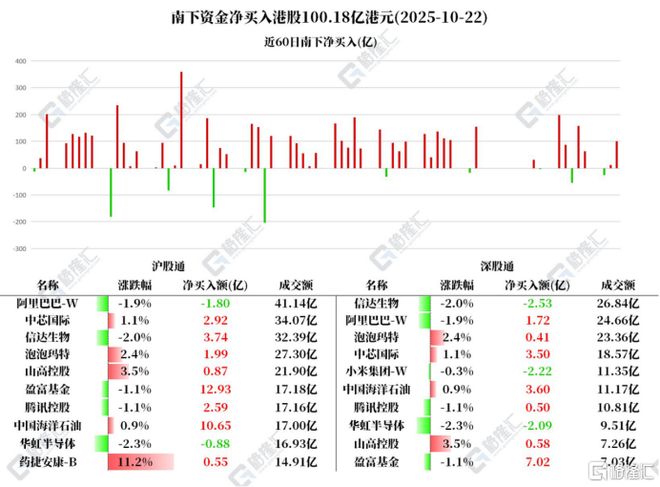
资金动向 | 北水大幅加仓中海油14亿,连续4日净卖出阿里巴巴
Ge Long Hui· 2025-10-22 13:02
Group 1 - Southbound funds net bought Hong Kong stocks worth 100.18 billion HKD today, with notable purchases including 19.94 billion in the Tracker Fund, 14.25 billion in CNOOC, and 6.42 billion in SMIC [1] - Southbound funds have net sold Alibaba for four consecutive days, totaling 43.4544 billion HKD [3] - Tencent's financial forecast for 2024-2026 is maintained by Huatai Securities, with adjusted net profits projected at 220.9 billion, 247.2 billion, and 280.9 billion HKD, reflecting year-on-year growth of 40%, 12%, and 14% respectively [3] Group 2 - Bubble Mart reported a 245%-250% year-on-year revenue growth in Q3, with domestic revenue increasing by 185%-190% and online channels by 300%-305% [3] - On October 22, Innovent Biologics announced a significant global strategic partnership with Takeda Pharmaceutical to accelerate the development of its next-generation IO and ADC therapies [3] - Alibaba's Cainiao Supply Chain announced participation in Taobao Flash Purchase, providing hourly delivery services for platform merchants, with initial trials launched in Shanghai, Hangzhou, and Nanjing [3]