结构性货币政策工具
Search documents
中泰期货晨会纪要-20250715
Zhong Tai Qi Huo· 2025-07-15 02:00
1. Report Industry Investment Ratings No industry investment ratings are provided in the report. 2. Core Views of the Report - **Macro - financial**: Consider gradually taking profits or adopting covered strategies for stock index futures; pay attention to the tax - period capital situation, and the bond market may rebound [11][12]. - **Black metals**: The black market is expected to continue to fluctuate strongly in the short term; do not chase long on the double - silicon futures, and focus on shorting at high levels in the medium term; soda ash may rise in the short term, and avoid short - selling; glass can be considered to go long at low levels [14][17][18]. - **Non - ferrous metals and new materials**: For aluminum and alumina, it is recommended to short at high levels; lithium carbonate is expected to fluctuate in the short term; industrial silicon may maintain a strong shock, and polysilicon is expected to maintain a strong trend in the short term [20][21][22]. - **Agricultural products**: For cotton, short at high levels; for sugar, it may fall in the short term; for eggs, short on rebounds; for corn, remain on the sidelines; for live pigs, short the near - month contracts [24][26][28][29][30]. - **Energy and chemicals**: Crude oil is likely to enter a supply - surplus pattern and may fluctuate; fuel oil and asphalt follow the trend of oil prices; plastics can be considered to hold put options or short slightly; rubber can be short - term long on pullbacks; methanol is expected to fluctuate weakly; caustic soda should maintain a short - selling mindset; for the polyester industry chain, short at high levels or long the bottle chip processing fee; LPG futures are easy to fall and difficult to rise [31][33][35][38][39][41][42]. - **Others**: For pulp, observe the inventory reduction and spot trading; for logs, the 09 contract is expected to fluctuate; for urea, consider buying at low levels; for synthetic rubber, be cautious when chasing high [44][45][46]. 3. Summaries according to Relevant Catalogs 3.1 Macro News - China's social financing scale increased by 22.83 trillion yuan in H1 2025, and RMB loans increased by 12.92 trillion yuan. The central bank will continue to implement a moderately loose monetary policy [7]. - On July 15, the central bank will conduct a 1.4 trillion - yuan outright reverse - repurchase operation [7]. - In H1 2025, China's total value of goods trade imports and exports reached 21.79 trillion yuan, a year - on - year increase of 2.9%. In June, exports of rare earths were 7,742.2 tons, and cumulative exports from January to June were 32,569.2 tons, a year - on - year increase of 11.9% [7]. - Over 80% of surveyed economists believe that the Q2 economic growth rate will not be lower than 5%, and they expect consumption to continue to stabilize in H2, while the property market sales may decline [8]. - Trump urges Russia to reach a cease - fire agreement, otherwise a 100% secondary tariff will be imposed. He also plans to impose new tariffs on more than 20 countries from August 1 and a 50% tariff on all imported copper [8][9]. - OPEC and its allies are increasing oil production, and the demand in Q3 is expected to be "very strong" [9]. 3.2 Macro - financial 3.2.1 Stock Index Futures The Shanghai Composite Index has slowed its rise after breaking through 3,500 points. Given the release of macro data and the disclosure of semi - annual reports, there may be a need to take profits on short - term long positions [11]. 3.2.2 Treasury Bond Futures The central bank's reverse - repurchase operations maintain net investment, and the bond market may rebound due to the correction of capital and regulatory pricing [12]. 3.3 Black Metals 3.3.1 Steel and Iron Ore The black market is on a shock - rebound trend due to positive policy expectations. In the short - to - medium term, policies are expected to be more favorable, but overall, stability is the main focus. Downstream steel demand is seasonally weakening, while supply is expected to remain high. The price of raw materials may boost market sentiment [14]. 3.3.2 Coking Coal and Coke In the short term, the double - coke market may continue to rebound, but in the medium term, it may remain weak due to crude steel production cuts and macro - policies [15]. 3.3.3 Ferroalloys Do not chase long on the double - silicon futures, and focus on shorting at high levels in the medium term, as the fundamentals are expected to weaken [17]. 3.3.4 Soda Ash and Glass Soda ash may rise in the short term, and avoid short - selling; glass can be considered to go long at low levels, and pay attention to the market situation in Hubei [18]. 3.4 Non - ferrous Metals and New Materials 3.4.1 Aluminum and Alumina For aluminum, short at high levels due to increased inventory and weak consumption; for alumina, short at high levels as supply is expected to be abundant [20]. 3.4.2 Lithium Carbonate In the short term, it is expected to fluctuate, and the price may fall after a rapid increase, but the downside is limited [21]. 3.4.3 Industrial Silicon It is expected to maintain a strong shock, but there is no continuous upward driving force [22]. 3.4.4 Polysilicon It is expected to maintain a strong trend in the short term, but pay attention to the implementation of policies and the generation of warehouse receipts [23]. 3.5 Agricultural Products 3.5.1 Cotton The cotton price may rebound in the short term, but there are long - term concerns about demand. Short at high levels [24]. 3.5.2 Sugar The domestic sugar price may fall in the short term due to expected increased supply and lower import costs [26]. 3.5.3 Eggs The egg price may enter a seasonal rising period, but the increase during the Mid - Autumn Festival may be limited. Short on rebounds [28]. 3.5.4 Corn Maintain a wait - and - see attitude as the price is oscillating. There is a chance of valuation repair after the downturn [29]. 3.5.5 Live Pigs Short the near - month contracts, as the supply is expected to increase and the demand is weak [30]. 3.6 Energy and Chemicals 3.6.1 Crude Oil It is likely to enter a supply - surplus pattern and may fluctuate due to uncertain demand during the peak season [31]. 3.6.2 Fuel Oil The price follows the trend of oil prices, and the current focus is on tariffs and short - term supply - demand fundamentals [33]. 3.6.3 Plastics Short - term sentiment may support prices, but the supply - demand situation is weak. Consider holding put options or a slightly short position [33]. 3.6.4 Rubber It may be slightly strong in the short term due to improved market sentiment. Short - term long on pullbacks [35]. 3.6.5 Methanol It is expected to fluctuate weakly. Consider short - selling after a rebound or holding put options [38]. 3.6.6 Caustic Soda Maintain a short - selling mindset as the 09 contract may face pressure [39]. 3.6.7 Asphalt It follows the trend of oil prices and is stronger than oil. The current focus is on tariffs and short - term supply - demand fundamentals [40]. 3.6.8 Polyester Industry Chain Consider shorting at high levels or long the bottle chip processing fee, as the industry's supply - demand situation is not favorable [41]. 3.6.9 Liquefied Petroleum Gas (LPG) LPG futures are easy to fall and difficult to rise due to abundant supply and weak demand [42]. 3.7 Others 3.7.1 Pulp Observe whether port inventory reduction continues and spot trading improves. The price is expected to have limited upward and downward space [44]. 3.7.2 Logs The 09 contract is expected to fluctuate, and pay attention to downstream start - up and port inventory [44]. 3.7.3 Urea Consider buying at low levels. Although there may be a callback, do not be overly aggressive in shorting [44]. 3.7.4 Synthetic Rubber It may be slightly strong in the short term but weak in the long term. Be cautious when chasing high [46].
特朗普所谓“重大声明”揭晓;事关货币政策!央行重磅回应;湖北延长婚假至15天丨早报
Di Yi Cai Jing· 2025-07-15 00:41
Group 1 - The People's Bank of China will maintain a "moderately loose" monetary policy in the second half of the year, focusing on risk balance in bond investments by small and medium-sized banks [2] - The central bank aims to support technological innovation and boost consumption through structural monetary policy tools [2] - The issuance of 1.23 trillion yuan in ultra-long-term special government bonds is part of efforts to stabilize investment and promote consumption [7] Group 2 - The financial data for the first half of 2025 shows a significant increase in M2 growth rate to 8.3%, indicating a solid support for the real economy [9] - The number of countries and regions with trade exceeding 50 billion yuan has increased to 61, reflecting a growth in China's trade partnerships [8] - The Beijing office market is experiencing a slight decrease in vacancy rates, with technology companies accounting for 30% of demand [11] Group 3 - NIO's stock surged over 10% following the launch of its new SUV model, the L90, which has received optimistic market expectations [20] - The global luxury market saw a record-breaking auction for a Hermès Birkin bag, selling for 7 million euros, highlighting the high demand for luxury goods [21]
影响市场重大事件:央行将进一步落实好适度宽松的货币政策,突出金融服务实体经济的重点方向
Mei Ri Jing Ji Xin Wen· 2025-07-14 23:47
Group 1: Monetary Policy and Economic Support - The central bank will further implement a moderately loose monetary policy, focusing on enhancing financial services for the real economy [1] - The central bank emphasizes the importance of maintaining sufficient liquidity and aligning social financing scale and money supply growth with economic growth and price level expectations [1] - Structural monetary policy tools will be utilized to support key areas such as technological innovation and consumption [3][9] Group 2: Currency Stability and Market Resilience - The RMB exchange rate remains fundamentally stable amid dual fluctuations, supported by a strong domestic economic foundation [2] - The central bank highlights the resilience of China's financial market, which is influenced by various factors including economic growth and geopolitical risks [2] Group 3: Financial Support for Key Sectors - New loans in the first half of the year were primarily directed towards key sectors such as manufacturing and infrastructure, with significant year-on-year growth [7] - The central bank has established a 500 billion yuan service consumption and elderly re-loan to enhance financial support for high-quality supply in service sectors [6] Group 4: Investment Trends and Market Sentiment - Sovereign wealth funds are increasingly interested in Chinese stocks, with 59% of surveyed funds prioritizing China, up from 44% last year [5] - A majority of funds expect to increase their allocation to Chinese stocks over the next five years, reflecting confidence in China's technological innovation leadership [5]
上半年金融“五篇大文章”成绩单:普惠金融、科技金融持续发力
Xin Jing Bao· 2025-07-14 23:26
Group 1: Financial Statistics and Support Measures - The People's Bank of China (PBOC) released financial statistics for the first half of the year, emphasizing support for major strategies and key areas [1] - The PBOC has introduced two measures to enhance technology finance: optimizing re-lending for technological innovation and establishing a "technology board" in the bond market [2] - As of June 30, 288 entities have issued technology innovation bonds totaling approximately 600 billion yuan, with over 400 billion yuan issued in the interbank market [2] Group 2: Support for Equity Investment Institutions - The PBOC has created a risk-sharing tool to support equity investment institutions in issuing technology innovation bonds, providing low-cost re-lending funds [3] - By June 30, 27 equity investment institutions issued technology innovation bonds worth 15.35 billion yuan, with five private equity institutions benefiting from the risk-sharing tool [3][4] - The issuance rates for these bonds ranged from 1.85% to 2.69%, significantly lowering financing costs for private equity institutions [4] Group 3: Support for Small and Micro Enterprises - The balance of inclusive micro and small enterprise loans reached 34.42 trillion yuan, with a year-on-year growth of 11.6% [6][7] - The average interest rates for newly issued inclusive micro and small enterprise loans and private enterprises were 3.69% and 3.45%, respectively, showing a decrease compared to the previous year [7][8] - The PBOC is enhancing the financial support system for small and micro enterprises, promoting diverse financing methods and improving access to credit [8] Group 4: Structural Monetary Policy Tools - The PBOC's structural monetary policy tools have been implemented across various sectors, supporting stable development in real estate and capital markets [9] - Recent measures include increasing re-lending quotas for technology innovation and agricultural support by 300 billion yuan each, and lowering re-lending rates by 0.25 percentage points [9] - The PBOC aims to continue focusing on key areas such as technology innovation and consumption to enhance economic structure adjustment and transformation [9]
有效发挥结构性货币政策工具功能
Jing Ji Ri Bao· 2025-07-14 22:09
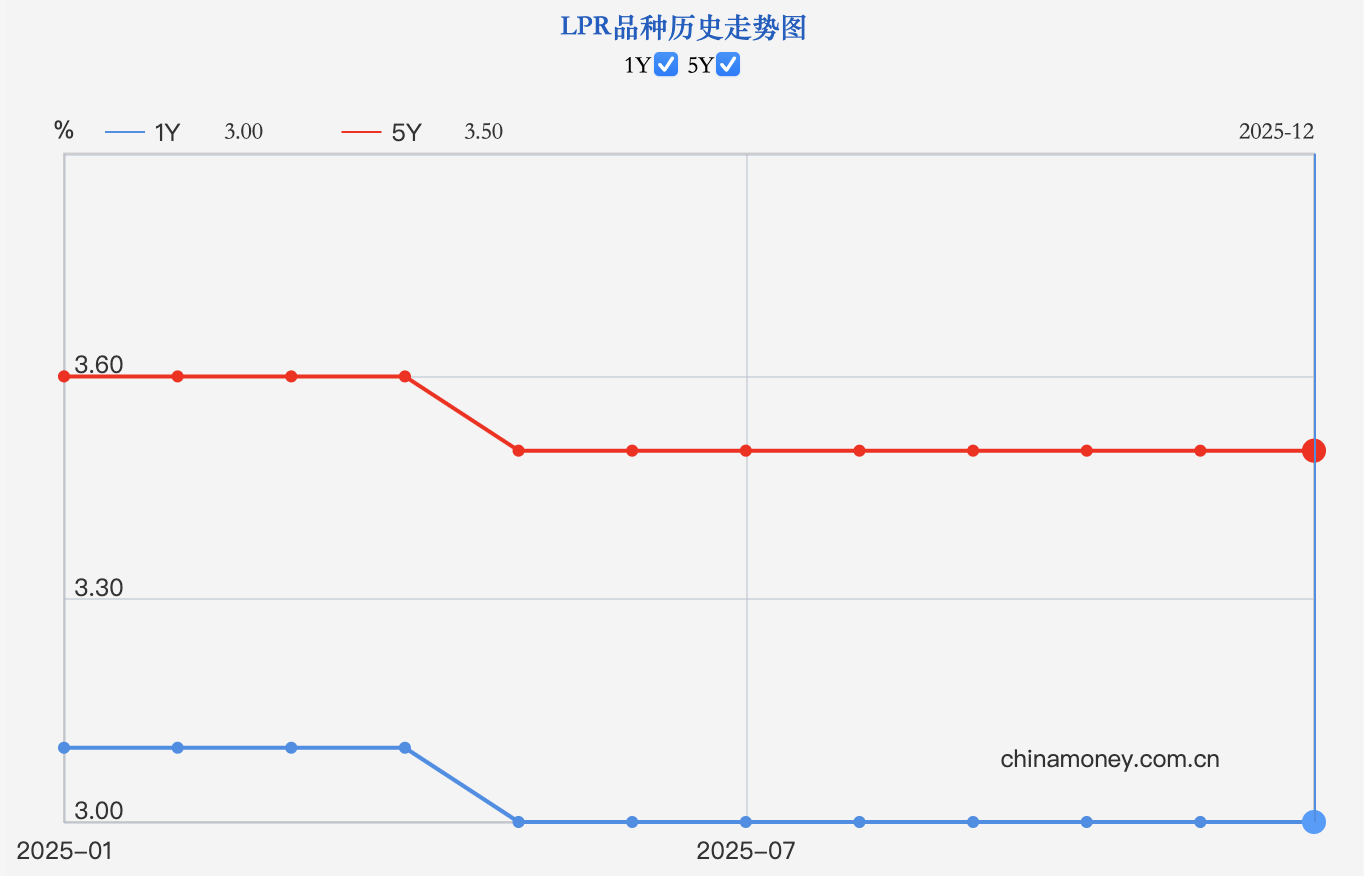
Monetary Policy Outlook - The People's Bank of China (PBOC) reiterated the implementation of a moderately loose monetary policy, emphasizing the dual function of monetary policy tools in terms of both quantity and structure [1][2] - The recent meeting did not directly mention "timely reserve requirement ratio (RRR) cuts or interest rate reductions," indicating a shift to a more flexible approach in policy implementation due to the recent RRR cut and interest rate reduction in May [1][2] - Economic growth in the first half of the year has shown resilience, reducing the urgency for further cuts in RRR or interest rates in the short term [1][2] Economic Analysis - The second quarter meeting presented a more positive assessment of the domestic economic situation compared to the first quarter, while still highlighting challenges such as insufficient domestic demand and persistently low prices [2] - The focus is on stabilizing the real estate market after effectively addressing local government debt risks [2] Financial Supply-Side Reforms - The meeting emphasized the effective implementation of various structural monetary policy tools to support key areas such as technological innovation and consumption [2] - Continued support for the development of the private economy and small and micro enterprises is a priority, aiming to alleviate financing bottlenecks [2][3] Future Policy Space - There is significant room for future financial policy implementation, with potential adjustments to the reserve requirement ratio and interest rates [3] - The dynamic balance between stabilizing growth, interest margins, and exchange rates will guide the adjustments in loan market quotation rates (LPR) [3] Structural Monetary Policy Tools - The importance of structural monetary policy tools is highlighted, which can enhance the incentives for financial institutions to support strategic and key areas [3][4] - Financial services are being optimized to support small and innovative enterprises, ensuring that they receive the necessary funding and services to thrive [4]
金融总量合理增长 支持实体经济力度稳固
Zhong Guo Zheng Quan Bao· 2025-07-14 20:55
Core Points - The central viewpoint of the articles emphasizes the stable growth of financial metrics in China, with a focus on the implementation of a moderately loose monetary policy to support the real economy and enhance domestic demand [1][2][3]. Financial Metrics - In the first half of the year, new RMB loans increased by 12.92 trillion yuan, with the total social financing stock reaching 430.22 trillion yuan, reflecting an 8.9% year-on-year growth [1]. - The broad money supply (M2) stood at 330.29 trillion yuan, showing an 8.3% year-on-year increase [1]. - The structure of loans has improved, with corporate loans accounting for 89.5% of new loans, an increase of 6.6 percentage points compared to the same period last year [1]. Loan Distribution - New loans have been primarily directed towards key sectors such as manufacturing and infrastructure, indicating a continued optimization of loan distribution [1][2]. - The financial system has effectively met the funding needs of the real economy, with a notable increase in government bond financing [2]. Monetary Policy Tools - The People's Bank of China (PBOC) has implemented structural monetary policy tools to support major strategies and sectors, including real estate and capital markets [3][4]. - New initiatives include a 500 billion yuan loan for service consumption and elderly care, as well as risk-sharing tools for technology innovation bonds [3]. Future Outlook - Experts predict that financial metrics will continue to grow at a reasonable pace, supported by strong internal economic dynamics and ongoing policy effects [2][4]. - The PBOC aims to maintain a balance between total and structural monetary policy tools, focusing on technology innovation and consumption [4]. Exchange Rate Stability - The PBOC emphasizes the importance of market forces in determining the exchange rate while maintaining stability and preventing excessive fluctuations [5]. - The central bank's stance is to avoid using currency depreciation as a means to gain international competitive advantage [5].
货币政策“适度宽松”半年成绩单,社融规模多增4.74万亿
21世纪经济报道· 2025-07-14 15:48
Core Viewpoint - The article discusses the current state and future direction of China's monetary policy, emphasizing the need for continued moderate easing to support economic recovery and growth [2][12]. Financial Statistics - In the first half of 2025, the total social financing increased by 22.83 trillion yuan, which is 4.74 trillion yuan more than the same period last year [2]. - The increase in RMB loans to the real economy was 12.74 trillion yuan, up by 279.6 billion yuan year-on-year [2]. - By the end of June, the broad money supply (M2) grew by 8.3%, while the narrow money supply (M1) increased by 4.6% [2][10]. Loan and Financing Costs - The average interest rate for newly issued corporate loans was approximately 3.3%, down by about 45 basis points year-on-year, while the rate for personal housing loans was around 3.1%, down by 60 basis points [3]. - The financing structure has improved, with significant growth in loans for small and micro enterprises, as well as for the manufacturing and technology sectors [3]. Government Bond Financing - In June, the net financing of government bonds was approximately 1.35 trillion yuan, which is an increase of about 5 billion yuan year-on-year, playing a significant role in driving social financing growth [5][9]. - By the end of June, government bonds accounted for 20.6% of the total social financing stock, an increase of 2.1 percentage points year-on-year [7]. Future Monetary Policy Direction - The People's Bank of China (PBOC) plans to continue implementing a moderately loose monetary policy, focusing on enhancing financial services for the real economy, particularly in technology innovation and consumption expansion [12][13]. - There is an expectation for further structural monetary policy tools to support key sectors and alleviate local debt risks, while maintaining a balance between financial support for the economy and the health of the financial system [12][14]. Economic Indicators and Consumer Demand - The article notes that consumer demand is expected to recover, supported by policies aimed at boosting consumption, such as subsidies for appliances and vehicles [8][19]. - In June, the Consumer Price Index (CPI) showed a year-on-year increase of 0.1%, indicating a shift from decline to growth, while the core CPI continued to rise [19].
货币政策“适度宽松”半年成绩单,社融规模多增4.74万亿
2 1 Shi Ji Jing Ji Bao Dao· 2025-07-14 14:05
Core Viewpoint - The Chinese economy is showing signs of recovery, supported by a moderately loose monetary policy and an increase in social financing, with a focus on enhancing financial services to the real economy [1][2][14]. Monetary Policy and Financial Statistics - In the first half of 2025, the total social financing increased by 22.83 trillion yuan, which is 4.74 trillion yuan more than the same period last year [1]. - The increase in RMB loans to the real economy was 12.74 trillion yuan, up by 279.6 billion yuan year-on-year [1]. - The net financing of government bonds reached 7.66 trillion yuan, an increase of 4.32 trillion yuan compared to the previous year [1]. - As of the end of June, M2 grew by 8.3%, and M1 increased by 4.6% [1][9]. Loan Rates and Credit Structure - The average interest rate for newly issued corporate loans was approximately 3.3%, down by about 45 basis points year-on-year, while personal housing loan rates were around 3.1%, down by 60 basis points [2]. - The growth rates of inclusive small and micro loans, medium to long-term loans in manufacturing, and technology loans were all higher than the overall loan growth rate, indicating an ongoing optimization of the credit structure [2]. Government Bond Financing - In June, the net financing of government bonds was about 1.35 trillion yuan, contributing significantly to the increase in social financing [5][8]. - The proportion of loans to the real economy in the total social financing stock was 61.6%, which is a decrease of 1.2 percentage points year-on-year [6]. Economic Recovery and Consumer Demand - The implementation of consumption promotion policies, such as subsidies for home appliances and automobiles, has led to a recovery in effective credit demand [7]. - Seasonal consumer demand, particularly during promotional events like "618", has also supported credit growth [7]. Future Monetary Policy Directions - The People's Bank of China plans to continue implementing a moderately loose monetary policy, focusing on enhancing financial services for the real economy, particularly in technology innovation and consumption [10][11]. - Structural monetary policy tools will be utilized to support key areas and weak links in the economy, with an emphasis on balancing financial support for the real economy and maintaining the health of the financial system [10][12]. Inflation and Price Trends - In June, the Consumer Price Index (CPI) showed a year-on-year increase of 0.1%, indicating a shift from a decline to a rise, while the core CPI continued to recover [16].
7月14日晚间新闻精选
news flash· 2025-07-14 13:57
Group 1 - The Central Committee of the Communist Party of China has issued opinions to strengthen judicial work in the new era, emphasizing severe punishment for financial crimes such as market manipulation, insider trading, illegal fundraising, loan fraud, and money laundering [1] - To maintain ample liquidity in the banking system, the People's Bank of China will conduct a 1.4 trillion yuan reverse repurchase operation using a fixed quantity, interest rate bidding, and multiple price levels starting from July 15, 2025 [1] - The Deputy Governor of the Central Bank, Zou Lan, stated that structural monetary policy tools will focus on supporting technological innovation and boosting consumption, with an improvement in the misalignment of monetary policy cycles between China and the US expected in the second half of the year, leading to a narrowing of interest rate differentials [1] Group 2 - Ganfeng Lithium expects a net loss of 300 million to 550 million yuan for the first half of the year, while Tianqi Lithium anticipates a net profit of 0 to 155 million yuan, marking a turnaround from losses [2] - Xiangyang Bearing is projected to have a net loss of 13 million yuan for the half-year period, and Jingyuntong expects a net loss of 165 million to 225 million yuan [2] - Greenland Holdings anticipates a net loss of 3 billion to 3.5 billion yuan for the first half of the year, while Zhongyan Chemical reports an 88% year-on-year decline in net profit [2] - Tongwei Co. expects a net loss of 4.9 billion to 5.2 billion yuan, and JA Solar anticipates a net loss of 2.5 billion to 3 billion yuan for the first half of the year [2] - Longi Green Energy expects a net loss of 2.4 billion to 2.8 billion yuan, showing a reduction in losses compared to previous periods [2] - Lianhuan Pharmaceutical anticipates a net loss of 38 million to 45 million yuan for the first half of the year [2]
44.3万亿!央行高频提及债券,中小银行债券投资要保持合理的“度”
Bei Jing Shang Bao· 2025-07-14 12:45
Group 1: Bond Market Overview - The People's Bank of China (PBOC) emphasized the bond market during a press conference, mentioning it 57 times, indicating its growing importance [1] - In the first half of the year, the bond market issued a total of 44.3 trillion yuan, a 16% year-on-year increase, with government bonds at 13.3 trillion yuan, corporate credit bonds at 7.3 trillion yuan, and financial bonds at 6 trillion yuan [3][4] - The net financing from bonds reached 8.8 trillion yuan, accounting for 38.6% of the total social financing increment, supporting fiscal policy and corporate financing [3] Group 2: Financial Institutions and Bond Issuance - Financial bonds saw a significant increase, with a total issuance of 6 trillion yuan, representing a 17.34% growth compared to the previous year [3] - Commercial banks led the issuance with 5.38 trillion yuan, a year-on-year growth of 17.07%, while insurance institutions also saw a notable increase of 136.77% in their issuance [3][4] - The PBOC noted that banks' bond investments are crucial for supporting fiscal policy and the real economy, with banks holding 70% of all government bonds and about 20% of corporate credit bonds [8] Group 3: Monetary Policy and Support for Key Sectors - The PBOC maintained a moderately loose monetary policy, implementing various measures to ensure liquidity and support long-term financing [5][6] - Specific policies were introduced to enhance support for consumption, technological innovation, and other key sectors, which have positively impacted market confidence and bond issuance activity [6][12] - By the end of May, loans for technological innovation and transformation reached 1.7 trillion yuan, supporting 1,500 technology-oriented SMEs [13] Group 4: Risks and Regulatory Considerations - The PBOC acknowledged the aggressive bond investment strategies of some small and medium-sized banks, emphasizing the need for a balanced approach to investment risk and returns [8][9] - Concerns were raised regarding potential credit risks and liquidity issues as the number of bond issuers increases, highlighting the importance of monitoring financial health and risk management [10] - The PBOC plans to enhance market monitoring and share information on high-risk institutions with regulatory bodies to mitigate financial market risks [10] Group 5: Innovation in Bond Market - The establishment of a "Technology Board" in the bond market aims to support innovation financing through differentiated issuance and trading arrangements [12][14] - Since its launch, 288 entities have issued approximately 600 billion yuan in technology innovation bonds, significantly aiding the development of emerging industries [12][14] - The PBOC introduced a risk-sharing tool to support equity investment institutions in issuing bonds, which has led to lower financing costs and longer maturities for these institutions [14][15]