
智能化转型

Search documents
汽车零部件上市公司密集获得项目定点
Zheng Quan Ri Bao Zhi Sheng· 2025-11-11 16:06
Group 1 - The automotive parts industry is experiencing new development opportunities due to the accelerated electrification and intelligent transformation of downstream automakers [1][2] - Companies are increasingly becoming strategic partners with automakers, indicating a shift towards "deep collaboration" in the automotive industry [1] - The collaboration is expected to enhance the high-end development of the automotive industry and improve resource optimization and international competitiveness [1] Group 2 - Zhejiang Tiancheng's subsidiary received a notification to supply a total of 480,000 passenger car seat assemblies, with production expected to start in March 2026 and a project lifecycle of five years [1] - Huada Automotive Technology announced it has secured 23 project designations, with a total sales amount expected to reach 2.9 billion yuan [1] - Several companies, including Shenzhen Haon Automotive Electronics and Ningbo Junsen Electronics, have also announced project designations since October [2] Group 3 - New energy-related products are dominating the project designations, with Star Source Magnesium expected to generate approximately 2.021 billion yuan in sales over four years for a new energy vehicle component [2] - Junsen Electronics' subsidiary will develop a range of intelligent electric vehicle products for global customers [2] - Zhejiang Jingu received a project designation from a leading German automaker to develop low-carbon wheels for its European new energy models [3] Group 4 - The automotive parts industry is shifting its value focus from traditional mechanical components to "incremental components" such as batteries, electric drives, and intelligent cockpits [3] - Companies are encouraged to emphasize technological innovation and develop system-level solution capabilities to remain competitive in the future [3]



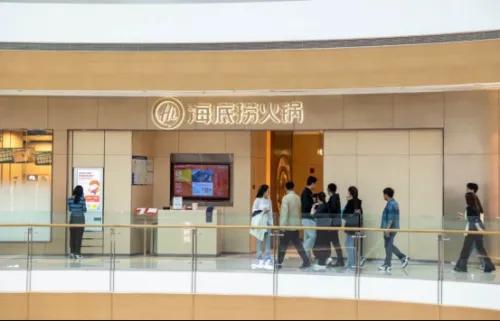
当烟火气遇上AI:海底捞牵手火山引擎的一次体验与效率再升级
Cai Jing Wang· 2025-11-11 07:45
Core Insights - Haidilao is leveraging AI technology to enhance customer experience and operational efficiency in its restaurants, marking a significant shift from traditional service models to a more data-driven approach [3][4][5] Digital Transformation - Haidilao has been advancing its digital transformation since 2011, implementing iPad ordering, cloud systems, and AI customer service, with a notable partnership with Volcano Engine to facilitate this transition [3][4] - The company aims to achieve full-chain intelligent upgrades from pre-meal to post-meal services, moving from human memory to AI understanding of customer preferences [4][5] AI Integration - AI is now integral to Haidilao's operations, serving as the first point of contact for customers and streamlining processes such as reservation management and billing inquiries [5][6] - The introduction of AI assistants like "Haidilao Damingbai" supports employee training and operational queries, enhancing internal efficiency [6][8] Operational Efficiency - The shift from human-controlled to data-controlled management is evident, with AI systems automating inventory management and operational logistics [5][6] - Haidilao's AI-driven approach allows for real-time data analysis, improving decision-making and customer service consistency [10][11] Industry Impact - Haidilao's model serves as a benchmark for the restaurant industry, demonstrating how to integrate AI while maintaining service quality and customer satisfaction [8][10] - The collaboration with Volcano Engine is seen as a replicable framework for other sectors, including retail and hospitality, emphasizing the importance of a cohesive AI strategy [10][11]


中集车辆携多款产品亮相2025中国国际商用车展(CCVS)
Zhong Guo Qi Che Bao Wang· 2025-11-11 07:31
Core Viewpoint - The 2025 China International Commercial Vehicle Show (CCVS) in Wuhan showcased CIMC Vehicles' commitment to high-quality development through the launch of 19 key products and innovative solutions in logistics and transportation [1][3]. Group 1: Company Developments - CIMC Vehicles emphasized its strategy to evolve into a "full value chain operator" in response to the national unified market and global southern markets [3]. - The launch of the "Only Star Link" semi-trailer for 2026 reflects CIMC Vehicles' technological capabilities and its vision for the future of the industry, focusing on efficient, green, and intelligent logistics [5]. - The company introduced the "Euro Champion M" series liquid food transport tankers, which integrate advanced European technology and materials science, providing a comprehensive solution for food safety and efficient transport [5]. Group 2: Industry Innovations - CIMC Vehicles initiated the Liquid Food Transport Industry Chain Ecological Safety Collaborative Development Alliance, aiming to create a closed-loop system for safe and standardized transport of liquid food [7]. - The global debut of the engineering-type pure electric head-mounted train solution showcases CIMC Vehicles' commitment to green transformation in the industry, addressing customer needs across the entire value chain [7]. - The joint display with Shaanxi Automobile highlighted innovations in integrated commercial vehicles, particularly the new energy integrated cold chain transport vehicle, showcasing forward-looking strategies in green logistics [9]. Group 3: Future Vision - The three main exhibition areas—brand leadership, technological empowerment, and value co-creation—form a cohesive "Star Link" ecosystem, redefining operational methods in the logistics industry [11]. - CIMC Vehicles aims to drive the commercial vehicle industry towards higher quality, efficiency, and sustainability, adopting a more open and innovative approach [11].

主帅贝瑞德统领全局,大众在华转型迎关键战役
Di Yi Cai Jing· 2025-11-11 03:06
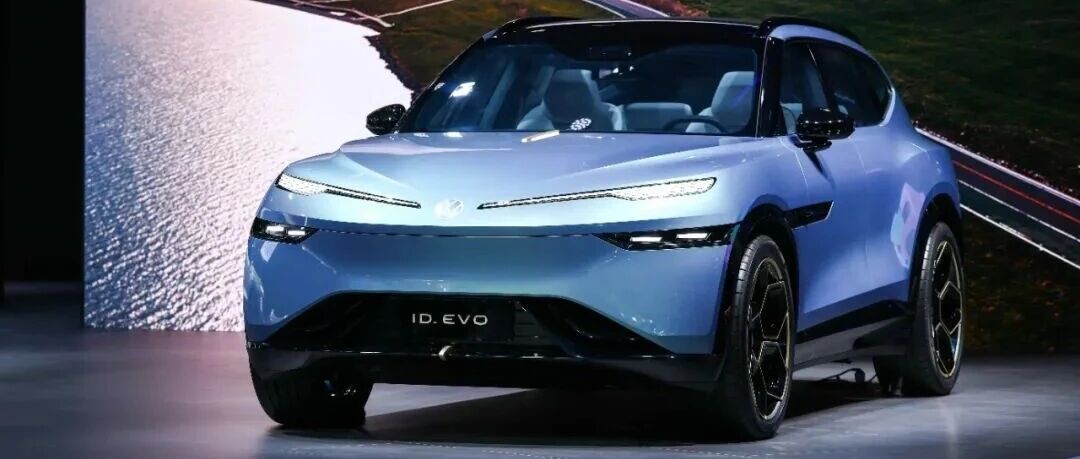
Core Insights - Volkswagen Group is intensifying its commitment to the Chinese market through its "In China, For China" strategy, focusing on smart and connected vehicle transformation [1][4][10] - The establishment of a joint venture with Horizon Robotics, CARIZON, marks a significant step towards independent research and development of system-on-chip (SoC) technology in China [1][8] - The company is transitioning from a focus on electrification to a more comprehensive approach that includes smart technology, with plans to deliver over 20 electric smart models by 2027 [10][12] Group 1: Strategic Developments - Volkswagen's board members are actively engaged in discussions to deepen the "In China, For China" strategy, showcasing their commitment during the China International Import Expo [1][4] - The management's long-term commitment is reflected in the three-year contract extension for CEO Berndt, who has been pivotal in navigating the rapidly changing Chinese automotive market [3][5] - The company is restructuring its business model to adapt to the evolving market, with a focus on local R&D and collaboration with both traditional partners and new tech firms [5][6] Group 2: Technological Advancements - The new SoC chip developed in partnership with Horizon Robotics is designed to handle complex driving scenarios in China, with processing capabilities of 500 to 700 TOPS [8] - Volkswagen's R&D center in Hefei has become the largest outside Germany, employing over 3,000 engineers to accelerate the development of smart vehicles [5][6] - The company is also collaborating with XPeng Motors to enhance its electronic and electrical architecture, achieving significant reductions in development time and costs [9] Group 3: Market Positioning - Volkswagen is entering the "delivery phase" of its smart transformation, with a clear roadmap for the rollout of new models equipped with advanced driving assistance systems [10][12] - The focus is shifting from price competition to value competition, emphasizing the importance of technology and user experience in the automotive market [12][13] - The company is committed to adapting to new regulations and safety standards set by the Chinese government, ensuring that quality and safety remain paramount in its product offerings [13]

大众豪赌1200亿!3家合资公司,押宝第二故乡?
电动车公社· 2025-11-10 17:57
Core Viewpoint - The article discusses Volkswagen's deep commitment to the Chinese market, highlighting its historical ties and future strategies to enhance its presence and adapt to local consumer needs. Group 1: Volkswagen's Strategy in China - Volkswagen is shifting from "deepening the Chinese market" to "rooting in China," emphasizing significant resource investment and collaboration with local partners to enhance product experience for Chinese consumers [7][8]. - The company plans to launch 21 new energy vehicles by 2027 through its three joint ventures and is collaborating with XPeng to develop an electronic and electrical architecture [6][8]. Group 2: Historical Context - Volkswagen's relationship with China dates back to 1978, with the first Santana model rolling off the production line in 1983, marking a significant milestone in China's automotive history [10][24]. - The partnership has evolved over the years, with Volkswagen becoming a key player in the Chinese automotive market, achieving a market share peak of 50% by the late 1990s [28]. Group 3: Challenges and Adaptations - Volkswagen has faced challenges in the electric vehicle sector, with its ID series struggling against competitors like Tesla due to software issues and market performance [38][39]. - In response to these challenges, Volkswagen established a subsidiary in China to focus on software development and innovation tailored to local market demands [43][44]. Group 4: Investment and Development - The company has committed to investing €15 billion in the Chinese electric mobility sector from 2020 to 2024, including establishing a major R&D center in China [58][60]. - Volkswagen's Chinese R&D team has been empowered with significant autonomy to innovate and adapt products to meet local consumer preferences [64][67].
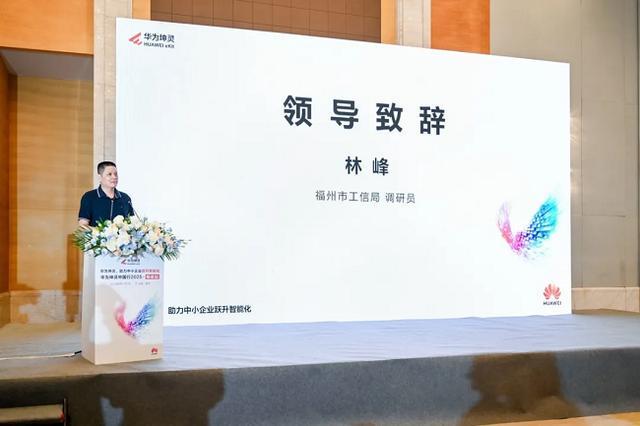
数智惠闽企,展车进福州|华为坤灵中国行2025·福建站成功举办,推动闽企智能化发展新征程
Huan Qiu Wang Zi Xun· 2025-11-10 02:28
Core Insights - Huawei's Kunling initiative aims to assist small and medium-sized enterprises (SMEs) in Fujian to achieve intelligent transformation through tailored solutions and partnerships [1][25] - The event showcased Huawei's commitment to enhancing the digital economy in Fujian, emphasizing the importance of local partnerships and innovative solutions [2][25] Group 1: Event Overview - The Huawei Kunling event in Fuzhou on November 7, 2023, gathered over 200 local engineering representatives to discuss intelligent transformation for SMEs [1] - The event featured a "smart tea house" application, demonstrating how intelligent technology can integrate into local life and industry [1][25] Group 2: Strategic Goals - Huawei aims to provide SMEs with more accessible, efficient, and reliable intelligent capabilities through its scene-based solutions [2][4] - The "4+10+N" strategy focuses on creating value for customers and profit opportunities for partners, ensuring high cost-performance for SMEs [7][25] Group 3: Partnership Development - As of now, Huawei has developed 1 diamond-level distributor, 15 gold-level distributors, and over 500 engineering partners in Fujian, serving more than 10,000 SMEs [4][5] - Huawei plans to expand its distribution network in Fujian over the next three years, aiming to collaborate with thousands of engineering partners [4][5] Group 4: Innovative Solutions - New solutions introduced include smart store solutions with Wi-Fi 7 capabilities and digital healthcare platforms aimed at reducing wait times and enhancing service reliability [9][11] - The intelligent office solution enhances corporate efficiency with features like smart audio-visual integration and AI-driven security measures [11][13] Group 5: Local Impact - Local companies, such as Fujian Pinpinxiang Tea Co., reported a 30% increase in customer flow due to the implementation of Huawei's intelligent solutions [13] - The event highlighted the importance of local innovation and collaboration in driving the digital economy forward in Fujian [15][17] Group 6: Future Directions - Huawei Kunling will continue to refine its "4+10+N" solutions to better meet the needs of Fujian enterprises and strengthen local partnerships [25] - The initiative aims to set a new benchmark for "Digital Fujian," contributing to the intelligent upgrade of various industries and promoting high-quality economic development [25]
长安汽车10月销量同比增长11% 新能源与海外市场双轮驱动格局稳固
Zhong Guo Zheng Quan Bao· 2025-11-07 14:54
Core Insights - The Chinese automotive market continues to show strong growth, with domestic brands achieving a retail market share of 66.9%, an increase of 3.6 percentage points year-on-year [1] - Changan Automobile's October sales reached 278,000 units, a year-on-year increase of 11%, with new energy vehicle (NEV) sales at 119,000 units, up 36% [1] - The company has sold a total of 2,374,002 vehicles in the first ten months of the year, with NEV sales surpassing the total for 2024 [1] Group 1: Sales Performance - Changan's three brands—Avita, Deep Blue, and Changan Qiyuan—are building a multi-tiered product matrix to cater to different price ranges and user needs [2] - Avita sold 13,506 units in October, a 34% increase, establishing a foothold in the high-end market above 200,000 yuan [2] - Deep Blue achieved sales of 36,792 units in October, a 32.1% increase, with the Deep Blue S05 becoming a key sales driver [2] Group 2: Strategic Initiatives - Changan's strategic initiatives include the "Shangri-La" plan for NEVs, the "Beidou Tianshu" plan for smart technology, and the "Haina Baichuan" plan for globalization, which have collectively driven NEV sales to 868,724 units in the first ten months [2] - The company aims for a sales target of 5 million vehicles by 2030, focusing on global competitiveness and core technology [4] - Changan's revenue for Q3 2025 reached 42.236 billion yuan, a 23.36% year-on-year increase, with a net profit of 764 million yuan, up 2.13% [3] Group 3: Technological Advancements - Changan invests at least 5% of its revenue annually in R&D, with over 24,000 R&D personnel and a global research layout across six countries and ten locations [3] - The launch of the "Tianshu Intelligent" brand focuses on smart driving assistance and redefined safety standards [3] - New models like the Avita 12 and Deep Blue L06 incorporate advanced technologies, enhancing their competitive edge in the market [6] Group 4: Global Expansion and Collaboration - Changan's overseas sales reached 522,660 units in the first ten months, contributing significantly to growth [3] - The establishment of the China Changan Automobile Group consolidates 117 subsidiaries, enhancing the company's resource integration and global strategy [7] - Strategic partnerships with various organizations are expected to facilitate resource integration and market expansion [3][7]

中企创新成果亮相阿布扎比石油展
Xin Hua She· 2025-11-07 08:23
Group 1 - The 41st Abu Dhabi International Petroleum Exhibition and Conference concluded on November 6, featuring over 2,250 global companies discussing future energy trends and sustainable development [1] - More than 330 Chinese enterprises and institutions participated, showcasing innovations in green low-carbon technologies, intelligent transformation, and international cooperation [1] - China National Petroleum Corporation (CNPC) highlighted innovations in ultra-deep well drilling, artificial intelligence, and carbon capture utilization and storage, emphasizing the integration of oil, gas, heat, electricity, and hydrogen for a sustainable energy future [1] Group 2 - China National Offshore Oil Corporation (CNOOC) presented deep-water equipment, new energy technologies, and digital achievements, demonstrating its capabilities in oil and gas development and energy transition [1] - China Petroleum Engineering Corporation made its debut as an independent exhibitor, showcasing advancements in oil and gas engineering, green low-carbon initiatives, and digital transformation [1] - China State Shipbuilding Corporation's Jiangnan Shipyard displayed high-end vessels, including a 175,000 cubic meter LNG carrier and a 99,000 cubic meter ethane-ethylene carrier, highlighting its innovation in shipbuilding [1] Group 3 - China Classification Society focused on green low-carbon and intelligent shipping, showcasing technological achievements in marine engineering, energy development, and ship efficiency [2] - Local exhibition groups, such as 36 enterprises from Jiangsu Jianhu, demonstrated innovations in high-end, intelligent, and green transformation within the oil equipment sector [2] - A representative from a Saudi energy company noted the impressive performance of Chinese enterprises at the exhibition, indicating their leadership in advancing the energy industry's high-end and intelligent development [2]


直通进博会|交通银行董事长任德奇:航贸金融服务加速向数字化、智能化转型
Zhong Guo Jin Rong Xin Xi Wang· 2025-11-07 02:50
Core Viewpoint - The forum emphasizes the significant potential of trade finance in ensuring the stability of global supply chains and enhancing international trade competitiveness amidst the restructuring of global industrial chains and supply chains [1][4]. Group 1: Trade Finance Development - Trade finance is seen as crucial for supporting high-quality development in cross-border trade, with a focus on collaboration to ensure the smooth operation of global supply chains [4]. - The integration of new technologies such as big data, blockchain, and artificial intelligence is driving the digital and intelligent transformation of trade finance services [1][5]. Group 2: Digitalization and Innovation - The bank is actively participating in the construction of a digital platform for trade finance in Shanghai, collaborating with various stakeholders to create an efficient and secure trade finance service ecosystem [4][5]. - The launch of the "Jiaoyin Trade Finance" product at the China International Import Expo represents a significant achievement in building a digital financial service system [5]. Group 3: Collaborative Ecosystem - The bank aims to provide a one-stop financial service for e-commerce enterprises by integrating shipping, trade, and financial data resources, thereby contributing to the stability of global supply chains [5]. - There is a focus on building a collaborative ecosystem that combines financial support, customs facilitation, and risk prevention technologies to enhance efficiency [5].

午评:沪指半日涨0.88%重回4000点 半导体芯片股集体走强
Xin Hua Cai Jing· 2025-11-06 05:45
Market Performance - A-shares indices opened higher on November 6, with the Shanghai Composite Index rising nearly 1% and surpassing 4000 points, while the STAR 50 Index increased by nearly 3% [1] - The Shanghai Composite Index closed at 4004.25 points, up 0.88%, with a trading volume of 612 billion; the Shenzhen Component Index rose 1.39% to 13407.30 points, with a trading volume of 712.5 billion; the ChiNext Index also increased by 1.39% to 3210.15 points, with a trading volume of 315.7 billion [1] Sector Performance - Semiconductor stocks showed strong performance, with companies like Changguang Huaxin and Demingli hitting the daily limit [1] - The electric grid equipment sector continued its strong trend, with Moen Electric and Baobian Electric also reaching the daily limit [1] - The chemical sector experienced a surge, with stocks like Batian Co. and Chengxing Co. hitting the daily limit [1] - The aluminum sector was active, with China Aluminum nearing the daily limit and reaching a 15-year high [1] - Conversely, the tourism sector saw a collective decline, particularly in the ice and snow industry, with Dalian Shengya hitting the daily limit [1][2] Institutional Insights - CITIC Securities noted that the suspension of DDR5 pricing by major storage manufacturers has led to a 25% surge in spot prices, with quarterly increases expected to reach 30%-50%. This trend, combined with significant expansion by Changxin Storage and the delivery of HBM3 products, is likely to boost demand for upstream materials [3] - CITIC Jiantou suggested focusing on companies in the medical device sector that are expected to see performance and valuation recovery by 2026, with opportunities arising from innovation, international expansion, and mergers and acquisitions [3] Industry Developments - The International Electrotechnical Commission (IEC) has officially released the world's first international standard for industrial 5G, co-developed by China and Germany, which fills a gap in the industrial 5G standardization [5] - The global manufacturing PMI for October was reported at 49.7%, indicating a continued slow recovery in the global economy, remaining within the 49%-50% range for eight consecutive months [6]