
以价换量

Search documents
上海7月二手房成交量稳了 但挂牌总量偏高 “大多数房源都能再砍一点价”
Mei Ri Jing Ji Xin Wen· 2025-08-09 12:09
Core Viewpoint - The Shanghai second-hand housing market is experiencing stable transaction volumes but declining prices, indicating a competitive pricing environment driven by high inventory levels [3][4]. Group 1: Transaction Volume and Price Trends - In July, Shanghai's second-hand residential transactions totaled 16,900 units, a month-on-month decrease of 8.67% and a year-on-year decrease of 7.01% [3]. - The second-hand housing price index fell by 1.82% month-on-month, marking three consecutive months of decline [3]. - Despite the high transaction volume, the overall inventory of second-hand homes in Shanghai remains elevated, contributing to further price competition [3]. Group 2: Market Dynamics and Buyer Behavior - The market shows resilience, with July's transaction volume not dropping below 15,000 units, indicating a stable demand [4]. - The demand is primarily driven by first-time homebuyers and young families, particularly for properties priced below 3 million yuan, reflecting a sensitivity to total price [4]. - There is a noticeable trend of buyers opting for suburban properties with better price-performance ratios, while the high-end new housing market continues to attract demand, diverting some from the second-hand market [4]. Group 3: Regional Price Variations - In July, only five districts in Shanghai saw an increase in second-hand housing prices, with Changning District rising by 3.4% and Songjiang District by 2% [6]. - Central districts like Jing'an, Hongkou, and Xuhui experienced varying degrees of price declines, highlighting a growing disparity between regions and property types [6]. - Some second-hand properties are now priced closer to levels seen in 2016, with significant structural differences affecting price recovery [6][8]. Group 4: Price Adjustments and Market Sentiment - The overall housing prices are reported to be at their lowest since 2015, with some properties still able to negotiate lower prices [8]. - The price drop has slowed, and there is no indication of a panic-driven decline similar to previous downturns [8]. - Buyers are increasingly practical, often choosing to sacrifice location for larger living spaces within their budget constraints [8].

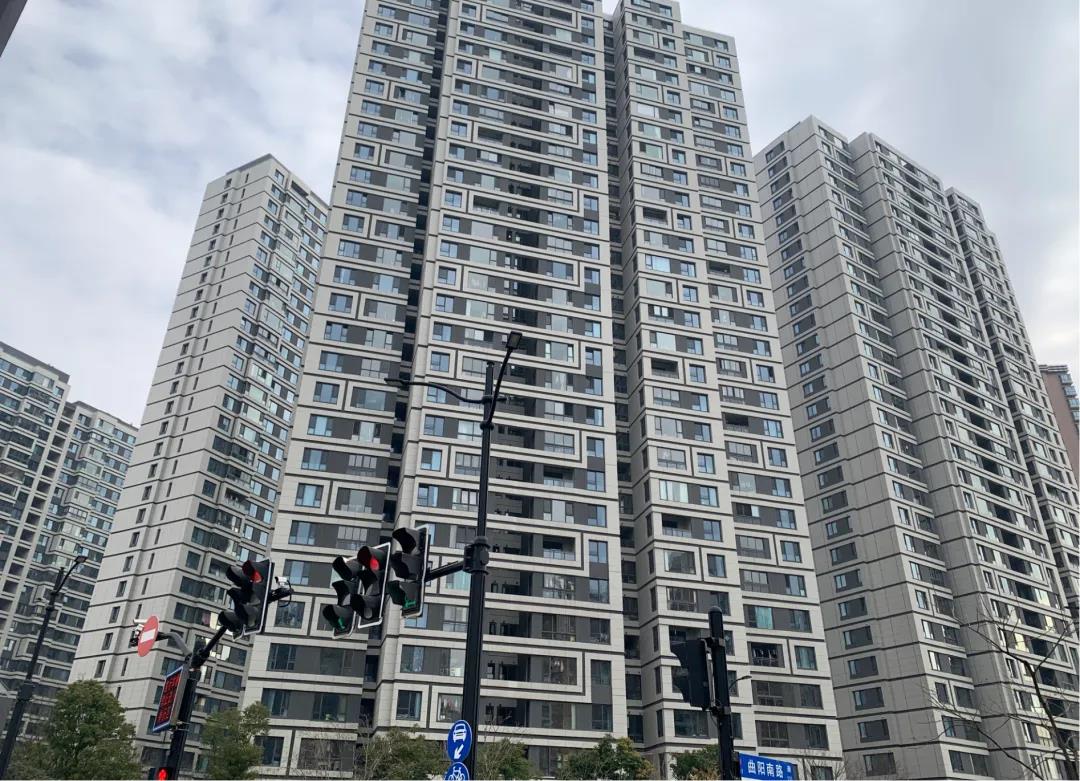
上海挂牌的二手房,“大多数都能再砍一点价”
Hu Xiu· 2025-08-09 11:40
Core Viewpoint - The Shanghai second-hand housing market shows a decline in transaction volume and prices, with July 2023 seeing a 1.69 million units sold, down 8.67% month-on-month and 7.01% year-on-year, while the price index fell 1.82% for three consecutive months [1][2]. Group 1: Transaction Volume and Price Trends - July's transaction volume is better than the same period in 2023, attributed to new policies stimulating growth, despite a downward price trend that has not stabilized [2]. - The total number of second-hand homes listed in Shanghai remains high, leading to increased price competition [2]. - The absolute transaction volume in July did not fall below 1.5 million units, indicating market resilience [3]. Group 2: Market Demand Characteristics - The market demand is primarily driven by first-time homebuyers and young families, with a significant portion of transactions occurring in properties priced below 3 million yuan [3]. - There is a noticeable increase in the proportion of high-priced property transactions, but it has not yet formed a significant trend due to the ongoing popularity of high-end new properties [3]. Group 3: Price Changes by District - In July, only five districts in Shanghai saw an increase in second-hand housing prices, with Changning District up 3.4% and Songjiang District up 2% [5]. - Central districts like Jing'an, Hongkou, Xuhui, and Yangpu experienced varying degrees of price declines, highlighting ongoing regional and product differentiation [6]. Group 4: Price Comparisons and Market Sentiment - Current prices for some second-hand homes are approaching levels seen in 2016, with structural differences noted in property conditions and locations [7]. - The overall housing prices are reported to be the lowest since 2015, with significant price drops observed in older properties [10][11]. - Recent price declines have slowed, suggesting that panic selling is not expected to recur [12].
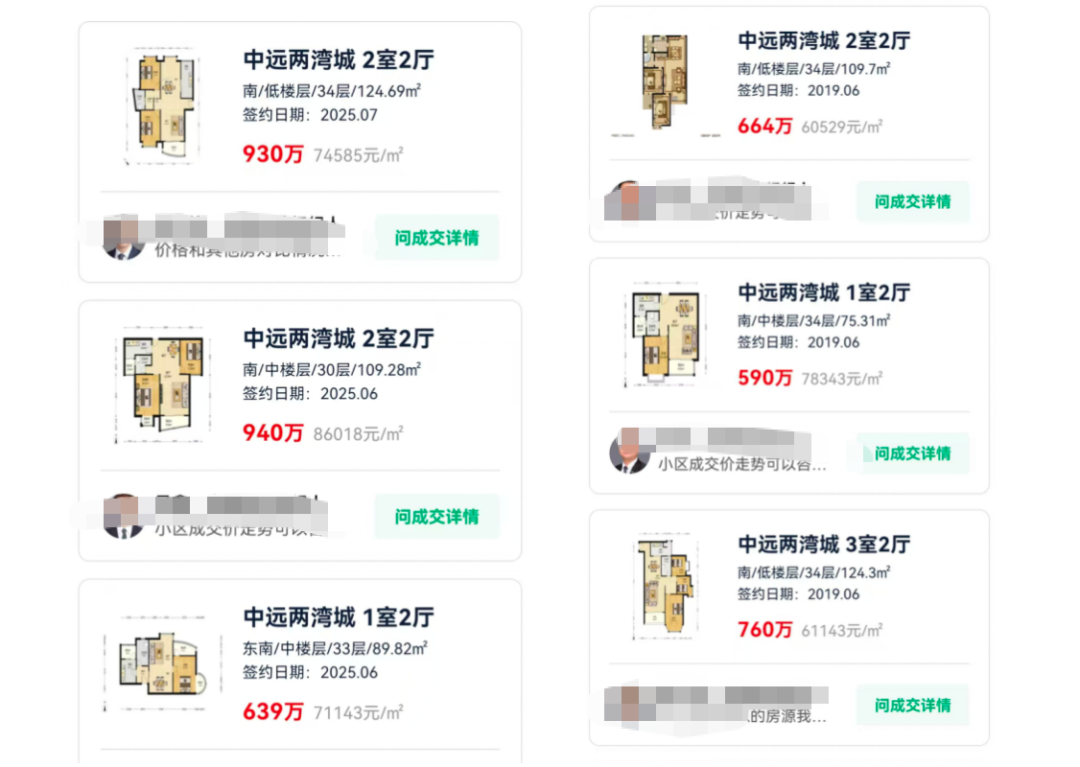
7月进出口数据点评:出口超预期的线索观察和后续关注
INDUSTRIAL SECURITIES· 2025-08-07 15:18
Export Performance - In July 2025, China's exports increased by 7.2% year-on-year, surpassing the consensus forecast of 5.8% and the previous value of 5.9%[3] - The export of integrated circuits saw a significant rise, with a year-on-year growth rate increasing from 24.2% to 29.2%[5] - Trade surplus reached $98.24 billion, an increase of $12.76 billion compared to the same period last year[3] Import Performance - Imports in July 2025 rose by 4.1% year-on-year, exceeding the forecast of 0.3% and the previous value of 1.1%[3] - The surge in imports from Hong Kong was notable, with a year-on-year increase of 175%, primarily driven by demand for precious metals[5] Market Dynamics - The "price for volume" strategy adopted by enterprises helped mitigate tariff pressures, as export prices declined while volumes increased significantly[5] - European demand showed improvement, with exports to the EU rising from 7.5% to 9.2% year-on-year, reflecting a recovery in economic activity[5] Risks and Concerns - Ongoing tariff disturbances need monitoring, especially with the new "reciprocal tariffs" taking effect on August 7, which may impact demand from the U.S.[5] - There are signs of demand preemption, particularly in non-U.S. and non-EU markets, which could lead to a gradual decline in export volumes as the economic situation stabilizes[5] Economic Outlook - The resilience in external demand enhances confidence in achieving annual economic targets, despite potential downward pressures on exports due to global economic slowdowns and tariff impacts[5]
连平:房价还会大幅下跌吗?
Jing Ji Guan Cha Bao· 2025-08-07 06:47
Group 1: Market Overview - The national real estate market has shown signs of stabilization, with a significant narrowing of the decline in sales and prices since the beginning of the year. As of June, the cumulative sales area of commercial housing decreased by 3.5% year-on-year, a reduction of 9.4 percentage points compared to the end of 2024 [1] - New home prices have seen a monthly average decline of 0.2%, while second-hand home prices have decreased by 0.4% on average per month, both showing a smaller decline compared to the monthly average levels of 2024 [1] - The introduction of supportive policies, including a special loan program expanding to 8.5 trillion yuan, has positively impacted risk management for real estate companies [1] Group 2: Performance Disparities Among Developers - There is a notable divergence in performance among real estate companies, with state-owned enterprises and some central enterprises experiencing a sales recovery, with some revenue growth exceeding 30% year-on-year due to their focus on first-tier and key second-tier cities [2] - In contrast, many private and small real estate firms, primarily holding assets in third and fourth-tier cities, have faced significant revenue declines due to weak market demand and financial pressures from asset devaluation [2] - The overall asset-liability ratio of real estate developers remains high, with many companies experiencing a decrease in annual sales capacity and cash flow pressures [2] Group 3: Market Challenges and Adjustments - The real estate market is undergoing a structural adjustment, with changes in supply and demand dynamics. The purchasing power and income expectations of residents have not returned to the levels seen during the "golden era" of real estate [3] - Urbanization is shifting focus from rapid development to more concentrated growth in urban clusters, leading to diminished demand in previously booming third and fourth-tier cities [3] - The slowdown in urban residents' income growth and the decline in financial product yields have negatively impacted buyer confidence, leading to more cautious purchasing behavior [3] Group 4: Future Market Outlook - The real estate market is expected to continue its contraction in the second half of the year, with a projected year-on-year decline in commercial housing sales area of around 5% and new and second-hand home prices expected to drop by 2% to 4% [6] - The ongoing high asset-liability ratios and declining investment returns will continue to pose challenges for real estate companies, with an anticipated investment decline of approximately 10% for the year [6] - The market is unlikely to see a significant rebound in prices, with expectations of a more stable supply-demand relationship emerging over the medium term [6] Group 5: Policy Recommendations - To stabilize the real estate market, it is recommended to implement targeted macro and industrial policies, including lowering mortgage rates and optimizing housing tax incentives [7] - Increasing the supply of residential land in first-tier and key second-tier cities is suggested to meet local housing market demands [8] - The introduction of public REITs and enhancing non-bank financing channels for large real estate firms are recommended to alleviate cash flow and debt pressures [8]
直营店不够加盟店来凑,百胜中国重申全年1600-1800家开店目标
3 6 Ke· 2025-08-06 11:05
Core Insights - Yum China Holdings, Inc. reported its Q2 and H1 2025 performance amidst a challenging dining consumption market, showing steady revenue and profit growth, particularly driven by Pizza Hut's high-value strategy, while KFC's same-store traffic remained stagnant [1][3][24] Financial Performance - For H1 2025, Yum China's total revenue reached $5.768 billion, a 2% year-over-year increase; operating profit was $703 million, up 10%; and net profit was $507 million, also a 2% increase [3] - In Q2 2025, total revenue grew 4% to $2.8 billion, with operating profit increasing 14% to $304 million, marking a historical high for the quarter [3] - Pizza Hut's same-store sales rose 2% in Q2, driven by a 17% increase in transaction volume, although this came at the cost of a 13% decline in average ticket price [3][5] Brand Performance - Pizza Hut's significant profit growth of 22% in H1 2025, reaching $106 million, indicates the effectiveness of its high-value strategy [3] - KFC's same-store sales increased by 1% in Q2, but transaction volume remained flat, suggesting challenges in attracting new customers [5][24] - KFC's sales growth was primarily due to a higher proportion of takeout orders, reflecting changes in existing customer behavior rather than new customer acquisition [5] Expansion Strategy - Yum China continues to expand its store network, opening 781 KFC locations in H1 2025, with 255 being franchise stores, while closing 191 [6][9] - Pizza Hut opened 271 new stores, with 41 being franchises, but closed 131, resulting in a net addition of only 140 stores [9][12] - The company aims for a net addition of approximately 1,600 to 1,800 stores in 2025, with a focus on increasing the proportion of franchise stores [12][15] Market Penetration - KFC has over 12,000 stores across more than 2,430 cities, entering about 300 new cities in the past year, while Pizza Hut has over 3,800 stores in 900 cities, entering around 150 new cities [9][12] - KFC's strategy includes opening mini stores in lower-tier cities to adapt to local market conditions, while Pizza Hut's expansion in these areas is slower due to its reliance on high-end urban locations [15][16] New Growth Initiatives - Yum China is exploring new growth avenues through internal brand incubation, notably with its coffee business, KCOFFEE, which has expanded to over 1,300 locations [20] - The company is also focusing on health-oriented offerings through its KPRO brand, targeting urban professionals [20][24] - The strategy aims to leverage KFC's supply chain and brand strength to capture new market segments, although concerns about long-term sustainability of low-price strategies remain [24]
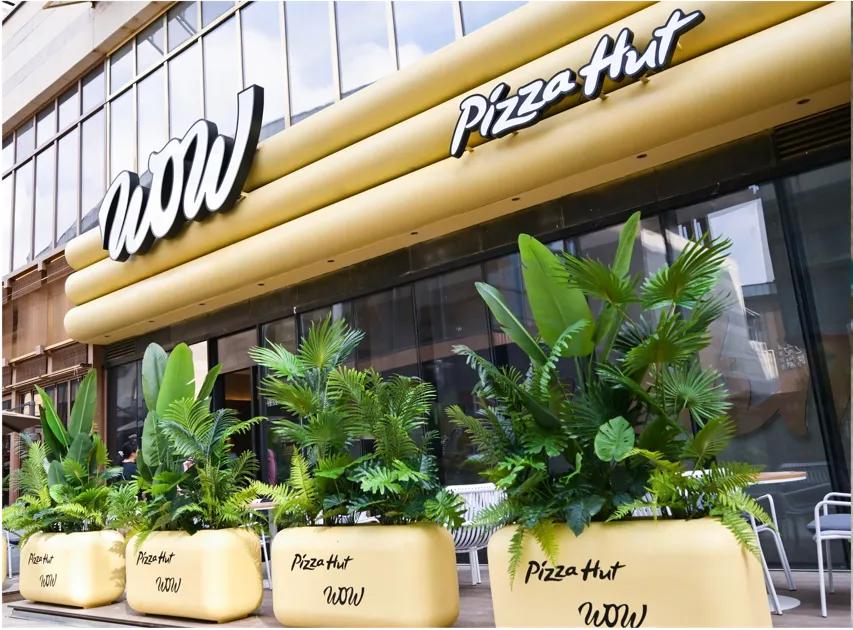
7月百强销售和基本面解读
2025-08-05 03:19
Summary of Key Points from the Conference Call Industry Overview - The real estate market in July experienced a seasonal decline, with transaction volumes in 30 key cities decreasing by 28% month-on-month and 19% year-on-year [1][6] - First-tier cities saw a month-on-month decline of 35% and a year-on-year decline of 28%, although cumulative transactions over the previous months maintained a positive growth of approximately 7% [1][6] - Second and third-tier cities also faced declines, with 26 cities experiencing a month-on-month drop of 27% and a year-on-year drop of 17% [1][7] - Market sentiment remains cautious, with insufficient new supply and high temperatures reducing buyer enthusiasm [1][8] Sales Performance of Top Real Estate Companies - In July, the sales figures for the top 100 real estate companies dropped nearly 26% year-on-year and close to 39% month-on-month [2] - Cumulatively, from January to July, the decline was approximately 12.7%, widening by about two percentage points compared to the previous month [2] - The top 10 companies experienced a significant decline, with a cumulative year-on-year drop of 14.2% and a month-on-month drop of 16% [2] New and Second-Hand Housing Market - The new housing supply was less than 7 million square meters in July, down 11% year-on-year and 20% month-on-month [3] - The second-hand housing market also showed signs of adjustment, with transaction volumes in 30 key cities decreasing by 6% month-on-month and 5% year-on-year [14] - Despite the declines, the cumulative year-on-year growth for the first seven months was 10% [3][14] Supply and Demand Dynamics - First-tier cities saw a supply decrease of 15% month-on-month and 3% year-on-year in July, with Beijing and Guangzhou experiencing significant drops [5] - In contrast, some second and third-tier cities showed signs of stabilization or temporary supply increases [5] - Overall, the supply in second and third-tier cities decreased by 21% month-on-month and 13% year-on-year [5] Market Sentiment and Pricing Strategies - The current market sentiment is characterized by a strong wait-and-see attitude, significantly impacting real estate transactions [8] - Some projects are adopting price reduction strategies to improve sales, with overall opening sales rates remaining below 30%, marking a low for the year [9] - New regulatory products have provided support to the market, increasing transaction volumes and stabilizing prices [12] Long-Term Market Trends - The long-term trend indicates that the real estate market has stabilized since September of the previous year, although it requires time to build a solid foundation [10] - The market is currently experiencing a price-for-volume trend, particularly among older inventory projects [11] Future Market Expectations - The real estate market is expected to continue low-level fluctuations in August, with cumulative year-on-year declines potentially reaching around 5% [18] - The lack of favorable policy support may lead to bottlenecks in transaction volumes during the off-season [18][19] Land Market Insights - The land market is anticipated to show localized recovery in heat, with core areas and quality plots seeing rising prices [20] - However, this heat has not yet translated into improved sales performance, as the market remains in a bottoming process [20] Conclusion - The real estate market is currently facing challenges with declining sales and cautious sentiment, but there are signs of stabilization and potential recovery in specific segments and regions. The focus on pricing strategies and new regulatory products may provide some support moving forward.
8月深圳二手房市场开局现好势头
Zheng Quan Shi Bao Wang· 2025-08-04 11:50
Group 1 - The Shenzhen second-hand housing market shows signs of recovery with a recorded 1,184 transactions last week, representing a 5.2% week-on-week increase, ending a continuous decline trend [1] - As of August 4, 2025, there are 76,156 valid second-hand housing listings in Shenzhen, an increase of 645 from the previous week [1] - Despite a decrease in viewing volume due to heavy rain, the signing volume of second-hand residential properties increased significantly by 17% week-on-week, indicating a faster decision-making process among clients [1] Group 2 - In July, the new housing market in Shenzhen saw a net signing of 2,664 units, a decrease of 18.7% month-on-month, while second-hand housing transactions rose by 3.4% to 4,656 units, although still below May's levels [1] - The average listing price for second-hand homes in Shenzhen in July was 62,706 yuan per square meter, reflecting a 0.2% month-on-month increase, driven by price stability in popular properties and concessions in others [1] - The bargaining rate in July was 8.3%, an increase of 0.2% from the previous month, indicating a slight increase in negotiation flexibility [1] Group 3 - The housing market in Shenzhen is experiencing a traditional off-season in July, with a downward trend due to lower-than-expected policy implementation since June [2] - The increase in second-hand listings and significant price drops in the past suggest continued high trading activity in the second-hand housing market, supported by favorable loan conditions [2] - The new housing market is expected to show a pattern of "star projects being hot, while most developments remain flat," indicating competitive pressure and greater adjustment challenges compared to the second-hand market [2]
最低40万元一套!李嘉诚湾区老盘瞄准香港买家,“港客输血”能否抵住利润下滑?
Hua Xia Shi Bao· 2025-07-31 06:30
Core Viewpoint - Recently, Cheung Kong Holdings Limited launched the "Greater Bay Area Dual Residence Life" property plan in Hong Kong, focusing on selling four residential projects in the Greater Bay Area, which has attracted significant market attention [2][3]. Summary by Sections Project Details - The total number of units for sale is nearly 400, with an entry threshold of approximately 400,000 RMB per unit [2][3]. - The projects included in the plan are Huizhou Longpo Garden, Dongguan Haiyi Haoting, Zhongshan Longpo Garden, and Guangzhou Yicui Manor, most of which were acquired at low prices many years ago [3][5]. - The pricing of these properties has seen significant reductions, with Dongguan Haiyi Haoting's average price dropping to 15,000 RMB per square meter, nearly halving from its peak of 30,000 RMB [2][6]. Market Response - Despite the launch, the sales performance has been relatively subdued compared to previous hot sales patterns [3][5]. - In Guangzhou, the two projects, Zhongshan Longpo Garden and Guangzhou Yicui Manor, have a combined sales rate exceeding 92%, but the market response has been lukewarm [6]. - Dongguan Haiyi Haoting has faced high inventory issues, with around 160 units unsold since 2014, leading to a strategy of price reduction to stimulate sales [6][7]. Buyer Demographics - Nearly 60% of the sold units in Huizhou Longpo Garden have been purchased by buyers from Hong Kong, indicating a significant shift in buyer demographics [10]. - The demand from Hong Kong buyers has been a crucial support for the project, especially as the mainland property market cools down [9][10]. Financial Performance - Cheung Kong's revenue for the fiscal year 2024 was 45.529 billion HKD, a decrease of 3.63% year-on-year, with net profit dropping by 21.24% [15]. - The company's property sales revenue from mainland China fell by 24.26%, with the contribution from mainland sales dropping from 50.40% to 32.47% [16]. - Despite achieving some sales, the significant price reductions have severely compressed profit margins, leading to a situation where the company has gained sales but lost profitability [16][21]. Strategic Considerations - The current push to sell properties in the Greater Bay Area reflects a strategic shift in response to market conditions, with a focus on clearing inventory [22]. - The company holds substantial land reserves in the Greater Bay Area, which could support development and sales over the next 3 to 5 years [21].

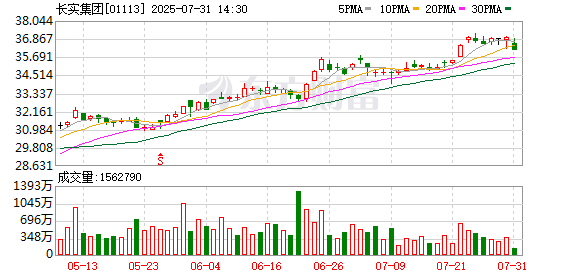
奥克斯转型样本:以价换量、市占率第五,毛利率8年跌8个百分点、品牌商转为代工商
Sou Hu Cai Jing· 2025-07-31 03:14
Core Viewpoint - Aux is reapplying for listing on the Hong Kong Stock Exchange, drawing attention due to its nearly 30 billion yuan revenue and 2.9 billion yuan net profit, amidst a shrinking domestic air conditioning market and increasing competition from both established giants and new entrants [2][3] Group 1: Company Performance - Aux's revenue for Q1 2025 reached 9.352 billion yuan, a year-on-year increase of 27.03%, with a net profit of 0.925 billion yuan, up 23.01% [5] - In 2024, Aux reported a revenue of 29.716 billion yuan, a 19.84% increase, and a net profit of 2.91 billion yuan, growing 17.03% [6] - The home air conditioning segment generated 8.376 billion yuan in Q1, representing a 28.03% increase and accounting for 89.5% of total revenue [6] Group 2: Strategic Shifts - Aux has undergone two significant strategic transformations: leveraging e-commerce to rise to the top three in the industry and returning to the ODM model as e-commerce growth slowed [3][4] - The company has maintained its market position by expanding overseas through ODM while using high debt to scale and reduce costs, thus offering lower prices to stabilize its market share [3][4] Group 3: Market Dynamics - The air conditioning market is experiencing a rapid reshuffle, with Aux facing competition from major players like Midea, Haier, and Gree, as well as new entrants like Xiaomi [2][3] - Aux's online sales strategy has been pivotal, with e-commerce sales rising from 18.21% of total sales in 2014 to over 70% by 2019, helping it to become the third-largest brand in the industry [7][8] Group 4: Financial Health - Aux's asset-liability ratio has remained around 80%, reaching 84.1% in 2024, significantly higher than competitors like Haier and Gree [33][34] - The company has seen a rapid increase in current liabilities, with a 29% growth in 2023 and a 23% increase in 2024, indicating a reliance on short-term financing [34][35] Group 5: ODM and International Expansion - Aux's ODM business has surged, with its share of revenue increasing from 35.2% in 2022 to 40.1% in 2024, while overseas business has also grown significantly [25][29] - The company has established a global strategy since 2018, setting up production bases and sales teams in various countries, which has helped maintain its position as the fifth-largest air conditioning provider globally [27][28] Group 6: Competitive Landscape - Aux's competitive edge has been its focus on cost-effectiveness, but it faces challenges as major brands intensify their online presence and pricing strategies [15][16] - The company has maintained its market share through aggressive pricing, but this has led to declining profit margins, with gross margins dropping from 29.11% in 2017 to 21.1% in Q1 2025 [32][41]
工业企业利润点评:工业企业利润中的“内卷”线索
Huafu Securities· 2025-07-27 11:01
Group 1: Industrial Profit Trends - In June, industrial enterprise profits decreased by 4.5% year-on-year, a narrowing of 4.6 percentage points from May, but still in a contraction zone[3] - Cumulative year-on-year profit decline was 1.8%, widening by 0.7 percentage points compared to May[3] - The main reason for the narrowing monthly decline was a reduction in operating cost drag, with its negative contribution decreasing from 9.7 percentage points in May to 3.9 percentage points in June[3] Group 2: Revenue and Demand Dynamics - June operating revenue grew by 1.0% year-on-year, remaining flat from May and marking a near 7-month low[4] - This contrasts sharply with the industrial added value, which saw a year-on-year increase of 6.8%, the second-highest growth in 16 months[4] - The Producer Price Index (PPI) fell by 3.6% year-on-year in June, the deepest decline in nearly 23 months, indicating intensified price competition[4] Group 3: Profit Pressure and Cost Dynamics - Profit pressure is transmitted upstream, forcing the mining industry to pass on profits to downstream sectors[5] - Cumulative profit margins for mining, utilities, and manufacturing were 16.95%, 6.79%, and 4.46% respectively, showing marginal improvements due to falling coal prices[5] - The overall expense ratio for industrial enterprises rose to 8.38% in June, up 9 basis points from May, highlighting intensified competition[5] Group 4: Policy Recommendations - To alleviate excessive competition, monetary policy should stabilize real estate expectations, and fiscal policy should expand effective domestic demand[6] - The central government is expected to issue special bonds to support durable consumer goods subsidies and infrastructure investments if export growth declines[6] Group 5: Risk Factors - Risks include potential underperformance of monetary easing and fiscal expansion measures[7]