数字经济

Search documents
磁县打造直播带货“生力军”
Xin Lang Cai Jing· 2026-02-19 01:27
Core Insights - The article highlights the development of the "One Product, One Broadcast" industry park in Magxian, which aims to leverage the digital economy by training individuals in live streaming and e-commerce [1][2]. Group 1: Training and Development - The county government is prioritizing the "One Product, One Broadcast" initiative, focusing on high standards for the industry park and comprehensive efforts in training, product development, logistics cost reduction, and financial empowerment [1]. - A significant emphasis is placed on building a diverse talent pool of live streamers, including roles such as children's clothing marketing specialists, cultural tourism promoters, and e-commerce pioneers [1]. - The training program employs a "theory + practical + competition" model, covering areas such as short video production, live streaming operations, and local brand promotion [1]. Group 2: Competitions and Talent Pool - Regular e-commerce skill competitions titled "Digital Gathering in Magxian, Live Streaming Excellence" are organized to identify outstanding trainees and establish a talent database [2]. - The initiative also aims to connect with Magxian natives working in the e-commerce sector outside the county, encouraging them to return and contribute to the local economy [2]. Group 3: Training Outcomes - To date, 14 training sessions have been conducted, with 1,195 participants and 610 individuals successfully incubated as live streamers, including 56 high-quality streamers [3].
省大数据局印发数智贵州建设2026年工作要点
Xin Lang Cai Jing· 2026-02-18 12:08
Group 1 - The article outlines the strategic plan for developing a smart data industry in Guizhou, focusing on collaboration among computing power, data, applications, and industry to enhance digital productivity and achieve a strong start for the 14th Five-Year Plan [1] - The plan aims to expand the smart industry cluster, emphasizing the development of computing power hardware manufacturing and cloud services, with a target of accumulating 150 enterprises in the Huawei cloud ecosystem [2] - The initiative includes fostering a data industry centered on high-quality data sets, with a goal of having over 20,000 personnel engaged in data labeling across the province [2] - The artificial intelligence sector will focus on industry-specific model applications, aiming to establish over 10 benchmark applications and 100 typical AI application scenarios [2] - The electronic information industry will target growth in sectors like electronic components and smart terminals, with an expected 15% increase in the added value of the electronic information manufacturing industry [2] Group 2 - The plan includes the construction of a green and efficient computing power base, with a target computing power scale of 190 EFLOPS, maintaining over 90% in intelligent computing [3] - Efforts will be made to enhance the efficiency of data centers, aiming for an average energy utilization efficiency of 1.2 and an average shelf rate of over 70% in the Guian data center cluster [3] - The establishment of a unified public data resource base is planned, integrating various data platforms to enable centralized storage and management of public data resources [3] - The initiative aims to improve public data sharing, with a target of achieving a 90% sharing rate for government data [3] Group 3 - The strategy includes the development of a digital government framework, with plans to optimize the provincial cloud management platform and enhance interconnectivity among government systems [4] - The initiative aims to deepen the integration of public services through a unified platform, targeting a 50% adoption rate of internet medical services in public hospitals [4] - The plan emphasizes the importance of data security, with measures to enhance the security framework for data centers and computing networks [5] - The strategy includes fostering digital talent through various training programs, aiming to cover over 5,000 civil servants and 6,000 skilled personnel [5]


美国高级官员:APEC是中美合作机遇
2 1 Shi Ji Jing Ji Bao Dao· 2026-02-18 08:48
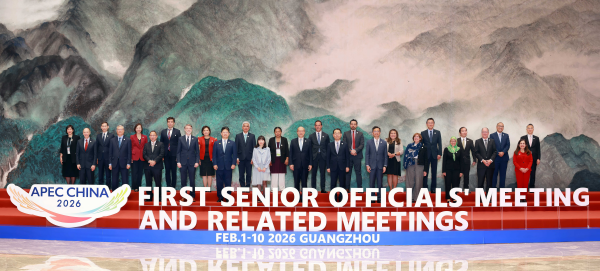
梅斯强调,对区域内所有经济体而言,APEC都是推动经济合作、促进区域繁荣的重要平台。"多年来, APEC为美国带来了巨大的经济收益。在'美国优先'议程和特朗普总统领导下,美国将APEC视为促进美 国出口、推动更平衡贸易,以及扩大技术、能源和农业出口的重要组成部分。" 2月1日至10日,2026年亚太经合组织第一次高官会及相关会议在广东省广州市举行。这是中国作为2026 年APEC东道主举办的首场正式活动,旨在为11月举行的领导人非正式会议积累政策成果与共识基础。 梅斯此次率领由50多名政府与私营部门代表组成的美国代表团参会,规模在高官会中名列前茅,凸显美 方对APEC"中国年"的重视程度。 作为亚太地区最重要的经济合作机制之一,APEC在2026年中国主办年内将举行约300场会议和活动, 第二次高官会及相关会议预计将于5月在上海举行。中美在能源、人工智能领域存在共识 梅斯介绍道,在APEC框架下,美国的政策重点主要集中在推动公平且平衡的贸易关系,并鼓励亚太经 济体进一步开放市场,以扩大美国出口,尤其是在技术、农业和能源等领域。 "美国提出的优先事项是继续推动美国与亚太其他经济体之间建立公平、平衡的贸易关系。我 ...
善于通过科学立法解决新问题
Xin Lang Cai Jing· 2026-02-18 06:59
Group 1 - The core viewpoint emphasizes the importance of legislation as a fundamental method for governance and the continuous improvement of China's legal system to meet new development requirements [1][2] - The article highlights the need for legislative adaptation in response to significant changes in both domestic and international environments, including the necessity to elevate effective reform experiences to legal status and amend outdated laws [2][3] - It stresses the importance of scientific legislation to address new challenges and demands arising from economic and social developments, ensuring that laws are timely adjusted to meet new needs [3][4] Group 2 - The article discusses the need for legislation to tackle obstacles in high-quality development, such as local protectionism and market segmentation, by establishing rules that promote fair competition and optimize resource allocation [4][5] - It emphasizes the importance of responding to public demands through targeted legislation that addresses specific issues like healthcare and labor rights, ensuring equitable protection of rights across different demographics [5][6] - The need for a comprehensive legal framework to support high-level openness is highlighted, including the establishment of rules in various sectors to align domestic laws with international standards and protect national interests [7][8]
新春走基层 | 走亲访友话投资:从“追风口”到寻“千里马”
Zhong Guo Zheng Quan Bao· 2026-02-18 05:56
Core Insights - The article highlights a shift in investment focus among ordinary families in China, particularly in the context of the A-share market, where discussions around "investment," "returns," "AI," and "semiconductors" have become prevalent during the Spring Festival [1] - It emphasizes the significant improvement in investor profitability in 2025, particularly in sectors like artificial intelligence, high-end manufacturing, and the digital economy, with many equity public funds achieving average returns exceeding 30% [1] Investment Trends - In 2025, the A-share market is characterized by a strong performance in technology sectors, with indices related to artificial intelligence, semiconductors, and computers showing substantial gains compared to traditional industries [4] - Ordinary investors are increasingly focusing on industry trends and company fundamentals, moving away from speculative trading [4] Investment Strategies - There is a growing preference for industry-themed public funds and ETFs, which allow investors to participate in broader industry trends rather than individual stocks, thus reducing risks associated with single stock investments [6][8] - Investors are adopting strategies like "core + satellite," where they hold foundational investments in sectors like semiconductors and AI while diversifying into other themes [7] Investor Sentiment - Many investors express confidence in China's technology sector due to geographical proximity to innovation hubs, which enhances their understanding of market dynamics [10] - The article illustrates a shift in consumer behavior, where improved financial returns are leading to increased household spending and investment in future opportunities, reflecting a more optimistic outlook [10][11]
春晚40年赞助商变迁史,从康巴丝到机器人见证中国经济跃迁
Sou Hu Cai Jing· 2026-02-18 02:17
Group 1 - The article discusses the evolution of sponsorship in the CCTV Spring Festival Gala over the past 40 years, reflecting changes in Chinese society and consumer behavior [2][3] - The first sponsor, 康巴丝 (Kambas), set a precedent in 1984 by using 3,000 quartz watches as payment, marking the beginning of brand sponsorship in the gala [6][8] - The transition from watches to bicycles as the next major sponsor in 1995 illustrates the shift in consumer goods that represented status during the era of material scarcity [10][12] Group 2 - The late 1990s saw a surge in consumer spending on new household appliances, with 山东孔府宴酒 (Shandong Confucius Banquet Wine) becoming the first "mark king" of the gala in 1995, paying 30.79 million yuan [10][12] - The rapid growth of the liquor industry during this period was fueled by "human consumption," where premium liquor became a social currency [12][14] - The article highlights the consequences of over-reliance on advertising without maintaining product quality, as seen in the case of 秦池酒 (Qin Pool Wine), which faced a significant drop in sales after quality issues emerged [14][15] Group 3 - From the early 2000s, the focus shifted to home appliances, with 美的 (Midea) becoming a prominent sponsor, securing 16 sponsorships from 2003 to 2019 [17][19] - The cost of advertising during the gala increased significantly, with Midea's sponsorship fee rising from 6.8 million yuan in 2005 to 57.2 million yuan in 2011, reflecting the growing viewership [17][19] - The brand storytelling approach adopted by companies like 海尔 (Haier) and 格力 (Gree) during this period indicates a shift towards building emotional connections with consumers [20] Group 4 - The rise of internet companies post-2010 transformed the gala's advertising landscape, with platforms like WeChat leveraging the event for massive user engagement through interactive features like the "red envelope battle" [21][23] - The article notes that the 2015 Spring Festival Gala saw WeChat's user engagement peak, with over 10.1 billion red envelopes sent, showcasing the event's potential as a digital marketing platform [21][23] - The involvement of tech giants in the gala reflects a broader trend of digital economy reshaping traditional advertising methods, with companies like 快手 (Kuaishou) and 抖音 (Douyin) entering the sponsorship arena [25][27] Group 5 - The article concludes by emphasizing the transition from showcasing products to highlighting technological advancements, as seen with the introduction of robots in recent galas [27] - This shift signifies a broader change in China's economic landscape, moving from manufacturing to innovation-driven growth, with a focus on high-tech industries [27] - The future of the Spring Festival Gala sponsorship landscape remains uncertain, raising questions about which industries will dominate the next decade [27]




法国专家:中国电力已经让世界畏惧!为何中国人自己却浑然不知?
Sou Hu Cai Jing· 2026-02-17 21:51
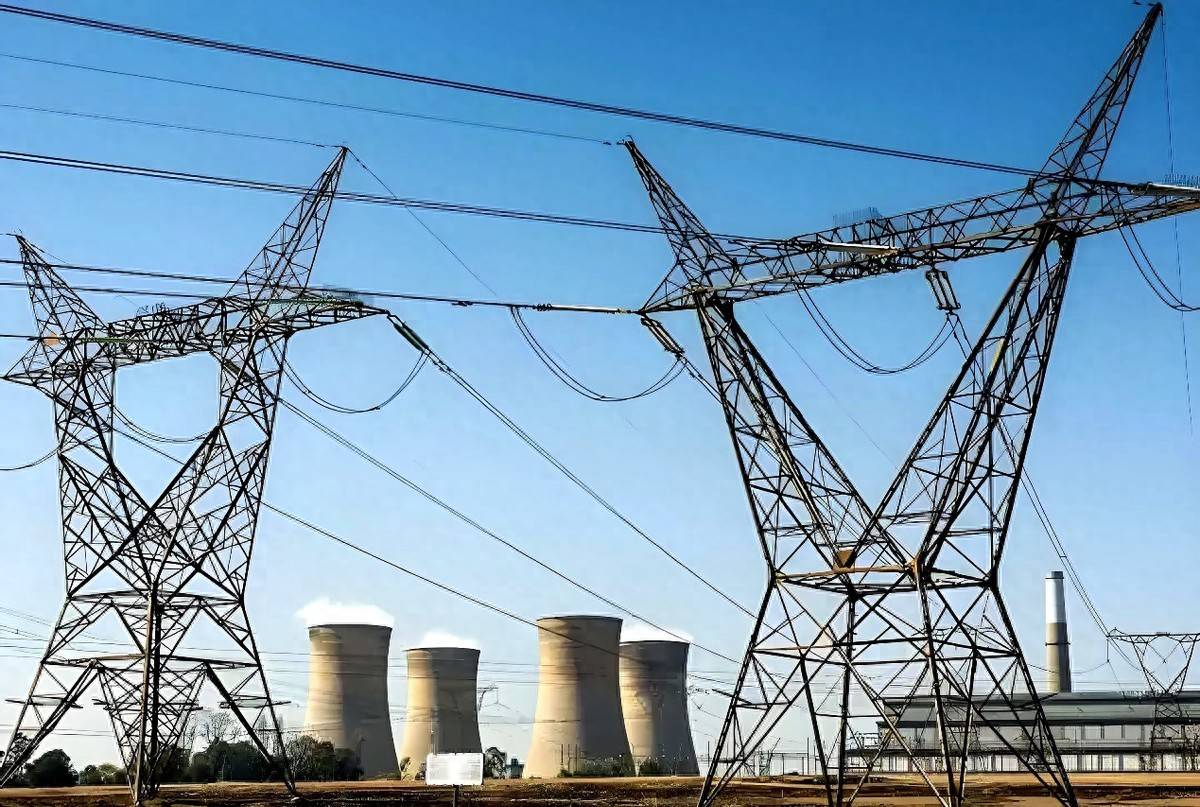
Core Viewpoint - China's electricity consumption has become a crucial indicator of its economic strength, surpassing 10.4 trillion kilowatt-hours by 2025, which is more than double that of the United States and greater than the combined total of the EU, India, Russia, and Japan [1][3][28]. Group 1: Electricity Consumption Growth - China's electricity consumption has dramatically increased from a state of power shortages 20 years ago to becoming the world's largest electricity consumer [3][28]. - The rapid growth in electricity demand is closely linked to China's extensive industrial system, which consumes significant amounts of electricity across all production stages [5][9]. - The transition from power shortages to sufficient electricity supply has been driven by substantial upgrades in China's energy system, including the development of coal, hydro, wind, and solar power [9][29]. Group 2: Structural Changes in Electricity Use - The structure of electricity consumption is evolving, with the secondary industry (manufacturing) historically dominating but now experiencing slower growth as the economy shifts towards high-quality development [11][26]. - The tertiary industry (services) and residential electricity consumption are growing more prominently, particularly in emerging sectors and the digital economy, with electric vehicle charging infrastructure expanding rapidly [13][15]. - The rise of smart home devices and electric vehicles is driving increased residential electricity demand, indicating a shift from industrial to diversified electricity consumption [18][29]. Group 3: Global Influence and Technological Leadership - China is not only a major electricity consumer but is also becoming a significant electricity exporter, with 16 countries connected to its cross-border power network, transmitting approximately 20 billion kilowatt-hours annually [20][24]. - The establishment of electricity supply relationships fosters deep cooperation and strategic ties, with China's power technology gaining importance in the global market [22][24]. - China's advancements in electricity production, equipment manufacturing, and transmission technology position it as a preferred partner for developing countries seeking sustainable energy solutions [22][24][29]. Group 4: Future Outlook - The strategic importance of electricity will continue to grow with advancements in renewable energy, digital economy, and smart devices, making it a key variable in global competition [26][29]. - China's rise in electricity consumption reflects not just economic growth but also a transformation in industrial structure and international competitiveness, marking a significant shift from past power shortages to a leading role in global electricity output [28][29].

景顺长城基金总经理康乐:主动有为,静待春来
Sou Hu Cai Jing· 2026-02-17 11:14
Group 1 - The Chinese economy is expected to show resilience and exceed expectations in industrial and service sectors due to proactive fiscal and loose monetary policies, despite uncertainties from new tariffs and international changes [2] - The Shanghai Composite Index reached a ten-year high, hitting 4000 points, with annual trading volume surpassing 400 trillion yuan for the first time [2] - The upcoming macro policies are anticipated to support a strong start for the 14th Five-Year Plan, with a focus on quality improvement and efficiency enhancement [3] Group 2 - The new technological revolution is reshaping the global economic and industrial landscape, providing new momentum for the Chinese economy, with investment opportunities in technology, overseas expansion, and domestic demand [3] - Active management based on fundamentals remains a core competitive advantage in the public fund industry, despite the increasing difficulty in generating excess returns due to changes in industry dynamics [3] - The company emphasizes a long-term investment philosophy and has built a diversified research team to enhance multi-asset allocation capabilities, particularly in the technology sector [4] Group 3 - The company has established a diverse product line targeting absolute returns across different risk profiles, including fixed income and multi-strategy products, achieving top rankings in absolute returns among large firms [5] - The company is also embracing index investment trends, expanding its index product offerings to meet diverse investor needs, including broad-based, thematic, and cross-border indices [5] - The public fund industry is undergoing a transformation from scale-oriented to investor return-oriented, with the company committed to high-quality development and improved investment performance [6]

春晚广告位争夺战:四十年国民记忆与商业暗流
创业邦· 2026-02-17 10:32
Core Viewpoint - The evolution of the Spring Festival Gala sponsorship reflects the changing landscape of China's economy and consumer behavior over the past 40 years, showcasing the transition from material scarcity to technological innovation and brand storytelling [4][24]. Group 1: 1980s to Early 1990s - The 1980s marked a period of material scarcity, where items like watches and radios were symbols of wealth and status, leading to the first brand sponsorship by 康巴丝 (Kangbasi) at the Spring Festival Gala [5][7]. - 康巴丝 sponsored the gala by trading 3,000 quartz watches for advertising, which significantly boosted its brand recognition and sales, reaching an annual production of 1.26 million watches by 1987 [8]. - The sponsorship model evolved, with 中华自行车 (Zhonghua Bicycle) taking over the sponsorship in 1995, reflecting the changing consumer demands and economic conditions [9][14]. Group 2: Mid-1990s to Early 2000s - The mid-1990s saw a surge in consumer spending, with the emergence of "标王" (advertising king) sponsorships, particularly in the liquor industry, exemplified by 山东孔府宴酒 (Shandong Confucius Feast Wine) and 秦池酒 (Qinchijiu) [11][12]. - 秦池酒's sponsorship led to a dramatic increase in sales from 1.8 billion yuan in 1995 to 9.5 billion yuan in 1996, highlighting the impact of gala sponsorship on brand visibility and sales [16]. - The era was characterized by a shift towards consumerism, with brands leveraging the gala to enhance their market presence, although some faced backlash due to quality issues [16]. Group 3: 2000s to Early 2010s - The early 2000s marked the rise of home appliance brands, with 美的 (Midea) becoming a prominent sponsor, securing 11 sponsorships from 2003 to 2014, reflecting the growing importance of brand trust [17][19]. - The cost of advertising skyrocketed, with Midea's sponsorship fee increasing from 6.8 million yuan in 2005 to 57.2 million yuan in 2011, indicating the gala's significant viewership and advertising value [21]. - Brands began to focus on storytelling and emotional connections with consumers, moving beyond mere product promotion to build brand loyalty [23]. Group 4: Mid-2010s to Present - The 2010s saw the rise of internet companies as key players in the advertising space, with platforms like WeChat revolutionizing audience engagement through interactive features like the "red envelope battle" during the gala [25][26]. - The digital transformation of the gala allowed for unprecedented levels of interaction, with WeChat reporting 10.1 billion red envelope transactions on New Year's Eve, significantly enhancing its user base [26]. - The emergence of technology companies in the gala sponsorship landscape reflects a broader shift towards innovation and digital engagement, with brands like Xiaomi and AI robotics showcasing advancements in technology [32].





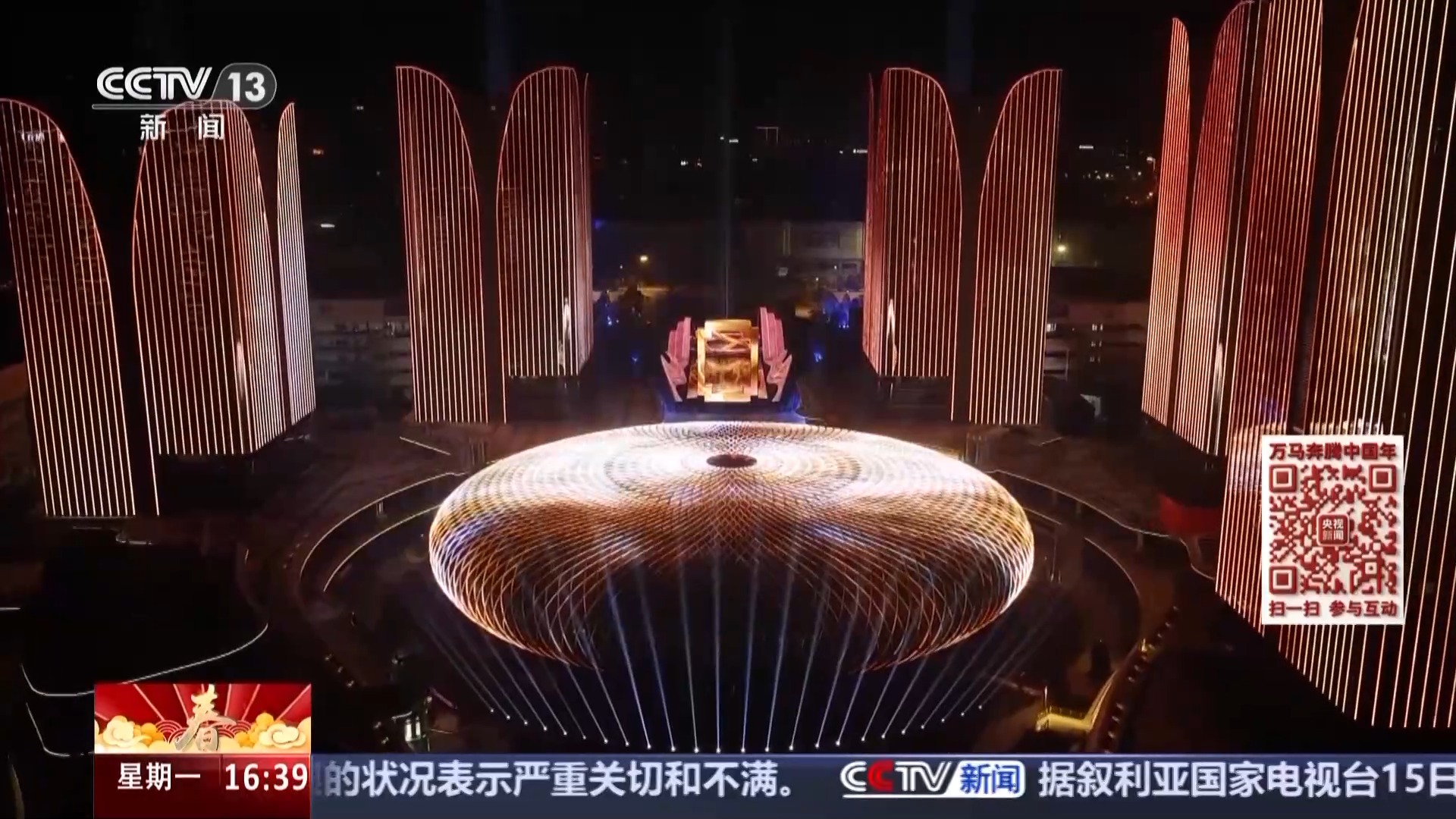
从“马路市场”到“世界超市” 看义乌分会场的国际范儿
Yang Shi Xin Wen Ke Hu Duan· 2026-02-17 04:13
Core Viewpoint - Yiwu is showcasing its international character as the starting point of the "New Silk Road," blending trade vitality with cultural warmth, and is set to enhance the Chinese New Year celebrations with its unique charm [1][2]. Group 1: Event Highlights - The main stage for the Spring Festival Gala in Yiwu is located at the Global Trade Center, referred to as the "sixth-generation market," symbolizing the evolution from a local market to a global trading hub [1]. - The stage design incorporates elements of Yiwu and Zhejiang, featuring a symbolic Chinese "window" to represent the connection between China and the world, and integrates traditional trade spirit with modern digital economy [1][2]. - The narrative of the Yiwu segment reflects the city's development from "bartering feathers for sugar" to "global trading," embodying the spirit of innovation and mutual benefit [1]. Group 2: Cultural Integration - The organic integration of Chinese and foreign cultural elements highlights Yiwu's role as a global trade hub and reflects the inclusive nature of Chinese culture [2]. - The "Small Commodity Market," a key landmark in Yiwu, serves as a source of inspiration for the event, showcasing the diversity of people and products that contribute to its global trading identity [2]. - The event will feature a mix of well-known domestic and international performers, as well as ordinary residents of Yiwu, emphasizing the city's international flavor and community pride [2]. Group 3: Technological Innovation - Technology will play a significant role in the Yiwu segment, with a focus on the dialogue between intangible cultural heritage and modern technology, creating a vibrant cultural feast [4].