AI泡沫

Search documents
AI热潮下,过早“看懂一切”本身就是风险
吴晓波频道· 2025-12-26 00:29
Group 1: AI Bubble Perspective - The current consensus is that the AI bubble exists, but discussions focus on its nature, with some considering it a "good bubble" driven by equity and productive factors, which are less dangerous [3] - Comparisons are made between the current AI landscape and the 2000 internet bubble, questioning whether the industry is in an early growth phase or nearing a frenzy similar to 1998-1999 [3][4] - The valuation of leading tech companies today, such as Nvidia, is more aligned with their earnings compared to the inflated PE ratios seen during the internet bubble [4] Group 2: Future Predictions for AI Industry - Open-source AI is expected to be sustainable, as the perceived high costs of model development are not as significant as initially thought, and open-source can create ecosystems that enhance model evolution [6] - The industry will see both mergers and acquisitions as well as innovation in niche applications, with Chinese companies likely to show stronger competitiveness by 2026 [6][7] - Major commercial pain points remain, with product retention and usage duration needing improvement through continuous iteration and refinement [7] Group 3: AI Applications and Trends - AI smartphones are anticipated to become a significant competitive factor, potentially disrupting existing platforms and requiring regulatory clarity on privacy and data issues [7][8] - The integration of AI with robotics is promising, leveraging China's existing hardware and manufacturing expertise to enhance intelligent applications [8] - The risk of AI facing a similar fate as 5G, where expectations exceed user adoption, is acknowledged, particularly regarding the sustainability of investments in data centers [8] Group 4: Individual Adaptation in the AI Era - Maintaining independent thinking is crucial, as AI can perpetuate existing biases and errors, emphasizing the need for critical engagement with AI outputs [11] - Continuous learning and embracing new productivity tools are essential for individuals to remain relevant in the evolving job market [12] - Focusing on the impact of AI within one's specific industry and adapting skills accordingly is recommended to mitigate career anxiety [13]



2026全球市场前瞻:美股处于AI泡沫初期 日美政策分化恐加大日元压力 印度或领跑新兴市场
Mei Ri Jing Ji Xin Wen· 2025-12-25 17:52
2025年,人工智能(AI)仍然是贯穿全球市场最核心的叙事之一。年初至12月19日收盘,美股"七巨 头"凭借AI布局持续领跑全球。标普500指数中科技股的权重已攀升至历史极值,进一步放大了市场对 AI泡沫是否会破裂的担忧。 当市场紧盯美股泡沫时,日本央行近日宣布加息,试图在通胀风险与生产力滞后之间寻找平衡。与此同 时,受地缘政治紧张、美国贸易政策等影响,泰国、菲律宾等市场都面临增长乏力的问题。而投资者对 印度的信心正在升温。 2026年,全球市场格局又将如何演变?对此,《每日经济新闻》记者(以下简称每经记者)近日采访了 投资研究公司Alpine Macro首席量化策略师Henry Wu、野村全球宏观研究主管苏博文、野村亚洲(除日 本外)及印度首席经济学家Sonal Varma,以及巴克莱银行日本外汇及利率策略主管Shinichiro Kadota进 行解读。 美国:美股处AI泡沫初期,距离顶部还有一段距离 对于美国市场,尤其是由"七巨头"领航、AI驱动的科技板块,估值问题已成为悬在投资者头顶的"达摩 克利斯之剑"。 "按照市盈率(P/E)、周期性调整市盈率(CAPE ratio)以及市销率(Price-to- ...
2026年全球市场前瞻:美股可能处于AI泡沫初期 新兴市场将分化
Mei Ri Jing Ji Xin Wen· 2025-12-25 14:58
2025年,人工智能(AI)仍然是贯穿全球市场最核心的叙事之一。年初至12月19日收盘,美股"七巨 头"凭借AI布局持续领跑全球。标普500指数中科技股的权重已攀升至历史极值,进一步放大了市场对 AI泡沫是否会破裂的担忧。 当市场紧盯美股泡沫时,日本央行近日宣布加息,试图在通胀风险与生产力滞后之间寻找平衡。与此同 时,受地缘政治紧张、美国贸易政策等影响,泰国、菲律宾等市场都面临增长乏力的问题,而投资者对 印度的信心正在升温。 2026年,全球市场格局将如何演变?对此,《每日经济新闻》记者(以下简称每经记者)近日采访了投 资研究公司Alpine Macro首席量化策略师Henry Wu、野村全球宏观研究主管苏博文、野村亚洲(除日本 外)及印度首席经济学家Sonal Varma,以及巴克莱银行日本外汇及利率策略主管Shinichiro Kadota进行 解读。 美国:美股或处AI泡沫初期与顶部还有一段距离 对于美国市场,尤其是由"七巨头"领航、AI驱动的科技板块,估值问题已成为悬在投资者头顶的"达摩 克利斯之剑"。 "按照市盈率、周期性调整市盈率以及市销率等多数传统估值指标衡量,美股市场无疑处于历史高位区 间。" ...
2026年全球市场前瞻:美股可能处于AI泡沫初期,新兴市场将分化
Mei Ri Jing Ji Xin Wen· 2025-12-25 14:51
2025年,人工智能(AI)仍然是贯穿全球市场最核心的叙事之一。年初至12月19日收盘,美股"七巨头"凭 借AI布局持续领跑全球。标普500指数中科技股的权重已攀升至历史极值,进一步放大了市场对AI泡沫 是否会破裂的担忧。 当市场紧盯美股泡沫时,日本央行近日宣布加息,试图在通胀风险与生产力滞后之间寻找平衡。与此同 时,受地缘政治紧张、美国贸易政策等影响,泰国、菲律宾等市场都面临增长乏力的问题,而投资者对 印度的信心正在升温。 回顾历史,Henry Wu描绘了大型科技泡沫后期阶段的典型特征:市场往往伴随着反复的、剧烈的回 调,每一次回调都促使空头们高呼"顶部已到",但紧随其后的V型复苏又迫使这些早期怀疑论者缴械投 降,直至市场弥漫着"这次不一样"的论调。 2026年,全球市场格局将如何演变?对此,《每日经济新闻》记者(以下简称每经记者)近日采访了投资 研究公司Alpine Macro首席量化策略师Henry Wu、野村全球宏观研究主管苏博文、野村亚洲(除日本外) 及印度首席经济学家Sonal Varma,以及巴克莱银行日本外汇及利率策略主管Shinichiro Kadota进行解 读。 美国:美股或处AI泡沫初 ...
2026年投资展望系列之九:2026海外,从贬值交易到加息魅影
HUAXI Securities· 2025-12-25 13:20
Economic Outlook - The global economy is expected to experience a soft landing in 2026, benefiting from the Federal Reserve's interest rate cuts and a release of inventory demand, leading to a mild recovery in global manufacturing[1] - The U.S. economy is projected to be in a soft landing mode, supported by both monetary and fiscal easing, with low overheating risks[1] Monetary Policy - The Federal Reserve is anticipated to cut interest rates by approximately 50-60 basis points, with potential for a total reduction of up to 100 basis points due to pressures from the government to lower debt financing costs and risks in the labor market[2] - The expected policy rate by the end of 2026 is around 3%, aligning with the neutral rate, which could eliminate restrictive monetary conditions[2][25] Fiscal Policy - The U.S. fiscal deficit is expected to remain around 6% in 2026, while Germany's deficit is projected to increase by approximately 0.9 percentage points to 4%[3] - The increase in the fiscal deficit in Europe may lead to a depreciation of the dollar against the euro[3] Asset Outlook - In the first half of 2026, the continuation of "devaluation" trades is expected, with global asset classes likely to see broad gains, particularly in gold and U.S. Treasuries benefiting from rate cuts[5] - In the second half of 2026, as the Fed approaches the end of its rate-cutting cycle, markets may begin to price in rate hike expectations, potentially leading to adjustments in gold and U.S. equities[5] Risks - Key risks include unexpected changes in the fundamentals of major developed economies, significant adjustments in fiscal and monetary policies, and abnormal volatility in overseas markets[6]
财联社2025年十大海外新闻
财联社· 2025-12-25 06:47
Group 1: Political and Economic Developments - Trump's return to the presidency has led to increased global uncertainty due to aggressive tariff policies aimed at reshaping the manufacturing landscape in the U.S. [2][3] - The U.S. stock and bond markets experienced significant volatility as a result of these tariff policies, prompting a shift in global capital strategies towards high-friction and high-inflation environments [3] - The U.S. Federal Reserve's three interest rate cuts in 2025 did not lead to a decrease in long-term interest rates, which remained high due to expansive fiscal policies and rising national debt [10][11] Group 2: Commodity and Asset Market Trends - Gold prices surged to over $4500 per ounce, surpassing the euro to become the second-largest reserve asset globally, indicating a shift in the traditional currency reserve system [4][5] - The MSCI global index reached historical highs, reflecting strong performance across various markets, particularly in technology and emerging markets [6][7] - Industrial metals like copper and aluminum saw significant demand due to global energy transitions and infrastructure developments, highlighting a robust physical economy [6][7] Group 3: Technology Sector Dynamics - Nvidia's market capitalization exceeded $5 trillion, marking a pivotal moment in the AI infrastructure race, although concerns about the sustainability of its growth model emerged [8][9] - The tech sector faced volatility as investors shifted focus from speculative investments to evaluating actual profit growth, raising concerns about potential bubbles in AI investments [9] Group 4: Geopolitical Tensions - The ongoing conflict in the Middle East saw a temporary ceasefire in Gaza, but underlying tensions remained, affecting global investment confidence in the region [14][15] - Military confrontations between India and Pakistan escalated, leading to significant disruptions in regional markets and highlighting the risks associated with geopolitical instability [16] Group 5: Market Sentiment and Investment Strategies - The retirement of Warren Buffett from Berkshire Hathaway prompted a reevaluation of value investing principles in a rapidly changing market landscape dominated by technology [17][18] - The cryptocurrency market experienced a dramatic downturn after a period of growth, emphasizing the volatility and risks associated with emerging digital assets [19]

被AI改写的“美国梦”
吴晓波频道· 2025-12-25 00:29
点击按钮▲预约直播 " 如今的 AI 巨头们各有分工,英伟达们埋头造芯片, OpenAI 们专注修炼 大模型 ,微软和亚马逊的云业务部门当起 AI 房东,将 GPU 数据中心租给 AI 公司使用。大家 各司其职,互有竞争与合作。而谷歌是一个稀有的全栈自研玩家。 " 文 /巴九灵(微信公众号:吴晓波频道) 蜜月 特朗普喜欢在他的社交账号上使用AI。 一张合成的照片中,他打扮成了教皇。一个合成的视频里,他身处白宫,冷眼旁观特工逮捕前总统奥巴马。夏天美国人游行抗议时,他还发了个伪 造的视频,总统先生坐在战斗机里,向抗议者们倾倒粪便。 2025年,美国的AI巨头们继续卷算力、卷参数,比拼谁家模型更聪明,技术的进步,已经能搞出以假乱真的视频和语音。内容创作成本的降低, 带来的一个后果,就是升级了特朗普的政治宣传武器。他可以更轻松直观地抹黑对手、自我加冕与歌颂、传播其政治主张。 另外一个后果,就是垃圾的批量化生产。韦氏词典和《经济学人》选出的2025年度关键词是"slop"。"slop"并非新造词,其历史可追溯至15世 纪,原意为稀烂食物或泔水。而今,它成了AI生成内容的代名词:海量、平庸、毫无个性,正在堵塞互联网。 图 ...





2026美国经济与大类资产展望(1220)
2025-12-24 12:57
1、2025年的回顾与教训 我们在年初展望中的宏观和资产判断基本正确 2026美国经济与大类资产展望: 从金发姑娘到温和再通胀 GMF Research 2025/12 但低估了(宏大)叙事对市场的影响 • 前10个月的主题:左手AI,右手(贵)金属 53.75% 27.08% 22.86% 17.18% 16.30% 16.07% 15.65% 15.31% 11.42% 7.55% 2.47% 2.04% 1.34% -5.77% -14.97% 伦敦金 COMEX铜 纳斯达克 比特币 标普50 高盛工业… 欧洲STOX… 以太坊 欧元 10年期美… 离岸人民币 日元 高盛大宗… WSJ美元… WTI原油 2025年1-10月的主要大类资产的累计回报 数据来源:GMF Research | | | 基准情形 | 风险情形1 | 风险情形2 | 风险情形3 | | --- | --- | --- | --- | --- | --- | | | 概率 | 50% | 30% | 15% | 5% | | | 宏观情景与主题 | 延续2024年软着陆走势,美国 经济温和放缓,美联储25年降 息2-3次然后停止降 ...
但斌最新发声!现在谈AI泡沫为时过早
2 1 Shi Ji Jing Ji Bao Dao· 2025-12-24 11:32
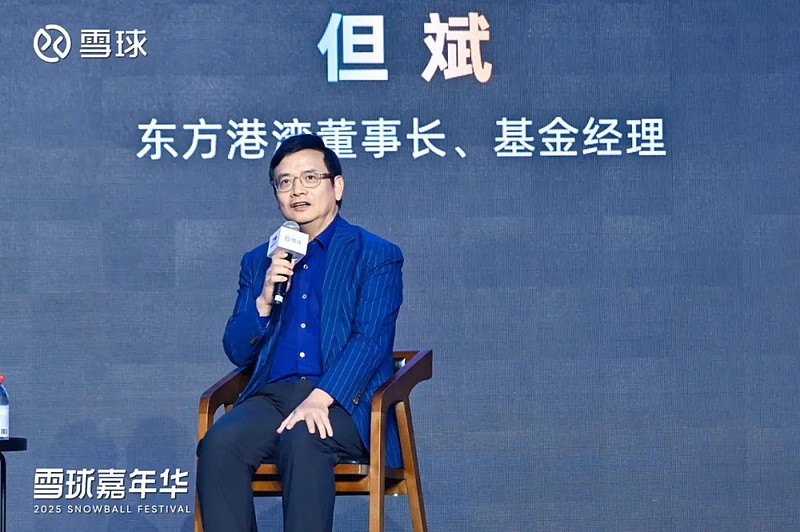
Core Viewpoint - The risk of missing an era is far greater than the risk of prematurely worrying about a bubble, as stated by Dan Bin, emphasizing the importance of adapting to rapid changes in the investment landscape [6][12]. Investment Philosophy - Dan Bin believes that the current AI revolution represents a significant opportunity comparable to the Industrial Revolution, with a potential duration of over ten years [3][16]. - The investment strategy focuses on identifying companies with long-term certainty and strong competitive advantages, particularly in the global technology sector [5][10]. Market Predictions - The year 2026 is anticipated to be a pivotal year for AI application, driven by intense competition among leading tech giants like OpenAI and Google [5][10]. - The current trajectory of the U.S. stock market resembles that of 1998, suggesting a robust recovery and growth in the AI sector [7][10]. AI and Human Development - Dan Bin posits that AI could be a crucial starting point for humanity's transition from carbon-based to silicon-based life, potentially leading to significant advancements in human civilization [4][10]. Investment Opportunities - The focus is on investing in companies that can define the future and possess a wide economic moat, with significant holdings in NVIDIA and Google as examples [5][10]. - There is a strong belief that the AI wave will create structural opportunities in the market, particularly in the context of China's economic landscape [10][11]. Advice for Investors - Ordinary investors are encouraged to leverage their ability to invest heavily in identified opportunities, as this is often more challenging for institutional investors [11][24]. - ETFs are recommended as a practical way for investors to participate in market trends, especially in technology and AI sectors [11][24]. Investment Principles - A fundamental principle is to avoid using leverage for investments, as this is considered a significant risk [12][25]. - The true safety margin in investments lies in the ability of assets to create value over the long term, rather than static valuation metrics [19][20].
直面AI泡沫争议,亚马逊云科技交出了一份实干答卷
Di Yi Cai Jing· 2025-12-24 09:29
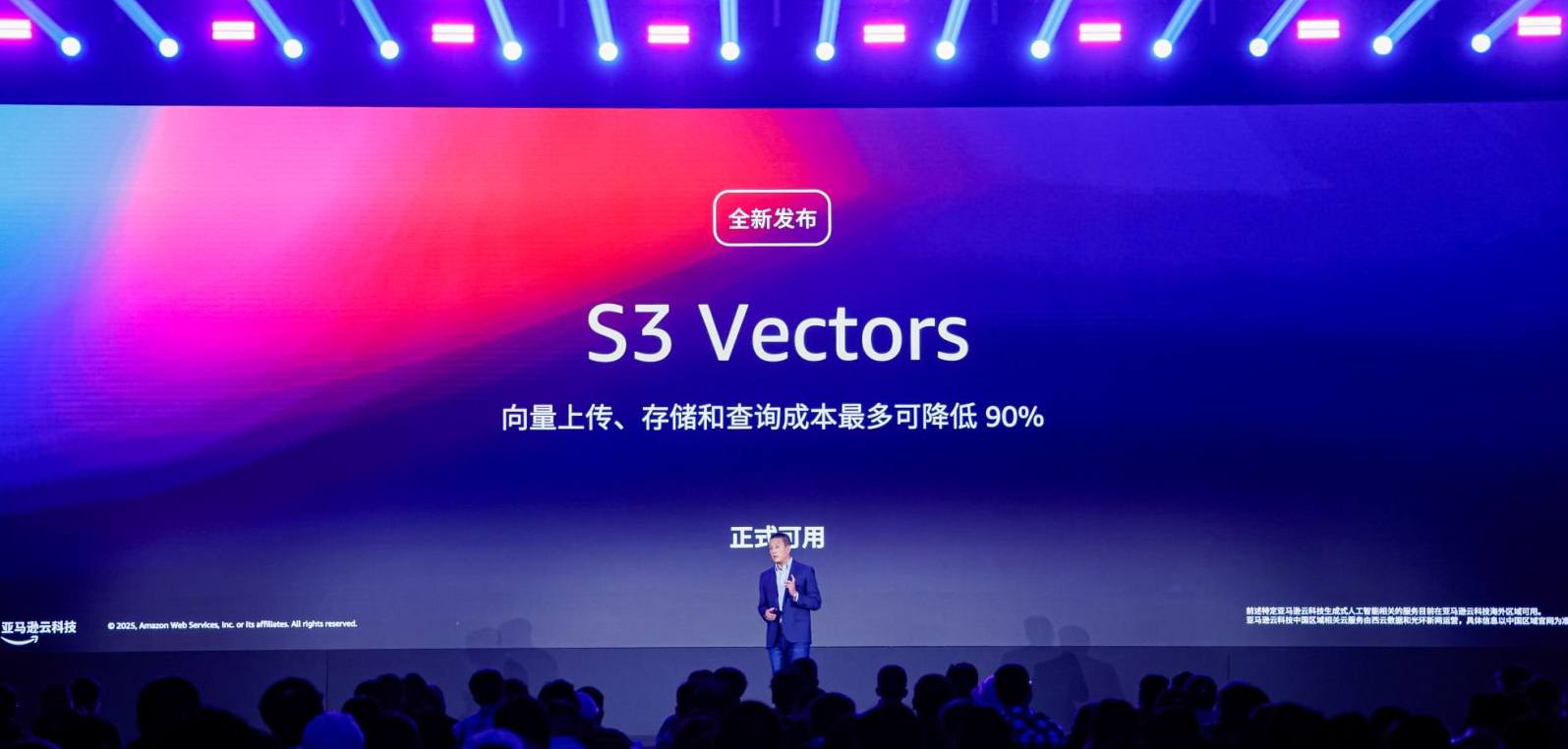
Core Insights - AI technology is undergoing a paradigm shift, evolving from simple chatbots to autonomous agents capable of complex task execution and integration into core business processes [1] - The capital market is reassessing AI investments, with discussions around the AI bubble as tech giants' spending on infrastructure reaches trillions, while short-term revenue growth appears disproportionate [1] - Amazon Web Services (AWS) is addressing market concerns by providing a systematic approach to AI cost management and infrastructure upgrades [2] Infrastructure Innovations - AWS is restructuring its AI cost model by upgrading core services, including a significant increase in Amazon S3's object storage limit from 5TB to 50TB, simplifying the handling of large models [3] - The introduction of Amazon S3 Vectors allows for the storage and management of trillions of vector data at a 90% lower cost, enhancing efficiency in data handling [4] Computing Resource Strategy - AWS employs a dual-track strategy for computing resources, ensuring compatibility with NVIDIA while developing proprietary chips like Amazon Trainium to offer cost-effective options [6][7] - The latest Amazon Trainium 3 UltraServers demonstrate a 4.4x increase in computing power and a 5x improvement in energy efficiency compared to previous generations [9] AI Model Ecosystem - AWS's Amazon Bedrock platform offers a diverse range of models, including new additions from Google and OpenAI, allowing businesses to select models tailored to their specific needs [11][13] - The launch of the Nova 2 model series focuses on cost efficiency and performance, with Nova 2 Lite designed for low-complexity tasks and Nova 2 Pro for high-demand scenarios [14][15] Agent Development Framework - Amazon Bedrock AgentCore standardizes the development of AI agents, enabling businesses to assemble agents that can independently execute tasks [16][17] - The framework allows for the integration of multiple specialized agents within a single workflow, enhancing flexibility and efficiency in task execution [18][19] Quality Control and Trust - AWS introduces a policy management feature in AgentCore to ensure compliance and control over agent actions, addressing concerns about reliability and safety [20] - The AgentCore Evaluations tool provides comprehensive performance assessments, allowing for early detection of issues during the development phase [20] Enterprise Integration - Amazon Quick Suite aims to streamline data access across various business systems, enhancing productivity by reducing the need for manual data retrieval [22] - The introduction of Amazon Transform facilitates the modernization of legacy systems, enabling smoother transitions to cloud environments [24] Software Development Evolution - The Kiro Autonomous Agent represents a shift in software engineering, allowing AI to autonomously complete tasks and collaborate with human developers [25][27] - This evolution signifies a move towards a model where AI handles routine coding tasks, freeing developers to focus on core business innovations [27]