
低利率环境

Search documents
存款利率进入0字头时代!现在存钱等于扔钱?真相扎心了
Sou Hu Cai Jing· 2025-06-15 00:50
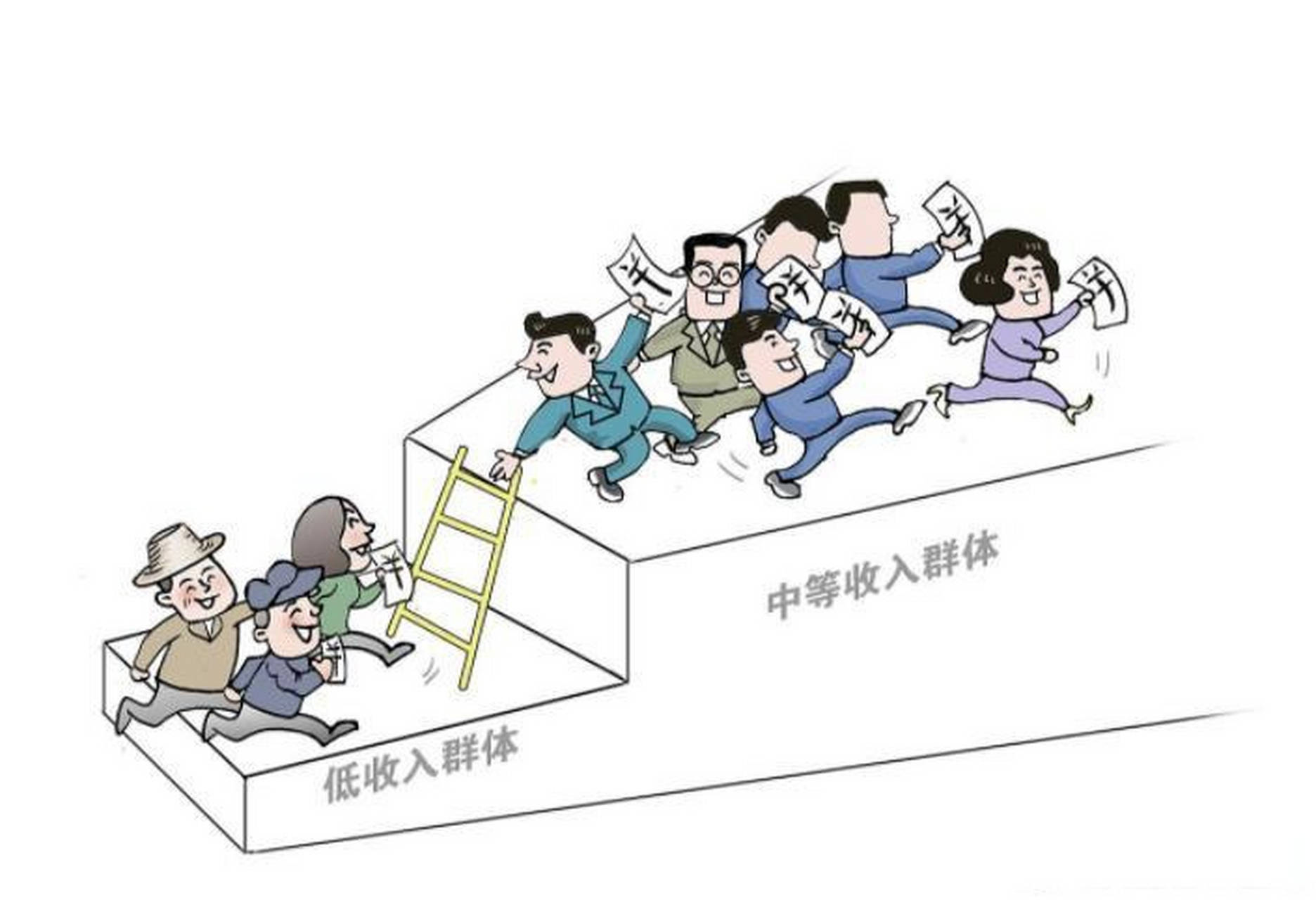
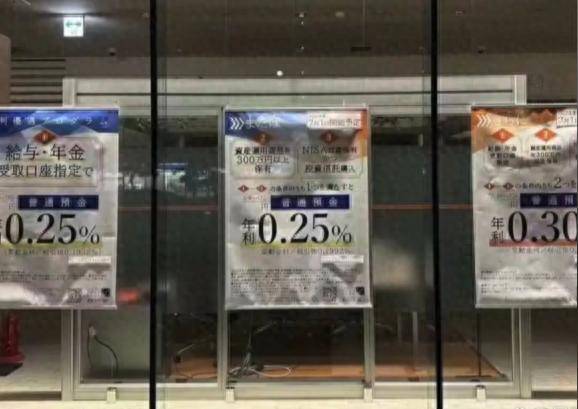
Core Viewpoint - The low interest rate environment in 2025, with savings rates dropping to around 0.05%, does not equate to currency depreciation, as the purchasing power of the RMB has actually increased in the domestic market despite lower savings returns [1][3][11]. Group 1: Interest Rate Trends - A significant reduction in deposit rates has been observed across state-owned banks, joint-stock banks, and some city commercial banks since May 20, 2025 [1]. - The trend of lowering deposit rates has also been followed by rural commercial banks and village banks, leading to public discussions about the value of the RMB [1][3]. Group 2: Economic Implications - The low interest rates reflect a relatively abundant market liquidity, reduced corporate financing costs, and a lighter government debt burden, which indirectly benefits the public through lower loan rates [3][11]. - Despite lower investment returns, the potential for increased purchasing power due to falling prices may lead to consumers obtaining more goods in the future [3]. Group 3: Investment Strategies - Effective fund management is crucial in a near-zero interest rate environment, with recommendations to allocate idle funds into different term deposits for better returns [3][5]. - Further investment options include bonds, funds, and insurance products, which can provide stable returns and risk mitigation in a low interest rate scenario [5][11]. Group 4: Impact on Income Groups - Low-income groups are less directly affected by interest rate changes due to limited savings, but may face increased employment pressure if corporate expansions do not meet market demand [7]. - Middle-income groups experience a complex situation with reduced savings returns and slower asset appreciation, necessitating careful adjustment of investment strategies [7][9]. - High-income groups are likely to seek higher-yield investment opportunities, such as stocks and real estate, while also benefiting from lower financing costs [9][11].



存款利率跌破1%!金价3300、比特币11万,如零利率来临普通人怎么办
Sou Hu Cai Jing· 2025-06-15 00:26
Core Viewpoint - The article discusses the challenges posed by a low-interest-rate environment and suggests various asset allocation strategies to mitigate inflation pressure and enhance returns in such conditions [1][3][7]. Group 1: Financial Environment - The global financial environment is becoming increasingly complex, with many individuals struggling to keep pace [1]. - Japan's zero interest rate policy since 1999 and Europe's negative interest rates since 2014 have led to a shift in asset allocation strategies among residents [1][3]. Group 2: Current Market Conditions - Gold prices have reached $3,300, and Bitcoin has surged to $110,000, while deposit interest rates have fallen below 1%, creating significant pressure on traditional savings [3]. - Major domestic banks have collectively lowered deposit rates, with one-year fixed deposit rates dropping below 1% [3]. Group 3: Asset Allocation Strategies - Personal asset management should follow a "three-part method" for diversified asset allocation [3]. - Short-term liquidity should be managed through money market funds or T+0 cash management products, with annualized rates around 1% [3]. - High-dividend stocks and REITs are recommended for stable income, with average dividend rates of approximately 3% for domestic ETFs and up to 7% for Hong Kong's high-dividend ETFs [5]. - A combination of government bonds, convertible bonds, and high-rated corporate bonds can target around 3% returns, with domestic options including policy financial bond funds and convertible bond index funds [5]. - Long-term guaranteed income can be achieved through life insurance products offering around 3% returns, although recent trends show a decline in guaranteed rates [5][7]. Group 4: Global Asset Diversification - Investors concerned about currency depreciation are advised to consider QDII index funds and gold ETFs for international asset diversification and commodity risk hedging [5]. - The article emphasizes the need for a multi-faceted investment strategy to adapt to the low-interest-rate environment and ensure asset preservation and growth [7].
5月企业债券净融资超1400亿元 业内专家:低利率背景下企业加大债券融资力度
news flash· 2025-06-13 08:45
Group 1 - In the first five months of this year, corporate bond net financing reached 908.7 billion yuan [1] - In May, corporate bond net financing exceeded 140 billion yuan [1] - Since the second quarter, the overall cost of corporate bond issuance has been on a downward trend [1] Group 2 - Corporate bond net financing has shown improvement since April [1] - The average yield of five-year AAA-rated corporate bonds was 1.97% in May, further declining from April [1] - Industry experts indicate that in a low interest rate environment, some companies are seizing favorable conditions to increase bond financing and reduce overall financing costs [1]
热门基现发行小高峰!这些创新指数也来了
券商中国· 2025-06-12 22:50
Core Viewpoint - The issuance of the CSI A500 index funds has seen a resurgence, primarily driven by small and medium-sized public funds, marking a shift from the previous dominance of large public funds [2][4]. Group 1: Fund Issuance Trends - As of June 12, there are 8 CSI A500 index-related funds currently being issued, with a notable increase in participation from small and medium-sized public funds [3][4]. - The number of fund companies involved in the CSI A500 index fund market has exceeded 75 since the fourth quarter of 2024 [5]. - The total scale of the 113 CSI A500 index funds established is approximately 2165.56 billion, with a current scale of 2964.76 billion, indicating significant growth despite some recent declines in issuance scale [5][6]. Group 2: Fund Performance and Characteristics - Among the 113 established funds, 10 have a scale exceeding 100 billion, all of which are ETFs, while 58 funds have a scale below 10 billion [6]. - The average unit net value of the 113 CSI A500 index funds is 0.997 yuan, with an average return rate of -0.23% since inception [7]. - Over 50% of the funds have a unit net value below 1 yuan, indicating challenges in performance for many newly established products [7]. Group 3: New Index Development - New strategy indices related to the CSI A500 have been developed, including the CSI A500 "Dividend" and "Quality" indices, which are expected to diversify the product offerings in the market [2][8]. - The CSI A500 Dividend Index selects 50 high-dividend stocks from the CSI A500 sample, reflecting the overall performance of high-dividend securities [9]. - The low interest rate environment is making dividends more attractive, potentially boosting stock valuations and market performance [9].

红利+:红利价值和自由现金流因何更优
2025-06-12 15:07
Summary of Key Points from the Conference Call Industry and Company Overview - The discussion revolves around the **Huafu Xinhua CSI Dividend Value Index** and the **Huafu CSI All-Share Free Cash Flow ETF**, both designed to meet investor demand for dividend assets in a low-interest-rate environment [1][2][4]. Core Insights and Arguments - **Investment Strategy**: The Huafu Xinhua CSI Dividend Value Index employs a multi-factor model focusing on defensive characteristics, aiming to provide higher returns than traditional dividend indices by reflecting the fundamentals of listed companies more timely and avoiding valuation traps [1][2][5]. - **Free Cash Flow Focus**: The Huafu CSI All-Share Free Cash Flow ETF tracks free cash flow metrics, ensuring that portfolio companies exhibit strong financial health, which helps maintain stability during market adjustments and offers sustained growth potential [2][3]. - **Market Demand**: There is a strong demand for dividend assets due to the low-interest-rate environment, with the market size for dividend ETFs growing from approximately **70 billion RMB** in September 2024 to over **120 billion RMB** by March 2025, indicating persistent demand even with rising risk appetite [4]. - **Performance Metrics**: Since 2013, the Huafu Xinhua CSI Dividend Value Index has achieved an annualized excess return of about **5%** compared to traditional indices, demonstrating its effectiveness in enhancing portfolio quality [1][5]. Additional Important Insights - **Sample Selection Criteria**: The index requires that total cash dividends exceed total refinancing amounts and that the dividend payout ratio is greater than **20%**, ensuring companies have a strong willingness and ability to return capital to shareholders [7]. - **Defensive Characteristics**: The index's defensive nature is attributed to its inclusion of market indicators and low volatility factors, allowing for timely adjustments to avoid significant price fluctuations during market downturns [12][14]. - **Industry Distribution**: The index maintains a more diversified industry distribution, with a cap of **30%** on any single industry, which contrasts with traditional indices that may have higher concentrations in specific sectors [13]. - **Comparison with Traditional Indices**: While the Huafu Xinhua CSI Dividend Value Index may underperform in bull markets, it excels in bear markets, making it a suitable long-term investment tool for risk-averse investors [11][14]. - **Free Cash Flow vs. Dividend Yield**: Free cash flow is viewed as a more comprehensive indicator of a company's financial health compared to traditional dividend yield metrics, as it reflects a company's ability to generate cash for dividends and reinvestment [15][16][17]. Conclusion - The Huafu Xinhua CSI Dividend Value Index and the Huafu CSI All-Share Free Cash Flow ETF represent innovative approaches to dividend investing, focusing on defensive strategies and financial health, which are increasingly relevant in today's low-interest-rate environment. Investors are encouraged to understand the unique characteristics of these products to optimize their investment strategies for stable and substantial returns [27].
创新药要不要止盈?
表舅是养基大户· 2025-06-12 13:31
Core Viewpoint - The article discusses the significant divergence between A-shares and Hong Kong stocks, highlighting the recent drop in the AH premium index, which has reached a five-year low, indicating potential investment strategies based on historical patterns of market behavior [1][3][4]. Group 1: AH Premium Index - The AH premium index, which measures the price ratio of A-shares to H-shares for companies listed on both exchanges, has fallen below 130, marking the lowest point since June 2020 [1][3]. - Historically, when the AH premium index drops below 130, it has often been followed by a sharp rebound, suggesting that this threshold can serve as a quantitative trading factor for investors [3][4]. - The frequency of the AH premium index dropping below 130 has increased, indicating a downward shift in its central tendency, which may suggest a new normal for the index [4][5]. Group 2: Market Trends and Predictions - Since February 2024, the market has experienced a prolonged downtrend, influenced by unprecedented interest rate declines and policy adjustments affecting institutional investments in Hong Kong stocks [5][6]. - Short-term adjustments in the Hong Kong market are anticipated due to the AH premium index falling below 130, with recent net selling by southbound funds in major internet companies indicating market pressure [6]. - In the medium to long term, the low interest rate environment may continue to push the AH premium index lower, establishing a new norm where the index remains below 130 for an extended period [6]. Group 3: Biopharmaceutical Sector - Despite the overall decline in the Hong Kong market, the biopharmaceutical sector has shown strong performance, with the Hang Seng Medical ETF rising over 50% year-to-date [8][10]. - The introduction of the 18A policy by the Hong Kong Stock Exchange in 2018 has allowed unprofitable biotech companies to list, leading to a supply advantage for innovative drug companies in Hong Kong compared to A-shares [10]. - Investors are advised to consider both long-term asset allocation in high-growth sectors and short-term trading strategies in the volatile biopharmaceutical market [12][14].

利率 - 当低存款利率遇上定存到期高峰
2025-06-11 15:49
Summary of Conference Call Records Industry Overview - The records focus on the banking industry in China, particularly the trends in deposit rates and the behavior of depositors in response to macroeconomic conditions [1][2][3]. Key Points and Arguments 1. **Economic Activity and Deposit Behavior** - The decline in economic activity has led to reduced consumer spending and corporate investment willingness. Despite falling deposit rates, the macroeconomic situation has not significantly improved, resulting in a low-risk appetite among residents who prefer fixed-term deposits [1][2]. 2. **Impact of Deposit Rates on Fixed-Term Deposits** - Current fixed-term deposit rates in China are around 1%. Historical data from Japan indicates that fixed-term deposits only significantly decline when rates fall below 0.5%. Therefore, the trend towards fixed-term deposits is expected to continue despite lower rates [1][3]. 3. **Future Trends in Fixed-Term Deposits** - A large volume of three-year fixed-term deposits is set to mature in 2025, with an estimated total of 89 trillion yuan. It is anticipated that most of these funds will be reinvested into new fixed-term products due to limited improvement in fundamentals and the attractiveness of other investment channels [5][12]. 4. **Factors Influencing Deposit Base Growth** - The growth of the deposit base is influenced by several factors: the effectiveness of monetary easing, declining risk appetite among residents, poor performance of other asset classes, and profits remitted by the central bank to enterprises and residents [7][8]. 5. **Long-Term Deposit Preferences** - Residents, particularly those with lower risk tolerance, such as older individuals, are more inclined to choose longer-term fixed deposits. This preference is reflected in the current inversion of interest rates between three to five-year terms and one-year terms [5][6]. 6. **Asymmetric Rate Adjustments** - There is an asymmetric adjustment in interest rates across different terms, with larger adjustments seen in three and five-year terms. This is a response to the current market environment and changing risk preferences [6]. 7. **Historical Context of Deposit Trends** - The increase in fixed-term deposit ratios since 2018 is attributed to declining economic activity, with both residents and enterprises opting for fixed deposits as a safer investment. This trend has persisted despite fluctuations in the broader economic environment [9][10]. 8. **Lessons from Japan's Low-Rate Environment** - Japan's experience shows that even in a prolonged low-rate environment, the overall savings scale does not significantly decrease. This suggests that in a weak economy with limited investment options, individuals will continue to save rather than invest elsewhere [11]. 9. **Banking Sector Implications** - The maturity of fixed-term deposits will have some impact on banks' asset allocation strategies, but the overall effect is expected to be limited. A portion of maturing deposits may be converted to demand deposits, but this does not necessarily translate into a shift towards other business areas [12]. Other Important Insights - The records highlight the importance of understanding depositor behavior in the context of macroeconomic conditions and interest rate trends. The insights drawn from Japan's experience may provide valuable guidance for navigating similar challenges in the Chinese market [11].
光大报告:中国居民正寻找高收益资产
3 6 Ke· 2025-06-11 02:26
Core Insights - The report indicates a significant shift in Chinese residents' wealth allocation, driven by declining deposit rates and a cooling real estate market, leading to increased investment in bank wealth management and public funds [1][6] Group 1: Asset Management Market Overview - As of the end of 2024, the global asset management market is projected to reach $128 trillion, a 12% increase from the beginning of the year, marking a historical high [1] - China's asset management market is expected to reach ¥154 trillion, growing by 10% year-on-year, also a historical high [1] - Personal funds contributed ¥54.5 trillion to the asset management market in 2024, reflecting a year-on-year growth of 12.7% [1] Group 2: Changes in Resident Wealth Allocation - The growth of financial assets among Chinese residents has surpassed that of non-financial assets for the first time since 2005, with financial assets contributing 104% to total asset growth in 2024 [3] - Financial assets now account for 47.6% of total resident assets, the highest since 2005, and an increase of 6.3 percentage points since 2018 [3] - The proportion of time deposits among financial assets is 33.6%, significantly higher than the U.S. and Japan, indicating a low-risk preference among Chinese residents [3] Group 3: Investment Behavior and Risk Appetite - The report suggests that low interest rates may lead to an increase in residents' allocation to riskier financial assets, as seen in other countries [6] - Despite the low interest rate environment, Japanese residents have shown a strong preference for cash and demand deposits, which may not be the case for Chinese residents [4][5] - A survey indicates that 24.9% of residents prefer to consume more, while 61.4% prefer to save, and 13.6% are inclined to invest, with a notable increase in those favoring stock investments [6][7]

基本功 | 低利率环境下,红利策略香在哪?
中泰证券资管· 2025-06-10 09:06
Group 1 - The core viewpoint emphasizes the importance of foundational knowledge in investment and fund selection, suggesting that solid fundamentals are essential for successful investing [2] - In a low-interest-rate environment, the article discusses the search for higher-yielding and defensive investment options, highlighting the significance of dividend strategies that focus on dividend yield and sustainability [3] Group 2 - The article mentions that dividend strategies typically target stocks with strong and stable dividend-paying capabilities, which are often characterized by stable cash flow, strong profitability, and good financial health [3]

日本首相石破茂:日本长期处于低利率环境,因此部分公众尚未体验到利率上升的感受。
news flash· 2025-06-09 04:39
Core Viewpoint - Japan has been in a prolonged low-interest rate environment, leading to a situation where a portion of the public has not yet experienced the effects of rising interest rates [1] Group 1 - The prolonged low-interest rate environment in Japan has shaped public perception and financial behavior [1] - The statement highlights a disconnect between economic policy changes and public awareness or experience [1]