
新能源转型

Search documents
2026重卡预计销113万辆 潍柴商用车动力明年冲刺51.1万台 | 头条
第一商用车网· 2025-12-09 07:05
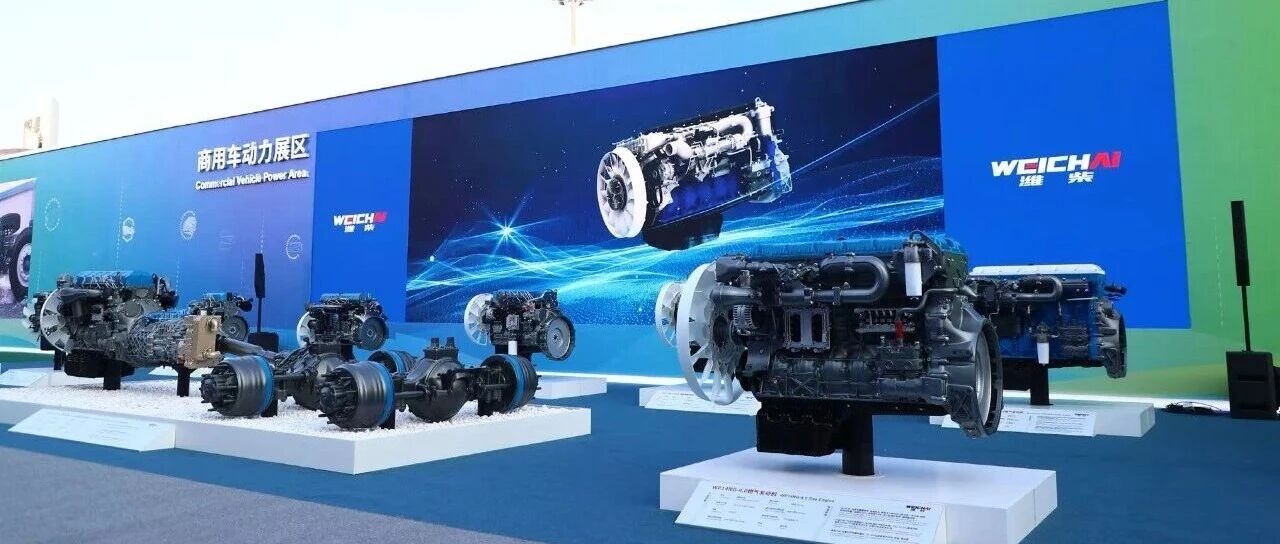
Core Viewpoint - Weichai Power has demonstrated strong performance in the commercial vehicle market in 2025, with significant growth in engine sales and exports, maintaining its leading position in various market segments. The company is optimistic about its prospects for 2026, focusing on innovation and customer satisfaction to navigate industry challenges [1][4][18]. Group 1: Performance Highlights - In 2025, Weichai's engine sales and export revenue saw substantial growth, with a market share of 34% in heavy-duty truck engines, leading the industry [4][10]. - The company achieved a 10% year-on-year increase in light truck sales, reaching 110,000 units, and a market share of 52% in the medium and large bus segment [4][10]. - Weichai's new energy products have gained significant market recognition, with the new energy vehicle sales reaching record highs [4][6]. Group 2: Technological Advancements - Weichai has focused on self-reliance in technology, achieving world-class capabilities in engine design, simulation, and virtual calibration, leading in high-efficiency internal combustion engine development [6][7]. - The company has introduced new core products such as the NG4.0 gas engine and H/T 2.0 high-efficiency diesel engine, enhancing its competitive edge [4][6]. Group 3: Future Outlook and Strategy - For 2026, Weichai has set ambitious sales targets of 450,000 traditional energy units and 61,000 new energy units, with a focus on expanding overseas markets and enhancing its product matrix [11][18]. - The company plans to launch new products like WP2.5T, WP5H, and WP14NG to cover various market segments and improve its comprehensive power solutions [11][13]. - Weichai aims to accelerate its new energy layout with innovative solutions such as CTB batteries and advanced electric motor controllers, addressing diverse customer needs [16][18].


伊戈尔(002922):深度报告:“全球造,销全球”,变压器+AIDC产品加速出海
ZHESHANG SECURITIES· 2025-12-09 00:36
Investment Rating - The report initiates coverage with a "Buy" rating for the company [6] Core Views - The company focuses on the energy and information sectors, specializing in the research, production, and sales of transformers and power supply products. Since its establishment in 1999, the company has seen significant revenue growth, with a CAGR of 35% from 2020 to 2024, and net profit growth at a CAGR of 54% during the same period [1][18] - The transformer market is experiencing upward momentum, presenting historic overseas expansion opportunities for domestic manufacturers due to increasing demand driven by renewable energy integration and data center power needs [2][31] - The company has established a strong overseas presence, with 70% of its business in North America and Europe, and is expanding its global manufacturing and sales network to enhance supply chain efficiency [3][78] - The company has a rich product matrix based on power electronics technology, including energy products, lighting products, and other incubated products, which positions it well to seize market opportunities [4][23] - The company is strategically investing in the data center sector, with significant growth potential as it expands its transformer product offerings and market reach [5][49] Summary by Sections Company Overview - The company has been deeply rooted in the power supply industry since its inception, evolving its product offerings to align with global technological trends and market demands [17] Market Dynamics - The global energy transition is accelerating, with renewable energy installations expected to reach 4600 GW from 2025 to 2030, significantly increasing the demand for transformers [33][38] - The aging power grid in developed countries is creating a pressing need for equipment replacement, further driving transformer demand [58][61] Financial Projections - The company is projected to achieve revenues of 56.37 billion, 72.89 billion, and 91.96 billion from 2025 to 2027, with respective year-on-year growth rates of 22%, 29%, and 26% [6][11] - Net profit forecasts for the same period are 2.76 billion, 5.03 billion, and 6.83 billion, with a CAGR of 33% [6][11] Competitive Advantages - The company benefits from lower production costs and a more efficient supply chain compared to overseas competitors, positioning it favorably for international expansion [72][66] - The establishment of overseas manufacturing bases enhances responsiveness to local market demands and mitigates potential trade and logistics risks [73][74]
福特中国陈晓波:整合两大网络,再造一个福特
2 1 Shi Ji Jing Ji Bao Dao· 2025-12-09 00:11
Core Insights - Ford's transformation in the Chinese market has been rapid, with the new Ford Automotive Sales Service Company officially starting operations on October 1, 2023, and completing the integration of sales and service functions within two months [1][2]. Group 1: Company Strategy - The establishment of the new Ford Automotive Sales Service Company aims to unify the management of all passenger cars, pickups, and imported vehicles in China, enhancing operational efficiency [2][3]. - The CEO of Ford, Jim Farley, expressed a strong sense of urgency regarding the rapid development of the electric vehicle industry in China, indicating that failure in this market could jeopardize Ford's future [2][3]. - The new global brand proposition "Ready Set Ford—放天性,去野行" was launched at the Guangzhou Auto Show, alongside two strategic models: the all-terrain camping SUV Ford智趣烈马 and the dynamic sedan new Mondeo [2][3]. Group 2: Leadership and Vision - Chen Xiaobo, the newly appointed president of Ford Sales Service Company, emphasized the need for a "system reboot" to realign the understanding of Ford's brand, product, and service philosophy among the team and dealers [1][5]. - The first major task after taking office was to unify the recognition of the brand among over 300 dealers, ensuring clarity on the product matrix and future actions [5][6]. Group 3: Product Development and Market Positioning - Ford aims to create a unique customer experience through channel integration and focus on user communities, aligning with the brand's new slogan [4][5]. - The company is committed to maintaining its core strengths in performance, particularly in chassis and off-road capabilities, while also integrating localized features tailored to Chinese consumers [9][11]. - Ford's approach to product development emphasizes quality and core capabilities rather than competing solely on price, aiming to meet the specific needs of discerning consumers [8][9]. Group 4: Future Outlook - A series of new products is planned for 2026, with the immediate goal of ensuring that the team and dealers are aligned for unified action [6][10]. - The Ford智趣烈马 has been well-received since its pre-sale, with significant customer interest indicating that the product is meeting market expectations [7][10].

福特中国陈晓波:整合两大网络 再造一个福特
2 1 Shi Ji Jing Ji Bao Dao· 2025-12-08 23:09
Core Viewpoint - Ford has successfully integrated its sales and service operations in China within two months, allowing consumers to access the full range of Ford vehicles under one unified brand [1][2]. Group 1: Company Strategy - The establishment of Ford Automotive Sales Service Co., Ltd. aims to enhance operational efficiency by integrating network channels, marketing, sales management, and after-sales service for all passenger cars, pickups, and imported vehicles in the Chinese market [2][3]. - The transformation is driven by a sense of urgency, as Ford's CEO Jim Farley expressed concerns about the rapid development of the electric vehicle industry in China, emphasizing the need for Ford to adapt or risk its future [2]. Group 2: Product Launch and Marketing - At the Guangzhou Auto Show, Ford unveiled its new global brand proposition "Ready Set Ford" along with two strategic models: the all-terrain camping SUV Ford Intelligent Mustang and the dynamic sedan New Mondeo, with the Intelligent Mustang priced between 229,800 to 282,800 yuan [2]. - Since the company's establishment, five new vehicles have been launched, including special editions and new models, indicating a proactive approach to product introduction [5]. Group 3: Customer Experience and Brand Identity - The company aims to create an exceptional customer experience through channel integration and a focus on after-sales service, while also promoting a brand identity that resonates with Ford owners [4][5]. - The new slogan "放天性,去野行" (Let Nature Go, Go Wild) reflects Ford's commitment to aligning its brand image with consumer expectations in China [5]. Group 4: Market Positioning and Differentiation - Ford emphasizes its core strengths in performance, safety, and off-road capabilities, aiming to differentiate itself in a competitive market by focusing on quality rather than engaging in price wars [8][9]. - The company is committed to maintaining high standards in vehicle performance while integrating localized features tailored to Chinese consumers' needs [9][11].
比亚迪:全球公务车市场的新能源破局者
Xin Lang Cai Jing· 2025-12-08 06:53
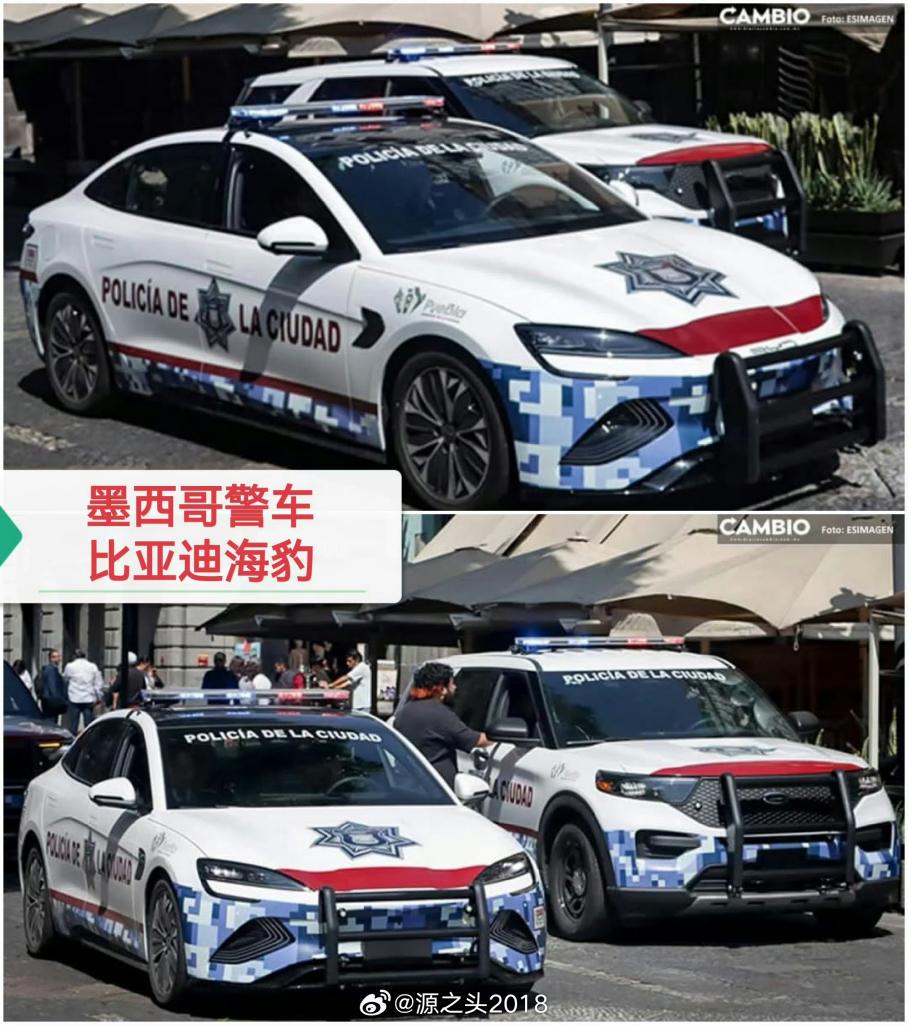
Core Insights - BYD is transforming the global public vehicle market by leveraging technological innovation and local adaptation, breaking the long-standing dominance of local and traditional luxury brands [1][8][13] Market Penetration - The global public vehicle market has historically been dominated by local brands and traditional luxury brands, with German brands holding over 60% of government procurement in Europe [1][8] - The shift towards electric vehicles is rapidly changing this landscape, with countries like Mexico, Hungary, and Brazil adopting BYD vehicles for various public service roles [3][5][6] Environmental Demand - The global push for low-carbon transitions is driving the adoption of electric vehicles in public fleets, with the EU mandating that by 2027, at least 50% of corporate fleets must be electric [5][6] - Traditional fuel vehicles emit approximately 5.08 tons of CO2 annually, while BYD's hybrid and electric models significantly reduce emissions [5] Technological Innovation - BYD's vehicles meet stringent reliability and safety standards required for public procurement, including rigorous testing for extreme conditions [9][10] - The unique blade battery technology and intelligent vehicle control systems enhance performance and reduce maintenance costs for government fleets [10][11] Sales Growth - BYD's overseas sales reached 417,200 units in 2024, with a significant increase to 917,000 units in the first 11 months of 2025, indicating a successful global strategy [12] - The share of overseas revenue in BYD's total revenue rose from 28% in 2024 to 36.5% in the first half of 2025, reflecting a shift from low-cost volume to technology-driven value [12] Industry Implications - BYD's success in the global public vehicle market illustrates a shift in the competitive landscape, moving from geographical advantages to technological value [8][13] - The transformation of BYD's approach signifies a broader change in the perception of Chinese manufacturing, emphasizing quality and innovation over mere quantity [12][13]

铝2026年策略:经济复苏叠加产能天花板,铝价重心向上
Chang Jiang Qi Huo· 2025-12-08 05:25
1. Report Industry Investment Rating No information provided in the content. 2. Core Viewpoints - In 2026, alumina prices are expected to decline with reduced volatility due to a more relaxed ore supply and a slightly oversupplied production capacity [1][29][92] - The growth rate of domestic electrolytic aluminum production will slow down significantly as the operating capacity approaches the ceiling, and imports are expected to increase to offset the supply - demand gap. The downstream demand for aluminum is undergoing a structural transformation [2][45][92] - The price of aluminum alloy will still be pegged to the price of aluminum in 2026, but its seasonal performance will be weaker than before [3][53][93] - The price of aluminum and aluminum alloy is expected to show an upward trend in 2026, driven by factors such as global economic recovery, new - energy transformation, and power construction [3][93] 3. Summary by Relevant Catalog 3.1 2025 Market Review - In 2025, aluminum prices showed a trend of oscillating upward breakthrough, divided into three stages: oscillating upward from January to mid - March, oscillating downward from mid - March to early April, and oscillating upward from early April to November. The price fluctuations were affected by various factors such as policies, tariffs, inventory changes, and macro - events [6][7][8] 3.2 Supply Side 3.2.1 Bauxite - Domestic bauxite production increased slightly in 2025, with a growth rate of 5.2% from January to November. However, production was restricted in some areas due to safety and environmental regulations. Imported bauxite increased significantly, with imports from January to October reaching 171 million tons, a year - on - year increase of 30.4%. The price of imported bauxite decreased due to increased supply. There were some disturbances in the supply from Guinea, and the political situation in Guinea may affect future supply policies [14][16][18] 3.2.2 Alumina - In 2025, alumina production increased, with output from January to October reaching 78.222 million tons, a year - on - year increase of 9.56%. The price first declined, then rebounded, and then fell again. New production capacity was limited in 2025, mainly from Guangxi Huasheng Phase II, Shandong Chuangyuan New Materials, and Hebei Wenfeng. In 2026, new overseas production capacity will be mainly in India, Indonesia, and Vietnam. Alumina production capacity is expected to be slightly oversupplied in 2026, and prices will be determined by cost, showing an oscillating downward trend [22][24][29] 3.2.3 Electrolytic Aluminum - In 2025, the built - in and operating capacity of domestic electrolytic aluminum increased slightly, with production from January to October reaching 36.8908 million tons, a year - on - year increase of 2.57%. Many enterprises resumed production due to improved profitability, while some enterprises carried out technical upgrades and maintenance, resulting in production cuts. New production capacity mainly came from Shuangyuan Aluminum, Chalco Qinghai, and others. In 2026, new domestic production capacity will mainly come from Huomeihongjun Zhalv Phase II and Tianshan Aluminum. Overseas production capacity increased in 2025, mainly in Indonesia, Russia, and other countries, and is expected to increase by 1.8 million tons in 2026. The growth rate of domestic electrolytic aluminum production will slow down significantly in 2026, and imports are expected to increase [30][35][45] 3.2.4 Aluminum Alloy - Although the import of scrap aluminum was liberalized in 2024, there was no significant increase in 2025 due to factors such as the cancellation of export tax rebates, tariff differences, and tightened trade policies in some countries. The production of recycled aluminum alloy increased steadily, and the listing of aluminum alloy futures promoted production. After the listing of the futures, the production of cast aluminum alloy increased significantly, suppressing the price difference between ADC12 and A00, and the seasonal effect was weakened [48][50][52] 3.3 Demand Side 3.3.1 Real Estate - In 2025, the real estate market continued to decline. In 2026, the real estate market is expected to continue to bottom out, and the demand for aluminum in the real estate sector will continue to decrease. However, urban renewal and affordable rental housing will support part of the aluminum demand [54][56][58] 3.3.2 Infrastructure - In 2025, the issuance of local government special bonds increased, but part of the funds was used for debt repayment, resulting in a slowdown in infrastructure investment growth. The investment in the power grid reached a new high. In 2026, with the increase in special bond quotas and the promotion of power grid construction, the demand for aluminum in infrastructure is expected to increase by 5% [59][61][69] 3.3.3 Automobile - In 2025, the automobile market had good production and sales performance, with new - energy vehicle penetration exceeding 50%. In 2026, although consumption policies are expected to be strengthened and export demand is optimistic, factors such as the reduction of new - energy vehicle purchase tax exemption and the implementation of new battery standards may lead to flat demand for aluminum in the automobile industry [70][72][75] 3.3.4 Photovoltaic - In 2025, the new installed capacity of photovoltaic increased significantly in the first half of the year but decreased sharply after June due to the "430 New Policy" and "531 New Policy". In 2026, the new installed capacity of domestic photovoltaic is expected to decline significantly, and although the overseas new installed capacity is expected to grow at a rate of 25%, the overall demand for aluminum in the photovoltaic industry is expected to decrease [76][79][82] 3.3.5 Aluminum and Aluminum Product Exports - In 2025, the net export of aluminum products decreased, mainly due to the cancellation of export tax rebates and the imposition of tariffs. The export of aluminum products increased. In 2026, due to the continuation of policies and the strengthening of the domestic aluminum price, the net export of aluminum and aluminum products is expected to decline [83][85][86] 3.4 Inventory and Supply - Demand Balance - In the first half of 2025, aluminum inventories decreased significantly, while in the second half, they increased seasonally. In 2026, the domestic electrolytic aluminum market is expected to have a shortage of 100,000 tons [88][90][91] 3.5 2026 Outlook - Alumina prices are expected to decline with reduced volatility; the growth rate of domestic electrolytic aluminum production will slow down, imports will increase, and downstream demand will transform; the price of aluminum alloy will be pegged to aluminum with weaker seasonality; the price of aluminum and aluminum alloy is expected to rise [92][93]
东风日产NX8公告图发布:定位中大型SUV 配800V+5C超充技术
Zhong Guo Zhi Liang Xin Wen Wang· 2025-12-08 03:16
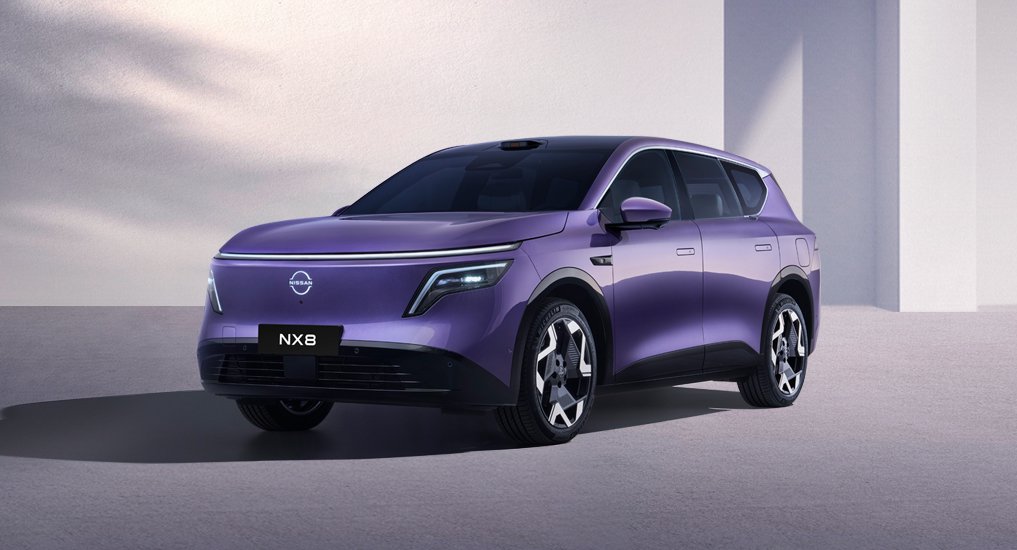
Core Viewpoint - Dongfeng Nissan has unveiled the new mid-to-large SUV NX8, which is positioned as a family SUV under the Tianyan architecture, featuring an 800V high-voltage platform and CATL's 5C ultra-fast charging technology [1][9]. Group 1: Vehicle Specifications - The NX8 measures 4870×1920×1680mm with a wheelbase of 2917mm, designed specifically for mainstream Chinese families, offering spacious interiors and comfortable seating for all passengers [3]. - The naming of NX8 indicates it is part of Dongfeng Nissan's new energy N series, targeting the mid-to-large SUV segment, and aims to enhance the brand's new energy product matrix alongside models like the N7 and N6 [4]. Group 2: Design Features - The exterior design is characterized by simplicity and spaciousness, featuring a wide front face and a 2.4-meter continuous star ring light, which reflects a modern and confident aesthetic [6]. - The side profile showcases a minimalist design with smooth lines and hidden water cuts, contributing to a clean and pure modern appearance, while offering two wheel sizes of 19 and 20 inches for personalization [6]. - The rear end features a rounded design with 2064 OLED "quantum light curtain" tail lights that support customizable lighting, enhancing the vehicle's technological appeal and visibility [8]. Group 3: Technological Advancements - The NX8 is equipped with an 800V high-voltage platform and a new generation of CATL lithium iron phosphate battery, which has undergone rigorous testing beyond national standards to ensure quality throughout its lifecycle [9]. - The vehicle supports ultra-fast charging capabilities with the 800V + 5C technology, functioning effectively in temperature ranges from -30℃ to 60℃ [9][10]. - Advanced driving assistance features include laser radar for high-speed navigation assistance (NOA), urban navigation assistance (NOA), and comprehensive intelligent parking, aimed at providing a safer and more precise driving experience [12].
兴发集团获比亚迪8万吨磷酸铁锂订单 加码布局新能源完善一体化产业链条
Chang Jiang Shang Bao· 2025-12-07 23:51
Core Viewpoint - Xingfa Group has accelerated its transition to the new energy sector by signing a lithium iron phosphate processing agreement with Qinghai Fudi, a subsidiary of BYD, to produce 80,000 tons per year of lithium iron phosphate products, which is expected to positively impact the company's performance [1][2][3]. Group 1: Agreement Details - Xingfa Group's subsidiary, Hubei Xingshun New Materials, will process 80,000 tons/year of lithium iron phosphate for Qinghai Fudi, with a contract duration of two years and an option for a one-year extension [2]. - The agreement is a recognition of Xingfa Group's production technology and product quality in lithium iron phosphate, which will help the company accumulate production experience and expand its customer base [1][3]. Group 2: Industry Context - Lithium iron phosphate has become a mainstream technology for electrochemical energy storage and electric vehicle batteries due to its high safety, long cycle life, and relatively low cost [1]. - BYD has rapidly increased its demand for lithium iron phosphate materials, with a total installed capacity of approximately 258.282 GWh in the first eleven months of 2025, reflecting a year-on-year growth of 50.9% [2]. Group 3: Company Strategy and Performance - Xingfa Group has established a complete industrial chain from phosphate rock to lithium iron phosphate, enhancing its integrated industrial advantages [5]. - The company has plans to double its phosphate production capacity during the 14th Five-Year Plan period, with a new phosphate mine expected to start production in November 2025, designed to produce 4 million tons/year [5][7]. - The company is also expanding its production capacity in other areas, including organic silicon and solid-state batteries, to further enhance its position in the new energy materials sector [6][7].

新能源车主可以卖电赚钱了:有人一个月最高赚近2万
Xin Lang Cai Jing· 2025-12-06 15:25
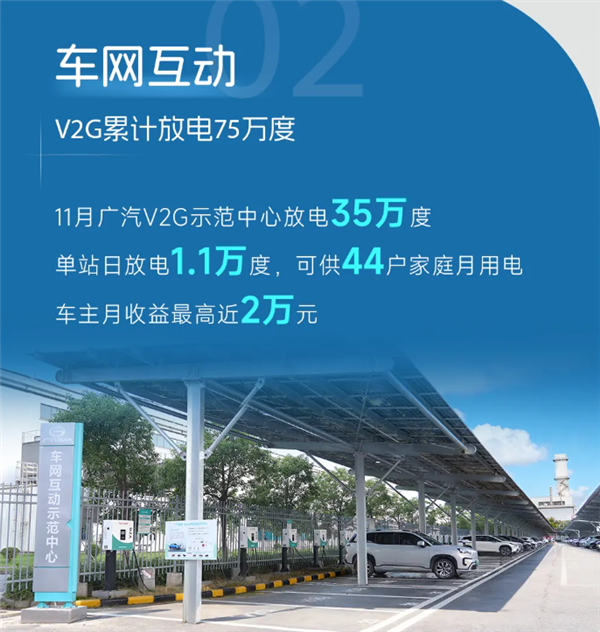
随着V2G技术的规模化推广,未来或许会有更多车主加入"卖电大军",让停车的每一分钟都变成"赚钱 时间"。 【本文结束】如需转载请务必注明出处:快科技 责任编辑:随心 快科技12月5日消息,把新能源车停在充电站,不仅不用花钱充电,还能靠"卖电"月入近2万元?这一幕 正在广汽V2G示范中心成为现实。 广汽埃安最新发布的11月数据显示,广汽V2G示范中心单月放电量达35万度,单站日放电峰值1.1万 度,相当于44户家庭一个月的用电量。 而其累计放电量已突破75万度,这背后是车主实实在在的收益:有车主通过"低谷充电、高峰放电"的模 式,月收益最高接近2万元。 反向充电(V2G)是指电动汽车通过专用充放电装置,实现与电网之间的双向能量流动与信息交互。该 技术可将车载动力电池转化为移动储能单元,通过峰谷电价差实现用户经济收益。 这些"移动充电宝"不仅缓解了电网峰谷压力,更让车主享受到了新能源转型的红利。 秒 > 新浪财经APP le Version Sina Finance Mc 24小时全球 基金资讯 下载APP > 广告 ...

欧盟高官威胁中国:我们的计划若不奏效,将用“核武器”对华反制
Sou Hu Cai Jing· 2025-12-06 02:55
Core Points - The European Union has launched the "ResourceEU" plan aimed at critical raw materials, focusing on recycling, joint procurement, strategic reserves, and investment to reduce dependence on China while avoiding further tensions in EU-China relations [1][3][6] - The urgency of the plan reflects the EU's recognition of its vulnerabilities in the critical minerals sector, where it heavily relies on imports from Africa and South America, as well as processing from China [6][20] - The plan is a response to the global competition for key minerals essential for technologies like electric vehicle batteries and semiconductors, which are crucial for future industrial dominance [5][8] Industry Insights - The EU's dependence on China is stark, with over 60% of the global market share in refining critical minerals like rare earths, lithium, and cobalt held by China, and some minerals exceeding 80% [20][21] - The "ResourceEU" plan emphasizes the need for supply chain security, which is a core interest for any economic entity, but the transition to a more self-sufficient supply chain is complex and time-consuming [23] - The EU's proposed "anti-coercion instrument" is seen as a significant economic deterrent, but its actual implementation could lead to substantial losses for European industries that are closely tied to the Chinese market [12][18] Strategic Considerations - The EU's strategy includes enhancing recycling capabilities, which currently face technological and scale limitations, making rapid implementation challenging [23] - The "anti-coercion instrument" is a collective action plan that aims to strengthen the EU's bargaining power in international trade, leveraging its large internal market [16][14] - The EU's approach reflects a balancing act between asserting its economic independence and maintaining cooperative relations with China, as both sides have intertwined interests in the critical minerals sector [25]
