车联网

Search documents
慧翰股份(301600) - 2025年6月9日投资者关系活动记录表
2025-06-10 09:06
Group 1: Company Overview and Product Offerings - The company focuses on vehicle networking smart terminals, including TBOX, eCall, battery monitoring devices, and battery swapping systems, with potential for more products in the future [2] - eCall is a critical vehicle emergency call system that enhances rescue efficiency and reduces accident fatalities, triggered either automatically or manually [4] - The company provides digital battery management solutions for clients in the new energy sector, enabling comprehensive lifecycle management of batteries [6] Group 2: Research and Development - The company emphasizes forward-looking R&D, aligning with industry trends and customer needs, resulting in a steady increase in R&D expenditure [2] - The R&D system is built on a "platform and modular" approach, allowing for rapid product development and customization based on client requirements [2][3] Group 3: Market Position and Standards - The national standard for eCall (AECS) was released on April 25, 2025, with various countries promoting eCall systems as a vital safety feature [5] - The company holds a leading position in the eCall market, having received the first EU eCall certification in China and the first NG eCall certification globally [7] Group 4: Production Capacity and Flexibility - The company operates a flexible production line capable of meeting automotive-grade product demands, with both in-house and outsourced manufacturing for non-core components [8] - Future production capacity will be adjusted based on market conditions to ensure responsiveness to demand [8] Group 5: TBOX Functionality - TBOX serves as a core controller for vehicle information interaction, enabling communication with various vehicle systems and providing essential connectivity for smart vehicle functions [10]
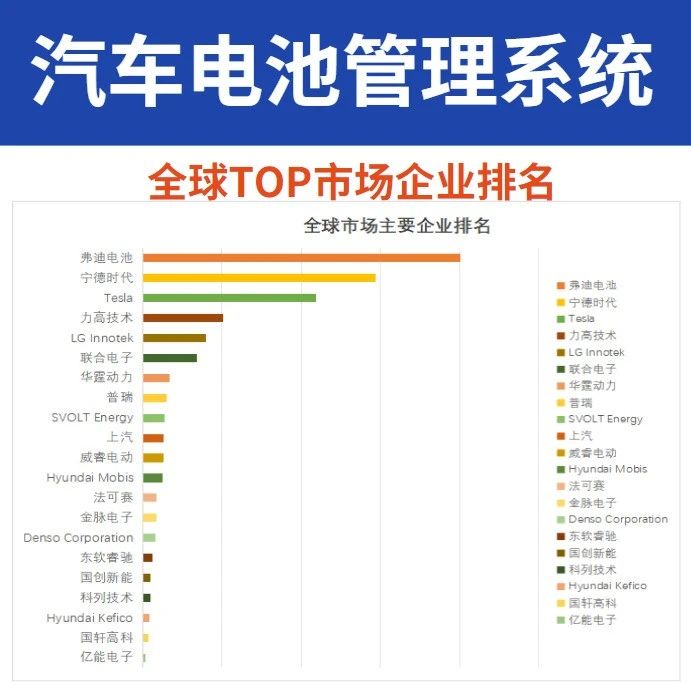
全球汽车电池管理系统市场核心生产商排名及市场占有率
QYResearch· 2025-06-10 08:13
Core Viewpoint - The automotive battery management system (BMS) market is expected to experience significant growth driven by the increasing adoption of electric vehicles (EVs) and plug-in hybrid electric vehicles (PHEVs), with a projected market size of $17.23 billion by 2031 and a compound annual growth rate (CAGR) of 17.9% from 2025 to 2031 [3]. Market Overview - The global automotive battery management system market is projected to reach $17.23 billion by 2031, with a CAGR of 17.9% [3]. - The market is primarily driven by the rising popularity of electric vehicles, supported by government policies promoting clean transportation [16]. Key Manufacturers - Major manufacturers in the automotive BMS market include companies such as Fudi Battery, CATL, Tesla, LG Innotek, and others, with the top five companies holding approximately 55.0% of the market share in 2024 [5][7]. Product Type Segmentation - Distributed BMS is the dominant product type, accounting for about 91.1% of the market share, due to its scalability and fault tolerance [10]. Application Segmentation - Battery Electric Vehicles (BEVs) represent the largest demand source, holding approximately 61.7% of the market share, driven by the need for complex battery management systems [11]. Regional Insights - The Asia-Pacific region is experiencing rapid growth in the automotive BMS market, primarily due to increasing EV production and adoption in countries like China, Japan, and South Korea [14]. - The European market is facing short-term challenges due to reduced government subsidies and economic uncertainties, but long-term prospects remain positive as the industry shifts towards BEVs [14]. Market Dynamics - Key drivers include the rapid growth of EVs and PHEVs, increasing demand for battery safety and performance, and advancements in battery technology necessitating more sophisticated BMS solutions [16][18]. - Major challenges include high costs and complex vehicle integration, as well as a lack of standardization leading to market fragmentation [19]. Industry Opportunities - Growth in connected vehicle and vehicle-to-grid (V2G) applications presents significant opportunities for BMS, enabling features like bidirectional energy flow and remote diagnostics [20]. - Emerging markets such as India, Southeast Asia, and Latin America offer substantial growth potential for affordable and reliable BMS solutions [20].

汽车芯片的未来,挑战在这10000个点
半导体行业观察· 2025-06-08 01:16
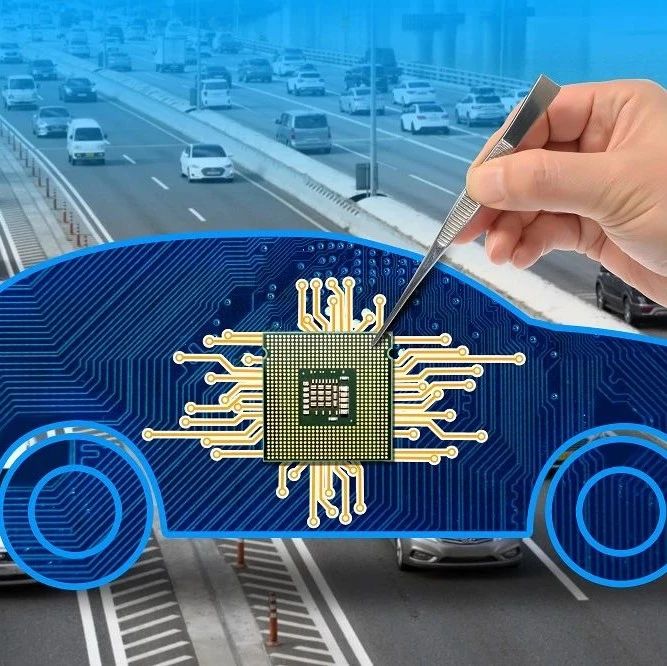
Core Viewpoint - Modern automobiles are evolving into "data centers on wheels," necessitating high-performance computing that can operate reliably under harsh conditions for 10-15 years [1][2]. Group 1: Automotive Computing Needs - The automotive industry requires not only mobility but also autonomy, safety, and continuous software updates, leading to a sustained demand for high-performance computing [1]. - The environment in which automotive systems operate is fundamentally different from that of data centers or smartphones, necessitating robust design [1]. Group 2: Role of imec - imec is positioned at the forefront of integrating mobility and microelectronics, leveraging Europe's strong automotive tradition and semiconductor strategy [2]. - The organization is conducting cutting-edge research to prepare for automotive-grade industrial applications, focusing on advanced packaging, chip architecture, and system integration [2]. Group 3: Chiplet Technology - Chiplet technology, which consists of small modular processing units, is being considered for automotive applications to meet the performance demands of autonomous and connected vehicles [3]. - The advantages of Chiplet include higher yield, cost-effectiveness, architectural flexibility, and heterogeneous integration, although challenges remain regarding long-term reliability in harsh environments [3]. Group 4: Sensor Development - imec's SENSAI project is advancing next-generation sensor technologies, including CMOS cameras and solid-state LiDAR, to enhance vehicle intelligence [4][5]. - A digital twin framework is being developed to simulate sensor configurations, helping to reduce costs and accelerate development without the need for physical prototypes [4]. Group 5: Collaborative Ecosystem - A collaborative ecosystem is essential for the successful integration of chips and sensors in vehicles, as highlighted by imec's STAR program, which aims to standardize interfaces and protocols among automotive manufacturers and semiconductor companies [5]. - The STAR program is focused on establishing consensus through workshops and forums to lay the groundwork for economies of scale in the automotive sector [5].
华为小米为何能在国产豪车领域突围 技术与营销双驱动
Tai Mei Ti A P P· 2025-06-06 00:02
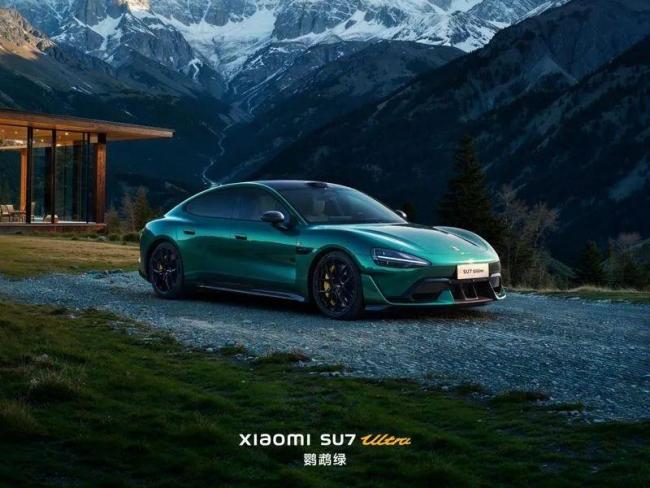
Core Insights - The article highlights the significant achievements of domestic brands in the premium automotive market, particularly the success of the AITO Wenjie M9 and Xiaomi SU7 Ultra, which have set new sales records for vehicles priced above 500,000 yuan [1][3] Group 1: Market Performance - The AITO Wenjie M9 has become the best-selling vehicle in China priced over 500,000 yuan, marking the first time a domestic brand has achieved this milestone [1] - The Xiaomi SU7 Ultra has sold over 2,000 units for two consecutive months, representing the first instance of a domestic sedan exceeding 1,000 units in monthly sales within the 500,000 yuan price range [1][3] Group 2: Competitive Landscape - In the 300,000 yuan and above segment, brands like Li Auto and NIO have already made significant breakthroughs, but only Huawei and Xiaomi have excelled in the 500,000 yuan and above category [3] - The success of the Wenjie M9 and Xiaomi SU7 Ultra illustrates that the paths taken by traditional luxury brands remain effective in the new energy era, despite other brands like BYD and Geely attempting similar strategies [3] Group 3: Technological Leadership - Huawei, while not manufacturing vehicles, leads the industry in high-level intelligent driving assistance, integrated control systems, and vehicle networking technologies [3] - BYD has strong technological capabilities, including emergency floating functions and active suspension systems, but has struggled in the 500,000 yuan market due to an incomplete product line [3] Group 4: Brand Positioning - Tesla initially built its brand image through performance, with the Model S Plaid breaking the Nürburgring record, while NIO's EP9 set a record but failed to maintain brand strength due to limited production [4] - The Zeekr 001 FR, focused on track performance, has not established a foothold in the 500,000 yuan market due to late market entry and poor sales strategy [4]

智能汽车ETF(159889)午后涨超1.1%,Robotaxi商业化提速或催化板块估值
Mei Ri Jing Ji Xin Wen· 2025-06-05 06:54
Group 1 - The core viewpoint is that the commercialization of Robotaxi is expected to accelerate as domestic and international companies increase their investments in this sector [1] - Xiaoma Zhixing reported a 200% year-on-year growth in Robotaxi business revenue in Q1 2025, with plans to expand its fleet to 1,000 vehicles by the end of the year [1] - Tesla plans to launch its autonomous taxi service in June and gradually expand its scale [1] Group 2 - WeRide's Robotaxi revenue accounted for 22.3% of total revenue, showing a year-on-year increase of 10.4 percentage points, and it is deepening cooperation with Uber [1] - NVIDIA is applying AI models to autonomous vehicles and has partnered with Mercedes to launch a fleet [1] - Baidu's Apollo Go service recorded over 1.4 million autonomous driving orders in Q1, representing a 75% year-on-year growth [1] Group 3 - The high-level autonomous driving sector requires support from regulatory and testing systems, indicating a new phase for automotive technology services [1] - The value and penetration rate of the autonomous driving segment are expected to increase, presenting significant benefits [1] - The Smart Car ETF (code: 159889) tracks the CS Smart Car Index (code: 930721), which includes listed companies involved in smart driving, vehicle networking, and new energy vehicles [1]
6月3日A股收评:沪指反弹0.43%:创新药领涨暗藏产业密码,银行股稳如泰山透露资金新动向
Sou Hu Cai Jing· 2025-06-03 17:42
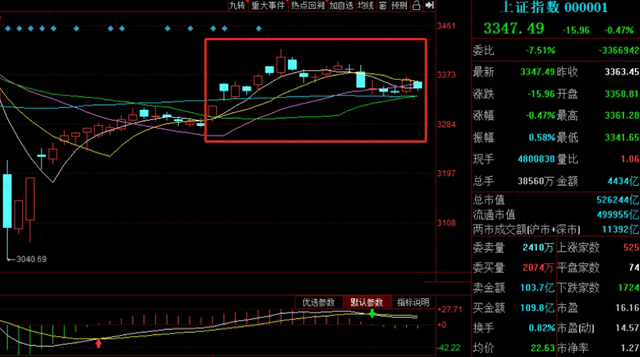
各位老铁,这里是帮主郑重的收评时间。今天这市场啊,就像端午节包粽子——外面看着热闹,里头藏着门道。沪指涨了0.43%,深成指和创业板指也跟着 回暖,但仔细看,近3400只个股上涨的背后,资金明显在玩"抓大放小"的游戏。咱们今天就拆解拆解,这反弹里到底藏着啥玄机。 先说指数反弹的"底气"从哪来 今天市场能反弹,跟政策预期升温脱不了干系。最近市场对稳增长政策的期待越来越强,加上外资回流的迹象,让不少观望资金试探性进场。不过成交量只 放量了4个亿,说明大家还是有点犹豫,就像煮粽子时火候不够,米粒还没完全开花。这时候得盯紧北向资金的动向,它们要是持续加仓,反弹才有持续 性。 创新药板块爆发:政策松绑+研发提速的双击 创新药今天集体嗨了,舒泰神、海南海药这些票涨停,可不是偶然。去年开始,创新药审批流程大幅缩短,加上老龄化带来的刚性需求,这个板块就像压紧 的弹簧。我跟药企研发总监聊过,现在一款创新药从立项到上市周期比三年前快了30%,这就好比做菜从慢炖变成高压锅,效率上去了,利润空间自然就打 开了。不过要提醒老铁们,别光看涨停就追高,得看企业真正的研发管线厚度,有些票可能只是蹭概念。 银行股稳如泰山:高股息成避风港 沪农 ...





6月3日晚间公告 | 四维图新与阿里云签署合作协议;融发核电中标1.89亿元核电项目
Xuan Gu Bao· 2025-06-03 12:04
一、停复牌 1、慈星股份:拟购买顺义科技75.00%股份,股票复牌。公司主营业务将新增装备健康管理系统、智能 检测设备、维修保障设备及模拟仿真设备的研发、生产与销售。 2、菲林格尔:金亚伟成为实际控制人,股票复牌。 二、并购重组 英特集团:英特药业以3.69亿元的价格成功竞得华通医药100%股权。 三、回购 4、赛力斯:5月赛力斯汽车销量36,450辆,同比增长13.19%。 5、恒星科技:拟在越南设立公司建设年产15万吨高性能预应力钢绞线项目。 6、风范股份:中标约2.28亿元国家电网项目。 7、德尔股份:拟投资3亿元建设新型锂电池及智能电机产业化项目。 8、大族激光:控股子公司大族数控向香港联交所递交上市申请。 固德威:拟以1亿元-1.5亿元回购股份。 四、投资合作、经营状况 1、四维图新:与阿里云签署战略合作框架协议。双方计划在大模型应用、辅助驾驶及车联网等领域展 开深度合作。 2、融发核电:公司一级全资子公司烟台台海玛努尔核电设备有限公司收到中广核工程有限公司发来的 《中标通知书》,确认烟台台海核电为TY项目3、4号机组LOT120G主管道中标单位,中标金额为1.89 亿元。 3、信捷电气:空心杯电机 ...

5月十大牛股出炉:中邮科技逾157%涨幅问鼎榜首
Di Yi Cai Jing· 2025-06-02 01:33
Market Performance - As of May 30, the Shanghai Composite Index increased by 2.09% in May, the Shenzhen Component Index rose by 1.42%, and the ChiNext Index gained 2.32% [1] Top Performing Stocks - The top-performing stock in May was Zhongyou Technology, with a cumulative increase of 157.28%, driven by the dual forces of cost reduction and intelligent upgrades in the logistics industry [3][6] - Shutaishen ranked second with a cumulative increase of 145.37%, attributed to its innovative drug projects [3][7] - Wangzi New Materials achieved a 108.37% increase, with significant media attention on its involvement in controlled nuclear fusion [3][8] - Hezhuan Intelligent also saw a 108.16% increase, supported by its core component manufacturing capabilities for Tokamak devices in nuclear fusion applications [3][10] - Luqiao Information, a company listed on the Beijing Stock Exchange, experienced a 102.64% increase, focusing on information technology solutions in the transportation sector [3][11] - Chengfei Integration recorded a 99.52% increase, with its main business in automotive parts and tools [3][12] - San Sheng Guojian had a 99.45% increase, following a significant licensing agreement with Pfizer for its innovative drug [3][13] - ST Yazhen saw a 93.14% increase, linked to a change in its controlling shareholder [3][14] - Zhongzhou Special Materials, another controlled nuclear fusion concept stock, increased by 92.87%, although its products are not yet applied in that field [3][15] - Qifeng Precision Engineering, a military stock, increased by 90.58%, with a focus on aerospace and rail transportation markets [3][17]

智能驾驶概念集体走强 德赛西威、捷顺科技午后涨停
news flash· 2025-05-29 05:35
Core Viewpoint - The concept of autonomous driving is experiencing a significant rally, with multiple companies in the sector seeing substantial gains in their stock prices [1] Group 1: Market Performance - Companies such as Desay SV and Jieshun Technology reached their daily limit up, indicating strong investor interest and confidence in the autonomous driving sector [1] - Other companies like Luqiao Information, Wanma Technology, Derun Electronics, and Jinli Technology also hit their daily limit up, showcasing a broad-based rally in the market [1] - Stocks such as Yunxingyu, Jike Technology, Zhongyou Technology, and Jingjin Electric saw increases of over 10%, further highlighting the positive momentum in the industry [1]

美国拟为卫星通信释放大量频谱资源,卫星互联网“军备竞赛”升级,卫星ETF(159206)冲击四连涨!
Sou Hu Cai Jing· 2025-05-29 02:25
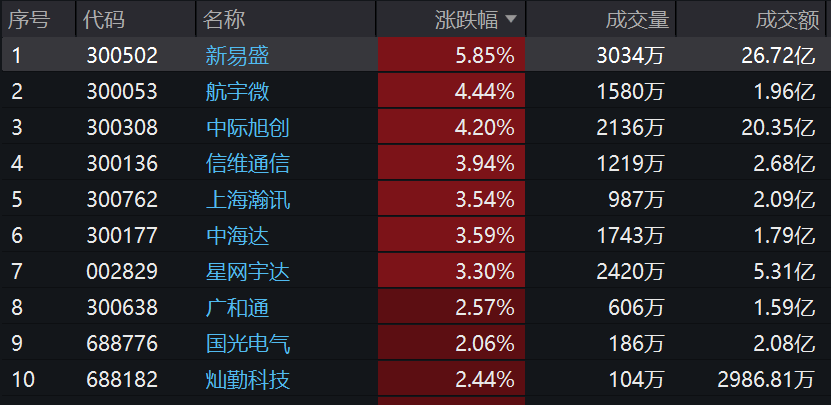
Core Viewpoint - The satellite ETF (159206) is experiencing significant activity, driven by the recent announcement from the FCC to expand satellite communication frequency spectrum, which is expected to enhance the satellite communication industry and stimulate competition [1][2][3]. Group 1: Market Activity - As of May 29, the satellite ETF (159206) rose by 1.52% in early trading, with key component stocks such as Xinyisheng increasing by over 5% [1]. - The top-performing stocks within the ETF include: - Xinyisheng: +5.85%, trading volume of 30.34 million, market cap of 26.72 billion - Hangyuwei: +4.44%, trading volume of 15.80 million, market cap of 1.96 billion - Zhongji Xuchuang: +4.20%, trading volume of 21.36 million, market cap of 20.35 billion - Xinyu Communication: +3.94%, trading volume of 12.19 million, market cap of 2.68 billion - Shanghai Huanxun: +3.54%, trading volume of 9.87 million, market cap of 2.09 billion [2]. Group 2: Industry Developments - The FCC plans to release over 20,000 MHz of frequency resources to support the development of low Earth orbit (LEO) satellites and next-generation satellite broadband services, addressing the spectrum shortage faced by the commercial space and satellite internet sectors [3]. - Recent advancements in ground communication technology have achieved a record communication speed of 2100 Mbps in the X-band, marking a 75% increase in microwave communication code rate [3]. - The satellite internet sector is rapidly evolving, with regular satellite launches increasing communication capacity and reducing latency, paving the way for applications like direct satellite connections for mobile broadband and intelligent driving systems [3]. Group 3: Future Outlook - The satellite communication industry is positioned as a foundational technology for the development of 6G, vehicle networking, and the Internet of Things (IoT) [3]. - The Chinese satellite industry is expected to enter a phase of mass satellite deployment by 2025, with both state-owned and private enterprises collaborating on low-cost satellite manufacturing [3].