产品创新

Search documents
BARINGTON Loads Up Bath and Body Works With 125,000 Shares Bought
The Motley Fool· 2025-12-05 17:58
Core Insights - Barington Companies Management, LLC initiated a new position in Bath & Body Works, acquiring 125,000 shares valued at $3.22 million, representing 2.42% of its total reportable assets of $133.17 million as of September 30, 2025 [2][3] Company Overview - Bath & Body Works, Inc. operates 1,755 company-owned retail stores and has a significant online presence, focusing on strong brand recognition and a robust product pipeline to maintain customer loyalty [5] - The company generates revenue primarily from direct retail sales in the U.S. and Canada, supplemented by international licensing and wholesale arrangements [8] - As of November 12, 2025, Bath & Body Works reported a revenue of $7.37 billion and a net income of $699 million, with a dividend yield of 3.57% [3] Investment Position - Barington's investment in Bath & Body Works is relatively small at 2.42% of its assets under management, which is notable given the fund's concentrated portfolio of only 12 stocks [9][10] - The stock has experienced a one-year total return of -27.15%, significantly underperforming the S&P 500 by 41.22 percentage points [7] - The P/E ratio of Bath & Body Works was 7 at the time of the filing, which may have attracted Barington to this investment [11] Market Performance - As of November 12, 2025, Bath & Body Works shares were priced at $22.40, with a market cap of $4 billion [12] - The stock has been on a downward trajectory since February, and it may take time for Barington to see positive returns on this investment [10][13]



宝兰黄金完成融资;茶芭乐油柑茉莉茶上新;Nike高层大调整
Sou Hu Cai Jing· 2025-12-05 09:00
Investment Dynamics - Baolan Gold has completed over 100 million RMB in Series A financing, led by Challenger Capital, with participation from Kering Group and Shunwei Capital [3] - The funds will be used to deepen brand value, expand channel layout, upgrade supply chain resilience, and empower core talent, further consolidating its advantage in the high-end gold jewelry sector [3] Acquisition Dynamics - JD.com has acquired 85.2% of Ceconomy, a leading European consumer electronics retailer, for approximately 2.2 billion euros (about 181 billion RMB) [6] - This acquisition allows JD.com to access Ceconomy's established offline store network and local supply chain, aiming to transform stores into instant retail warehouses and reduce delivery times from 2-3 days to hours [6] - This deal marks the largest acquisition by a Chinese e-commerce company in Europe, enhancing JD.com's overseas business growth [6] - Canadian plant-based snack company Trubar has been acquired by Turkish food company ETİ Gıda for approximately 201 million CAD (about 10 billion RMB) [8] - The acquisition is expected to be completed by Q1 2026, with Trubar's shares delisting from the Toronto Stock Exchange [8] - The deal may open a window for mergers among local startups in the Canadian plant snack market [8] Brand Dynamics - COS, a brand under H&M Group, will reopen its flagship store in Beijing's Sanlitun on December 24, with plans for additional stores in Dalian, Jinan, and Wuhan by early 2026 [9] - The flagship store's design integrates contemporary minimalist aesthetics with Beijing's cultural heritage, reflecting the brand's alignment with local culture [9] - COS aims to strengthen its presence in first-tier and new first-tier cities in China [9] - Let Tea has launched its "Guava Oil Kumquat Jasmine Tea" across all channels, expanding its no-sugar fruit tea category [16] - The new product features a health-focused formula with zero sugar and calories, combining guava and kumquat flavors for a unique taste [16] - This launch is expected to enhance Let Tea's position as a leader in the no-sugar fruit tea segment and drive industry upgrades [16] - French fashion brand Etam has announced its complete withdrawal from the Chinese market, closing its online stores on platforms like Tmall and Xiaohongshu [17] - This marks the end of Etam's operations in China after over 30 years in the market [17] Personnel Dynamics - Nike has announced significant executive changes, including the elimination of the Chief Commercial Officer position and the departure of the Chief Technology Officer [21] - A new Chief Operating Officer has been appointed, with expanded responsibilities including leadership of the technology department [21] - These changes are part of Nike's strategy to drive growth and performance [21] - Valentino has appointed Davide Tosi as Chief Merchandising Officer to lead global product planning and pricing strategies [24] - Tosi's experience with brands like Gucci and Prada is expected to help Valentino address revenue declines [24] - Former public relations head of Shui Jing Fang, Hong Zonghua, has joined PepsiCo as Vice President of Corporate Affairs for the Asia-Pacific region [27] - Hong's extensive background in public relations and government relations in foreign consumer companies is seen as a valuable asset for PepsiCo [27] - Fendi has appointed Francesca Leoni as the new Global Chief Communications Officer, succeeding Cristiana Monfardini [30] - Leoni brings over 25 years of experience in the luxury goods sector, aiming to enhance Fendi's brand strategy and public relations efforts [30]



月亮盈利迷途:战略失衡与创新迟滞的双重困局
Xin Lang Cai Jing· 2025-12-05 04:36
Core Insights - The company, Blue Moon, is facing a significant profitability crisis despite its collaboration with top livestreamers to boost sales, indicating a strategic dilemma in its operations [1][5]. Group 1: Strategic Misalignment - Blue Moon's current predicament stems from an over-reliance on online channels, particularly e-commerce livestreaming, which has led to a "channel tax" that pressures profit margins [2][6]. - The brand has distanced itself from traditional offline channels, resulting in a weakened connection with everyday consumers and a lack of a stable offline foundation to buffer against rising online costs [2][6]. - This "one-legged" channel strategy has diminished Blue Moon's bargaining power with increasingly dominant online platforms and influencers, further squeezing profit margins [2][6]. Group 2: Innovation and Product Matrix Challenges - Blue Moon's pace of product innovation has lagged behind market changes, failing to introduce disruptive product concepts after establishing itself with "deep cleaning" as a key innovation [3][7]. - The company has become overly dependent on its laundry cleaning product line, lacking a diversified product matrix to address the growing segmentation in the home cleaning market [3][7]. - Brand reputation is under threat due to product quality controversies and negative publicity, eroding consumer trust and diminishing appeal among younger demographics [3][7]. Group 3: Need for Strategic Reevaluation - In the ever-evolving consumer goods industry, Blue Moon must rediscover its innovative spirit and find a new balance between maintaining its core offerings and embracing change [4][8]. - As consumers begin to scrutinize the true costs of livestream sales, it may be time for Blue Moon to reassess its strategic direction [4][8].
霸王茶姬20251204
2025-12-04 15:37
Summary of Cha Ji Company Conference Call Company Overview - **Company**: Cha Ji Company - **Industry**: Tea and Beverage Key Financial Metrics - Total net revenue for Q3 2025 decreased by 9.4% year-over-year to **32.083 billion RMB** [2] - Non-GAAP net profit margin was **15.7%**, indicating profitability [2] - Global tea house network expanded to **7,338 locations**, with **300 new openings** including **54 overseas** [5] - Overseas market GMV grew by **75.3%** to **300.3 million RMB** [2] - Total GMV in Greater China decreased by **6.2%** to **7,629.2 million RMB** [5] - Average monthly GMV per tea house was **378,506 RMB** [5] - Total registered members reached **222 million**, a **36.7%** increase year-over-year [7] Strategic Initiatives - **High-Quality Development Strategy**: Focused on four dimensions: brand, product, experience, and channel [3] - Brand: Creating value through tea culture and expanding user base [3] - Product: Prioritizing product excellence and upgrading raw materials [3] - Experience: Creating engaging content and emotional connections [3] - Channel: Emphasizing store quality and sustainable growth [3] Product Innovation - Launched low-caffeine Jasmine Green Tea Latte and Bo Ya Jasmine Green Milk Tea, the latter winning the **World Beverage Innovation Award** [2][6] - PG Oolong Milk Tea performed well in the Asia-Pacific region [6] Membership and Franchise Network - Membership ecosystem showed strong growth with a **1.5 million** increase in members quarter-over-quarter [7] - Franchise network stability reflected by a low store closure rate of **0.3%** for three consecutive quarters [7] Future Growth Expectations - Short-term same-store sales growth expected to face pressure, but long-term outlook remains optimistic [8] - Continued focus on product innovation and brand investment, alongside operational efficiency improvements [8] - Board approved a special cash dividend of **92 cents per share**, totaling approximately **$177 million**, to be paid on December 15, 2025 [8] Brand and Market Expansion - Upgrading brand experience through T House and specialized tea culture theme stores [9] - Successful overseas market expansion into the Philippines and Vietnam, with over **200 stores** in Malaysia [4][14] - Localized products and marketing strategies have shown success in Southeast Asia [15] Channel Strategy - Strong channel strategy with **300 new store openings** this quarter [13] - Highlight stores like Hong Kong Super Tea Restaurant and pop-up stores during the Shanghai Master Competition to enhance brand visibility [13] Product Quality and Consumer Experience - Implementing a **4.0 upgrade** for product quality, including strict standards and improved core materials [10] - Expanding product categories and enhancing customer experience through new consumption scenarios [11] - Optimizing membership system to increase member engagement and repeat purchase rates [12]
聚焦创新与开放,菲诺张凯为嘉兴“十五五”发展及民营经济升级献智
Sou Hu Wang· 2025-12-04 08:06
Core Insights - The meeting in Jiaxing focused on the "14th Five-Year Plan" for economic development, with a particular emphasis on the plant-based industry and the contributions of Fino Group [1] Group 1: Industry Growth and Challenges - The plant-based industry is experiencing rapid growth but faces challenges such as insufficient technological breakthroughs and product homogenization, with "specialization and full-chain integration" identified as key solutions [2] - Fino aims for counter-cyclical growth by 2025, with its coconut-based business leading the industry and oat milk becoming a new growth point [2] Group 2: Strategic Recommendations - Three key recommendations were made to enhance industry development: 1. Strengthening technological innovation through the establishment of an innovation consortium led by the government, with Fino willing to open its R&D platform for collaborative efforts [3] 2. Deepening industry chain collaboration by integrating local特色资源 with industries, using the tea and coffee industry park as a model for creating a full-chain benchmark [3] 3. Optimizing global support by establishing a cross-border service platform to assist companies in expanding internationally, as demonstrated by Fino's operations in Indonesia [3] Group 3: Support for Jiaxing's Industrial Upgrade - Recommendations for the "14th Five-Year Plan" include: 1. Incorporating the plant-based industry into key cultivation directories to create a特色产业地标 [4] 2. Deepening "delegation, management, and service" reforms to optimize the innovation ecosystem and activate internal corporate dynamics [4] 3. Seizing open opportunities to promote cooperation with "Belt and Road" countries, thereby releasing industrial synergy effects [4] - Fino's growth is attributed to Jiaxing's support, and the company aims to continue promoting entrepreneurial spirit and innovation in the plant-based sector, contributing to Jiaxing's development as a significant city in the Yangtze River Delta [4]
研判2025!中国槟榔行业产业链、销量、进出口、竞争格局及发展趋势分析:行业销量回升,未来产品朝着健康化方向发展[图]
Chan Ye Xin Xi Wang· 2025-12-04 01:17
Core Insights - The demand for betel nut products is increasing due to rising living standards, with betel nut serving both as a stimulant and a social medium, particularly among male consumers [1][7] - Betel nut companies are innovating their products by introducing various flavors and improving packaging to attract younger consumers, despite health risks associated with long-term consumption [1][7] - The betel nut industry experienced a decline in sales in 2022, with a year-on-year decrease of 19.3%, but is projected to recover in 2024 with sales reaching 3 billion packs, a year-on-year increase of 14.1% [1][8] Industry Overview - Betel nut, a tropical plant, is primarily grown in Southeast Asia and tropical regions, with various forms including fresh, salted, and dried betel nuts [3][4] - The industry chain includes cultivation, initial processing, deep processing, and sales, with a growing emphasis on health awareness impacting sales [4][7] Market Dynamics - The betel nut market is characterized by high concentration, with leading companies like Kouweiwang, Huange, and Pangge dominating the market through innovation and strong marketing strategies [11] - Smaller companies face challenges due to stricter national policies, leading to increased market concentration [11] Import and Export Trends - China primarily imports betel nuts due to limited domestic cultivation, with significant increases in import volume and value in 2025 [8][9] - Major import sources include Myanmar and Indonesia, benefiting from geographical proximity and abundant supply [9][10] Future Trends - The industry is expected to focus on product innovation and health transformation, with investments in research and development to create healthier betel nut products [12][13] - Brand building and marketing strategies will evolve, emphasizing online and offline integration to enhance consumer engagement [13] - Sustainable development practices will become essential, promoting eco-friendly cultivation and processing methods to align with global green initiatives [14]

SoFi Technologies (NasdaqGS:SOFI) 2025 Conference Transcript
2025-12-03 21:37
Summary of SoFi Technologies Conference Call Company Overview - **Company**: SoFi Technologies (NasdaqGS: SOFI) - **Date**: December 03, 2025 - **Key Speakers**: CFO Chris Lapointe, Investor Relations Mike Ioanilli, Michael DeGrosso Key Points Financial Performance - SoFi raised full-year guidance for revenue, EBITDA, income, EPS, and total members, expecting to add over **3.5 million members** and generate **$3.54 billion** in Adjusted Net Revenue, representing **36% growth** [3][2] - The company achieved a record high of **9%** unaided brand awareness, significantly up from low single digits in 2019-2020 [4] - Fee-based revenue sources accounted for **40%** of total revenue, up from **25%** previously, indicating a shift towards less risky, capital-light revenue streams [5] Business Segments - **Lending**: Strong momentum in student loan refinancing, home loans, and unsecured personal loans. The financial services business saw a **70%** increase in interchange and brokerage fees year-to-date [4] - **Cross-buy Strategy**: **40%** of new products were opened by existing members, marking the fourth consecutive quarter of increasing cross-buy rates [6][7] - **Loan Platform Business**: Originated **$3.4 billion** on behalf of partners, with a run rate of **$13 billion** and generating **$660 million** in annualized revenue [20] Product Innovation - Continued investment in product innovation, particularly in personal loans, student loan refinancing, and home equity loans, with a focus on expanding market share [9][10] - New product launches include SoFi Crypto, SoFi Pay for global remittance, and SoFi Stablecoin, aimed at enhancing the company's offerings in the crypto space [14][16] Market Opportunities - The total addressable market for student loan refinancing is estimated at **$400 billion**, with a potential **25%** increase in market size for every **50 basis point** drop in rates [25] - The GradPlus program presents a **$14 billion** market opportunity, targeting high-income borrowers such as doctors and lawyers [26] - Home loans represent a significant growth opportunity, with only **2%** of SoFi members currently using SoFi for mortgages [27][28] Credit Quality and Funding - Improvement in net charge-off rates and delinquency rates, with NCO rates down **20 basis points** [29] - Net interest margin (NIM) maintained at **5.84%**, above guidance of **5%**, due to healthy asset yields and lower cost of funds [30][31] Future Outlook - The company is exploring both organic and inorganic growth opportunities, with capital levels above **20%** providing flexibility for potential M&A [42][43] - Continued focus on driving sustainable revenue growth through reinvestment of **70%** of incremental revenue back into the business [11][12] Technology Platform - Revenue growth in the tech platform segment was up **12%**, driven by new client acquisitions and existing client monetization [36] - Partnerships with large consumer brands like Southwest and T-Mobile highlight the company's technology capabilities [38] Additional Insights - The company is positioned to leverage regulatory pressures in the financial sector to enhance its product offerings and market presence [39] - The focus on lifetime value for members rather than individual product metrics is a key strategic approach [32]

参半创始人尹阔:以分层式迎合定位,重构口腔赛道增长逻辑|WISE 2025 商业之王
3 6 Ke· 2025-12-03 11:20
Core Insights - The WISE 2025 Business King Conference aims to anchor the future of Chinese business amidst uncertainty, focusing on the intersection of technology and business narrative reconstruction [1] Group 1: Industry Trends - The toothpaste industry is characterized by high usage frequency, low consumption frequency, and low unit price, leading to the ineffectiveness of traditional positioning theories [2][4] - The oral care market has seen little change in the top brands over the past 20 years, with a long product lifecycle and broad demographic coverage [4][5] Group 2: Company Strategy - The company aims to break through industry growth bottlenecks by implementing a layered and adaptive positioning strategy, creating differentiated products and innovative scenarios for various consumer groups [2][6] - The company has established a content-driven organization to enhance product understanding and consumer engagement, allowing for rapid iteration and decision-making [9][10] Group 3: Product Innovation - Product innovation is driven by a deep understanding of consumer needs and preferences, with examples including a temperature-sensitive toothpaste designed for comfort in cold climates [8][11] - The company offers over 300 different toothpaste products tailored to various market segments, demonstrating a quick supply chain iteration process [10]

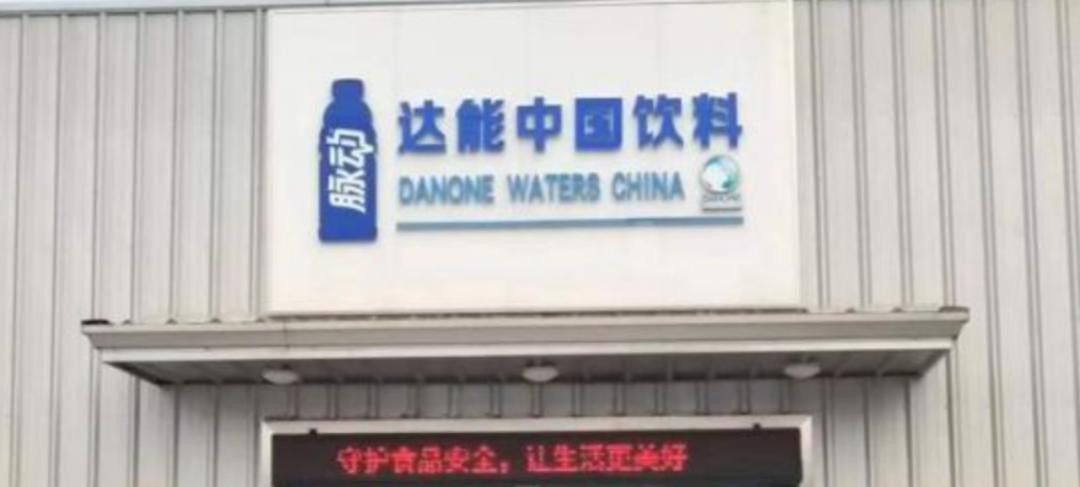
达能输给娃哈哈后再败给中国企业,这次赢它的是小洋人
3 6 Ke· 2025-12-03 04:16
Core Viewpoint - The Supreme People's Court ruled that Danone's design patent for its "Pulse" beverage bottle is invalid due to lack of significant innovation, concluding a four-year intellectual property dispute with Xiaoyangren Biotech Group over the "Kudong" beverage [1][3][5]. Group 1: Legal Proceedings - Danone discovered a beverage named "Kudong" in 2021 that closely resembled its "Pulse" product and initiated legal action against Xiaoyangren for unfair competition [3][4]. - Xiaoyangren successfully defended against Danone's claims and challenged the validity of Danone's design patent, which was ultimately declared invalid by the Supreme Court [4][7]. - The courts recognized Danone's "Pulse" packaging as having a certain level of influence and distinctiveness, leading to a ruling against Xiaoyangren for unfair competition, resulting in a compensation of 1.5 million RMB [5][7]. Group 2: Market Position and Strategy - Xiaoyangren managed to protect its trademark and overcome Danone's patent challenge, despite facing a financial penalty and the need to change its packaging [8][14]. - The company has a history of adapting and evolving its product offerings, including launching new health-oriented beverages and innovative packaging designs to regain market competitiveness [14][16]. - Despite efforts to innovate and market effectively, Xiaoyangren's recent product launches have not yielded significant market impact, indicating ongoing challenges in the competitive beverage landscape [16][17].

苹果iPad中国市场份额大跌14%
Xin Lang Cai Jing· 2025-12-03 03:20
Core Insights - The tablet market in mainland China continues to show strong momentum, with a year-on-year shipment increase of 9% to 8.8 million units in Q3 2025, but significant changes in brand dynamics are observed [2][3] Market Performance - Apple's iPad shipments fell sharply by 14% year-on-year to 2 million units, with its market share decreasing from 29% to 23% [2][3] - Huawei maintained its leading position with 2.7 million units shipped, capturing 31% of the market, a 21% increase year-on-year, widening its lead over Apple by 8 percentage points [2][3] - Lenovo topped the quarterly growth rate with a 71% year-on-year increase, matching Xiaomi's shipment of 900,000 units and raising its market share from 6% to 10% [2][3] Competitive Landscape - Domestic brands collectively hold 77% of the market share, up 5 percentage points from the previous year, indicating a clear divide where local brands are thriving while Apple is declining [2][3] - The decline in iPad sales is attributed to increased competition from domestic tablets in the 2000-3000 yuan price range, which offer superior specifications compared to the basic iPad model [3][4] Strategic Insights - Lenovo's growth strategy focuses on "niche scenarios and price penetration," targeting the education market with learning tablets and offering competitive pricing for its products [4] - Continuous discounting and direct subsidies from manufacturers have kept tablets highly attractive to Chinese consumers, with brands like Huawei, Xiaomi, and Lenovo diversifying their product offerings [4] Future Outlook - Omdia forecasts a 12% growth in the tablet market by the end of 2025, reaching 35 million units, driven by aggressive product launches and pricing strategies from domestic manufacturers [4] - However, a market adjustment is expected in 2026, with a projected 9% decline in shipments to 32 million units [4]