汽车电动化

Search documents
沪光股份(605333):业务横纵拓展,线束龙头高歌猛进
Guotou Securities· 2025-08-03 13:42
Investment Rating - The report initiates coverage with a "Buy-A" rating for the company [4][6]. Core Views - The company is a leading player in the automotive wiring harness industry, having established strong relationships with high-quality clients, which positions it for significant growth [2][3]. - The automotive wiring harness market is projected to reach approximately 110 billion yuan by 2025, driven by the electrification and intelligentization trends in the automotive sector [2][36]. - The company has a competitive edge due to its strong response capabilities, automated production, and comprehensive client coverage, which includes partnerships with both traditional and new energy vehicle manufacturers [3][20]. Summary by Sections 1. Company Overview - The company has been deeply involved in the automotive wiring harness industry for 36 years, transitioning from engineering machinery to passenger vehicles and expanding its client base to include major players like Tesla and Li Auto [2][13]. - The company has developed a full range of wiring harness products, including high and low voltage harnesses, to meet the growing demand for electric vehicles [13][14]. 2. Market Dynamics - The shift towards electric vehicles is increasing the demand for high-voltage wiring harnesses, with the value per vehicle rising by approximately 1,500 to 2,000 yuan [36][44]. - The market for automotive wiring harnesses is expected to grow steadily, with a projected compound annual growth rate (CAGR) of 10% over the next three years [44][45]. 3. Competitive Position - The company is positioned to increase its market share, which is expected to rise from 8.1% in 2024, as it capitalizes on the growth of domestic and new energy vehicle manufacturers [46][47]. - The competitive landscape is shifting, with foreign manufacturers' market share declining and domestic players like the company gaining ground due to the rise of new energy vehicles [46][48]. 4. Financial Projections - The company is expected to achieve net profits of 7.9 billion yuan, 10.6 billion yuan, and 12.7 billion yuan for the years 2025, 2026, and 2027, respectively, reflecting year-on-year growth rates of 17%, 35%, and 20% [4][5]. - The projected price-to-earnings (PE) ratios for 2025, 2026, and 2027 are 18.3, 13.5, and 11.3, respectively, indicating a favorable valuation [4][5].

深读100:县域消费市场正在发生深刻变化;品质重塑汽车行业价值坐标
Mei Ri Jing Ji Xin Wen· 2025-08-03 13:39
Group 1 - The county-level consumer market is undergoing profound changes, with shopping habits and consumption concepts aligning more closely with those of first- and second-tier cities due to the proliferation of the internet and improvements in logistics systems [1] - The future of county retail is expected to be characterized by the integration of online and offline channels, differentiated positioning, and community-based services [1] Group 2 - The automotive industry is focusing on rebuilding its value framework by addressing safety and trust issues, emphasizing that extreme parameters on paper can lead to short-term gains, while rigorous quality testing is essential for long-term success [1] - The resurgence of hybrid vehicles is noted as several automakers are slowing down their pure electric strategies and shifting towards hybrid power, with market data indicating a growing consumer enthusiasm for hybrid models during the electric transition period [1] Group 3 - Successful technology investment requires a strong industry background, a keen sense of history, and the willingness to operate against human instincts, as the uncertainty in technology necessitates a strong resolve for contrarian investment strategies [1]
路线之争落幕 多元攻势开启
Zhong Guo Qi Che Bao Wang· 2025-08-01 11:25
Group 1 - The core viewpoint is that automotive companies are shifting from a singular focus on electric or range-extended vehicles to a diversified technology approach, responding to market demands and entering a new development phase of "multi-coordination" [2][3] - Companies like Xpeng and GAC are entering the range-extended and hybrid markets, while Li Auto continues to push into the pure electric market with the upcoming launch of its second pure electric model, i8 [2][3] - The consensus in the industry is that the future will not be dominated by a single technology route; both pure electric and hybrid (including range-extended) vehicles will coexist, driven by technological evolution and market needs [3][4] Group 2 - NIO, which previously had no plans for hybrid products, is now set to launch its first range-extended hybrid model in 2026, targeting overseas markets like the Middle East and North Africa [4][5] - The decision to enter the range-extended market is influenced by local market conditions and infrastructure readiness, as highlighted by NIO's investor, CYVN Holdings [4] - The diversification of consumer needs is reinforcing a multi-faceted market landscape, where range-extended vehicles meet the demand for convenience and safety in regions with less developed electric vehicle infrastructure [4][5] Group 3 - The shift in technology routes by automotive companies is seen as a strategic progression rather than a passive response to market changes [5][6] - Li Auto's strategy of initially offering range-extended vehicles was to alleviate consumer range anxiety and gradually educate users about electric vehicle infrastructure [6][7] - The successful transition from range-extended to pure electric models is part of a planned strategy to align with user education and market readiness [6][7] Group 4 - Companies like Xpeng and Xiaomi are expanding from pure electric to range-extended/hybrid models, recognizing the maturity of these technologies and the diverse needs of consumers [7][8] - The choice to adopt range-extended technology is a proactive response to the challenges faced by larger vehicles in the pure electric segment, particularly regarding charging convenience for families [7][8] - The strategic decisions made by these companies reflect a balance between long-term technological direction and current market realities [7][8] Group 5 - The relationship between vehicle weight and range is a critical factor influencing technology route choices, with lighter vehicles benefiting from a positive cycle of reduced battery capacity and weight [8][9] - Larger vehicles often exceed a critical weight threshold, making it challenging to achieve a balance between range and performance in the pure electric segment, thus favoring range-extended or hybrid solutions [9][10] - The ongoing advancements in battery technology and vehicle lightweighting are pushing the critical point further, allowing for more effective use of pure electric technology in smaller vehicles [10]


领益智造: 公司发行可转换公司债券及支付现金购买资产并募集配套资金报告书(草案)(上会稿)(摘要)
Zheng Quan Zhi Xing· 2025-07-31 16:26
Group 1 - The company plans to issue convertible bonds and pay cash to acquire 66.46% equity of Jiangsu Keda, with a total transaction price of 332.3 million yuan [8][9][22] - The convertible bonds will be issued to specific investors, with a maximum of 35 participants, to raise supporting funds not exceeding 207.4 million yuan [15][16] - The transaction aims to enhance the company's presence in the automotive parts industry, particularly in the production of automotive interior and exterior components [16][22] Group 2 - The acquisition is expected to provide significant synergies, leveraging Jiangsu Keda's established relationships with major automotive manufacturers and enhancing the company's product offerings [20][22] - The transaction will not change the company's controlling shareholder or actual controller, maintaining stability in governance [17] - Post-transaction, the company's total assets and revenue are projected to increase, while the equity attributable to shareholders will remain stable, ensuring no dilution of earnings per share [21][22] Group 3 - The convertible bonds will have an initial conversion price set at 6.50 yuan per share, which is not lower than 80% of the average stock price over the previous 60 trading days [14][22] - The company will utilize the raised funds primarily for supplementing working capital and repaying bank loans, with a significant portion allocated to the cash payment for the acquisition [16][22] - The transaction is subject to approval from the Shenzhen Stock Exchange and the China Securities Regulatory Commission, along with other necessary regulatory procedures [22]

汽车巨头电气化“大撤退”
汽车商业评论· 2025-07-29 23:08
Core Viewpoint - The global automotive industry is experiencing a shift from aggressive electric vehicle (EV) strategies to a more cautious approach, with many companies now favoring hybrid models as a transitional solution amid market challenges [2][3][4]. Group 1: Company Strategies - Mazda has paused its pure electric push and is focusing on plug-in hybrid models, reflecting a cautious strategy in response to lower-than-expected EV demand [9][10]. - Lexus has postponed its goal of full electrification by 2035, extending the lifecycle of existing hybrid and fuel models due to consumer concerns over EV range anxiety [14][15][17]. - Audi has reversed its plan to stop developing internal combustion engine vehicles, indicating a continued commitment to hybrid technology [23]. - Mercedes-Benz has adjusted its strategy to allow for a coexistence of fuel and electric vehicles, relaxing its 2030 electrification target [24]. - BMW has restarted its development of range-extended hybrid technology and lowered its sales expectations for electric models by over 20% [25]. Group 2: Market Trends - There is a growing consumer preference for hybrid vehicles, as evidenced by Ford's report of a 30% increase in traditional hybrid sales, while EV sales have declined significantly [31][32]. - The automotive industry is in a transitional phase where traditional technologies remain crucial for competitiveness and profitability, with hybrid technology reaffirming its strategic value during this period [34].
华金证券:首次覆盖电连技术给予买入评级
Zheng Quan Zhi Xing· 2025-07-24 10:54
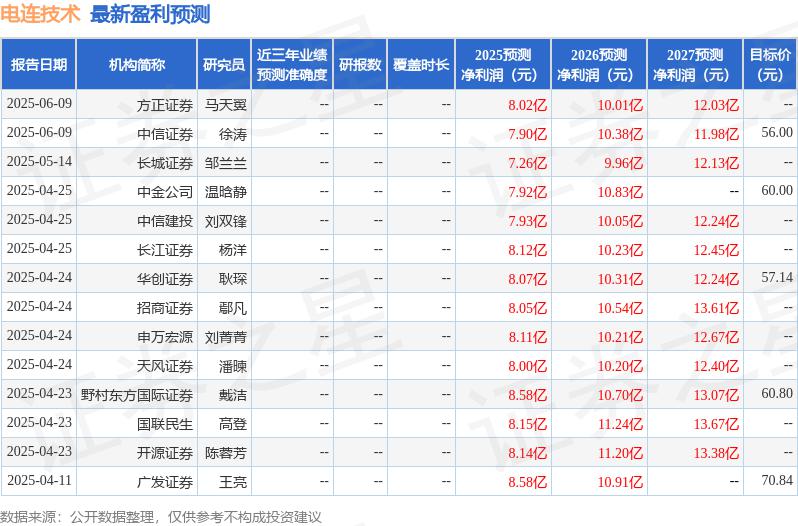
Core Viewpoint - Huajin Securities recently initiated coverage on Dalian Technology (300679) with a "buy" rating, highlighting its role as a pioneer in domestic automotive connector replacement and its growth driven by intelligent driving and consumer recovery [1] Investment Highlights - The company focuses on providing stable and efficient electronic and circuit connection products, particularly in RF signal transmission and shielding, applicable in smart mobile terminals, fuel and new energy vehicles, IoT modules, and smart home appliances [2] - In 2024, the company is projected to achieve revenue of 4.661 billion yuan, a year-on-year increase of 48.97%, and a net profit of 622 million yuan, up 74.73% [2] - For Q1 2025, the company reported revenue of 1.196 billion yuan, a 15.02% increase year-on-year, but a net profit decline of 23.80% to 123 million yuan [2] Automotive Sector Growth - The acceleration of electric and intelligent vehicle development is driving rapid growth in the company's automotive connector business, with significant demand for RF, high-speed, and high-voltage connectors [3] - The company has established a strong presence in the RF connector market, supplying major domestic automakers and focusing on enhancing its product offerings in intelligent driving solutions and laser radar collaborations [3] Consumer Electronics Recovery - The consumer electronics sector is showing signs of recovery, with the company benefiting from increased demand for both mobile and non-mobile electronic connectors [4] - The company has become a core supplier for major smartphone brands, maintaining a stable market share and profitability in the RF connector segment [4] - The company is expanding its BTB product line, leveraging its existing market channels and aiming for significant revenue growth in the coming years [4] AI Applications - The company is actively exploring applications for its high-frequency and high-speed connectors in the AI sector, particularly in humanoid robots and AI data centers [5] - Collaborations with upstream chip manufacturers and machine design firms are planned to capitalize on the growing market for AI-related products [5] Financial Projections - Revenue forecasts for 2025, 2026, and 2027 are 5.909 billion yuan, 7.398 billion yuan, and 9.043 billion yuan, with year-on-year growth rates of 26.8%, 25.2%, and 22.2% respectively [6] - Corresponding net profits are projected to be 798 million yuan, 1.012 billion yuan, and 1.270 billion yuan, with growth rates of 28.2%, 26.8%, and 25.5% [6]

时代的眼泪,三菱汽车彻底退出中国市场
Guan Cha Zhe Wang· 2025-07-23 13:09
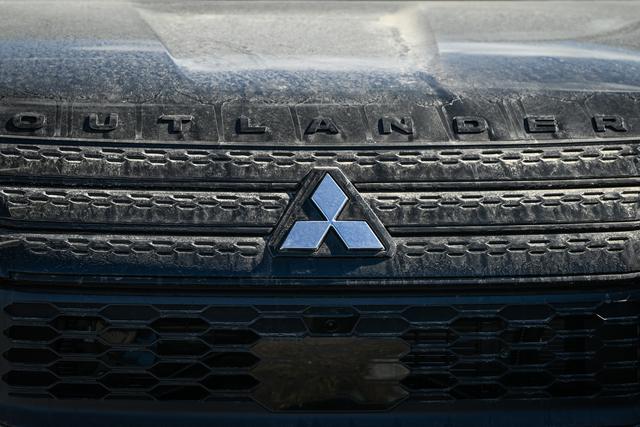
Group 1 - Mitsubishi Motors announced the termination of its engine business operations at Shenyang Aerospace Mitsubishi Engine Manufacturing Co., marking its complete exit from the Chinese market [1][2] - Shenyang Aerospace Mitsubishi Engine Manufacturing Co. was renamed Shenyang Guoqing Power Technology Co. on July 2, 2023, with Mitsubishi Corporation and Mitsubishi Motors withdrawing as investors [2] - Mitsubishi Motors has a historical presence in the Chinese market dating back to the 1970s, initially importing trucks and later establishing joint ventures in the 1990s [2][5] Group 2 - Mitsubishi's joint ventures in China, including Shenyang Aerospace and Harbin Dong'an, once supplied engines to numerous domestic manufacturers, capturing a 30% market share in the domestic vehicle market [2] - In the early 2000s, Mitsubishi's annual sales in China exceeded 140,000 units, but competition intensified with the rise of other Japanese automakers and domestic brands [5][7] - Sales for Guangqi Mitsubishi plummeted from over 100,000 units in 2020 to around 30,000 units in 2022, leading to the decision to gradually terminate joint ventures [7]
又一家在华运营超半个世纪的品牌退出!
第一财经· 2025-07-23 11:19
Core Viewpoint - Japanese automakers, particularly Mitsubishi Motors, are accelerating their business adjustments in China due to the rapid shift towards electric vehicles in the Chinese automotive market [1][5]. Group 1: Mitsubishi Motors' Exit from China - Mitsubishi Motors has announced its exit from its joint venture in China, specifically the Shenyang Aerospace Mitsubishi Engine Manufacturing Co., and has terminated its engine business operations [1]. - The company has completely withdrawn from all joint ventures in China, marking the end of over 50 years of operations in the region [5]. - Mitsubishi's decision to exit is attributed to a reassessment of the market environment in China, particularly the rapid transition to electric vehicles [1][5]. Group 2: Historical Context and Market Dynamics - Mitsubishi Motors began its operations in China in the 1970s, initially focusing on engine manufacturing through joint ventures [2]. - The company had significant production milestones, such as the East Mitsubishi achieving an annual engine output of over 300,000 units in 2007 and 2008, and surpassing 500,000 units in 2009 [2]. - The rise of domestic brands in China, which have made significant advancements in engine technology and electric vehicle development, has eroded the competitive advantage that Japanese automakers once held [2][3]. Group 3: Broader Industry Implications - Mitsubishi's exit reflects a broader trend among Japanese automakers in China, with companies like Suzuki also withdrawing from the market [5]. - In 2024, major Japanese brands such as Toyota, Honda, Nissan, and Mazda experienced varying degrees of sales decline in China, with Subaru's sales halving to approximately 3,600 units [5]. - The retail share of mainstream Japanese joint venture brands fell to 12% in June, a decrease of 2.3 percentage points year-on-year, indicating a challenging market environment [6]. Group 4: Strategic Shifts and Future Outlook - Japanese automakers are increasingly focusing on electric and smart vehicle transformations to regain market share in China [6]. - New electric models from joint ventures, such as the GAC Toyota and Dongfeng Nissan, are being introduced to compete in the domestic market [6]. - Collaborations with local tech companies like Huawei and Xiaomi are becoming a common strategy among Japanese automakers as they adapt to the changing landscape [6].

路博润:看好中国润滑油市场,将与车企合作应对电动化挑战
Jing Ji Guan Cha Wang· 2025-07-23 03:51
Core Insights - The Chinese automotive lubricants and additives market is substantial, with nearly 30 million vehicles produced annually, even if half transition to electric vehicles, the production of fuel vehicles will still rival the entire U.S. automotive market [2] - Lubricants are essential for the longevity of electric vehicles, as highlighted by Rebecca Liebert, CEO of Lubrizol [2] - The rapid adoption of new energy vehicles (NEVs) is reshaping the structure and operational boundaries of the automotive system, presenting unprecedented challenges for lubrication systems [3][4] Industry Trends - The penetration rate of hybrid vehicles is continuously increasing, and alternative fuel technologies such as hydrogen fuel cells, natural gas, and methanol are entering large-scale exploration [2] - The Chinese government is developing the National VII standards for light and heavy vehicles, which will align with European and American standards while focusing on pollution reduction and carbon control [2][3] - As of June 2023, the total number of vehicles in China reached 359 million, with NEVs accounting for 36.89 million, representing 10.27% of the total [3] Product Development Challenges - The transition to electric vehicles presents different challenges for lubricants compared to the fuel era, particularly with the technical requirements of high-voltage electric drive platforms [4] - Lubricant companies must collaborate with automotive manufacturers to develop new specialized products tailored to the needs of electric and hybrid systems [4] - The performance requirements for lubricants in electric drive systems, hybrid systems, and battery thermal management systems cannot be met by merely adjusting traditional oil products [3]
福特中国召回4903辆进口汽车 涉及林肯领航员、福特F -150等车型
Xi Niu Cai Jing· 2025-07-21 07:41
Recall Summary - Ford Motor (China) Co., Ltd. has filed a recall plan with the State Administration for Market Regulation, involving several models including Lincoln Navigator, Ford F-150, and Mustang [1][2] - The recall is divided into three batches, addressing various safety issues related to brake fluid leakage, steering control software, and potential fire risks due to manufacturing defects [2][3] Batch 1 - Recall number S2025M0113V: Starting immediately, 2,264 units of the 2022-2024 Lincoln Navigator produced from December 7, 2021, to August 16, 2024, are recalled due to a potential interference between the right front brake pipe and the air filter outlet pipe, which may lead to brake fluid leakage and increased collision risk [2][3] Batch 2 - Recall number S2025M0114V: Starting immediately, 43 units of the 2018-2022 Lincoln Navigator, 35 units of the 2018-2020 Ford F-150, and 5 units of the 2018-2022 Mustang produced between November 3, 2017, and September 2, 2022, are recalled due to software deviations in the electric power steering assembly, which may cause unexpected rapid steering wheel movements [2][3] Batch 3 - Recall number S2025M0115V: Starting immediately, 2,556 units of the 2015-2017 Lincoln Navigator produced from December 4, 2014, to June 25, 2017, are recalled due to poor sealing of the welcome light in the exterior rearview mirror, which may lead to internal short circuits and fire risks [2][3] Market Performance - Ford's sales performance in the Chinese market has been declining, with Changan Ford's total sales in 2024 reaching 247,000 units, a significant drop from the peak of 944,000 units in 2016 [4] - In the first five months of this year, Changan Ford's cumulative sales were 76,983 units, down 16.43% year-on-year [4] - Jiangling Ford's passenger vehicle sales from 2022 to 2024 were 48,000, 39,000, and 35,000 units respectively, indicating poor sales performance [4] - Ford's electric vehicle offerings in China are limited, with only one model currently available, and the company faces challenges in local innovation and competitiveness in smart technology [4]