情绪消费

Search documents
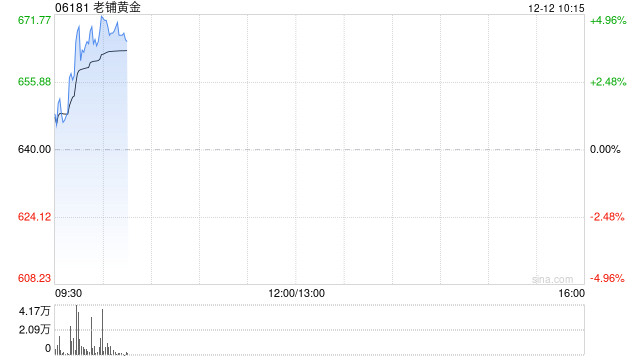
港股新消费概念股反弹 老铺黄金涨超4% 促消费政策持续发力有望激发供需潜力
Xin Lang Cai Jing· 2025-12-12 02:15
Group 1 - The core viewpoint of the news is that the Hong Kong stock market's new consumption concept stocks have mostly rebounded, with significant gains observed in several companies [1][5] - Notable stock performances include Lao Pu Gold, Cha Bai Dao, and Mao Ge Ping, each rising over 4%, while Miniso increased by over 3%, and Mi Xue Group, Blu-ray, and Juzi Bio rose over 2% [1][5] Group 2 - Huatai Securities released a research report projecting that consumer promotion policies will continue to stimulate supply and demand potential, leading to a steady recovery in domestic demand [3][7] - The report highlights four main investment themes: 1) The rise of domestic brands focusing on trendy toys, beauty care, and gold jewelry, competing in both domestic and international markets; 2) Technology consumption empowered by AI, emphasizing the rapid increase in smart product penetration due to technological and product innovation; 3) Emotional consumption, with ongoing supply and demand changes, focusing on service consumption, ready-to-drink beverages, pets, and new tobacco products; 4) Undervalued high-dividend blue-chip leaders, which offer a balanced approach and opportunities for marginal recovery [3][7]

情绪消费的下半场,和这四个关键词有关
吴晓波频道· 2025-12-12 00:30
点击上图▲立即收听 " 2020 年,大众的健康消费行为以 ' 朋克养生 ' 为主,到 2025 年已然进阶成 ' 悦养身心 ' ,短短四个字,情绪在如今消费决策中的权重不言而喻。 " 文 /巴九灵(微信公众号:吴晓波频道) 在社媒平台上,一种新的社交语言在兴起。 "今天吃逍遥丸了吗""气血不足,六味地黄丸安排上""普瑞巴林救我狗命,焦虑发作时它比男朋友管用"…… 图 源:小 红书 这些本该出现在医院处方笺上的药品,如今成了年轻人的情绪代餐、身份标签甚至是社交货币。 据CBNData调研数据,在习惯、情绪与环境的三重夹击下,88%的年轻人开始主动用药品、健康消费品进行"自救式健康管理"。 健康,成为了价值观、世界观、人生观之外的"第四观",自嘲"脆皮青年"的年轻人正在用一套全新的逻辑,认真管理自己的身体。 那么,"身体脆一点,情绪更脆一点"的年轻人钱包里,究竟藏着一张怎样的情绪账单? 最近,盖洛普与世界卫生峰会联合发布的《2025年世界情绪健康状况》报告显示,2024年有39%的成年人坦言自己经历着大量担忧,37%的人感 到压力重重,其次还有身体疼痛(32%)、悲伤(26%)和愤怒(22%)。而且,这些指标明 ...

新希望王子约:消费市场聚焦情绪消费与品类冠军,品牌创新需做减法
Zhong Guo Jing Ying Bao· 2025-12-11 04:53
Core Insights - The consumer market is undergoing significant changes, with a focus on single-category champions and emotional consumption [2][3] - New Hope Group emphasizes the importance of comfort marketing and aligning brand messaging with consumer perspectives [2][3] - The company is expanding its business through innovation while maintaining a focus on familiar sectors to mitigate risks [3] Consumer Trends - Consumers are increasingly seeking not just value for money but also specific category champions, with many Chinese brands successfully launching standout products [2] - Emotional consumption is on the rise, exemplified by the popularity of local specialty products like the tree tomato hotpot base, which satisfies consumers' emotional needs when they cannot travel [2] - Marketing strategies are shifting towards comfort marketing, where brands communicate from the consumer's perspective rather than imposing their own views [2][3] Business Strategy - New Hope Group is strategically expanding its business by investing in familiar areas, such as digital cold chain logistics, which has seen significant growth and valuation increases [3] - The company is focusing on product innovation by narrowing down the number of SKUs, as past strategies of launching numerous new products have become less effective [3] - The dairy segment of New Hope Group reported revenue of 8.434 billion yuan in the first three quarters of the year, with a year-on-year growth of 3.49%, and a net profit of 623 million yuan, up 31.48% [4] Future Outlook - The market for functional products is expected to grow as consumer health awareness increases, alongside opportunities for the industrialization of native products [4] - Companies are encouraged to standardize and professionalize the processing of unique local products to tap into their market potential [4] - Innovation in the consumer sector is seen as a fundamental shift in understanding consumer needs, requiring a comprehensive approach that includes supply chain, organizational structure, and product development [4]


新希望王子约:用户关注情绪消费和品类冠军 品牌创新应做聚焦
Zhong Guo Jing Ying Bao· 2025-12-10 14:17
Core Insights - The consumer market is undergoing significant changes, with a focus on value for money and niche category champions [3] - Emotional consumption is becoming more prevalent, as seen with the success of local specialty products like tree tomato hot pot base [3] - Brand marketing is shifting towards comfort marketing, emphasizing consumer perspectives rather than traditional aggressive marketing tactics [3] Company Overview - New Hope Group is a leading private enterprise in China, primarily engaged in modern agriculture, animal husbandry, and food industries, recognized as one of the largest suppliers of meat, eggs, and dairy products [3][4] - The company is expanding its business scope through innovation while maintaining revenue growth [4] Business Strategy - From a macro perspective, companies should focus on familiar fields when seeking new growth avenues, as venturing into unrelated high-tech industries carries significant risks [4] - New Hope Group has successfully integrated digital cold chain logistics, achieving a valuation exceeding 10 billion yuan after an initial investment of 200 million yuan [4] Product Innovation - The consumer goods sector has shifted from scarcity to meeting specific needs and scenarios, suggesting that companies should concentrate on product innovation [4] - New Hope Group has historically developed around 600 SKUs annually, but only a few have performed well, indicating a need for focused product strategies [4] Financial Performance - New Hope Group's dairy segment, New Dairy, reported revenue of 8.434 billion yuan in the first three quarters of the year, reflecting a year-on-year growth of 3.49%, with a net profit of 623 million yuan, up 31.48% [5] Future Trends - The market for functional products is expected to grow, driven by consumers' evolving health consciousness, alongside significant potential for the industrialization of native products [5] - Companies need to standardize and professionalize the processing of native products to unlock their market potential [5] - Innovation in the consumer sector requires a fundamental rethinking of the entire supply chain and product development approach [5]

QuestMobile报告:00后月活用户达1.79亿,闲鱼增速领跑移动购物行业
Sou Hu Cai Jing· 2025-12-10 13:08
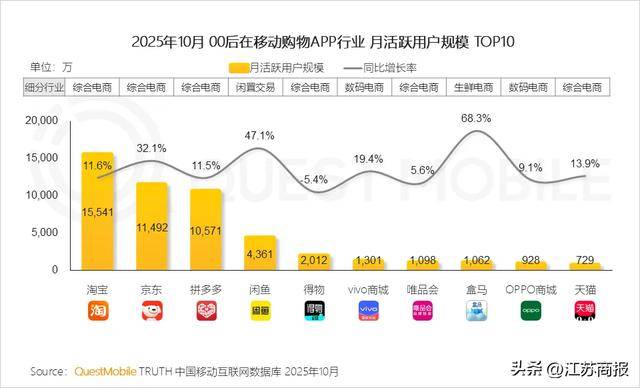
Core Insights - The report by QuestMobile indicates that the monthly active user base of post-00s on Xianyu has reached 43.61 million, ranking fourth in the mobile shopping industry, with a growth rate of 47.1%, surpassing platforms like Taobao, JD.com, and Pinduoduo [1][3] User Engagement and Demographics - As of October 2025, the total monthly active user base of post-00s in the mobile internet has reached 179 million, showing a year-on-year growth of 10.1%, accounting for 14% of all internet users [3] - Post-00s exhibit a higher depth of internet usage compared to other demographics, with an average monthly usage time of 217.6 hours and an average of 3,296.7 sessions, reflecting year-on-year increases of 3.7% and 4% respectively, significantly above the average levels of all internet users [3] Consumption Trends - The consumption patterns of post-00s in the mobile internet reveal new characteristics, as they are not only focused on shopping but also engage in cyclical and emotional consumption, which serves both personal fulfillment and social asset accumulation [3] - Post-00s are identified as the core driving force behind the "Guzi economy," showing strong interest and high spending potential in trendy toys and IP culture [3] - Xianyu has experienced explosive growth in Guzi and trendy toy consumption this year, with historical highs in Guzi transaction volume in Q1 and a 167% increase in sales of traditional Guzi products; in Q2, trendy toy transaction volume surged over 300%, with a year-on-year increase of 43.4% in average monthly consumers and an average spending of 218 yuan per transaction [3]
市场洞察:从市场格局、增长驱动与细分赛道了解中国集换式卡牌市场的发展现状及前景
Tou Bao Yan Jiu Yuan· 2025-12-10 12:25
Investment Rating - The report indicates a high growth potential for the Chinese collectible card market, with a compound annual growth rate (CAGR) of 67.87% from 2017 to 2024, and a projected CAGR of 11.1% from 2024 to 2029 [8][10]. Core Insights - The Chinese collectible card market is experiencing rapid expansion driven by "IP economy," "emotional consumption," and "social interaction," transitioning from a highly concentrated competitive landscape to a more diversified one [7]. - The market size has grown from RMB 700 million in 2017 to RMB 26.3 billion in 2024, with expectations to reach RMB 44.6 billion by 2029 [8][10]. - Despite the rapid growth, per capita spending in China remains significantly lower than in mature markets like Japan and the USA, indicating substantial room for growth [11]. Market Dynamics - The competitive landscape is currently dominated by a few key players, with 卡游 holding a market share of 71.1% as of 2024, while the top five companies account for 82.4% of the market [15][20]. - The core driver of the collectible card industry is the richness and exclusivity of IP resources, which are essential for building competitive strength [16]. - Channel layout and community operation are critical for maintaining market position, with 卡游 leveraging a robust multi-channel sales network [17]. Consumer Trends - The user demographic is becoming younger, with the Z generation and female users increasingly participating in the market, shifting towards interest and emotional consumption [24]. - Innovative models like live-streaming card unboxing have transformed card consumption into community interaction activities, significantly boosting user engagement [27][28]. Product Categories - The industry has diversified into four main product categories: IP cards, sports cards, film cards, and star cards, with IP cards being the largest segment [37][38]. - Each category has distinct characteristics and target audiences, with IP cards leading the market due to their strong cultural appeal [40]. Future Outlook - The report suggests that the future of the collectible card market will depend on the ability to innovate and deepen engagement with core drivers, such as IP development and community building [37][46]. - The integration of online and offline channels is crucial for providing a diverse consumer experience, with significant growth potential in the online sales segment [34].
Labubu也许会过气,但泡泡玛特不会
创业邦· 2025-12-10 10:08
Core Insights - The article discusses the dual nature of Pop Mart's brand performance, highlighting both the decline of the Labubu series and the rise of the Star People series, indicating that while Labubu may fade, Pop Mart's overall brand will continue to thrive [5][10][7]. Group 1: Brand Performance - Labubu's sales growth in North America is projected to drop from 1200% to 500% during the Black Friday period, leading to speculation about its decline [5]. - In contrast, the Star People series has achieved nearly 400 million in sales within just six months, surpassing Labubu's growth trajectory [6]. - The evolution of Pop Mart's IP reflects a keen understanding of emotional consumption, adapting to societal changes and consumer sentiments [7][19]. Group 2: Emotional Consumption Strategy - Pop Mart's strategy diverges from traditional IP models like Disney, focusing on "controllable randomness" to continuously engage consumers [9]. - The company captures shifts in mainstream emotions, allowing it to consistently produce popular products that resonate with young consumers [19][28]. - The emotional landscape influences the types of IP that gain traction, with dark-themed IPs thriving during economic downturns and sweeter themes during prosperous times [33][34]. Group 3: Globalization and Localization - While Pop Mart's IPs have global appeal, successful localization is crucial for market penetration, as seen in the mixed performance of Labubu in Indonesia due to cultural differences [23][25]. - The company employs localized IPs to mitigate potential cultural clashes, ensuring that its products resonate with diverse consumer bases [26]. Group 4: IP Development and Success Rate - Pop Mart's approach to IP development is systematic, involving a "anchor - reserve - race - test - heat" mechanism to identify and nurture potential hits [34][49]. - The company has achieved a new IP success rate of 68%, significantly higher than the industry average of 30%, indicating effective strategies in discovering and cultivating popular products [49][50]. - The process includes rigorous testing and market feedback to refine IP offerings, ensuring alignment with consumer desires [43][44].


过去10年,顶级富豪们都怎么赚钱?
商业洞察· 2025-12-10 09:51
Core Insights - The article discusses the evolution of wealth in China over the past decade, highlighting the shift from real estate tycoons to new wealthy individuals in sectors driven by "emotional value" such as Pop Mart, Laopu Gold, and Card Game [4][6][9]. Group 1: New Wealth Creation - The top new entrants in the wealth rankings for 2025 include Xu Gaoming and Xu Dongbo from Laopu Gold with a wealth of 69.5 billion yuan, and Li Qibin and Qi Yan from Card Game with 60 billion yuan [7]. - Pop Mart's revenue and net profit have both increased by over 200% year-on-year, while Card Game's revenue is projected to exceed 10 billion yuan in 2024 with a net profit margin over 40% [7][9]. - The rise of milk tea brands has also contributed to the creation of new wealthy individuals, with brands like Guming and Bawang Tea entering the wealth rankings [9]. Group 2: Historical Context - The article contrasts the current wealth landscape with that of 2015, when high-tech internet and manufacturing sectors were the primary sources of new wealth, exemplified by DJI's founder Wang Tao and Didi's Cheng Wei [9][10]. - Many of today's successful companies were initially underestimated by major investors, who missed opportunities to invest in them before they became billion-dollar enterprises [10][12]. Group 3: Female Entrepreneurs - The article notes a significant increase in female entrepreneurs on the wealth list, with women making up 22.4% of the total, and over 70% being first-generation wealth creators [13][16]. - Notable female figures include Zong Fuli, who became the first female billionaire in 2024, and Zhong Huijuan, who, along with her daughter, became the first female billionaire from the pharmaceutical industry [16][17]. Group 4: Wealth Stability and Changes - The article outlines that five individuals have held the title of China's richest over the past decade, including Wang Jianlin, Xu Jiayin, Jack Ma, Zhang Yiming, and Zhong Shanshan [19]. - Zhong Shanshan's wealth, primarily from his companies Nongfu Spring and Wantai Biological Pharmacy, reached 530 billion yuan, making him the richest for the fourth consecutive year [19][20]. Group 5: Decline of Real Estate Tycoons - The article highlights a significant decline in the representation of real estate tycoons on the wealth list, dropping from 30% to just 10% over the past decade [28]. - Wang Jianlin and Xu Jiayin, once at the top, have faced severe financial difficulties, with Wang's company facing economic disputes and Xu's assets being frozen due to debt issues [30][31][32].




泡泡玛特「闯美」成功了?
3 6 Ke· 2025-12-10 08:04
封面来源 | 企业提供 "她在花车上。" 当地时间11月27日,家住纽约的雅各布参加了梅西百货感恩节大游行,他原以为LABUBU会以巨型气球的形态亮相,没想到除了大气球,LABUBU明星 朋友也出现在花车上。 在纽约留学的李悦也同样感到惊讶。"泡泡玛特和迪士尼的花车经过的时候,全场欢呼声非常响亮。我以为知道LABUBU的都是中国人,但显然很多美国 人对LABUBU也非常感兴趣。" 今年的游行队伍中,共包括34个大型气球、28辆花车。 其中,泡泡玛特的花车以"Friendsgiving in Pop City"为主题,16英尺高的LABUBU与MOKOKO以毛绒气模形态登场,同时携手SKULLPANDA、MOLLY、 DIMOO、PEACH RIOT和DUCKOO等IP一同亮相。 作为全美瞩目的文化盛事,能登上梅西感恩节大游行花车的IP,大多已是世界级的文化符号:无论是米老鼠、超级马里奥、史努比,还是海绵宝宝、巴斯 光年和宝可梦,在上个世纪就已经诞生,陪伴几代全球粉丝成长,并展现出持久的全球影响力与商业价值。 一位行业人士表示,LABUBU等一众IP以"新面孔"的姿态亮相,引发当地消费者的热情欢呼,一定程度上也 ...

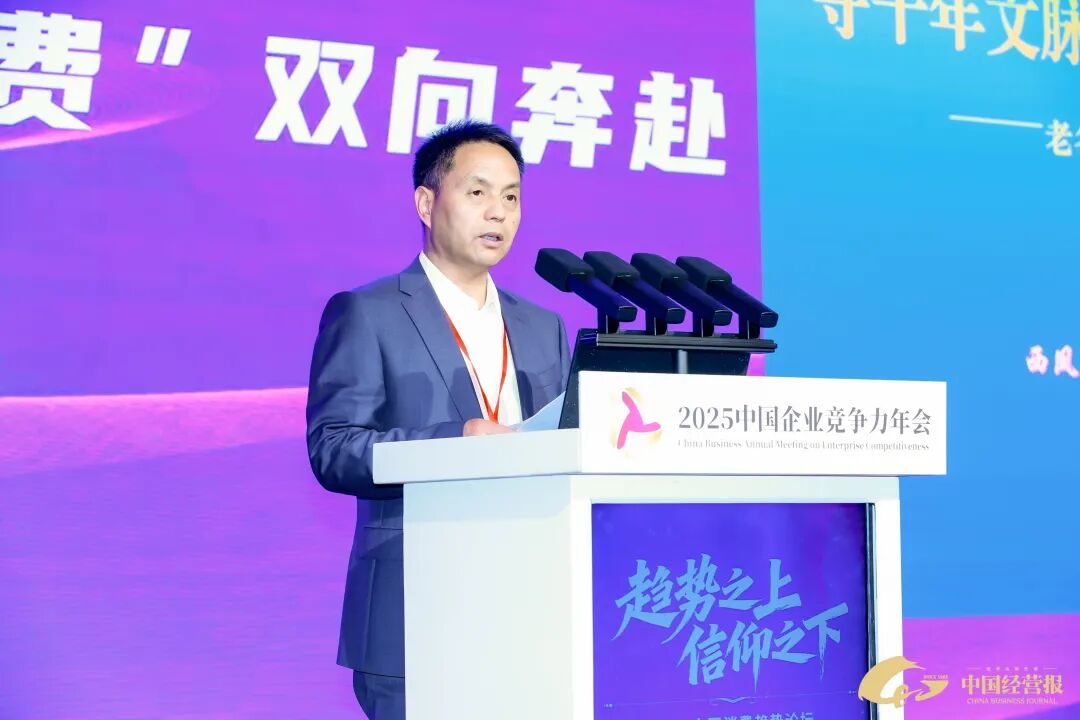
趋势之上 信仰之下——2025中国消费趋势论坛
Zhong Guo Jing Ying Bao· 2025-12-10 07:33
Group 1 - The year 2025 marks the conclusion of the "14th Five-Year Plan" and the beginning of the "15th Five-Year Plan," with a focus on "technological self-reliance" and "improving social welfare" as key objectives [1] - The consumer market in 2025 is characterized by a shift towards pragmatic and rational consumption, with an increasing trust in brands and a new height in brand image construction [1] - The "2025 China Consumption Trend Forum" aims to decode the commercial logic of the consumption market and uncover hidden business opportunities [1] Group 2 - The relationship between "old famous liquor" and "new consumption" is seen as a symbiotic one, where traditional practices are modernized rather than replaced [3] - The integration of public welfare, cultural heritage, and national brands with modern demands is essential for industry development [3] Group 3 - Emotional consumption is identified as a significant trend in tourism, with four emerging business models: events combined with travel, pet-friendly travel, national trends in travel, and nature-focused travel [5] - Emotional travel appeals to various demographics, including older adults seeking social connections [5] Group 4 - The concept of "instant retail" is gaining unprecedented importance, potentially marking the last wave of internet consumption before a reconciliation between local living and e-commerce [8] - The industry is encouraged to embrace the era of instant retail as a core consumption method [8] Group 5 - Consumers are increasingly focused on value, emotional consumption, and comfort marketing, emphasizing the importance of effectively communicating product benefits to the new generation [10] - The beverage industry is urged to innovate continuously, with a focus on new processes to enhance consumer experience [12] Group 6 - AI technology is seen as a critical factor in creating value through collaboration, ecosystem building, and addressing pain points in the market [17] - The integration of AI into consumer industries is viewed as a significant opportunity, with a focus on finding suitable investors and optimizing products for specific consumer scenarios [19] Group 7 - The application of AI in various industries requires a deep understanding of commercial logic and organizational structure optimization to facilitate intelligent services for users [23] - The introduction of AI functionalities in management processes is becoming a reality for companies with extensive branch networks [25]