
育儿补贴

Search documents
母婴、乳业,集体大涨!
第一财经· 2025-07-29 02:11
Core Viewpoint - The newly implemented national childcare subsidy policy is expected to significantly boost the mother and baby industry, particularly benefiting companies in the maternal and infant product sectors as well as the dairy industry [1][4]. Group 1: National Childcare Subsidy Policy - The national childcare subsidy will provide eligible families with a cash subsidy of up to 10,800 yuan over three years for children under three years old, regardless of whether they have one, two, or three children [1]. - Following the announcement, stocks in the mother and baby sector, including companies like Beiyinmei and Sunshine Dairy, experienced significant price increases, indicating strong market optimism [1]. Group 2: Market Response and Industry Impact - The subsidy is expected to have a multi-round stimulating effect, particularly in lower-tier markets where birth rates are higher, thus increasing purchasing power for maternal and infant products [1]. - The mother and baby market, which has been in a deep adjustment period after four consecutive years of decline, is showing signs of recovery, with a projected increase in newborns in 2024 [2]. Group 3: Company Performance and Projections - Companies in the maternal and infant sector are reporting positive financial results, with Kid King expecting a net profit increase of 50% to 100% year-on-year for the first half of the year [3]. - Friesland's professional nutrition business reported a revenue of 7.2 billion euros (approximately 60.4 billion yuan) for the first half of 2025, marking an 18.1% year-on-year growth driven by the Chinese market [3]. Group 4: Industry Outlook - Despite the positive short-term effects of the subsidy, industry experts remain cautious about long-term recovery, citing a potential decline in marriage registration rates and newborn numbers in 2024 [4]. - The national childcare subsidy is projected to increase retail sales of consumer goods by approximately 0.2 percentage points, particularly benefiting essential consumer goods in the mother and baby category [4].



国家育儿补贴提振母婴消费,今天母婴股集体大涨回应
Di Yi Cai Jing· 2025-07-29 01:55
Group 1 - The implementation of the national childcare subsidy policy is expected to stimulate the mother and baby sector, leading to a collective surge in stock prices for related companies [1][2] - Families with eligible children under three years old can receive a cash subsidy of up to 10,800 yuan over three years, regardless of the number of children [2] - The policy is anticipated to have a significant impact on lower-tier markets, where there is a higher willingness to give birth, thus increasing purchasing power for mother and baby products [2][6] Group 2 - The mother and baby industry, along with the dairy sector, is closely linked to the annual number of newborns, which has been in decline for four consecutive years [3] - The birth rate is projected to increase in 2024, with an estimated 9.54 million newborns, which is 520,000 more than the previous year, contributing to a recovery in the mother and baby market [4] - Recent financial reports from companies in the sector indicate positive growth, with Kid King expecting a net profit increase of 50% to 100% in the first half of the year [6] Group 3 - The national childcare subsidy policy is estimated to boost retail sales of consumer goods by approximately 0.2 percentage points, particularly benefiting essential consumer categories like mother and baby food [7] - Despite the positive outlook, industry experts remain cautious about the long-term recovery of the mother and baby sector, citing the need for time for policies to reflect in market data [6]
解码育儿补贴:规模、资金来源、消费影响(国金宏观张馨月)
雪涛宏观笔记· 2025-07-29 01:06
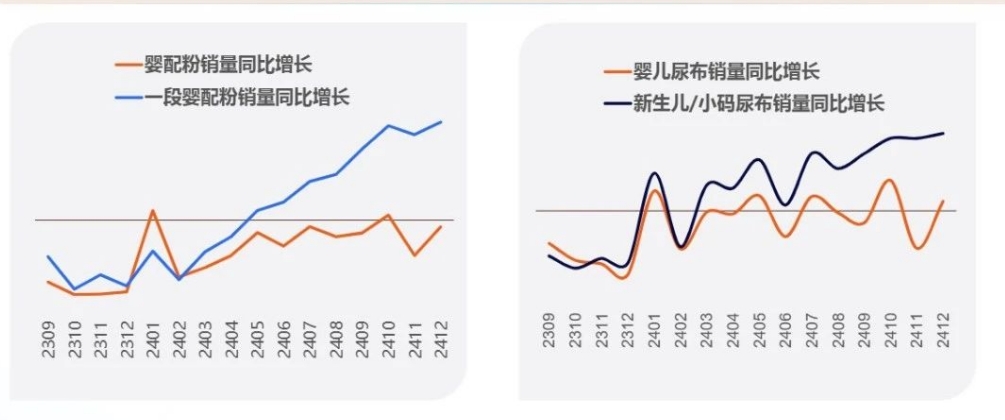
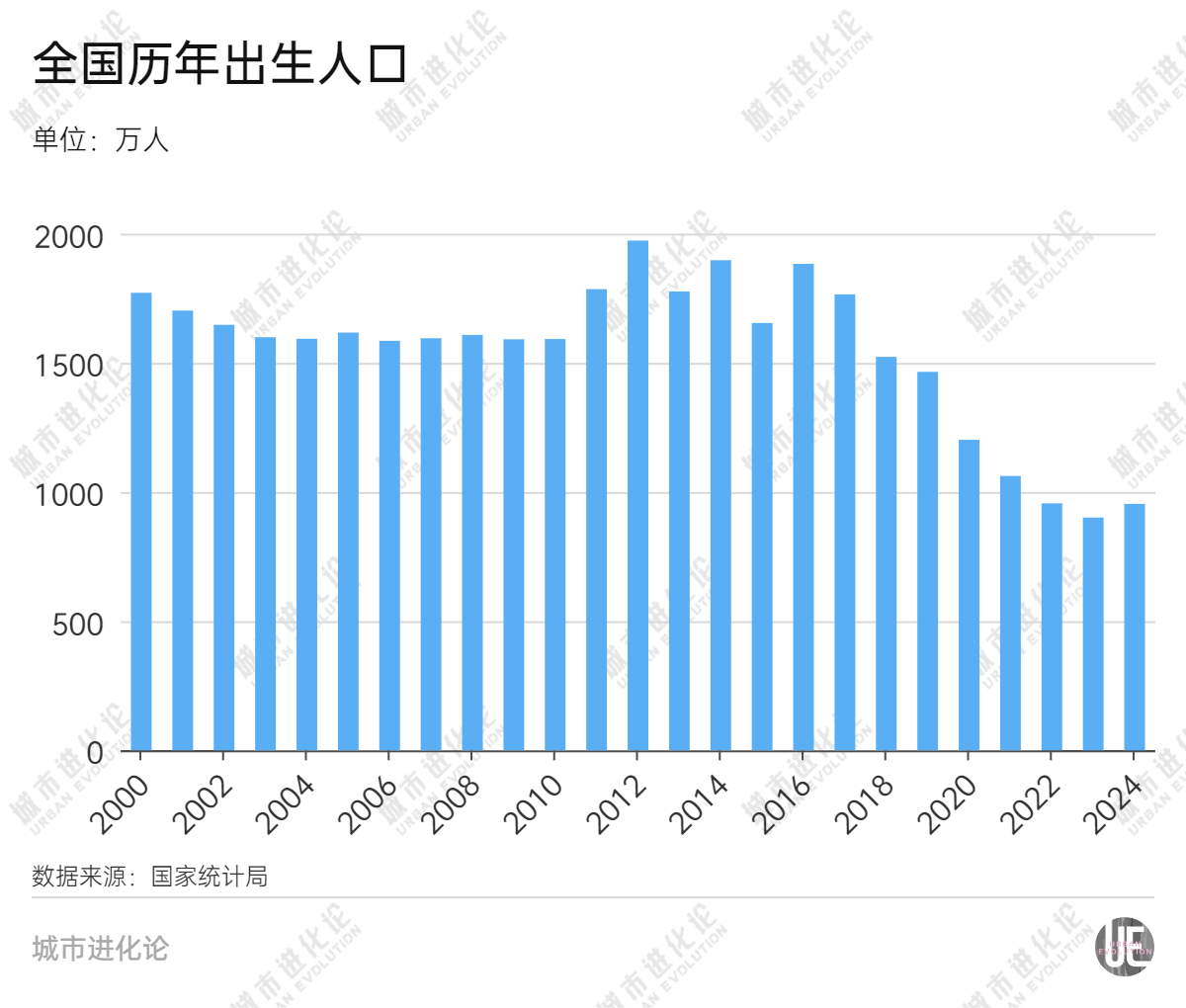
相较于育儿补贴规模的多少,更重要的是政策对于扩大内需和"投资于人"的积极态 度,育儿补贴落地有望成为市场风格切换的催化剂。 2、育儿补贴央地财政如何分担? 文:国金宏观宋雪涛/联系人张馨月 国家育儿补贴制度实施方案7月28日公布。从2025年1月1日起,对符合法律法规规定生育的3周岁以 下婴幼儿发放补贴,至其年满3周岁。育儿补贴按年发放,现阶段国家基础标准为每孩每年3600元。 其中,对2025年1月1日之前出生、不满3周岁的婴幼儿,按应补贴月数折算计发补贴。 1、育儿补贴规模有多大? 《育儿补贴制度实施方案》明确,"从2025年1月1日起,对符合法律法规规定生育的3周岁以下婴幼儿 发放补贴,至其年满3周岁"。 此次育儿补贴的发放对象可以分为两类群体: 一是2025年1月1日之前出生、不满3周岁的婴幼儿,对应2022-2024年2812万人的出生人口。《方 案》明确"对2025年1月1日之前出生、不满3周岁的婴幼儿,按应补贴月数折算计发补贴",对应的补 贴规模共计854亿元。 二是2025年1月1日之后出生的婴幼儿,对应2025年的新出生人口,预计960万人左右,按照现阶段 国家基础标准为每孩每年3600元补 ...

城市24小时 | 国家育儿补贴,真的来了
Mei Ri Jing Ji Xin Wen· 2025-07-29 00:48
Group 1 - The national childcare subsidy scheme will provide an annual subsidy of 3,600 yuan per child until the age of three, starting from January 1, 2025 [1] - Families with children born before January 1, 2025, who are under three years old, will also be eligible for the subsidy, calculated based on the number of months [1] - The policy aims to reduce the financial burden of raising children and is expected to benefit over 20 million families annually [1][3] Group 2 - The increase in birth rates in 2024 is attributed to accumulated fertility intentions, the implementation of local support policies, and cultural preferences related to the zodiac [3] - Over 20 provinces have already begun exploring childcare subsidies, with some regions like Yunnan and Ningxia implementing provincial-level policies [3] - The example of Panzhihua City in Sichuan, which introduced a childcare subsidy policy in 2021, shows a positive impact on population growth [3][4] Group 3 - The long-term trend indicates a decrease in the number of women of childbearing age, which may continue to affect birth rates [4] - The comprehensive implementation of the childcare subsidy system reflects a significant investment in human capital, with a broader coverage and stronger support [4] - Experts suggest that merely providing subsidies is insufficient to fundamentally address low birth rates; a holistic approach is needed to create a family-friendly society [4]
申万宏源研究晨会报告-20250729
Shenwan Hongyuan Securities· 2025-07-29 00:43
Core Insights - The report highlights the implementation of a national childcare subsidy program, providing an annual subsidy of 3600 yuan for children under three years old, primarily funded by the central government with potential local adjustments [2][9][12] - The expected financial impact of the subsidy is estimated to reduce childcare costs and potentially increase social retail sales by approximately 0.2 percentage points, with total funding requirements for the subsidy projected at around 117 billion yuan by 2025 [2][9][12] - The report also emphasizes the importance of systemic support policies in areas such as employment, education, and healthcare to complement the childcare subsidy, drawing on experiences from OECD countries [3][9] Company Insights: Laopu Gold (6181.HK) - Laopu Gold's performance forecast for the first half of 2025 indicates sales between 13.8 billion to 14.3 billion yuan, representing a year-on-year growth of 240% to 252%, with net profit expected to be between 2.23 billion to 2.28 billion yuan, a growth of 279% to 288% [3][12] - The brand's influence is expanding, with significant growth in both online and offline sales channels, including a strong performance during the Tmall 618 sales event, where Laopu Gold ranked first in the gold category [3][12] - The opening of a new store in Singapore is expected to enhance the brand's international presence, with strong initial sales performance and plans for further expansion into high-end markets [3][12] - The company is focusing on product innovation and brand building to enhance market penetration among high-net-worth consumers, with plans to improve customer experience and loyalty through exclusive offerings [3][12]
国家育儿补贴方案公布;今日1只新股申购……盘前重要消息一览
证券时报· 2025-07-29 00:22
Group 1 - The national childcare subsidy plan has been announced, providing 3,600 yuan per child per year for children under three years old starting from January 1, 2025 [2][6] - The subsidy will be calculated based on the number of months eligible for those born before January 1, 2025, and under three years old [6] Group 2 - The China-US economic talks commenced in Stockholm, with a focus on enhancing cooperation and reducing misunderstandings [7] - The Chinese government emphasizes the importance of dialogue and mutual respect in addressing economic issues [7] Group 3 - The Hong Kong securities market will lower the minimum price fluctuation level, effective August 4, which is expected to reduce trading costs and improve efficiency [4][9] - The market regulatory development meeting highlighted the need for high-quality market regulation and the promotion of a strong domestic market [8][10] Group 4 - Companies such as Aiwai Electronics plan to issue convertible bonds worth up to 1.901 billion yuan for AI-related projects [14] - Huicheng Environmental Protection reported a significant decline in net profit for the first half of the year, down 85.63% to 5.0204 million yuan [18] - Wuxi New Materials noted that its stock price has significantly deviated from its current fundamentals [13] Group 5 - The real estate market shows signs of stability, with core city transactions increasing and expectations for policy responses to support the sector [34] - The chemical industry is undergoing a supply-side reform driven by government policies aimed at reducing excess capacity [35]
早报 | 北京强降雨已致30人死亡;中美经贸会谈在瑞典开始举行;居然智家董事长汪林朋不幸身故;苹果首次在中国关停直营店
虎嗅APP· 2025-07-29 00:05
Group 1 - Beijing has experienced extreme rainfall leading to significant casualties and damage, with 30 reported deaths and over 80,000 people evacuated [2][3] - The rainfall has caused severe infrastructure damage, including 31 road disruptions and power outages affecting 136 villages [2][3] - The government has activated emergency response measures and is coordinating rescue and recovery efforts [4] Group 2 - The Chinese government has announced a new childcare subsidy program, providing 3,600 yuan per child per year until the child reaches three years old, starting from January 1, 2025 [6][7] - The subsidy is applicable to all children regardless of the number of children in the family, and parents can apply through an online system [7][8] Group 3 - Longfor Group is in discussions to invite strategic investors from mainland China to join a port trading consortium, indicating ongoing negotiations despite the expiration of an exclusive negotiation period [22] - The company has emphasized that no transactions will occur until all necessary regulatory approvals are obtained [22] Group 4 - Samsung Electronics has signed a semiconductor supply agreement valued at approximately $16.5 billion, with speculation that the client is Tesla [25][28] - Following the announcement, Samsung's stock price rose by 3.5%, marking its largest intraday gain in four weeks [26] Group 5 - The CEO of Ideal Auto has publicly denied making derogatory comments about technology, seeking to clarify his position on the company's focus on valuable technology [33] - Xiaopeng Motors' vice president has refuted rumors regarding the reintroduction of LiDAR technology, asserting the company's commitment to a vision-based approach [34]


8点1氪:国家育儿补贴方案公布:3岁以下每孩每年3600元;释永信10年前曾被举报私生活混乱;太平洋岛国图瓦卢计划举国移民
36氪· 2025-07-29 00:02
Group 1: National Policies and Economic Measures - The national childcare subsidy plan was announced, providing 3,600 yuan per child per year for infants under three years old starting from January 1, 2025 [2] - The Shanghai government is offering rent reductions and startup funding for eligible AI talent teams, with support ranging from six months to three years [13] Group 2: Corporate Developments - 澜起科技股份有限公司 has submitted its listing application to the Hong Kong Stock Exchange, with joint sponsors including CICC, Morgan Stanley, and UBS [1] -居然智家 announced the passing of its actual controller and CEO, 汪林朋, and stated that daily operations will be managed by the executive team [6] -药明康德 reported a net profit of 8.561 billion yuan for the first half of the year, a year-on-year increase of 101.92% [15] -三星 signed a chip supply agreement worth $16.5 billion with Tesla, which is expected to boost Samsung's struggling foundry business [11] Group 3: Market Trends and Economic Indicators - The U.S. Federal Reserve is expected to maintain its current interest rates during the upcoming monetary policy meeting, with potential cuts anticipated in September [5] - In South Korea, housing prices outside the capital region have declined, while prices in Seoul have increased by 0.39% in the first half of 2025 [12]
早餐 | 2025年7月29日
news flash· 2025-07-28 23:26
标普500指数惊险六连涨续创新高;美元涨超1%创两月最大涨幅,欧元跌超1%;黄金四连跌,纽 约期铜一度跌超6%;国内焦煤夜盘跌超10%。 中美经贸会谈在瑞典斯德哥尔摩开始举行。 中国育儿补贴政策来了,3周岁以下婴幼儿每孩每年3600元。 特朗普等不及了,缩短对俄罗斯达成协议最后通牒期限,原油盘中涨近3%。 美财政部三季度借款预期破万亿,上调82%,债务上限提高后加速发债;5年期美债拍卖意外疲 软,海外需求创三年新低。 智利预计能获特朗普关税豁免,纽铜一度跌超6%,铜矿股普跌。 特斯拉给三星下165亿美元芯片大单,马斯克称将亲自参与提升生产效率。 ...
X @Bloomberg
Bloomberg· 2025-07-28 23:21
Geopolitical & Policy - US reportedly freezes tech export restrictions to China [1] - Trump considering issuing a two-week ceasefire ultimatum to Russia [1] - China announces nationwide childcare subsidy program [1] Market Intelligence - Bloomberg offers a free Chinese language newsletter, "Bloomberg Finance Early Tea," providing insights into global market dynamics [1]