企业传承

Search documents
《老板是新人》见证青年企业家成长之路
Sou Hu Cai Jing· 2025-11-28 07:32
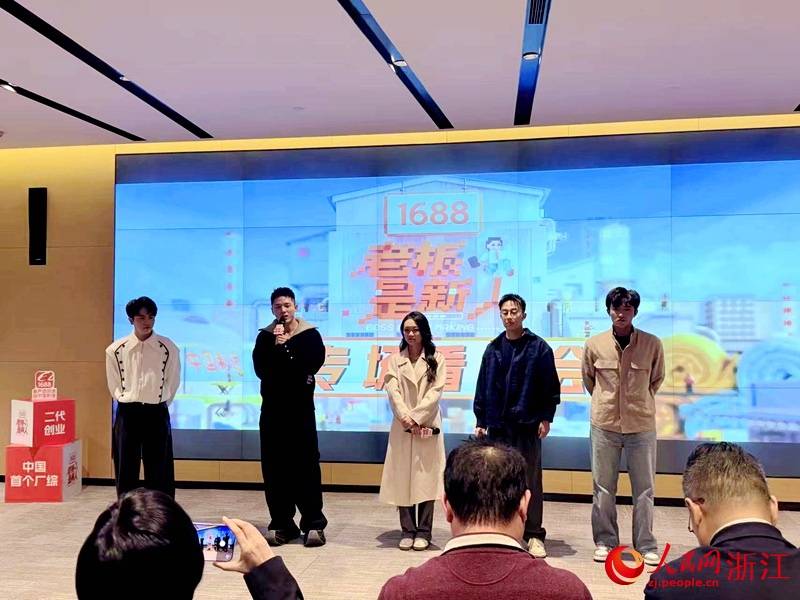
Core Viewpoint - The reality show "The Boss is New" aims to document the generational transition in China's private economy, highlighting the challenges and growth of young entrepreneurs taking over traditional industries [3][5]. Group 1: Program Overview - The show captures the stories of young leaders in traditional industries, focusing on their struggles and growth as they navigate the pressures of leadership [3][5]. - It seeks to challenge stereotypes about the "second generation" of entrepreneurs and showcase the vitality and potential of China's private economy through a blend of tradition and innovation [3][5]. Group 2: Insights from Established Entrepreneurs - Three veteran entrepreneurs shared their experiences and hopes for the next generation during the screening, emphasizing the importance of mentorship and innovation [5]. - The chairman of Jieliya Group, Shi Lei, discussed the transition from "inheriting" to "passing on" business values, encouraging the younger generation to innovate with an open mindset [5]. - Huang Shuliang, founder of Heying Clothing, expressed pride in his daughter’s resilience during factory reconstruction, reflecting a shift from worry to confidence in the new generation [5]. - Dong Zhengqi, founder of Shanghai Xinmai Food, praised his son for integrating AI thinking into traditional industries, highlighting the maturity and responsibility of the younger generation [5]. Group 3: Show Structure and Themes - The program employs a dual narrative structure of "real-life documentation + studio observation" to enhance its authenticity and depth [5]. - Young entrepreneurs face significant challenges, shedding the "boss" label to reveal their true resilience, aligning with the show's core message and the expectations of their predecessors [5]. Group 4: Broadcast Information - "The Boss is New" is set to premiere on November 29 [6].

福建女首富接班了
首席商业评论· 2025-11-19 03:34
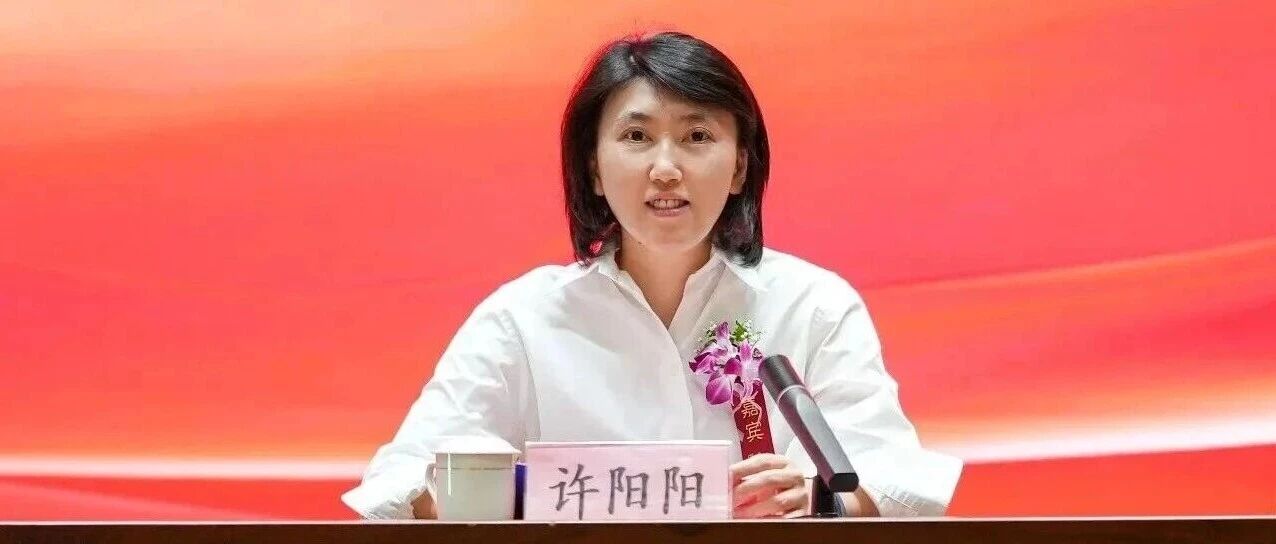
Core Viewpoint - The article discusses the succession of Xu Yangyang as the new president of Dali Food Group, highlighting her journey from grassroots positions to leadership and the broader trend of second-generation entrepreneurs taking over family businesses in Fujian province [5][16]. Group 1: Succession of Xu Yangyang - Xu Yangyang, daughter of founder Xu Shihui, has officially taken over as president of Dali Food Group, marking a significant transition in leadership [5]. - Xu Yangyang joined the family business in 2008 after studying abroad, starting from basic positions and gradually moving up to key roles, including board member and strategic decision-maker [6][7]. - Under her leadership, Dali Food successfully went public in Hong Kong in 2015, significantly increasing her wealth and establishing her as a prominent figure in the industry [7][15]. Group 2: Business Development and Innovation - Xu Yangyang has been instrumental in launching the "Dou Ben Dou" brand of soy milk, which achieved sales of 2.266 billion yuan by 2022, positioning Dali Food as a leader in the health and nutrition sector [7]. - The company has shifted its focus from imitation to innovation, with Xu Yangyang emphasizing the need for the next generation to drive qualitative changes in the business [7][8]. - Dali Food is expanding its international presence, with strategic plans to establish production bases in Southeast Asia, including Indonesia, Thailand, Vietnam, and Saudi Arabia [8]. Group 3: Broader Trends in Fujian Business Succession - The article notes a trend of second-generation entrepreneurs in Fujian taking over their family businesses, with several notable examples, including the successors of major companies like Fuyao Glass and Sanan Group [16][19]. - This generational transition reflects a broader pattern in Fujian, where family ties and regional connections play a significant role in business operations and collaborations [20]. - The article highlights the unique characteristics of Fujian's business culture, where familial and regional bonds have fostered a network of successful enterprises across various sectors [20].
中欧国际工商学院芮萌:保障+产业双轮驱动,构建品质型养老生态
2 1 Shi Ji Jing Ji Bao Dao· 2025-11-17 11:32
Core Insights - The article discusses the aging population in China, highlighting that 19 provinces have entered a moderately aging society, raising concerns about the "aging before becoming rich" and "aging without preparation" issues [2][3] - It emphasizes the need for a balanced development of the three-pillar pension system, which includes basic pension insurance, enterprise annuities, and personal pensions [3][5] Pension System Overview - As of the end of 2024, the participation rate in basic pension insurance is projected to reach 95%, while only 3% of employees participate in enterprise annuities and 7% in personal pensions [3] - The pension replacement rate for urban workers is estimated to be around 45%, significantly below the international warning line of 55% [5] Policy Recommendations - The "14th Five-Year Plan" suggests a dual-driven approach to building a quality pension ecosystem, focusing on both "guarantee + industry" and addressing the imbalance between supply and demand in the pension sector [4] - The plan aims to upgrade the pension system from a safety net to a quality-oriented model, transforming the elderly from passive beneficiaries to active participants in the silver economy [4] Financial Product Innovations - The article highlights the need for a robust three-pillar pension system, with a focus on enhancing the second and third pillars, which are currently underdeveloped [5][7] - Innovative financial products such as reverse mortgages, long-term care insurance, and real estate investment trusts are suggested to meet the diverse needs of retirees [5][8] Structural Goals for Pension System - A proposed short-term structural goal for the pension system is to achieve a "631" or "622" ratio, gradually moving towards a more balanced "523" or "443" ratio in the long term [6] Challenges and Solutions - The main challenge in increasing participation in the second and third pillars is the lack of enthusiasm from enterprises and individuals [7] - Recommendations include government intervention to incentivize personal savings for pensions and ensuring equitable policy measures to encourage broader participation [7] Silver Economy Growth Potential - The silver economy is expected to grow significantly, with potential areas including elderly care services, social engagement activities, and health management technologies [10] - The article identifies the need for financial products that support the silver economy as a critical growth area [10]

福建女首富,接班180亿食品王国
创业家· 2025-11-17 10:20
Core Viewpoint - The appointment of Xu Yangyang as the new president of Dali Food Group marks a significant transition in leadership for a major player in the food industry, with her extensive experience within the company positioning her to tackle current challenges and drive future growth [7][14]. Group 1: Company Overview - Dali Food Group, founded in 1989 by Xu Shihui, has grown from a small factory to a food giant with annual revenues exceeding 18 billion yuan, featuring six major brands including Dali Garden and Kexi [11]. - The company successfully launched its IPO in Hong Kong in 2015, becoming the largest IPO in the global consumer goods sector that year, with a peak market value nearing 100 billion HKD [11]. - From 2016 to 2019, Dali Food's revenue increased from 17.84 billion yuan to 21.37 billion yuan, while the Xu family maintained their status as the richest in Fujian for four consecutive years [11][12]. Group 2: Succession Path - Xu Yangyang's succession was a result of a long-term, systematic training process, starting from her grassroots experience in various roles within the company [14]. - She played a crucial role in Dali's strategic decisions, including leading the company to its successful IPO and launching the "Douben Dou" soy milk brand, which achieved over 1 billion yuan in sales within a year [14][16]. - Under her leadership, Dali is pursuing an international expansion strategy, establishing production bases in Southeast Asia, including Indonesia, Thailand, Vietnam, and Saudi Arabia [15]. Group 3: Challenges Ahead - Dali Food has faced declining revenue and profit from 2020 to 2022, with revenues of 20.96 billion yuan, 22.29 billion yuan, and 19.96 billion yuan, and net profits of 3.85 billion yuan, 3.73 billion yuan, and 2.99 billion yuan respectively [16]. - The company's stock performance has been lackluster, leading to its privatization announcement in 2023, with shares dropping nearly 50% from the IPO price [16]. - Dali's established brands are experiencing aging issues, and adapting to the rising health-conscious consumer trends poses additional challenges for Xu Yangyang [16]. Group 4: Industry Context - Xu Yangyang and her counterpart, Zong Fuli, are often compared as prominent successors in the food industry, both having similar educational backgrounds and career paths [18]. - The transition of leadership in family-owned businesses is becoming increasingly common in China, with many founders reaching retirement age [19]. - Successful business succession requires a well-planned process, as demonstrated by Xu Yangyang's gradual rise through the ranks, contrasting with other family business transitions that have faced challenges [19].
福建女首富接班了
3 6 Ke· 2025-11-17 00:07
Core Viewpoint - Dali Food Group has announced the succession of Xu Yangyang, daughter of founder Xu Shihui, as the new president of the company, marking a significant transition in leadership for the food giant [1]. Group 1: Leadership Transition - Xu Yangyang, born in 1983, has been groomed for leadership since childhood, joining the family business in 2008 after completing her studies abroad [4][6]. - She started from grassroots positions, gaining experience in various roles including production management and brand operations, before becoming a board member in 2014 [4][6]. - Under her leadership, Dali Food successfully went public in Hong Kong in 2015, significantly increasing her wealth and establishing her as a prominent figure in the industry [5][12]. Group 2: Company Growth and Strategy - Dali Food began with a second-hand biscuit production line in 1989 and has grown to become a leading brand in the snack food industry, with a peak market value exceeding 100 billion [7][10]. - The company has launched successful products like "Dali Garden" and "Kebike," leveraging low-price strategies and effective advertising to dominate the market [8]. - Xu Yangyang has initiated a new phase of innovation with the launch of the "Douben Dou" soy milk brand, aiming to position the company as a leader in health and nutrition [6][8]. Group 3: Industry Context - The transition of leadership among second-generation entrepreneurs in Fujian is part of a broader trend, with many companies seeing young leaders take over from their parents [2][13]. - This generational shift is characterized by a close-knit community of Fujian entrepreneurs, who often collaborate despite being in competitive industries [15][16]. - The recent succession events among various Fujian companies highlight a significant moment in the region's business landscape, marking the end of one era and the beginning of another [17].
福建女首富,达利食品许阳阳接班了
Sou Hu Cai Jing· 2025-11-15 08:14
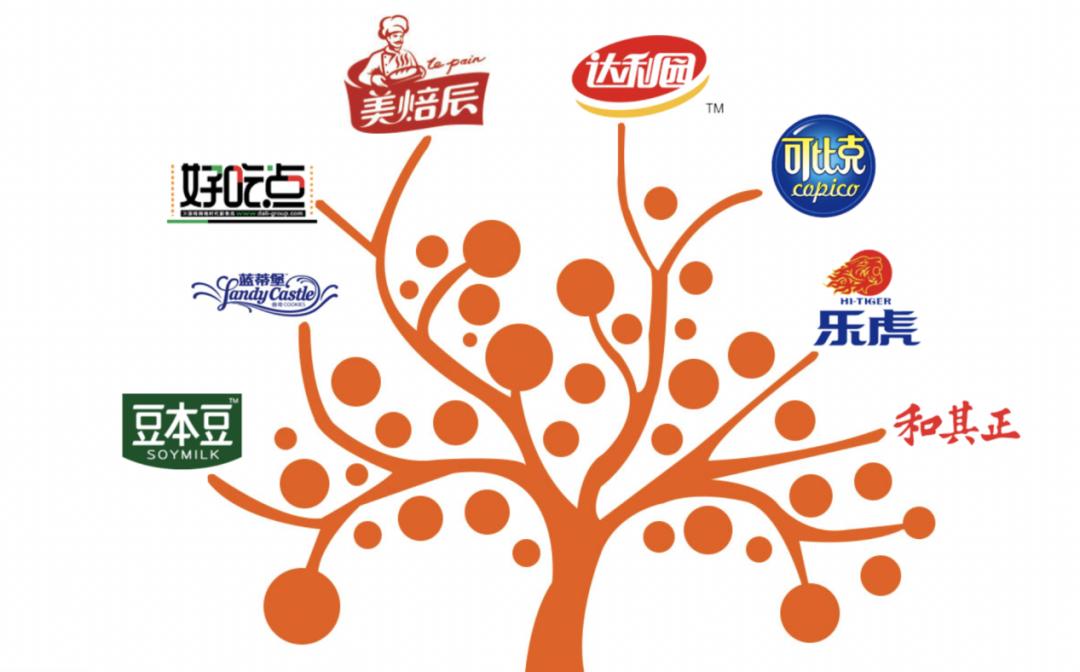
Core Insights - The core point of the news is the succession of Xu Yangyang as the new president of Dali Food Group, taking over from her father Xu Shihui, marking a significant transition in leadership for the company that has grown from a small operation to a well-known food brand with a peak market value exceeding 100 billion [1][12]. Company Overview - Dali Food Group was founded by Xu Shihui in 1989, starting with a second-hand biscuit production line and a small factory, and has since become a leading player in the snack food industry [9][10]. - At its peak, Dali Food's market value surpassed 100 billion HKD, and Xu Shihui became the richest person in Fujian with a fortune of over 60 billion [1][12]. Leadership Transition - Xu Yangyang, born in 1983, has been groomed for leadership since childhood, joining the family business in 2008 after studying abroad and starting from grassroots positions [5][2]. - She played a crucial role in Dali Food's IPO on the Hong Kong Stock Exchange in 2015, which significantly increased her wealth and established her as a prominent figure in the business community [7][2]. - Xu Yangyang's leadership is characterized by a focus on innovation, exemplified by the successful launch of the "Dou Ben Dou" soy milk brand, which generated sales of 2.266 billion in 2022 [8][6]. Strategic Vision - Under Xu Yangyang's leadership, Dali Food is pursuing an international expansion strategy, establishing production bases in Southeast Asia, including Indonesia, Thailand, Vietnam, and Saudi Arabia [8][12]. - The company aims to transition from a focus on survival and growth to achieving qualitative changes in its operations, emphasizing innovation and global perspectives [8][6]. Industry Context - The news highlights a broader trend of second-generation leaders taking over family businesses in Fujian, with several prominent companies undergoing similar transitions [15][20]. - This generational shift reflects the close-knit nature of Fujian's business community, where familial ties and collaborative efforts have historically driven success [18][20].
福建女首富接班了
投资界· 2025-11-15 07:55
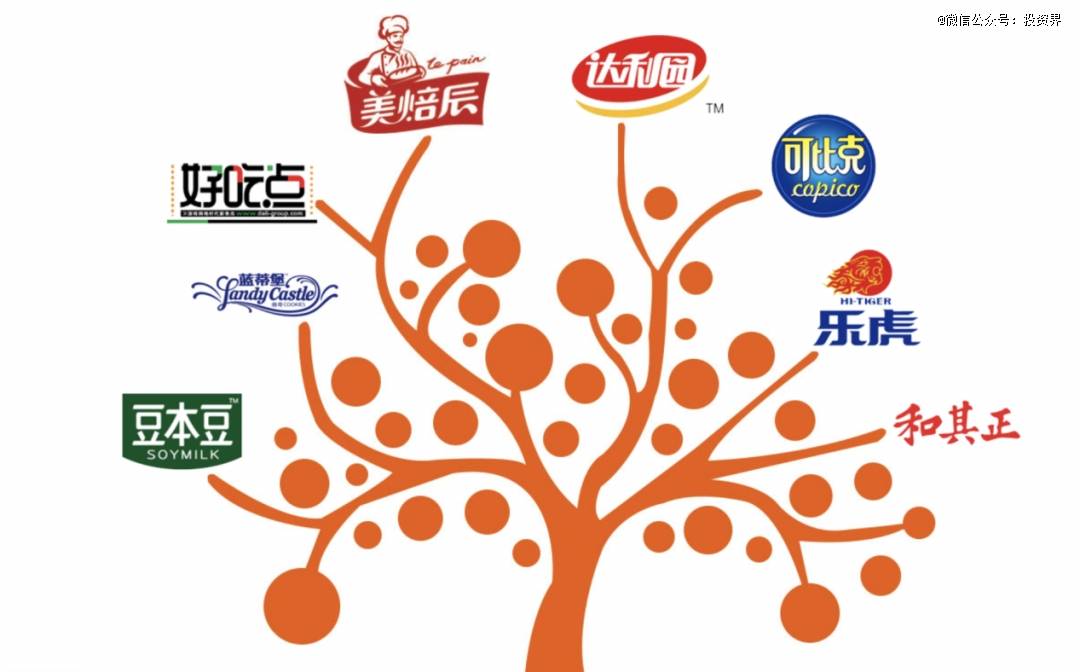
Core Viewpoint - The article discusses the succession of Xu Yangyang as the new president of Dali Food Group, highlighting the transition of leadership within the company and the broader trend of second-generation entrepreneurs taking over family businesses in Fujian province [3][4][14]. Group 1: Succession of Leadership - Xu Yangyang, daughter of founder Xu Shihui, officially takes over as president of Dali Food Group, marking a significant leadership transition [3][4]. - Xu Yangyang has been groomed for this role since childhood, starting her career in the company from the grassroots level after returning from studying abroad in 2008 [6][7]. - Under her leadership, Dali Food successfully went public on the Hong Kong Stock Exchange in 2015, significantly increasing her wealth and establishing her as a prominent figure in the business community [6][10]. Group 2: Company Growth and Innovation - Dali Food Group began with a second-hand biscuit production line in 1989 and has grown to become a household name, reaching a market value exceeding 100 billion [4][10]. - The introduction of the "Dou Ben Dou" brand of soy milk in 2017 under Xu Yangyang's leadership marked a shift towards innovation, positioning the company as a leader in the health and nutrition sector [6][7]. - Dali Food has expanded its operations internationally, establishing production bases in Indonesia, Thailand, Vietnam, and Saudi Arabia as part of its global strategy [7][14]. Group 3: Broader Trends in Fujian Entrepreneurship - The article notes a trend of second-generation entrepreneurs in Fujian taking over family businesses, with several prominent companies undergoing leadership transitions [14][16]. - This generational shift is characterized by a close-knit community of Fujian entrepreneurs who often collaborate and support each other, despite being in competitive industries [16]. - The article highlights the importance of training and preparation for the next generation, with local governments previously funding programs to equip young entrepreneurs with necessary skills [16].
福建前首富退场,女儿接棒百亿食品帝国!
Sou Hu Cai Jing· 2025-11-13 13:23
Core Viewpoint - Xu Yangyang has officially taken over as the president of Dali Foods Group, marking a significant transition in leadership from her father, Xu Shihui, who founded the company and built it into a food giant with annual revenue exceeding 20 billion [1][8]. Group 1: Leadership Transition - Xu Yangyang joined Dali Foods in 2008 and has worked her way up through various roles, gaining comprehensive operational experience [1][8]. - Xu Shihui's careful planning for the succession reflects a thoughtful approach to family business continuity [1][8]. - In 2014, Xu Yangyang became an executive director and vice president, entering the core decision-making team [8]. Group 2: Financial Performance - Dali Foods achieved a historical revenue peak of 22.29 billion in 2021, but growth has since stagnated [4]. - In 2022, the company's revenue declined by 10.5% to 19.96 billion, with net profit dropping by 19.4% to 2.99 billion [4]. - The company's stock price has nearly returned to its original listing point following disappointing performance [5]. Group 3: Market Challenges - Dali Foods faces significant challenges in its beverage segment, with competition from brands like Dongpeng Special Tea [12]. - The snack segment is under pressure from major competitors such as PepsiCo and Mondelez [13]. - Innovative brands like "Douben Dou" and "Meibeichen" are growing but still contribute limited overall revenue [14]. Group 4: International Expansion - Under Xu Yangyang's leadership, Dali Foods is focusing on international expansion, establishing production bases in Indonesia, Thailand, Vietnam, and Saudi Arabia [19][20]. - The Indonesian base is set to begin production in October 2025, aiming to cover major channels in Indonesia and surrounding countries [20]. - Dali Foods adopts a "local-to-local" operational model, integrating local resources for effective market penetration [20]. Group 5: Legacy and Future - Xu Shihui's legacy includes transforming Dali Foods from a small biscuit factory into a major food conglomerate with seven national brands and extensive production capabilities [22][23]. - The company is now positioned to leverage its established infrastructure and brand recognition to navigate both domestic and international markets [25]. - Xu Yangyang's challenge lies in proving her ability to not only maintain the business but also to innovate and expand into new markets [25].

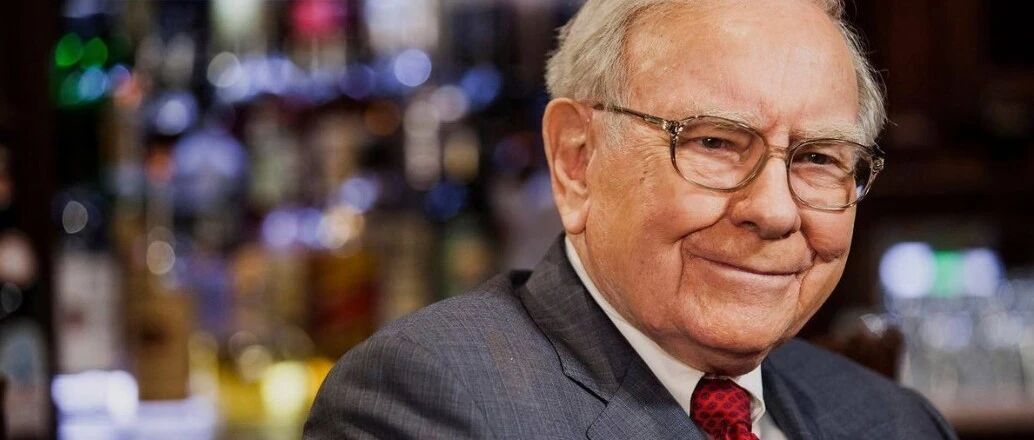
巴菲特“谢幕信”:善意无需成本,却无价︱重阳荐文
重阳投资· 2025-11-11 07:32
Group 1 - Warren Buffett's Thanksgiving letter this year is particularly anticipated as he hands over the reins of Berkshire Hathaway to Greg Abel, indicating a significant transition in leadership [5][18] - Buffett converted 1,800 Class A shares into 2.7 million Class B shares, donating them to four family foundations, highlighting his philanthropic efforts [5][6] - The letter emphasizes the personal connection and reflections of Buffett, contrasting with the more business-focused annual shareholder letters [8][20] Group 2 - Buffett expresses confidence in Greg Abel's ability to manage Berkshire's funds, stating he cannot think of anyone more suitable for the role [8][58] - The letter reflects on the importance of trust in leadership transitions, with Buffett's children fully supporting Abel [52][58] - Buffett discusses the need for vigilance regarding potential risks associated with CEO transitions, emphasizing the importance of board awareness [59][60] Group 3 - The letter includes personal anecdotes from Buffett's life, illustrating the impact of luck and the importance of relationships formed in Omaha [21][42] - Buffett acknowledges the challenges of aging and the need for careful planning regarding his estate and philanthropic goals [48][50] - The letter concludes with reflections on personal growth and the importance of choosing good role models, encouraging continuous improvement [67][71]
巴菲特布局伯克希尔CEO交班过渡期:捐13亿、不再写年度股东信、保留大量A类股
美股IPO· 2025-11-11 00:04
Core Insights - Warren Buffett plans to donate over $1.3 billion worth of Berkshire Hathaway Class B shares to four family foundations while retaining a significant amount of Class A shares until shareholders establish long-term confidence in successor CEO Greg Abel [1][3][5] - The Thanksgiving letter marks Buffett's first major statement since announcing his retirement as CEO, indicating the end of his 60-year management era at Berkshire [4] - Buffett emphasizes that the accelerated donations are not indicative of a change in Berkshire's outlook, but rather a consideration of his children's age and the need for them to manage their inheritance [5] Group 1: Donation Plans - Buffett will convert 1,800 shares of Berkshire Class A stock into 2.7 million Class B shares, donating 1.5 million shares to the Susan Thompson Buffett Foundation and 400,000 shares each to the Sherwood, Howard G. Buffett, and NoVo foundations [3][5] - The total value of the donation is over $1.3 billion, reflecting Buffett's ongoing commitment to philanthropy [3][8] Group 2: Leadership Transition - Greg Abel, currently the Vice Chairman of non-insurance operations, will take over as CEO in early 2024, while Buffett will remain as Chairman [4] - Buffett expresses confidence in Abel, stating that his children and the board fully support him, and that it won't take long for shareholders to develop the same level of trust [5] Group 3: Company Performance and Outlook - Berkshire's core business remains strong, with a 34% year-over-year increase in operating profit for Q3, and a record cash holding of $381.7 billion as of September 30 [7] - Buffett acknowledges that while Berkshire's size is an advantage, it also presents limitations, predicting that many companies may outperform Berkshire in the next 10 to 20 years [7] - The stock price has increased approximately 10% year-to-date, although it has lagged behind the S&P 500 index during a tech-driven market rebound [7] Group 4: Health and Communication - Buffett shares that he feels generally well despite some physical limitations, continuing to work five days a week in the office [6][7] - He intends to maintain the tradition of writing Thanksgiving letters to shareholders, emphasizing the unique relationship with Berkshire's individual shareholders [8]