
汽车产业转型

Search documents
奔驰“天价”裁员,中国市场失守
Hua Er Jie Jian Wen· 2025-10-24 03:47
Core Insights - Mercedes-Benz has initiated a significant voluntary layoff plan, aiming to encourage approximately 30,000 employees to leave the company with generous severance packages, reflecting a strategic shift amid declining sales and market challenges [2][5] - The company's global sales have dropped, with a 12% year-on-year decline in Q3 and a 27% drop in sales in China, indicating a critical need for transformation [2][3] - The automotive industry is undergoing a structural shift, with traditional manufacturing roles declining while demand for software and battery expertise is increasing, necessitating a realignment of workforce skills [6][7] Group 1: Layoff and Compensation - Mercedes-Benz's voluntary layoff plan offers substantial severance packages, with senior management receiving over €500,000 (approximately ¥4.13 million) and factory workers receiving compensation equivalent to two years' salary [2] - Approximately 4,000 employees have already accepted the severance offer, highlighting the urgency of the company's transformation efforts [2] Group 2: Sales Performance - In Q3, Mercedes-Benz's global sales totaled 525,300 units, a 12% decrease year-on-year, with total sales for the first three quarters at 1.602 million units, down 9% [2] - The Chinese market, a crucial segment for Mercedes, saw a staggering 27% decline in sales in Q3, worsening from a 19% drop in Q2 [2] Group 3: Industry Context - Other German automakers, such as BMW and Volkswagen, are also facing significant challenges, with BMW's revenue down 8% and Volkswagen's profit down over 38% year-on-year [3] - The automotive industry is experiencing a "double squeeze" on labor structure, with a 5%-8% annual decline in internal combustion engine-related jobs and a growing demand for software engineers and battery experts [6] Group 4: Strategic Shift - Mercedes-Benz is attempting to pivot towards electric and smart vehicle production, with new model launches and significant investments in R&D, particularly in China [3][5] - The company aims to save €5 billion by 2027 through workforce reductions and cost-cutting measures, reallocating resources towards electric and intelligent vehicle development [5][7] Group 5: Future Outlook - The transition in the automotive industry is marked by a shift in value chain dynamics, with software development costs rising from 10% to 40% of total costs, necessitating a reconfiguration of talent [7] - The ongoing transformation may indicate a strategic contraction phase for the entire European automotive industry as major players like Volkswagen and BMW adopt similar restructuring plans [7][8]

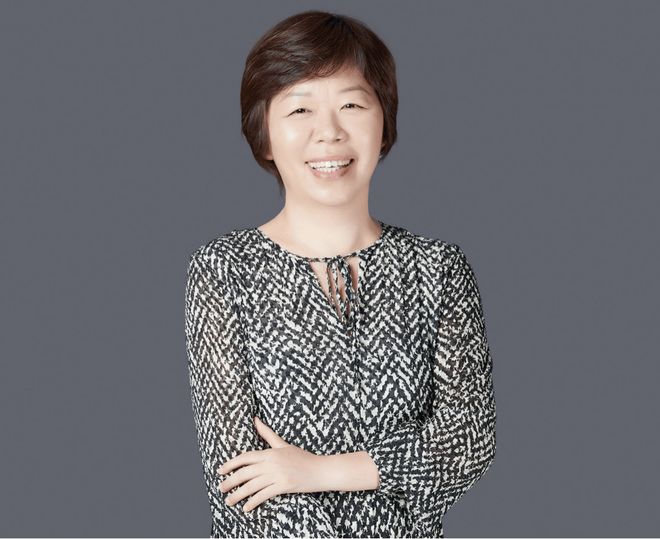
北汽、福耀深化合作 福耀集团董事长曹晖出席座谈
Zheng Quan Shi Bao Wang· 2025-10-23 08:44
Core Viewpoint - The meeting between the chairman of BAIC Group and the chairman and president of Fuyao Group focused on collaboration paths in the context of automotive industry transformation, emphasizing strategic mutual trust and partnership [1] Group 1: Company Collaboration - BAIC Group's subsidiary, Hainachuan, signed a strategic cooperation agreement with Fuyao Group [1] - The discussions aimed to deepen cooperation in the automotive supply chain and address industry challenges [1] Group 2: Industry Positioning - Fuyao Group remains committed to its mission of producing automotive glass for the Chinese market, emphasizing its role as a supporting player in the automotive industry [1] - The company is focused on extending its industrial chain and overcoming critical challenges related to raw materials and production equipment to meet global demand for high-value, high-quality automotive glass [1]
汽车“逐梦人”,更是汽车“筑梦人” 《我心深处是汽车:付于武八十自述》新书发布!
Zhong Guo Qi Che Bao Wang· 2025-10-23 02:48
Core Viewpoint - The release of Fu Yuwu's autobiography highlights the evolution and achievements of the Chinese automotive industry, emphasizing the contributions of different generations of automotive professionals and the ongoing transformation towards innovation and independence in the sector [1][3][5]. Group 1: Historical Context - Fu Yuwu identifies himself as the "third generation of automotive professionals" in China, following the foundational first generation and the transformative second generation [3]. - The first generation laid the groundwork for the industry, while the second generation addressed significant gaps in the market, particularly in the passenger vehicle segment [3][5]. Group 2: Personal Journey and Contributions - Fu Yuwu's career began in 1970 at Harbin Automotive Gear Factory, during a time when China's automotive industry was still developing, with an annual production capacity of only a few hundred thousand vehicles [5]. - He participated in various vehicle projects, including the development of light and heavy-duty vehicles, showcasing the hands-on approach of early automotive professionals [5][7]. Group 3: Industry Transformation - The third generation, represented by Fu Yuwu, is tasked with accelerating the independent development of the Chinese automotive industry, transitioning from traditional fuel vehicles to new energy vehicles [7]. - The industry has seen a significant transformation, achieving a leading position in certain areas and establishing a complete supply chain for electric and intelligent vehicles [7][8]. Group 4: Educational and Cultural Impact - Fu Yuwu has been a strong advocate for talent development in the automotive sector, emphasizing the importance of education and the return of overseas talent to contribute to the industry [10][12]. - He co-founded the Beijing Huachi Automotive Culture Foundation to promote innovation and talent cultivation within the automotive field [10]. Group 5: Industry Recognition and Future Aspirations - The autobiography has received praise from various industry leaders, who recognize Fu Yuwu's significant impact on the automotive sector and his vision for its future [13][15]. - Fu Yuwu expresses a desire to see Chinese automotive brands become internationally recognized and synonymous with "Chinese manufacturing," indicating a strong belief in the industry's potential for global competitiveness [21].

2025世界智能网联汽车大会 || 宝马集团董事高乐:宝马携手中国合作伙伴以责任守护创新,以合作开创未来
Zhong Guo Qi Che Bao Wang· 2025-10-17 02:27
Core Insights - BMW emphasizes the importance of independent innovation and open collaboration in navigating the significant transformation of the global automotive industry [2][3] - The company views China as not only its largest single market but also a key driver of technological innovation and automotive industry transformation [2] - BMW is accelerating the development of a smart ecosystem in China, collaborating with technology partners like Huawei and Alibaba to enhance core technologies in smart cockpits and autonomous driving [3] Group 1 - BMW's strategy focuses on integrating local innovation with its core technological advantages to meet Chinese consumer expectations for smart mobility [2] - The new generation of vehicles showcases BMW's advancements in electric, digital, and sustainable development, featuring technologies like the sixth-generation eDrive and panoramic iDrive [2] - The company advocates for responsible use of artificial intelligence, ensuring that all smart technologies undergo rigorous safety testing before implementation [3] Group 2 - BMW aims to drive the automotive industry towards a smarter and more sustainable future by leveraging its R&D capabilities and local partnerships in China [3] - The emphasis on safety as a non-negotiable baseline reflects BMW's commitment to responsible innovation in the automotive sector [3]

“中国创新活力”与“德国精工实力”双向奔赴 携手把握汽车产业转型机遇
Ren Min Ri Bao· 2025-10-13 02:17
Group 1 - The 2025 World New Energy Vehicle Conference was held during the 2025 Munich Auto Show, focusing on "New Stage of Sino-German Cooperation under Industrial Transformation" [1] - Over a hundred representatives from the Chinese and German automotive industries attended the conference, emphasizing the need for collaboration to seize opportunities in the automotive industry's transformation [1] - The President of the German Automotive Industry Association highlighted the complementary advantages of Germany's global layout and China's innovative vitality in electric vehicles, autonomous driving, and artificial intelligence [1] Group 2 - Volkswagen Group's Chairman stated that China remains a core part of their strategy, with approximately 50 million customers in the country [2] - The President of the European Automobile Manufacturers Association noted that China has become the largest and most dynamic automotive market, driving innovation and sustainability [2] - BMW's Chairman emphasized the importance of deepening Sino-German cooperation and acknowledged China's rapid technological advancements and innovation capabilities [2] Group 3 - The Vice President of the China Society of Automotive Engineers described Sino-German automotive cooperation as a model for global collaboration and mutual benefit [2] - The integration of artificial intelligence and clean energy technologies is reshaping the global automotive industry, with low-carbon, electrification, and intelligence as key development directions [2]
携手把握汽车产业转型机遇
Ren Min Ri Bao· 2025-10-12 22:10
Group 1 - The 2025 World New Energy Vehicle Conference was held during the Munich Auto Show, focusing on "New Stage of Sino-German Cooperation under Industrial Transformation" [1] - Over a hundred representatives from the Chinese and German automotive industries attended, emphasizing the need for collaboration in technology innovation and market cooperation to promote high-quality development of the global new energy vehicle industry [1] - The President of the German Automotive Industry Association highlighted the complementary advantages of Germany's global layout and China's innovative vitality in electric mobility, autonomous driving, and artificial intelligence [1] Group 2 - Volkswagen Group has approximately 50 million customers in China, indicating the market's strategic importance for the company [2] - The President of the European Automobile Manufacturers Association noted that China has become the largest and most dynamic automotive market, with significant achievements since local production and R&D began in 2005 [2] - BMW Group's Chairman emphasized the importance of deepening Sino-German cooperation and the unique technological leadership and rapid innovation capabilities of China [2]
三年陪伴大赚超百亿,潮汕兄妹靠奇瑞汽车“赢麻了”
Xin Lang Cai Jing· 2025-10-09 14:13
Core Viewpoint - Chery Automobile's successful IPO on the Hong Kong Stock Exchange has significantly increased the wealth of its major investors, particularly Wang Laichun and Wang Laisheng, who have realized substantial gains from their investments in the company [3][4][6]. Investment Background - Wang Laichun and Wang Laisheng's investment in Chery dates back to 2022, when they acquired stakes in Chery Holdings and Chery Automobile for 10.054 billion yuan [4]. - As of September 25, 2023, their investment vehicle, Lixun Investment, holds 15.96% of Chery Automobile, valued at approximately 29.8 billion HKD (about 27.3 billion RMB) [5][6]. Financial Performance - Chery Automobile's revenue surged from 926.18 billion yuan in 2022 to 2,698.97 billion yuan in 2024, with net profit increasing from 62.66 billion yuan to 141.35 billion yuan during the same period [5][14]. - The company's revenue compound annual growth rate (CAGR) from 2022 to 2024 was 70.7%, while net profit CAGR was 57.1% [14]. IPO Details - Chery's IPO on September 25, 2023, was highly successful, with a subscription rate of 238 times, raising 9.145 billion HKD [13]. - The initial trading price was 34.2 HKD per share, closing at 31.92 HKD, bringing the market capitalization close to 200 billion HKD [5][13]. Strategic Intent - The investment by Wang Laichun's family reflects a strategic ambition to enhance Lixun Precision's automotive parts business, aiming to become a top-tier supplier globally [8][9]. - The collaboration between Lixun and Chery is intended to leverage ODM (Original Design Manufacturer) capabilities, enhancing Lixun's core component manufacturing capabilities [9][10]. Risks and Concerns - Despite the impressive growth, Chery faces challenges such as declining gross margins and high debt levels, with a debt-to-asset ratio of 93.1% at the end of 2022 [14]. - The company's gross margin fell from 16% in 2023 to 12.4% in the first quarter of 2025, which is lower than competitors like Great Wall Motors and Geely [14].
“中国电动汽车崛起,撼动了日本皇冠上的明珠”
Guan Cha Zhe Wang· 2025-10-01 01:45
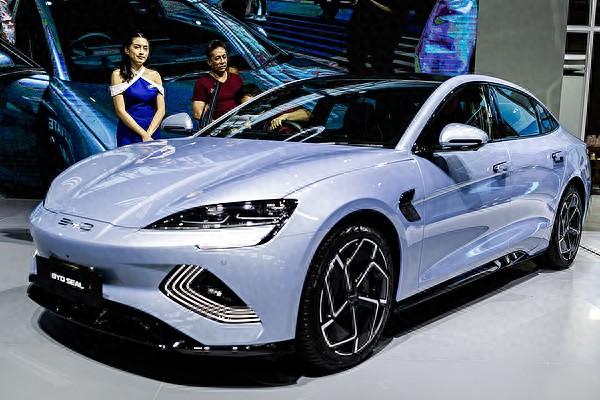
Core Insights - The competitiveness of Japanese automakers is gradually weakening, primarily due to the rise of Chinese electric vehicles, particularly BYD, which has surpassed Honda and Nissan in global sales and is now targeting Toyota [1][4] - Japanese automakers are lagging in the development speed of new models and high-tech electric vehicles, leading to a loss of market share in China and Southeast Asia [1][4] - The market share of Japanese automakers in Southeast Asia has decreased from 73% in 2021 to 64% in 2024, with further decline to 62% in the first half of this year [4][5] Industry Trends - The global automotive market saw total sales of 95 million units last year, with hybrid models accounting for 6.6 million units, indicating a significant market share opportunity for Japanese automakers in this segment [3] - The transition from internal combustion engines to electric vehicles poses a severe challenge to Japan's automotive industry, which is a key pillar of the economy [1][4] - Analysts suggest that the entry of Chinese electric vehicle manufacturers signals the end of Japan's dominance in Southeast Asia, a market that was previously considered secure for Japanese companies [5] Competitive Landscape - Japanese automakers face fundamental issues in new vehicle development cycles, estimated at 6 to 7 years, compared to just 18 months for some Chinese companies [4] - Despite challenges, Japanese automakers have stable markets in the U.S., India, and their domestic market, with strong demand for hybrid models [6][7] - Toyota remains the most profitable company in the automotive industry, with a net profit of 4.8 trillion yen (approximately 230 billion RMB) last fiscal year, although its market valuation is less than a quarter of Tesla's [7] Future Outlook - The potential for industry consolidation is seen as a hopeful avenue for Japanese automakers, as the number of manufacturers is considered excessive, limiting scale advantages [7] - The ability of electric vehicles to maintain attractiveness in the market, especially as subsidies decrease, will be a critical factor in future sales growth [5]
资本引擎驱动汽车产业加速转型升级
Zheng Quan Ri Bao· 2025-09-28 16:04
Group 1 - Chery Automobile raised HKD 9.145 billion in its IPO, marking the largest IPO for a car company in Hong Kong this year, reflecting a trend of Chinese car manufacturers embracing the capital market [1] - Other companies like Lantu, Seres, and Avita are also planning to enter the Hong Kong market, indicating a collective movement among Chinese car manufacturers [1] - The capital market is seen as a strategic support for car companies to overcome development bottlenecks, particularly in the context of the global automotive industry's shift towards electrification and intelligence [1] Group 2 - The primary goal of recent capital market activities by car manufacturers is to address funding challenges related to technological transformation, with significant investments required for advancements in solid-state batteries and L4 autonomous driving [1] - Leading car manufacturers are investing over CNY 10 billion annually in R&D, with capital markets providing a stable funding source; for instance, Seres plans to allocate 70% of its IPO proceeds to R&D [1] - The cycle of "IPO financing - technological breakthroughs - market recognition - refinancing" has become a core logic for maintaining technological leadership in the industry [1] Group 3 - Improving corporate governance and market-oriented operational mechanisms is another important reason for car manufacturers seeking to go public, as the IPO process enforces reforms in equity structure and information disclosure [2] - This governance upgrade enhances operational efficiency and strengthens the ability of car manufacturers to withstand market fluctuations [2] Group 4 - From an industry development perspective, the capital market is acting as an "accelerator" for the globalization of Chinese car manufacturers and a "catalyst" for industry consolidation [3] - Capital is essential for local factory establishment, brand acquisitions, and compliance operations in overseas markets, with platforms like the Hong Kong Stock Exchange facilitating cross-border financing [3] - Companies like Geely and Chery are leveraging capital market funding to expand their presence in Europe and Southeast Asia, demonstrating the role of capital markets in global expansion [3] Group 5 - The listing of car manufacturers is expected to drive collaborative upgrades across the supply chain, with companies like CATL and Guoxuan High-Tech also entering the capital market [4] - This clustering effect provides financial support to various segments of the automotive supply chain, promoting technological standardization and cost optimization [4] - As more car manufacturers accelerate technological accumulation, governance upgrades, and global expansion through capital markets, the Chinese automotive industry is poised to dominate the global smart mobility ecosystem [4]
MPV市场规模困境与消费悖论
Zhong Guo Qi Che Bao Wang· 2025-09-22 09:10
Core Insights - Ruisheng Automotive has announced its independent operation focusing on MPV products, becoming the first brand in the Chinese automotive market to specialize in MPVs, which is seen as both brave and risky given the current market dynamics [2] - The MPV market faces significant challenges, including a scale bottleneck that leads to high R&D costs, a conflict between space practicality and driving experience, and difficulties in transitioning to new energy vehicles [3][4] - The consumer perception of space value versus driving experience creates a second layer of challenges for the MPV market, as consumers still prefer SUVs despite the inherent advantages of MPVs [6][7] - The rise of new energy vehicles is reshaping the MPV product landscape, with models like the Tengshi D9 demonstrating that strong product capabilities can lead to market acceptance [7] - MPV brands need to explore differentiated survival strategies, focusing on high quality and cost-effectiveness, while also addressing deep-rooted consumer perceptions and market dynamics [9][10] Market Dynamics - The MPV market is characterized by a high concentration, with the top ten companies holding 77.9% of the market share, making it difficult for new entrants to gain traction [3] - The annual sales threshold of 50,000 units is necessary for MPVs to cover R&D costs, yet few products currently meet this benchmark [3] - The transition to new energy MPVs incurs over 30% higher R&D costs compared to traditional fuel vehicles, complicating the market landscape [4] Consumer Behavior - Consumers have not yet formed a habit of purchasing MPVs, leading to a preference for SUVs, which are perceived as more stylish and versatile [6] - The traditional fuel MPVs have inherent flaws, such as poor handling and compromised performance, which deter potential buyers [6] - The demand for MPVs is shifting towards mid-to-high-end business and family markets, indicating a potential change in consumer recognition of MPVs [7] Strategic Recommendations - MPV brands should leverage technological advancements to differentiate themselves and break the stereotype of being "ordinary" [9] - New product strategies should focus on adapting to specific consumer scenarios, such as camping or business needs, to enhance market appeal [9][10] - A reevaluation of pricing strategies is necessary, with a focus on space efficiency, energy consumption, and adaptability to different scenarios becoming core evaluation metrics [10]
