央行购金

Search documents
全球央行购金机构分歧纸黄金微涨
Jin Tou Wang· 2025-10-28 03:08
Group 1 - The core viewpoint of the news highlights the fluctuations in gold prices, with paper gold trading around 912.83 yuan per gram, showing a slight increase of 0.09% [1] - In October, gold prices surged from $3,800 to a historical peak of $4,390, marking a significant cumulative increase, but faced a technical sell-off due to profit-taking as trade tensions eased and Fed policy expectations became clearer [2] - Global central banks have been consistently purchasing gold, with a 15% year-on-year increase in gold purchases since 2025, providing a strong support level for gold prices in the $3,950 to $4,000 range, preventing deeper corrections [2] Group 2 - Current key resistance levels for paper gold are identified between 951 yuan per gram and 1,010 yuan per gram, while important support levels are between 908 yuan per gram and 950 yuan per gram [3] - Institutional views on gold prices are divided, with Goldman Sachs raising its 2025 year-end gold price forecast to $3,300 per ounce, while Bank of America suggests that optimistic trade sentiment and a strong stock market may continue to pressure gold's safe-haven appeal [2]
黄金价格一度跌破4000美元,美联储降息时点临近
Sou Hu Cai Jing· 2025-10-28 01:59
Core Viewpoint - Gold prices have recently dropped below $4,000 per ounce, with domestic gold prices also falling below 920 yuan, reflecting a nearly 10% decline from recent highs. This decline is attributed to easing geopolitical risks and profit-taking, although central bank gold purchases and ongoing monetary easing trends support gold's inflation-hedging and safe-haven properties [1]. Group 1: Price Movements - Gold prices fell below $4,000 per ounce, with domestic prices dropping below 920 yuan [1] - Brand jewelry prices decreased by nearly 100 yuan per gram [1] - Gold ETF (518850) experienced a nearly 2% decline, ranking among the top losers in the ETF market [1] Group 2: Market Influences - Easing geopolitical risks and profit-taking triggered a technical correction in gold prices [1] - Central bank gold purchasing trends remain strong, and the monetary easing trend continues [1] - The Federal Reserve is expected to meet again at the end of October, with a 97.3% probability of interest rate cuts, which may support gold price performance [1]
10月26日今日金价:拐点显现,黄金市场或将迎更大波动
Sou Hu Cai Jing· 2025-10-26 18:49
Core Viewpoint - The recent volatility in the gold market, particularly on October 26, 2025, indicates a potential significant shift in market dynamics, with prices experiencing dramatic fluctuations that suggest a struggle between bullish and bearish forces [1][3][8]. Market Dynamics - On October 26, gold prices saw a dramatic drop of $67, reaching a low of $4044.07 per ounce, before rebounding to close at $4126.9, showcasing extreme volatility [1][3]. - The trading session produced a long lower shadow candlestick, a pattern often seen at market turning points, indicating a temporary balance between buyers and sellers [3][6]. - The day prior, on October 21, the market experienced a significant drop of $250.53 per ounce, marking a 5.75% decline, the largest single-day drop since October 2021 [5]. Technical Analysis - The $4040 level is identified as a critical support line for the gold market, which has implications for both short-term and long-term price movements [6][8]. - If gold prices fall below this support, the next significant level to watch is around $3770; conversely, a rebound could lead to challenges against previous highs of $4180 [8]. Institutional Behavior - Recent data from CFTC indicates a divergence in institutional investor positions, with large hedge funds reducing their long positions while commercial traders are decreasing their short positions, suggesting a potential market direction change [8][10]. - Since late April, non-commercial net long positions in COMEX gold have decreased by nearly 40,000 contracts, a drop of about 20%, alongside a 40-ton outflow from the largest gold ETF, SPDR [10]. Central Bank Activity - Despite short-term market fluctuations, global central banks continue to purchase gold, with a net acquisition of 244 tons in Q1 2025, indicating ongoing support for gold prices [10]. - China's central bank has increased its gold reserves, reflecting a broader trend among central banks to maintain gold as a key asset amid rising geopolitical risks and challenges to the dollar's dominance [10]. Market Sentiment - The relationship between gold prices and the US dollar has shifted, with gold showing resilience despite a strong dollar, suggesting that market participants are pricing in future inflation risks and geopolitical uncertainties [12]. - The current market environment reflects a mix of historical patterns and new variables, such as high global debt levels and increased central bank gold purchases, which could influence future price movements [17].


金价5000美元是开始?达利欧一句话点破美元危机,散户血亏前必看
Sou Hu Cai Jing· 2025-10-25 16:33
Core Viewpoint - The current surge in gold prices is unprecedented, driven by a combination of geopolitical risks, changing interest rates, and a decline in the credibility of the US dollar [1][3][12]. Group 1: Market Dynamics - Gold prices have recently surpassed $4,200, marking a significant historical high, with both international and domestic markets experiencing a bullish trend [1]. - The ongoing geopolitical tensions, particularly in the Middle East, have led to increased demand for gold as a safe-haven asset [3][12]. - The global interest rate environment is shifting, with expectations of a nearing end to the Federal Reserve's rate hike cycle, enhancing gold's appeal as a non-yielding asset [3][12]. Group 2: Central Bank Actions - Central banks worldwide have been net buyers of gold for several years, setting historical records in gold purchases [4]. - Many countries are repatriating gold stored in foreign vaults, reflecting a growing distrust in the current international monetary system [4]. Group 3: Institutional Perspectives - Major investment banks are adjusting their gold price targets upward, indicating a consensus among institutions regarding the value of gold [6]. - Notable figures, such as Ray Dalio, emphasize gold as a fundamental alternative to debt, highlighting concerns over the sustainability of the global debt system [6][8]. Group 4: Debt Concerns - The global debt has reached three times the total GDP, raising alarms about the sustainability of this debt level and the trust in traditional currency systems [7]. - The US national debt has surpassed $37 trillion, leading to skepticism about the government's ability to meet its financial obligations [8]. Group 5: Market Risks - Despite the bullish outlook, there are risks in the gold market, including potential volatility and historical precedents of sharp price corrections [11]. - The use of leverage in modern gold trading can amplify both gains and risks, making the market susceptible to sudden reversals [11]. Group 6: Future Outlook - The peak of the current gold rally is uncertain and will depend on the persistence of key driving factors, including geopolitical tensions and interest rate movements [12][13]. - The ongoing "de-dollarization" process and adjustments in foreign exchange reserves by central banks suggest a long-term shift in the monetary landscape, with some institutions projecting gold prices could reach as high as $5,000 [15].
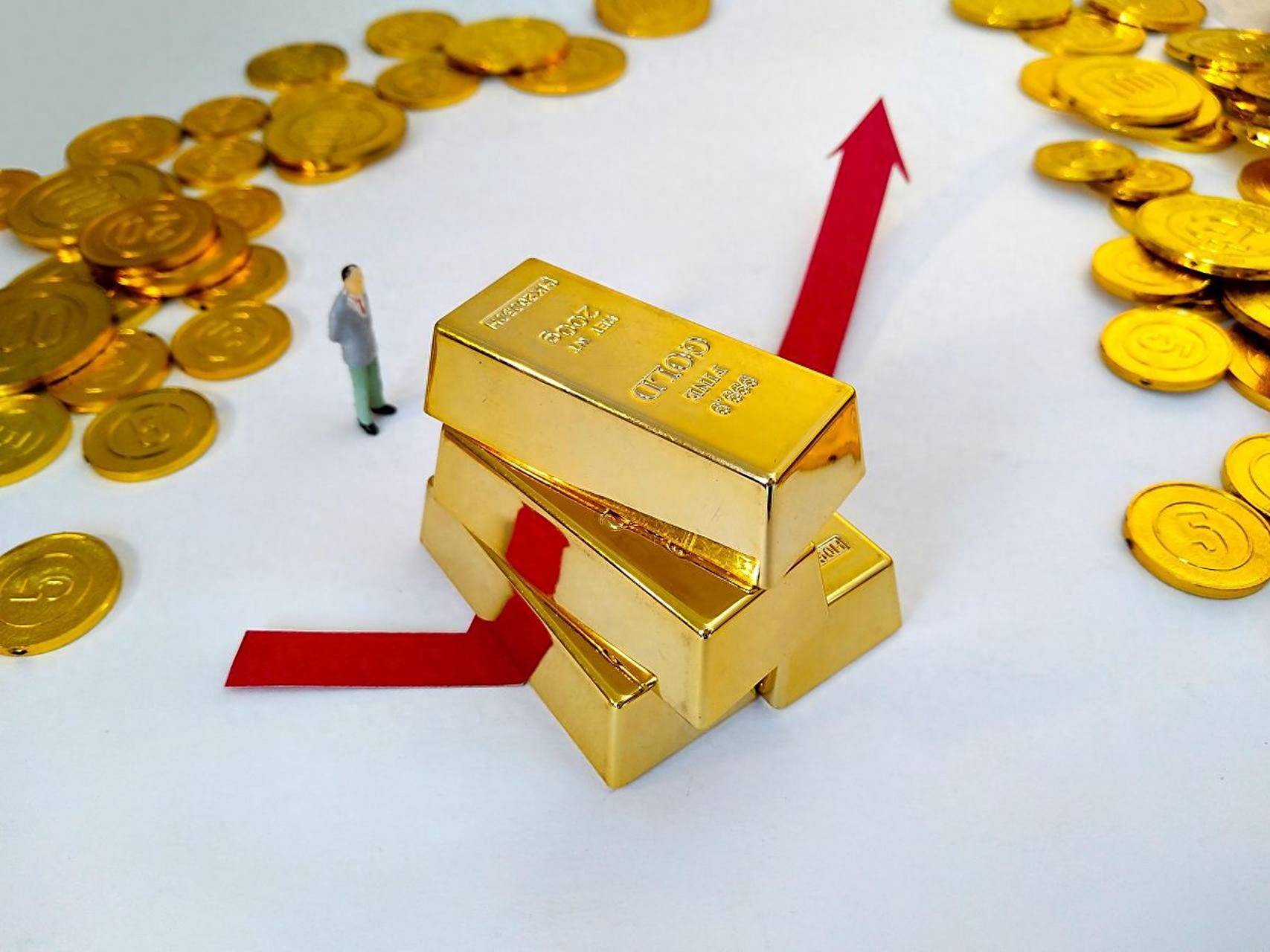
金价23日大反攻!两日跌超300美元后冲回4100,牛市能到5000吗?
Sou Hu Cai Jing· 2025-10-25 14:19
Core Viewpoint - The recent surge in gold prices, rebounding from a two-day decline, highlights the market's "buying on dips" mentality, driven by geopolitical tensions and expectations of interest rate cuts by the Federal Reserve [1][3][4]. Market Dynamics - Gold prices experienced a significant rebound, with spot gold rising to $4,132.76 per ounce, marking a 1% increase in a single day, while December gold futures surged by 2% to $4,145.60 per ounce [1]. - The price drop on October 22, where gold fell to $4,054.34, was a decline of over $300 from the historical high of $4,381.21 on October 20, raising concerns about the sustainability of the gold bull market [1]. Investor Behavior - Despite the recent price drop, investors have shown a strong inclination to buy on dips, with many viewing price corrections as opportunities to enter the market [3]. - The trend of "buying on dips" has become a common strategy in the gold market, with significant inflows into gold ETFs observed throughout October [3][4]. Institutional Involvement - Institutional investors, particularly from North America and Europe, have been increasing their positions in gold ETFs, indicating a long-term bullish outlook despite short-term volatility [4][10]. - The combined efforts of retail and institutional investors provide robust support for gold prices, making it difficult for prices to experience significant declines [4]. Geopolitical Factors - Recent geopolitical developments, including U.S. sanctions on Russian oil companies, have contributed to market volatility, driving investors towards gold as a safe haven [4][6]. - The ongoing geopolitical tensions are expected to enhance gold's appeal as a "safe haven" asset, particularly in light of the recent sanctions imposed by the U.S. and EU on Russia [6][10]. Economic Indicators - The release of lower-than-expected U.S. inflation data has heightened expectations for interest rate cuts by the Federal Reserve, with a 98.9% probability of a 25 basis point cut in November [7][8]. - Lower interest rates reduce the holding costs of gold, making it a more attractive investment option [8][9]. Central Bank Actions - Central banks globally are increasing their gold reserves at record levels, providing a strong foundational support for gold prices [10][11]. - A significant portion of central banks plan to continue purchasing gold, with 95% of surveyed central banks expecting to buy more gold in the next 12 months [10]. Future Projections - Morgan Stanley has set a target of $5,000 per ounce for gold by the end of 2026, citing stable demand and ongoing central bank purchases as key drivers [11]. - While short-term fluctuations may occur, the long-term outlook for gold remains positive due to persistent geopolitical tensions, central bank buying, and low interest rate expectations [12][15].
智昇黄金原油分析:形态已经修复 黄金可能反攻
Sou Hu Cai Jing· 2025-10-24 10:20
Group 1: Gold Market - Gold experienced slight fluctuations with a noticeable slowdown in upward and downward momentum, indicating a potential short-term rebound [1] - In September, global physical gold ETFs saw the largest monthly net inflow on record, totaling $26 billion for the third quarter, marking a record high [1] - Central banks globally purchased 890 tons of gold in the first three quarters of the year, the second-highest level in history, despite being slightly lower than the same period in 2024 [1] - The strong buying actions by central banks are seen as a robust support for gold, as countries accelerate diversification of reserve assets in response to U.S. trade policies [1] Group 2: Oil Market - Oil prices continued to rebound, reaching a new high for the month, with reports suggesting U.S. actions against oil-producing countries may aim to suppress oil prices [2] - The weakening of oil prices could serve dual purposes: to undermine U.S. adversaries and to bolster domestic support for President Trump [2] - Technical analysis indicates that oil prices face significant resistance at previous highs, with potential for a pullback [2] Group 3: U.S. Dollar and Federal Reserve - The U.S. dollar index is showing signs of weakness, with expectations of a 25 basis point rate cut by the Federal Reserve, which is anticipated to further weaken the dollar [2] - The probability of a rate cut in October is estimated at 98.3%, with a 93.4% chance of a cumulative 50 basis point cut by December [2] - The Federal Reserve may also announce a halt to its balance sheet reduction, as bank reserves have dropped significantly, raising concerns about liquidity risks [3] Group 4: Economic Indicators - Upcoming economic data releases include the U.S. September CPI, expected at 3.1%, and the October preliminary PMI, anticipated at 52 [5][6] - The Michigan Consumer Sentiment Index for October is projected to be 55, reflecting consumer confidence trends [6]
百利好晚盘分析:形态已经修复 黄金可能反攻
Sou Hu Cai Jing· 2025-10-24 08:59
Group 1: Gold Market - Gold experienced slight fluctuations with a noticeable slowdown in upward and downward momentum, indicating a potential short-term rebound [1] - September saw the largest monthly net inflow into global physical gold ETFs on record, with a total inflow of $26 billion in Q3, marking a historic high [1] - Central banks globally purchased 890 tons of gold in the first three quarters of this year, the second-highest level in history, despite being slightly lower than the same period in 2024 [1] - The attractiveness of gold as a reserve asset is increasing, especially as countries diversify their reserve assets following the U.S. tariff wars [1] Group 2: Oil Market - Oil prices continued to rebound, reaching a new high for the month, amid reports that the U.S. may intensify sanctions on Russia's oil industry [2] - The U.S. aims to weaken oil prices to create room for its actions without impacting domestic oil prices, which could also help boost President Trump's approval ratings [2] - Technical analysis indicates that oil prices face significant resistance at previous highs, with a potential for a pullback [2] Group 3: U.S. Dollar Index - The U.S. dollar index is showing signs of weakness, with expectations of a 25 basis point rate cut by the Federal Reserve next week [3] - The probability of a rate cut in December is estimated at 93.4%, indicating strong market expectations for continued easing [3] - The Federal Reserve may also halt its balance sheet reduction to prevent liquidity risks in the banking system [3] Group 4: Nikkei 225 - The Nikkei 225 index closed with a small gain, suggesting that short-term moving averages are providing effective support [5] - The index has broken through significant resistance levels, indicating a high probability of continued upward movement [5] Group 5: Copper Market - Copper prices closed with a significant gain, approaching previous highs and forming a continuation pattern [6] - The price has surpassed long-term moving averages, indicating a potential upward trend [6]

黄金,陷入震荡中!
Sou Hu Cai Jing· 2025-10-24 04:06
Core Viewpoint - The current gold market is characterized by a conflict between emotions and rationality, with prices reflecting this imbalance as they have surged by $1200 in three months, showcasing extremes of "greed and fear" and the harsh collision of "expectations and reality" [1] Market Dynamics - The $4180 level serves as a critical dividing line, representing both a technical resistance and a pivotal point for market logic reconstruction [2] - The recent surge in gold prices is driven by a combination of policy expectations, geopolitical risks, and central bank gold purchases, with the Federal Reserve's interest rate cut expectations leading to a revaluation of gold's monetary attributes [2] - The ongoing geopolitical tensions, particularly the Russia-Ukraine conflict and the Israel-Palestine situation, have amplified gold's appeal as a safe-haven asset, while central banks have been net buyers of gold for 18 consecutive months, reinforcing the upward trend from a supply-demand perspective [2] Market Sentiment and Technical Analysis - Market sentiment has shifted from cautious exploration to fervent chasing of prices, with the RSI indicator surpassing the 80 threshold, indicating that gold prices have detached from fundamental support [2] - The recent price adjustment is seen as a necessary technical correction rather than a trend reversal, as the market structure has changed with the price nearing historical highs of $4400, triggering stop-loss orders and profit-taking by institutional investors [2] Current Market Conditions - The market is currently in an "information black hole" due to the U.S. government shutdown, which has delayed the release of key economic data, leading to increased divergence in investor judgments regarding the Federal Reserve's interest rate cuts [3] - Despite the short-term pullback, global gold ETFs continue to see net inflows, and retail investor positions have not reached historical peaks, suggesting that market sentiment has not yet become overly heated [3] Short-term Outlook - In the short term, gold is expected to maintain a range-bound trading pattern centered around $4180, with potential support at $4000 if prices break below $4180 [5] - A sustained breakout above $4180 and a move past $4400 could initiate a new upward trend, while the market awaits new catalysts such as shifts in Federal Reserve policy or escalations in geopolitical conflicts [5] - The strategy for investors is to engage in high selling and low buying within the $4180-$4000 range, while remaining vigilant for potential data shocks following the end of the U.S. government shutdown and sudden easing of geopolitical tensions [5]
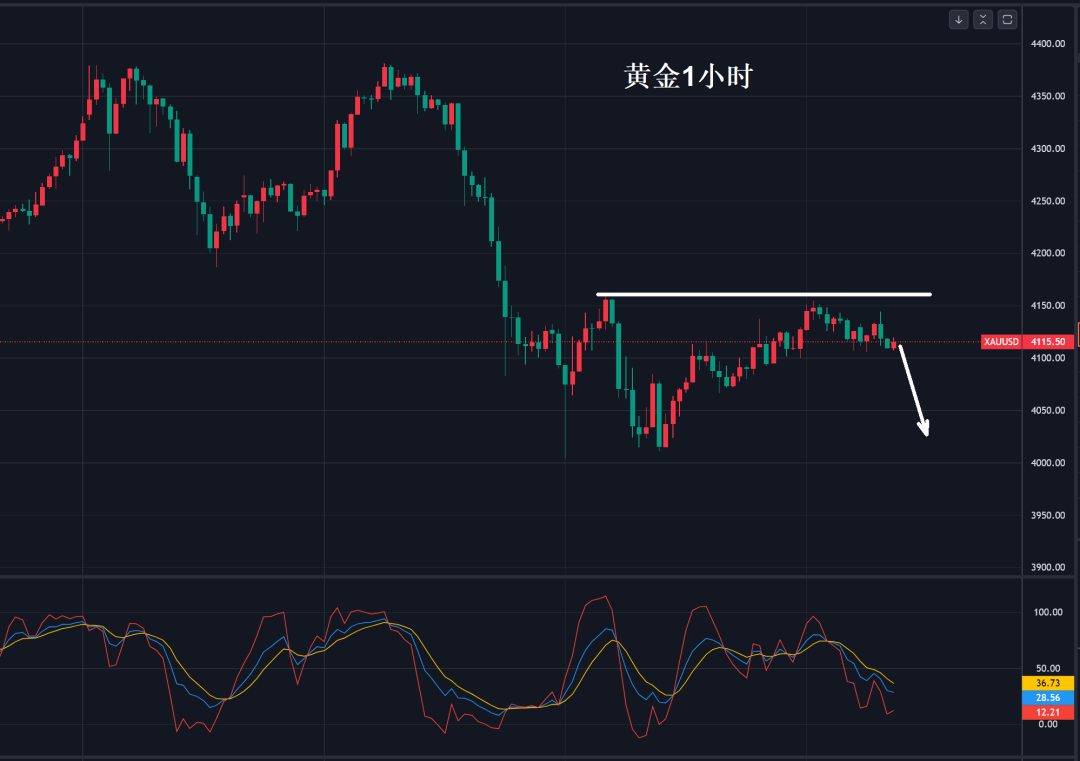
黄金回调只是假象?机构:神秘买家正悄悄入场
Feng Huang Wang Cai Jing· 2025-10-24 00:01
Core Viewpoint - JPMorgan predicts that the average gold price will reach $5,055 per ounce by Q4 2026, driven by sustained investor interest and steady central bank purchases [1] Group 1: Gold Price Forecast - The forecast is based on expectations of a Federal Reserve rate cut cycle, inflation concerns, worries about the Fed's independence, and broader devaluation risk hedging demand [1] - Gold prices have surged nearly 57% year-to-date due to geopolitical and economic uncertainties, rate cut expectations, and ongoing central bank purchases [1] Group 2: Investor Behavior - Foreign holders of U.S. assets are slightly reducing their dollar holdings and shifting towards gold, indicating a strategic reallocation [1] - A potential decrease in U.S. asset allocation from approximately 45% to 43%, with a 0.5% shift to gold, could push gold prices up to $6,000 [1] Group 3: Central Bank Activity - Goldman Sachs expects central banks to maintain stable purchasing momentum, with a potential increase in gold purchases in September and October following a seasonal lull [1] - Continuous central bank inflows, combined with ETF fund re-entry post-Fed rate cuts, create a "structurally strong demand backdrop" for gold [1]


金价大跌不可怕,可怕的是……
Sou Hu Cai Jing· 2025-10-23 08:36
Core Viewpoint - The recent volatility in gold prices, including a significant drop following a record high, highlights the risks associated with investing in gold, particularly the high volatility that can rival that of tech stocks [5][6][11]. Group 1: Analysis of Recent Price Movements - Gold prices experienced a historic single-day drop, marking the largest decline in 12 years, following a substantial increase of approximately 60% year-to-date and over 100% compared to the beginning of last year [5][6]. - The volatility in gold prices is attributed to a lack of clear geopolitical triggers, with speculation that technical factors and profit-taking from ETFs contributed to the sell-off [6][11]. - The increase in margin requirements by the Shanghai Gold Exchange is speculated to have exacerbated the global sell-off, although this remains unconfirmed [6][11]. Group 2: Understanding Volatility and Risk - Volatility is a critical indicator of investment risk, with higher volatility indicating a wider range of potential price changes, which can lead to increased uncertainty for investors [9][10]. - Historical data suggests that while gold has been viewed as a safe-haven asset with lower long-term volatility compared to equities, recent extreme price movements challenge this perception [10][11]. - The current high volatility in gold prices raises concerns, especially for leveraged short-term speculative investments, indicating a heightened risk environment [11]. Group 3: Factors Influencing Future Gold Prices - Key factors that may influence future gold prices include macroeconomic risks, central bank purchasing behavior, and public interest in gold as an investment [14]. - The relationship between macroeconomic conditions, such as international trade disputes and potential economic crises, and gold prices remains significant, as gold is often seen as a stabilizing asset during turbulent times [14][15]. - The increasing gold reserves held by central banks and the psychological factors driving public interest in gold are also critical in determining future price movements [14][15].