贸易逆差

Search documents
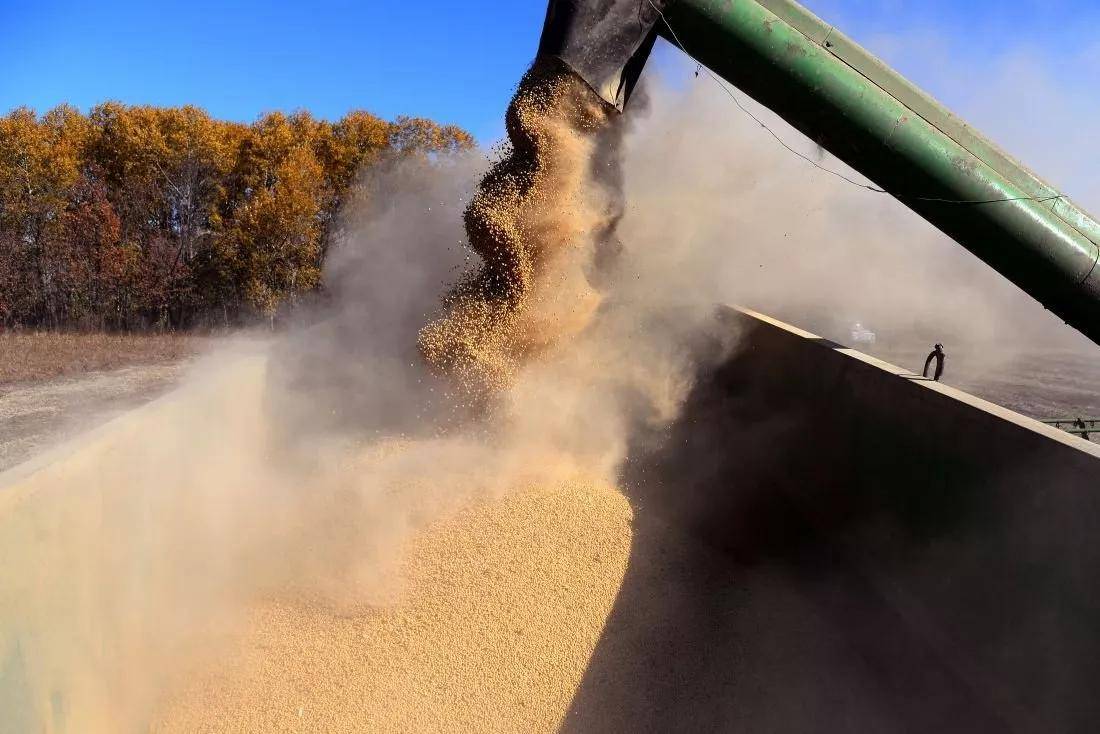
美媒:工厂倒闭,失业率飙升,美关税正在非洲国家引发“灾难”
Huan Qiu Shi Bao· 2025-08-18 22:56
Core Viewpoint - The U.S. tariff policy is causing a "disaster state" in Lesotho and potentially across Africa, disrupting a previously beneficial trade relationship that provided jobs and income stability [1][3]. Group 1: Impact on Lesotho - Lesotho's textile manufacturing sector, which heavily relies on U.S. market demand, is facing factory closures and job losses due to new tariffs, leading to a spike in unemployment [3]. - The U.S. has imposed a 15% tariff on Lesotho, with similar tariffs affecting nearly 20 other African countries, including a 30% tariff on South Africa and 25% on Tunisia [3]. Group 2: Trade vs. Aid - The article argues that trade, rather than aid, is essential for poverty alleviation in Africa, a principle supported by bipartisan U.S. policy through the African Growth and Opportunity Act (AGOA) [4]. - AGOA, enacted in 2000, significantly increased non-oil exports from sub-Saharan Africa to the U.S., growing from approximately $8 billion to nearly $40 billion [4]. Group 3: Criticism of AGOA - Critics point out that AGOA has limitations, as only 32 out of 54 African countries qualify for duty-free exports, and the benefits are concentrated in a few nations [5]. - There are concerns that AGOA is not mutually beneficial, as many African countries are too poor to purchase more U.S. goods, limiting the program's effectiveness [5]. Group 4: Trade Deficits and Economic Growth - The U.S. has trade deficits with several African nations, including $234 million with Lesotho, which is seen as a sign of successful cooperation that helps develop local industries and create jobs [6]. - The article suggests that trade deficits can lead to economic prosperity in Africa, contrasting with the limitations of aid [6]. Group 5: Future of AGOA - AGOA is set to expire unless Congress approves its renewal, raising concerns that its expiration could allow other countries to increase their influence in Africa and lead to higher prices for U.S. consumers [6].

特朗普贸易顾问纳瓦罗痛批印度:购买俄油是投机行为,必须停止!
Jin Shi Shu Ju· 2025-08-18 08:15
Group 1 - The article highlights the connection between India's trade barriers and its financial support for Russia, particularly in the context of oil transactions that benefit Russia at the expense of U.S. interests [1] - India has significantly increased its imports of Russian oil since the onset of the Ukraine conflict, with daily imports exceeding 1.5 million barrels, accounting for over 30% of its total oil imports [2] - The rise in Russian oil imports is driven by Indian oil lobbyists seeking profit, transforming India into a major refining hub for discounted Russian crude oil [2] Group 2 - India remains heavily reliant on Russian military equipment, with approximately 36% of its arms imports coming from Russia between 2020 and 2024, despite diversifying its defense procurement [3] - The Biden administration has largely overlooked the geopolitical implications of India's actions, while the Trump administration is addressing the issue by imposing a 25% national security tariff on Indian goods [3] - This dual policy approach aims to impact India's access to the U.S. market and cut off funding for Russian military actions, urging India to act as a strategic ally [3]
管涛:关注下半年外需扰动风险
Di Yi Cai Jing· 2025-08-17 11:29
Group 1: Economic Performance and External Demand - China's GDP grew by 5.3% year-on-year in the first half of the year, with net exports contributing an increase of 1.0 percentage points to economic growth [1] - In Q2, GDP growth slowed to 5.2%, with external demand and consumption contributions decreasing by 0.9 and 0.1 percentage points respectively, while investment contribution increased by 0.8 percentage points [1] - The negative impact of US tariff policies is expected to intensify in the second half of the year, necessitating the effective release of domestic demand potential to stabilize growth [1] Group 2: Trade Dynamics with the US - In the first half of the year, China's exports to the US fell by 10.7%, while imports decreased by 9.2%, leading to an 11.5% drop in trade surplus [2] - The US saw a 21.2% decline in exports to China and a 15.6% decrease in imports from China, with a 12.5% reduction in trade deficit [2] - Despite a reduction in tariffs announced in mid-May, bilateral trade has not fundamentally improved [2] Group 3: Monthly Trade Trends - In May, China's exports to the US dropped by 34.5%, and imports fell by 18.1%, with a 41.5% decrease in trade surplus [3] - By June, the decline in exports to the US moderated to 16.1%, while imports decreased by 15.5% [3] - The US experienced a 42.1% drop in exports to China in May, with a 41.4% decline in imports, but the decline narrowed in June [3] Group 4: Impact of Tariff Policies - Over half of the Chinese goods exported to the US have been significantly affected by the current tariff situation, with 53.5% of product categories experiencing lower export growth than the average [4] - In Q2, 24.5% of products exported to the US saw declines of over 40%, but this only accounted for 2.4% of total export value [5] Group 5: Future Trade Projections - The WTO predicts a 0.9% increase in global goods trade for the year, but warns that recent tariff changes will negatively impact global trade prospects [7] - The IMF has raised its global economic growth forecast but emphasizes that rising tariffs could weaken economic growth and increase uncertainty [6] Group 6: Domestic Economic Strategies - The Chinese government is focusing on releasing domestic demand potential as a key strategy to counter external disruptions [10] - Recent policies aim to stimulate consumption through financial support for personal loans and service sector businesses, enhancing market vitality [14]
最后24小时,美国终于签字!特朗普转身对中国提了个要求:若能答应,一切都好说?中方回应亮了
Sou Hu Cai Jing· 2025-08-16 18:38
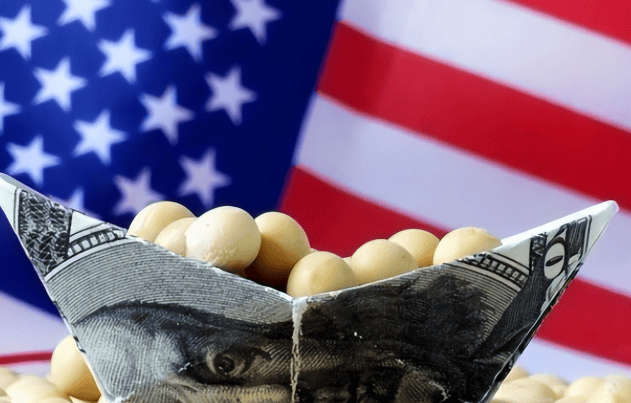
Group 1 - The core point of the article revolves around the extension of the US-China tariff measures for 90 days, highlighting the underlying strategic negotiations between the two nations [1][3] - The US is pressuring China to increase soybean imports significantly, aiming to reduce the trade deficit, despite the impracticality of this approach given the scale of the deficit and China's current sourcing from Brazil [3][9] - China's position is clear: it seeks a balanced resolution to trade issues, emphasizing the need for the US to lift restrictions on key exports like advanced chips, rather than solely focusing on agricultural products [3][9] Group 2 - The article discusses the ongoing negotiations regarding rare earth exports from China and the US's restrictions on chip exports, indicating that both sides have specific demands that need to be addressed for progress [3][6] - The US's economic situation, including a national debt exceeding $37 trillion, adds pressure to avoid escalating tariffs, as this could lead to significant domestic financial instability [6][7] - Political pressures within the US are also influencing negotiations, with some factions criticizing the administration for perceived leniency towards China, complicating the negotiation dynamics [7][9] Group 3 - The article notes that China has established stable supply channels for soybeans, reducing its urgency to import from the US, while also accelerating its own chip development to lessen reliance on foreign technology [9] - The future of US-China trade relations hinges on both parties demonstrating genuine willingness to negotiate in good faith, with mutual respect being essential for a successful resolution [9]

加征100%关税?吓不倒中国后,特朗普转身对印度出手,莫迪懵了
Sou Hu Cai Jing· 2025-08-16 13:38
Core Points - The Trump administration announced a 25% tariff on Indian imports starting August 1, 2023, as part of a broader strategy of imposing "reciprocal tariffs" on countries that have not reached trade agreements with the U.S. [1][3] - The rationale behind the tariff includes addressing the significant trade deficit with India and India's military purchases from Russia, which Trump highlighted as a reason for the punitive measures [3][5] - India's response has been cautious, with the government expressing a desire for a fair trade agreement while also indicating it will take necessary measures to protect its national interests [6][8] Group 1 - The U.S. will maintain tariffs around 15% for countries that have trade agreements, while imposing higher tariffs on those without agreements, with India being the primary target [1] - Trump's announcement was followed by complaints about the trade deficit, indicating a focus on economic imbalances in U.S.-India relations [3] - The ambiguity in India's response suggests a lack of immediate strategy to counter the U.S. tariffs, reflecting the rapidity of the U.S. decision [5] Group 2 - The bilateral trade volume between India and the U.S. is projected to be approximately $129 billion in 2024, highlighting the significance of this relationship for India's economy [6] - India's government reaffirmed its commitment to achieving a balanced trade agreement with the U.S. while also preparing to defend its economic interests [6] - The U.S. strategy appears to be aimed at using India as an example to deter other countries, particularly China, from purchasing Russian oil, which could further strain U.S.-India relations [8][10]
毛里塔尼亚发布2025年二季度对外贸易报告
Shang Wu Bu Wang Zhan· 2025-08-15 14:28
Core Insights - The report indicates that Mauritania's foreign trade in Q2 2025 reached 944.91 billion Ouguiya (approximately 2.369 billion USD), showing a year-on-year increase of 8.4% and a quarter-on-quarter increase of 9.4% [1] - Imports amounted to 506.51 billion Ouguiya (approximately 1.27 billion USD) while exports were 438.4 billion Ouguiya (approximately 1.099 billion USD), resulting in a trade deficit of 68.11 billion Ouguiya (approximately 1.7 million USD) [1] - Major trading partners include China, UAE, Spain, Canada, and Switzerland, which collectively account for a significant portion of Mauritania's foreign trade [1] Trade Overview - By region, Europe, Asia, Africa, and the Americas accounted for 36.7%, 26.8%, 14.4%, and 12.7% of Mauritania's foreign trade, respectively [2] - Key European partners include Spain, Switzerland, Belgium, and France, which together represent 71% of trade with Europe [2] - In Asia, China and Japan dominate, with China alone accounting for 62.3% of trade [2] - Canada, the US, and Brazil are the top partners in the Americas, with Canada making up 57.3% of trade [2] - Algeria, South Africa, and Morocco are the leading African partners, representing 24.5%, 19.4%, and 13.9% of trade, respectively [2] Export Analysis - Mauritania's exports in Q2 saw a year-on-year decline of 4% but a quarter-on-quarter increase of 5.6% [3] - Key export commodities include gold, silver, platinum, iron ore, and copper, with iron ore making up 37.3% of total exports [3] - Major export destinations are China, Canada, Switzerland, Algeria, and Spain [3] - Specific export figures include 4.1 million tons of iron ore, 2.5 thousand tons of copper, and 4 tons of precious metals, with notable year-on-year changes in quantities and values [3] Import Analysis - Imports increased by 8.4% year-on-year and 9.4% quarter-on-quarter, driven by rising demand for transportation equipment, food, and construction materials [4] - The composition of imports includes oil and derivatives (28.8%), food (26%), and machinery (13.7%) [4] - Major sources of imports are Europe, Asia, the Middle East, the Americas, and Africa, with Spain, UAE, Algeria, China, and France being the top suppliers [4] - Notable import figures include 131.81 billion Ouguiya for food, 146.08 billion Ouguiya for oil products, and 69.41 billion Ouguiya for machinery [4] Market Influences - Mauritania's trade is significantly affected by international commodity price fluctuations, particularly for minerals and food [5] - In Q2, iron ore prices averaged 95.5 USD per ton, reflecting a year-on-year decrease of 6% and a quarter-on-quarter decrease of 15.5% [5] - Conversely, gold futures prices increased by 15% year-on-year, while copper prices rose by 1.7%, providing some positive influence on trade [5]
中国一出手,特朗普终于服气了,深夜喊话中国,想让中方不计前嫌,帮美国解一时燃眉之急?
Sou Hu Cai Jing· 2025-08-14 09:26
Core Viewpoint - The recent call by former President Trump for China to significantly increase its soybean purchases from the U.S. reflects the severe challenges faced by the American agricultural sector, particularly the soybean industry, and highlights the complexities of U.S.-China trade relations [3][5][8] Group 1: Agricultural Sector Challenges - The U.S. soybean industry has seen a drastic decline in its market share in China due to tariffs and trade tensions, with exports dropping from several million tons to 22.13 million tons last year [3] - China has diversified its soybean import sources, with Brazilian soybeans accounting for 69% of its total imports, while U.S. soybeans only represent about 21% [3][5] - The economic struggles of American farmers, who are a crucial support base for the Republican Party, have intensified pressure on Trump to improve the situation [3][5] Group 2: Political Implications - The upcoming U.S. midterm elections make agricultural state votes critical, and continued low sales of farm products could lead to voter dissatisfaction with the ruling party [5] - Trump's push for increased soybean purchases is seen as an attempt to stabilize support from agricultural states ahead of the elections [5] Group 3: Trade Relations and Economic Strategy - Trump views expanding agricultural exports as a means to reduce the U.S.-China trade deficit, but this approach may not address the underlying issues of trade imbalance [5][6] - The complexity of U.S.-China trade relations means that unilateral demands from the U.S. are unlikely to yield significant changes in China's import strategies [6][8] - A mutual and fair resolution to trade disputes, including tariff barriers, is essential for meaningful progress in trade cooperation [6][8]
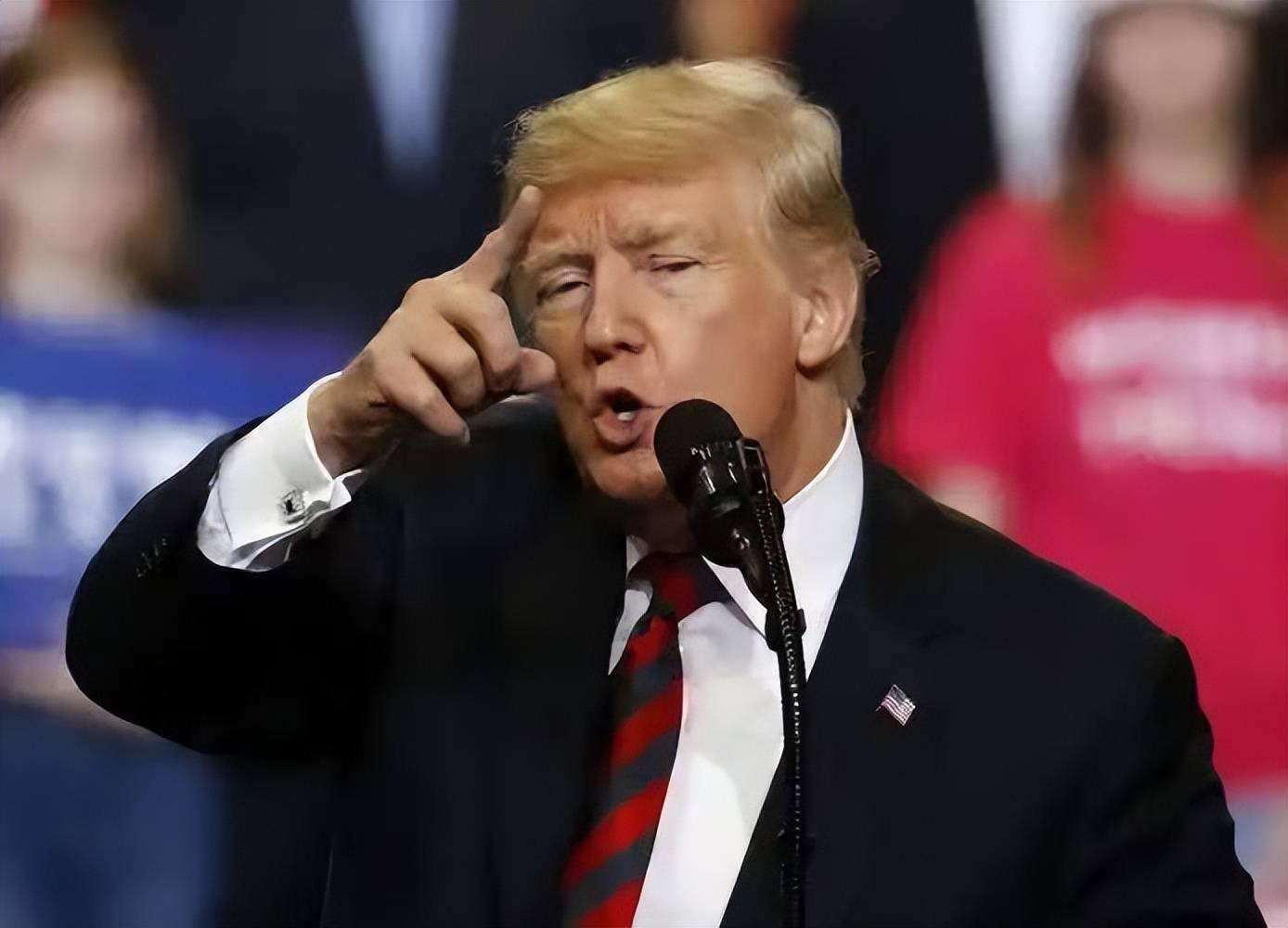
美国再对印度放狠话:次级关税可能加码!
Jin Shi Shu Ju· 2025-08-14 09:24
Core Viewpoint - The U.S. Treasury Secretary Scott Bessent warns that Washington may impose secondary tariffs on India, contingent on the outcome of President Trump's meeting with President Putin regarding the Russia-Ukraine conflict [1][2]. Group 1: U.S.-India Trade Relations - The U.S. has already imposed a 25% punitive tariff on India due to its purchase of Russian oil and weapons [2][5]. - Trump's tariffs are part of a broader strategy to boost the U.S. economy and achieve fair global trade, labeling India as a "tariff abuser" [5]. - The trade negotiations between the U.S. and India have been ongoing for months, with a new round expected to restart on August 25 [5]. Group 2: Impact of Russian Oil Imports - India's imports of Russian oil have surged to account for 35% to 40% of its crude oil imports in 2024, up from just 3% in 2021 [4]. - India defends its purchase of Russian oil as necessary to protect millions of its poor citizens from rising costs [4]. - The increase in Russian oil imports has strained U.S.-India relations and disrupted ongoing trade negotiations [3]. Group 3: Economic Consequences - Trump's new 50% tariff on India is set to take effect on August 27, which some experts believe could amount to a trade embargo [6]. - This would make India the most heavily taxed trade partner of the U.S. in Asia, potentially hindering its export-oriented industries like textiles and jewelry [6]. - The tariffs could lead to a decrease in India's economic growth rate by as much as 0.5 percentage points [6].
加征关税难解“美国制造”之困(环球热点)
Ren Min Ri Bao Hai Wai Ban· 2025-08-13 21:50
Group 1 - The average trade-weighted tariff rate imposed by the U.S. on all products has risen significantly to 20.11% as of August 7, up from 2.44% at the beginning of the year [1] - The U.S. government aims to bring manufacturing back to the country through its tariff policy, claiming it will reduce trade deficits and create jobs [1][5] - Evidence suggests that while tariffs may force some industries to adjust in the short term, they are not a long-term solution to the challenges facing U.S. manufacturing [1][5] Group 2 - Ford Motor Company is expected to suffer a profit loss of approximately $2 billion due to tariffs, despite being a potential beneficiary of the tariff policy [3][4] - General Motors reported a loss of $1.1 billion in the second quarter due to tariffs, while Stellantis estimated a loss of $350 million [2][3] - The combined profit loss for the U.S. automotive industry due to tariffs is projected to reach $7 billion by 2025 [2] Group 3 - The tariff policy has led to a misallocation of resources, pushing them towards low-end manufacturing sectors that have lost comparative advantages, resulting in decreased overall production efficiency [4][7] - The tariffs are causing a rise in manufacturing costs by 2% to 4.5%, leading to stagnant income, layoffs, and potential factory closures [7] - The structural issues within U.S. manufacturing, such as labor shortages and aging infrastructure, are exacerbated by the tariff policy, making it difficult for the industry to recover [9][10] Group 4 - The U.S. manufacturing sector's recovery is hindered by the long-term negative impacts of the tariff policy, which may lead to persistent inflation and slowed job growth [6][8] - The disparity between foreign direct investment intentions and actual investments indicates that promised investments may not materialize, undermining the effectiveness of the tariff policy [8][9] - The structural problems in U.S. manufacturing, including a shift towards service industries and a lack of skilled labor, complicate the goal of revitalizing domestic manufacturing through tariffs [10]


被印度拒绝后,特朗普转身找中国:希望帮帮美农,增加三倍进口量
Sou Hu Cai Jing· 2025-08-12 06:57
然而,这种"交易"背后有一个重要前提,那就是美国必须放弃当前的关税政策。一方面对中国实施高额关税,另一方面又希望中国加大对美农产品的进口, 这显然是不现实的。中国的立场非常明确,只有当中美双方都能以理性的态度对待贸易差异时,才能实现互利共赢。在特朗普的第一个任期内,中美曾经交 锋过一次,现阶段中国不太可能再做出让步。特朗普需要意识到,关税政策对美国农业造成的短期痛苦与长期结构性损害是极为严峻的。尽管政府通过补贴 方式缓解了部分压力,但成本上涨、出口萎缩、市场份额流失以及国际反制等问题依然存在,难以根治。 在美国当地时间8月10日,特朗普在自己创立的社交媒体"真相社交"上发布了相关信息,他提到:"中国对大豆的短缺问题表示担忧。我们的农民生产出了最 优质的大豆。"特朗普还呼吁中国迅速将大豆的采购订单增加三倍,他认为这是减少中美贸易逆差的有效方式。为显示他的诚意,特朗普强调美国农民的高 效生产能力,保证能够快速满足订单需求。 这一声明深刻反映了当前美国农民的困境,他们的农产品因关税政策而面临滞销,难以寻找到合适的买家。印 度不愿意对美国开放市场,根本原因在于印度总理莫迪不敢得罪当地农民,因为这可能会使他面临下台的风 ...