汽车智能化

Search documents
上市公司起诉前员工团队!EMB量产前夜,一场专利竞夺悄然展开!
Zheng Quan Shi Bao Wang· 2025-12-01 02:12
Core Viewpoint - Berteli, a listed company, has filed a lawsuit against former employees and associated companies for alleged intellectual property infringement related to the EMB (Electronic Mechanical Brake) technology, which is on the verge of mass production [1][2][3]. Group 1: Company Background and Lawsuit Details - Berteli was established in 2004 and went public in April 2018, focusing on the research, manufacturing, and sales of automotive chassis systems and intelligent driving systems [3]. - The lawsuit involves five patents related to EMB technology, which Berteli claims were illegally obtained by the defendants, including former employees who allegedly disclosed trade secrets [3][4]. - The defendants include three former employees of Berteli, with one, Yan Shifu, having briefly served as the company's general manager [2][3]. Group 2: EMB Technology and Market Potential - EMB technology is positioned as a significant advancement in automotive braking systems, moving from mechanical to hydraulic and now to fully electronic control, offering advantages such as reduced weight and improved energy recovery [5]. - According to a report by Guotai Junan Securities, EMB is expected to achieve mass production by 2025, with a projected market size of 11.98 billion yuan by 2030 [6]. - The industry anticipates that 2026 will mark the year of large-scale production for EMB systems in China, with several companies, including Geely and others, planning to launch their EMB systems [7]. Group 3: Competitive Landscape and Patent Activity - There are over 260 patent applications related to EMB technology in China, with Berteli having 8 applications and the defendant company, Suzhou Coordinate System, having 10 applications [8]. - Yan Shifu has claimed that his company holds the largest number of EMB patents in the industry, asserting that one in three EMB patents belongs to them [8]. - Berteli has also made significant investments in EMB technology, including a planned investment of 2.81 billion yuan for a production line capable of producing 600,000 sets of EMB annually [9].

有色金属周报:宁德锂矿复产利空落地,铜冶炼减产预期再度升温-20251130
SINOLINK SECURITIES· 2025-11-30 06:27
Investment Ratings - The report maintains a positive outlook on copper, aluminum, and precious metals, indicating high levels of market activity and potential for price increases [12][14][36]. Core Insights - Copper prices increased by 3.69% to $11,175.50 per ton on LME, with a notable decrease in copper inventory across major regions, indicating a tightening supply [12][21]. - Aluminum prices rose by 2.03% to $2,865.00 per ton on LME, with a decrease in domestic inventory and an increase in production rates, suggesting a recovering demand [13][18]. - Gold prices surged by 4.77% to $4,256.4 per ounce, driven by geopolitical risks and increased holdings in gold ETFs, reflecting strong market sentiment [14][30]. - The rare earth sector shows a bullish trend, with prices for praseodymium and neodymium oxide rising by 3.43%, supported by tightening supply and favorable export conditions [37][36]. - Antimony prices increased by 2.90%, bolstered by the suspension of export controls by the Ministry of Commerce, enhancing market confidence [38]. - Tin prices rose by 3.04%, influenced by geopolitical tensions in the Democratic Republic of Congo and effective measures against smuggling in Indonesia [39]. Summary by Sections Copper - LME copper price increased by 3.69% to $11,175.50 per ton, with a decrease in national copper inventory to 173,500 tons, reflecting a supply contraction [12][21]. - The copper processing fee index dropped to -$42.75 per ton, indicating pressure on the supply side [12]. - The copper wire and cable industry shows a mixed performance, with operating rates at 66.89%, reflecting a decline in year-on-year demand [12][21]. Aluminum - LME aluminum price rose by 2.03% to $2,865.00 per ton, with domestic inventory decreasing to 596,000 tons [13][18]. - The operating rate for aluminum processing increased by 0.3% to 62.3%, indicating a recovery in demand [13][18]. - The cost of prebaked anodes is expected to rise by over 400 yuan per ton, reflecting improved supply-demand dynamics [13]. Precious Metals - Gold prices increased by 4.77% to $4,256.4 per ounce, influenced by geopolitical tensions and increased ETF holdings [14][30]. - The market remains strong, with expectations for continued price support unless a liquidity crisis occurs [14]. Rare Earths - Prices for praseodymium and neodymium oxide rose by 3.43%, with expectations of supply tightening due to policy changes and raw material shortages [37]. - The export volume of magnetic materials increased by 16% year-on-year, indicating strong demand [37]. Antimony - Antimony prices increased by 2.90%, supported by the suspension of export controls, which boosted market confidence [38]. - Global supply is expected to decline due to reduced production from overseas mines, maintaining upward price pressure [38]. Tin - Tin prices rose by 3.04%, driven by supply constraints from geopolitical tensions in Africa and effective anti-smuggling measures in Indonesia [39]. - The market outlook remains positive, with expectations for sustained demand growth [39]. Lithium - Lithium carbonate prices increased by 4.04% to 92,800 yuan per ton, with production levels showing a slight increase [63]. - The demand for lithium remains strong, driven by growth in the battery and energy storage markets [63]. Cobalt - Cobalt prices increased by 1.6% to 403,000 yuan per ton, with supply constraints expected to support future price increases [64]. - The market is characterized by a "price without market" scenario, indicating a need for demand recovery [64].
华为乾崑携奕境品牌,探索家庭出行新答案
3 6 Ke· 2025-11-29 13:47
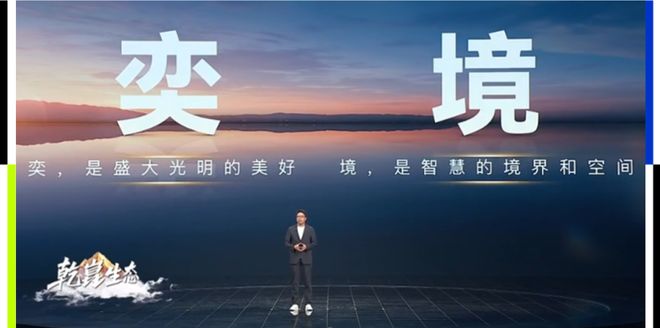
Core Insights - The collaboration between Huawei and Dongfeng has led to the launch of a new electric vehicle brand called "Yijing," which aims to redefine family travel experiences [3][5][9] - The partnership signifies a deep integration of technology and manufacturing capabilities, moving beyond traditional cooperation to a full-chain collaboration [5][23] - Yijing targets the high-quality family travel market, focusing on safety, intelligent experiences, and comprehensive care for all family members [12][24] Group 1: Brand and Collaboration - The Yijing brand was officially launched at the Huawei QianKun Ecological Conference on November 20, 2023, marking a significant milestone in the collaboration between Huawei QianKun and Dongfeng [3][5] - The partnership has evolved from initial smart networking cooperation to a comprehensive joint effort in product definition, project development, supply chain, and manufacturing [5][23] - The name "Yijing" was co-created with user input, reflecting a commitment to user-centric design and collaboration [16][19] Group 2: Product Features and Safety - Yijing's first model is set to debut at the Beijing Auto Show in April 2026, with plans for at least one new model to be launched annually thereafter [9][24] - The vehicles will incorporate advanced safety features, including a comprehensive collision avoidance system and a battery safety plan that has undergone over 80 validations [14][23] - Huawei QianKun's intelligent driving system has accumulated 5.811 billion kilometers of driving data, significantly enhancing safety and user experience [7][14] Group 3: Market Positioning and User Needs - The family travel market is highly competitive, with a focus on meeting unmet needs such as enhanced safety, intelligent features, and overall quality [12][24] - Yijing aims to address three key concerns for family users: comprehensive safety, exceptional intelligent experiences, and comfort for all passengers [12][24] - The collaboration emphasizes a systematic approach to vehicle development, integrating various aspects of research, supply chain, and manufacturing to create vehicles that meet family users' core demands [23][24]


华为乾崑携奕境品牌,探索家庭出行新答案
36氪· 2025-11-29 13:35
Core Viewpoint - The collaboration between Huawei QianKun and Dongfeng has led to the launch of a new electric vehicle brand, "Yijing," aimed at the high-quality family travel market, emphasizing safety, intelligence, and user experience [3][12][28]. Group 1: Brand and Collaboration - The "Yijing" brand was officially launched at the Huawei QianKun Ecological Conference on November 20, marking a significant partnership between Dongfeng, a state-owned automotive enterprise, and Huawei QianKun, a leader in intelligent driving [3][4]. - The collaboration has evolved from initial smart networking projects to a comprehensive partnership covering product definition, project development, supply chain, and manufacturing [6][28]. - The brand name "Yijing" was created through user engagement, reflecting a commitment to co-creation with consumers [20][25]. Group 2: Market Positioning and User Needs - "Yijing" targets the family travel market, which is highly competitive, focusing on unmet needs such as comprehensive safety, advanced intelligent experiences, and care for all family members [15][16][28]. - The brand aims to exceed user expectations by providing a vehicle that prioritizes safety, intelligence, and quality, moving beyond basic transportation needs [12][16]. Group 3: Technological Advancements - The latest version of Huawei QianKun's intelligent driving system has achieved significant milestones, including a cumulative driving distance of 5.811 billion kilometers, equating to 145,000 laps around the Earth [9][18]. - The safety features of the Yijing brand include a comprehensive collision avoidance system capable of addressing various driving conditions and scenarios, enhancing overall vehicle safety [18][28]. Group 4: Development and Design Process - The development teams from Huawei QianKun and Dongfeng have been working closely since June 2024, fostering a collaborative environment to address challenges and enhance product quality [23][24]. - User feedback has been integral to the design process, with multiple surveys conducted to ensure the vehicle's aesthetics meet consumer preferences [24]. Group 5: Industry Context and Future Outlook - The automotive industry is undergoing a transformation where success relies on integrated capabilities across research, organization, supply chain, manufacturing, software, and distribution [27][28]. - The launch of "Yijing" is seen as a timely response to the evolving demands of the automotive market, positioning itself as a leader in the next phase of industry competition [26][28].

无锡车联天下递表港交所,聚焦汽车E/E架构革新
Ju Chao Zi Xun· 2025-11-29 04:21
Core Viewpoint - CarLink World has submitted its listing application to the Hong Kong Stock Exchange, focusing on the automotive E/E architecture industry and providing comprehensive solutions for smart vehicles [2] Group 1: Business Development - CarLink World emphasizes hardware integration to simplify complexity by consolidating multiple ECUs into fewer high-performance platforms [2] - The company adopts a decoupled software and hardware approach to enhance efficiency, enabling continuous upgrades through OTA [2] - The user-centric design leverages AI technology to create proactive travel companions [2] Group 2: Product Matrix - The product offerings include in-vehicle computing solutions and regional controller solutions, with the intelligent cockpit domain controller being a key component [3] - According to Frost & Sullivan, CarLink World ranks second in revenue in China's intelligent cockpit domain controller market in 2024 [3] - The company achieved global firsts in launching and mass-producing intelligent cockpit domain controllers based on Qualcomm's Snapdragon platforms in 2021 and 2025 [3] Group 3: Customer and Ecosystem - CarLink World has established strategic partnerships with major companies like Bosch and Qualcomm, focusing on developing products compatible with mainstream SoC ecosystems [5] - As of June 30, 2025, the company has secured over 100 mass production projects for intelligent cockpit domain controllers across various vehicle models [5] - The number of customers served increased from 5 in 2022 to 14 in the first half of 2025, with over 2 million in-vehicle computing solutions delivered [5] Group 4: Financial Performance - The company's revenue grew from 369 million yuan in 2022 to 2.656 billion yuan in 2024, while gross profit increased from 35 million yuan to 430 million yuan in the same period [5] - Customer concentration remains high, with the top five customers accounting for 95.3% to 99.5% of revenue from 2022 to the first half of 2025 [5] - The procurement share from the top five suppliers ranged from 82.6% to 89.2%, indicating stable supply chain collaboration [5]
【忠阳车评】车圈“争抢”华为现象值得研究
Jing Ji Ri Bao· 2025-11-28 23:11
Core Insights - The 23rd Guangzhou Auto Show has highlighted the intense competition among car manufacturers to partner with Huawei, showcasing a significant shift in the automotive industry towards embracing Huawei's technology solutions [2][3] - Huawei's strategy focuses on not manufacturing cars but rather assisting car manufacturers in creating better vehicles through various collaboration models, including component supply and full-stack solutions [2][3] Group 1: Huawei's Role in the Automotive Industry - Huawei has established partnerships with over 10 car manufacturers, resulting in more than 30 mass-produced models, covering price ranges from 150,000 to 1,000,000 yuan [3] - The company aims to have over 80 models collaborating with Huawei's technology by 2026, positioning itself as a key player in the smart automotive sector [3] - The automotive industry is undergoing a transformation towards smart vehicles, necessitating collaboration with technology firms like Huawei to enhance innovation and development [3][4] Group 2: Technological Advancements and Market Impact - Huawei's technology encompasses all areas of smart vehicle development, including cloud, connectivity, and intelligent driving systems, which are crucial for modern automotive solutions [4] - The rapid delivery of Huawei's products, achieving over 1 million units in just 43 months, demonstrates its significant impact on the market and its ability to drive profitability for partner brands [4][5] - Cross-industry collaboration between ICT companies and traditional automakers is essential to reduce redundant investments and improve efficiency in the long-term automotive development cycle [5]

一汽奥迪携A5L乾崑智驾版、A6L e-tron等产品亮相2025广州车展
Guan Cha Zhe Wang· 2025-11-28 09:34
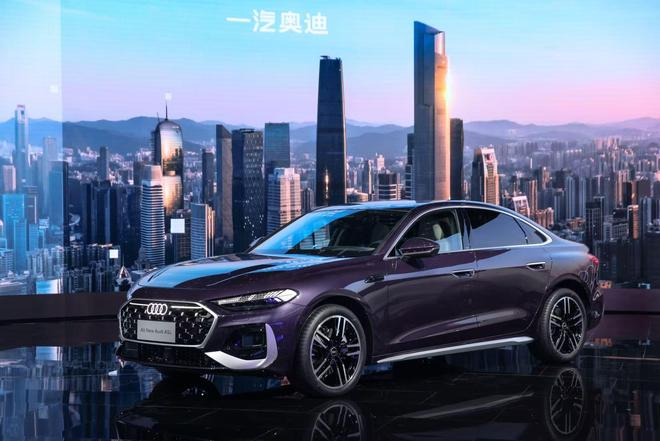
Core Insights - FAW Audi is actively advancing the intelligent upgrade of its products in response to the wave of smart technology in the Chinese automotive market [1][7] - The company showcased several models, including the A5L, A6L e-tron, and Q6L e-tron, at the 23rd Guangzhou International Auto Show [1][4] Product Highlights - The A5L QianKun Intelligent Driving® version was launched with an official price of 286,800 yuan, featuring advanced driving assistance systems that support urban and highway navigation, as well as advanced parking assistance [3][7] - The A6L e-tron, as the first pure electric sedan on Audi's PPE luxury electric platform, combines luxury design with cutting-edge technology, boasting a length of 5073mm and a drag coefficient of only 0.22 [4][6] - The A6L e-tron is equipped with a 107kWh battery, offering a range of 785km under CLTC conditions and the ability to recharge 302km in just 10 minutes [6] Strategic Direction - FAW Audi aims to meet the demands of Chinese consumers by launching both luxury pure electric models and luxury fuel models, promoting a strategy of "oil and electricity co-intelligence" [7] - The company is committed to a long-term, customer-centric development philosophy, integrating cutting-edge Chinese technology with German engineering through its partnership with Huawei [7]
华为All in启境缔造“百万级新生代”:启航正当时,“境”在方寸间
第一财经· 2025-11-28 08:19
Core Viewpoint - The automotive industry is undergoing a significant transformation, with the emergence of new brands like Qijing, backed by Huawei, aiming to address consumer fatigue in a homogenized market and meet the rising demand for intelligent and stylish electric vehicles [1][3][20]. Group 1: Market Trends and Opportunities - In October 2023, China's new energy vehicle penetration rate exceeded 50%, indicating a shift towards electric vehicles, with projections suggesting it will surpass 60% by 2026 [3]. - The automotive market is experiencing a need for differentiation, as consumers are becoming less interested in similar vehicle offerings [1][3]. - Qijing aims to fill the gap in the market by offering vehicles that are stylish, safe, intelligent, and provide excellent handling [3][4]. Group 2: Qijing's Strategic Approach - Qijing is positioned as Huawei's flagship brand in the automotive sector, focusing on a comprehensive approach that includes technology, team, processes, and concepts to create a unique driving experience [4][9]. - The brand's strategy includes a commitment to high-quality production standards and a focus on reducing costs while enhancing efficiency and quality [11][13]. - Qijing plans to launch two new models by mid-2024, indicating a proactive approach to capturing market share [8]. Group 3: Technological Integration and Innovation - Qijing leverages Huawei's advanced technology, including a full suite of intelligent driving solutions, to create a competitive edge in the market [9][19]. - The brand aims to combine software and hardware to deliver a unique driving experience, addressing the growing demand for intelligent vehicles [9][20]. - Qijing's development process emphasizes collaboration and efficiency, utilizing established frameworks to streamline product development and market responsiveness [12][14]. Group 4: Target Demographics and Market Positioning - Qijing targets the younger demographic, focusing on emotional value through stylish design and performance that rivals high-end imported vehicles [17][19]. - The brand's first model is designed to compete directly with premium performance vehicles, emphasizing driving pleasure and stability [17]. - Qijing's positioning as a high-end brand is reinforced by its commitment to delivering a luxury experience at a competitive price point [15][20].

均胜电子:定位“汽车+机器人Tier1”,双轮驱动进阶智能新时代
Jiang Nan Shi Bao· 2025-11-28 05:11
Core Insights - Company positions itself as a leading provider of smart automotive technology solutions, focusing on innovation and global collaboration in automotive electronics, safety, and robotics [1] - The company aims to drive growth through a dual focus on automotive and robotics, establishing itself as a Tier 1 supplier in both sectors [1] Group 1: Market Position and Strategy - Company is ranked among the top 40 global automotive parts suppliers and is the second-largest automotive safety supplier globally [1] - It has developed integrated hardware and software capabilities in the fields of automotive intelligence and electrification, covering major automotive domains such as cockpit, intelligent driving, connectivity, power, and body [1] - The company has established a strong presence in the robotics sector by leveraging its automotive industry experience and technology [2] Group 2: Financial Performance - For the first three quarters of 2025, the company reported revenue of approximately 45.8 billion, reflecting a year-on-year growth of about 11.45% [4] - The net profit attributable to the parent company and the net profit after deducting non-recurring gains and losses increased significantly by 35.40% and 37.53% respectively [4] - The gross profit margin reached a three-year high of 18.6% in the third quarter [4] Group 3: New Business Development - The company has seen strong growth in new business orders, with a total new order value of approximately 40.2 billion for the third quarter of 2025 and a cumulative total of about 71.4 billion for the first three quarters [4] - The proportion of orders from leading domestic brands and new car manufacturers has been increasing, driving order growth [4] - Since 2018, the company has invested over 26 billion in R&D and holds around 3,500 global registered patents, positioning itself as a leader in technological innovation [4] Group 4: Global Presence - The company has established a highly globalized platform, enabling synchronized R&D and supply chain configuration with global automakers [5] - It operates over 25 R&D centers and more than 60 production bases worldwide, employing over 40,000 people [5] - By 2024, the company's overseas business revenue is expected to account for nearly 75% of total revenue [5] Group 5: Technological Integration - The company integrates cutting-edge technologies such as AI, digital twins, 5G communication, and industrial IoT into its global manufacturing system [8] - This integration enhances production efficiency and quality traceability, allowing clients to win markets through improved quality and speed [8]


新股消息 | 阿维塔递表港交所 旗舰车型阿维塔11、12双揽红点奖
智通财经网· 2025-11-27 23:25
Core Viewpoint - Avita Technology (Chongqing) Co., Ltd. has submitted its application for listing on the Hong Kong Stock Exchange, with CITIC Securities and China International Capital Corporation as joint sponsors. The company has received widespread acclaim for its comprehensive product portfolio, particularly its flagship models Avita 11 and Avita 12, which won the Red Dot Best Product Design Award in 2024, highlighting its excellence in design and innovation [1][4]. Company Overview - Established in 2018, Avita is an international high-end emotional intelligent new energy vehicle brand focused on creating a "high-value, high-intelligence, high-aesthetic" luxury travel experience. The company has partnered with Changan Automobile, CATL, Huawei, and other ecosystem partners to independently develop its new luxury new energy vehicle brand since 2021 [4]. - Avita has built core capabilities across the entire value chain, including product design, development, branding, and marketing, allowing it to quickly adapt to changing consumer preferences and market demands [4][5]. Product Development - Avita has launched four main production models: Avita 06, 07, 11, and 12. The company introduced its flagship model, the Avita 11, in August 2022, and the Avita 12 in November 2023. Future models include the Avita 07 in September 2024 and the Avita 06 in April 2025 [6][7]. - The company plans to gradually introduce multiple models priced above RMB 300,000 over the next three years, aiming for comprehensive coverage of the high-end and luxury market segments [7]. Financial Performance - Revenue has shown significant growth, with figures of RMB 28.34 million in 2022, RMB 5.645 billion in 2023, RMB 15.195 billion in 2024, and RMB 12.208 billion for the six months ending June 30, 2025. The primary revenue source is from the sale of new energy passenger vehicles [9]. - The company recorded a gross profit of RMB 961.29 million in 2024 and RMB 1.237 billion for the six months ending June 30, 2025, with corresponding gross profit margins of 6.3% and 10.1% [10]. - Despite revenue growth, the company reported net losses of RMB 20.15 billion in 2022, RMB 36.93 billion in 2023, RMB 40.18 billion in 2024, and RMB 15.85 billion for the six months ending June 30, 2025, primarily due to increased promotional and sales incentive expenses and significant investments in R&D and brand building [11]. Industry Overview - The global passenger vehicle market is transitioning towards electric vehicles, driven by the need to reduce carbon emissions and increasing consumer awareness of sustainability. The global passenger vehicle sales are projected to reach 74.3 million units in 2024, with a compound annual growth rate (CAGR) of 5.3% from 2021 to 2024 [12]. - The penetration rate of new energy passenger vehicles in the global market is expected to rise from 9.7% in 2021 to 23.0% in 2024, with China leading the market with a penetration rate of 48.9% in 2024 [14][15].