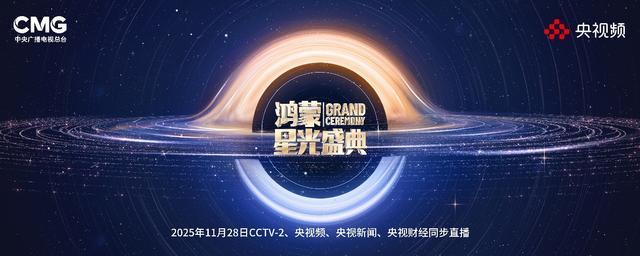
自主创新

Search documents
一财社论:激发新质生产力,需要社会合力
Di Yi Cai Jing· 2025-10-20 13:37
继续创造新的经济增长点,激发自主创新活力与产业升级动力。 今年以来,各方面继续加大创新投入,推动新兴领域投资扩产,促进新质生产力形成。国家统计局的数 据表明,2024年研发经费投入比上年增长8.9%,研发经费投入强度比上年提高0.11个百分点。 10月20日,国家统计局发布了前三季度主要经济数据。今年以来,国民经济顶压前行,不仅稳住了基本 盘,不少关键领域还实现了新突破、新提升;前三季度经济增长5.2%,快于上年同期0.4个百分点,为 实现全年主要目标奠定了坚实基础。 国家统计局在答记者问时指出,前三季度新质生产力发展情况主要有五个方面的特点:创新成果竞相迸 发,创新能力有效提升;新产业新产品快速发展,新业态新模式加快拓展;人工智能赋能增强,数字经 济蓬勃发展;绿色转型步伐稳健,经济发展"含绿量"不断提升;技术改造继续深化,传统产业焕新发 展。 新质生产力的加快培育为高质量发展增添了新动能,推动中国经济换上新的增长引擎。同时,新质生产 力的发展将继续创造新的经济增长点,从而更有效激发自主创新活力与产业升级动力,也有助于对冲下 行压力,增强上行动力。 今后一个时期,新质生产力发挥的推动作用会更加重要。 要持续增 ...
李西廷借研发并购打造2700亿帝国 迈瑞医疗赴港上市迈向全球领先
Chang Jiang Shang Bao· 2025-10-19 23:47
Core Viewpoint - Mindray Medical is planning to list on the Hong Kong Stock Exchange to create an international capital operation platform, led by its founder Li Xiting, following the departure of co-founder Cheng Minghe from the vice-chairman position [1][2][13]. Group 1: Company Background - Li Xiting, along with Cheng Minghe and Xu Hang, founded Mindray Medical in 1991, aiming to bridge the gap in medical technology between China and the West [3][6]. - Mindray Medical started as an importer of medical devices and quickly transitioned to developing its own products, launching China's first self-developed multi-parameter monitor in 1993 [7]. - The company has expanded its product lines significantly, covering three main business areas: in vitro diagnostics, life information and support, and medical imaging, with plans to invest 4 billion yuan in R&D in 2024 [7][8]. Group 2: Financial Performance - As of 2025, Mindray Medical's total assets are 58.775 billion yuan, with a market capitalization of 273.4 billion yuan [12]. - The company reported revenue and net profit for 2024 of 36.726 billion yuan and 11.668 billion yuan, respectively, showing a significant slowdown compared to previous years [19]. - By mid-2025, the company’s revenue from overseas markets is approaching 50%, indicating a shift towards international markets [19]. Group 3: Strategic Moves - Mindray Medical has a history of strategic acquisitions to expand its market presence, including the purchase of Datascope for $202 million in 2008 and several other companies in the medical device sector [11]. - The decision to list in Hong Kong is not primarily for capital but to enhance internationalization, as the company aims to enter the top 20 global medical device companies by 2025 and the top 10 by 2030 [19][20].

经济发展取得新成效 “要守牢实体经济这个根基”
Ren Min Ri Bao· 2025-10-19 22:16
Group 1 - The core message emphasizes the importance of maintaining a strong real economy while promoting the transformation of traditional industries and the cultivation of new productive forces in Jilin Province [1][2] - Jilin City, historically an industrial hub, faces challenges due to its heavy reliance on traditional industries and competition issues, but is now focusing on high-quality development through innovation and enterprise support [2][3] - The transformation project by PetroChina Jilin Petrochemical, with a total investment of 33.9 billion, aims to shift from refining to chemicals and high-end materials, marking a significant step in the city's industrial upgrade [2][3] Group 2 - Traditional industries in Jilin City are undergoing upgrades to foster new productive forces, with a focus on revitalizing older enterprises through digital and intelligent transformations [3][4] - Jilin Jianlong Steel is adapting to the steel industry's shift from growth to optimization, utilizing expert consultations and funding for digital transformation, resulting in a 17.1% increase in hot-rolling efficiency [3] - Jilin City is actively promoting innovation by aligning technology transfer with enterprise needs, achieving 206 local technology transfers and a 22.9% increase in technology contract transaction value this year [4]
彻底被打疼了,美财长请中方收回稀土管制,美国愿休战3个月以上
Sou Hu Cai Jing· 2025-10-19 05:32
Core Viewpoint - China's new round of rare earth export control policies has effectively impacted U.S. interests, leading to pressure on the Trump administration to seek concessions from China [1][3]. Group 1: Impact on U.S. Interests - The announcement of China's rare earth regulations prompted U.S. Treasury Secretary to request China to withdraw the export controls, indicating significant domestic pressure [1]. - If no new agreement is reached before the tariff buffer period ends next month, the U.S. may impose tariffs as high as several hundred percent on China, increasing the risk of market decoupling [1]. Group 2: China's Stance - China maintains a firm position against U.S. confrontation, indicating readiness to engage fully if necessary [3]. - The U.S. recognizes that continued tariff wars would ultimately harm its own economy, as evidenced by the request for a three-month tariff buffer in exchange for the withdrawal of rare earth controls [3]. Group 3: Importance of Rare Earths - Rare earths are critical for the production of high-precision chips and military equipment, making their availability more crucial to the U.S. than high-tech chips themselves [5]. - The lack of rare earths could lead to significant risks for U.S. chip manufacturers and military industries, highlighting the strategic importance of these resources [5]. Group 4: Development of Domestic Chip Industry - China has significantly reduced its reliance on U.S. chips by promoting domestic chip development, achieving comprehensive coverage in many sectors [9]. - The rapid growth of China's chip industry is attributed to U.S. pressure, which has accelerated domestic innovation rather than reliance on imports [9]. Group 5: U.S. Global Position - The effectiveness of U.S. tariffs against China has diminished, raising questions about America's ability to negotiate from a position of strength [9]. - The ongoing trade tensions have led to a reassessment of whether the U.S. can maintain its status as the world's leading power, especially as it faces challenges in its trade policies [9].


“华龙”腾飞铸就大国重器
Jing Ji Ri Bao· 2025-10-18 22:13
Core Insights - The "Hualong One" nuclear technology has become a significant achievement in China's nuclear industry, marking its 10th anniversary and contributing to global energy transition [1][2] - The technology has achieved a total of 41 operational and approved units, making it the most widely used third-generation nuclear technology globally [1][7] Group 1: Technological Innovation - The first "Hualong One" unit, Fujian Fuqing Nuclear Power Unit 5, began commercial operation on January 30, 2021, showcasing China's advancement in third-generation nuclear technology [2][5] - The success of "Hualong One" is attributed to its focus on independent technological innovation, combining lessons learned from global nuclear incidents to enhance safety systems [3][4] - The technology includes significant improvements such as a dual-layer safety shell and capabilities to withstand extreme events like tsunamis [3][4] Group 2: Equipment and Manufacturing - The domestic manufacturing rate of core equipment for the "Hualong One" has reached 88%, demonstrating significant advancements in equipment development and manufacturing capabilities [4][6] - The project has fostered a complete supply chain involving approximately 6,000 enterprises, enhancing the domestic nuclear power industry [4][6] Group 3: Batch Construction and Expansion - The "Hualong One" has transitioned from initial construction to batch production, with ongoing optimization and digital transformation efforts [5][6] - The successful operation of the first unit has led to the planning of six additional units at the Zhangzhou Nuclear Power Base, marking a significant step in batch construction [6] Group 4: International Collaboration - The "Hualong One" technology has been successfully implemented in Pakistan, addressing a significant portion of the country's electricity needs [7][8] - The technology has gained acceptance in over 20 countries, establishing itself as a key player in the international nuclear market [7][8] - The collaborative efforts involve numerous domestic and international organizations, contributing to the development of 179 key technologies [8]

越开放,创新越强(今日谈)
Ren Min Ri Bao· 2025-10-18 22:02
Core Viewpoint - Foreign enterprises are accelerating the establishment of R&D centers in China, with Beijing's foreign R&D center count doubling since the end of last year and Shanghai surpassing 630 centers, indicating a shift from "Made in China" to "R&D in China" [1] Group 1 - The trend of increasing foreign investment in R&D reflects a changing landscape towards innovation in China [1] - The openness of China enhances its innovation attractiveness, as evidenced by the concentration of capital in regions with favorable innovation environments [1] - China boasts the world's most comprehensive industrial categories and the largest number of R&D personnel, contributing to a robust innovation ecosystem [1] Group 2 - Greater openness leads to stronger independent innovation capabilities, as demonstrated by advancements in sectors like new energy vehicles, humanoid robots, and AI large models [1] - The achievements in innovation highlight that independent innovation thrives in an open environment, emphasizing the importance of global collaboration [1] - China's proactive integration into the global innovation network is expected to inject strong momentum into high-quality development [1]
孙志洋到广交会展馆调研
Guang Zhou Ri Bao· 2025-10-18 01:46
Core Insights - The 138th China Import and Export Fair (Canton Fair) is enhancing its service guarantee level to improve the overall experience for participants [2][3] - The introduction of a tax refund service area aims to stimulate consumption by providing immediate tax refunds for overseas buyers [2] - The city of Guangzhou is committed to fostering a favorable environment for businesses and promoting high-quality foreign trade development [2][3] Group 1: Service Enhancements - The Canton Fair has established a dedicated tax refund service area for overseas buyers, allowing for "buy and refund" services [2] - Continuous optimization of the tax refund process and enhancement of the inbound consumer experience are emphasized to stimulate consumption potential [2] - The city aims to leverage the Canton Fair as an international platform to help local businesses expand into overseas markets [2] Group 2: Event Coordination and Promotion - The city is focusing on improving service mechanisms and innovative measures to enhance the quality and efficiency of the Canton Fair [3] - There is a strategic emphasis on aligning the Canton Fair with the upcoming 15th National Games to create new consumption scenarios and enhance the overall experience [3] - The goal is to convert the traffic generated by both events into economic growth through effective promotion and collaboration [3]
跻身世界第一梯队!这一行业,迎爆发风口
Huan Qiu Wang Zi Xun· 2025-10-18 00:32
Core Viewpoint - During the "14th Five-Year Plan" period, China has established a globally leading and largest-scale information and communication network, with 5G base stations reaching 4.598 million, marking the entry into the "dual-gigabit" era [1] Group 1: Industry Growth and Innovation - The fiber optic industry in China has achieved leapfrog growth during the "14th Five-Year Plan," entering the world's top tier due to technological and cost advantages [7] - The company has committed to investing no less than 5% of its sales revenue in R&D, with 6.5% allocated last year, amounting to approximately 800 million yuan [19] - The company has developed a new direction in technology with hollow-core fiber, which has significantly lower attenuation and faster transmission speeds compared to traditional solid-core fiber, achieving about 50% higher speed [23] Group 2: Market Demand and Production Capacity - The demand for fiber optics has continuously increased over the past five years, driven by sustained national investment in broadband, fiber optics, and 5G [11] - The company operates its equipment 24 hours a day to meet the strong market demand [3] - The company has established eight production bases in six countries, with overseas revenue accounting for over 40% in the first half of this year [25] Group 3: Future Outlook and Strategic Goals - The company aims to develop a diversified approach related to "light" technology in the next five years, anticipating greater opportunities [27] - The national focus on high-quality development is expected to cultivate a group of globally influential companies in intelligent manufacturing [29]
厦门有望再添一家A股上市公司!
Sou Hu Cai Jing· 2025-10-17 11:21
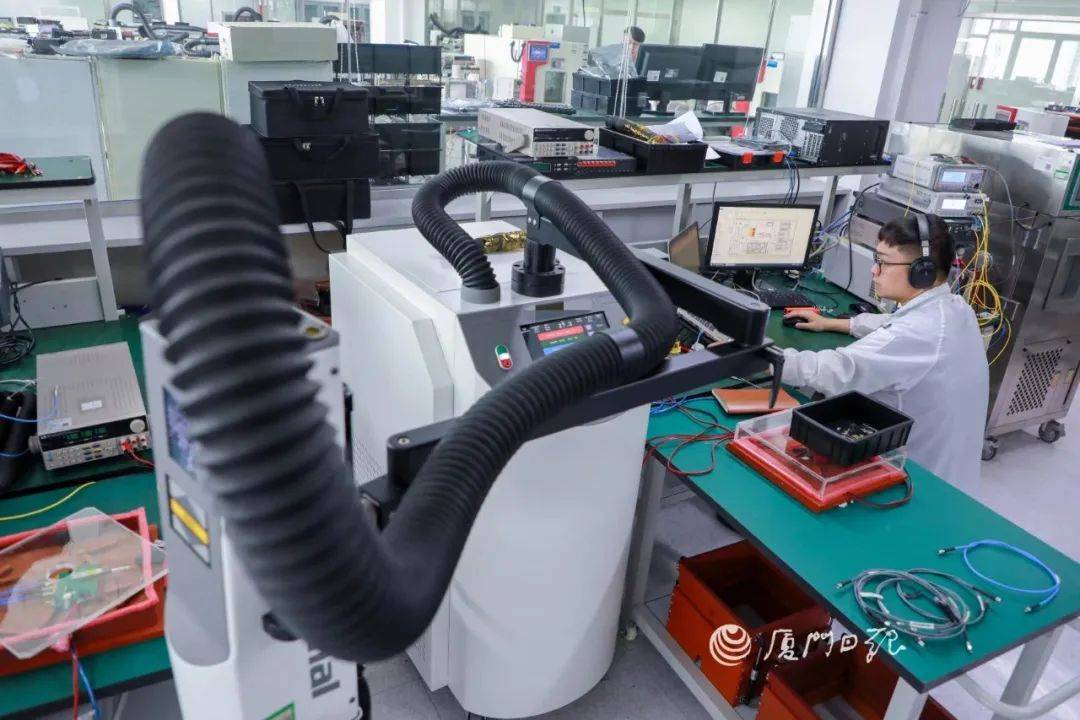
Core Viewpoint - Xiamen Youxun Chip Co., Ltd. has successfully passed the IPO application for listing on the Shanghai Stock Exchange's Sci-Tech Innovation Board, highlighting its status as a leading player in the optical communication chip sector in China [1] Group 1: Company Overview - Founded over 20 years ago, Youxun specializes in the research, design, and sales of optical communication front-end transceiver chips, being one of the few companies in China to provide comprehensive optical communication chip solutions across all application scenarios [2] - The company has established a full-process testing capability from wafer testing to finished product testing and system-level verification, demonstrating its advanced chip design capabilities and autonomous high-reliability mass production testing technology [2] Group 2: Market Position and Achievements - In the market for products with speeds of 10Gbps and below, Youxun holds the largest market share in China and the second largest globally for the year 2024, reflecting its strong performance in niche segments [3] - Youxun has been recognized as a national "Manufacturing Single Champion Enterprise" by the Ministry of Industry and Information Technology, underscoring its commitment to independent innovation [3] Group 3: Research and Development - From 2022 to 2024, Youxun has invested over 216 million yuan in R&D, accounting for 20.34% of its revenue, with R&D personnel making up 57.04% of its workforce by the end of 2024 [5] - As of June 30, 2025, the company has obtained 114 authorized patents, including 83 invention patents and 32 integrated circuit layout design patents, establishing a solid technological barrier for its core products [5] Group 4: Fundraising and Future Projects - Youxun plans to raise approximately 809 million yuan through its IPO, which will be allocated to the development and industrialization of next-generation access network and high-speed data center chips, automotive chip R&D, and the development of optical communication chips and silicon photonic components at 800G and above [6]
双节点下的盛典叙事:在时代坐标中读懂“在一起就可以”
Huan Qiu Wang Zi Xun· 2025-10-17 04:39
Core Insights - The event "Hongmeng Starry Night Festival" is set to take place on November 28, 2025, marking significant milestones in China's digital economy and technology self-reliance [1][3] - The theme "Together, we can" reflects on the past decade of China's technological advancements and emphasizes the commitment to future digital civilization [3][11] Digital Economy and Technological Development - The Hongmeng operating system symbolizes China's journey towards technological independence, evolving from an emergency solution in 2019 to a fully self-researched system by 2024, achieving full coverage across devices by 2025 [5][6] - The development of Hongmeng is supported by over 2.54 million developers, showcasing a collaborative spirit akin to China's aerospace achievements [6][7] Societal Impact and User Experience - Hongmeng enhances user experience through features like instant app launch, cross-device collaboration, and accessibility tools for individuals with disabilities, promoting inclusivity in technology [6][7] - The operating system drives digital upgrades across various sectors, including public services, finance, and manufacturing, thereby integrating technology into the fabric of society [7][9] Economic and Employment Growth - The flourishing of the Hongmeng ecosystem stimulates related industries such as hardware production, software development, and talent training, creating numerous job opportunities [9][11] - The festival serves as a platform to connect the public with the technological advancements that impact their daily lives, fostering a sense of relevance and engagement with technology [9][11] Future Outlook - The "Hongmeng Starry Night Festival" is not just a celebration but a declaration of future development, highlighting the collective effort behind technological innovation and its profound impact on everyday life [11]