
新消费

Search documents
超400位政产学研精英云集,解码自贸港开放新机遇 2025第十四届上市公司发展年会将在海口举行
Mei Ri Jing Ji Xin Wen· 2025-12-10 14:21
Core Insights - The Hainan Free Trade Port will officially launch its full island closure on December 18, marking a significant step towards China's high-level opening-up [1] - The "2025 14th Annual Development Conference of Listed Companies and Hainan Free Trade Port Opportunity Exchange Conference" will take place from December 11 to 13, gathering over 400 industry leaders to discuss macroeconomic trends and the benefits of the free trade port [1][2] Group 1: Conference Highlights - The main forum will feature three keynote speakers discussing critical topics such as China's manufacturing advancements, the innovative directions of Hainan's institutional opening, and the future trajectory of capital markets [2][3] - A special promotion session will focus on translating strategic opportunities into tangible benefits through policy implementation and industry practices [3] Group 2: Industry Insights - The conference will include a session on "International Consumption New Opportunities," where industry representatives will explore new directions in the consumption sector [4] - Discussions will highlight the evolution of China's role in the global consumption industry, shifting from passive acceptance to active integration and participation in resource restructuring [5] - The event will also feature roundtable discussions on themes like "Long-termism of New Consumption Brands" and "Cultural Tourism Integration to Activate All-domain Consumption," providing professional insights from industry leaders [5]
超400位政产学研精英云集 解码自贸港开放新机遇 2025第十四届上市公司发展年会将在海口举行
Mei Ri Jing Ji Xin Wen· 2025-12-10 14:19
Group 1 - The Hainan Free Trade Port will officially start its full island customs closure on December 18, marking a significant step towards China's high-level opening-up [1] - The "2025 14th Annual Development Conference of Listed Companies and Hainan Free Trade Port Opportunity Exchange Conference" will be held from December 11 to 13, gathering over 400 industry leaders to discuss macroeconomic trends and the benefits of the free trade port [1][2] - The conference will feature key speeches from prominent figures, including former Vice Minister of Industry and Information Technology Su Bo, who will discuss the path to upgrading China's manufacturing industry [2] Group 2 - The 20th Central Committee's Fourth Plenary Session emphasized the importance of expanding autonomous opening-up and implementing a high-standard construction of the Hainan Free Trade Port, positioning it as a key practice window for national opening-up policies [3] - The conference will include roundtable discussions on AI technology's transition from concept to commercial realization and the collaborative pathways for Chinese enterprises in global supply chains [3][4] - An "International Consumption New Opportunities" session will explore new directions in the consumption industry, featuring insights from notable industry representatives [4][5] Group 3 - The event will also focus on the evolution of China's role in the global consumption industry, shifting from passive acceptance to active integration, with an emphasis on capital linkage and brand output [5] - Discussions will cover long-term strategies for new consumer brands and the integration of cultural tourism to activate overall consumption [5] - A report on consumer trends for 2024-2025 will be released, providing industry analysis and future outlooks [5]
趋势之上 信仰之下——2025中国消费趋势论坛
Zhong Guo Jing Ying Bao· 2025-12-10 07:33
Group 1 - The year 2025 marks the conclusion of the "14th Five-Year Plan" and the beginning of the "15th Five-Year Plan," with a focus on "technological self-reliance" and "improving social welfare" as key objectives [1] - The consumer market in 2025 is characterized by a shift towards pragmatic and rational consumption, with an increasing trust in brands and a new height in brand image construction [1] - The "2025 China Consumption Trend Forum" aims to decode the commercial logic of the consumption market and uncover hidden business opportunities [1] Group 2 - The relationship between "old famous liquor" and "new consumption" is seen as a symbiotic one, where traditional practices are modernized rather than replaced [3] - The integration of public welfare, cultural heritage, and national brands with modern demands is essential for industry development [3] Group 3 - Emotional consumption is identified as a significant trend in tourism, with four emerging business models: events combined with travel, pet-friendly travel, national trends in travel, and nature-focused travel [5] - Emotional travel appeals to various demographics, including older adults seeking social connections [5] Group 4 - The concept of "instant retail" is gaining unprecedented importance, potentially marking the last wave of internet consumption before a reconciliation between local living and e-commerce [8] - The industry is encouraged to embrace the era of instant retail as a core consumption method [8] Group 5 - Consumers are increasingly focused on value, emotional consumption, and comfort marketing, emphasizing the importance of effectively communicating product benefits to the new generation [10] - The beverage industry is urged to innovate continuously, with a focus on new processes to enhance consumer experience [12] Group 6 - AI technology is seen as a critical factor in creating value through collaboration, ecosystem building, and addressing pain points in the market [17] - The integration of AI into consumer industries is viewed as a significant opportunity, with a focus on finding suitable investors and optimizing products for specific consumer scenarios [19] Group 7 - The application of AI in various industries requires a deep understanding of commercial logic and organizational structure optimization to facilitate intelligent services for users [23] - The introduction of AI functionalities in management processes is becoming a reality for companies with extensive branch networks [25]

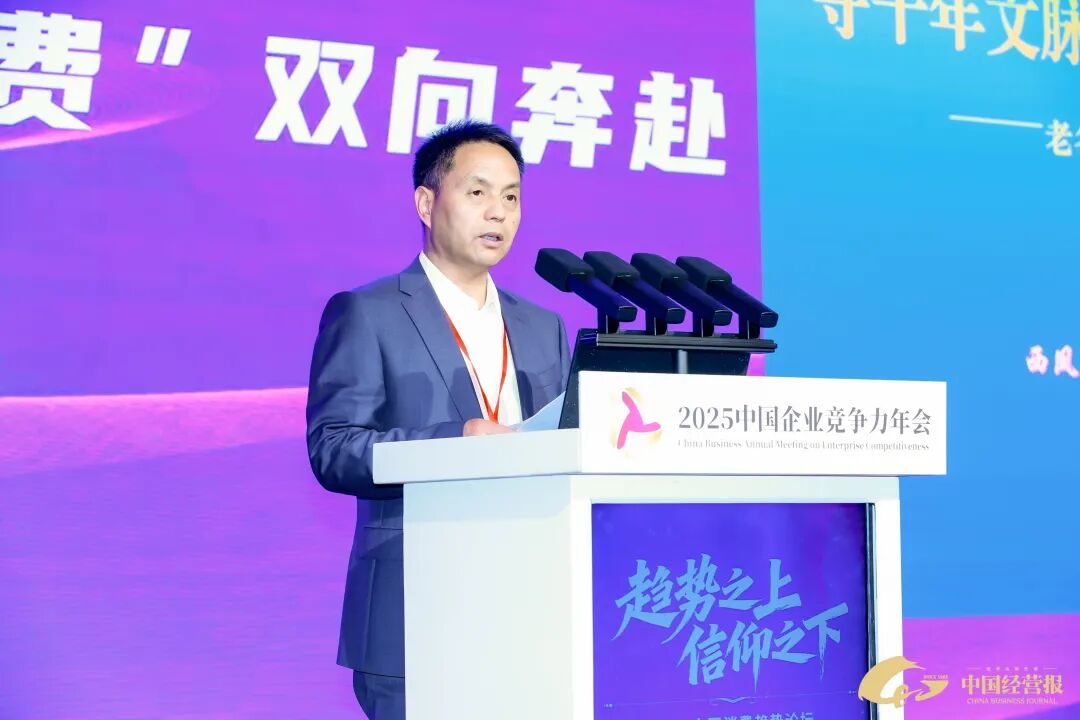
上海百亿私募大爆发,年内新晋12家!最新百亿私募达53家!各辖区十强私募都有谁?
私募排排网· 2025-12-10 07:00
Core Insights - Shanghai is a significant hub for asset management in China, hosting 2,020 private equity firms, accounting for 26.69% of the national total, with 53 firms managing over 10 billion yuan, representing 46.90% of the total [2] - In 2023, 12 private equity firms in Shanghai successfully surpassed the 10 billion yuan management scale, with 6 being quantitative firms and 9 located in the Pudong New Area [2] Summary by Region Pudong New Area - Pudong New Area has 1,188 private equity firms, with 68 managing over 5 billion yuan, including 30 firms with over 10 billion yuan [4] - The average return for 139 private equity firms in Pudong from January to November 2023 is 26.94%, with the top three performers being Haisheng Fund, Shanghai Yixin Private Equity, and Guiyuan Investment [5] Hongkou District - Hongkou District has 127 private equity firms, with 12 managing over 5 billion yuan, including notable firms like Mingyuan Investment and Mingxi Capital [9] - The top three performers in Hongkou for the same period are Mingxi Capital, Mingyuan Investment, and Guanghe Future Private Equity [9] Xuhui District - Xuhui District has 119 private equity firms, with 5 managing over 5 billion yuan, including Jin De Private Equity and Rui Tian Investment [12] - The top three performers are Shanghai Zijie Private Equity, Cai Xia Wan Investment, and Yanfu Investment [12] Huangpu District - Huangpu District has 124 private equity firms, with 5 managing over 5 billion yuan, including Zhengying Asset and Liwei Private Equity [15] - The top three performers are Quan Cheng Fund, Qingdao Hongyun Ruiheng Private Equity, and Shanghai Darin Asset [15] Other Districts - Other districts in Shanghai have a total of 474 private equity firms, with 7 managing over 5 billion yuan, including Shanghai Boke Private Equity and Hexie Huiyi Asset [18] - The top three performers in these districts are Shanghai Hengsui Asset, Jinwang Investment, and Liangli Private Equity [18]

中泰证券:需求景气延续,关注新消费下的结构性机会
Xin Lang Cai Jing· 2025-12-09 23:21
中泰证券指出,饮料消费旺季结束,龙头公司三季报平稳收官、优势进一步强化。展望2026,宏观环境 或迎来盈利拐点,系列消费政策提振内需,若考虑中期居民资产负债表仍需一定时间修复,软饮料行业 需求景气不惧环境扰动、基本面韧性更优。建议在饮料内部的结构性成长赛道,优选功能饮料及无糖茶 行业龙头;利润端,饮料行业原材料及包材成本红利预计延续,持续关注各企业竞争策略及新品进展。 ...

商社美护行业周报:国资入主君亭,林清轩上半年收入超10亿-20251209
Guoyuan Securities· 2025-12-09 14:15
Investment Rating - The industry maintains a "Recommended" rating, with a focus on new consumption sectors such as beauty care, IP derivatives, and gold jewelry [5][29]. Core Insights - The report highlights significant growth in the beauty care sector, with Lin Qingxuan achieving a revenue of 1.052 billion yuan in the first half of 2025, marking a year-on-year increase of 98.3% and a net profit of 182 million yuan, up 109.9% [3][23]. - The retail sector saw a notable increase in Hainan's duty-free shopping, amounting to 2.38 billion yuan in November 2025, representing a 27.1% year-on-year growth [4][28]. - The travel sector is experiencing a surge in bookings for the New Year holiday, with overall reservation heat increasing by nearly 30% compared to the previous year [3][25]. Summary by Sections Market Performance - For the week of December 1-5, 2025, the performance of the retail, social services, and beauty care sectors was -0.83%, -0.65%, and -2.00% respectively, ranking 22nd, 20th, and 29th among 31 primary industries [14][16]. Key Industry Data and News - In the beauty care sector, the establishment of the world's first national standard for pig type I collagen purity was approved, marking a significant advancement in protein measurement [23]. - Galderma's Sculptra® received EU approval for new body indications, expanding its application [23]. - The travel sector saw Hubei Culture Tourism Group acquire a 29.99% stake in Junting Hotel for 1.499 billion yuan, becoming the controlling shareholder [24]. - The toy business of Qimeng Island reported a revenue of 127 million yuan for the third quarter of 2025, with a quarter-on-quarter growth of 93.3% [27]. Investment Recommendations - The report recommends focusing on companies such as Shangmei Co., Ltd., Juzhi Biotechnology, Marubi Biotechnology, Runben Co., Ltd., Proya, Chaohongji, and Furuida in the beauty care and new consumption sectors [5][29].

从泡泡玛特看新消费的核心诉求
Sou Hu Cai Jing· 2025-12-09 06:31
Core Viewpoint - The traditional narrative-driven IP construction model is facing challenges, while Pop Mart has adopted a unique approach by focusing on "non-narrative" character IP, allowing users to project their emotions and imagination onto the IP, thus creating a new emotional connection and commercial ecosystem in the current era of personalized expression and instant emotional resonance [1][4]. Group 1: Pop Mart's IP Strategy - Pop Mart's IP primarily consists of character IP, or "light IP," which does not require a heavy narrative foundation, contrasting with traditional IP models like Disney that rely on grand storytelling [2][4]. - The core advantage of Pop Mart's strategy lies in its ability to create significant emotional space by not setting explicit character stories or single values, allowing products to reflect users' personal emotions [4][5]. - The "light IP" model is more flexible and adaptable, enabling rapid integration into different markets through a "global framework + local plugins" approach, driven by data rather than narrative [5][6]. Group 2: Emotional Connection and Consumer Behavior - Pop Mart's strategy resonates with the new consumption era's logic, where emotions have become a form of currency, and products serve as open emotional canvases for users to express themselves [7][8]. - The consumption behavior has shifted from "ownership" to "experience," where consumers seek immediate emotional gratification through their purchases, facilitated by social media and instant feedback loops [7][8]. - This reflects a broader strategy for modern individuals to cope with anxiety and loneliness, as instant emotional satisfaction serves as a form of psychological compensation in a fast-paced and uncertain environment [8][9]. Group 3: Challenges and Future Outlook - While Pop Mart's model offers flexibility, it may lack the depth of emotional connection and longevity found in traditional story-driven IPs, which can continuously evolve and engage fans [6][9]. - The success of Pop Mart's approach hinges on its ability to maintain relevance in design and social trends, as the appeal of character IP is closely tied to contemporary aesthetic preferences [6][9]. - The long-term viability and risk resilience of this model will require further validation over time [9].

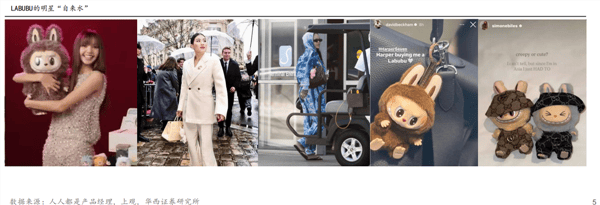
顶层会议再强调内需主导,后续仍是政策突破方向
Xuan Gu Bao· 2025-12-08 23:17
Group 1 - The meeting emphasized the importance of domestic demand as a core driver for economic growth, aiming to build a strong domestic market [1] - The focus has shifted from separately addressing "consumption" and "investment" to a unified approach of "domestic demand," allowing local governments more flexibility in implementing policies to stimulate consumption or promote investment [1] - The policy aims to significantly increase the household consumption rate, with a notable gap of 1923 yuan in per capita service consumption compared to pre-pandemic trends, indicating a potential area for policy intervention [1] Group 2 - Lishang Guochao is focusing on the new consumption and new retail sectors, developing retail business through an online and offline integration model, which is divided into operations and services [2] - Huifa Food is upgrading its "central kitchen + smart dining" model to promote smart dining construction and has established a partnership with the Sha County Snack Group [2]
转转黄炜:优质供给是二手经济的命门
Sou Hu Cai Jing· 2025-12-08 13:03
Core Insights - The article discusses the evolution of the second-hand market in China, particularly focusing on the company "Zhuanzhuan" and its efforts to build trust and quality assurance in second-hand transactions [5][10][20]. Group 1: Trust and Consumer Behavior - Trust is essential in the second-hand market, akin to health in human life; without it, business cannot thrive [5]. - Zhuanzhuan has addressed consumer concerns about buying second-hand products by implementing an "official inspection" service, which enhances trust and encourages purchases [3][7]. - The company has transformed the perception of second-hand goods from a risky transaction to a reliable one through standardized quality assessments and transparent reporting [9][10]. Group 2: Business Model and Supply Chain - Zhuanzhuan has shifted from a C2C model to a more controlled C2B2C model, focusing on quality assurance and direct transactions, which helps eliminate individual seller risks [11][12]. - The company emphasizes a "heavy supply" model over a "light traffic" model, recognizing that the second-hand market requires standardized and scalable supply to drive growth [11][12]. - Zhuanzhuan has invested in quality control through acquisitions and the establishment of inspection centers, enhancing its ability to provide reliable second-hand products [14][16]. Group 3: Competitive Landscape - The second-hand market is evolving with companies like Zhuanzhuan focusing on supply and quality, contrasting with competitors like Xianyu, which prioritize traffic and user volume [19][20]. - Zhuanzhuan's differentiation strategy is rooted in its mission to provide trustworthy second-hand transactions, which is expected to enhance its competitive edge in the market [22][23]. - The company aims to create a sustainable organization that not only serves consumers but also contributes to broader societal value [23].
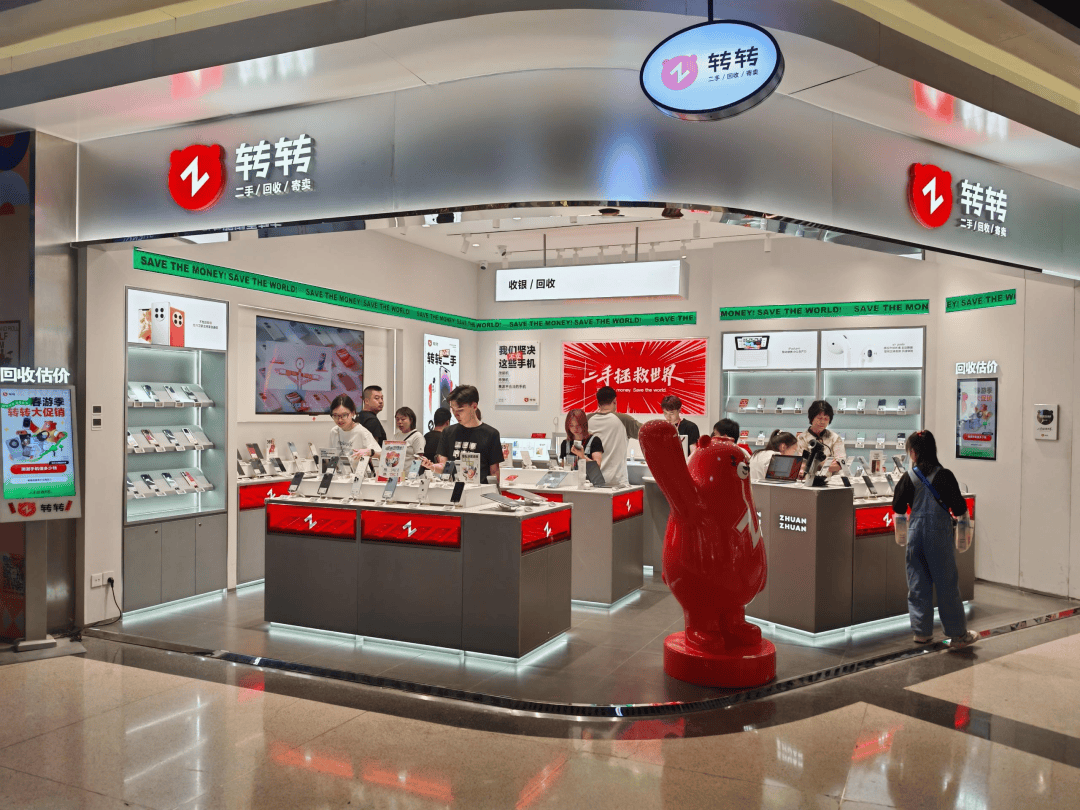
港股估值进入“放心区间” 高毛利优质资产仍稀缺
Zheng Quan Shi Bao· 2025-12-07 22:30
长城基金/供图 证券时报记者 李明珠 2025年港股市场表现亮眼,恒生指数与恒生科技指数领跑全球主要股票市场。日前,长城基金国际业务 部副总经理曲少杰在接受证券时报记者采访时表示,2026年港股市场有望走强,当前估值已进入"放心 区间",需理性看待市场波动与上涨节奏。 曲少杰认为,美国步入降息周期,理论上有利于成长股,美联储降息这一单一宏观变量并非决定股价的 核心因素,投资仍需回归行业趋势与企业自身成长潜力,并持续看好科技创新驱动的结构性机会以及具 备高盈利壁垒和强大护城河的新消费领域优质企业。 三大趋势支撑2026年港股 曲少杰深耕海外市场,其投资风格稳健且灵活,所管产品中长期业绩表现突出。他认为,明年港股大概 率实现正收益,但投资者应理性看待涨幅,因其更多取决于上市公司业绩增速。今年市场走强主要缘于 估值修复,当前估值处于合理偏低水平,并未出现泡沫。 曲少杰对2026年港股持乐观态度,但他强调健康的上涨应源于企业盈利的切实提升,而非单纯依赖估值 扩张。他同时指出,"逆向思考"是其投资的关键,需警惕涨幅过大资产的风险,并关注超跌优质资产的 机会。 曲少杰指出,港股走强主要受益于三大趋势:首先,科技创新强周期 ...