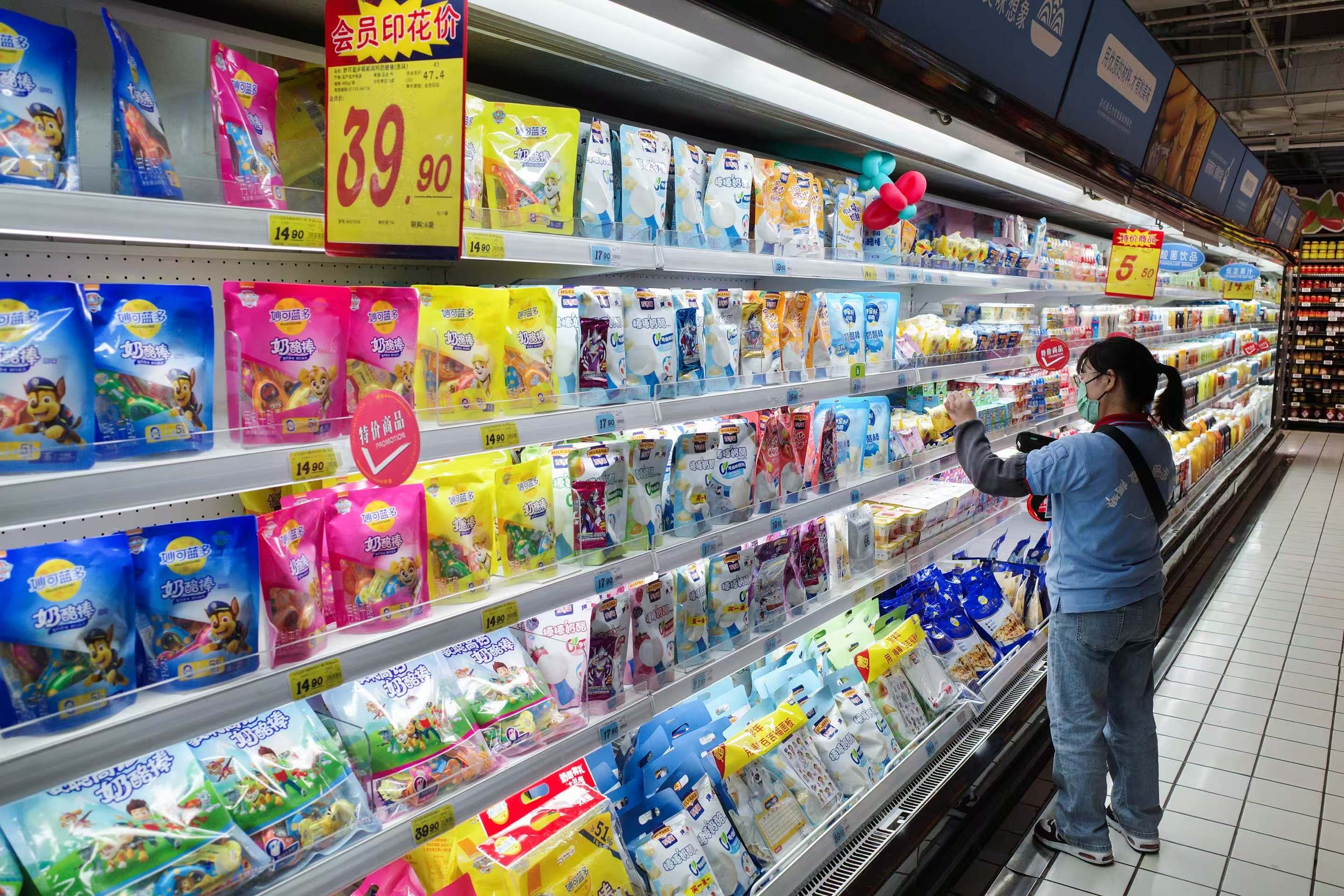
下沉市场

Search documents
闭店率超30%,商场的餐饮生意越来越难做了?
Hu Xiu· 2025-05-05 12:55
Core Viewpoint - The restaurant industry is experiencing a significant wave of closures in shopping malls due to declining foot traffic, high rents, and increasing operational costs, leading to a challenging environment for both malls and restaurants [3][6][23]. Group 1: Current Trends in the Restaurant Industry - Many restaurants are closing or relocating from shopping malls, with notable examples including "奈斯椰" in Beijing and "银棠·新中餐" in Qingdao, indicating a broader trend of withdrawal from mall locations [2][3]. - A report indicates that by 2024, 34.9% of shopping centers will see more closures than new openings, suggesting a growing vacancy rate in malls [3][12]. - The average rent for shopping mall spaces remains high, with a slight decrease of only 0.06% year-on-year, making it increasingly unfeasible for restaurants to operate profitably [22][23]. Group 2: Challenges Faced by Shopping Malls - Shopping malls are facing a saturation of locations, leading to diluted foot traffic, which negatively impacts restaurant patronage [8][10]. - Many malls have outdated designs and layouts that do not cater to modern consumer preferences, further diminishing their attractiveness [13][14]. - The homogenization of brands across malls has led to a lack of differentiation, making shopping experiences feel repetitive for consumers [17][18]. Group 3: Future Outlook and Opportunities - Experts predict that the survival of mall-based restaurants will remain difficult for at least the next two years, with a potential recovery not expected until then [5][6]. - A shift towards "downward" strategies is emerging, where restaurants are increasingly looking to open in lower levels of malls or in less saturated markets, such as county-level cities [29][32]. - The underdeveloped commercial real estate in lower-tier cities presents opportunities for restaurant brands to establish themselves in less competitive environments, where consumer demand for quality dining experiences is rising [35][36].

加盟率99.7% 沪上阿姨轻资产模式能否撑起上市梦?
凤凰网财经· 2025-05-04 14:00
Core Viewpoint - The article discusses the upcoming IPO of the tea brand "Hushang Ayi" on the Hong Kong Stock Exchange, highlighting its rapid expansion and market positioning in the competitive new-style tea beverage industry [2][3]. Group 1: Market Positioning and Expansion - Hushang Ayi is strategically focusing on the lower-tier markets in China, claiming a strong market position among mid-priced tea brands [3][4]. - The brand plans to expand its store network from 5,307 at the end of 2022 to 9,176 by the end of 2024, with 99.7% of these stores operated by franchisees [2][6]. - As of the end of 2024, Hushang Ayi will have stores in over 300 cities, with 4,629 located in third-tier cities and below [4][3]. Group 2: Franchise Model and Financial Performance - Hushang Ayi relies heavily on a franchise model, with 99.7% of its stores operated by franchisees, which allows for rapid expansion but poses management challenges [6][7]. - The average single-store GMV decreased from RMB 1.6 million in 2023 to RMB 1.4 million in 2024, while total revenue slightly declined by 1.9% from RMB 3.348 billion to RMB 3.285 billion [6][7]. - Franchise income accounted for 96.5% of total revenue in 2024, indicating a strong reliance on franchisee investments [7]. Group 3: Competitive Landscape and Future Outlook - The new-style tea beverage market is entering a phase of intensified competition, with brands struggling to differentiate themselves [9]. - Hushang Ayi has introduced multiple brand concepts, including "Hushang Ayi," "Hukafe," and a lighter version targeting lower-tier cities, to capture diverse consumer preferences [5][9]. - Analysts predict that 2025 will mark a critical period for the coffee and tea beverage sectors, with significant challenges ahead, but also potential growth opportunities in supply chain management and overseas expansion [8][9].
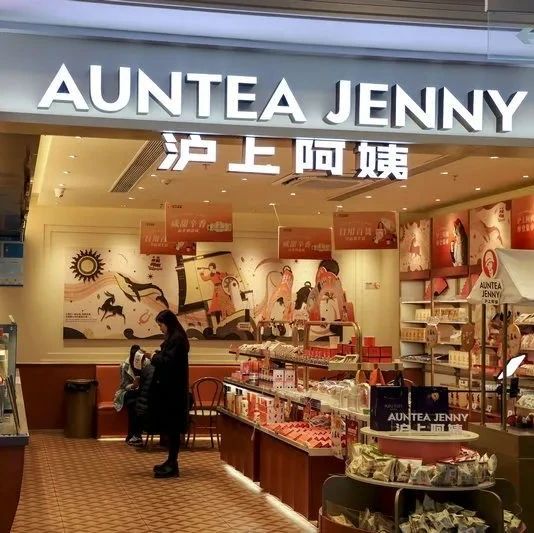
县域经济扶持:鲲鹏共享科技如何实现三四线城市下沉机遇?
Sou Hu Cai Jing· 2025-05-04 07:33
Core Insights - The shared charging treasure industry in China's lower-tier cities presents a significant market opportunity, with a supply-demand imbalance indicating a potential market worth billions [1][12] - The penetration rate of smartphones in county markets reached 92% in 2022, yet public charging facilities cover less than one-third of that in first-tier cities, highlighting an underserved market [1] Market Characteristics - In a county in Shandong, the largest commercial complex has over 20,000 daily visitors but only fewer than 20 shared charging devices, indicating high demand and low supply [2] - Consumers in lower-tier cities exhibit a 27% higher immediate demand for shared charging treasures compared to first-tier cities, while the supply is only 40% of that in first-tier cities [2] - Key characteristics of the county market include concentrated consumption scenarios, low price sensitivity among users, and a lack of intense competition, with leading brands having less than 15% penetration [2] Business Model Innovation - Traditional direct sales models struggle in lower-tier cities due to high operational costs and complex local networks, prompting companies like Kunpeng Shared Technology to adopt a differentiated approach through a city partner agency system [2][4] - This model fosters a symbiotic relationship between headquarters and agents, creating a unique penetration network [4] Operational Strategies - The company employs a smart operation system for real-time monitoring and cloud algorithms for efficient charging treasure circulation, leading to a device turnover rate 1.8 times higher than the industry average [4] - A tiered profit-sharing mechanism incentivizes agents while preventing unhealthy competition, resulting in a 300% annual growth rate in device coverage in regions using this model, compared to 120% in direct sales areas [4] Customization and Local Engagement - The company has implemented customized solutions for different scenarios, such as waterproof charging treasures in tourist areas and integrated devices in local markets, increasing usage rates by 40% [6] - Establishing deep relationships with merchants through a growth system and a "charging treasure partner" program enhances local engagement and operational efficiency [7] Dynamic Pricing Strategies - The adoption of a "tide pricing" algorithm allows for flexible pricing adjustments based on demand, increasing average transaction value by 15% while reducing user complaints by 60% [8] Economic Impact - Each 100 devices installed can create eight jobs and increase local merchant foot traffic by 12%, contributing over 500,000 yuan in annual tax revenue [11] - The charging treasure cabinets serve as new entry points for offline traffic, with a 23% conversion rate for local users into other services [11] Digital Infrastructure Development - The establishment of a charging network across county consumption scenarios is creating a data goldmine for insights into consumer behavior, aiding local governments in commercial planning [11] Conclusion - The shared charging treasure market in lower-tier cities is not merely a scaled-down version of urban markets but represents a redefined growth opportunity, bridging the digital divide and energizing local economies [12]
下沉市场的零食革命者:解码鸣鸣很忙港股IPO背后的商业密码
Sou Hu Cai Jing· 2025-05-03 20:23
Group 1: Company Overview - The company "Mingming Hen Mang" was formed through the strategic merger of "Snacks Busy" and "Zhao Yiming Snacks," establishing a network of 14,394 stores across 28 provinces in China within 8 years [1] - The company's GMV is projected to exceed 55.5 billion yuan in 2024, with an average of 21 new stores opening daily and over 1.6 billion transactions throughout the year [1] - Revenue surged from 4.286 billion yuan in 2022 to 39.344 billion yuan in 2024, demonstrating the effectiveness of its "low-margin, high-volume" business model [1] Group 2: Market Strategy - The company's success is attributed to its deep integration with China's urbanization process, particularly in capturing the county-level economic benefits [3] - By placing 58% of its stores in county and town areas, the company fills the gap between international brands and local small shops, addressing the high demand and low supply in these markets [3] - The company employs a pricing strategy that is 25% lower than traditional supermarkets, promoting consumption equality and offering products like sugar-free yogurt and imported snacks at urban-rural parity [3] Group 3: Business Model Innovation - Unlike traditional snack companies, the company has created a unique value chain by collaborating with 50% of the top food companies in China to reduce costs and enhance quality control [5] - The company utilizes a bulk sales model, with over 40% of sales coming from loose items, allowing for flexible packaging and a lower barrier to trial [5] - The revenue model is primarily based on product sales (99.5%), disrupting the traditional franchise model by leveraging scale to benefit franchisees [5] Group 4: Challenges Ahead - Despite its leading position in the snack retail sector, the company faces risks related to category expansion, as the introduction of new product lines in 2025 may dilute its core snack business [7] - The saturation of the county-level market is a concern, with the average population served per store dropping to 23,000, leading to increased internal competition among franchisees [7] - The company must balance the direct supply from manufacturers with the need for product differentiation, especially given its annual procurement volume exceeding 30 billion yuan [7] Group 5: Market Implications - The company's IPO journey reflects the capitalized demand for consumption upgrades in the lower-tier markets, as "quality-price ratio" becomes a key decision-making factor [8] - The company's approach to supply chain reconstruction is reshaping the landscape of China's fast-moving consumer goods market [8] - Maintaining a 25% price advantage at a large scale will be crucial for the company's long-term value assessment in the Hong Kong stock market [8]
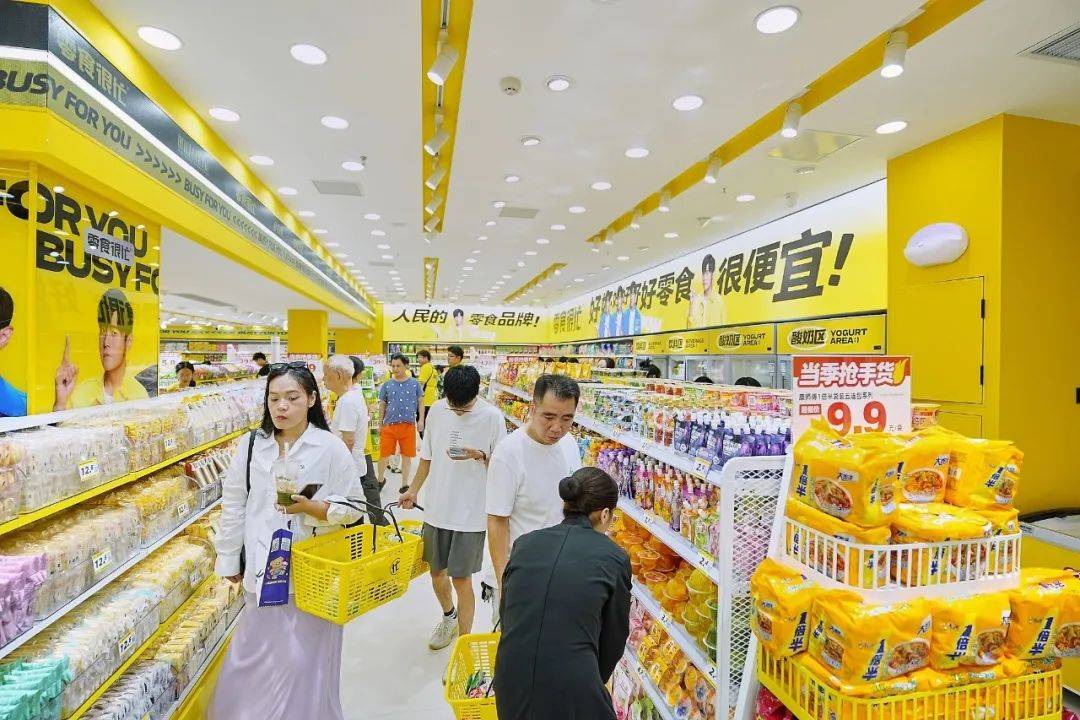
国民零食龙头:鸣鸣很忙冲刺港股IPO!
Sou Hu Cai Jing· 2025-05-03 06:09
Group 1 - The core viewpoint of the article highlights the IPO of Hunan Mingming Hen Mang Commercial Chain Co., Ltd., a leading snack retail chain in China, which aims to leverage its extensive network and low-cost strategy to capture market share in the competitive landscape [1][12] - The company has over 14,000 stores and reported annual revenue of 39.3 billion yuan and a GMV of 55.5 billion yuan, making it a focal point for capital market attention [1][2] - Mingming Hen Mang was formed through the merger of two popular brands, rapidly integrating resources to cover 28 provinces and over 66% of its stores in county and town markets, with a membership base exceeding 120 million and a high repurchase rate of 75% [2][3] Group 2 - The company's growth strategy is characterized by a "let profit grow" approach, maintaining a low gross margin of 7.5%, significantly below the industry average of 20.35%, which attracts price-sensitive consumers [5][10] - Mingming Hen Mang's operational efficiency is enhanced by a digital and supply chain system, including a self-developed "smart middle platform" for comprehensive digital management and a remote intelligent store inspection system [7][8] - The competitive landscape is intensifying, with rivals like Wanchen Group's "Hao Xiang Lai" expanding rapidly, leading to ongoing price wars and increasing consumer demand for healthier, personalized products [10][11] Group 3 - The company's IPO is seen as a watershed moment for the industry, raising questions about the sustainability of its low-margin model, which currently has a net profit margin of 2.1% [11][12] - Analysts suggest that the ability to leverage economies of scale to reduce costs and expand into higher-margin categories will be crucial for the company's future success [11] - The influx of capital may lead to industry consolidation, potentially sidelining smaller brands lacking supply chain and financial strength [11][12]
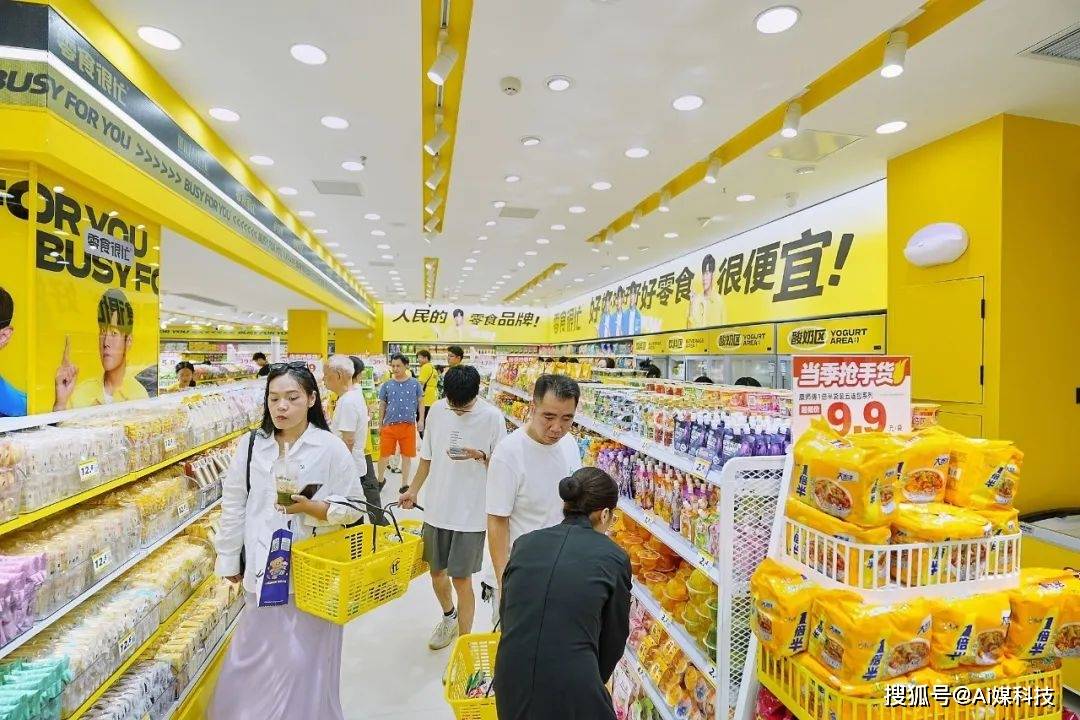
加盟率99.7% 沪上阿姨轻资产模式能否撑起上市梦?
Zhong Guo Jing Ying Bao· 2025-05-02 21:25
Core Viewpoint - The new tea beverage brand "Hushang Ayi" is set to go public on the Hong Kong Stock Exchange, becoming the fifth new tea brand to list after successful IPOs of competitors like Nayuki and Mixue Ice City, with market attention focused on its performance amid previous listing challenges in the sector [1][2]. Expansion Strategy - Hushang Ayi has rapidly expanded its store network from 5,307 at the end of 2022 to an expected 9,176 by the end of 2024, with 99.7% of these stores operated by franchisees, indicating a light-asset operational model that facilitates market penetration [1][6]. - The brand strategically targets lower-tier markets, claiming a strong market position in mid-priced tea beverage stores across over 300 cities in China, with a significant number of stores located in third-tier and below cities [2][3]. Market Dynamics - The tea beverage industry is experiencing a shift towards stock competition, with Hushang Ayi aiming to capture market share through a multi-brand strategy and low-price model, particularly in underdeveloped markets [3][9]. - The competitive landscape is intensifying, with numerous brands lacking significant differentiation, leading to potential challenges in maintaining market share [9]. Financial Performance - Hushang Ayi's average single-store GMV decreased from RMB 1.6 million in 2023 to RMB 1.4 million in 2024, with total revenue slightly declining by 1.9% to RMB 3.285 billion, attributed to reduced income from franchise-related and self-operated stores [6][8]. - Despite the decline in average GMV, approximately 48.8% of new stores in 2024 were opened by existing franchisees, indicating a strong willingness to reinvest within the franchise system [6]. Franchise Model - The franchise model has allowed Hushang Ayi to expand rapidly, with 96.5% of its revenue coming from franchise operations, but it also poses risks related to quality control and operational oversight [6][7]. - The company mandates that franchisees source most ingredients from its centralized procurement platform, which includes a comprehensive supply chain network [7][8]. Future Outlook - Analysts predict that 2025 will mark a critical juncture for the tea and coffee sectors, with increasing competition and a focus on supply chain efficiency and product differentiation becoming essential for sustainable growth [8][9]. - Hushang Ayi has begun exploring international markets, although it currently operates only one overseas store, highlighting the potential for future expansion [8].
全国门店超1.4万家,年轻人即将再“吃”出一家IPO?
Sou Hu Cai Jing· 2025-05-02 15:00
Core Viewpoint - The company, Hunan Mingming Hen Mang Commercial Chain Co., Ltd., has officially submitted its application for an IPO on the Hong Kong Stock Exchange, marking its entry into the capital market and highlighting its rapid growth in the snack retail sector [1]. Group 1: Company Growth - Established in 2017 in Changsha, the company has focused on lower-tier cities, avoiding fierce competition in first and second-tier cities, and has rapidly expanded its store count to over 14,180 by the end of 2024, with annual revenue nearing 5 billion yuan [2][6]. - The company employs a franchise model, with 97.4% of its stores being franchises, allowing for low investment thresholds and quick returns, appealing to many small-town entrepreneurs [6]. - Targeting the 18-35 age demographic, the company has successfully attracted price-sensitive consumers who seek value for money, contributing to its rise as a significant player in the new consumption landscape [6]. Group 2: Industry Challenges - The snack retail industry has shifted from a blue ocean to a red ocean, with increased competition from brands like Laiyoupin and Haoxianglai, leading to challenges such as high growth versus low barriers to entry, management difficulties, and price sensitivity versus margin compression [7][9][10][12]. - The industry faces issues of product homogeneity and lack of brand loyalty, making it difficult for companies to maintain customer retention once price advantages diminish [9]. Group 3: Future Growth Strategies - The IPO is seen as a pivotal moment for the company, transitioning from rapid expansion to a focus on sustainable growth and profitability, emphasizing the need for a robust operational framework [13]. - Developing proprietary brands is crucial for enhancing profit margins and brand recognition, although it requires significant investment in research, marketing, and quality control [15]. - The company plans to expand its logistics network to improve supply chain efficiency and ensure stable product availability across its extensive store network [16]. - Optimizing store performance by enhancing operational efficiency and customer experience is essential for future growth, shifting focus from quantity to quality [17]. Group 4: Long-term Perspective - The snack business is fundamentally a long-term endeavor that tests product quality, supply chain management, and organizational capabilities [18]. - The company's journey from rapid franchise expansion to building a strong brand and operational capabilities is critical for its success in the capital market and beyond [18].
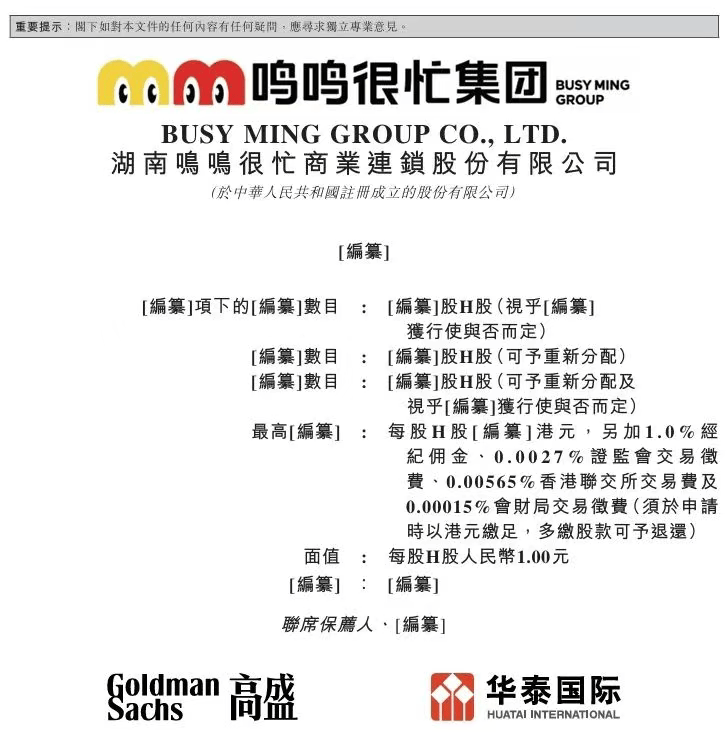
鸣鸣很忙冲港股
虎嗅APP· 2025-05-01 09:00
Core Viewpoint - The article discusses the recent developments and market positioning of Hunan Mingming Hen Mang Commercial Chain Co., Ltd. (referred to as "Mingming Hen Mang") as it applies for an IPO, highlighting the integration trend in the snack retail industry and the potential for growth in lower-tier markets [5][10]. Group 1: Company Overview - Mingming Hen Mang was established through the merger of "Snacks Hen Mang" and "Zhao Yiming Snacks" in 2023, and it aims to validate the effectiveness of the integration strategy in the snack retail sector [5]. - As of December 31, 2024, Mingming Hen Mang operates 14,394 stores across 28 provinces, with approximately 58% located in county towns and rural areas [6]. - The number of franchisees increased from 994 in 2022 to 3,377 in 2023, and further to 7,241 in 2024, indicating rapid expansion [6]. Group 2: Market Strategy - The company is focusing on a "high quality-price ratio + high frequency of new products" strategy, with 3,380 SKUs in stock by the end of 2024, 25% of which are customized products [7]. - Mingming Hen Mang plans to launch a dual-brand 3.0 store model in 2025, expanding its product offerings to include diverse categories such as daily necessities and fresh food [7]. - The revenue model is primarily based on product sales to franchise and direct-operated stores, with franchise fees accounting for less than 0.5% of total revenue in 2024 [7]. Group 3: Operational Efficiency - The company has established a database of over 10,000 site locations to assist franchisees in achieving profitability and has implemented a standardized operational management system [8]. - Mingming Hen Mang is enhancing its digital capabilities across the supply chain, including a digital ordering system and warehouse management, to improve operational efficiency [8]. Group 4: Industry Context - The Chinese snack retail market reached a size of 3.7 trillion yuan in 2024, projected to grow to 4.9 trillion yuan by 2029, with a significant shift towards specialty store channels [9]. - The competitive landscape is intensifying, with both traditional and emerging snack brands entering the market, necessitating continuous innovation and responsiveness to consumer preferences [9]. - Consumers are increasingly seeking healthier and personalized snack options, which requires Mingming Hen Mang to invest in research and development to meet evolving demands [9].
鸣鸣很忙冲击港股零食赛道
Hu Xiu· 2025-05-01 07:47
Core Viewpoint - Hunan Mingming Hen Mang Commercial Chain Co., Ltd. (referred to as "Mingming Hen Mang") has officially submitted its IPO application to the Hong Kong Stock Exchange, indicating a significant move in the snack retail industry, particularly in the context of market consolidation and expansion into lower-tier markets [1][7]. Group 1: Company Overview - Mingming Hen Mang was established through the merger of "Snacks Hen Mang" and "Zhao Yiming Snacks" in 2023, reflecting a trend of consolidation in the snack retail sector [1]. - As of December 31, 2024, Mingming Hen Mang operates 14,394 stores across 28 provinces and all tiered cities in China, with approximately 58% located in county and town areas [2]. - The number of franchisees increased from 994 in 2022 to 3,377 in 2023, and is projected to reach 7,241 by 2024, showcasing rapid expansion [2]. Group 2: Market Trends - The snack retail industry in China is experiencing a shift towards lower-tier markets, which offer significant consumer potential and lower competition density, providing ample room for expansion for companies like Mingming Hen Mang [1]. - The market size of China's leisure food and beverage retail industry reached 3.7 trillion yuan in 2024, with expectations to grow to 4.9 trillion yuan by 2029 [6]. Group 3: Business Model and Strategy - Unlike traditional franchise models that rely heavily on franchise fees, 99.5% of Mingming Hen Mang's revenue comes from sales to franchise and direct stores, with franchise fees accounting for less than 0.5% [5]. - The company employs a strong control franchise system, focusing on franchisee training and management to enhance efficiency, contrasting with the loose franchise models seen in some convenience stores [3]. - Mingming Hen Mang has developed a digital infrastructure that covers the entire process from product selection to logistics and franchise management, aiming to improve operational efficiency and standardization [5]. Group 4: Product Strategy - The company plans to introduce a dual-brand 3.0 store model in 2025, expanding its product offerings to include diverse categories such as daily necessities, stationery, and fresh food, which is expected to enhance consumer engagement [4]. - As of the end of 2024, Mingming Hen Mang has 3,380 SKUs in stock, with about 25% being customized products, and plans to launch 100 new products each month to increase consumer loyalty [3][4]. Group 5: Competitive Landscape - The snack retail market is becoming increasingly competitive, with both traditional brands and new entrants adopting similar strategies to capture market share, including supply chain optimization and product diversification [6]. - Consumer preferences are shifting towards healthier and more personalized snack options, necessitating continuous investment in research and development to meet evolving demands [6].
财报解读|伊利称乳业最难时刻已过去,新增长来自下沉市场和功能化转型
Di Yi Cai Jing· 2025-04-30 10:54
Core Viewpoint - The domestic dairy industry is shifting its focus towards lower-tier markets and functional product transformation after experiencing a slowdown in growth during 2024, with signs of recovery emerging in early 2025 [1][6]. Industry Performance - The top three dairy companies, Yili, Mengniu, and Bright Dairy, reported annual revenues of 115.8 billion, 88.67 billion, and 24.28 billion respectively for 2024, reflecting a year-on-year decline of 8%-10% [4]. - The performance fluctuations were primarily concentrated in the second and third quarters of 2024, with revenue declines narrowing in the fourth quarter and showing significant improvement in the first quarter of 2025 [5]. Strategic Adjustments - Yili's management implemented a series of measures, including promotional activities and inventory reduction, which contributed to market recovery by the third quarter of 2024 and a healthy market state by the 2025 Spring Festival [5][6]. - In Q1 2025, Yili achieved total operating revenue of 33.02 billion, a year-on-year increase of 1.4%, and a net profit of 4.63 billion, up 24.2% [5]. Market Trends - The dairy consumption growth rate has been declining for two consecutive years, influenced by both upstream and downstream market fluctuations [6]. - The current market dynamics are creating new opportunities, particularly in lower-tier cities where consumer demand for dairy products is increasing due to rising education and income levels [7]. Functional Transformation - Major dairy companies are adjusting their strategies to pursue functional product transformation for new growth [8]. - Mengniu is adopting a dual-track strategy focusing on deep processing and exploring new markets in specialized nutrition and functional nutrition [9]. - Bright Dairy announced its commitment to functional transformation by launching new products targeting specific nutritional needs [10]. Consumer Behavior Changes - The shift in consumer demographics is leading to a mismatch between new rational and personalized demands and traditional supply models [7]. - The per capita consumption of functional dairy products in China is still relatively low compared to developed countries, indicating significant growth potential [10].