
智能化

Search documents
东风汽车杨彦鼎:2026年目标销量325万辆 东风与华为联合共创的奕境品牌3月亮相
Zhong Zheng Wang· 2026-02-01 07:32
Core Viewpoint - Dongfeng Motor aims to accelerate its transformation towards "intelligent, green, and integrated" strategies, targeting total sales of 3.25 million vehicles in 2026, including 1.7 million new energy vehicles and 600,000 exports [1] Group 1: Sales Targets - The company has set a goal of achieving overall sales of 3.25 million vehicles in 2026 [1] - New energy vehicle sales are targeted at 1.7 million units [1] - Export targets are set at 600,000 vehicles [1] Group 2: Technological Advancements - Dongfeng Motor plans to transition from "paper" technology to "ground" implementation, marking 2026 as the "year of technology realization" [1] - The new generation of Mahle power systems and high-performance DF30 chips will be scaled for deployment [1] - The "Tianyuan Intelligent" system will accelerate its rollout, with the T200 intelligent driving system being widely adopted and T500 entering mass production [1] Group 3: Brand Strategy - The company aims to shift its brand perception from "visibility" to "recognition" by deepening the "One Dongfeng" strategy [1] - The jointly created brand "Yijing" with Huawei is set to make its global debut in March [1]

国产农机满足国内90%以上市场需求 机械装备让现代农业更有“劲”
Xin Lang Cai Jing· 2026-02-01 01:43
Core Viewpoint - The rapid advancement and integration of agricultural machinery, particularly drones and smart equipment, are significantly enhancing productivity and efficiency in China's agricultural sector, supported by government policies and technological innovations [1][2][3][5][6]. Group 1: Agricultural Drone Utilization - Agricultural drones are increasingly used for transporting crops, with one drone capable of transporting 30,000 jin (15 tons) of oranges daily, significantly reducing labor time [1]. - The total number of agricultural drones in China has surpassed 300,000, with an annual operational area exceeding 460 million acres [1]. Group 2: Domestic Agricultural Machinery Development - The domestic agricultural machinery industry is evolving, with companies like Weichai Lovol upgrading key components to enhance reliability and performance in various soil conditions [2]. - The market acceptance of domestic agricultural machinery has improved, meeting over 90% of domestic demand, with a comprehensive mechanization rate of 76.7% for crop farming [3]. Group 3: Research and Development Integration - The integration of research, production, and application is emphasized, with 500 agricultural machinery application testing sites established across various regions to accelerate product development and deployment [5]. - Companies are actively engaging with local farmers to address specific agricultural challenges, leading to the development of tailored machinery solutions [4]. Group 4: Policy Support and Emergency Response - Government policies are facilitating quick access to agricultural machinery, ensuring timely harvesting and processing, especially during adverse weather conditions [6]. - A network of agricultural service centers and emergency response teams has been established to support farmers during critical agricultural periods [6]. Group 5: Future Directions and Goals - The Ministry of Agriculture aims to enhance the productivity of major crops through continuous technological innovation and the rapid application of agricultural machinery [7]. - There is a focus on expanding the range of subsidized agricultural machinery to support diverse food supply needs and strengthen the agricultural equipment supply chain [7].
江苏扬州造船业迎开门红 63500吨“中达门”轮交付启航
Zhong Guo Xin Wen Wang· 2026-01-31 13:04
Core Viewpoint - The shipbuilding industry in Yangzhou is experiencing significant growth, highlighted by the delivery of the "Zhongdamen" bulk carrier, which represents advancements in high-tech, intelligent, and environmentally friendly ship design [1][2] Group 1: Ship Delivery and Specifications - The "Zhongdamen" vessel, a new generation bulk carrier, measures 199.9 meters in length, 32.26 meters in width, and 18.9 meters in depth, with a speed of 13.5 knots [1] - The ship complies with the latest international conventions and regulations, meeting the EEDI requirements of the IMO Phase III, making it a safe, efficient, low-consumption, and environmentally friendly bulk carrier [1] - It is designed to carry various cargo types, including grains, coal, iron ore, steel coils, certain hazardous materials, and deck cargo, featuring a large carrying capacity and equipped with four cranes for enhanced versatility [1] Group 2: Industry Growth and Economic Impact - The high-tech shipbuilding and marine engineering equipment industry in Yangzhou achieved a production value of 51.4 billion yuan in 2025, reflecting an 18.13% year-on-year growth, with invoiced sales reaching 43.81 billion yuan, up 23.1% [2] - The Yangzhou Maritime Bureau aims to support the development of the shipbuilding and marine engineering industry through improved services, stricter regulations, and stronger collaboration, contributing to the goal of establishing a trillion-yuan industry cluster [2]
台铃电动车企业冲刺港股IPO:净利润翻倍,绿色出行赛道再迎巨头
Sou Hu Cai Jing· 2026-01-31 09:39
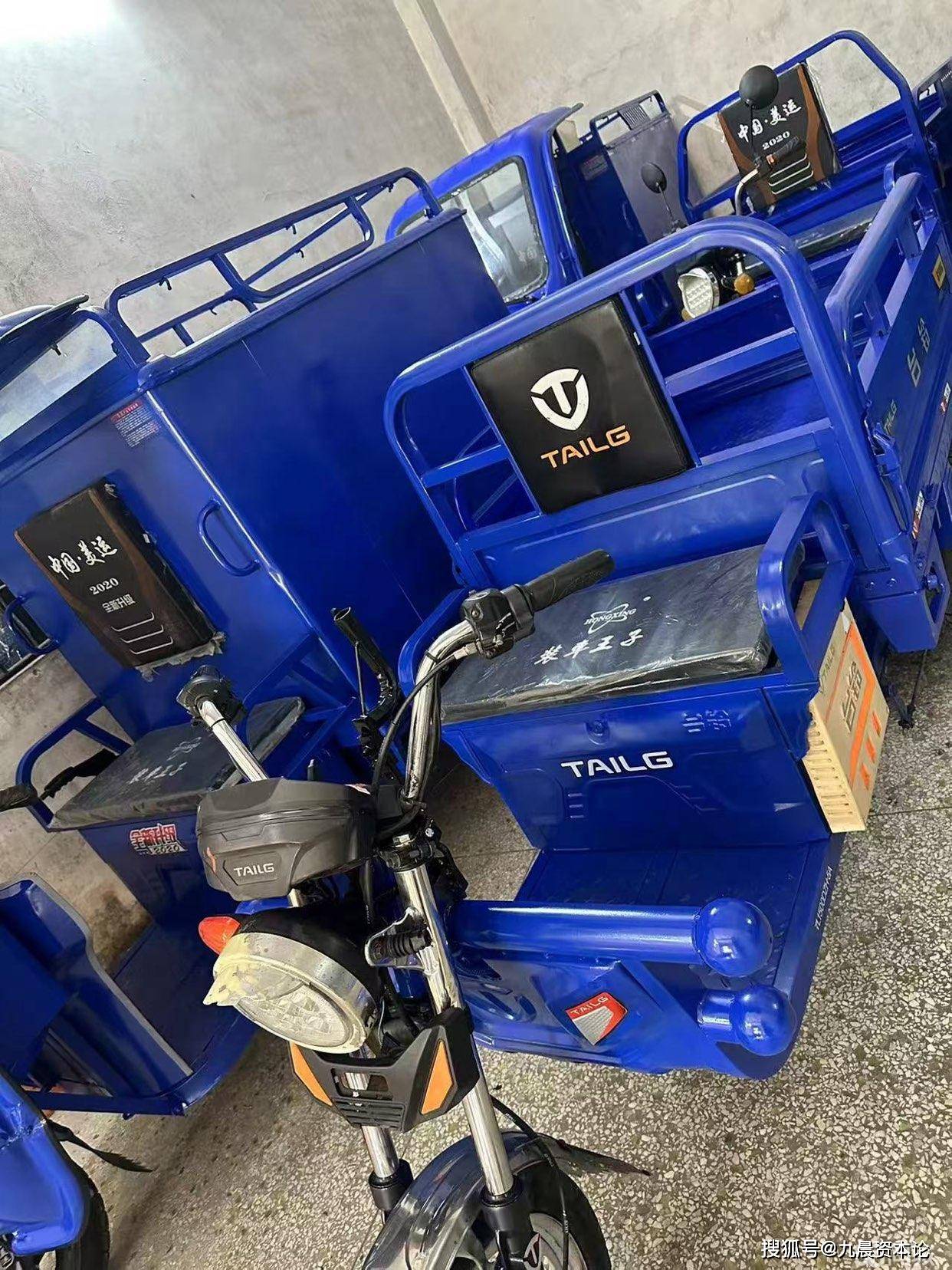
Core Viewpoint - Tailin Technology Co., Ltd. is preparing for an IPO on the Hong Kong Stock Exchange, highlighting its strong market presence and financial performance in the electric two-wheeler industry [1][3]. Market Position and Performance - Tailin ranks third globally in the electric light vehicle market with a market share of approximately 5.2% and also holds the third position in China's electric two-wheeler market with a market share of about 12.7% [4]. - The company reported a revenue of 13.6 billion yuan in 2024, reflecting a year-on-year growth of 14.5%, and a net profit increase from 287 million yuan in 2023 to 472 million yuan, marking a growth of 64.9% [4]. - For the first three quarters of 2025, Tailin achieved a revenue of 14.84 billion yuan, a year-on-year increase of 38.6%, and a net profit of 823 million yuan, showing a significant growth of 122.4% [4]. Green Transformation and Smart Layout - The electric light vehicle market is expected to expand significantly, with the domestic market projected to reach 227.1 billion yuan by 2029, growing at a compound annual growth rate (CAGR) of approximately 8.1% from 2025 to 2029 [6]. - Tailin has established a green manufacturing system, with its Wuxi and Huizhou bases certified as "green factories," and the Huizhou base being the first in the industry to receive "zero carbon factory" certification [6][7]. - The company has developed the "Tailin Smart APP" and smart management systems to enhance vehicle monitoring and diagnostics, contributing to a robust "human-vehicle data" ecosystem [7]. Shareholder Background and Channel Network - Tailin's shareholder structure includes strategic investors such as SAIC Group and a fund under LVMH, which provide significant resources for global expansion and brand development [8]. - The company has established a comprehensive sales network across all provinces in China, with over 5,500 dealers and more than 27,000 retail stores, and is expanding its presence in Southeast Asia, Africa, Latin America, and Europe with 412 overseas dealers [8]. Fundraising Purpose and Industry Opportunities - The IPO proceeds are intended for capacity enhancement, sales network expansion, R&D upgrades, brand promotion, digitalization, and working capital [10]. - The industry is expected to see increased concentration due to the implementation of new national standards and growing demand for short-distance travel and instant delivery services, positioning Tailin favorably in the competitive landscape [10].

聚焦智能园林与渠道协同,劳尼克斯举办生态合作伙伴大会
机器人大讲堂· 2026-01-31 04:07
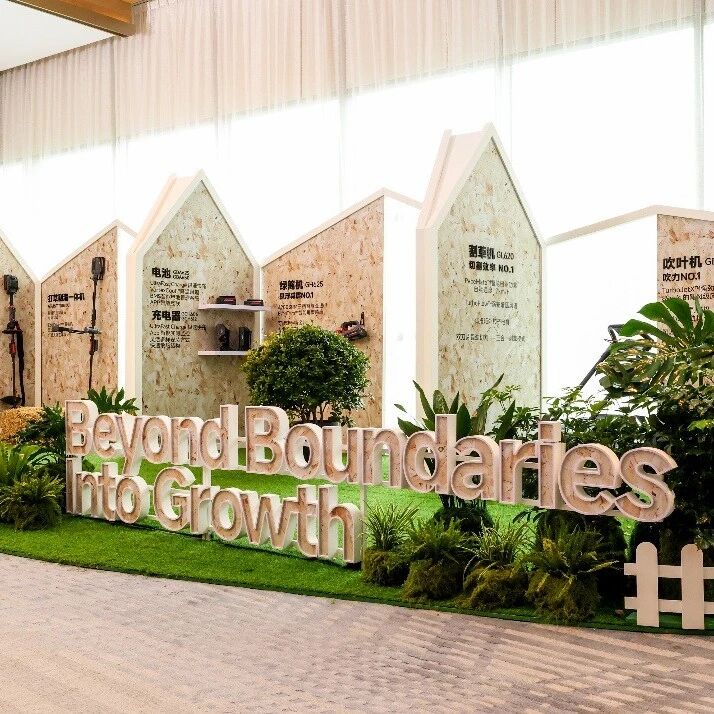
Core Viewpoint - The article discusses the transformation of the garden tools industry from traditional fuel products to electric and low-carbon solutions, emphasizing the importance of high-performance lithium batteries and smart capabilities for long-term development [3][4]. Group 1: Industry Transformation - The garden tools industry is undergoing a structural transformation, shifting from fuel-based products to electric and low-carbon alternatives due to issues like high noise, emissions, and maintenance costs associated with fuel products [3]. - The focus is moving from the usability of electric products to their suitability for professional applications, highlighting the need for high-performance lithium batteries and smart technology to drive industry upgrades [3]. Group 2: Long-term Development Path - The company positions its garden tools business as electric-based with an extension into smart capabilities, aiming for a balance between power performance, user experience, and system stability to better serve professional users [4]. - Continuous investment in technology research and capability building is emphasized to provide a more reliable foundation for channel partners and promote long-term regional market development [4]. Group 3: Systematic Solutions - The company focuses on enhancing overall user experience through systematic improvements in power systems, structural design, and smart functionalities, rather than just individual products [6]. - This approach aims to provide stable and controllable operational experiences for end-users and clearer value propositions for distributors in market promotion [6]. Group 4: Ecological Co-construction Mechanism - The company introduced an ecological cooperation model centered on regional markets, emphasizing clear collaboration and support mechanisms with various partners to promote long-term local market development [10]. - The model aims for stability and sustainability, focusing on brand building, market promotion, and project expansion in collaboration with partners to establish replicable and extendable business structures [10].
研判2026!中国滑雪魔毯行业概述、产业链上下游、市场现状及趋势分析:冬奥引爆冰雪热,魔毯行业乘势起[图]
Chan Ye Xin Xi Wang· 2026-01-31 02:26
Core Insights - The Chinese ski infrastructure industry is entering a new phase of steady development, driven by the ongoing influence of the Winter Olympics on the snow sports sector [1] - The ski magic carpet market in China is projected to reach approximately 792 million yuan in 2024, reflecting a year-on-year growth of 5.74% [1][7] Industry Overview - Ski magic carpets are essential transportation devices in ski resorts, categorized into transport magic carpets (for assisting movement) and training magic carpets (for skill practice) [2] - Transport magic carpets are typically made of rubber or metal, featuring a non-slip surface, and are commonly found in beginner areas and gentle slopes [2] Industry Value Chain - The upstream of the ski magic carpet industry includes raw materials and components such as steel, special rubber, engineering plastics, motors, and control systems [4] - The midstream involves the production and manufacturing of ski magic carpets, while the downstream applications are primarily in various ski resorts and snow parks [4] Market Size - The ski magic carpet industry is directly benefiting from the popularity of skiing and the demand for snow resort construction, with a market size of approximately 792 million yuan expected in 2024 [1][7] Key Companies' Performance - The ski magic carpet industry in China exhibits a competitive landscape characterized by "one strong player and many strong competitors" [8] - Gu'an Daowo Electromechanical has established significant technological barriers with innovations such as the roller-type magic carpet and PLC intelligent control systems, enhancing operational efficiency by 40% and reducing failure rates by 18.7% [8][9] Industry Development Trends 1. The industry is shifting from traditional transportation equipment to intelligent, energy-efficient, and integrated solutions, with a focus on smart magic carpets that incorporate sensors and control systems for enhanced operational efficiency [10] 2. Market drivers are transitioning from northern ice and snow resources to nationwide consumption, with southern and indoor scenarios becoming core growth areas [11] 3. Industry policies are expected to guide consolidation, with support for leading enterprises and specialized small and medium-sized enterprises, leading to increased market concentration [12]

沈阳机床股份有限公司 2025年度业绩预告
Zhong Guo Zheng Quan Bao - Zhong Zheng Wang· 2026-01-30 23:26
Core Viewpoint - The company anticipates a negative net profit attributable to shareholders for the fiscal year 2025, primarily due to intensified market competition and a significant reduction in government subsidies [1][4]. Group 1: Performance Forecast - The performance forecast period is from January 1, 2025, to December 31, 2025 [1]. - The expected net profit attributable to shareholders is projected to be negative [1]. Group 2: Accounting and Audit Communication - The performance forecast has not undergone pre-audit by the accounting firm, but preliminary discussions with the auditors indicated no discrepancies regarding the forecast [3]. Group 3: Reasons for Performance Changes - The overall market remains highly competitive, and a substantial decrease in government subsidies for 2025 has contributed to the negative net profit [4]. - Despite the losses, the company has narrowed the loss margin for net profit after excluding non-recurring gains and losses, indicating a positive trend in core business development [4]. - The company is focusing on cost control, enhancing operational management, and expanding market share while pursuing high-end, intelligent, and green transformation [4]. - A significant asset restructuring project involving the issuance of shares to acquire assets is set to take place, with three target companies included in the consolidated financial statements from June 30, 2025 [4].

系统施策巩固壮大实体经济根基
Shang Hai Zheng Quan Bao· 2026-01-30 20:04
系统施策巩固壮大实体经济根基 □ 魏琪嘉 □ 实体经济是决定国家综合实力的关键变量。全球产业发展的历史实践与新中国经济社会发展的成就表 明:谁掌握了实体经济发展的主动权,谁就拥有了赢得国际竞争战略主动的实力与底气。立足当前,着 眼长远,巩固壮大实体经济根基,既是当下发展所需,更是未来发展所要,具有重要战略意义 □ 推动实体经济发展绝非一朝一夕之功,是一项必须长期不懈加以推动的战略举措。在具体实践中,要 重点处理好市场与政府、存量与增量、目标与任务、整体和局部等四方面关系,以点带面推动各类举措 落地见效 □ 坚持"体系化"推动,以建设现代化产业体系为统领,多措并举巩固壮大实体经济根基:一是注重协 同,引导创新链、产业链、资金链、人才链发挥联动效应;二是找准路径,把握智能化、绿色化、融合 化发展方向;三是夯实基础,优化提升传统产业,持续推动产业焕新;四是瞄准前沿,培育壮大新兴产 业和未来产业;五是调整结构,促进服务业加快实现优质高效发展;六是促进集成,发挥现代化基础设 施体系的保障作用;七是优化环境,稳妥有序推进高水平营商环境建设 党的二十届四中全会指出,"建设现代化产业体系,巩固壮大实体经济根基"。中国经济的发 ...
华泰股份:公司始终专注于造纸主业的高质量发展
Zheng Quan Ri Bao Wang· 2026-01-30 15:14
Core Viewpoint - The company is focused on high-quality development in the paper-making industry while actively promoting digitalization and intelligent transformation to enhance core competitiveness [1] Group 1: Company Strategy - The company emphasizes cost reduction and efficiency improvement in its main business operations [1] - The wholly-owned subsidiary, Shunjie Digital Technology (Shandong) Co., Ltd., has developed an AI corpus for the paper industry, which has been selected as a key industry corpus project in Shandong Province [1] - The company is committed to deepening technology applications to drive high-quality development in the paper-making sector and create long-term value for investors [1] Group 2: Technological Advancements - The AR digital workshop project, based on digital twin and AR technology, has been recognized as a typical application case in the metaverse by the Ministry of Industry and Information Technology [1] - Relevant technologies have been implemented in production management, equipment maintenance, and process optimization, effectively enhancing production efficiency and optimizing operational costs [1]

新华医疗:近三年研发费用主要聚焦医疗器械、制药装备两大核心主业
Zheng Quan Ri Bao Zhi Sheng· 2026-01-30 15:13
Group 1 - The core viewpoint of the article highlights that Xinhua Medical has focused its R&D expenses over the past three years on two main areas: medical devices and pharmaceutical equipment [1] - The company is pursuing core technology breakthroughs and product innovations in high-end, intelligent, and green directions, particularly in high-end radiotherapy and imaging equipment, infection control devices, minimally invasive surgical instruments and consumables, and high-end pharmaceutical formulation equipment [1] - Additionally, Xinhua Medical is expanding into cutting-edge areas such as rehabilitation intelligent equipment, continuously advancing product technology upgrades and international certifications to strengthen its core technological barriers [1]
