
产业生态

Search documents
成都重产基金出资人大会举行
Xin Lang Cai Jing· 2026-01-14 18:39
Core Insights - Chengdu Heavy Industry Fund has established a fund group with a scale exceeding 64 billion yuan, attracting total project investments of nearly 210 billion yuan [1] - The fund employs a specialized operation strategy focusing on "large investments, attracting investments, and heavy investments," successfully promoting major projects like BOE B16 and Zhongxin Aerospace [1] - The fund aims to build an industrial ecosystem by connecting government, parks, and enterprises, facilitating the key link from research and development to market [1] Investment Strategy - The fund utilizes a "mother fund + sub-fund" model to precisely cover various districts, forming a "one district, one main industry" pattern [1] - Specific investments include aerospace projects in Xindu, aircraft in Jinniu, and support for space companies in Chongzhou, creating a north-south aerospace industry belt [1] - Future investments will focus on humanoid robots, integrated circuit testing, and other emerging fields to upgrade the industry from "point distribution" to "chain aggregation" [1] Future Directions - The fund plans to explore more "treasures of the town" and "leading enterprises" in commercial aerospace, advanced nuclear energy, electronic information, and advanced energy sectors [2] - The goal is to promote the landing of high-quality projects and support high-quality development [2]
看好金坛”让外企投下“信任票
Xin Hua Ri Bao· 2026-01-14 06:19
Group 1 - The core viewpoint of the article highlights the rapid growth and success of the Sino-German (Changzhou) Innovation Industry Park, which has attracted 82 German-speaking enterprises with a total investment exceeding 2.3 billion euros, aiming to surpass 100 enterprises by 2026 [1] - The German company Mimpus plans to establish a subsidiary in Changzhou to provide comprehensive support for local enterprises and assist Chinese companies in overseas investments, indicating the park's potential for growth and expansion [1] - The park has successfully integrated leading manufacturing enterprises and "hidden champions," enhancing the clustering effect of German-speaking companies, with 60% of these being "hidden champions" that align with the park's focus on five key industries: new energy, new infrastructure, new materials, new medicine, and new intelligent equipment [2] Group 2 - The park's efficient service and strong industrial ecosystem in the Yangtze River Delta have attracted companies like Pudong Development Bank, which is expanding its operations in Changzhou, showcasing the "Changzhou speed" and "Changzhou warmth" in project approvals and land planning [3] - A dedicated "German service team" has been established to maintain regular communication with German enterprises, providing tailored services in cross-border financial support, which enhances investment confidence among these companies [3] - The park aims to become the preferred location for German-speaking enterprises in China and a significant industrial cluster in the Yangtze River Delta, focusing on long-term development and deepening the industrial ecosystem [3]
新能源汽车2026前瞻,“量变”到“质变”的分水岭
3 6 Ke· 2026-01-13 11:31
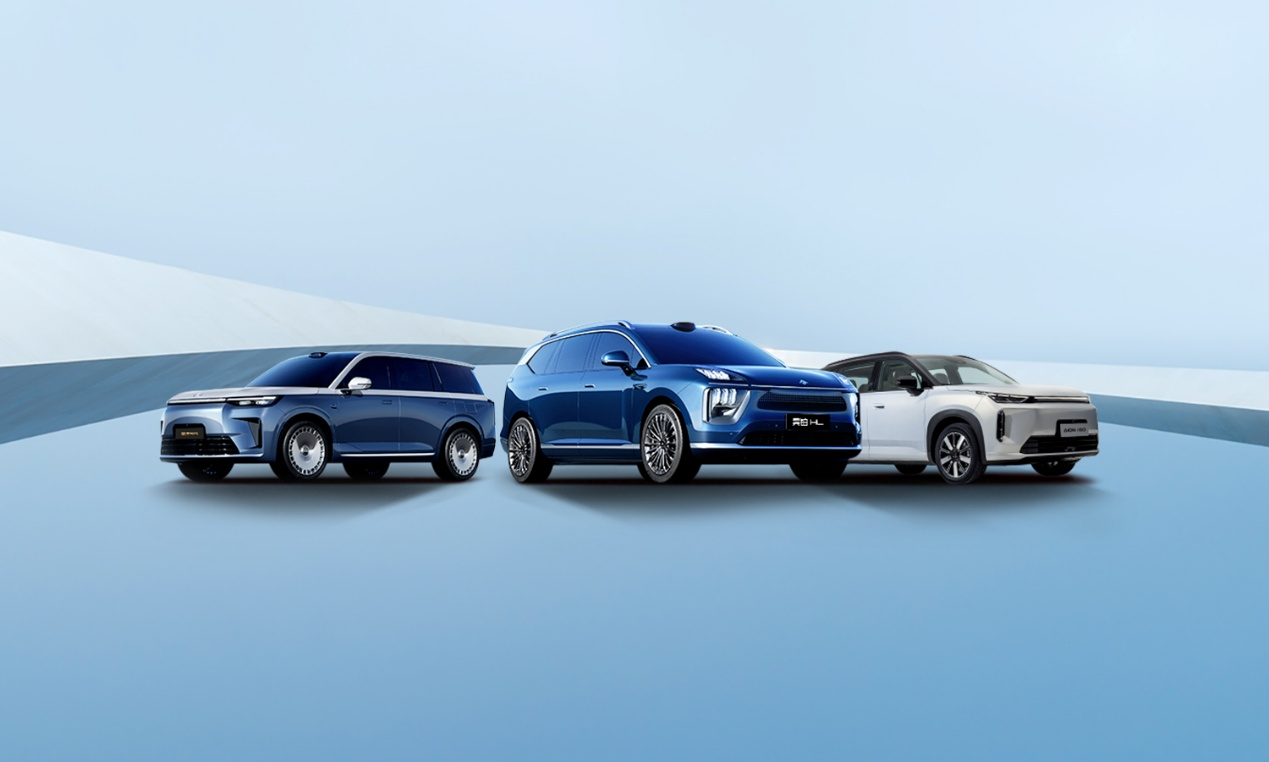
Core Insights - The Chinese electric vehicle (EV) industry is set to become mainstream by 2025, with retail penetration rates expected to exceed 60% by year-end, marking a significant shift from being an alternative option to a market leader [2][4] - Domestic brands like BYD and Geely are solidifying their positions, while new entrants are facing intense competition and differentiation [2][6] - The focus for 2026 will shift from market share expansion to value redefinition within the industry [3] Market Penetration - In the first eleven months of 2025, the production and sales of new energy vehicles (NEVs) in China saw a year-on-year increase of over 30%, with NEV sales accounting for 47.5% of total vehicle sales [4] - December is projected to see NEV retail sales reach 1.38 million units, with penetration rates likely to surpass 60% for the first time [4] - Domestic brands dominate the market, with a retail penetration rate of 79.6% for NEVs in November, far outpacing mainstream joint venture brands at 6.8% [4] Company Strategies and Challenges - BYD aims to expand its "smart driving equality" initiative, while facing challenges in balancing scale expansion with profit and quality [5] - Geely's strategy is showing results with a 60.5% NEV penetration rate, but it needs to build a "second growth curve" for overseas market presence [5] - Chery leads in overseas markets but must accelerate its domestic NEV transformation and smart technology integration [5] - New forces like Leap Motor are experiencing rapid growth, while Li Auto faces challenges due to product controversies and performance declines [6] Technological Advancements and Globalization - The "universal smart driving" concept is becoming a reality, with BYD's advanced driving assistance systems becoming more affordable [8] - The global expansion of Chinese EVs is evolving from simple product exports to establishing local manufacturing and supply chains in markets like Thailand [9] - The industry is witnessing a shift towards integrating technology and manufacturing, with companies like Chery and Seres successfully navigating the capital markets [10] Industry Restructuring and Future Directions - The industry is transitioning from a financing and expansion model to one focused on technology depth, profitability, and ecological value [10] - State-owned capital is evolving from a supportive role to an active industry integrator, aiming to stabilize the market and promote long-term R&D [11] - The automotive value chain is shifting towards a focus on electronic architecture, software, and services, with tech giants redefining the automotive experience [11] Challenges and Future Outlook - Structural challenges in the supply chain are emerging, with cost pressures affecting relationships with suppliers, particularly smaller firms [12] - Marketing practices that mislead consumers could damage long-term brand trust, highlighting the need for integrity in communications [12] - The industry must build resilient supply chains, drive technological innovation, and transition to localized ecosystems to sustain growth [13][14] - The competition is entering a new phase where success will depend on defining next-generation technology standards and achieving sustainable business models [15]






广汽集团连续三个季度销量环比正增长 “番禺行动”显效
Yang Shi Wang· 2026-01-12 04:57
Group 1 - GAC Group reported December sales exceeding 187,400 vehicles, a month-on-month increase of 4.3%, with total sales for the fourth quarter surpassing 537,800 vehicles, marking three consecutive quarters of positive growth [1] - The company achieved nearly 130,000 units in overseas sales for the year, representing a year-on-year growth of 47% [1] - Total annual sales reached 1.7215 million vehicles, with terminal sales at 1.8135 million vehicles [1] Group 2 - In 2025, GAC Group is focusing on the "Panyu Action" integrated reform, transforming traditional organizational structures into process-oriented ones driven by user demand [3] - The company has made significant advancements in product innovation, technology, and international expansion, contributing to sustained sales growth [3] - The new ADiGO GSD intelligent driving assistance system covers 99.9% of road scenarios, enhancing daily travel experiences [3] Group 3 - GAC Group has established a pilot production line for solid-state batteries, achieving production capabilities for automotive-grade batteries over 60Ah [4] - The GOVY AirCab flying car has completed prototype delivery, garnering nearly 2,000 intent orders [4] Group 4 - GAC Toyota's transition to new energy is showing results, with the self-developed strategic model, the Platinum Zhi 3X, selling 83,025 units [6] - GAC Honda is focusing on core model upgrades, with the Accord series selling 166,442 units [6] - The Aion i60 has surpassed cumulative sales of 20,000 units, while the GAC Trumpchi M8 series has reached 480,000 units sold [6] Group 5 - GAC Group is actively expanding its overseas market presence with the "One GAC 2.0" strategy, introducing five new models and entering 16 new markets [7] - The company has established five KD factories in Nigeria, Thailand, Malaysia, Indonesia, and Cambodia, enhancing its global operational capabilities [7] Group 6 - GAC Group is building a robust industrial ecosystem, including the establishment of a V2G microgrid and over 23,000 self-operated charging piles, leading the industry in high-voltage fast charging stations [9] - The company is collaborating with Huawei to create a high-end smart electric vehicle brand, with plans to launch the first model by June 2026 [9] - GAC has signed a comprehensive AI strategic cooperation agreement with Alibaba Cloud to enhance the automotive industry's infrastructure [9]

传统车企分化、新势力加速洗牌 打响生态战 2025车企生存启示录
Zhong Guo Jing Ying Bao· 2026-01-09 20:03
Core Insights - The Chinese automotive market in 2025 shows a stable total volume with a differentiated structure, indicating a new competitive norm where traditional automakers maintain dominance while new players face varied growth trajectories [3][4][5] Traditional Automakers - SAIC Group sold 4.507 million vehicles in 2025, a 12.3% increase year-on-year, with a retail volume of 4.67 million, maintaining its industry leadership [3] - Geely Automobile achieved sales of over 3.02 million vehicles in 2025, exceeding its targets and setting a 2026 goal of 3.45 million vehicles, reflecting strong growth momentum [4] - Chery Group sold 2.806 million vehicles, including 1.344 million exports, leading in Chinese passenger car exports for 23 consecutive years, with its new energy segment growing by 54.9% year-on-year [4] New Energy Vehicle Players - Leap Motor emerged as a significant player with 596,600 deliveries in 2025, marking a 103% year-on-year increase and becoming the top seller among new forces [2][4] - NIO is gradually recovering from a downturn, with a milestone of producing its one-millionth vehicle expected in early 2026, despite reporting a cumulative loss of nearly 15.7 billion yuan in the first three quarters of 2025 [2][5] - The competitive landscape for new energy vehicles is marked by a stark contrast, with some players struggling while others, like Lantu and Avita, show steady growth backed by traditional automakers [4][5] Strategic Shifts - The industry is shifting from product-centric competition to a focus on ecosystem collaboration and technological innovation, as companies aim to build resilient and innovative ecosystems [5][7] - SAIC Group emphasizes a dual strategy of technological innovation and ecosystem cooperation, launching over 20 competitive new products and collaborating with partners like Huawei and OPPO [6][8] - Companies are setting ambitious goals for 2026, with a focus on advanced technologies such as solid-state batteries, AI, and global expansion, indicating a move towards a more integrated and strategic approach to competition [8][9]



半导体“材料之王”金刚石,如何走出实验室?
半导体芯闻· 2026-01-09 10:55
Core Viewpoint - Diamond, regarded as the "ultimate semiconductor," is at a critical juncture for industrialization, with its exceptional thermal management and wide bandgap capabilities potentially addressing significant challenges in chip heating and supporting advanced technologies like AI and high-power radar [1]. Group 1: Challenges in Industrialization - The path to diamond's industrialization involves overcoming three major barriers: material preparation, processing technology, and cost control [3]. - Manufacturing large, high-quality single crystal diamonds is expensive, and achieving cost-effective production is a significant challenge [3]. - Effective doping of diamonds to create semiconductors with controllable conductivity remains a fundamental scientific issue [3]. - The processing of diamonds is complicated due to their extreme hardness, leading to high material loss during cutting and polishing [3]. Group 2: Cost Considerations - Cost is a decisive barrier; regardless of performance, high prices hinder market acceptance. The current realistic application for diamonds is in thermal management, with a target cost of under 100 yuan for a 10mm x 10mm diamond heat sink [4]. Group 3: Industry Ecosystem and Competition - The potential risks in the industry ecosystem include excessive competition and over-speculation, as seen in the development of sapphire and silicon carbide [6]. - Experts emphasize the need for steady development and focus on solving practical technical issues rather than blindly following trends to reduce irrational competition [6]. - The diverse application scenarios for diamonds, including optical, electrical, acoustic, and thermal uses, may help mitigate competitive pressure [6]. Group 4: Innovation and Intellectual Property - Continuous innovation and effective protection of intellectual property are essential for healthy competition in the diamond industry [7][8]. - The strength of intellectual property protection is crucial; rapid imitation of new technologies can lead to price wars, necessitating an environment that respects and protects innovation [8]. Group 5: Path to Commercial Value - Thermal management is identified as the fastest area for diamonds to generate commercial value, driven by increasing power demands in electronic devices [9]. - Achieving mass application in thermal management can help accumulate experience and reduce costs across the industry chain [9]. - The industry is also exploring applications beyond semiconductors, such as in thermal composite materials and biomedical fields, which can help diversify risks and expand market opportunities [9]. Group 6: Long-term Perspective - The industrialization of diamonds is a long-term process requiring patience and sustained support from national strategies to navigate the challenges from laboratory to market [10].

政策东风至,河南保税维修业迎来新机遇
Sou Hu Cai Jing· 2026-01-08 14:44
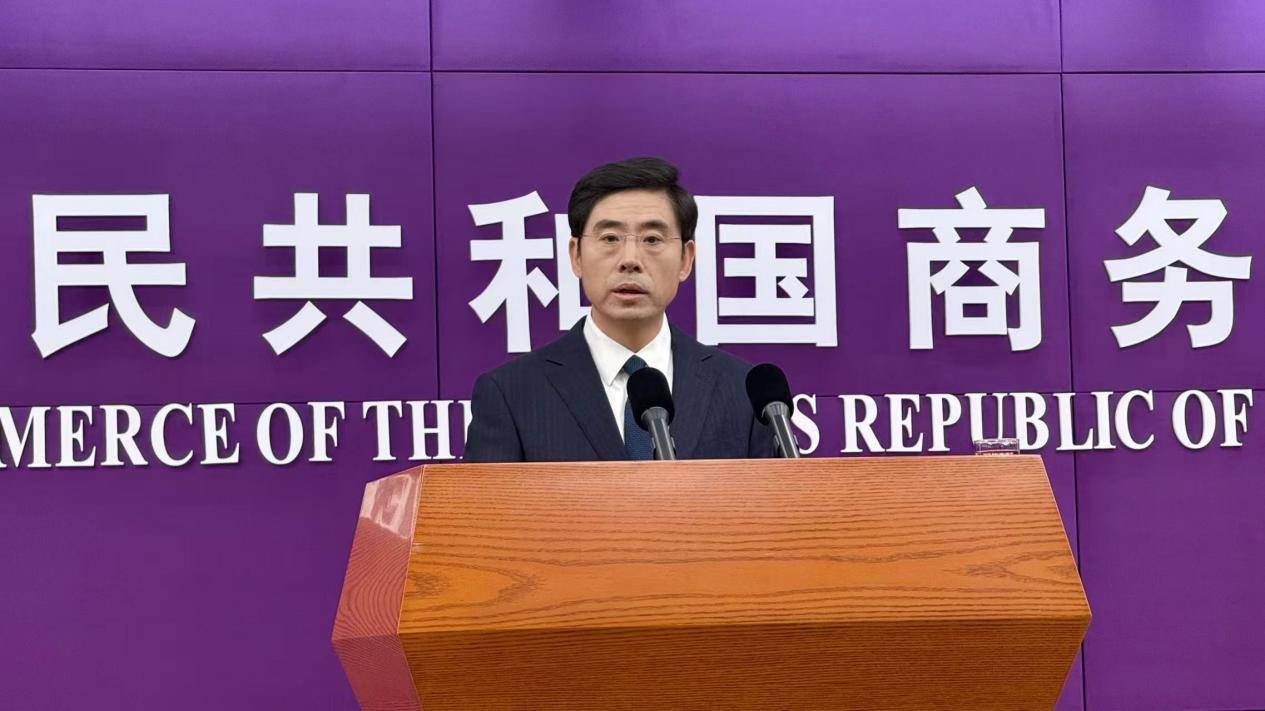
Core Viewpoint - The continuous growth of China's high-value-added product exports is driving an increase in after-sales maintenance demand, with recent policy developments aimed at promoting bonded maintenance services in the country [1][3]. Group 1: Policy Developments - The Ministry of Commerce has announced the fourth batch of the comprehensive bonded zone maintenance product catalog, allowing enterprises to conduct bonded maintenance for self-exported electromechanical products without restrictions from the catalog [3]. - The catalog expansion includes 179 new products, bringing the total to 276 items eligible for maintenance, which has facilitated nearly 240 projects within the bonded zones [3]. Group 2: Local Initiatives - The Henan Provincial Commerce Department has proposed an action plan to support bonded maintenance services outside comprehensive bonded zones, indicating a commitment to innovation in this sector [4]. - Henan has already seen the successful implementation of its first bonded maintenance project in 2022, with significant growth in the repair and export of faulty mobile phone screens [4]. Group 3: Operational Innovations - The New Zheng Comprehensive Bonded Zone has implemented a "zone-port integration" model, enhancing logistics efficiency by 60% and reducing costs by 50% through smart supervision [5]. - Customs services have adapted to support enterprises by providing flexible solutions for maintenance-related issues, significantly alleviating financial burdens on companies [5]. Group 4: Industry Synergies - The newly added automotive battery maintenance category aligns well with Henan's existing recycling and regeneration industry, potentially enhancing the overall competitiveness of the local ecosystem [5]. - The ongoing policy promotion by the Ministry of Commerce is expected to usher in a golden period for bonded maintenance development in Henan, positioning it as a key player in global after-sales support [5].
一座城市的长期主义:用产业生态撑起下一个技术支点
远川研究所· 2026-01-08 13:37
Core Insights - The article discusses the evolution of Silicon Valley from an agricultural region to a global technology hub, driven by successive waves of technological innovation and the emergence of key companies in the semiconductor, computing, internet, and AI sectors [2][4]. Group 1: Historical Development of Silicon Valley - Before the 1950s, Santa Clara Valley was known as the "World's Fruit Basket" and not the tech hub it is today [2]. - The IPOs of Intel and AMD in 1971 and 1972 marked the beginning of a significant investment wave in the semiconductor industry, providing crucial funding for expansion and R&D [2]. - Apple's IPO in 1980 raised over $100 million, the largest since Ford's in 1956, signaling the start of the personal computing and enterprise IT era [2]. Group 2: Emergence of Key Tech Companies - Adobe, founded in 1982, represented a novel business model in software licensing [3]. - Cisco, Nvidia, Yahoo, and Google were established in the 1980s and 1990s, contributing to the diversification of Silicon Valley's tech landscape [3]. Group 3: Transition to AI Era - Nvidia has become a core player in AI computing, with its market value rising from $100 billion three years ago to over $4 trillion today [4]. - Google has diversified into cloud computing, AI applications, and AI chips, solidifying its position as a leading internet company [4]. - OpenAI, founded in 2015, has emerged as a top-tier company in the AI era [4]. Group 4: Shanghai's AI Industry Development - Shanghai has seen a surge in AI companies, with five firms going public within a month, including MuXi and BiRan Technology [6]. - The city is fostering a comprehensive AI ecosystem, from semiconductor design to application deployment, creating a positive feedback loop in the industry [9][10]. Group 5: Infrastructure and Support for AI Startups - Shanghai's AI startups benefit from a complete supply chain within a 10-kilometer radius, facilitating rapid innovation and production [10]. - The city has established a robust semiconductor industry cluster, providing essential support for AI development [10]. Group 6: Policy and Resource Allocation - Shanghai's policy shift aims to provide entrepreneurs with clearer pathways and more security, enhancing resource responsiveness [14][16]. - Initiatives like the "1 yuan office space" and "targeted apartments" are designed to extend the cash flow lifespan of startups [14]. Group 7: Talent and Ecosystem - Shanghai's talent pool, supported by local universities and international recruitment, is a significant advantage for AI startups [17]. - The city's industrial ecosystem combines manufacturing and services, allowing for unique flexibility in AI application development [20]. Group 8: Long-term Vision - The article emphasizes that the competition among cities in technology is a long-term endeavor, requiring a resilient infrastructure to support ongoing innovation [19][21]. - Shanghai is focused on aligning research, funding, regulations, and market needs to build a strong foundation for future technological waves [21].



金溢科技拟500万元设立子公司金溢创新
Zhi Tong Cai Jing· 2026-01-07 11:59
Group 1 - The company plans to establish a wholly-owned subsidiary, Shenzhen Jin Yi Innovation Technology Co., Ltd., in Shenzhen, Guangdong Province, with a registered capital of 5 million yuan [1] - The investment aims to support business growth in the low-altitude field and to build an open and collaborative industrial ecosystem [1]
只争朝夕做好“十五五”开局之年工作
Zhong Guo Zheng Quan Bao· 2026-01-05 20:05
Group 1 - The focus of the research is on promoting high-quality development and innovation in the Guangdong-Hong Kong-Macao Greater Bay Area, emphasizing the importance of technological innovation for future success [1][2] - Companies are encouraged to strengthen their innovation capabilities and collaborate on research and development in emerging fields and key technologies, leveraging the advantages of the Greater Bay Area [1] - The government aims to enhance the industrial ecosystem by fostering application scenarios for new technologies such as robotics and drones, promoting their integration into various industries [1] Group 2 - The development of digital and intelligent production lines in manufacturing, as seen in companies like Midea, is highlighted as a response to new consumer demands driven by economic growth [2] - The government is committed to expanding high-level opening-up, integrating hard infrastructure with soft connectivity in rules and standards, and promoting balanced development in imports and exports [2] - There is a call for companies to seize opportunities and innovate to drive economic growth, with an emphasis on improving the business environment and enhancing service efficiency [2]