
企业国际化

Search documents
东方雨虹再赴广交会之约:以全球视野拓展建筑建材“价值圈”
Zhong Guo Zhi Liang Xin Wen Wang· 2025-10-30 06:27
Core Viewpoint - The 138th China Import and Export Fair (Canton Fair) showcases the innovative vitality of Chinese manufacturing, with a focus on facilitating transactions and meeting actual business needs [1]. Group 1: Company Overview - Since its establishment in 1995, the company has adhered to the principle of "quality first, customer foremost," continuously advancing in the construction materials sector, particularly in specialized waterproof materials and green building technologies [3]. - The company has established a competitive advantage through core technology, enabling it to seize opportunities in the global economic landscape and set a benchmark for Chinese construction material enterprises going international [5]. Group 2: Product and Market Strategy - At the Canton Fair, the company highlighted a diverse range of innovative products, including waterproof membranes, coatings, hardware accessories, adhesives, wall finishes, and piping systems, which received significant attention and praise from attendees [3]. - The company has expanded its business to over 150 countries and regions worldwide, demonstrating its commitment to deepening its global presence [5]. Group 3: Global Expansion and Localization - The company is making significant strides in overseas capacity expansion, with plans to establish operations in Houston, Saudi Arabia, Malaysia, and Canada by 2024-2025, and aims to enter the South American market through the acquisition of a 100% stake in Chilean building materials supermarket Construmart by 2025 [6]. - The company is focused on not just "going out" but also "going in," establishing local offices in countries like Vietnam, Malaysia, and the United States to facilitate localized operations [6]. Group 4: Brand and Value Proposition - The company's international strategy encompasses not only the export of products and technology but also the global dissemination of brand value and corporate philosophy [7]. - In the first half of 2025, the company achieved overseas revenue of 576 million yuan, reflecting a year-on-year growth of 42.16%, indicating a robust growth trajectory [7].


景旺电子:拟发行H股并在香港联交所上市
Xin Lang Cai Jing· 2025-10-28 10:53
Core Viewpoint - The company is planning to issue H-shares and list on the Hong Kong Stock Exchange to enhance its global strategy, brand image, and competitive edge while diversifying its financing channels [1] Group 1 - The company is currently in discussions with relevant intermediaries regarding the issuance of H-shares and the listing process [1] - The details of the H-share issuance and listing have not yet been finalized [1] - This move will not result in any changes to the company's controlling shareholder or actual controller [1]

Keeta上线阿布扎比 美团国际化业务稳步拓展
Huan Qiu Wang· 2025-10-28 08:33
Core Insights - Meituan's international food delivery brand Keeta officially launched operations in Abu Dhabi on October 28, marking a significant expansion in the UAE market after its entry into Dubai last month [1][4] - The UAE's food delivery market is characterized by high value, potential, and standards, with a strong demand for quality services [4] - Keeta aims to provide reliable delivery services, diverse product offerings, and affordable prices while supporting the long-term development of local merchants and delivery partners [4] Market Expansion - Since its initial launch in Saudi Arabia in September 2024, Keeta has expanded to over 20 cities in the country, demonstrating a successful deep coverage strategy [4] - Following its operations in Qatar, Kuwait, and now Abu Dhabi, Keeta is implementing a "four-country linkage" business development model in the Middle East [4] - The company plans to continue integrating with the local food delivery ecosystem in the Gulf region while exploring additional markets [5] Strategic Vision - Meituan's internationalization is an extension of its "retail + technology" strategy, showcasing the company's efforts to leverage its domestic capabilities for global expansion [4] - The transition from Hong Kong to the Middle East reflects Meituan's commitment to transforming its instant retail service capabilities into a core competitive advantage on a global scale [4]


美团旗下国际外卖品牌 Keeta上线阿布扎比
Bei Jing Shang Bao· 2025-10-28 08:19
Core Insights - Meituan's international food delivery brand Keeta has officially launched operations in Abu Dhabi, UAE, following its entry into Dubai last month, marking significant progress in the UAE food delivery market [1] - The launch in Abu Dhabi enhances Meituan's international business presence in the Gulf Cooperation Council (GCC) region, covering two major cities in the UAE [1] Market Characteristics - Abu Dhabi is characterized by a large population, advanced digital infrastructure, and high food delivery penetration, indicating strong and diverse consumer demand for quality food delivery services [1] - The food delivery market in Abu Dhabi is described as having "high value, high potential, and high standards" [1] Service Offerings - Keeta aims to provide local users with convenient and reliable delivery services, a wide range of product choices, and affordable prices [1] - The company plans to deepen its integration with the local food delivery ecosystem in the Middle East while expanding into more markets in the Gulf region [1] Expansion Plans - Since its initial launch in Saudi Arabia in September 2024, Keeta has achieved deep coverage in over 20 cities across Saudi Arabia [1] - Keeta has also commenced operations in Qatar, Kuwait, and the UAE since August of this year [1]
玻璃大王曹德旺退休
Xin Lang Cai Jing· 2025-10-16 12:10
Core Viewpoint - The announcement of Cao Dewang stepping down as chairman of Fuyao Glass marks a significant transition in the company, with his son, Cao Hui, taking over the role while Cao Dewang remains involved as an honorary chairman and board member [1][2]. Company Transition - Cao Dewang, at 79 years old, has been preparing for a leadership transition for over three years, indicating a strategic move towards optimizing corporate governance and sustainable development [1][3]. - Cao Hui, born in 1970 and a graduate of the University of Baker, has extensive experience within Fuyao Glass, having worked in various roles since 1994, including general manager of Fuyao North America [1][2]. Company Performance - Fuyao Glass holds a remarkable 68% market share in the Chinese automotive glass industry, reflecting its dominance [3]. - In the first half of the year, Fuyao Glass reported revenue of 21.447 billion yuan, a year-on-year increase of 16.94%, and a net profit of 4.805 billion yuan, up 37.33% [3]. - For the third quarter of 2025, the company reported revenue of 33.3 billion yuan, a 17.6% increase year-on-year, and a net profit of 7.06 billion yuan, up 28.9% [3]. Strategic Focus - Fuyao Glass has historically faced challenges, including a crisis in the early 1990s due to diversification into non-core businesses, which led to a strategic refocus on automotive glass [5]. - The company has established a global presence, with factories in 11 countries, and has been proactive in expanding its production capacity, including a recent $400 million investment in the U.S. [5][8]. Future Plans - Fuyao Glass is set to open two new factories in Anhui and Fujian in 2024, with a total investment of nearly 9 billion yuan, aimed at catering to both domestic and export markets [8]. - The company continues to expand its U.S. operations to ensure raw material supply and reduce production costs [8]. Educational Initiatives - In addition to his corporate role, Cao Dewang has initiated the establishment of Fuyao University, focusing on addressing skills gaps in Chinese students and fostering future entrepreneurs and scientists [9][11]. - The university aims to enhance communication, teamwork, practical skills, and innovation among students, reflecting Cao Dewang's vision for contributing to societal development [10][11].

为什么全球领导人经常见马云?而马化腾、刘强东却少有这种待遇?赶紧来看
Sou Hu Cai Jing· 2025-10-16 01:37
Core Insights - The frequency of public appearances by entrepreneurs reflects various factors such as the degree of internationalization of their companies, business model characteristics, personal leadership styles, industry attributes, and social responsibility [1][3][6][12] Group 1: Internationalization and Business Models - Entrepreneurs from companies with over 40% global business presence engage in public activities 3.2 times more than those focused on local markets [1] - Internet companies in China have a higher internationalization index (78.6) compared to traditional manufacturing (62.3), leading to more frequent public engagements by their leaders [3] - Companies in rapid expansion phases often see their leaders participating more in public events to enhance visibility and resource acquisition [3][6] Group 2: Leadership Styles and Psychological Factors - "Extroverted" leaders participate in public activities 2.6 times more than "introverted" leaders, although this does not significantly impact company performance [4] - Different leadership styles reflect varied paths to success, with both extroverted communicators and introverted strategists capable of leading successful enterprises [4][12] Group 3: Industry Characteristics - Leaders in emerging tech sectors like internet and AI engage in public discussions more frequently due to the need for public attention and policy support [6] - The average number of international forum participations for tech leaders is 8.7 times per year, compared to 3.2 times for traditional manufacturing leaders [6] Group 4: Social Responsibility and Personal Mission - Entrepreneurs who invest in social responsibility initiatives tend to participate more in public activities, reflecting a commitment to societal issues [7] - Companies that focus on social responsibility have leaders who attend public events more frequently than average [7] Group 5: Media Image and Public Perception - Entrepreneurs with positive media evaluations and high public favorability are 41% more likely to be invited to high-end forums [9] - The "Matthew effect" in media exposure leads to cumulative growth in public visibility for certain entrepreneurs [9] Group 6: Strategic Recommendations for Entrepreneurs - Adjust public appearance frequency based on the company's development stage, increasing visibility during startup phases and being selective in mature stages [10][11] - Clearly define the purpose of public engagements, whether for brand awareness, partnership seeking, or idea dissemination [10] - Evaluate industry characteristics to align public activity strategies with business needs [10] Group 7: Evolving Role of Entrepreneurs - The role of entrepreneurs is shifting from mere business managers to industry change agents and social problem solvers, reflecting broader societal expectations [12] - Public activities are increasingly focused on discussing social issues rather than just sharing business experiences [12]

【企业风景】 透视“中国跨国100大”:制造和基建领风骚
Zheng Quan Shi Bao· 2025-10-13 18:07
Core Insights - The "Top 100 Chinese Multinational Companies" list represents China's integration into the global economy and highlights the achievements of Chinese multinational enterprises [1] - Analyzing the development and characteristics of these companies can provide valuable insights and benchmarks for other Chinese enterprises looking to expand internationally [1] Group 1: Technology Manufacturing - Technology manufacturing companies constitute over one-third of the "Top 100" list, primarily driven by private enterprises like Huawei, Lenovo, and Haier [2] - These companies aim to capture larger markets by leveraging product technology and after-sales service, with a notable increase in solar and new energy firms joining the ranks [2] - The internationalization strategies of these firms are diverse, including direct sales, cross-border mergers, and local production, allowing for flexible market entry [2] Group 2: Resource Production - Resource production companies also make up over one-third of the list, predominantly consisting of large state-owned enterprises [3] - These companies focus on energy and mineral resources, with their overseas operations being more localized and independent compared to technology manufacturers [3] - The investment and operational scale at each overseas site are significant, but the overall global integration is lower [3] Group 3: Infrastructure - Infrastructure companies account for just over 10% of the list and are primarily state-owned, providing essential support for other Chinese enterprises venturing abroad [3] - Their operations include transportation, power engineering, and urban construction, acting as international partners for technology and resource companies [3] Group 4: Service Industry - The service industry, including traditional and emerging internet services, currently represents less than 10% of the list [4] - Traditional service firms are limited in their international expansion, while internet companies are increasingly becoming a new force in internationalization, with notable entries in recent years [4] - Internet firms tend to pursue international growth through cross-border mergers and equity investments, although their overseas revenue remains low compared to their foreign assets [5] Group 5: International Logistics - International logistics companies, such as China COSCO Shipping and China International Marine Containers, are also represented on the list, highlighting their role as inherently international enterprises [5] - These firms support China's global supply chain and have significant operational capabilities, including shipping and port operations [5] Group 6: Comprehensive Holdings - Comprehensive holding companies show fluctuating rankings on the list, influenced by changes in their overseas holdings [5] - The collective representation of these multinational enterprises underscores China's image as a manufacturing powerhouse and infrastructure expert on the global stage [5]
资管一线|星展中国洪诚明:锚定新经济与国际化,以“One Bank”模式赋能企业全生命周期
Zhong Guo Jin Rong Xin Xi Wang· 2025-10-13 06:00
Core Insights - The article discusses the strategic transformation and differentiation of DBS Bank's corporate banking in China, focusing on seizing opportunities amid the country's shift towards high-quality economic development and increasing corporate internationalization [1][2]. Group 1: Strategic Focus - DBS Bank's corporate banking is aligning with national high-quality development goals by focusing on emerging and transitioning industries [1]. - The bank aims to support the internationalization of enterprises by providing tailored financial services for their global expansion [1][6]. Group 2: New Economy Support - Supporting the development of new productive forces is a core strategic priority for DBS Bank's corporate and institutional business [2]. - The bank has established a unique three-dimensional model of "technology infrastructure + capital empowerment + ecosystem linkage" to provide comprehensive financial support to innovative enterprises [2][3]. Group 3: Global Collaboration - DBS Bank leverages its Singapore headquarters and Southeast Asian network to assist new economy enterprises in their global ventures, addressing the challenges they face when entering international markets [6]. - The bank has successfully facilitated significant transactions, such as the dual primary listing of Hesai Technology on the Hong Kong Stock Exchange, showcasing its capabilities in cross-border financial services [2][3]. Group 4: Tailored Services for Different Enterprises - DBS Bank recognizes three categories of Chinese enterprises going global: inherently internationalized companies, technology-exporting firms, and traditional companies gradually globalizing [7]. - The bank customizes its services to meet the diverse needs of these enterprises, such as providing global cash management and foreign exchange services for a technology company expanding overseas [7].
账上趴着百亿现金,潮汕家族急着去香港IPO
Sou Hu Cai Jing· 2025-10-12 04:41
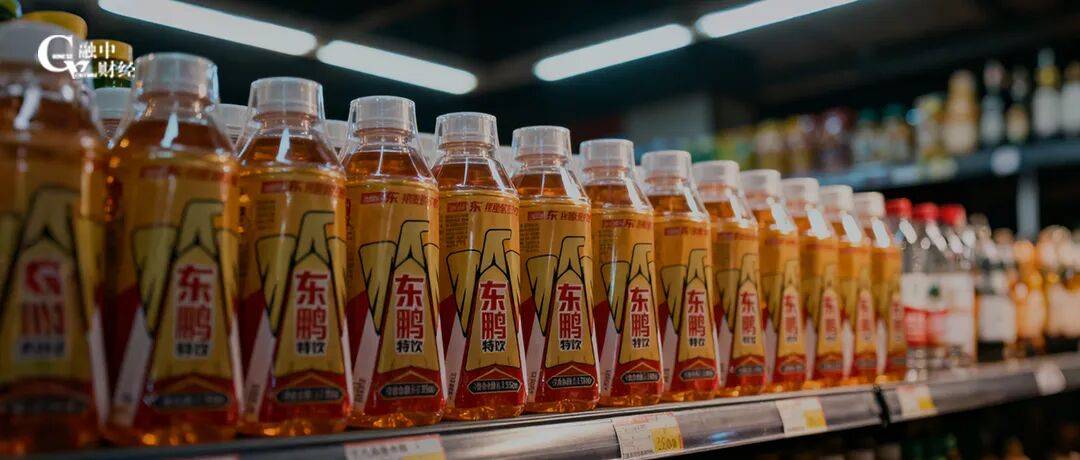
Core Viewpoint - Dongpeng Beverage has submitted a new listing application to the Hong Kong Stock Exchange, aiming for an "A+H" listing strategy after its successful A-share debut in 2021, despite facing challenges such as cash flow decline and reliance on a single product line [2][3][4]. Group 1: Company Overview - Dongpeng Beverage, known as the "Chinese Red Bull," has seen its market value exceed 162.08 billion yuan as of October 10, 2025, with a stock price of 311.68 yuan per share [3][4]. - The company has experienced a 23.24% year-on-year decline in net cash flow from operating activities from 2022 to 2024, indicating potential liquidity issues [3][4]. - The revenue contribution from its core product, Dongpeng Special Drink, has decreased from 96.6% in 2022 to 77.9% in 2025, yet it remains the dominant product [3][8]. Group 2: Market Position and Strategy - Dongpeng Beverage has captured a 26.3% market share in the functional beverage sector by 2024, up from 15% in 2021, despite facing growth limitations due to product dependency [7][8]. - The company has launched new products like "Brew Water" to diversify its offerings, achieving over 1 billion yuan in sales in the first half of 2025, a growth of over 200% year-on-year [8]. - Dongpeng's international revenue contribution is less than 0.3%, highlighting its limited presence in overseas markets compared to competitors like Red Bull and Monster [9][10]. Group 3: Financial Structure and Challenges - Despite having 56 billion yuan in cash and cash equivalents by the end of 2024, the company has a high short-term debt of 60 billion yuan, raising questions about its financial strategy [10][12]. - The company's asset-liability ratio has increased from 57.01% in 2023 to 66.08% in 2024, primarily due to a significant rise in short-term borrowings [13]. - Dongpeng has faced pressure from shareholders, with multiple rounds of share reductions since May 2023, potentially impacting market confidence [14][15]. Group 4: IPO and Market Trends - The decision to list in Hong Kong is seen as a strategic move to lower capital costs and optimize shareholder structure, with the company aiming to enhance its international brand presence [18][19]. - The Hong Kong IPO market has seen a surge in consumer companies, with 71 IPOs recorded by early October 2025, reflecting a trend of domestic firms seeking international expansion [20][21]. - The Hong Kong Stock Exchange has introduced a fast-track approval process for A-share companies with a market cap over 10 billion HKD, facilitating Dongpeng's listing [23][24].
立方财评 | 赴港上市是快车道还是必答题
Sou Hu Cai Jing· 2025-10-09 00:58
Core Viewpoint - The recent trend of A-share companies planning to issue H-shares in Hong Kong reflects a strong demand for internationalization and highlights the deeper logic behind the capital market's opening process [1][2]. Group 1: Companies' Internationalization Strategies - Over 130 A-share companies have announced plans to list in Hong Kong this year, including leading firms like CATL and Heng Rui Medicine, indicating a significant push towards internationalization [1]. - Companies such as CATL aim to seize the global energy transition opportunity, while brands like Wufangzhai and Hailan Home emphasize brand internationalization, showcasing their desire for external market expansion [1]. - Hong Kong is viewed as an optimal "bridge market" for companies aiming for global reach, providing a platform for international branding and market expansion [1]. Group 2: Market Conditions and Regulatory Environment - The advantages of the Hong Kong stock market, including a shorter listing process of 6 to 8 months and flexible refinancing tools, are driving this trend [1]. - Recent regulatory optimizations have lowered listing thresholds and shortened approval cycles, alleviating concerns for companies considering a Hong Kong listing [1]. - The combination of regulatory incentives and companies' strategic needs has created a conducive environment for this wave of listings [1]. Group 3: Challenges and Considerations - Listing in Hong Kong is not without costs; the overall market valuation is relatively low, and companies lacking a stable international investor base may face "price discount" challenges [2]. - Companies will encounter stricter information disclosure and compliance requirements in the international capital market, which may amplify previously manageable issues [2]. - The sustainability of the listing trend is influenced by whether companies have clear international strategies or view it merely as a short-term financing avenue [2].

